Learn
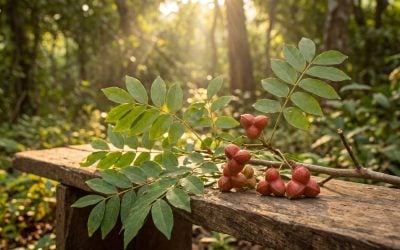
Paullinia Pinnata Medicinal Uses: A Research-Backed Guide to the African Five-Finger Vine
Key Takeaways Paullinia pinnata (Sapindaceae family) is a West and Central African medicinal climbing vine with documented traditional uses across Ghana, Togo, Nigeria, Cameroon, and Tanzania for inflammation, pain, sleep, and male vitality. Primary research has...
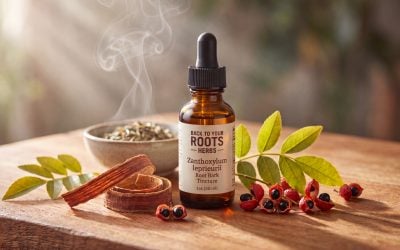
Zanthoxylum Leprieurii for Overall Wellness: A West African Botanical Guide
Key Takeaways Zanthoxylum leprieurii is a West African Rutaceae tree whose root bark, fruits, and leaves carry acridone alkaloids, cucurbitacin E, and aromatic essential oils studied for antimicrobial, antioxidant, and cytotoxic activity. The plant is distinct from...

Nauclea Latifolia for Muscle Support: Pharmacology + Traditional Use Guide
Key Takeaways Nauclea latifolia (also written Sarcocephalus latifolius, common name African peach) is a West and Central African tree whose root has been used in traditional medicine for muscular discomfort, fatigue, and loss of strength for centuries. Peer-reviewed...

Bidens Pilosa For Collagen Production: The Science Of A Plant-Based Retinoid Alternative
Key Takeaways Bidens pilosa is an Asteraceae-family herb whose extract activates the retinoid X receptor (RXR) in human fibroblasts, the same nuclear receptor pathway retinol uses to upregulate collagen and elastin synthesis. A standardized supercritical CO2 extract...

Alstonia Boonei for Malaria: West African Antimalarial Tree Medicine, Research, and Sourcing
Key Takeaways Alstonia boonei for malaria is one of the most documented traditional plant medicines of West and Central Africa, with stem bark, leaf, and root preparations used across Nigeria, Cameroon, and Ghana for treatment of malaria, fever, and parasitic disease....
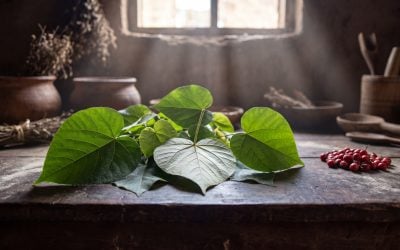
Alchornea Cordifolia for Healthy Hair Growth: West African Herb Guide and Research
Key Takeaways Alchornea cordifolia is a West African shrub in the Euphorbiaceae family, traditionally used in Yoruba, Igbo, and Ghanaian medicine for skin, wound, and hair applications. Phytochemical research identifies polyphenols, flavonoids, alchornein-type...
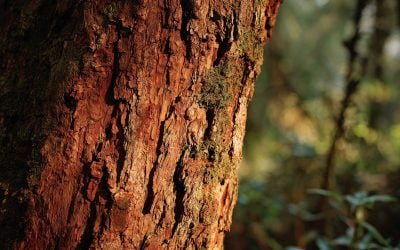
The African Cherry Tree’s Gift for Prostate Health
The extract from the bark of Prunus africana, or the African cherry tree, is commonly used as an herbal medicine. It is primarily associated with managing urinary symptoms caused by an enlarged prostate, a condition known as benign prostatic hyperplasia (BPH). The...
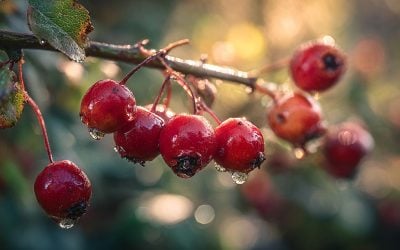
Hawthorn Berry’s Role in Cardiovascular Health
Hawthorn berry has been a component of traditional medicine for centuries, frequently used to address high blood pressure and other heart-related concerns. Modern analysis suggests that hawthorn may help lower blood pressure, reduce cholesterol, and act as a potent...
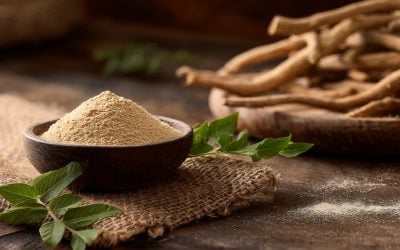
The Science of How Ashwagandha Affects the Body
Ashwagandha is an adaptogen, a plant that may help the body manage its response to stress, potentially by moderating cortisol levels. Current research suggests it can aid in improving sleep quality, supporting certain aspects of brain function, and contributing to...

The Visual & Scientific Guide to Astaxanthin’s Effects
Key Takeaways Astaxanthin, the red carotenoid from the microalga Haematococcus pluvialis, is studied at 3 to 6 mg per day, and pooled trial data show restored moisture and improved elasticity across roughly 4 to 12 weeks, with no significant change in wrinkle depth...
A Natural Approach to Kidney Stone Relief and Prevention
Many people seek natural ways to manage kidney stones. Staying hydrated by drinking plenty of water, about 12 glasses a day, is a primary recommendation. This helps dilute the substances in urine that form stones. Certain dietary changes may also help. Consuming lemon...

The Athlete’s Guide to Ashwagandha for Strength and Recovery
Key Takeaways In the most-cited trial, 8 weeks of 300 mg ashwagandha root extract twice daily alongside resistance training produced a 46.0 kg bench press increase against 26.4 kg for placebo (Wankhede et al., 2015, J Int Soc Sports Nutr, PMID: 26609282). That same...
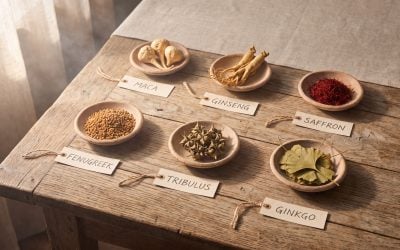
A Guide to Natural Libido-Enhancing Botanicals
Key Takeaways Of the roughly twelve plants sold as aphrodisiacs, only a handful have been tested in randomized human trials, and the measured effects are modest. Saffron, Panax ginseng, ashwagandha, fenugreek, and maca carry the strongest trial records. Damiana,...
A Guide to Natural Pain Management
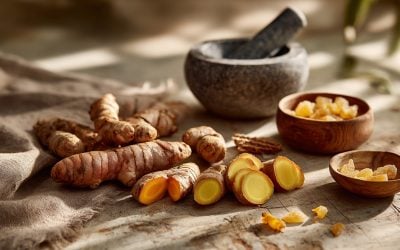
For those seeking ways of alleviating pain naturally, certain herbs offer potential relief. Some of the top options include turmeric, which contains the anti-inflammatory compound curcumin, and capsaicin, the active component in chili peppers, which can desensitize...
Ashwagandha’s Role in a Smoother Menopausal Transition
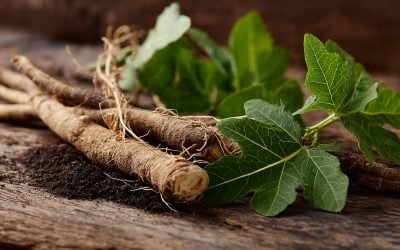
Key Takeaways The clinical dose studied in perimenopausal women is 300 mg of a standardized ashwagandha root extract taken twice daily, for 8 weeks. One randomized trial in 100 perimenopausal women reported reduced Menopause Rating Scale scores, higher estradiol, and...
A Guide to Sceletium Tortuosum: Science, History, and Benefits
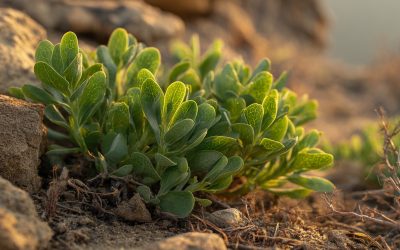
Sceletium tortuosum is a succulent plant native to South Africa, where it has a long history of traditional use. It contains active compounds, most notably mesembrine, which function as serotonin reuptake inhibitors, contributing to its effects on mood. Often used to...
A Comprehensive Guide to Epimedium for Women
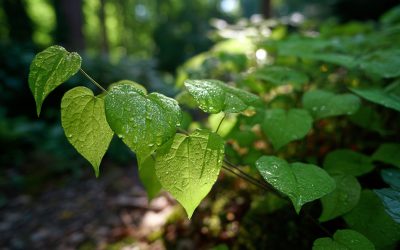
Often known by its more common name, horny goat weed, epimedium is a traditional herb that has garnered attention for its potential health applications, particularly for women. It is frequently sought after for support during menopause, with some research indicating...
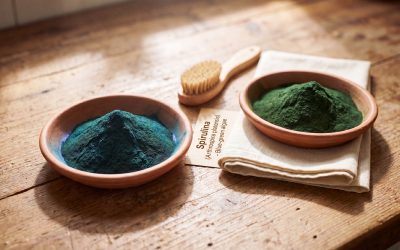
Spirulina and Chlorella Benefits: A Practitioner’s Guide to Two Distinct Algae
Key Takeaways Spirulina and chlorella are two distinct algae with overlapping reputations as superfoods, but they work through different biological mechanisms and deliver different headline nutrients. Spirulina (Arthrospira platensis) is a blue-green cyanobacterium...
Natural Approaches to Vaginal Wetness: Herbal Support
What Causes Vaginal Dryness? Vaginal dryness stems from reduced natural lubrication. This condition affects many women. Estrogen decline is a primary cause. Menopause, perimenopause, and postpartum periods often involve lower estrogen levels (Source: Maturitas, 2018)....

Natural Gallbladder Support: Optimizing Bile Flow and Digestive Health
The gallbladder, a small organ beneath the liver, stores and concentrates bile. Bile is crucial. It aids fat digestion. It helps eliminate waste products. A natural gallbladder support regimen focuses on optimizing these functions. It aims to promote efficient bile...
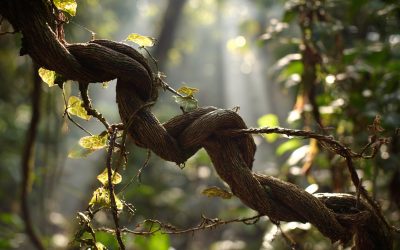
A Comprehensive Guide to the Caapi Vine
Key Takeaways Banisteriopsis caapi is a woody Amazonian liana in the Malpighiaceae family, accepted botanically as Banisteriopsis caapi (Spruce ex Griseb.) C.V.Morton. The vine contains the beta-carboline alkaloids harmine, harmaline, and tetrahydroharmine, which act...
A Guide to Natural Testosterone Support
As men get older, a gradual decrease in testosterone levels is a natural part of the aging process. This decline can sometimes lead to concerns about libido, energy, and muscle mass. While some herbs and supplements may help the body's natural production of...
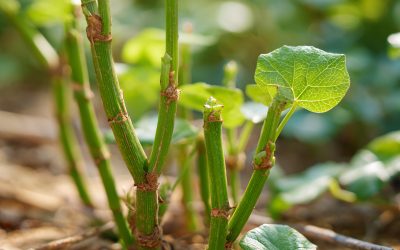
An Evidence-Based Guide to Veldt Grape
Key Takeaways Cissus quadrangularis L. is a Vitaceae-family vine used in Ayurvedic practice under the name Hadjod, meaning bone-setter. A 2025 meta-analysis of 7 randomized trials found raised parathyroid hormone but no change in calcium, phosphorus, or alkaline...
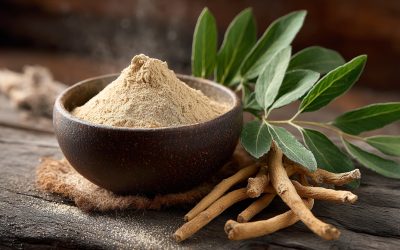
The Role of Ashwagandha in ADHD Symptom Management
Key Takeaways Ashwagandha is not a direct treatment or cure for ADHD, but it may help manage related symptoms like stress and anxiety. A 2026 meta-analysis of 20 trials in adults found a small measured effect on attention and processing speed, and a larger one on...
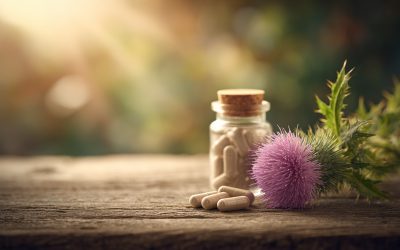
Milk Thistle and Your Liver: A Guide to the Science
While there's conflicting research on the benefits of milk thistle for liver health, it may have protective effects on the liver, preventing damage. Some evidence suggests that milk thistle can be a complementary treatment for conditions like cirrhosis and chronic...
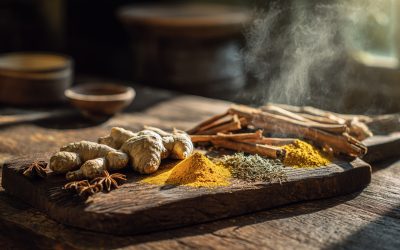
A Guide to Herbs in Weight Management
Some herbs may help with weight management by affecting metabolism, hunger, and fat absorption. For instance, fenugreek can help control appetite, while green tea extract may increase fat burning. Others like ginger and cayenne pepper are thought to have thermogenic...
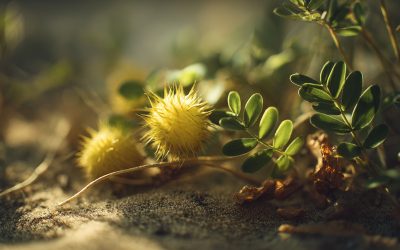
A Scientific Guide to Tribulus Terrestris
Based on current information, some studies suggest Tribulus terrestris may improve libido in both men and women, and could potentially help with certain aspects of heart health and blood sugar control. However, strong scientific evidence to support its use as a...
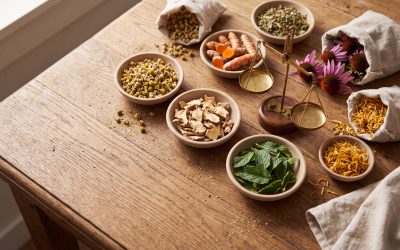
A Beginner’s Guide to Plant-Based Remedies
Key Takeaways Herbal medicine uses specific plant parts, not whole plants, because active compounds concentrate unevenly in roots, leaves, bark, and flowers. The six starter herbs most beginners meet first are chamomile, ginger, peppermint, turmeric, echinacea, and...
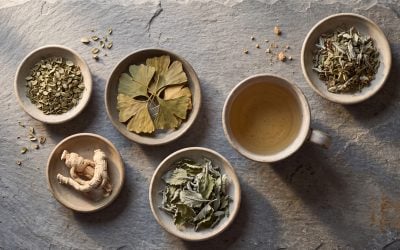
A Guide to Natural Cognitive Enhancement
Key Takeaways Bacopa monnieri carries the strongest human evidence for memory, with six randomized trials run at 300 to 450 mg daily over 12 weeks. Onset is not uniform. Rosemary aroma and L-theanine act within hours, while Bacopa and Gotu Kola require 8 to 12 weeks...
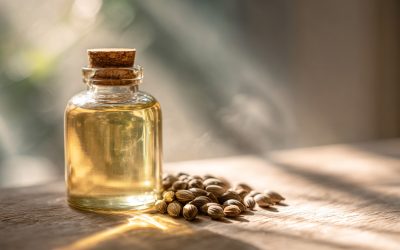
A Guide to Moringa Seed Oil for Skin and Hair
Moringa seed oil is a cold-pressed carrier oil produced from the seeds of Moringa oleifera Lam., and it is also sold under the older trade name ben oil. It runs roughly 70 to 76 percent oleic acid, carries behenic acid as its signature minor fatty acid, and is used...
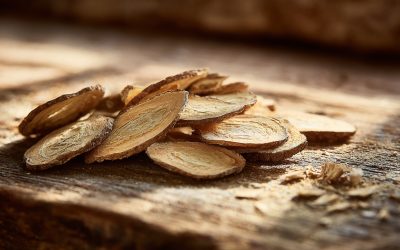
Astragalus Root (Huang Qi): Benefits, Dosage, and Safety
Key Takeaways Astragalus root, known as Huang Qi, is the dried root of Astragalus membranaceus and Astragalus mongholicus, used in Traditional Chinese Medicine for more than 2,000 years. A 2023 meta-analysis of 19 human studies covering 1,094 participants reported...
Ashwagandha for Cortisol: What the Clinical Evidence Shows
Key Takeaways Ashwagandha (Withania somnifera) lowers measured serum cortisol in controlled trials, with pooled reductions of roughly 1.16 to 2.58 micrograms per deciliter across two recent meta-analyses. Standardized root extract doses used in cortisol research run...
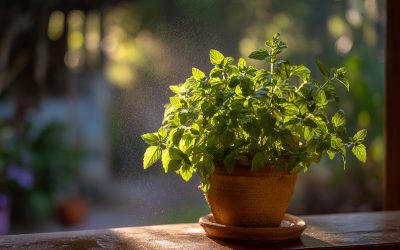
A Complete Guide to the Queen of Herbs
This plant, which is also known as tulsi or Ocimum tenuiflorum, is a respected herb in Ayurvedic traditions valued for its many potential health applications. It is classified as an adaptogen, a substance that may help the body manage stress. Primary benefits,...
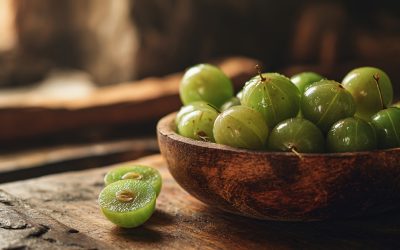
The Potent Ayurvedic Fruit: A Complete Guide to Its Benefits and Risks
Key Takeaways Amla, botanically Phyllanthus emblica and indexed in most clinical literature as Emblica officinalis, is a sour Ayurvedic fruit classified as a rasayana. A 2023 systematic review and meta-analysis of five randomized controlled trials reported reductions...
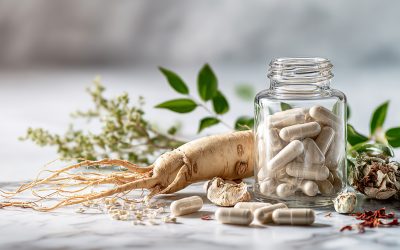
Natural Erection Pills: What the Research Shows and What to Avoid
Key Takeaways No herbal supplement has been shown to be both safe and effective for erectile dysfunction, according to the National Institutes of Health. Panax ginseng is the best-studied herb for erections, yet a Cochrane review of nine trials rated its effect as...
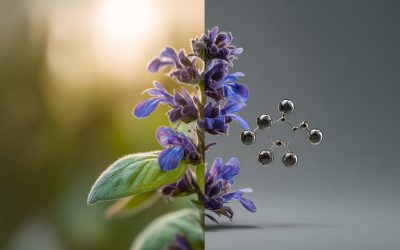
A Scientific Look at Turkesterone’s Classification
Key Takeaways Yes, turkesterone is a steroid by chemical structure. It is a phytoecdysteroid from Ajuga turkestanica (Regel) Briq., distinguished from ecdysterone by an 11-alpha-hydroxyl group on its carbon skeleton (Dinan et al. 2003, Journal of Insect Science, PMID:...
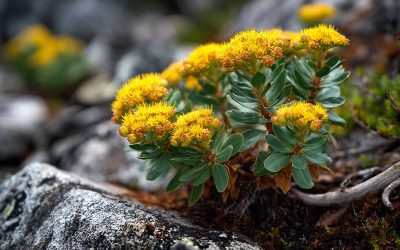
A Guide to Rhodiola Rosea for Attention and Focus
Some scientific literature suggests that Rhodiola rosea, an adaptogenic herb, might assist with ADHD symptoms by influencing neurotransmitters like dopamine and helping to manage stress. Studies indicate it may improve focus and lessen mental fatigue. It is important...
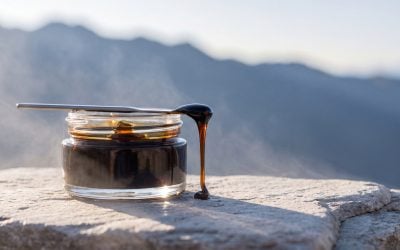
The Science of Shilajit for a Natural Glow
Key Takeaways Shilajit does not contain collagen. In an 8-week randomized trial, it was associated with higher serum levels of a type I collagen synthesis marker. The one human trial on shilajit and skin measured microperfusion, not wrinkles. At 250 mg twice daily for...
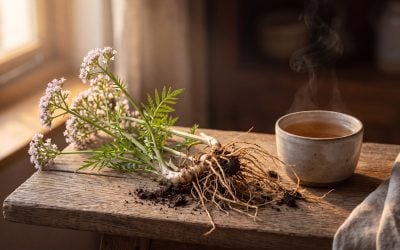
Valerian Root for Sleep: How It Works, Dosage, and Safety
Key Takeaways Valerian root (Valeriana officinalis) is a traditional sleep herb whose best-studied compound, valerenic acid, acts on specific GABA-A receptor subtypes in the brain. Research is mixed: reviews find better self-rated sleep quality after two or more weeks...
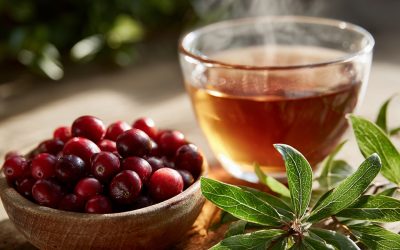
A Guide to Herbal Remedies for Urinary Tract Health
Key Takeaways Cranberry, Vaccinium macrocarpon, has the strongest evidence of any herbal remedy for urinary tract infections, and only for reducing recurrence. In 50 trials with 8,857 people, it lowered the risk of a symptomatic, culture-confirmed UTI by about 30...
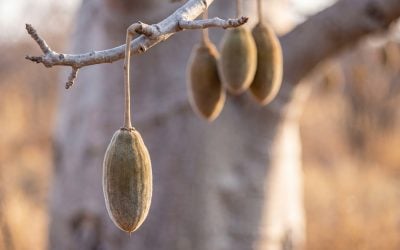
Baobab: A Guide to Africa’s Ancient ‘Tree of Life’
Key Takeaways Baobab is the fruit of Adansonia digitata, one of nine tree species in the genus Adansonia, native to mainland Africa, Madagascar, the Arabian Peninsula, and northwestern Australia. The fruit dries naturally on the branch into a chalky pulp, so the...
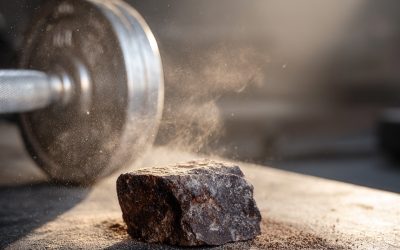
Shilajit for Bodybuilding: What the Research Actually Shows
Key Takeaways Shilajit supports bodybuilding by helping muscle hold strength under fatigue and by acting on connective tissue repair markers, not by adding muscle mass on its own. In a randomized trial of 63 recreationally active men, 500 mg daily of purified shilajit...
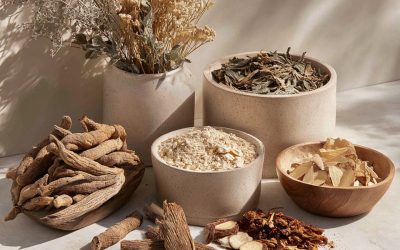
A Guide to Adaptogens and Weight Management
For individuals seeking adaptogens to assist with weight management, several herbs are frequently highlighted for their effects on the body's stress response. Ashwagandha is noted for its ability to lower cortisol levels, a stress hormone linked to weight gain....
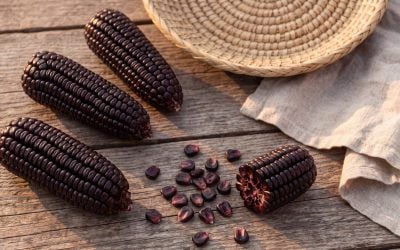
Purple Corn Benefits: Anthocyanins, Evidence and Uses
Key Takeaways Purple corn (maíz morado) is a flint variety of Zea mays L. from the Peruvian Andes whose kernels and cob are colored by anthocyanins, mainly cyanidin-3-O-glucoside (C3G). Purple corn kernels carry roughly 3 to 5 grams of anthocyanins per kilogram, more...
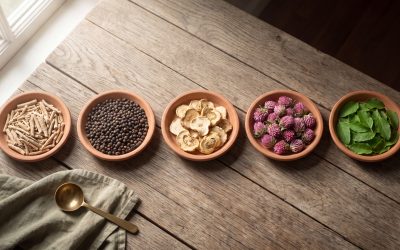
Finding Balance: 11 Herbs for Hormonal Wellness
Key Takeaways No single herb balances every hormone. Botanicals act on four separate mechanisms, and matching the mechanism to the goal matters more than picking a popular herb. Adaptogens such as ashwagandha, holy basil, and rhodiola act indirectly through the stress...
A Scientific Look at a Powerful Skin Antioxidant
According to current research summaries, astaxanthin is a potent antioxidant offering significant benefits for skin health. It is suggested to help shield the skin from UV damage, improve elasticity and moisture levels, and diminish the appearance of fine lines and...
Ashwagandha and Libido: Understanding the Science
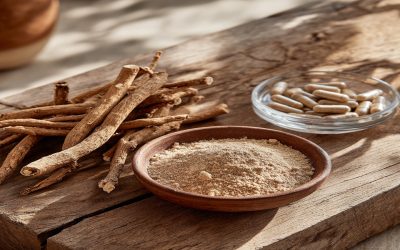
Back To Your Roots Herbs is dedicated to providing comprehensive, evidence-based insights into natural wellness. Ashwagandha, an ancient herb rooted in Ayurveda, has garnered attention for its potential to support overall well-being, including aspects of sexual...

A Practical Guide to Cordyceps and Athletic Performance
Key Takeaways Cordyceps is an endurance supplement rather than a strength supplement. The measured effects sit in time to exhaustion, ventilatory threshold, and VO2 max, not in muscle size or maximal strength. Human exercise trials have used 1 to 3 grams per day, with...
Natural Sleep Remedies: A Practical Guide to Restful Nights
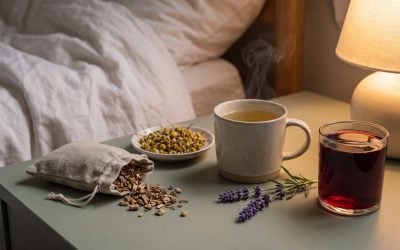
Key Takeaways Natural sleep remedies fall into three groups: sleep-hygiene habits, behavioral techniques drawn from cognitive behavioral therapy for insomnia (CBT-I), and botanicals or nutrients such as valerian, magnesium, chamomile, and melatonin. CBT-I is the...
The Science of Tribulus Terrestris and Male Hormones
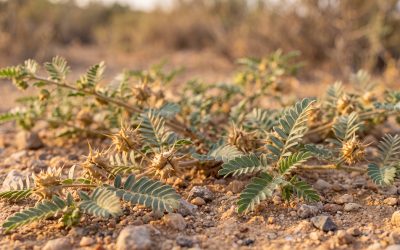
Key Takeaways Human trials do not show that Tribulus terrestris raises testosterone in healthy men, and a 2025 meta-analysis of eight randomized trials found no significant difference in total testosterone against placebo. The same 2025 meta-analysis did find a...
Health Benefits of Safflower: A Whole-Plant Guide to Carthamus tinctorius
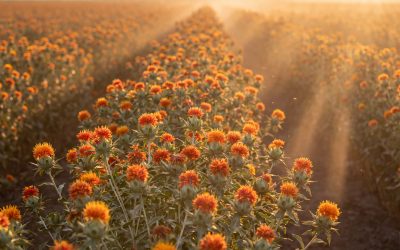
Key Takeaways Safflower is Carthamus tinctorius, a thistle-like member of the Asteraceae family grown for its orange-red florets and its oil-rich seeds. Safflower is not saffron. Saffron comes from Crocus sativus, an unrelated plant in the Iridaceae family, which is...

A Practical Guide to Whole-Person Wellness
Key Takeaways Holistic health treats the whole person rather than isolated symptoms, addressing physical, mental, emotional, social, and spiritual factors together. The World Health Organization defined health this way in 1946, and the NIH now calls the same idea...
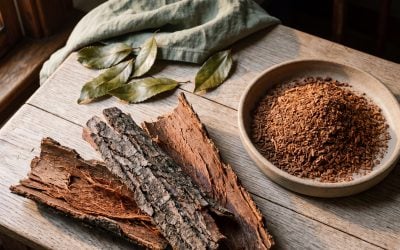
A Scientific Review of Pygeum for Hair Health
Key Takeaways Pygeum is bark from Prunus africana, the African cherry tree, and its phytosterols are studied as inhibitors of 5-alpha-reductase, the enzyme that converts testosterone into DHT. Direct human evidence now exists. A 2025 double-blind, placebo-controlled...
Tongkat Ali for Fitness and Performance: What the Trials Actually Show
Key Takeaways Tongkat ali (Eurycoma longifolia) is studied in training contexts for supporting a healthy cortisol response and testosterone balance, not as a direct performance enhancer. The strongest single data point: 4 weeks of standardized root extract lowered...
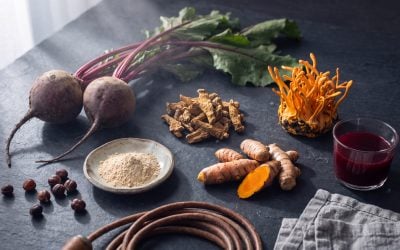
Natural Athletic Performance Enhancers: A Guide to What the Evidence Supports
Key Takeaways Natural athletic performance enhancers are legal, food- or plant-derived substances, such as caffeine, dietary nitrate from beetroot, creatine, and adaptogenic herbs, used to support energy output, endurance, and recovery around training. The...

How to Balance Female Hormones Naturally: What the Evidence Actually Shows
Key Takeaways Female hormonal balance describes six interacting messengers, not two: estrogen, progesterone, testosterone, cortisol, insulin, and thyroid hormone. Chasteberry (Vitex agnus-castus) has the strongest premenstrual evidence of any herb here, at 2.57 times...
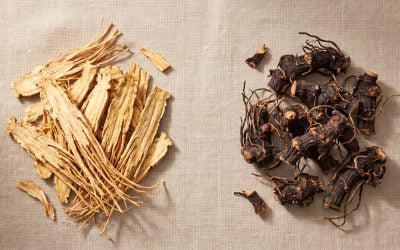
Dong Quai vs Black Cohosh: How They Differ and Which Is Better Studied
Key Takeaways Dong quai (Angelica sinensis) and black cohosh (Actaea racemosa) come from different plant families, different continents, and different herbal traditions. Black cohosh is the far better-studied of the two for hot flashes and night sweats, with mixed but...
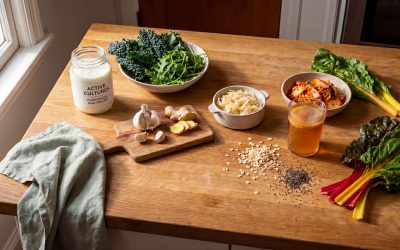
Gut Health and Immunity: How the Gut Microbiome Trains Your Immune System
Key Takeaways Roughly 70 percent of the immune system lives inside the gut, where the microbiota, the mucosal lining, and gut-associated lymphoid tissue train the immune response every day. Gut bacteria shape immune function by producing short-chain fatty acids,...
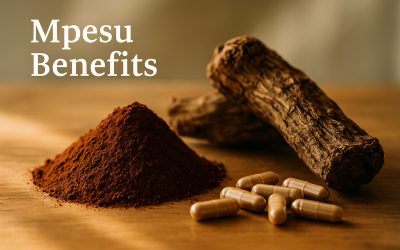
Mpesu (Securidaca Longipedunculata): Benefits, Dosage, and Safety Profile
Mpesu (Securidaca longipedunculata) is a traditional root bark from the Polygalaceae family, wild-harvested across Southern Africa and known in English as the Violet Tree, that men have used for generations to support stamina, vitality, and reproductive wellness. It...
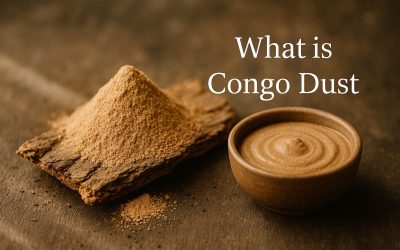
What Is Congo Dust? A Guide to Its Use, Origins, and Benefits
Congo Dust is a traditional topical powder from the Katanga region of Central Africa, sold under regional names such as Ankoro, Poutoulou, and Putulu, and used by men as a natural desensitizing aid meant to help delay climax and extend control during intimacy. It is...
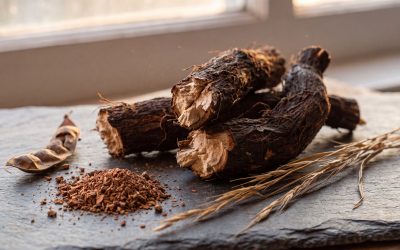
Bangalala Benefits: A Guide to Traditional Uses and Modern Science
Bangalala (Eriosema kraussianum) is a traditional South African root, called uBangalala in Zulu, that men have used for generations to support vitality, stamina, and healthy circulation. It is a legume from the grasslands of KwaZulu-Natal, not a ginger and not related...
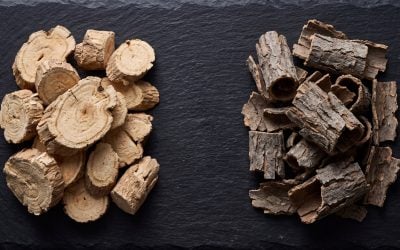
Mulondo Vs. Mpesu: Why These Two African Herbs Are Not The Same
Key Takeaways Mulondo and Mpesu are not the same herb. They come from two completely different plant species in two different botanical families. Mulondo is Mondia whitei, a climbing vine in the Apocynaceae family, often called African Ginger or White's Ginger for its...
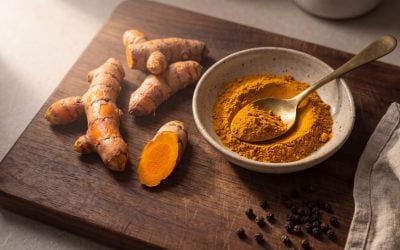
Turmeric for Ulcerative Colitis: Benefits, Safety, and Clinical Insights
Key Takeaways Curcumin, the principal curcuminoid in Curcuma longa, has been studied as an add-on to standard ulcerative colitis therapy, never as a replacement for it. Clinical trials in mild-to-moderate ulcerative colitis have used roughly 1.5 to 3 grams of curcumin...
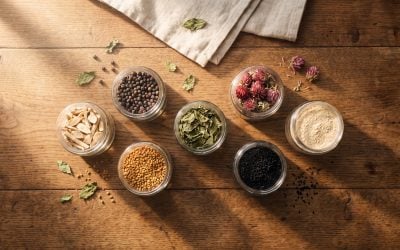
Natural Plant Support for Reproductive Health: A Comprehensive Guide to Herbs and Fecundity
Key Takeaways No herb has been shown to reliably increase fertility on its own, and the honest evidence tiers differ sharply from herb to herb. Ashwagandha (Withania somnifera) carries the strongest human trial data of any herb here, and that data is for male semen...
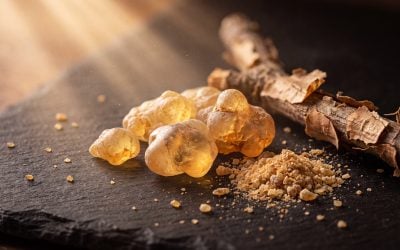
Boswellia’s Role in Addressing Hair Loss: Benefits, Mechanisms, and Safety Considerations
The quest for healthy, vibrant hair is timeless, leading many to investigate natural remedies. One such botanical that has garnered attention is Boswellia serrata, commonly known as Indian frankincense. This ancient herb, with a rich history in Ayurvedic medicine, is...
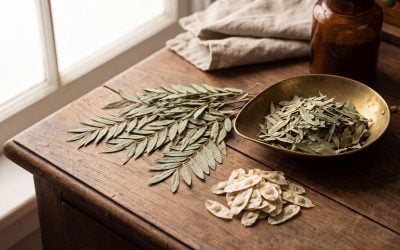
Relieving Constipation with Senna: A Complete Guide to Use, Effects, and Safety
Key Takeaways Senna is a stimulant laxative made from Senna alexandrina leaves and pods, and its sennosides need gut bacteria to convert them before anything happens. That bacterial conversion step is why senna takes 6 to 12 hours, with roughly 8 hours being typical,...
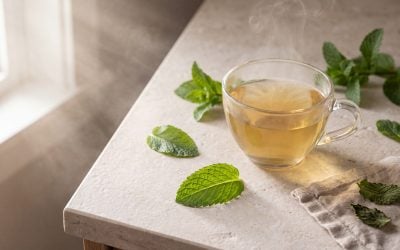
Beat Bloating Naturally: A Comprehensive Guide to Peppermint Tea for Digestive Wellness
Key Takeaways The clinical trial evidence for peppermint and bloating tested enteric-coated peppermint oil capsules, not peppermint tea. No randomized trial has tested the tea itself. Across 12 randomized trials of 835 patients, peppermint oil improved global...
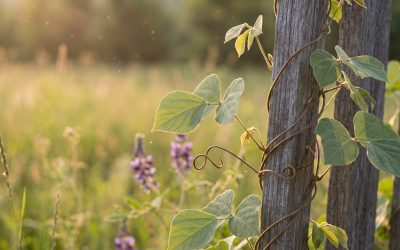
Herbal Remedies and Natural Strategies for Alcohol Craving Relief
Key Takeaways No herb has been shown in clinical trials to reliably stop alcohol cravings, and any product promising that is overstating the evidence. Kudzu root is the most-studied herb here, and the two landmark trials found it cut how much people drank while...
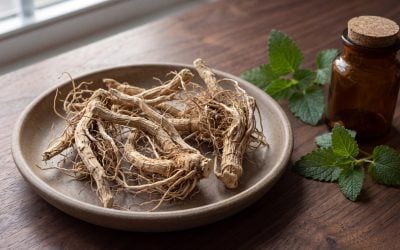
Potential of Valerian Root for Inattention and Hyperactivity: A Scientific Review
Key Takeaways Valerian root is a calming botanical rather than a stimulant, and the research signal sits in restlessness and sleep rather than in attention itself. In a 2014 observational study of 169 primary school children, strong or very strong hyperactivity fell...
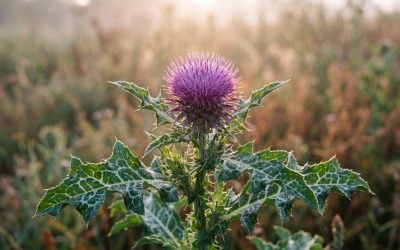
Milk Thistle and Its Role in Gallbladder Health: A Comprehensive Guide
The gallbladder is a small organ that most people never think about until it starts causing trouble. When it does, the discomfort can be considerable, and many people begin looking for supportive natural options. One plant comes up again and again in that search:...
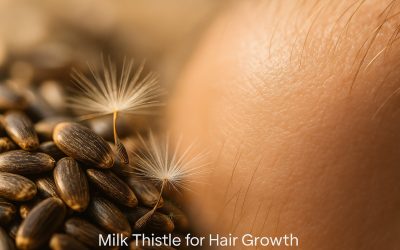
Milk Thistle and Hair Growth: What the Research Reveals
Key Takeaways The human hair evidence for milk thistle comes from a topical Silybum marianum flower extract, not from oral seed capsules or seed powder. A shampoo containing that flower extract significantly increased hair density and total hair count at 16 and 24...
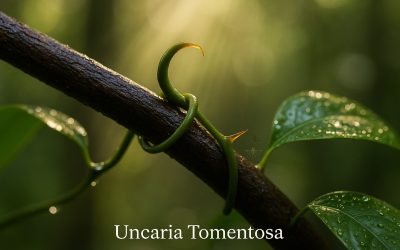
Cat’s Claw: Understanding Its Uses, Health Benefits, and Safety
Key Takeaways Cat's claw is Uncaria tomentosa, a woody Rubiaceae vine of the Peruvian Amazon whose inner bark and root are the parts used. Two alkaloid groups drive its activity, and they work against each other. Pentacyclic oxindole alkaloids act on cellular immune...

How Vitamin B6 (Pyridoxine) Influences Dream Recall and the Potential for Lucidity
Key Takeaways Vitamin B6 (pyridoxine) improves how much dream content you recall on waking, but it does not make dreams more vivid, bizarre, or colorful. The largest trial gave 100 adults 240 mg of pyridoxine hydrochloride before bed for five consecutive nights...
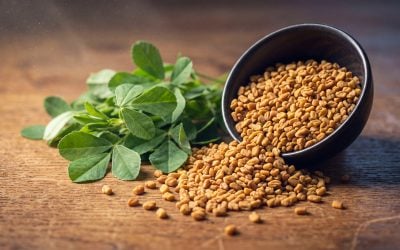
Fenugreek: Uses, Benefits, and Safety Information
Key Takeaways Fenugreek (Trigonella foenum-graecum) is an annual legume in the Fabaceae family whose seeds and leaves are used as separate ingredients with different flavors and different uses. The seeds carry the compounds most studied in research, including...
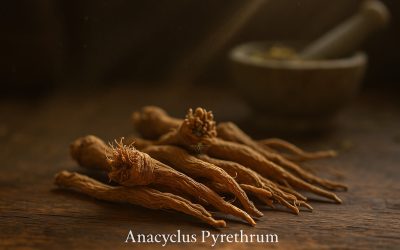
Akarkara (Pellitory Root): Uses, Benefits, Safety, and Dosage
Key Takeaways Anacyclus pyrethrum is a perennial root in the daisy family (Asteraceae), native to Morocco and Algeria, known in Ayurveda and Unani practice as Akarkara or Pellitory Root. Its signature compounds are N-alkylamides, principally pellitorine, which produce...

Natural Approaches to Managing Menopausal Hot Flashes
Hot flashes, also known as hot flushes, are a frequent and often bothersome symptom experienced by many women during perimenopause and menopause. Characterized by a sudden sensation of intense heat spreading through the upper body and face, often accompanied by...
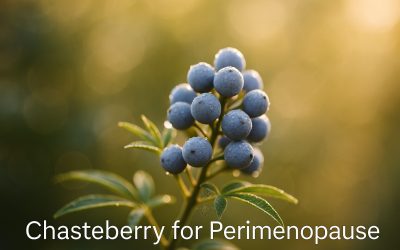
Understanding Vitex Agnus-Castus and Its Role During the Perimenopausal Transition
Perimenopause marks a significant transition in a woman’s life, the period leading up to menopause when hormone production, particularly estrogen and progesterone, begins to fluctuate and eventually decline. This natural phase often brings a variety of physical and...
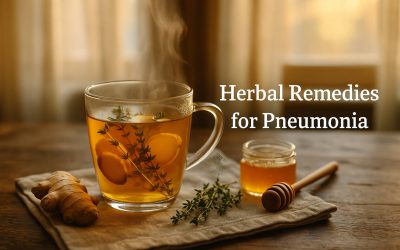
Natural and Herbal Approaches for Supporting Pneumonia Recovery
Pneumonia presents a significant respiratory challenge. Infections inflame lung air sacs. This causes fluid buildup. Breathing becomes difficult. While conventional medical treatment is crucial, specific herbal remedies offer supportive care. They assist the body's...
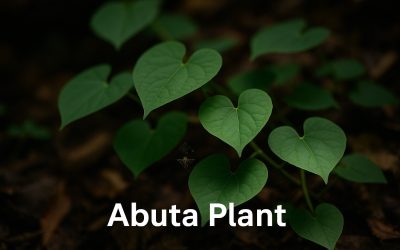
Cissampelos pareira: Understanding a Traditional Medicinal Vine
Known by many names like Velvet Leaf, Ice Vine, and Laghu Patha, Cissampelos pareira is a climbing vine with a rich history embedded in traditional medicine systems across the globe. For centuries, communities in South America, Asia, and Africa have relied on this...
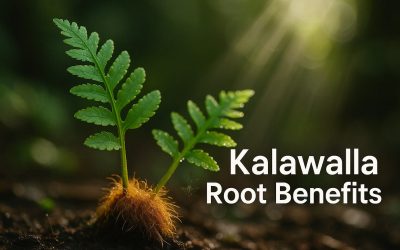
Kalawalla Root: Traditional Uses, Potential Benefits, and Scientific Insights
Kalawalla is the common trade name for Polypodium leucotomos, a fern native to Honduran rainforests that coastal Garifuna communities have long prepared as a traditional wellness drink. The part sold commercially as "root" is technically the fern's rhizome, dried and...
The Potential Role of Sarsaparilla in Managing Psoriasis
Psoriasis is a persistent autoimmune condition affecting the skin, characterized by inflammation and accelerated skin cell turnover. Many individuals living with this disease explore complementary approaches alongside conventional medical treatment. One plant that...
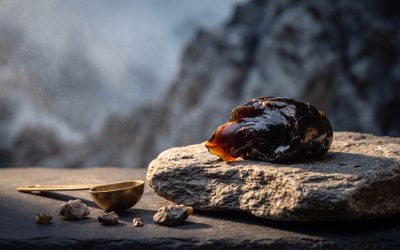
The Relationship Between Shilajit and Uric Acid: A Comprehensive Guide
Shilajit, a substance revered in traditional medicine systems like Ayurveda, emerges from the high-altitude rocks of mountains, particularly the Himalayas. This natural resinous material, formed over centuries from decomposing plant matter, is rich in minerals and...
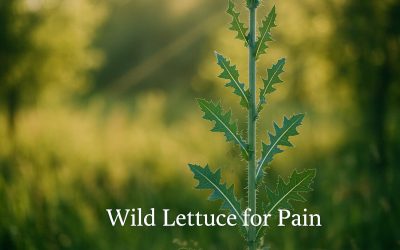
Evaluating Wild Lettuce (Lactuca virosa) for Pain: Benefits, Risks, and Scientific Evidence
Key Takeaways Wild lettuce (Lactuca virosa) has a long record of traditional use for pain and restlessness, but no controlled human trial has ever tested it for pain relief. Its bitter sesquiterpene lactones, lactucin and lactucopicrin, produced measurable analgesic...
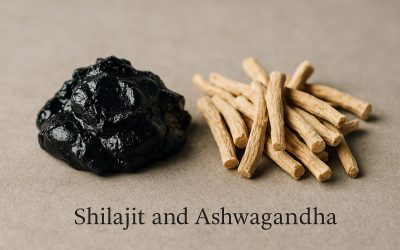
Understanding Shilajit and Ashwagandha: Benefits, Differences, and Potential Synergy
Shilajit and Ashwagandha are prominent adaptogens used in traditional medicine for centuries. Individually, they offer distinct health benefits: shilajit supports cellular energy and nutrient transport, while ashwagandha aids in stress response and cognitive balance....
Pancreas Detox Explained: How to Naturally Support Pancreatic Health
Many people search for ways to improve their organ health, sometimes looking for terms like a pancreas detox. While the intention to support this vital organ is excellent, the concept of “detoxing” a specific organ like the pancreas isn’t how your body’s natural...
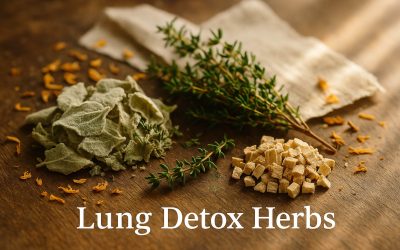
Best Herbs for Lung Health: Supporting Natural Cleansing and Respiratory Wellness
Our lungs work tirelessly, filtering the air we breathe and delivering vital oxygen to our bodies. In today's world, they often face challenges from environmental pollutants, seasonal allergens, smoke, and the aftermath of respiratory illnesses. Many people seek...

Understanding and Managing Acid Reflux Naturally
This article provides information on dietary changes, lifestyle adjustments, and specific home remedies that may help manage acid reflux symptoms. It is intended for informational purposes. Always consult with a healthcare professional for a proper diagnosis and...

Understanding Bowel Cleansing: Methods, Benefits, and Risks
Key Takeaways A 2009 systematic review in The American Journal of Gastroenterology found no methodologically rigorous controlled trials supporting colon cleansing for health promotion, alongside multiple case reports of harm (Acosta and Cash, 2009, PMID: 19724266)....
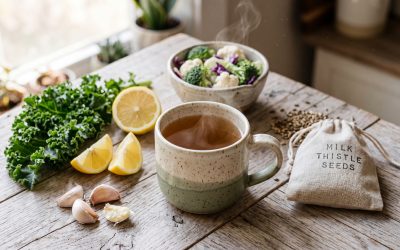
Body Cleanse Detox: Honest Herbal And Scientific Guide
Key Takeaways A body cleanse detox supports your body's natural detoxification pathways rather than removing mysterious "toxins" that scientific research does not actually identify or measure. The liver, kidneys, lungs, lymphatic system, colon, and skin already...
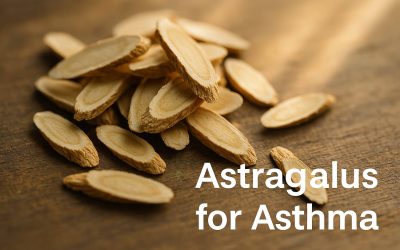
Can Astragalus Help with Asthma? Exploring Benefits and Risks
This article examines the potential role of Astragalus membranaceus in the context of asthma and lung health, looking at traditional use, scientific understanding of its mechanisms, potential benefits, and essential safety considerations. Important Disclaimer: The...
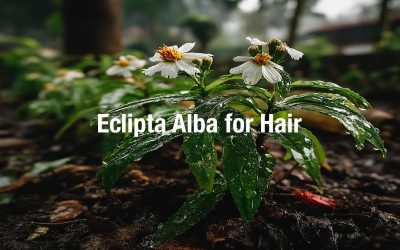
Bhringraj for Hair: Benefits, Uses, and Scientific Insights
Key TakeawaysBhringraj (Eclipta prostrata), the Ayurvedic "King of Hair," is traditionally used to support hair growth, scalp comfort, and natural color.Animal studies report follicle-stimulating activity for Eclipta extracts, while rigorous human trials are still...
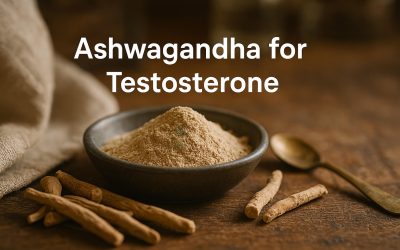
Supporting Men’s Testosterone Naturally: The Role of Ashwagandha
Ashwagandha (Withania somnifera), an herb deeply rooted in traditional Ayurvedic practice, has garnered considerable attention in contemporary wellness discussions, particularly regarding its potential influence on male hormonal health. Known commonly as Indian...
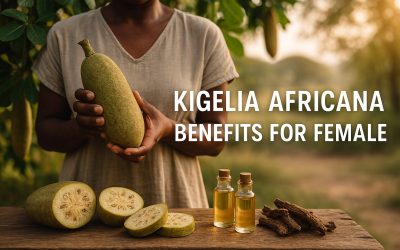
Sausage Tree Benefits for Female Wellness: Skin, Fertility & Tradition
The African continent is home to a vast array of botanicals used for centuries in traditional medicine. Among these is Kigelia africana, commonly known as the sausage tree due to its distinctive, large, sausage-shaped fruit. Held in high regard in many African...
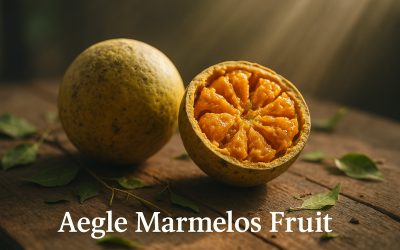
Bael Fruit: Uses, Benefits, and Preparation
The world of tropical plants offers a vast array of unique and beneficial species, and among them stands Aegle marmelos, commonly known as Bael. This distinctive fruit, also called Stone Apple or Bengal Quince, holds significant cultural importance, particularly in...
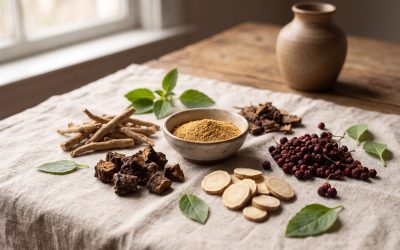
Which Adaptogens Reign Supreme for Stress, Energy, and Focus?
What are Adaptogens? Understanding the Basics Adaptogens are herbs known for their ability to promote balance and resilience within the body. These natural substances work by supporting your body’s stress response system, helping to combat fatigue and enhance mental...
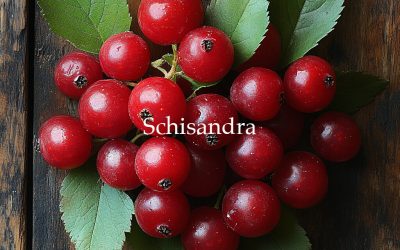
Unveiling the Potential of Schisandra: Benefits, Uses, and Safety
The five-flavor fruit, known scientifically as Schisandra chinensis, is a remarkable berry with a rich history in traditional herbal medicine. This unique plant, native to China, has garnered attention for its diverse health benefits and adaptogenic properties. In...
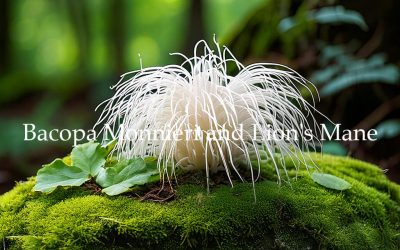
Combining Bacopa and Lion’s Mane for Enhanced Cognitive Function
Two natural supplements have garnered significant attention for their potential to enhance cognitive function and support brain health: Bacopa monnieri, a cornerstone of Ayurvedic medicine, and Lion's Mane mushroom (Hericium erinaceus) prized in Traditional Chinese...
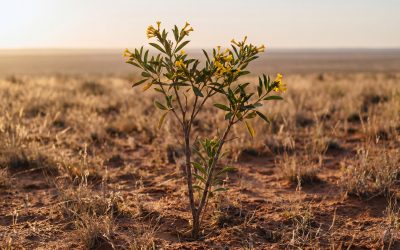
Fadogia Agrestis Plant: A Botanical Guide to Fadogia Agrestis Benefits, Side Effects, Dosage, Traditional Uses, and Quality Sourcing
Key Takeaways The fadogia agrestis plant is a small West African herbal shrub in the Rubiaceae family, native to the Guinea-Sudan Savanna belt across Northern Nigeria, Burkina Faso, and surrounding regions. Its stem contains alkaloids and steroidal saponins that have...
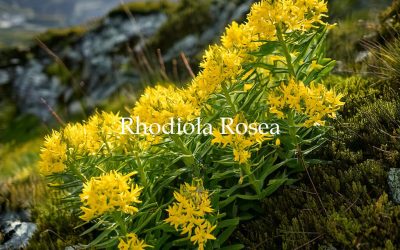
Golden Root (Rhodiola): Benefits, Uses, and Safety Information
What is Rhodiola Rosea? Rhodiola rosea is a hardy perennial plant that thrives in cold, mountainous regions of Europe and Asia. Its vibrant yellow flowers are a common sight in these rugged environments. The term “golden root” refers to the appearance of its rhizome,...