While there’s conflicting research on the benefits of milk thistle for liver health, it may have protective effects on the liver, preventing damage. Some evidence suggests that milk thistle can be a complementary treatment for conditions like cirrhosis and chronic hepatitis, which can be caused by alcohol abuse, autoimmune disease, or viruses. However, experts emphasize that the evidence isn’t definitive. Some studies also show milk thistle may help people whose liver is damaged by industrial toxins.
People have traditionally used milk thistle for liver and gallbladder issues. The primary active ingredient, silymarin, is an antioxidant compound from milk thistle seeds. It is sometimes used as a natural treatment for cirrhosis, jaundice, and viral hepatitis.
The Liver’s Vital Role
Your liver is a resilient organ, working tirelessly to filter toxins, aid digestion, and regulate metabolism. It performs hundreds of essential functions that maintain your overall health. Given its constant workload, supporting liver function is a key aspect of well-being. This has led many to investigate natural remedies, with the herbal supplement milk thistle often at the center of the conversation.
Silymarin: The Active Compound
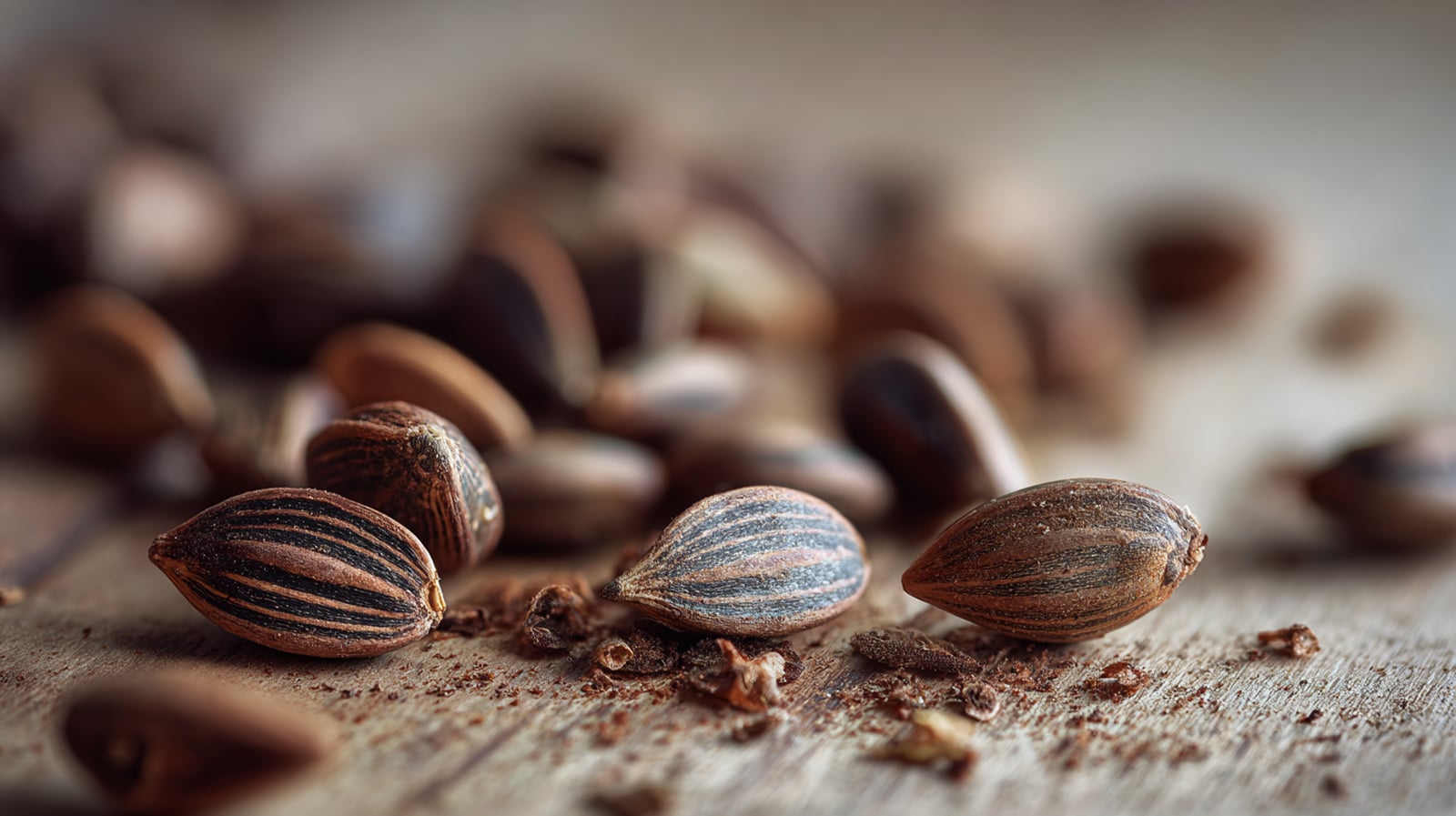
The therapeutic properties of milk thistle are attributed to a group of plant compounds collectively known as silymarin. Extracted from the plant’s seeds, silymarin possesses antioxidant and anti-inflammatory properties. These characteristics are the foundation for its reputed liver-protective effects. Silymarin is thought to work by neutralizing free radicals, which are unstable molecules that can cause damage to cells when your liver processes toxic substances.
Key Takeaways
- The liver performs hundreds of critical functions for overall health.
- Milk thistle is an herbal remedy studied for its potential to support the liver.
- Silymarin is the active compound in milk thistle with antioxidant properties.
Scientific Research on Liver Conditions
Interest in milk thistle’s benefits for liver health has led to numerous scientific studies. The results, however, are often mixed, highlighting the need for more research. It is most often used as a complementary therapy alongside conventional treatments.
Non-Alcoholic Fatty Liver Disease (NAFLD)
NAFLD is a condition marked by excess fat storage in liver cells. Some research suggests that silymarin may help reduce inflammation and damage to the liver in individuals with NAFLD. Studies have pointed to potential improvements in liver enzyme levels, which are key indicators of liver health, after supplementation with milk thistle.
Alcoholic Liver Disease and Cirrhosis
For liver damage related to excessive alcohol consumption, the evidence is less clear. Some studies have found that milk thistle may offer a modest benefit in life expectancy for those with cirrhosis, which is severe scarring of the liver. Other studies, however, have not found a significant beneficial effect on the progression of alcoholic liver disease.
Viral Hepatitis
Hepatitis refers to inflammation of the liver, often caused by a viral infection. Research into milk thistle as a treatment for chronic hepatitis C and B has produced conflicting results. While some early studies showed potential improvements in liver enzymes, larger, more rigorous trials have not consistently replicated these findings.
| Condition | Potential Milk Thistle Benefit | Strength of Evidence |
|---|---|---|
| NAFLD | May reduce liver inflammation and enzyme levels | Promising, but more research is needed |
| Alcoholic Liver Disease | May offer a slight improvement in some outcomes | Mixed and inconsistent |
| Viral Hepatitis | Unclear; studies show conflicting results | Limited and inconclusive |
How Milk Thistle May Work
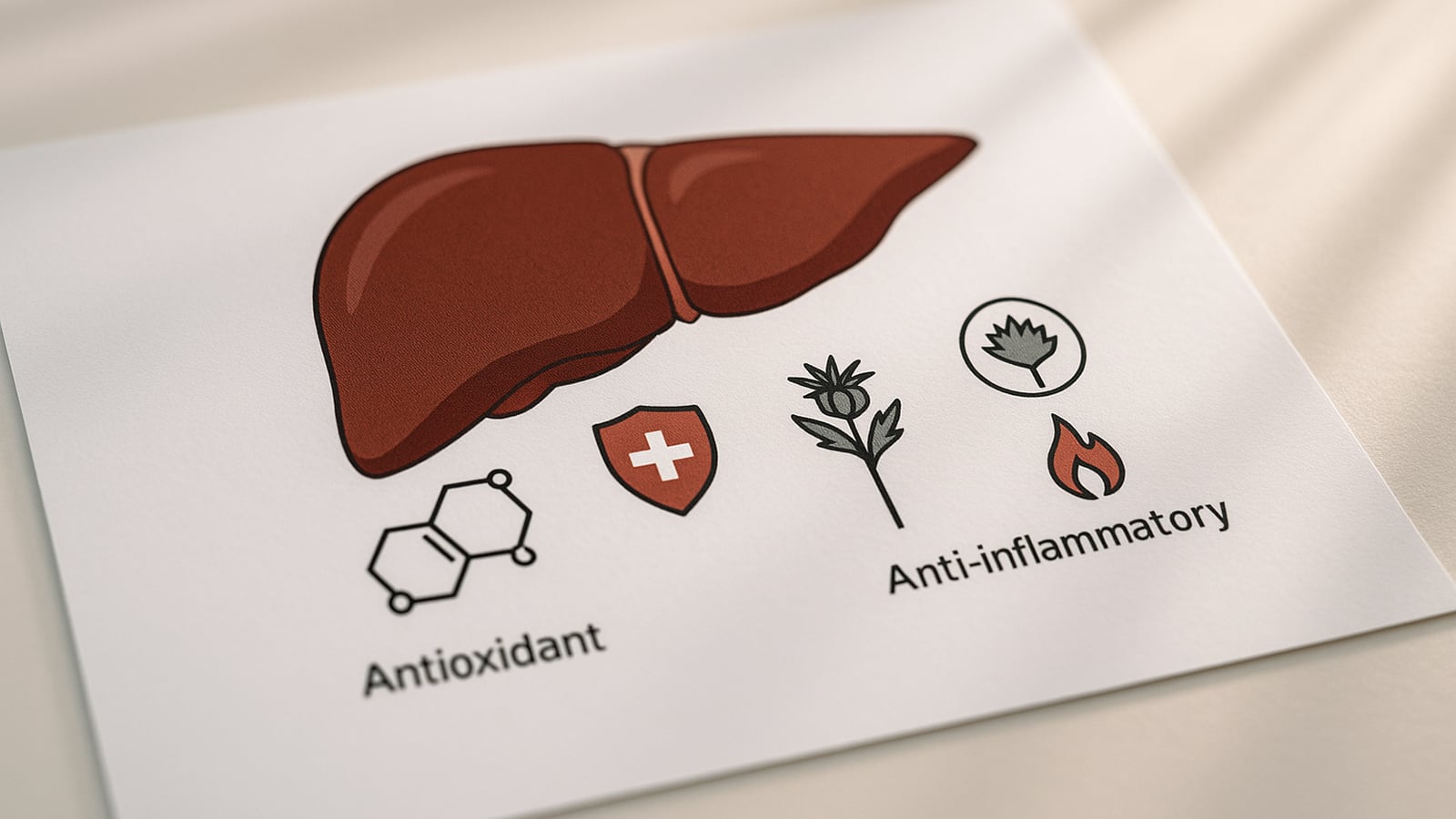
Scientists believe silymarin supports the liver through several mechanisms. These actions collectively contribute to its hepatoprotective, or liver-protecting, reputation.- Antioxidant Activity
- Silymarin is a potent antioxidant. It helps neutralize damaging free radicals produced during metabolic processes, thereby reducing oxidative stress on liver cells.
- Toxin Blockade
- One of the most unique proposed mechanisms is silymarin’s ability to inhibit the binding of toxins to liver cell membrane receptors. This effectively creates a blockade, preventing harmful substances from entering the cells.
- Enhanced Protein Synthesis
- Some evidence suggests that silymarin may stimulate protein synthesis within liver cells. This action could help regenerate and repair damaged cells, promoting overall liver function.
Safety, Forms, and Dosage
Milk thistle is generally considered safe for most people when taken in appropriate doses. However, like any supplement, it is not without potential side effects and interactions.
General Safety and Side Effects
The most common side effects are mild and gastrointestinal in nature, such as bloating, gas, or diarrhea. Allergic reactions are also possible, particularly for individuals with allergies to other plants in the daisy family, like ragweed, chrysanthemums, and marigolds.
Who Should Be Cautious
It is important to consult a healthcare professional before taking milk thistle, especially for those with certain conditions or who are taking specific medications.
- Pregnant or breastfeeding individuals: There is not enough research to confirm its safety.
- People with hormone-sensitive conditions: Milk thistle can have estrogenic effects.
- Individuals with diabetes: It may lower blood sugar levels, requiring medication adjustments.
- Those taking certain medications: It can interact with a variety of drugs processed by the liver.
Forms and Dosing
Milk thistle is available in several forms, including capsules, tablets, liquid extracts, and teas. The concentration of silymarin can vary widely between products. Dosages used in studies often range from 200 to 400 milligrams of silymarin per day, but there is no universally established dose. Back To Your Roots Herbs provides quality supplements, but it is always best to follow the guidance of a healthcare provider for personalized recommendations.

The Final Word on Milk Thistle
Milk thistle, and its active compound silymarin, shows promise as a supportive therapy for certain liver health concerns. Its antioxidant and anti-inflammatory properties provide a scientific basis for its traditional use. However, the body of scientific evidence remains mixed, and it is not a substitute for conventional medical treatment for liver disease.
Before adding any new supplement to your regimen, it is essential to have a conversation with your doctor. They can help you weigh the potential benefits against the risks and determine if it is an appropriate choice for your individual health needs.