Mood - Emotions
Navigating your emotional health is a personal and important part of life. For those seeking natural ways to support their emotional landscape, it is essential to proceed with a careful and informed approach. Many herbal remedies for mood have been used for centuries to promote emotional balance. This guide provides a clear, evidence-based overview of specific herbs studied for their role in supporting a balanced mood and easing feelings of tension.
Key Takeaways
- Emotional well-being is complex; herbs can offer support but are not a substitute for professional mental health care.
- Herbs work in different ways: some help support mood regulation during periods of stress, while others are better suited for calming feelings of nervous tension.
- CRITICAL SAFETY: Some herbs, especially St. John’s Wort, have serious interactions with prescription medications. Professional medical advice is essential before use.
- The quality and purity of herbal supplements for emotions are paramount for both safety and effectiveness.
▼ READ THE FULL GUIDE TO MOOD & EMOTION HERBS
A Critical Note on Mental Health & Herbal Support
Before we proceed, it is vital to state this clearly: If you are struggling with your mental health, please seek guidance from a qualified healthcare professional or therapist. Herbal remedies can be a supportive part of a holistic plan for emotional well-being, but they are not a replacement for professional medical care, therapy, or prescribed medication for mood disorders.
Understanding Neurotransmitters & Mood
Our emotions are influenced by brain chemistry. Neurotransmitters are chemical messengers that play a significant role in mood regulation. For example, serotonin is often associated with feelings of well-being and happiness, while GABA is an inhibitory neurotransmitter that helps promote calmness and relaxation. Many herbs for mental health are thought to work by interacting with these systems.
Key Herbs for Supporting a Balanced Mood
These herbs are traditionally used to help maintain a positive and stable emotional outlook.
St. John’s Wort
This is one of the most well-researched herbs for mental health, specifically for supporting a positive mood. It is thought to work by influencing serotonin and other neurotransmitters in the brain. However, it comes with critical safety warnings.
Rhodiola Rosea
As an adaptogen, Rhodiola does not target mood directly but helps the body adapt to stress. By supporting your resilience to physical and emotional stressors it can contribute to greater emotional stability and mood enhancement.
Key Herbs for Easing Tension & Anxious Feelings
These botanicals are known for their calming properties and are often used to soothe the nervous system.
Lemon Balm
A gentle member of the mint family, Lemon Balm is traditionally used to calm nervous tension and restlessness. It is thought to support the relaxing effects of the neurotransmitter GABA in the brain.
Passionflower
This herb is valued for its ability to quiet a racing mind. It is another botanical that is believed to work by supporting GABA activity, helping to promote a sense of calm without heavy sedation.
Kava
Kava is well-known for its relaxing effects and its ability to ease anxious feelings. It is a potent herb that should be used with respect and caution.
CRITICAL SAFETY INFORMATION & POTENTIAL INTERACTIONS
Your safety is the highest priority. Please read this section carefully.
- St. John’s Wort & SSRIs: DO NOT combine St. John’s Wort with antidepressant medications (like SSRIs). This can cause a dangerous condition known as Serotonin Syndrome. It also interacts with many other medications, including birth control pills. Medical supervision is mandatory.
- Kava & Liver Health: There have been reports linking high doses or prolonged use of Kava to liver problems. If you have any liver issues, you should not use Kava.
- Consult Your Doctor: Always speak with a qualified healthcare provider before starting any new herbal supplement, especially if you have a medical condition or are taking any medication.
Frequently Asked Questions
What herb is a natural antidepressant?
This is a common but dangerous question. While St. John’s Wort is the most studied herb for supporting mood, it is NOT a replacement for antidepressant medication and has serious drug interactions. No herb should be considered a “natural antidepressant” without direct medical supervision.
What is the best herb for anxiety and stress?
For feelings of everyday stress and nervous tension, herbs like Lemon Balm and Passionflower are traditionally used for their calming effects on the nervous system.
Can you take St. John’s Wort with an SSRI?
No. This is a very dangerous combination that can lead to a life-threatening condition called Serotonin Syndrome. You must not combine these without the direct supervision of a medical doctor.
What herbs help with emotional balance?
Adaptogenic herbs like Rhodiola can help the body cope with stress, which is a key factor in maintaining emotional balance. Calming herbs like Lemon Balm can also help smooth out feelings of irritability and tension.
Our Commitment to Purity, Potency & Transparency
When addressing your emotional health, the quality of your supplements is non-negotiable. We are committed to providing pure, potent herbal products. Our formulas are sourced from reputable suppliers and undergo rigorous third-party testing to verify their identity, purity, and strength, ensuring you receive a product that meets the highest standards of safety and quality.
Medical Disclaimer: This information is for educational purposes only and is not a substitute for professional medical or psychological advice, diagnosis, or treatment. If you are experiencing symptoms of depression, anxiety, or any other mental health concern, please consult with a qualified healthcare professional. These statements have not been evaluated by the Food and Drug Administration. This product is not intended to diagnose, treat, cure, or prevent any disease.
Showing all 9 results
-
Sale!
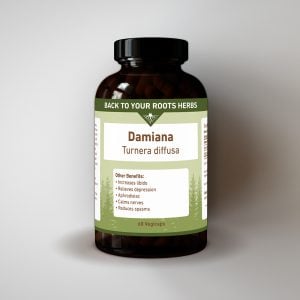
Damiana Capsules
Original price was: $24.95.$19.96Current price is: $19.96. -
Sale!
Damiana Powder
Original price was: $24.95.$19.96Current price is: $19.96. -
Sale!
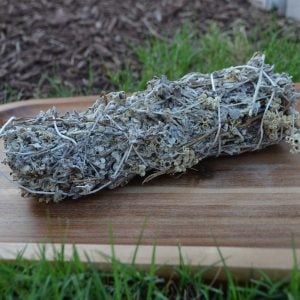
Imphepho
Original price was: $12.95.$10.36Current price is: $10.36. -
Sale!
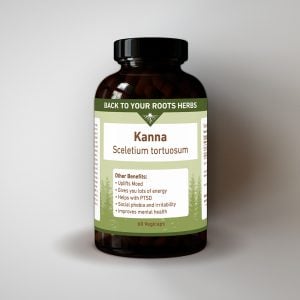
Kanna Capsules
Original price was: $39.00.$31.20Current price is: $31.20. -
Sale!
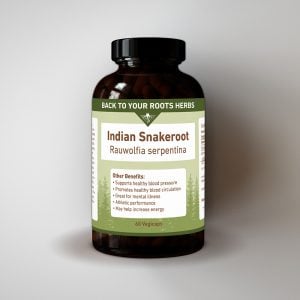
Rauwolfia Capsules
Original price was: $29.95.$23.96Current price is: $23.96. -
Sale!
Rauwolfia Powder
Original price was: $29.95.$23.96Current price is: $23.96. -
Sale!
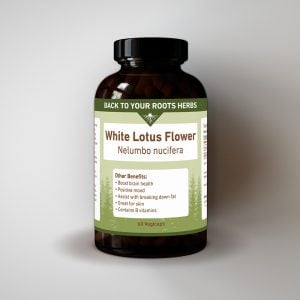
White Lotus Flower Capsules
Original price was: $30.00.$24.00Current price is: $24.00. -
Sale!
White Lotus Flower Powder
Original price was: $30.00.$24.00Current price is: $24.00. -
Sale!
Wild Dagga Flowers
Original price was: $19.95.$15.96Current price is: $15.96.