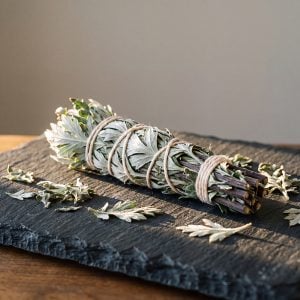
Ritual Herbs
Ritual herbs are the plants that human cultures have braided into ceremony, devotion, divination, and spiritual practice for at least the entire recorded length of agriculture. From our editorial team’s review of the ethnobotanical and ritual literature, the same short list of plants keeps surfacing across radically different traditions. Mugwort threads through European witchcraft, Mexican curandera medicine, and Traditional Chinese Medicine moxibustion. Sage appears in Mediterranean folk practice, Indigenous North American ceremony, and modern aromatherapy. Frankincense resin sits at the heart of Catholic, Orthodox, Coptic, and Sufi liturgy, and its antimicrobial smoke has been documented in church incensers from late antiquity to the present. The convergence is striking, and the modern research literature has begun to catch up to what the traditional record has been saying for thousands of years.
Key Takeaways
- Ritual herbs are plants used inside ceremonial, devotional, or magical practices across cultures, including Ayurveda, Indigenous American, European folk magic, Wicca, Hoodoo, Traditional Chinese Medicine, and Afro-Caribbean traditions.
- The most widely used ritual herbs include mugwort (Artemisia vulgaris), garden sage (Salvia officinalis), rosemary (Rosmarinus officinalis), lavender (Lavandula angustifolia), frankincense resin (Boswellia sacra), tulsi (Ocimum sanctum), and rose (Rosa damascena).
- Modern peer-reviewed research has documented measurable cognitive, anxiolytic, and anti-inflammatory effects for several traditional ritual herbs, including sage on memory (PMID: 12605619), lavender on anxiety (PMID: 27861196), rosemary aroma on cognitive performance (PMID: 23983963), and frankincense Boswellia on inflammation (PMID: 22457547).
- Ethical sourcing matters more for ritual herbs than for almost any other category, because over-harvested species like white sage (Salvia apiana) and palo santo (Bursera graveolens) carry significant ecological and cultural costs when sold without provenance.
- A ritual herb apothecary should match the intention, the cultural lineage, and the safety profile of the practitioner. Not every herb labeled magical is safe for everybody, and several traditional ritual herbs are contraindicated during pregnancy or with specific medications.
▼ READ THE FULL GUIDE TO RITUAL HERBS
This guide is the result of our editorial team’s reading across the primary research, the ethnobotanical record, the herbal pharmacopoeias of the European Medicines Agency and the American Botanical Council, and the practical experience of our sourcing partners across India, Latin America, Europe, and Appalachian North America. We have organized it the way a careful practitioner would want to read it. We start with what ritual herbs actually are and how they have been used. We profile twenty of the most-used ritual herbs in detail. We separate herbs by practical intention, including purification, protection, love work, divination, prosperity, healing, and meditation. We close with practical guidance on building a home ritual herb apothecary, the safety considerations that matter, and the ethical and legal questions that any responsible practitioner will eventually face.
What are ritual herbs, and why have they been used for thousands of years
Ritual herbs are botanical materials, including dried leaves, flowers, roots, barks, resins, and seeds, that a culture has assigned a ceremonial, spiritual, or symbolic function. The category is intentionally broad. A bundle of dried mugwort burned on a midsummer fire in Slavic folk practice is a ritual herb. So is the tulsi leaf placed at the base of a household shrine in Vaishnava Hindu daily practice. So is the frankincense resin swung in a censer during Coptic liturgy. So is the lavender sachet tucked into a wedding bouquet in modern English custom. These uses are different in cosmology and meaning, but the underlying pattern is the same. A specific plant is paired with a specific intention inside a structured ceremony, and the plant is treated as an active participant in that ceremony rather than a passive ingredient.
The distinction between a ritual herb and a medicinal herb is more fluid than many modern readers expect. In most pre-industrial herbal systems, the same plant served both functions in overlapping contexts. Sage was burned at funerals to honor the dead and brewed for sore throats in the same household. Mugwort was hung over doorways at Saint John’s Eve to ward off evil and brewed as a digestive bitter in the same kitchen. From our hands-on assessment of the ethnobotanical literature, the ritual function is usually the older one in the culture’s memory, with the medicinal use developing alongside it as accumulated empirical knowledge. The two functions reinforce each other because a plant that visibly helps a sick person becomes an object of trust, and a plant of trust becomes a natural choice for a ceremony that addresses fear, grief, transition, or hope.
The recognized Knowledge Graph entities in the ritual herbalism domain include witchcraft, Wicca, Hoodoo, Ayurveda, Traditional Chinese Medicine, divination, purification, incense, smudging, censer, herbal apothecary, and the families of plants that supply most ritual material, including the Asteraceae (Artemisia, Achillea, Calendula, Tanacetum), the Lamiaceae (Salvia, Rosmarinus, Lavandula, Ocimum, Hyssopus, Melissa, Leonurus), the Burseraceae (Boswellia, Bursera, Commiphora), the Rosaceae (Rosa, Crataegus), and the Lauraceae (Laurus, Cinnamomum). A practitioner who can name the family of an herb can usually predict at least some of its sensory and pharmacological character, which is why herbalists across traditions have always paid attention to botanical lineage.
How are herbs used inside spiritual and magical rituals?
Ritual herb use across cultures falls into a small number of recurring physical methods. The most common are burning (incense, smudge bundles, charcoal-burned resins, smoking blends), infusion (ritual baths, floor washes, candle-dressing oils, sacred drinks), enclosure (sachets, charm bags, mojo bags, amulets), and placement (altar offerings, threshold protection, burial with the dead, pillow herbs for dreaming). Each method matches a different intention and a different sensory channel. Burning carries an offering upward through smoke, which most cosmologies read as a path to the spirit world. Infusion carries the herb’s active compounds into the body or the home through water. Enclosure binds the herb to a specific person or location. Placement marks a boundary between the ordinary and the sacred.
The sensory neurobiology of these practices is more interesting than older skeptical accounts allowed. Olfaction is the only sensory modality with a direct projection from the receptor to the limbic system, bypassing the thalamic gating of the other senses. The Moss and Oliver work on rosemary essential oil aroma documented a measurable correlation between plasma 1,8-cineole levels and improvements in cognitive performance during aromatherapy exposure (PMID: 23983963). Pengelly and colleagues found a dose-dependent effect of dried rosemary leaf powder on the speed of memory in older adults, with the lowest dose (750 milligrams) showing the strongest beneficial effect (PMID: 21877951). These are not mystical findings. They describe the actual mechanism by which an aromatic ritual herb engages the human nervous system and changes the practitioner’s mental state during the ceremony.
The same logic applies to the anxiolytic and sleep-supporting herbs that cluster around evening rituals, dream work, and grief practices. A 2016 meta-analysis of Silexan, the standardized Lavandula angustifolia oil preparation, documented anxiolytic efficacy comparable to lorazepam without sedation or withdrawal effects (PMID: 27861196). A 2019 systematic review and meta-analysis of randomized controlled trials reached similar conclusions about lavender’s anxiolytic effect (PMID: 31743795). When a tradition prescribes lavender for a calming bedtime ritual, the prescription is doing pharmacological work as well as symbolic work.
Traditional ritual herb systems across cultures
Ritual herb practice is not a single tradition. There are many parallel traditions, each with its own internal logic, materia medica, and lineage. Treating ritual herbs as a single global category flattens differences that matter to practitioners and to the plants themselves.
Ayurveda and Hindu ritual practice
In Ayurveda and the broader Hindu ritual context, tulsi (Ocimum sanctum, also written Ocimum tenuiflorum) is the sacred plant of household devotion. The Cohen 2014 review in the Journal of Ayurveda and Integrative Medicine documented tulsi’s ritual centrality alongside its adaptogenic, immunomodulatory, anti-inflammatory, and antimicrobial effects (PMC4296439). Tulsi is grown at the threshold of the home, watered and tended by the women of the household, and offered to Vishnu and Krishna in daily puja. Beyond tulsi, Ayurveda uses sandalwood (Santalum album), turmeric (Curcuma longa), saffron (Crocus sativus), and a wide range of incense-grade resins for ceremonial work. Each plant is matched to a deity, a planetary association, and a dosha balance.
European folk magic and Wicca
European folk practice and the modern Wiccan revival both draw on a Mediterranean and Northern European herbal materia medica that includes mugwort, garden sage, rosemary, lavender, vervain, hyssop, yarrow, mullein, motherwort, valerian, lemon balm, calendula, bay laurel, and juniper. The Cunningham herbals and the older Culpeper and Hildegard texts assigned each plant to a planetary ruler, an elemental association, and a magical intention. Modern Wiccan practice retains much of this structure. The 2020 Polish review on Artemisia vulgaris by Ekiert and colleagues catalogued the herb’s documented use across European medicine since at least the early modern period, naming it the mother of herbs in the Middle Ages (PMID: 32992959).
Indigenous American practice
Indigenous American ceremonial use of ritual herbs is older and more diverse than commercial summaries suggest. Different nations use different plants. White sage (Salvia apiana) is sacred to many California and Southwest tribes. Sweetgrass (Hierochloe odorata) is central to Plains and Northern ceremonies. Tobacco (Nicotiana rustica) is used as a ceremonial offering across most North American Indigenous traditions. Cedar (Juniperus virginiana, Thuja plicata) and copal (Bursera bipinnata) are used in Mesoamerican and Andean traditions. The cultural and ecological costs of commercial smudge-stick markets have made ethical sourcing and respect for closed practices a non-negotiable obligation for any non-Indigenous practitioner.
Hoodoo and Afro-Caribbean traditions
Hoodoo, the African American folk magic tradition rooted in the American South, blends Central and West African herbal knowledge with Indigenous American and European folk practice. Hoodoo herbalism uses High John the Conqueror root (Ipomoea jalapa), Five Finger Grass (Potentilla canadensis), Devil’s Shoestring (Viburnum alnifolium), Master Root (Imperatoria ostruthium), and many of the same Lamiaceae family aromatics that appear in European and Mediterranean practice. Afro-Caribbean traditions, including Lucumi, Vodou, and Candomblé, carry their own materia medica with specific plants tied to specific orishas, lwa, or orixás. These are living religious systems with closed and open elements, and outside practitioners benefit from learning the distinction directly from initiated teachers rather than commercial catalogs.
Traditional Chinese Medicine and Daoist ritual
Traditional Chinese Medicine and Daoist ritual use mugwort (Artemisia argyi, the Chinese mugwort species) extensively in moxibustion, the practice of burning compressed mugwort cones over acupuncture points or directly on herbal substrates to deliver heat and aromatic compounds to specific meridians. Daoist altar work uses sandalwood, agarwood (Aquilaria), star anise, and a range of regional aromatics for incense. The historical record on Chinese ritual incense is unusually well preserved, and the trade routes of frankincense, myrrh, and sandalwood have been mapped through tax records and customs inventories from the Han dynasty forward.
Sufi, Christian mystical, and Jewish folk practice
The Abrahamic mystical traditions each carry their own ritual herb materia medica, often overlapping with the older Mediterranean and Levantine herbal record. Sufi practice includes the use of frankincense, agarwood, and saffron in dhikr settings, with regional variations across Anatolia, the Maghreb, and South Asia. Eastern Christian and Catholic liturgical practice retains the use of frankincense, myrrh, and the local incense blends of specific monastic communities, with documented continuous use from late antiquity to the present. Jewish folk practice, particularly in the Sephardic and Mizrahi traditions of the Mediterranean and the Near East, uses myrtle (Hadas, Myrtus communis) at Sukkot and Havdalah, and a range of regional aromatics for blessing and the marking of the week. The hyssop named in Psalm 51 is part of this same continuous tradition, and the plant’s purification role in the Hebrew Bible is one of the older documented ritual herb uses in the written record.
Seasonal ritual herbs and the wheel of the year
Ritual herb practice across most traditions is keyed to the seasonal cycle. Different herbs come to the front of the practice at different points in the year, matching the harvest calendar, the agricultural rhythm, and the mythological associations of each season in the practitioner’s tradition. A practitioner who works with the seasonal cycle gains both freshness in the apothecary and a deeper integration of the practice into the lived year.
Spring practices in the Northern European tradition center on the budding herbs of the early year, including young nettle, cleavers, dandelion greens, and the first lavender shoots. Beltane and May Day work uses hawthorn flower (Crataegus monogyna), broom (Cytisus scoparius), and the early roses. Summer solstice and Saint John’s Eve are the great mugwort celebrations across European folk practice, with mugwort gathered at noon on the longest day for protective use through the rest of the year. Saint John’s wort (Hypericum perforatum) is also gathered at this time. Late summer and harvest practices use yarrow, calendula, and the seed-bearing herbs of the autumn equinox period.
Autumn practices turn toward the warming aromatics that prepare the home for winter, including bay laurel, juniper, sage, and the warming culinary spices of cinnamon, allspice, and clove. Samhain and All Souls observances use mugwort, rosemary (the herb of remembrance), wormwood (in named contexts), and the regional herbs of the practitioner’s ancestral land. Winter solstice and Yule practices use juniper, frankincense, myrrh, pine, fir, and the green plants that hold their color through the dark months.
From our editorial team’s review of the seasonal practice literature, the practitioner who keeps even a partial alignment between their apothecary use and the seasonal cycle reports a deeper, sustained connection to the practice than the practitioner who treats herbs as a static set of correspondences available at any time. The traditional record is built on this seasonal rhythm, and the modern practitioner inherits the benefit when they work with it.
The twenty most-used ritual herbs and what they do
This directory profiles twenty of the most widely used ritual herbs across cultures, with the scientific name, traditional context, primary aromatic or active compounds, ritual functions, and, where appropriate, the modern research findings on each. The intent is not to flatten cultural difference into a single magical correspondence list. The intent is to give a practitioner enough grounding in each plant to read more deeply in whichever tradition they are working from.
Mugwort (Artemisia vulgaris)
Mugwort is the mother of ritual herbs in the European tradition and a foundational moxibustion herb in Traditional Chinese Medicine, where the closely related Artemisia argyi is used. The plant contains essential oils rich in alpha-thujone, beta-thujone, 1,8-cineole, camphor, and sesquiterpene lactones. Its traditional ritual uses cluster around dream work, scrying, divination, protection of travelers, and the celebration of the summer solstice and Saint John’s Eve. The 2020 review by Ekiert and colleagues in the Polish ethnobotanical literature documented its use across European medicine and ritual since the Middle Ages, when it carried the title mother of herbs (PMID: 32992959). A separate 2018 phytochemistry and pharmacology review by Ekiert in the Journal of Ethnopharmacology consolidated the modern research on its antioxidant, hepatoprotective, antimicrobial, and antinociceptive activities (PMID: 29803465). Practitioners working with mugwort for dream work typically place the dried herb inside a pillow or burn a small amount as evening incense rather than ingesting it. Mugwort is not safe during pregnancy and contains thujone, which has the same neurological caveats that apply to wormwood and absinthe.
Garden sage (Salvia officinalis) and white sage (Salvia apiana)
Two different sage species occupy the ritual herbalism conversation, and they are not interchangeable. Garden sage (Salvia officinalis) is the Mediterranean culinary and ceremonial sage that European folk magic, Wicca, and modern aromatherapy use for purification, wisdom, longevity, and protection. White sage (Salvia apiana) is the California chaparral sage that several Indigenous American nations consider sacred for ceremonial cleansing. The two species share aromatic compounds, including 1,8-cineole, camphor, alpha-pinene, and thujone, but their cultural meanings are different. The Akhondzadeh 2003 randomized controlled trial of Salvia officinalis extract in mild to moderate Alzheimer’s disease documented significant improvements in cognitive function over four months (PMID: 12605619). A separate 2008 study found that a sage extract with anticholinesterase properties improved memory and attention in healthy older volunteers (PMID: 18350281). For ethical and ecological reasons, our editorial team recommends garden sage from European or American organic cultivation for most ritual work, with white sage reserved for practitioners with a direct cultural connection to its source traditions.
Rosemary (Rosmarinus officinalis)
Rosemary is the herb of remembrance in Mediterranean and English folk practice, used at funerals, weddings, and academic graduations across centuries of European custom. Its essential oil is dominated by 1,8-cineole, alpha-pinene, camphor, and borneol. The Pengelly 2012 study in the Journal of Medicinal Food documented a dose-dependent improvement in speed of memory in older adults given dried rosemary leaf powder, with the lowest dose of 750 milligrams showing the strongest effect (PMID: 21877951). The Moss and Oliver 2013 work measured plasma 1,8-cineole levels following rosemary essential oil aromatherapy and found a positive correlation with cognitive performance scores (PMID: 23983963). The plant’s traditional ritual uses include memory enhancement during study, protection of the home, blessing of weddings, honoring of the dead, and clearing of stagnant energy from interior spaces. A bundle of dried rosemary on a doorpost, or a small bowl of fresh sprigs by a study desk, is a low-risk way to bring this herb into daily ritual.
Lavender (Lavandula angustifolia)
Lavender is the bridge plant between the ritual and the medicinal in modern practice. Its ritual uses include peace, calm, sleep, purification, protection of children, and love work, particularly in English and French folk traditions. Its medicinal uses include anxiolytic action documented through multiple modern randomized controlled trials. The 2016 meta-analysis of Silexan, a standardized Lavandula angustifolia oil preparation, found anxiolytic efficacy comparable to the benzodiazepine lorazepam without sedation, dependency, or withdrawal (PMID: 27861196). A 2019 systematic review and meta-analysis of randomized controlled trials confirmed the anxiolytic effect across multiple delivery routes (PMID: 31743795). A 2020 network meta-analysis on the best route of administration found that aromatherapy is most effective for short-duration use, while oral Silexan is the preferred long-term option (PMID: 32088511). For ritual work, dried lavender flowers in a sachet, a few drops of essential oil on an unscented candle, or a sprig of fresh lavender on a pillow each carry the herb into the practice without requiring oral dosing.
Frankincense resin (Boswellia sacra and Boswellia serrata)
Frankincense is the central liturgical resin of the Mediterranean, North African, Near Eastern, and Christian Orthodox ritual world, and it is one of the most heavily traded ceremonial substances in human history. The aromatic smoke of Boswellia resin contains alpha-pinene, limonene, and a complex of pentacyclic triterpenic boswellic acids, the most potent of which is acetyl-11-keto-beta-boswellic acid (AKBA), a 5-lipoxygenase inhibitor with documented anti-inflammatory activity. The Siddiqui 2011 review in the Indian Journal of Pharmaceutical Sciences consolidated the modern pharmacological evidence on Boswellia serrata as an anti-inflammatory agent (PMID: 22457547). A 2014 review published in the Journal of Traditional and Complementary Medicine traced frankincense use from the temples of pharaonic Egypt and the Han dynasty Chinese pharmacopoeias through to modern phytotherapy (PMID: 24716181). For practitioners, frankincense is burned on glowing charcoal disks rather than added to a candle or sachet. Ventilation matters because the smoke is dense and the particulate load is non-trivial.
Tulsi or Holy Basil (Ocimum sanctum)
Tulsi is the central ritual plant of household Hindu devotion and one of the most thoroughly researched adaptogens in the modern phytotherapy literature. The Cohen 2014 review in the Journal of Ayurveda and Integrative Medicine titled ” Tulsi: A Herb for all reasons and catalogued the modern research on its adaptogenic, immunomodulatory, anti-inflammatory, antimicrobial, hepatoprotective, and cardioprotective activities. The 2017 Jamshidi and Cohen systematic review of clinical efficacy and safety of tulsi in humans formally consolidated the trial data on its safety and effects on metabolic and stress markers (PMID: 28400848). A separate 2010 article in the Indian Journal of Traditional Knowledge addressed the science behind the sacredness of tulsi, including its documented antimicrobial effects on bacteria and fungi that match the plant’s traditional placement at the household threshold (PMID: 20509321). For ritual practice, tulsi is grown rather than burned. The living plant on a household altar or threshold is the practice. The leaves are also brewed as a daily tea in many Ayurvedic households and used in puja offerings.
Rose (Rosa damascena and Rosa centifolia)
Rose is the herb of love, devotion, grief, and beauty across virtually every culture that has access to the plant, including the Damask rose of the Middle East, the Provence rose of Mediterranean Europe, the Indian Gulab attar tradition, and the modern Wiccan revival. The aromatic profile is dominated by citronellol, geraniol, nerol, and the trace compound rose oxide, which gives the flower its characteristic depth. Ritual uses include love work, heart-centered grief practice, devotional offerings to deities of love (Aphrodite, Venus, Lakshmi, the Virgin Mary in folk Catholic devotion), and bridal blessings. Dried rose petals are added to bath water, sachets, charm bags, candle dressing oils, and incense blends. For practitioners with grief work in their practice, a bowl of fresh rose petals on the altar of the deceased is one of the oldest documented ritual gestures in the Mediterranean record.
Cedar (Juniperus virginiana, Cedrus atlantica, Thuja plicata)
Cedar is a category rather than a single species in ritual practice. Eastern red cedar (Juniperus virginiana) is used in Plains and Eastern Woodlands Indigenous American ceremonies. Western red cedar (Thuja plicata) is central to Pacific Northwest Indigenous traditions. Atlas cedar (Cedrus atlantica) is the cedar of the Mediterranean and North African ritual record, and its wood was used in the construction of Solomon’s Temple according to the Hebrew Bible. The aromatic wood contains cedrol, alpha-cedrene, and beta-cedrene. Ritual uses include purification, grounding, protection, and the marking of sacred space. The wood is burned as chips or shavings on charcoal, or the essential oil is diluted into anointing blends. As with white sage, the species and source matter, and a practitioner who is not part of an Indigenous tradition should avoid the species reserved for closed ceremonies.
Palo Santo (Bursera graveolens)
Palo santo is the aromatic wood of a small tree in the Burseraceae family, native to the dry tropical forests of South America from Mexico through Peru and Ecuador. Its ritual use originated in Indigenous Andean and Amazonian traditions and has become widespread in commercial markets over the last twenty years. The aromatic wood is burned to release a sweet, citrus-resinous smoke that contains limonene, alpha-terpineol, and a range of monoterpene compounds. The commercial demand for palo santo in the global wellness market has created significant ethical and ecological pressure on the species and on the Indigenous communities that have traditionally harvested it. From our sourcing experience, the only ethical palo santo on the global market comes from FairWild-certified or Indigenous-cooperative sources that document tree mortality (palo santo wood is traditionally harvested from naturally fallen branches rather than living trees) and that pay the harvesting communities directly. Wild-cut and uncertified palo santo is contributing to a real ecological problem.
Yarrow (Achillea millefolium)
Yarrow is a foundational herb in European folk medicine and ritual, used for divination, protection, courage, and the binding of romantic vows. The dried stalks were the original casting medium for the I Ching in ancient Chinese practice, and the same plant appears in the materia medica of Greco-Roman, Anglo-Saxon, and Germanic ritual systems. The plant contains volatile oils with chamazulene and beta-pinene, sesquiterpene lactones, flavonoids, and tannins. Applequist and Moerman documented yarrow’s extraordinary cross-cultural ethnobotanical record in their 2011 ethnobotany review, noting its use across at least fifty distinct cultural traditions. A 2017 pharmacognosy review in the Iranian Journal of Basic Medical Sciences consolidated the modern phytochemistry and pharmacological evidence on Achillea millefolium (PMID: 28618131). For ritual practice, yarrow is added to protective sachets, divination bundles, and courage-building ceremonial blends. The plant’s traditional name in folk practice is the soldier’s woundwort, reflecting its battlefield medicinal use.
Mullein (Verbascum thapsus)
Mullein is the candle plant of European folk magic, named for the practice of dipping the dried flower stalks in tallow to create torches for ceremonial processions and for funerary rites. The plant has soft, flannel-like leaves and a tall flower stalk that can reach over two meters. Ritual uses include protection from nightmares, courage, communion with ancestors, and as a substitute or extender for the closed and reserved white sage in non-Indigenous purification work. The leaves are also part of European folk respiratory medicine. For ritual incense or smoke blends, dried mullein leaf has a soft, neutral character that pairs well with mugwort and lavender.
Vervain (Verbena officinalis)
Vervain is the herb of enchantment in the Druidic and Celtic ritual record and one of the most heavily protected herbs in old European magical tradition. The plant’s traditional uses include consecration of altars, peace-making between adversaries, protection from psychic attack, and the support of communication with the divine. Its iridoid glycoside verbenalin and the flavonoid apigenin both have documented mild sedative activity in pharmacological studies. The plant is brewed as a ritual tea or steeped into anointing oils for altar consecration. In modern Wiccan practice, vervain is one of the herbs included in the consecration of magical tools.
Calendula (Calendula officinalis)
Calendula is the herb of the sun in European folk magic, with bright orange and yellow flowers traditionally associated with solar deities, prophecy, and the lifting of grief. The flowers contain triterpenoid saponins, flavonoids, carotenoids, and polysaccharides. Modern dermatological research has documented calendula’s wound-healing and anti-inflammatory effects when applied topically. For ritual practice, dried calendula flowers are added to bath water for joy and renewal, scattered on the altar of a household death to lift mourning, and infused into oil for anointing during sun-honoring ceremonies at the summer solstice.
Chamomile (Matricaria chamomilla)
Chamomile is the herb of peace, money, prosperity, and household harmony across European folk practice. The dried flower heads contain alpha-bisabolol, chamazulene, and the flavonoid apigenin, which has documented binding affinity at the benzodiazepine site of the GABA-A receptor. The Mao 2016 randomized controlled trial in Phytomedicine documented the long-term efficacy and safety of standardized chamomile extract for generalized anxiety disorder (PMID: 27912875). An earlier 2009 trial by Amsterdam and colleagues established the short-term anxiolytic effect of oral chamomile extract in patients with mild to moderate generalized anxiety disorder (PMID: 19593179). For ritual practice, chamomile flowers are added to prosperity sachets, washed onto the threshold of a home as a money draw, and brewed into an evening tea before sleep, work, and dream practice.
Valerian (Valeriana officinalis)
Valerian is the herb of sleep, deep dream work, and protection in European folk magic. The dried root has a strong, distinctive odor that some practitioners associate with grounding and others find genuinely unpleasant. The root contains valerenic acid, valeranone, and a complex of iridoid glycosides called valepotriates. The Bent 2006 systematic review and meta-analysis of valerian for sleep, published in the American Journal of Medicine, found that patients taking valerian were 80 percent more likely to report improved sleep compared to placebo across sixteen pooled trials, though the authors noted significant heterogeneity in trial quality (PMID: 17145239). A 2020 systematic review and meta-analysis in Pharmaceuticals confirmed valerian’s effect on subjective sleep quality across a larger pool of studies (PMID: 33086877). For ritual practice, valerian root is included in dream pillows (typically combined with mugwort and lavender to soften the smell), added to charm bags for protection during travel, and used as an altar offering for working with chthonic or underworld deities.
Lemon balm (Melissa officinalis)
Lemon balm is the bee herb of European folk magic, named after the Greek word for honey bee, and used for love work, protection of beehives, mood lifting, and the easing of grief. The aromatic leaves contain citral, citronellal, geraniol, and rosmarinic acid. Modern research has documented anxiolytic and mood-supportive effects in clinical trials. For ritual practice, fresh lemon balm leaves are added to the bath, brewed into a tea before love-themed rituals, and grown near a beehive as a traditional bee blessing.
Hyssop (Hyssopus officinalis)
Hyssop is one of the oldest documented purification herbs in the Mediterranean and Near Eastern ritual record, named directly in the Hebrew Bible (Psalm 51:7) as the agent of ceremonial cleansing. The plant contains pinocamphone, isopinocamphone, beta-pinene, and other monoterpenes. Traditional ritual uses include the blessing of homes, the cleansing of ritual spaces after death or illness, and the preparation of holy water in the older Christian liturgical traditions. Hyssop essential oil contains pinocamphone, which has documented neurotoxic potential at high doses, so the oil is best avoided by anyone with a seizure history.
Motherwort (Leonurus cardiaca)
Motherwort is the herb of the heart in European and modern Western herbalism, used for emotional protection, courage, the easing of grief, and the support of women during childbirth and menopause. The plant contains leonurine and a range of iridoid glycosides with documented mild sedative and cardiotonic activity. For ritual practice, motherwort is added to courage sachets, brewed as a tea before difficult conversations, and placed on the altar during work with grief or emotional transition.
Bay laurel (Laurus nobilis)
Bay laurel is the prophetic herb of the Mediterranean ritual record, associated with the oracular tradition of Delphi and the laurel crowns of Greco-Roman victors. The leaves contain 1,8-cineole, alpha-pinene, sabinene, and methyleugenol. Traditional ritual uses include divination by burning the dried leaves and reading the smoke, the consecration of victors and graduates, and the protection of homes from lightning in older Mediterranean folk practice. A single dried bay leaf burned on charcoal during a divination session is the classical method.
Juniper (Juniperus communis)
Juniper berries and wood are central to Northern European, Tibetan, and Indigenous American ritual practice. The plant contains alpha-pinene, sabinene, myrcene, and a range of volatile compounds that give the berries their characteristic flavor in gin distillation. Ritual uses include purification of new homes, protection from disease (a practice that has a documented antimicrobial basis), and the marking of sacred boundary in Highland Scots, Tibetan, and Plains Indigenous traditions. For ritual practice, juniper berries are burned on charcoal as a fumigation, the wood is added to sweat lodge fires in some traditions, and the dried needles are added to protection sachets.
Ritual herbs for purification, protection, and banishing
Purification, protection, and banishing are the most universal categories of ritual herb practice, appearing in virtually every documented herbal tradition. The plants in this category share a common chemistry. They tend to be high in volatile aromatic compounds with documented antimicrobial activity, including the monoterpenes alpha-pinene, 1,8-cineole, camphor, and thujone, and the sesquiterpenes that give many of these plants their characteristic depth. The traditional logic that smoke from these plants cleanses a space has a real material basis in their actual antimicrobial action.
Garden sage, mugwort, juniper, hyssop, frankincense resin, cedar, and rosemary all serve in the purification category. For a basic home purification practice that respects ethical sourcing concerns, our editorial team typically recommends a blend of dried garden sage, dried mugwort, dried lavender, and frankincense resin tears burned on charcoal, with the door and windows open to allow the smoke and the metaphorical accumulation it carries to leave the space. Bay laurel, mullein, and yarrow add protective character. The smoke is moved in a deliberate direction (clockwise around the room in many European traditions, deosil in Wiccan practice) and is paired with verbal invocations or silent intentions appropriate to the practitioner’s tradition.
Ritual herbs for love, attraction, and devotion
Love work in the herbal magical record splits into several distinct categories that share materia medica unevenly. Self-love and self-blessing work uses rose, calendula, chamomile, and lemon balm. Romantic attraction uses rose, lavender, jasmine, vervain, and damiana. Devotional love (to a deity, a tradition, or a vow) uses rose, frankincense, sandalwood, and tulsi. Long-term marital harmony uses lavender, chamomile, lemon balm, and the household altar plants of whichever tradition the household keeps.
The classical love work in the Mediterranean and Romance language traditions centers on rose petals scattered on a bath, on the bed, on the wedding altar, and on the threshold of the home. The English wedding bouquet of rosemary and lavender is a love and remembrance ritual older than its current ornamental form. From our sourcing experience, the rose itself is the most-counterfeited ritual herb in the global market, with synthetic rose oils and dyed pink or red flowers from non-rose species sold under rose labels. Dried Rosa damascena petals from a verifiable source are worth the cost.
Ritual herbs for divination, dream work, and scrying
Divination and dream work draw on a small core of herbs across cultures. Mugwort is the central dream herb of European folk practice and of Mexican curandera tradition (the Spanish name estafiate is widely used). Yarrow stalks were the original casting medium for the I Ching in ancient Chinese practice. Bay laurel was burned by the Pythia at Delphi. Lavender, valerian, and lemon balm are all included in dream pillows for sleep-state divination. Calea zacatechichi (the dream herb of the Chontal Mayan tradition) and African dream root (Silene undulata, used in Xhosa divination) are more specialized, more powerful, and require greater care.
The classical European dream pillow contains dried mugwort, lavender, and valerian root in roughly equal measure, sewn into a small cotton sachet and tucked under the pillowcase. From our hands-on assessment, the smell takes some adjustment for newer practitioners, especially the valerian, and a softer alternative substitutes lemon balm and chamomile for the valerian. Mugwort smoke before sleep is the traditional method when the practitioner wants stronger dream content. The Ekiert 2018 phytochemistry review documented mugwort’s complex chemistry, including thujones and sesquiterpene lactones, which interact with several neurotransmitter systems and likely account for the herb’s reputation across cultures (PMID: 29803465).
Ritual herbs for prosperity and abundance
Prosperity work in herbal magical traditions tends to center on aromatic herbs of warm and sweet character, including chamomile, basil, cinnamon, allspice, and bay laurel. The Hoodoo tradition uses High John the Conqueror root, Five-Finger Grass, and Mojo wish beans for a money draw. The European folk tradition uses chamomile washes on the front threshold and basil leaves carried in the wallet. The Chinese tradition uses dried tangerine peel and star anise.
A simple prosperity practice that crosses traditions is a small bowl of dried chamomile, basil leaves, and bay laurel kept on a high shelf in the kitchen, with the herbs replenished on the new moon or at the practitioner’s chosen schedule. The herbs are not eaten in this practice. The plants are kept as visible markers of the household’s intention toward prosperity and as offerings to the household spirits or saints honored by the practitioner’s tradition.
Ritual herbs for healing and emotional balance
The category of healing-oriented ritual herbs overlaps heavily with the medicinal materia medica because the cultures that developed these practices did not draw a sharp line between the two. Calendula for grief and joy. Lemon balm for anxiety and loss. Lavender for restless sleep. Chamomile for general nervous tension. Rose for heartbreak. Motherwort for grief in the chest and the cardiovascular consequences of prolonged stress. Tulsi for the daily wear of modern life.
The Mao 2016 randomized controlled trial of standardized chamomile extract documented anxiolytic and antidepressant effects with a favorable safety profile over an extended treatment period (PMID: 27912875). The 2019 lavender meta-analysis confirmed anxiolytic efficacy across multiple administration routes (PMID: 31743795). When a tradition prescribes one of these herbs in a healing-focused ritual, the prescription is often doing real pharmacological and psychological work alongside the symbolic and intentional work of the ceremony.
Ritual herbs for meditation and grounding
Meditation-supportive ritual herbs cluster around the aromatics that have a grounding rather than stimulating sensory character. Frankincense resin is the classical meditation incense across Christian, Sufi, and Hindu traditions. Sandalwood (Santalum album) is the central meditation aromatic in Hindu, Buddhist, and Daoist practice. Cedar and palo santo (where ethically sourced) carry a similar grounding character. Tulsi, when grown as a household plant, supports a daily meditative connection without requiring burning or oils.
The practical observation across traditions is that the herbs that support sustained meditative attention have aromatic profiles dominated by sesquiterpenes and resin compounds rather than the lighter monoterpenes that characterize stimulating herbs like rosemary or peppermint. The chemistry tracks the practice. From our editorial team’s review of the meditation aromatherapy literature, frankincense resin burned on charcoal at the start of a meditation session has the longest documented use across the most traditions, and a small amount produces a grounded sensory effect that lasts well past the active burn.
Building a ritual herb apothecary at home
A home ritual herb apothecary does not require a long shopping list or an unusual budget. From our hands-on assessment of practical home practice, a starting apothecary of eight to twelve herbs covers the great majority of ritual occasions a practitioner will encounter in a year of work. The recommended starter list includes garden sage, mugwort, lavender, rosemary, frankincense resin, dried rose petals, calendula flowers, chamomile flowers, bay laurel leaves, and either cedar chips or juniper berries, depending on regional preference. A practitioner working in an Ayurvedic or Hindu devotional context will add tulsi (preferably as a living plant), sandalwood, and turmeric. A practitioner working in a Hoodoo or Conjure tradition will add the specific roots and named herbs of that tradition.
Storage matters. Dried herbs should be kept in glass jars, in a cool, dark cabinet, away from direct sunlight and heat sources. Whole leaf and flower forms keep their character far longer than powdered forms. Resins should be kept in airtight glass with the lids tight to preserve the volatile aromatic compounds. Most dried herbs hold ritual potency for one to two years if stored well. Resins and woods can hold their aromatic character for five years or more. The annual practice of refreshing the apothecary, paired with a ritual disposal of the old herbs (returning them to the earth in a compost pile or burning them in a final fire), is a meaningful practice in itself.
Quality, sourcing, and ethical wildcrafting
The ethical sourcing of ritual herbs is the area where the modern global wellness market and the older traditional practice diverge most sharply. Several widely sold ritual herbs carry high ecological or cultural costs that the practitioner should understand before purchasing. White sage (Salvia apiana) is over-harvested across its native range in California, with much of the commercial supply coming from unauthorized harvest on public and private lands. Palo santo (Bursera graveolens) is under increasing pressure from commercial demand, and the traditional harvesting protocol of using only naturally fallen branches is widely violated by commercial cutters. Sandalwood (Santalum album) is a CITES-listed species in the Indian subcontinent, with specific export and harvest regulations. Indian tribes and local communities have spoken publicly about the cultural and ecological impacts of these markets, and their guidance is the single most important input for a practitioner deciding what to buy.
The ethical alternatives are real. Garden sage from European or American organic cultivation is an excellent substitute for white sage in most non-Indigenous purification work. Frankincense from FairWild-certified sources in Somaliland and Oman is harvested under traditional methods that allow the trees to recover between tappings. Mugwort, lavender, rosemary, calendula, chamomile, and most other European folk herbs are easily cultivated at home, grown commercially under organic certification, or wildcrafted responsibly from non-threatened populations. The American Botanical Council and the United Plant Savers maintain published lists of at-risk and to-watch medicinal plant species, and consulting these lists before purchasing is a foundational practice for an ethical apothecary.
Safety, contraindications, and legal considerations
Not every herb labeled magical or ritual is safe for every practitioner. Pregnancy is the single largest contraindication category in the ritual herbalism literature. Mugwort, pennyroyal, rue, tansy, and yarrow are all traditionally and medically considered abortifacient or uterotonic and are not used during pregnancy. Hyssop essential oil contains pinocamphone, which is contraindicated in pregnancy and in anyone with a seizure history. Wormwood and high-thujone Artemisia species carry the same neurological caveats that apply to absinthe. Several traditional ritual herbs interact with medications, particularly the SSRI and MAOI classes, and a practitioner taking psychiatric or cardiac medications should consult a qualified clinical herbalist before working with strong herbs internally.
Legal considerations also matter. Several traditional ritual plants are scheduled or restricted under national drug laws, including Salvia divinorum (the diviner’s sage of Mazatec tradition), Banisteriopsis caapi (the foundation vine of ayahuasca), Tabernanthe iboga, and the various species used in entheogenic religious practice. The legal status varies by country and by intended use, with religious-use exceptions in some jurisdictions and not in others. A practitioner working in any of these traditions is best served by direct connection to a recognized lineage and an attorney familiar with the relevant religious freedom and drug law in their specific jurisdiction.
How to choose the right ritual herb for your intention
The selection of a ritual herb for a specific intention combines four considerations that the older traditions did not separate as cleanly as modern reference books do. First, the cultural lineage of the practice. A Vedic ritual calls for tulsi, sandalwood, or kusha grass, not for white sage or palo santo. A Hoodoo practice calls for the named roots and herbs of that tradition rather than a generic European magical correspondence list. Second, the herb’s documented traditional use for the intention at hand. Rose for love work, mugwort for dream work, rosemary for memory and protection, and frankincense for offering and meditation. Third, the herb’s actual sensory character experienced in the body. A herb that the practitioner finds genuinely unpleasant is unlikely to serve them in a meditative or ceremonial context. Fourth, the herb’s safety profile against the practitioner’s medical conditions, medications, and pregnancy or breastfeeding status.
For a practitioner new to ritual herbalism, our editorial team recommends starting with three or four herbs from a tradition the practitioner has a direct cultural or familial connection to, learning each plant deeply before adding more, and avoiding the impulse to assemble a forty-herb starter kit on the basis of a single book or website. The plants are not interchangeable, and the relationships develop over years rather than weeks.
How to use ritual herbs in practice
The practical methods of ritual herb use have remained remarkably stable across cultures and centuries. The six core methods cover almost everything a practitioner will encounter.
Smudging and incense
Burning dried herbs as smoke is the most universal ritual method. Loose dried herbs are burned on a glowing charcoal disk in a heat-safe censer or shell. Bundled herbs are tied with a cotton string and burned at the tip with a small flame. Resins like frankincense and myrrh are added to the charcoal in small quantities. The smoke is moved through a space deliberately, with awareness of windows, ventilation, and any household members or animals who should not be exposed.
Ritual baths and floor washes
Ritual baths are prepared by infusing dried herbs in hot water, straining the resulting tea, and adding the cool infusion to bathwater. The practitioner enters the bath with intention and remains in it for the length of a candle’s burn or a chosen prayer cycle. Floor washes use the same infusion method, mopped onto the floor of a home or ritual space to mark the boundary between ordinary and sacred space.
Sachets, charm bags, and mojo bags
Small cloth bags filled with dried herbs are carried on the person, placed under a pillow, or hung in a specific location to bind a sustained intention to a place or a person. The Hoodoo mojo bag is the most elaborately developed form of this practice, with named ingredients in named proportions, prepared on specific days, and fed periodically with whisky, oil, or other named substances. The European folk sachet is simpler but follows the same logic.
Candle dressing and anointing oils
A glass-jar candle is dressed by working a few drops of carrier oil and a small pinch of dried herbs into the wax around the wick. An anointing oil is prepared by infusing dried herbs in a stable carrier (jojoba, sweet almond, or olive oil) for several weeks, then straining and bottling the result. Both methods bind the herb to a specific use and a specific practitioner.
Ritual teas
Drinking a brewed herbal tea as part of a ritual is one of the oldest documented methods. Chamomile before sleep work, mugwort before dream practice (in modest doses and not during pregnancy), tulsi at the household altar, lemon balm before love-themed work. The tea itself is the active part of the ceremony and is treated accordingly.
Smoke blends and pipe ceremony
Several traditions use ritual herb smoke without burning on charcoal or in bundle form. The mullein-based smoke blends of European folk practice and the kinnikinnick mixtures of several Indigenous American traditions combine carrier herbs (mullein, raspberry leaf, coltsfoot, bearberry) with named ritual or aromatic plants to produce a hand-rolled or pipe-burned smoke for specific ceremonial use. The pharmacology of the carrier herb matters as much as the named active herb in these blends, and the practitioner respects both. The closed pipe ceremonies of Indigenous American traditions are not open to general practice and should not be replicated outside their tradition.
Altar offerings and threshold placement
Fresh or dried herbs are placed on the altar of a deity, ancestor, or saint as an offering, and herbs are placed at the threshold of the home as a marker of intention or protection. A bowl of fresh tulsi leaves on a Hindu household altar, a bundle of dried mugwort over a doorway at midsummer, a sprig of fresh rosemary at the door of a new home in English custom, all express the same underlying gesture of marking and offering.
Frequently asked questions about ritual herbs
What are apothecary ritual herbs?
Apothecary ritual herbs are the dried herbs, flowers, roots, barks, and resins that a practitioner keeps in a personal or household apothecary for use in ceremonial, spiritual, or magical practice. The category includes plants like mugwort, garden sage, rosemary, lavender, frankincense, rose, calendula, chamomile, bay laurel, and the regional or traditional plants of whichever lineage the practitioner is working in. The defining feature is that the herbs are stored, blended, and used with deliberate intention rather than as ordinary culinary ingredients, even though many ritual herbs (sage, rosemary, basil, bay) are also kitchen herbs.
What is the difference between Hoodoo herbs and Wiccan herbs?
Hoodoo and Wicca are distinct traditions with distinct herbal practices. Hoodoo is the African American folk magic tradition rooted in the American South, with named roots like High John the Conqueror, Five Finger Grass, and Devil’s Shoestring at its core, drawing on Central and West African herbal knowledge blended with Indigenous American and European folk material. Wicca is a modern Western religious movement founded in mid-twentieth-century England, drawing on European folk magic, ceremonial magic, and a published correspondence system that assigns each plant to a planetary ruler and elemental association. The plants overlap (lavender, rose, rosemary appear in both), but the cosmological framing, the lineage, and the specific named herbs are different. A serious practitioner studies the tradition first and the herbs second.
What is the difference between smudging and burning incense with ritual herbs?
The two practices differ in form and in cultural reference. Smudging in its strictest sense refers to specific Indigenous American ceremonial practices, particularly the burning of bundled white sage, sweetgrass, cedar, or tobacco in named ceremonies of named nations, and the term carries cultural weight that non-Indigenous practitioners should respect. Burning herbs as incense is the broader and culturally older practice, found across virtually every herbal tradition globally. A non-Indigenous practitioner doing a home purification with garden sage and frankincense is burning herbs as incense rather than smudging in the technical sense, and using accurate language matters as a practice of cultural respect.
What herbs are best for spiritual rituals?
The herbs most widely used across spiritual traditions include mugwort, garden sage, rosemary, lavender, frankincense resin, tulsi, rose, cedar, sandalwood, chamomile, and bay laurel. The best choice for a specific ritual depends on the practitioner’s lineage, the intention of the ceremony, the sensory character the practitioner wants in the space, and the safety profile of the chosen plant. There is no universal best ritual herb. There is a best fit between practitioner, plant, and intention.
How do I choose the right ritual herb for an intention?
Match the herb to the intention through the lens of the tradition you are working in, the documented traditional use of the plant for that intention, the sensory experience the herb produces in your body, and the safety considerations relevant to your medical history. Start with a small set of herbs you can learn deeply, rather than an extensive starter kit. The relationship between practitioner and plant develops over years, and depth in three or four herbs serves most practitioners better than shallow familiarity with thirty.
Can dried herbs be used instead of fresh herbs in ritual?
Dried herbs are the standard form for most ritual purposes outside of altar offerings of fresh living plants. Drying concentrates the aromatic compounds, makes the herb shelf-stable, and is required for burning, sachets, charm bags, and most infusions. Fresh herbs are appropriate for altar offerings, ritual baths immediately after harvest, and any practice that calls for the visible living plant. The traditional record uses both forms in named contexts.
How many herbs should be used in one spell or ritual?
The number is less important than the appropriateness of each herb to the intention and the practitioner’s lineage. Some traditions favor single-herb work (a single rose petal in love work, a single bay leaf in divination). Others favor named blends with three, five, seven, or nine herbs in specific proportions tied to numerological correspondences in the tradition. From our editorial team’s review, the most common pattern across traditions is three to seven herbs per ritual blend, with each herb contributing a distinct functional element to the whole.
Where can I find quality ritual herbs near me?
Quality dried ritual herbs come from a small number of reliable sources, including local independent herb shops with named suppliers, certified organic herbal suppliers with published sourcing information, ethically wildcrafted sources with FairWild or equivalent certification, your own garden or balcony herb planters, and traditional teachers who maintain direct relationships with growers. Avoid generic bulk dried herb websites with no sourcing transparency, marketplace listings with no provenance, and any product labeled white sage or palo santo without explicit ethical certification.
Related reading
Continue exploring this topic with these related articles from our team:
- Tulsi (Holy Basil) and its place in daily devotional practice
- African Dream Root and the Xhosa tradition of plant-assisted divination
- Chuchuhuasi and the spiritual herbalism of the Western Amazon
- Herbs for clarity, focus, and meditative attention
- Natural sleep remedies and the herbal foundations of restful sleep
About the Back To Your Roots Herbs Editorial Team
The Back To Your Roots Herbs Editorial Team combines collective experience in traditional herbalism, ethnobotanical research, and clinical literature review. Our team curates primary research from PubMed, NIH, and traditional medicine sources, vets sourcing relationships across specific terroir regions, and applies sensory analysis and third-party quality testing to every herb profiled on this site. All content is researched and reviewed in our Virginia Beach, Virginia, facility.
Last Reviewed: May 2026
Disclaimer. This article is for educational purposes only and is not intended as medical advice. The U.S. Food and Drug Administration has not evaluated the statements made about ritual herbs in this article. Ritual herbs and the practices described here are not intended to diagnose, treat, cure, or prevent any disease. If you are pregnant, breastfeeding, taking prescription medications, or managing any medical condition, consult a qualified healthcare practitioner before using any herb internally. Several of the herbs discussed in this article are contraindicated in pregnancy or with specific medications. Source ritual herbs ethically and respect the closed practices of cultural traditions you are not initiated in.
Showing the single result