Key Takeaways
- Holy tulsi (Ocimum tenuiflorum L., synonym Ocimum sanctum L.) is an aromatic perennial in the mint family, Lamiaceae, native to the Indian subcontinent.
- Holy tulsi is classified as an adaptogen, a plant traditionally used to support the body’s response to physical and mental stress.
- In a 2022 randomized, double-blind, placebo-controlled trial of 100 adults, 125 mg of standardized holy tulsi extract taken twice daily for 8 weeks was associated with lower hair cortisol.
- The active constituents of holy tulsi include eugenol, ursolic acid, rosmarinic acid, apigenin, and the ocimumosides.
- Four named cultivars are commonly recognized: Rama, Krishna, Kapoor, and Vana tulsi.
- Safety first: people who are pregnant, trying to conceive, scheduled for surgery, or taking blood thinners, diabetes medication, or thyroid medication should speak with a healthcare provider before using holy tulsi.
- Holy tulsi has been associated in animal research with lowered thyroxine (T4), so anyone managing a thyroid condition should raise it with their prescriber.
- A 2017 systematic review of 24 human studies of holy tulsi reported no significant adverse events across the reviewed trials.
- Holy tulsi tea is traditionally prepared by steeping 1 teaspoon of dried leaf in 8 ounces of just-boiled water for 5 to 10 minutes.
Holy tulsi is the plant Sanskrit texts call the Incomparable One, and the herb Indian households have grown beside their front doors for well over two thousand years. It is also, in the language of modern pharmacology, an adaptogen with a growing clinical literature behind it. Our editorial team has spent considerable time with holy tulsi, both in sourcing conversations with growers across northern India and in the research databases, and the gap between how the plant is discussed in wellness writing and what the published human trials actually report is wide enough to be worth closing.
This guide covers what holy tulsi is, what the research supports, who should avoid it, and how it is traditionally prepared. Every research claim carries a citation. Safety comes before preparation, deliberately, because holy tulsi has real interactions worth knowing about before the first cup.
What is holy tulsi?
Holy tulsi is an aromatic perennial plant known botanically as Ocimum tenuiflorum L., which appears throughout the older scientific literature under its accepted synonym Ocimum sanctum L. Both names refer to the same species. Holy tulsi belongs to Lamiaceae, the mint family, and is native to the Indian subcontinent, where it has been cultivated as a medicinal and devotional plant for millennia.
The synonymy matters more than it sounds. Roughly half the peer-reviewed literature on holy tulsi indexes the plant as Ocimum sanctum and the other half as Ocimum tenuiflorum. A reader searching only one name will find only half the evidence. Marc Cohen’s widely cited 2014 review in the Journal of Ayurveda and Integrative Medicine (Cohen, 2014, PMID: 25624701) uses Ocimum sanctum throughout, while most botanical databases now list Ocimum tenuiflorum as the accepted name.
Within Ayurveda, holy tulsi is classified as a rasayana, a category of plants used for longevity and general vitality rather than for a single acute complaint. That classification is a useful frame for the research that follows, because holy tulsi does not behave like a single-target compound. It is studied across stress physiology, metabolic markers, immune function, and cognition, which is what a traditional rasayana designation would predict.
What is the difference between holy tulsi and sweet basil?
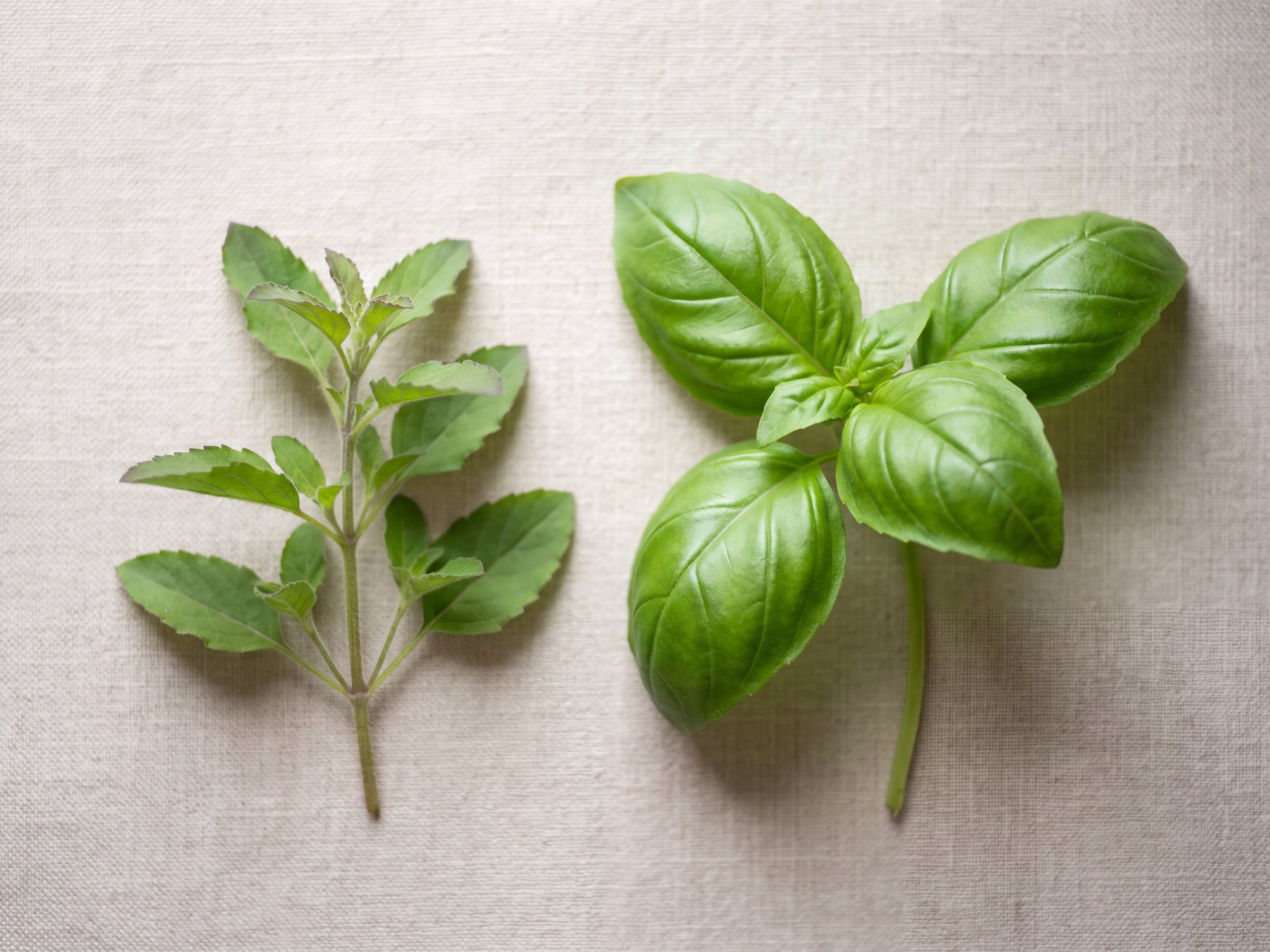
Holy tulsi and sweet basil are different species that happen to share a genus. Sweet basil is Ocimum basilicum, the culinary herb of Italian cooking, with a sweet, anise-forward flavor. Holy tulsi is Ocimum tenuiflorum, and its flavor is pungent, spicy, and distinctly peppery, with a clove note that comes from its eugenol content.
The difference runs deeper than taste. Their chemical profiles diverge substantially, and so do their traditional roles. Sweet basil is primarily a culinary plant. Holy tulsi is primarily a medicinal and devotional one, and in Indian households it is far more likely to be growing in a pot on the veranda than chopped into a sauce. Confusing the two in a recipe produces a surprise. Confusing them when reading research produces an error.
What are the main varieties of holy tulsi?
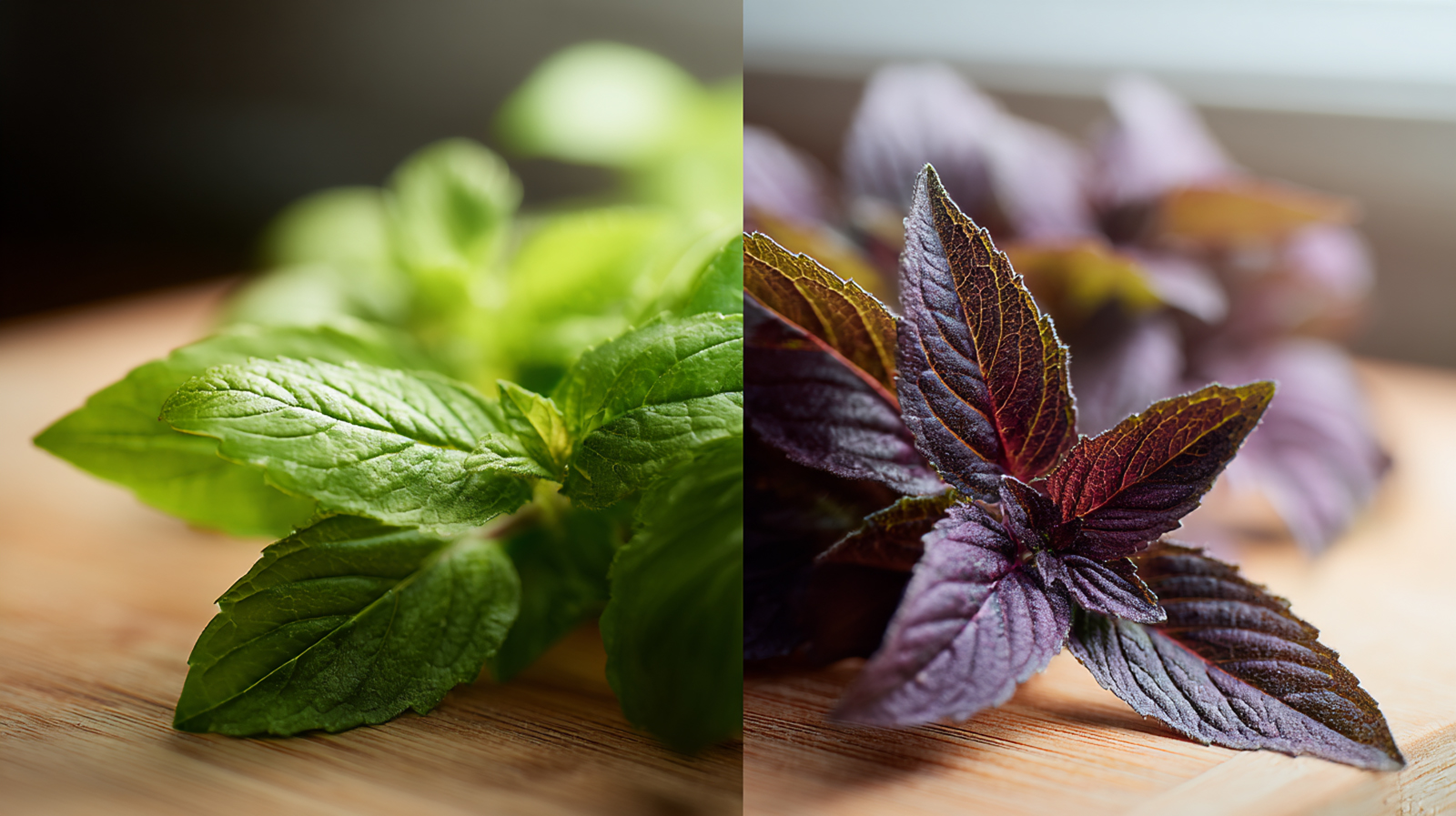
Four cultivars of holy tulsi are commonly named in cultivation and in commerce. Rama and Krishna are both Ocimum tenuiflorum, differing in pigmentation and aroma rather than species. Kapoor is a temperate-adapted type frequently sold under that name by seed suppliers. Vana is a separate species, Ocimum gratissimum, traditionally grouped with holy tulsi in Ayurvedic practice and often sold as part of a tulsi blend.
| Variety | Botanical name | Leaf appearance | Aroma and flavor | Traditional emphasis |
|---|---|---|---|---|
| Rama tulsi | Ocimum tenuiflorum | Bright green, softly serrated | Mellow and clove-like, the gentlest of the four | The most widely grown type in India, and the usual base for daily tulsi tea |
| Krishna tulsi | Ocimum tenuiflorum | Purple-tinged leaves and stems | Crisp and sharply peppery | Traditionally favored for throat and respiratory comfort preparations |
| Kapoor tulsi | Ocimum tenuiflorum | Light green, smaller leaves, bushy habit | Sweet and camphor-like | The frost-tolerant type most often grown outside India |
| Vana tulsi | Ocimum gratissimum | Light green, larger and broader | Lemony and bright | The wild forest type, usually blended rather than used alone |
In our sourcing experience, the variety on the label is one of the more reliable signals of supplier care. Growers who track cultivar tend to track harvest timing and drying method as well. Suppliers who list only tulsi with no cultivar named are usually working from a blended commodity lot.
Why is tulsi considered holy?
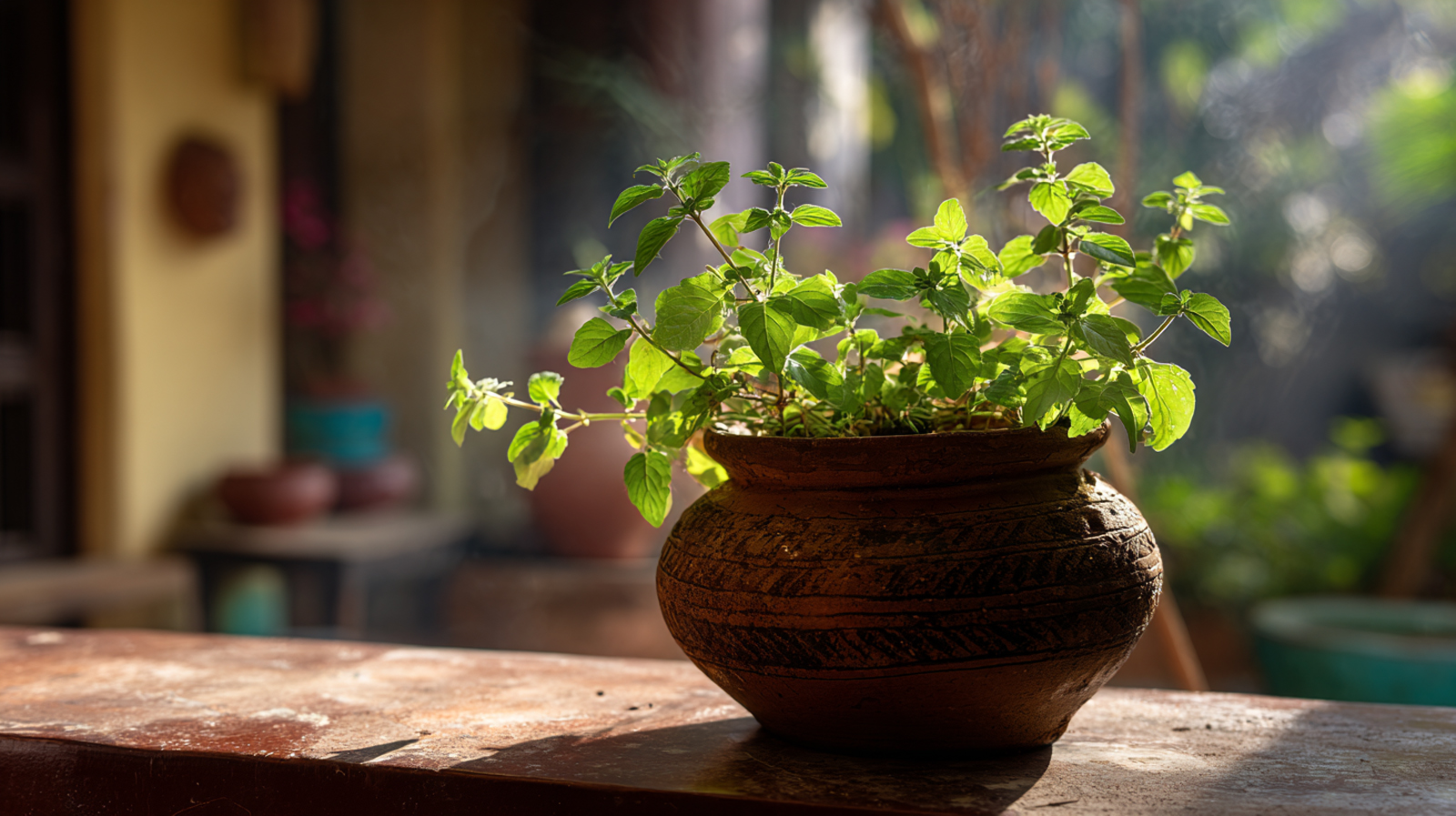
In Hindu tradition, holy tulsi is understood as a sacred manifestation of the goddess Tulasi and is closely associated with devotion to Vishnu. The plant is grown in a dedicated pot or raised planter called a tulsi vrindavan, frequently placed in a courtyard or at the entrance to a home, where it receives daily water and lamp offerings. This is the origin of the Sanskrit epithet that gives holy tulsi its reputation: the Incomparable One.
The devotional status is not separable from the medicinal one. Holy tulsi occupied a category of plant that Indian households were expected to keep alive and use, which meant holy tulsi was available in every home, every day, without a transaction. That accessibility is part of why the traditional use record for holy tulsi is unusually long and unusually consistent.
Why can’t you touch tulsi on Sunday?
The restriction people ask about is not about touching holy tulsi but about plucking its leaves. In common household observance across much of India, leaves are not picked on Sundays, on Ekadashi (the eleventh day of each lunar fortnight), during eclipses, or after dark. Watering the plant and offering to it continue on those days as usual.
Explanations vary by region and by family. The one most often given is that these days are set aside for the plant’s rest and for devotion rather than for harvest, marking holy tulsi as something other than an ordinary kitchen herb. Some households extend the practice to bathing before approaching the plant. We report the custom as it is observed rather than endorsing any particular interpretation. It is a devotional practice, not a horticultural or safety requirement, and it has no bearing on how holy tulsi is used in a supplement context.
What does the research say about holy tulsi?
Human research on holy tulsi is more substantial than most readers expect and thinner than most wellness writing implies. The best single reference point is the systematic review by Jamshidi and Cohen published in Evidence-Based Complementary and Alternative Medicine in 2017 (PMID: 28400848), which identified 24 human studies reporting a clinical outcome after holy tulsi ingestion. Those studies covered metabolic markers, cardiovascular measures, immune function, and neurocognition. All reported favorable clinical outcomes, and none reported a significant adverse event. The reviewers were also clear about the limits, calling for further work to clarify dosage, dose form, and which populations benefit most.
What follows summarizes what those studies and the more recent trial literature actually report. Where a finding comes from animal work rather than human trials, we say so.
How does holy tulsi affect cortisol and the stress response?
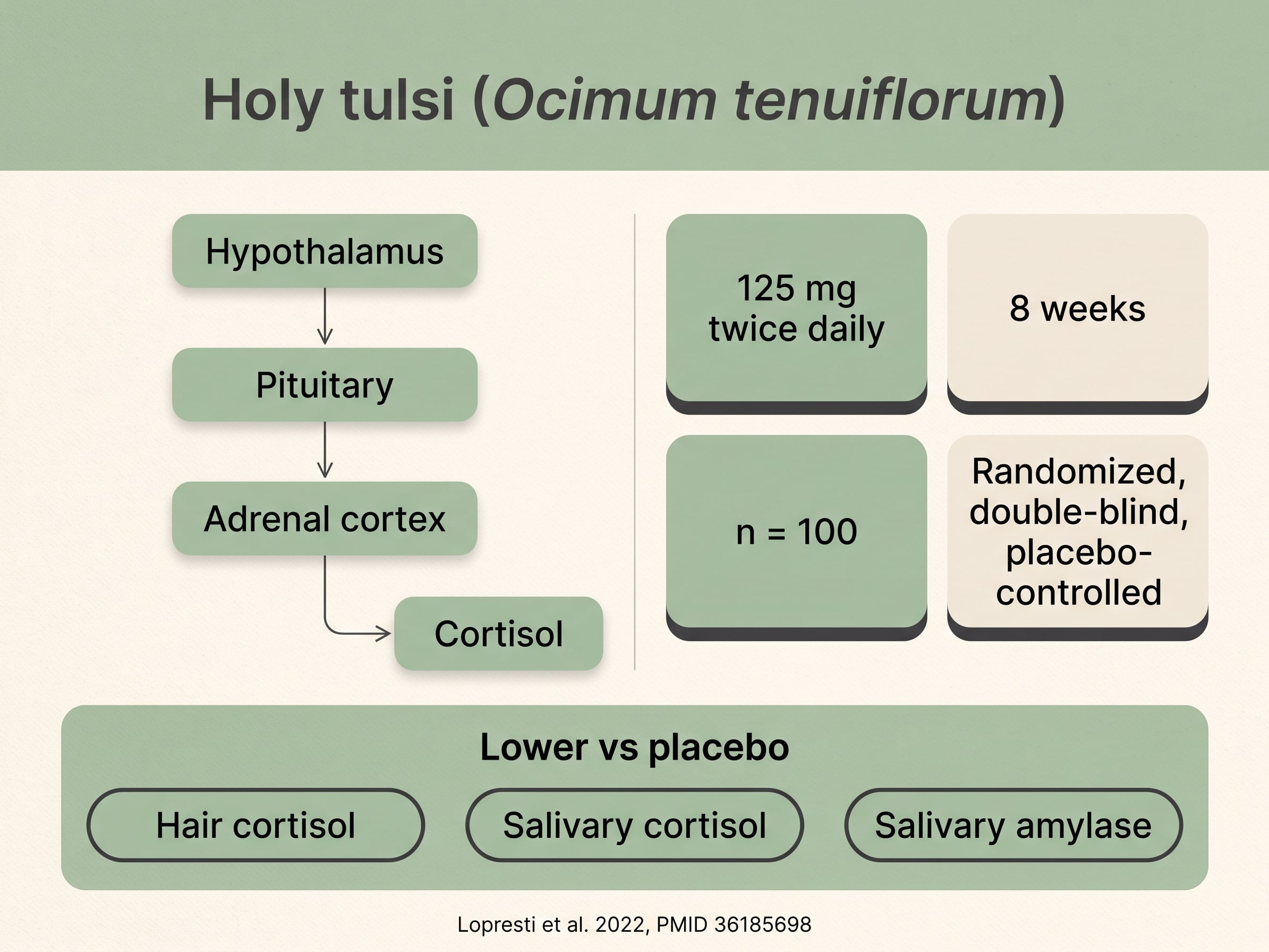
Holy tulsi has been studied directly for its effect on cortisol, and the strongest evidence comes from a randomized, double-blind, placebo-controlled trial published in Frontiers in Nutrition in 2022 (Lopresti et al., 2022, PMID: 36185698). One hundred adults aged 18 to 65 who were experiencing stress received either 125 mg of a standardized holy tulsi extract twice daily or a matched placebo for 8 weeks. Compared with placebo, holy tulsi supplementation was associated with greater improvement on the Perceived Stress Scale and the Athens Insomnia Scale, and with lower hair cortisol concentrations at week 8.
The trial also included an objective stress challenge. After exposure to the Maastricht Acute Stress Test, participants taking holy tulsi showed lower salivary cortisol, lower salivary amylase, and lower systolic and diastolic blood pressure responses than the placebo group. Supplementation was well tolerated with no reports of major adverse effects.
That combination is what makes the trial worth citing by name. Hair cortisol reflects accumulated exposure over weeks rather than a single morning reading, and salivary amylase is a marker of sympathetic nervous system activation rather than a self-reported feeling. The trial measured both the subjective experience of stress and the physiological signature underneath it, and both moved.
Mechanistically, adaptogens are understood to act on the hypothalamic-pituitary-adrenal axis, the signaling loop that governs cortisol release. Cohen’s 2014 review (PMID: 25624701) frames holy tulsi as acting across physical, chemical, metabolic, and psychological stressors through a combination of pharmacological actions rather than a single pathway. Readers who want the wider adaptogen context will find it in our guide to adaptogens for stress, which covers the HPA axis in more depth.
Does holy tulsi support memory and focus?
Cognition is one of the four domains the 2017 systematic review identified across the human literature on holy tulsi, alongside metabolic, cardiovascular, and immune outcomes (PMID: 28400848). Cohen’s review describes holy tulsi as addressing psychological stress in part through effects on memory and cognitive function, and through anxiolytic and antidepressant properties observed in the preclinical literature (PMID: 25624701).
The honest reading is that the cognitive evidence for holy tulsi is real but earlier-stage than the stress evidence. The trials are smaller, the outcome measures are less consistent between studies, and the effect sizes are not well established. The sleep finding from the 2022 trial is relevant here, since sleep quality and daytime cognitive performance are difficult to separate, and the Athens Insomnia Scale improvement was one of that trial’s clearer results (PMID: 36185698). Holy tulsi may support cognitive function. It is not a nootropic in the sense of a compound with a demonstrated, quantified effect on a specific cognitive task.
What compounds make holy tulsi work?
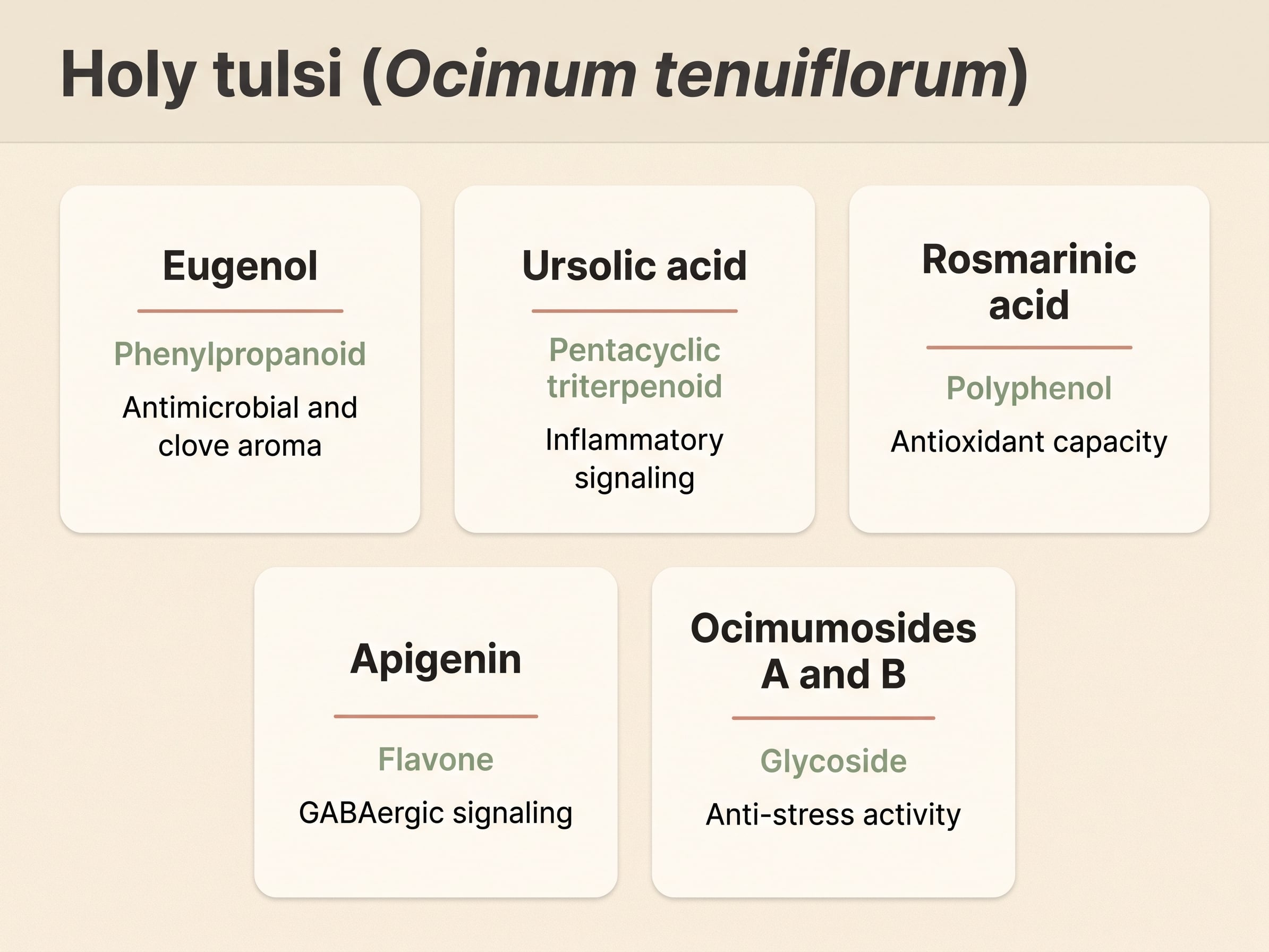
Holy tulsi contains a broad set of active constituents rather than one signature molecule, which is characteristic of adaptogenic plants generally.
- Eugenol is the phenylpropanoid responsible for the clove note in holy tulsi and a major contributor to its antimicrobial activity. A 2022 study in Chemistry and Biodiversity (Chaiyana et al., 2022, PMID: 34935261) measured eugenol content at 39.3 plus or minus 12.6 percent w/w in a fermented Ocimum sanctum extract, the highest-yielding preparation method the researchers tested.
- Ursolic acid is a pentacyclic triterpenoid found in the leaf, studied across the plant literature for its role in inflammatory signaling.
- Rosmarinic acid is a polyphenol shared with rosemary and other Lamiaceae members, and a significant part of the antioxidant capacity of holy tulsi.
- Apigenin is a flavone present in the leaf and flower, widely studied for its interaction with GABAergic signaling.
- Ocimumosides A and B are glycosides largely specific to holy tulsi, and the compounds most directly associated in the preclinical literature with its anti-stress activity. They are the constituents that most distinguish holy tulsi chemically from other adaptogens, and they are rarely named outside the primary literature.
The same 2022 fermentation study reported that the fermented extract suppressed NF-kappa-B expression by 42.7 plus or minus 4.6 percent and showed a minimum inhibitory concentration against Cutibacterium acnes below that of Penicillin G in the tested system (PMID: 34935261). That is in vitro work on a topical application rather than an ingested one, and we flag it as such.
Does holy tulsi affect cholesterol and cardiovascular markers?
Lipid and blood pressure outcomes appear across the human trial literature on holy tulsi. The 2017 systematic review grouped cardiovascular disease among the four outcome domains where human studies reported favorable results (PMID: 28400848), and Cohen’s earlier review describes holy tulsi as countering metabolic stress through normalization of blood glucose, blood pressure, and lipid levels (PMID: 25624701).
The 2022 randomized trial adds a specific and well-measured cardiovascular finding, though not a resting one. Participants taking holy tulsi showed lower systolic and diastolic blood pressure responses to an acute laboratory stress challenge than those on placebo (PMID: 36185698). That is a stress-reactivity result rather than a general blood-pressure result, and the distinction is worth holding onto. Holy tulsi may support cardiovascular health as part of a healthy lifestyle. It is not a substitute for blood pressure or cholesterol management under medical supervision, and the reported effects were observed in specific study populations rather than promised to individuals.
Does holy tulsi affect blood sugar?
Blood glucose is among the better-supported metabolic findings for holy tulsi in the human literature, appearing in the metabolic outcomes group of the 2017 systematic review and described in Cohen’s review as part of the plant’s normalizing action on metabolic markers (PMID: 28400848, PMID: 25624701).
This finding carries a safety consequence that belongs alongside it rather than in a separate section. Because holy tulsi has been associated with lower blood glucose, anyone taking medication for diabetes should treat holy tulsi as a potential additive effect and speak with their prescriber before starting. Holy tulsi supports healthy blood sugar levels already within the normal range. It is not a treatment for any form of diabetes.
Does holy tulsi support respiratory comfort?
Respiratory use is among the oldest and most consistent traditional applications of holy tulsi across Ayurvedic, Siddha, and Unani practice, typically as a hot infusion or as steam inhalation. The traditional preparations target the sensation of chest congestion and throat irritation, and Krishna tulsi in particular is the cultivar most often selected for these uses.
Cohen’s review notes broad-spectrum antimicrobial activity for holy tulsi across a range of human and animal pathogens (PMID: 25624701), which is a plausible partial mechanism for the traditional respiratory role but is not the same as a clinical respiratory outcome. Holy tulsi supports respiratory comfort in the traditional sense. It does not treat asthma, bronchitis, or any respiratory infection, and anyone with a diagnosed respiratory condition should manage it with their healthcare provider.
How does holy tulsi support the immune system and antioxidant status?
Immune function is the fourth outcome domain identified in the 2017 systematic review of human studies on holy tulsi (PMID: 28400848), and immunomodulatory activity is among the actions Cohen’s review attributes to the plant across the wider literature (PMID: 25624701).
The antioxidant side of holy tulsi is better characterized than the immune side, and the two are related. Rosmarinic acid and apigenin, together with the eugenol fraction, give holy tulsi leaf a substantial polyphenol load, and Cohen’s review describes the plant’s antioxidant properties in terms of upregulating the body’s own protective enzyme systems rather than simply supplying antioxidant molecules. Readers comparing options across this category may find our guide to the best herbs for the immune system a useful companion.
Holy tulsi for skin, hair, and oral care
Holy tulsi appears in traditional preparations for the skin and for oral care, and the in vitro antimicrobial data give some sense of why. The 2022 fermentation study tested Ocimum sanctum extract against Staphylococcus aureus, Staphylococcus epidermidis, Cutibacterium acnes, Candida albicans, and Malassezia furfur, reporting antimicrobial activity across the panel along with anti-inflammatory activity comparable to indomethacin in the NF-kappa-B suppression assay (PMID: 34935261).
In oral care, holy tulsi leaf has traditionally been chewed directly or included in mouth rinse preparations. Cohen’s review mentions mouthwash among the practical applications supported by the plant’s antimicrobial profile (PMID: 25624701). We frame this as a traditional practice with a plausible in vitro rationale rather than as a substitute for dental care.
Older herbal texts describe holy tulsi as a blood-purifying herb. That phrase belongs to traditional Ayurvedic vocabulary rather than to physiology, and we prefer to state what is actually being described. The polyphenol and flavone content of holy tulsi, principally rosmarinic acid and apigenin, contributes antioxidant capacity, and the traditional skin applications are most reasonably understood through that antioxidant and anti-inflammatory frame.
Holy tulsi, the liver, and the kidneys
Holy tulsi is often described as a detoxifying herb. The liver and the kidneys perform filtration and clearance on their own, continuously, without botanical assistance, so the useful question is narrower: does holy tulsi support those organs while they do their work?
Cohen’s review reports that holy tulsi has been found to protect organs and tissues against chemical stress from industrial pollutants and heavy metals in the preclinical literature (PMID: 25624701). A separate toxicology study in the Journal of Toxicology examined liver, kidney, spleen, heart, and gonadal tissue in rats given Ocimum sanctum leaf extract at up to 800 mg per kg daily for 28 days and found no macroscopic or microscopic organ changes (Gautam and Goel, 2014, PMID: 24616736). Holy tulsi supports normal liver and kidney function in an antioxidant sense. It does not remove toxins, and it is not a cleanse.
Who should not take holy tulsi?
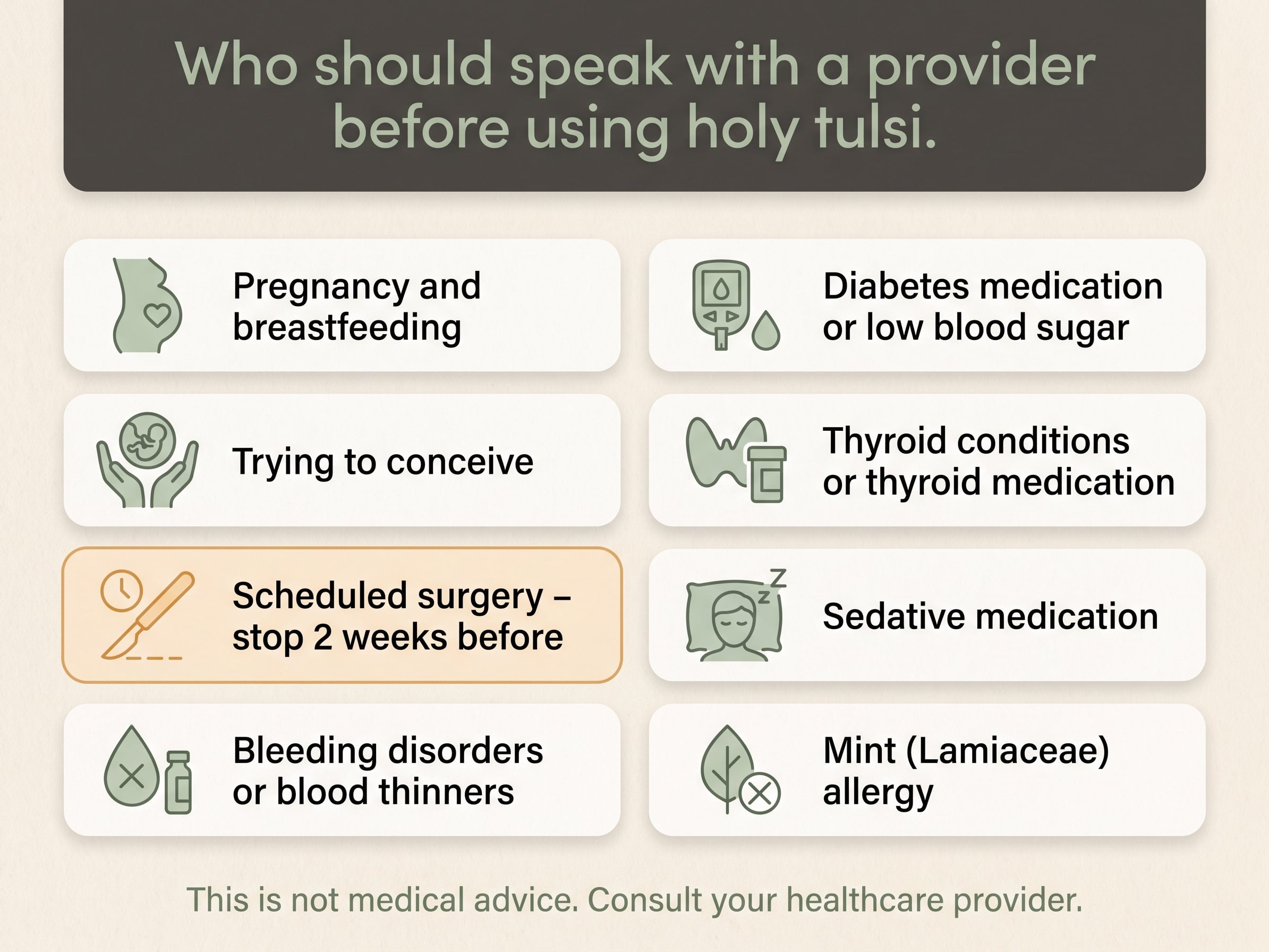
Holy tulsi is generally well tolerated in the human trial literature, and it has a specific list of people who should not take it without medical guidance. This section comes before preparation deliberately.
- Pregnancy and breastfeeding. There is not enough reliable human safety data, and animal research raises concerns. Avoid use.
- Trying to conceive. Animal research suggests high doses of holy tulsi leaf extract may reduce fertility and interfere with embryo implantation.
- Scheduled surgery. Holy tulsi may slow blood clotting. Stop use at least 2 weeks before any scheduled procedure.
- Bleeding disorders, or anticoagulant and antiplatelet medication. The same clotting effect may increase bleeding or bruising risk.
- Diabetes medication or low blood sugar. Holy tulsi may lower blood glucose, which can compound the effect of diabetes drugs.
- Thyroid conditions or thyroid hormone medication. See the dedicated section below. Raise holy tulsi with your prescriber before starting.
- Sedative medication. Holy tulsi may increase drowsiness when combined with sedatives, including barbiturates.
- Mint family allergy. Anyone sensitive to plants in the Lamiaceae family should avoid holy tulsi.
Reported side effects of holy tulsi are generally mild and include nausea and digestive upset. The distinction between animal and human evidence is worth keeping in view here. The fertility and thyroid signals come primarily from animal studies at doses well above typical human intake, while the human trial literature reviewed in 2017 reported no significant adverse events across 24 studies (PMID: 28400848). Neither fact cancels the other. The animal signals are a reason for specific populations to seek guidance, not a reason for general alarm.
Does holy tulsi affect the thyroid?
Holy tulsi has been associated in animal research with reduced levels of the thyroid hormone thyroxine (T4). This is the single most repeated safety point about holy tulsi in current health coverage, and it is the reason anyone managing a thyroid condition should raise holy tulsi with their prescriber before starting rather than after.
Three practical points follow, and none of them involve changing a prescription independently.
- Tell the clinician who manages your thyroid that you are considering holy tulsi before you begin. This applies to hypothyroidism, to Hashimoto’s thyroiditis, and to anyone taking levothyroxine or another thyroid hormone replacement.
- Ask whether your thyroid panel should be rechecked after starting. TSH monitoring is the ordinary way to detect whether anything has shifted, and the timing is your prescriber’s call.
- Never adjust the dose or timing of a thyroid medication on your own based on herbal supplement use. That decision belongs to the prescriber.
The T4 signal derives from animal work rather than from controlled human trials, and the 2017 systematic review of human studies did not identify thyroid adverse events among its 24 reviewed trials (PMID: 28400848). That is reassuring without being conclusive, because thyroid function was not a primary outcome in those trials. For readers weighing adaptogens against an autoimmune thyroid condition specifically, our article on rhodiola and Hashimoto’s covers the wider question of adaptogen selection with thyroid involvement.
Is holy tulsi safe for long-term use?
The published human trials of holy tulsi run to weeks and months rather than years. The 2022 randomized controlled trial ran for 8 weeks and reported holy tulsi supplementation was well tolerated with no major adverse effects (PMID: 36185698). The 2017 systematic review across 24 human studies found no significant adverse events reported in any of them (PMID: 28400848).
The toxicology picture supports this. Gautam and Goel tested a 50 percent ethanolic Ocimum sanctum leaf extract in an acute model at 200, 600, and 2000 mg per kg, and in a subacute model at 200, 400, and 800 mg per kg daily for 28 days. Neither model produced hazardous symptoms, mortality, weight change, or altered hematological, biochemical, or histopathological profiles, and the authors concluded the extract could be safe for human use (PMID: 24616736).
The honest limit is this: multi-year human safety data for holy tulsi does not exist, which is true of most botanicals and is not specific to holy tulsi. Daily tulsi tea is a centuries-old household practice across the Indian subcontinent with a long informal safety record. Concentrated standardized extracts are a more recent format with a shorter one. Periodic breaks and periodic check-ins with a healthcare provider are reasonable for any long-running supplement routine.
What doses of holy tulsi have been studied?
There is no established recommended daily intake for holy tulsi, and forms are not interchangeable. A standardized extract capsule and a cup of leaf tea deliver very different quantities of active constituents. What can be stated are the amounts actually used in published research.
| Form | Amount | Context |
|---|---|---|
| Standardized extract | 125 mg twice daily, 8 weeks | The 2022 randomized, double-blind, placebo-controlled stress and sleep trial in 100 adults (PMID: 36185698) |
| Leaf extract | 500 mg daily | An amount reported in the earlier anxiety literature and widely referenced in supplement monographs |
| Dried leaf tea | 1 teaspoon of dried leaf per 8 oz cup | Traditional household preparation, commonly taken once or twice daily |
| Fresh leaf | 2 teaspoons per 8 oz cup | Traditional preparation where the plant is grown at home |
| These are amounts used in research and tradition, not recommendations. Follow the label on any product you buy, and consult a healthcare provider for guidance specific to your circumstances. | ||
Note how modest the trial amount is. The 2022 trial used 125 mg twice daily of a standardized extract, a smaller number than many holy tulsi supplements carry. Higher is not automatically better, and the animal fertility signals discussed above were observed at high doses.
How do you use holy tulsi?
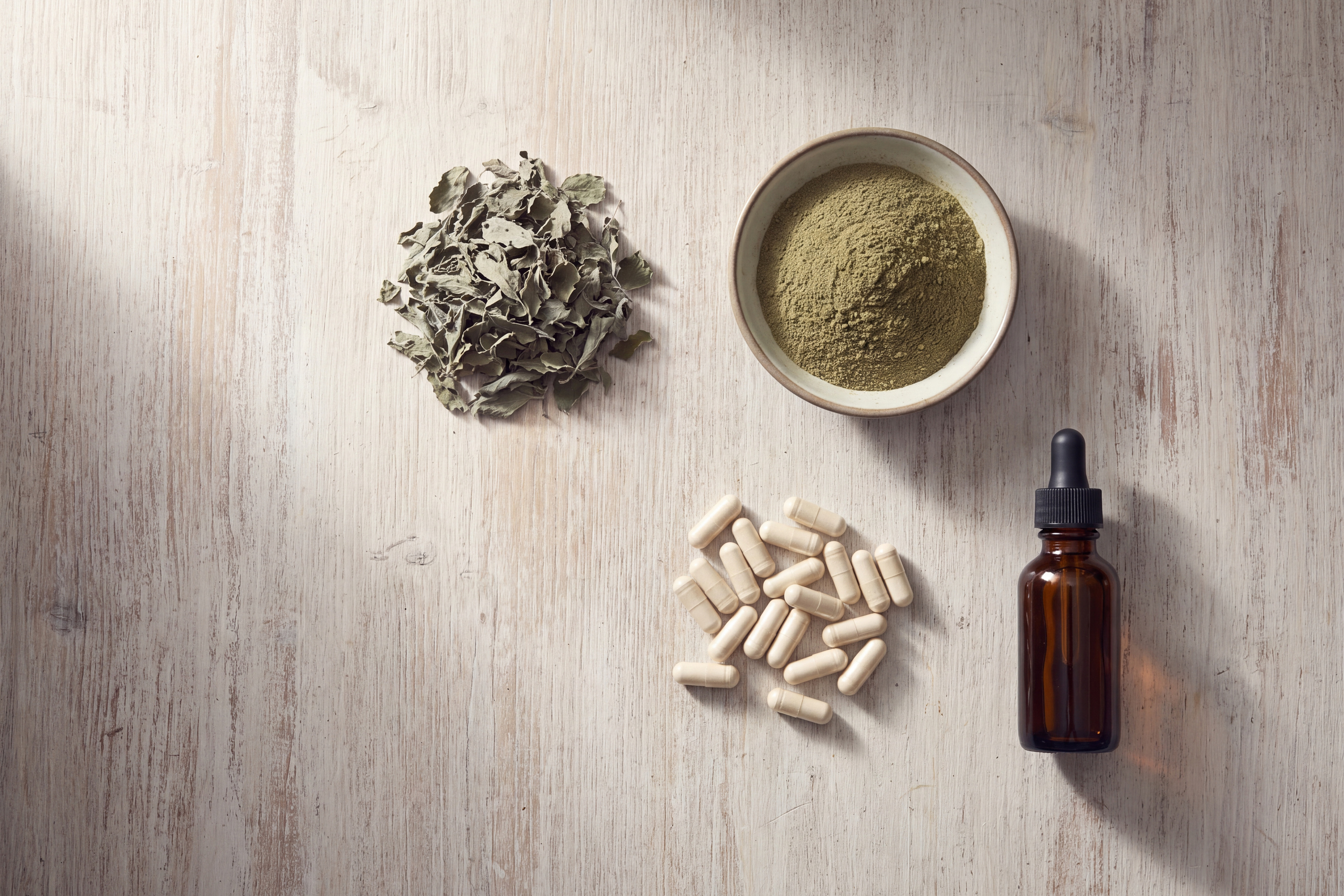
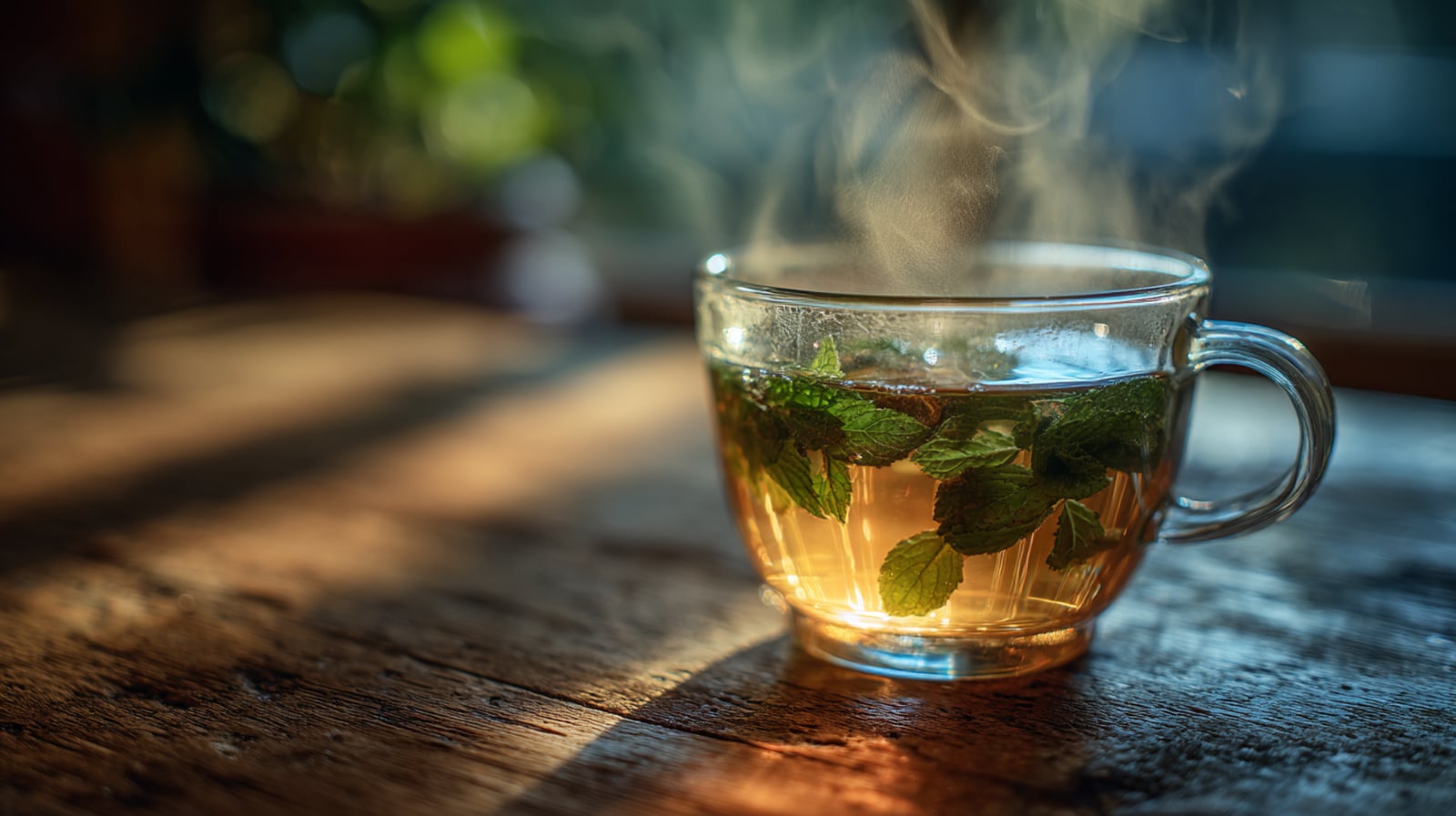
Holy tulsi is prepared as a tea, taken as a supplement, used fresh in cooking, or applied as a steam inhalation. Tea is the traditional daily format and the gentlest introduction.
How do you brew holy tulsi tea?
| Step | Instruction | Notes |
|---|---|---|
| 1. Boil water | Use 8 ounces of fresh filtered water per serving | Let it come off a full boil for a few seconds before pouring |
| 2. Add holy tulsi | 1 teaspoon dried leaf, or 2 teaspoons fresh leaf | Bruise fresh leaves lightly first to release the volatile oils |
| 3. Steep | Cover and steep 5 to 10 minutes | Covering matters. Eugenol is volatile and leaves with the steam |
| 4. Strain and serve | Strain the leaf and drink warm | Honey or lemon if desired, though the peppery clove note stands on its own |
Covering the cup during the steep is the step most people skip and the one that changes the result most. In our own preparation testing, an uncovered steep loses a noticeable share of the aromatic character, which is the eugenol fraction going up with the steam rather than into the cup.
Can holy tulsi be used in cooking?
Fresh holy tulsi leaf works in stir-fries, soups, and sauces, where their peppery, clove-forward flavor holds up in a way sweet basil does not. The technique is the reverse of sweet basil handling. Sweet basil goes in at the end to preserve its delicate aroma, while holy tulsi is added during cooking so the heat draws out its volatile oils. In Southeast Asian cooking, a closely related basil is sold as hot basil and used the same way.
What about tinctures, capsules, and powders?
Beyond tea, holy tulsi is available as a whole leaf powder, in capsules, and as an alcohol tincture. Powder can be stirred into warm water, smoothies, or honey. Capsules deliver a measured amount and suit people who prefer not to taste the herb daily. Tinctures extract a different constituent profile than water alone and act quickly.
For readers who want the traditional whole-leaf format, our holy basil powder is milled from Rama tulsi. Those who prefer a measured daily amount without preparation may find our holy basil capsules a better fit. Whichever form you choose, check the label for the cultivar and the plant part used, and start at the low end of the labeled range.
Can you grow holy tulsi at home?
Holy tulsi grows readily from seed in warm conditions and is treated as a tender perennial, kept as an annual in cooler climates. Kapoor tulsi is the type most often recommended for temperate gardens because it tolerates cooler nights better than Rama or Krishna. A sunny position, free-draining soil, and regular pinching of flower spikes to keep the plant producing leaves will cover most of what a home grower needs. Seed suppliers and university extension services carry far more detailed cultivation guidance than a wellness article should attempt.
Frequently asked questions about holy tulsi
What happens if I drink holy tulsi tea daily?
Daily tulsi tea is a long-standing household practice across the Indian subcontinent and is generally well tolerated by healthy adults. Human trials of holy tulsi lasting up to 8 weeks have reported it as well tolerated, with no major adverse effects (PMID: 36185698). If you are pregnant, trying to conceive, managing a thyroid condition or diabetes, or taking blood thinners or sedatives, speak with a healthcare provider before making it a daily habit.
Who should not take holy basil?
People who are pregnant or breastfeeding, trying to conceive, scheduled for surgery within two weeks, or living with a bleeding disorder should avoid holy tulsi. Anyone taking anticoagulant or antiplatelet medication, diabetes medication, thyroid hormone medication, or sedatives should speak with their prescriber first, as should anyone with a known allergy to plants in the mint family.
What are the 10 benefits of tulsi?
The benefits most consistently attributed to holy tulsi across traditional use and the human research literature are support for the stress response, sleep quality, immune function, healthy blood sugar already in the normal range, cardiovascular markers, respiratory comfort, cognitive function, antioxidant status, skin and oral care applications, and normal liver and kidney function. The strongest human evidence sits with the stress and sleep outcomes. The rest range from moderately supported to traditional use with preclinical backing, and the 2017 systematic review is the best single source for sorting them (PMID: 28400848).
What is the difference between tulsi and holy basil?
There is no difference. Tulsi and holy basil are two names for the same plant, Ocimum tenuiflorum. Tulsi is the Sanskrit-derived name used across India, and holy basil is the English common name. Holy tulsi combines both. The plant is separate from sweet basil, Ocimum basilicum, which is a different species.
How long does holy tulsi take to work?
The 2022 randomized controlled trial measured its outcomes at 8 weeks, with participants taking 125 mg of standardized extract twice daily throughout (PMID: 36185698). Adaptogens in general are studied over weeks rather than as acute-effect compounds. A reasonable expectation is that any effect on stress or sleep measures builds gradually over weeks rather than appearing after a single dose.
Is holy tulsi good for the kidneys and liver?
Holy tulsi supports normal liver and kidney function through its antioxidant activity, and preclinical work has examined protective effects against chemical stressors (PMID: 25624701). A 28-day toxicology study in rats at up to 800 mg per kg daily found no histopathological changes in liver or kidney tissue (PMID: 24616736). Holy tulsi does not cleanse or detoxify these organs, which perform their own filtration continuously.
What is the best way to take holy tulsi?
It depends on what you want from it. Tea is the traditional, gentle daily format and the easiest starting point. A standardized extract capsule delivers a measured amount and matches the format used in the clinical trials. Steam inhalation is the traditional choice for respiratory comfort. Whole leaf powder sits between tea and capsules for people who want the traditional material in a flexible form.
Can holy tulsi be taken with other adaptogens?
Holy tulsi is frequently combined with ashwagandha, rhodiola, or eleuthero in traditional and commercial formulations. Combining adaptogens is common practice and is not itself a safety concern for most healthy adults. The interactions to watch are the medication interactions listed above rather than the herb-to-herb ones, and those apply whether holy tulsi is taken alone or in a blend. Our guide to the strongest adaptogens compares the major options side by side.
Related reading
Continue with our guides on adaptogens for stress, the strongest adaptogens compared, rhodiola and Hashimoto’s for thyroid-conscious adaptogen selection, natural sleep remedies ranked by evidence, and the best herbs for the immune system.
Important: This article is for educational and informational purposes. The statements have not been evaluated by the Food and Drug Administration. The herbs and herbal products discussed are not intended to diagnose, treat, cure, or prevent any disease. Information presented here is not a substitute for professional medical advice, diagnosis, or treatment. Always consult a qualified healthcare provider for medical guidance specific to your circumstances, especially if you are pregnant, nursing, taking medication, or managing a health condition, including any thyroid condition or diabetes. Do not delay seeking medical care because of information you have read on this site.