Key Takeaways
- Amla, botanically Phyllanthus emblica and indexed in most clinical literature as Emblica officinalis, is a sour Ayurvedic fruit classified as a rasayana.
- A 2023 systematic review and meta-analysis of five randomized controlled trials reported reductions in LDL cholesterol, total cholesterol, triglycerides, fasting blood glucose, and C-reactive protein, alongside an increase in HDL cholesterol (PMID: 36934568).
- Human trials have used 1 to 2 grams daily of standardized fruit extract across 90 days, and 500 mg doses in shorter studies of platelet activity.
- Amla shows measurable antiplatelet activity, so anyone on blood-thinning medication or scheduled for surgery should speak with a healthcare provider before regular use (PMID: 24291054).
- Published vitamin C figures range from roughly 300 to 900 mg per 100 g, and the spread comes down to fresh versus dried weight rather than disagreement about the fruit.
Amla, the Indian gooseberry, is one of the most studied fruits in the Ayurvedic pharmacopeia and one of the most inconsistently reported. Search it, and you will find three different vitamin C numbers, a dozen benefit lists, and almost no specifics on how much anyone actually took in a study. This guide covers what the fruit is, what the human research measured, how much was used and for how long, and the five situations where a conversation with your provider should come first.
Our editorial team reviewed the published randomized controlled trial literature on Emblica officinalis for this piece, and one pattern stood out. The consumer articles ranking for amla almost never state a dose, and the trials almost never used the form the articles are describing. That gap is worth closing, because a gram of dried fruit powder and a gram of concentrated extract are not the same thing, and the difference determines whether any of the research applies to what is in your cupboard.
What Is Amla (Phyllanthus emblica)?
Amla is a small, round, pale yellow-green fruit that grows on a deciduous tree in the Phyllanthaceae family, native to the Indian subcontinent. It has six faint vertical seams running down the skin, a firm fibrous flesh, and a single central stone. The taste is intensely tart, followed by a bitter and astringent finish that often leaves a sweet note behind.
You will find it under two Latin names, and the distinction matters if you go looking for the studies yourself. Phyllanthus emblica is the accepted botanical name. Emblica officinalis is the older synonym, and it is the name most of the clinical literature is indexed under, so searching only for the modern binomial will hide a large share of the human research.
In Ayurveda, amla is classified as a rasayana, a category of botanicals used traditionally for longevity and vitality rather than for a specific complaint. Two traditional preparations built around it are worth knowing by name. Triphala combines amla with Terminalia bellirica and Terminalia chebula and has been used traditionally to support digestion. Chyawanprash is a cooked fruit preserve in which amla is the principal ingredient. Both have been in continuous use for well over a thousand years.
The sourness is chemistry, not just flavor. Amla is dense in hydrolyzable tannins including emblicanin A and emblicanin B, along with gallic acid, ellagic acid, and beta-glucogallin. Those tannins are part of why its vitamin C behaves differently in the whole fruit than isolated ascorbic acid does in a tablet, and beta-glucogallin in particular is the marker compound several clinical extracts are standardized to.
Amla Nutrition Facts Per 100 Grams
Amla is a low-calorie fruit that contributes dietary fiber and a notably high concentration of vitamin C along with a broad group of polyphenols. The figures below reflect values commonly reported for the fresh fruit.
| Nutrient | Approximate amount | Role in the body |
|---|---|---|
| Vitamin C (ascorbic acid) | Widely reported between 300 and 900 mg, see below | Supports normal immune function and collagen formation |
| Dietary fiber | 4.3 g | Supports digestive regularity |
| Carbohydrates | 10.2 g | Provides energy |
| Protein | 0.9 g | Contributes to tissue maintenance |
| Polyphenols and tannins | High, varies by cultivar | Antioxidant activity |
| Reference values for the fresh fruit are available through USDA FoodData Central. Composition varies with cultivar, ripeness, and post-harvest handling. | ||
Why Do Published Vitamin C Figures for Amla Disagree?
Compare three articles on amla, and you will find three different vitamin C numbers, commonly spanning 300 to 900 mg per 100 grams. The figures are not wrong. They are measuring different things, and no one seems to say so.
- Fresh versus dried weight. Amla is roughly 80 percent water. Remove the water and every nutrient concentrates several times over by weight, which is why dried and powdered figures run far above fresh ones. This single factor accounts for most of the spread.
- Cultivar. Vitamin C content differs meaningfully between amla varieties grown for fresh eating versus processing.
- Assay method. Some analyses report ascorbic acid alone. Others report total ascorbate activity, which includes tannin-bound forms that titrate differently.
- Handling and age. Ascorbic acid degrades with heat, light, and time after harvest, so a figure measured at harvest and one measured after shipping will not match.
The practical takeaway is simple. When you compare two amla products by their vitamin C number, check whether both are quoting fresh or dried weight before deciding one is stronger. For background on vitamin C intake generally, the NIH Office of Dietary Supplements fact sheet is the reference we use, and a broad review of amla composition is available through the National Institutes of Health PMC archive.
What Does the Research Say About Amla?
Amla has a real human trial literature behind it, which is unusual for a traditional fruit. The strongest single piece of evidence is a 2023 systematic review and meta-analysis pooling five randomized controlled trials. Across those trials, it reported reductions in LDL cholesterol, total cholesterol, and serum triglycerides, an increase in HDL cholesterol, and reductions in fasting blood glucose and C-reactive protein (PMID: 36934568). Participants averaged 40 to 58 years of age with a mean BMI of 25.5, and interventions ran from 3 to 12 weeks.
Does Amla Lower Cholesterol?
This is the best-evidenced area, and it comes with a qualifier that most summaries drop. The meta-analysis above found significant pooled reductions across the lipid panel (PMID: 36934568). A separate randomized double-blind placebo-controlled multicenter trial examined Emblica officinalis extract on similar parameters (PMID: 30670010).
Here is the qualifier. The trials in this literature used concentrated amla extract, not amla juice and not fresh fruit. Eating an amla a day is a reasonable habit, but it is not the intervention that was tested, and the review authors themselves concluded that further investigation is warranted to confirm and expand the findings. We think stating that plainly is more useful than implying the fruit and the extract are interchangeable.
Does Amla Affect Blood Sugar?
Amla is one of the more studied fruits on this question. A 90-day trial of an Emblica officinalis fruit extract standardized to 10 percent beta-glucogallin measured fasting blood sugar, post-meal blood sugar, HbA1c, and lipid levels at 1 gram and 2 grams per day, with the 2-gram group showing the larger recorded change (PMID: 35996967). The 2023 meta-analysis also reported a change in fasting blood glucose across pooled results (PMID: 36934568).
Two mechanisms are usually offered. Amla contains chromium, a trace mineral involved in insulin signaling, and it contains soluble fiber, which slows how quickly sugars are absorbed after a meal. The fiber pathway is the better established of the two.
What this does not mean is that amla belongs in a blood sugar management plan on anyone’s own initiative. Both trials were run with clinical monitoring. If you take metformin, a sulfonylurea, insulin, or any other medication affecting blood sugar, speak with your healthcare provider before adding amla, because that combination has not been adequately studied outside supervised settings.
Does Amla Reduce Inflammation?
Polyphenols and tannins in amla have shown activity in laboratory work, but the more useful finding is a human one. The 2023 meta-analysis reported a reduction in C-reactive protein, a blood marker used to track systemic inflammation (PMID: 36934568). A separate trial of a standardized aqueous Phyllanthus emblica fruit extract examined endothelial function, oxidative stress, and systemic inflammation together (PMID: 31060549), and a 2021 trial looked at antihypertensive and pleiotropic effects as add-on therapy (PMID: 33570228).
Naming C-reactive protein specifically is more useful than saying an herb reduces inflammation, because CRP is a value your provider can order and track. Vague inflammation language is not something anyone can check.
How Does Amla Support Hair and Skin?
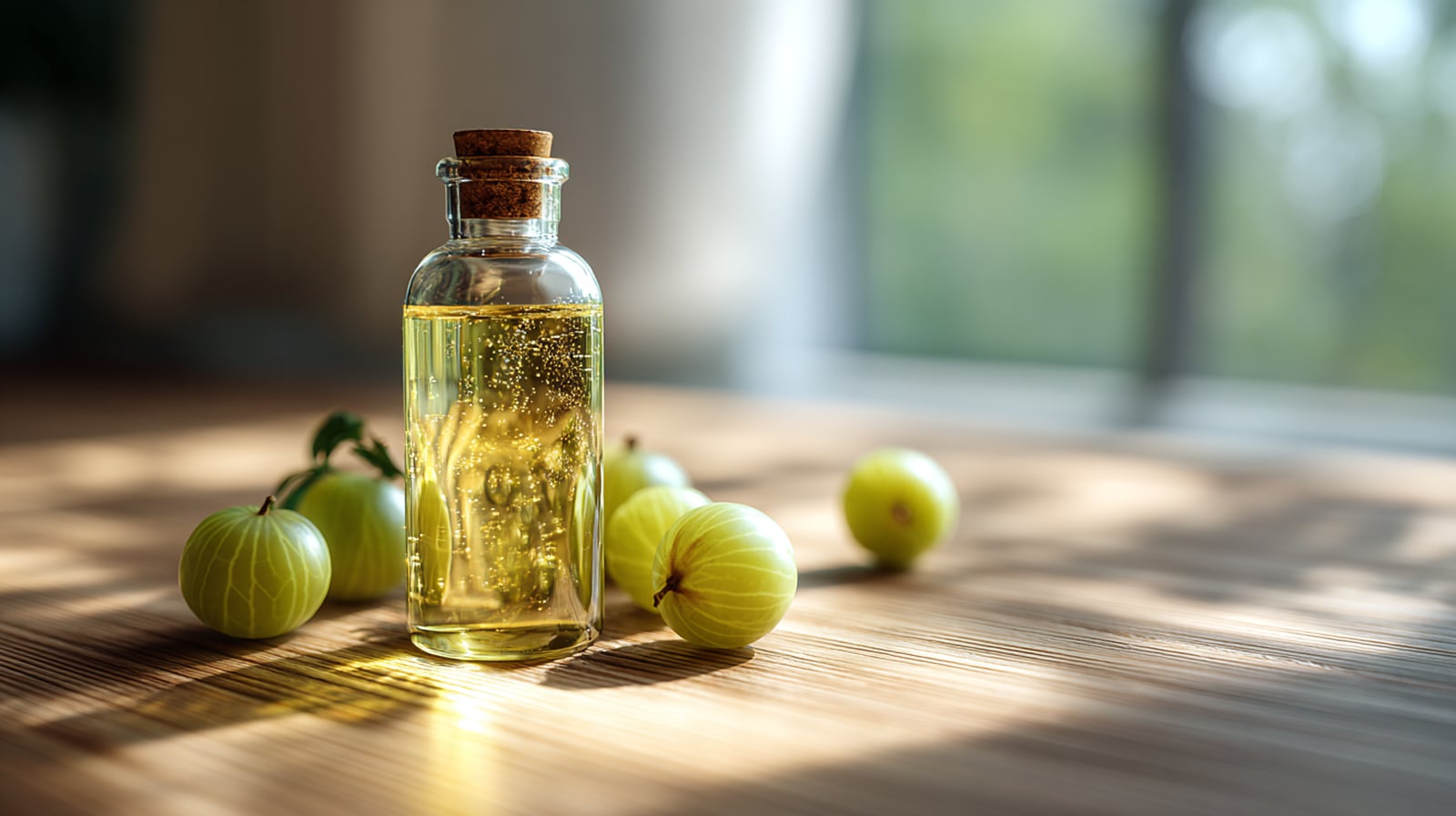
The traditional case is strong, and the clinical case is thinner. Vitamin C is required for collagen synthesis, which is the structural protein in skin, and amla’s antioxidant compounds are the usual explanation offered for its long use in hair oils. In Ayurvedic practice, amla is frequently paired with bhringraj, and if that combination is what brought you here, our guide to Bhringraj (Eclipta prostrata) for hair, the herb traditionally paired with amla, covers that pairing in detail.
Is Amla Good for Your Liver and Digestion?
Preliminary research has examined amla’s antioxidant compounds in the context of liver function and oxidative stress, and the fiber content supports digestive regularity in the ordinary way any fiber source does. Traditional use is broader than the evidence, which is worth saying out loud. For wider context on both systems, see our guides to herbs studied for liver support, including milk thistle and schisandra, and herbs for digestive health and how the five mechanism families work.
Does Amla Support Immune Function?
Vitamin C contributes to normal immune function, and amla is among the denser whole-food sources of it. That is a supportable structure and function statement. The stronger version is not supported. Reviews of vitamin C and the common cold have generally not found that routine supplementation changes how often healthy adults get sick, and we would rather say so than let the implication stand. Related material is in our guide to herbs traditionally used to support immune function.
How Much Amla Should You Take Daily?
There is no established recommended daily intake for amla. What exists is a set of amounts researchers administered under supervision, and those are worth knowing because they are the only numbers with anything behind them.
In our sourcing experience, the gap between a whole-fruit powder and a concentrated extract can be a factor of ten or more on marker compounds, so a gram of one is not a gram of the other. Read what the label is measuring before comparing two products by weight.
| Form studied | Amount | Duration | What was measured | Citation |
|---|---|---|---|---|
| Fruit extract standardized to 10 percent beta-glucogallin | 1 g per day | 90 days | Fasting and post-meal blood glucose, HbA1c, lipid levels | PMID: 35996967 |
| Fruit extract standardized to 10 percent beta-glucogallin | 2 g per day | 90 days | Same measures, larger recorded change than the 1 g group | PMID: 35996967 |
| Amla extract | 500 mg, single dose and twice daily | Single dose, then 10 days | Platelet aggregation, bleeding and clotting time | PMID: 24291054 |
| Pooled across five randomized controlled trials | Varied by trial | 3 to 12 weeks | LDL, total cholesterol, triglycerides, HDL, fasting glucose, C-reactive protein | PMID: 36934568 |
| Sources verified against PubMed, August 2026. These figures describe what researchers administered under supervision. They are not a recommended dose. | ||||
Is Amla Better Fresh, Dried, or as a Powder?
- Fresh fruit. The most vitamin C by fresh weight and the most intense sourness. Seasonal and difficult to source outside South Asia.
- Dried and powdered. Water removed, so every nutrient concentrates by weight. This is why per-100-gram figures for powder run several times higher than for fresh fruit.
- Juice. Convenient, though commercial versions are often diluted or sweetened. Check the label for added sugar.
- Capsules. A fixed amount per serving and no taste, at the cost of trusting the label rather than seeing the material.
- Standardized extract. Concentrated to a stated marker compound such as beta-glucogallin or total tannins. This is what most clinical trials used, and it is a different product from whole-fruit powder.
How to Use Amla: Fresh, Juice, Powder, and Capsules
Amla is versatile enough that the practical question is usually about tolerating the sourness rather than finding a method.
- Fresh. Eaten raw in slices, often with a little salt to soften the astringency.
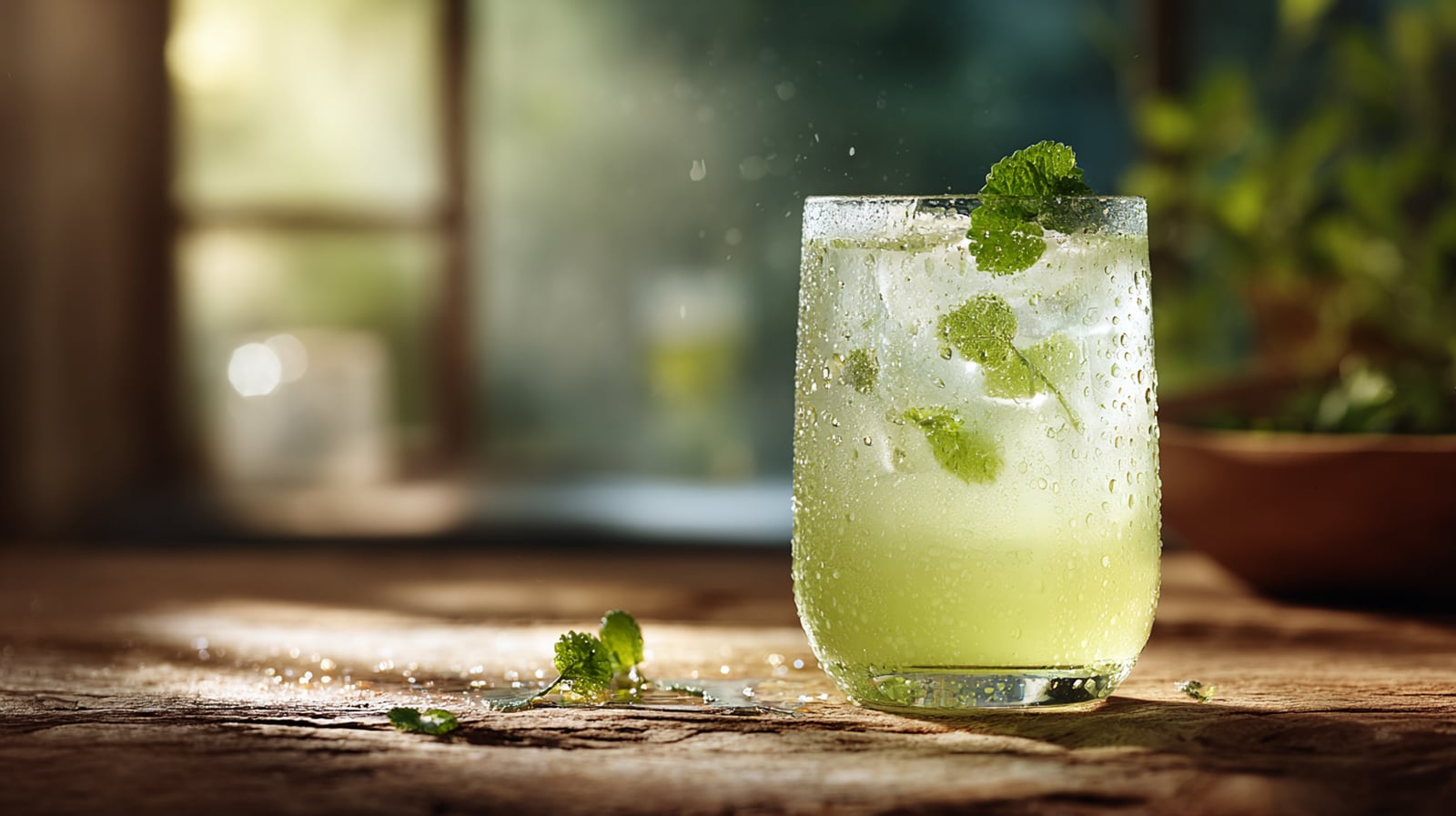
- Juice. Typically one to two tablespoons diluted in water, sometimes combined with other juices to balance the flavor.
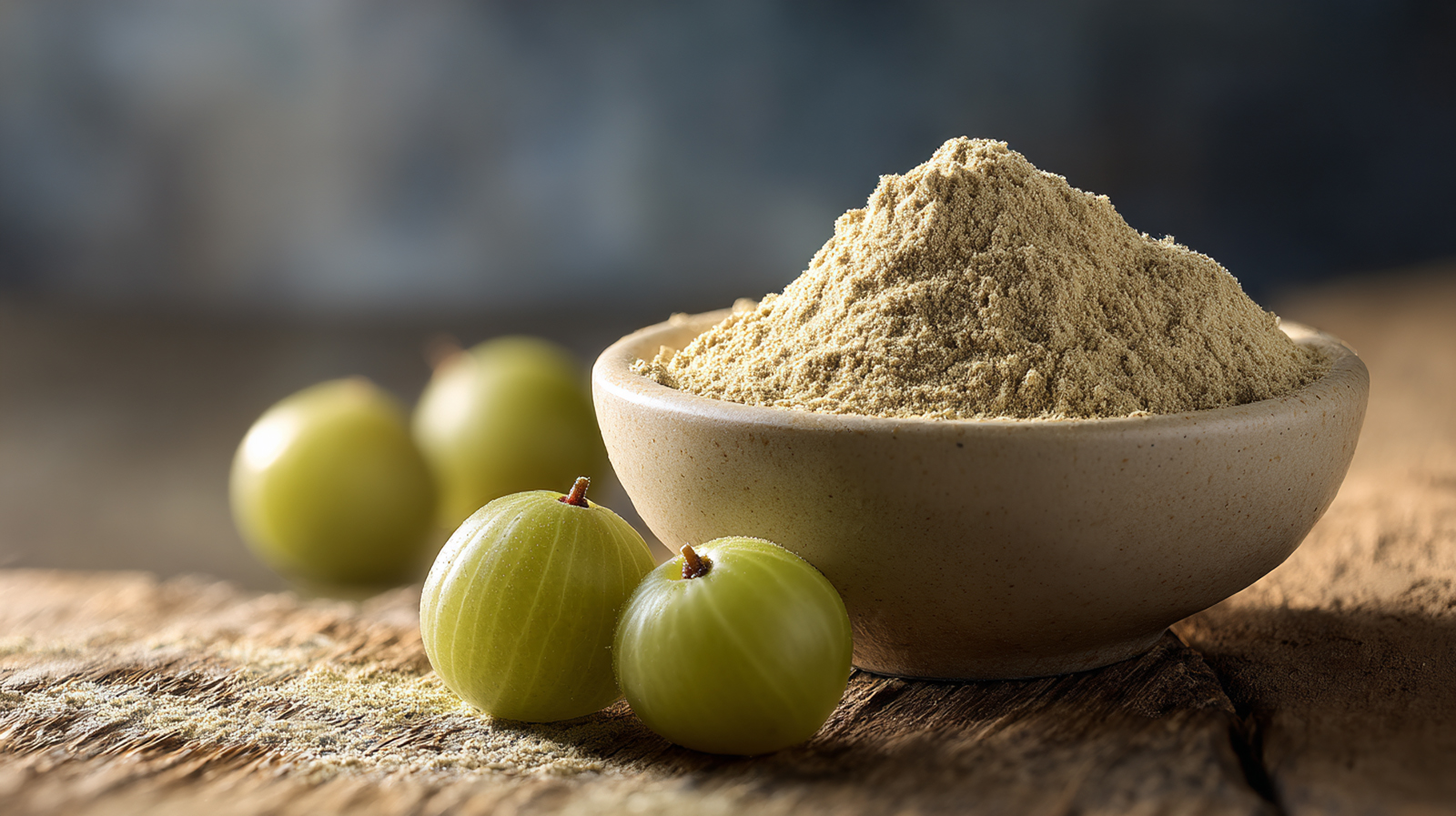
- Powder. Mixed into warm water, honey, smoothies, or yogurt. Also the form used topically in traditional hair preparations.
- Pickled or preserved. In Indian cuisine, the fruit is commonly pickled as amla achar or preserved in syrup as amla murabba, both of which make it far more palatable.
- Capsules. Whole-fruit powder in a fixed serving, for people who would rather skip the taste entirely.
For serving-size guidance by product form, our amla capsule dosage and timing guide goes into more detail than is useful here.
Amla Side Effects and Who Should Not Take It
Amla is well tolerated by most healthy adults. The most common complaint is digestive, and it is dose-related. Because the fruit is acidic and high in vitamin C, large amounts on an empty stomach can cause loose stools or stomach discomfort in some people. Starting small and building up handles that.
Five situations warrant a conversation with your healthcare provider first, and one of them rests on a direct human interaction study rather than extrapolation.
- If you take blood thinners or antiplatelet medication. A crossover study in patients with type II diabetes found that 500 mg of Phyllanthus emblica extract produced a statistically significant decrease in platelet aggregation and prolonged bleeding and clotting time, after both a single dose and ten days of use, alone and in combination with clopidogrel and aspirin (PMID: 24291054). Speak with your provider before combining amla with warfarin, aspirin, clopidogrel or a direct oral anticoagulant.
- If you have surgery scheduled. Because of that same antiplatelet activity, discuss stopping amla with your surgical team well ahead of the date. Two weeks is the window commonly cited for supplements affecting clotting.
- If you take medication that affects blood sugar. The trials measuring glucose parameters were run with monitoring. Raise it with your provider before adding amla to that regimen.
- If you have a bleeding disorder. The same clotting-time findings apply.
- If you are pregnant or nursing. There is not enough published human safety data either way, and absence of evidence is not evidence of safety. Ask your provider.
What to Check When Buying Amla
Amla is sold as fresh fruit, dried powder, juice, capsules, and standardized extract, and label language across those categories is inconsistent. Four things are worth checking, whichever form you buy.
- Whole fruit or extract. These are different products. A whole-fruit powder is the dried, milled fruit. An extract is concentrated to a marker compound. If a label says extract without naming a standardization percentage, there is nothing to compare it against.
- What the vitamin C figure refers to. Fresh weight and dried weight give very different numbers for the same fruit.
- Stated origin. Country of origin is not the same as a named growing region. From our hands-on assessment of suppliers, the ones who can name the district usually know considerably more about what they are selling than the ones who can only name the country.
- Third-party testing. Ask whether identity, potency, and contaminant testing were run on the finished product rather than only on incoming raw material, and whether the facility is cGMP-compliant.
Our own amla is grown in Pratapgarh district, Uttar Pradesh, India, at roughly 25.90 degrees north and 81.94 degrees east, an area long associated with amla cultivation and the site of the region’s traditional amla processing trade. We offer it two ways. Organic amla powder is the whole dried fruit with nothing added, for mixing into food or using topically. Amla capsules are the same whole fruit in a fixed serving.
Amla: Frequently Asked Questions
What happens if you eat amla daily?
Daily consumption in moderate amounts is generally well tolerated and is a long-standing practice in Ayurvedic tradition. The fiber content supports digestive regularity and the vitamin C contributes to normal immune function. Very large daily amounts, particularly on an empty stomach, can cause loose stools or acidity in some people.
Who should not take amla?
Anyone taking anticoagulant or antiplatelet medication, anyone with surgery scheduled, anyone on blood sugar medication, anyone with a bleeding disorder, and anyone pregnant or nursing should speak with a healthcare provider before regular use. The antiplatelet consideration is supported by a human crossover study (PMID: 24291054).
Is amla good for the kidneys?
Amla’s antioxidant compounds have been examined in the context of oxidative stress, which is relevant to several organ systems. There is not a body of human trial evidence specific to kidney outcomes. Anyone with an existing kidney condition should consult their provider before adding any new supplement.
Can amla reverse grey hair?
There is no scientific evidence that amla reverses grey hair. Traditional use for hair care is genuine and long-standing, and the vitamin C content is relevant to collagen formation, but reversal of greying is not a supported claim.
What is the best time to eat amla?
Ayurvedic practice commonly suggests the morning on an empty stomach. In practical terms, it can be taken at any time of day. People prone to acidity often find it more comfortable with or after food rather than on an empty stomach.
Can you take amla while pregnant?
There is not enough published human safety data on amla supplementation during pregnancy or nursing to support a recommendation either way. Amla eaten as a food in ordinary culinary amounts is a different situation from concentrated extract taken daily. Speak with your healthcare provider first.
Does cooking destroy amla’s vitamin C?
Heat degrades vitamin C, so cooked preparations retain less than the raw fruit. Amla holds onto more of it than most fruits do, which is generally attributed to its tannin content binding the ascorbic acid and slowing oxidation. Traditional cooked preparations such as Chyawanprash were built around this fruit for reasons beyond vitamin C alone.
Is amla good for weight loss?
Amla is low in calories and contributes dietary fiber, which supports a feeling of fullness. Published human trials on amla have measured lipid and glucose parameters rather than weight outcomes, so there is no clinical basis for using it as a weight-loss supplement.
Important: This article is for educational and informational purposes. The statements have not been evaluated by the Food and Drug Administration. The herbs and herbal products discussed are not intended to diagnose, treat, cure, or prevent any disease. Speak with a qualified healthcare provider before starting any new herbal regimen, especially if you are pregnant, nursing, taking medication, or managing a health condition.