Beauty
For centuries, people have turned to botanicals for nourishment and care, creating natural remedies for radiant skin and healthy hair. These plants are nature’s original skincare, offering a gentle yet effective way to support your beauty from the inside out. This guide provides a clear look at the best herbs for specific goals and explains how you can add them to your daily routine for a more holistic approach to wellness.
Key Takeaways
- Beauty herbs are plants rich in compounds like antioxidants and anti-inflammatory agents that support the health of skin and hair.
- Specific herbs are suited for different goals; some are ideal for calming irritated skin, while others are known for supporting hair strength and growth.
- These botanicals can be used both internally, as herbal supplements or teas, and externally in rinses, oils, and masks.
- For best results, look for high-quality, pure herbal products and always perform a patch test before applying a new herb topically.
▼ READ THE FULL GUIDE TO BEAUTY HERBS
How Do Herbs Benefit Skin and Hair?
The function of herbs in skincare and hair care is rooted in their complex chemistry. Many of the best beauty herbs contain botanical extracts rich in antioxidants, which help protect cells from environmental stressors that can lead to signs of anti-aging. Others have soothing properties that calm inflammation and redness, promoting a more even complexion. For hair, certain herbs provide essential minerals or help improve scalp circulation, creating a better environment for healthy growth. These are the foundational principles behind herbal medicine and its application in your beauty routine.
The Best Herbs for Radiant, Glowing Skin
Achieving radiant skin often involves calming, protecting, and nourishing it. A number of herbs are celebrated for their ability to contribute to a healthy complexion. These are excellent herbs for the skin.
Calendula
Known for its gentle, soothing properties, Calendula is wonderful for calming sensitive or irritated skin. Its compounds may help support the skin’s natural repair processes, making it a staple in many organic beauty products.
Chamomile
This delicate flower is a powerhouse of calm. Used topically, Chamomile can help reduce redness and inflammation, making it ideal for those with reactive skin. A simple beauty herbs tea with chamomile can also promote relaxation.
Rose
More than just a beautiful scent, rose petals offer hydrating and toning properties. Rosewater is a classic element for skin care, helping to balance the skin’s pH and provide a dose of moisture.
Turmeric
This vibrant golden spice contains curcumin, a potent antioxidant. Used in skincare, turmeric can help brighten the complexion and even out skin tone, contributing to a natural glow.
The Top Herbs for Strong, Healthy Hair
Healthy hair starts with a healthy scalp. Many herbs work by nourishing the scalp and strengthening the hair shaft from the root.
Rosemary
Traditionally used to support a healthy scalp, rosemary is thought to improve circulation. A well-nourished scalp is the foundation for strong hair growth, making this a popular ingredient in hair rinses and oils.
Nettle
Rich in minerals like silica and sulfur, nettle is a classic herb for hair. It is often used in formulas designed to strengthen hair strands and reduce shedding, helping hair to appear thicker and more resilient.
Horsetail
This unique plant is one of the most abundant natural sources of silica, a mineral that is a key component of hair. Silica helps to strengthen hair and nails, making horsetail a valuable part of a routine for natural beauty.
Lavender
Prized for its calming aroma, lavender also has properties that can help maintain a clean and healthy scalp. Its soothing nature makes it a pleasant addition to hair care preparations.
How to Incorporate Beauty Herbs into Your Routine
Adding herbs to your regimen can be a simple and rewarding ritual. There are many ways to receive their benefits.
Herbal Teas & Infusions
Drinking teas for beauty is a time-honored tradition. This method allows you to absorb the plant’s beneficial compounds internally as part of your holistic health plan.
Facial Steams & Rinses
A facial steam with herbs like chamomile or lavender can open pores and soothe the skin. A final hair rinse with a nettle or rosemary infusion can add shine and support scalp health.
Infused Oils & Serums
Creating your own infused oils is a simple way to apply herbs topically. These oils can then be used directly on the skin or added to other natural beauty products.
Frequently Asked Questions
Which herb is best for glowing skin?
While many herbs contribute to skin health, turmeric is widely recognized for its brightening and antioxidant properties that help promote a radiant complexion.
What herbs make your hair grow?
Herbs like rosemary and nettle are traditionally used to support the scalp and hair follicles. By improving scalp circulation and providing key minerals, they help create an optimal environment for healthy hair growth.
Can I drink herbs for my skin?
Yes, drinking herbal teas is a popular way to support skin health from within. Herbs like chamomile and nettle are often consumed for their skin-soothing and nourishing properties.
What is the best anti-aging herb?
Many herbs with high antioxidant content, such as green tea and turmeric, are considered beneficial for protecting the skin from environmental damage that contributes to visible signs of aging.
Our Commitment to Purity & Potency
The quality of an herb determines its effectiveness. We are dedicated to sourcing pure, high-potency herbs and herbal supplements. Our products undergo strict quality control to ensure you are receiving the finest botanical ingredients, free from contaminants and fillers, for your natural beauty and skincare needs.
Safety Information: Before using any new herb topically, it is essential to perform a patch test on a small area of skin to check for sensitivity or allergic reaction. The information provided is for educational purposes and is not a substitute for professional medical advice. Consult with a dermatologist or qualified healthcare provider if you have a skin condition, are pregnant, or are nursing.
Showing all 36 results
-
Sale!
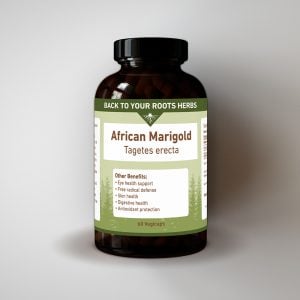
African Marigold Capsules
Original price was: $34.95.$27.96Current price is: $27.96. -
Sale!
African Marigold Powder
Original price was: $24.95.$19.96Current price is: $19.96. -
Sale!
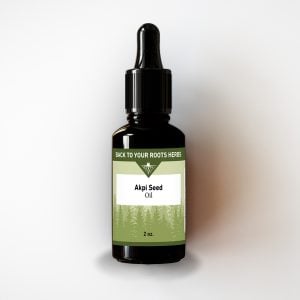
Akpi Seed Oil
Original price was: $50.00.$40.00Current price is: $40.00. -
Sale!
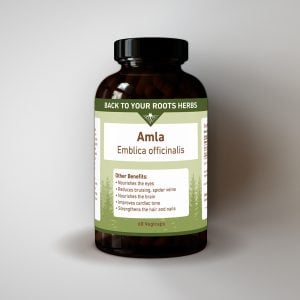
Amla Capsules
Original price was: $24.95.$19.96Current price is: $19.96. -
Sale!
Amla Powder
Original price was: $24.95.$19.96Current price is: $19.96. -
Sale!
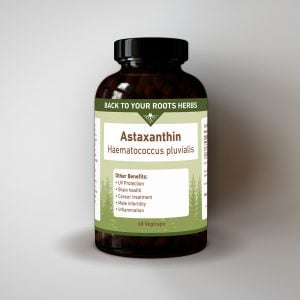
Astaxanthin Capsules
Original price was: $34.95.$27.96Current price is: $27.96. -
Sale!
Astaxanthin Powder
Original price was: $39.95.$31.96Current price is: $31.96. -
Sale!
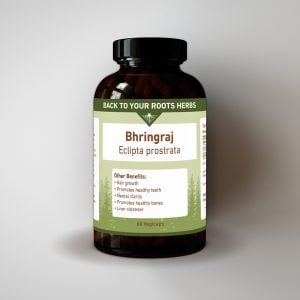
Bhringraj Capsules
Original price was: $24.95.$19.96Current price is: $19.96. -
Sale!
Bhringraj Powder
Original price was: $24.95.$19.96Current price is: $19.96. -
Sale!
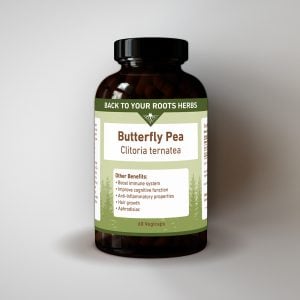
Butterfly Pea Capsules
Original price was: $24.95.$19.96Current price is: $19.96. -
Sale!
Butterfly Pea Flower Powder
Original price was: $29.95.$23.96Current price is: $23.96. -
Sale!
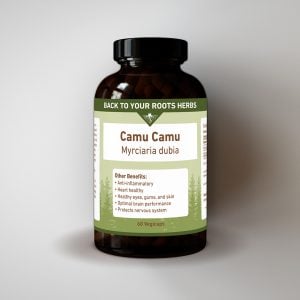
Camu Camu Capsules
Original price was: $24.95.$19.96Current price is: $19.96. -
Sale!
Camu Camu Powder
Original price was: $24.95.$19.96Current price is: $19.96. -
Sale!
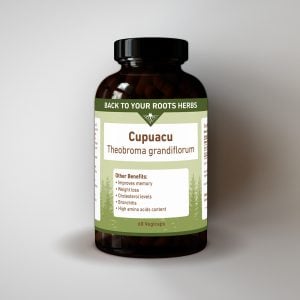
Cupuacu Capsules
Original price was: $29.95.$23.96Current price is: $23.96. -
Sale!
Cupuacu Powder
Original price was: $29.95.$23.96Current price is: $23.96. -
Sale!
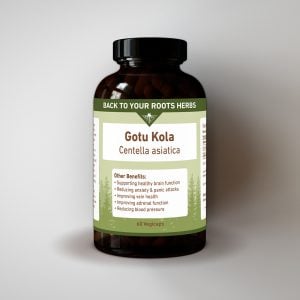
Gotu Kola Capsules
Original price was: $24.95.$19.96Current price is: $19.96. -
Sale!
Gotu Kola Powder
Original price was: $24.95.$19.96Current price is: $19.96. -
Sale!
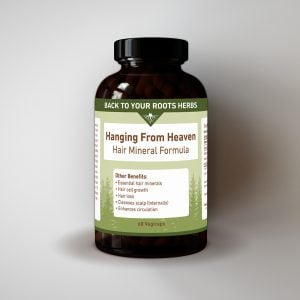
Hanging from Heaven (Hair Mineral Formula) Capsules
Original price was: $34.95.$27.96Current price is: $27.96. -
Sale!
Haskap Powder
Original price was: $29.00.$23.20Current price is: $23.20. -
Sale!
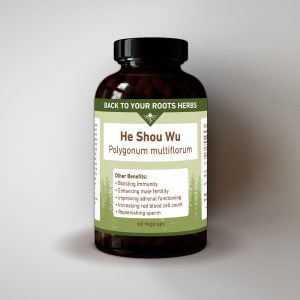
He Shou Wu Capsules
Original price was: $24.95.$19.96Current price is: $19.96. -
Sale!
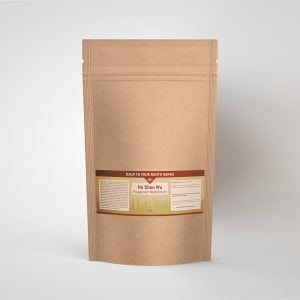
He Shou Wu Extract Powder
Original price was: $24.95.$19.96Current price is: $19.96. -
Sale!
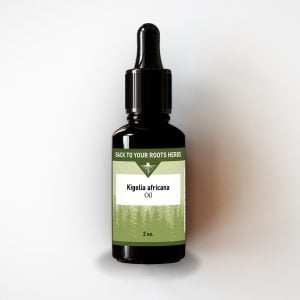
Kigelia Africana Oil
Original price was: $50.00.$40.00Current price is: $40.00. -
Sale!
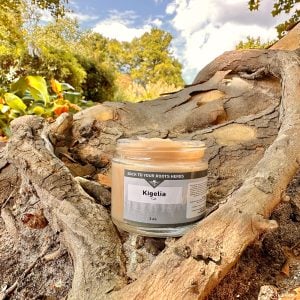
Kigelia Organic Gel
Original price was: $50.00.$40.00Current price is: $40.00. -
Sale!
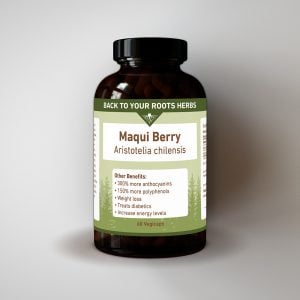
Maqui Berry Capsules
Original price was: $29.95.$23.96Current price is: $23.96. -
Sale!
Maqui Powder
Original price was: $29.95.$23.96Current price is: $23.96. -
Sale!
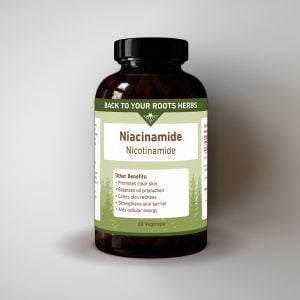
Niacinamide Capsules
Original price was: $19.95.$15.96Current price is: $15.96. -
Sale!
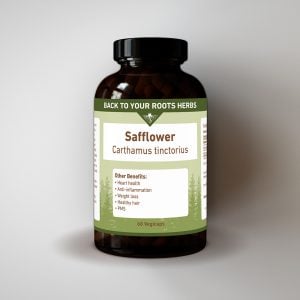
Safflower Capsules
Original price was: $24.95.$19.96Current price is: $19.96. -
Sale!
Safflower Powder
Original price was: $27.00.$21.60Current price is: $21.60. -
Sale!
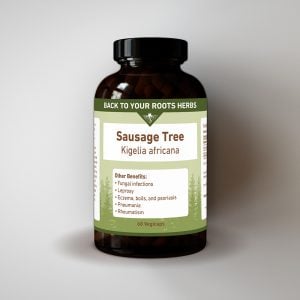
Sausage Tree Capsules
Original price was: $29.95.$23.96Current price is: $23.96. -
Sale!
Sausage Tree Powder
Original price was: $24.95.$19.96Current price is: $19.96. -
Sale!
Sausage Tree Tincture
Original price was: $34.95.$27.96Current price is: $27.96. -
Sale!
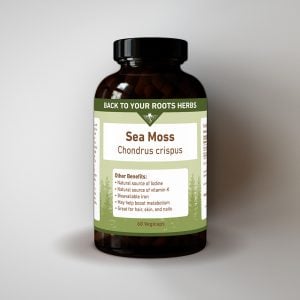
Sea Moss Capsules
Original price was: $24.95.$19.96Current price is: $19.96. -
Sale!
Sea Moss Powder
Original price was: $24.95.$19.96Current price is: $19.96. -
Sale!
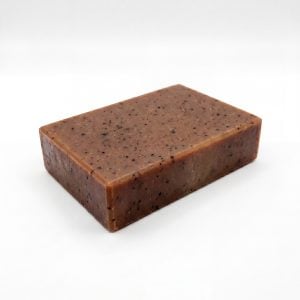
Tepezcohuite Soap
Original price was: $17.00.$13.60Current price is: $13.60. -
Sale!
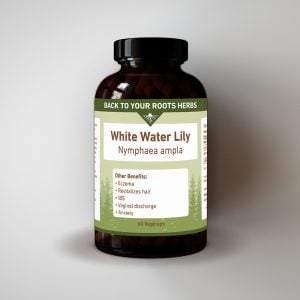
White Water Lily Flower Capsules
Original price was: $30.00.$24.00Current price is: $24.00. -
Sale!
White Water Lily Flower Powder
Original price was: $30.00.$24.00Current price is: $24.00.