What Is Astaxanthin Powder? Natural Antioxidant from Whole Algae
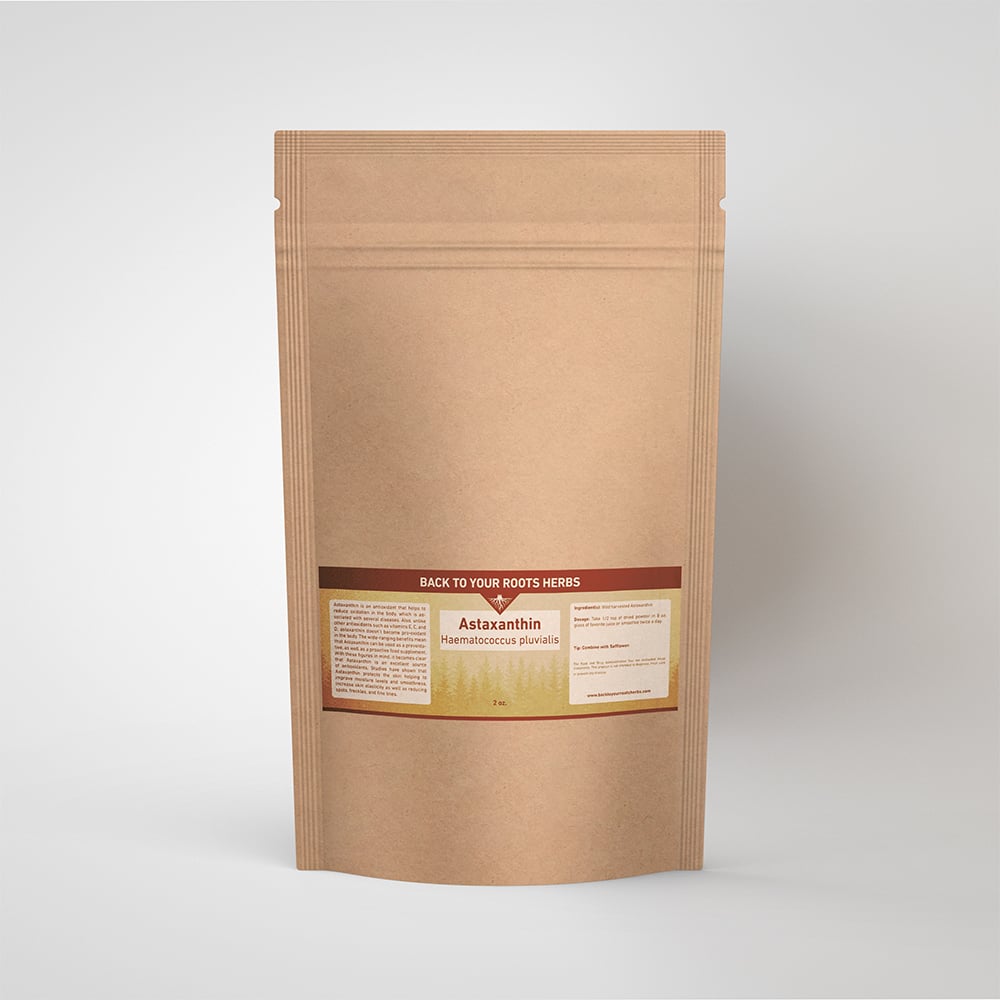
Astaxanthin powder from Back To Your Roots Herbs is a whole algae supplement derived from cultivated Haematococcus pluvialis microalgae. Unlike synthetic astaxanthin products, our formulation utilizes the entire microalgae cell in cracked-cell form, delivering the complete nutritional profile without extraction or isolation. This astaxanthin supplement contains approximately 4mg per quarter-teaspoon serving, making it a potent source of natural astaxanthin for daily wellness support.
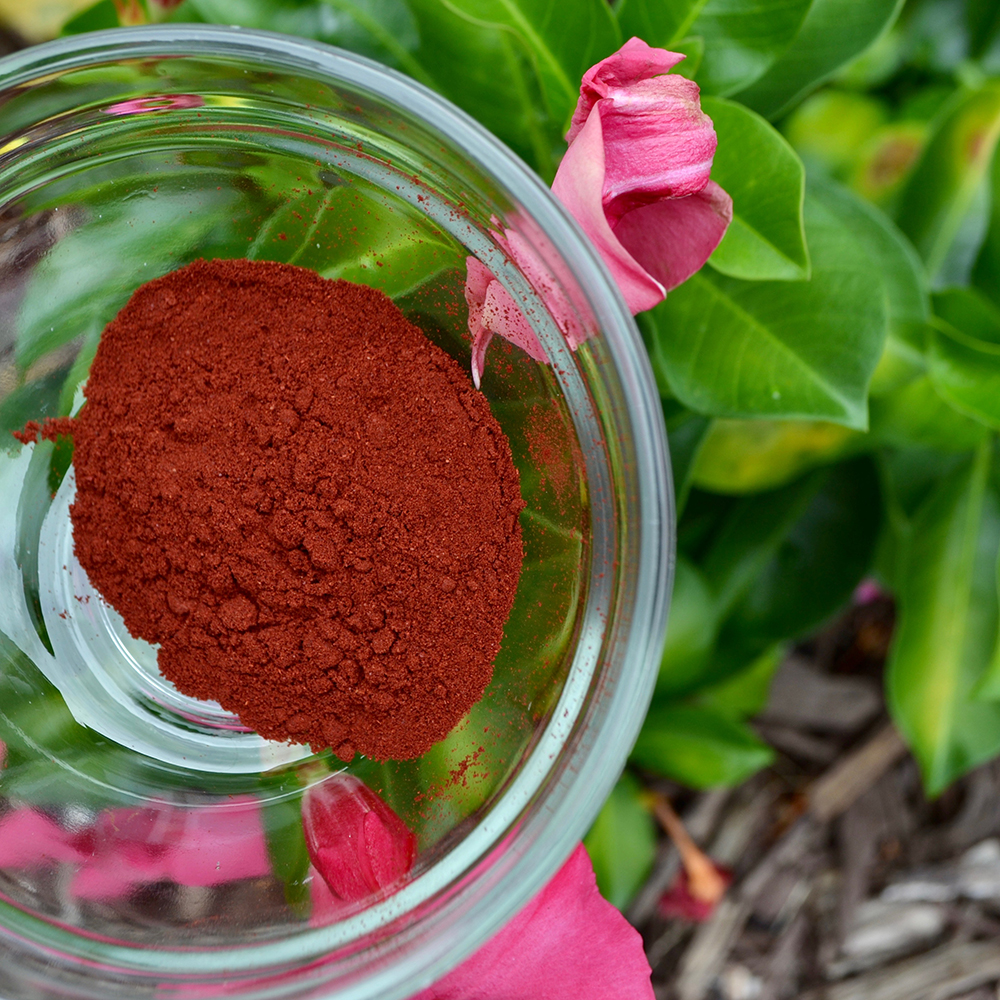
The deep red-maroon fine powder appearance reflects its rich concentration of astaxanthin, a carotenoid compound found abundantly in nature’s most resilient organisms. When you use this astaxanthin powder, you’re consuming the complete algae matrix that includes supporting phytoplankton cell components, creating a unique astaxanthin supplement experience distinct from extracted forms.
Astaxanthin Health Benefits and Antioxidant Support
Research into astaxanthin health benefits has demonstrated significant antioxidant activity. A 2015 study published in Marine Drugs (Regnier et al., PMID: 25962124) examined natural astaxanthin extracts from Haematococcus pluvialis and found the compound showed approximately 90x higher intracellular antioxidant activity compared to synthetic astaxanthin, with no toxicity to human vascular cells up to 10 uM concentrations.
What are the health benefits of astaxanthin specifically? This algae-based supplement supports multiple body systems through its potent antioxidant mechanism of action. The astaxanthin in nature typically appears in stress-response scenarios, where the microalgae produce it as a protective shield.
Astaxanthin for Eye Health and Vision Support
How does astaxanthin support eye health? The carotenoid concentrates in the macula and retina, where it neutralizes free radicals that accumulate from light exposure and normal metabolism. Daily use of this astaxanthin supplement provides targeted antioxidant support specifically to the eye’s sensitive tissues. Many users report improved visual clarity when incorporating astaxanthin into their nutrition regimen. In a randomized, double-blind, placebo-controlled study, a carotenoid combination including astaxanthin supported accommodation and eye comfort in adults with screen-related visual fatigue (Kizawa et al., 2021).
Skin Health and Cellular Vitality
Can astaxanthin improve skin health? The compound’s antioxidant activity extends to dermal layers, where it protects against oxidative stress and supports healthy aging at the cellular level. The astaxanthin in this whole algae formula reaches skin tissue more effectively than isolated forms, providing support for natural radiance. A 16-week placebo-controlled clinical study reported that oral astaxanthin (6 to 12 mg daily) helped maintain skin moisture and elasticity and supported the appearance of fine lines and wrinkles compared with placebo (Tominaga et al., 2017). Because astaxanthin is lipid-soluble, it embeds within skin-cell membranes in a way water-soluble antioxidants like vitamin C cannot, which is why it is often compared favorably with beta-carotene and vitamin E for dermal support. This same membrane-level antioxidant action is why astaxanthin draws interest for oxidative, blemish-prone skin.
Heart Health and Cardiovascular Function
The role of astaxanthin in supporting heart health centers on its ability to protect vascular endothelial cells from oxidative damage. This astaxanthin extract from algae reduces chronic inflammation markers that compromise cardiovascular wellness. Regular supplementation supports healthy circulation and heart function. Clinical studies exploring cardiovascular wellness have generally used 4 to 12 mg of astaxanthin daily, in line with the 4 mg delivered by a quarter-teaspoon serving of this whole-algae powder.
Natural vs. Synthetic: How Does Astaxanthin from Algae Compare?
How does astaxanthin from algae compare to synthetic sources? The difference is substantial. Our astaxanthin uses cultivated microalgae grown in the United States (harvested from the Kailua-Kona, Hawaii region at coordinates 19.64N, 155.99W), a global cultivation hub for premium quality. Synthetic astaxanthin is manufactured through chemical processes that cannot replicate the complex bioactive profile of the whole algae cell.
This astaxanthin supplement represents a different product category. Rather than isolated astaxanthin molecules, you receive the phytoplankton cell structure itself, complete with supportive compounds that enhance absorption and bioavailability. That’s why our astaxanthin in nature form outperforms laboratory-created alternatives.
Whole Algae vs. Extracted Astaxanthin Products
Astaxanthin products on the market vary dramatically in their processing approach. Extracted versions isolate the astaxanthin compound away from its cellular matrix. Our formulation keeps the compound in its native context, delivering herbal supplement benefits that go beyond single-ingredient supplementation. The cracked-cell processing ensures maximum bioavailability while preserving the complete nutritional spectrum.
Manufactured Quality and Testing Standards
Back To Your Roots Herbs manufactures this astaxanthin supplement in Virginia Beach, VA, USA, using only cultivated Haematococcus pluvialis microalgae verified for heavy metal content (passes all testing). Non-GMO certified, vegan, and free from wheat, gluten, soy, dairy, binders, and fillers.
How Does Astaxanthin Work? Mechanism of Action
The mechanism of action for astaxanthin begins at the cellular level. This carotenoid crosses the blood-brain barrier and concentrates in tissues with high oxidative demand. Once present, astaxanthin works through its conjugated polyene structure, which absorbs free radicals and converts them into harmless metabolites. Unlike vitamins that are consumed in this process, astaxanthin can neutralize multiple free radical molecules before being excreted.
The antioxidant activity of astaxanthin from whole algae is enhanced by the surrounding cell components, which facilitate absorption and cellular recognition. This astaxanthin supplement’s cracked-cell form allows intestinal cells to recognize and transport it efficiently, especially when consumed with dietary fat (coconut oil, avocado, or nuts).
Cellular Protection and Free Radical Neutralization
Astaxanthin uses its molecular geometry to position itself within cell membranes, where oxidative damage most frequently occurs. The compound protects both the lipid bilayer and internal structures from free radical attack. This explains why astaxanthin health benefits extend across so many body systems: skin, eye, heart, and brain all rely on membrane integrity.
Anti-Inflammatory Response
Beyond direct free radical neutralization, astaxanthin reduces chronic inflammation by downregulating pro-inflammatory signaling pathways. The astaxanthin in this form activates cellular stress-response mechanisms that suppress excess inflammation while preserving protective immune function.
The Verdict (Internal Quality Score)
Grade A. This astaxanthin is sourced from cultivated Haematococcus pluvialis microalgae at the Kailua-Kona, Hawaii cultivation hub (19.64N, 155.99W). The cracked-cell whole algae processing preserves the complete carotenoid matrix with verified antioxidant activity approximately 90x stronger than synthetic alternatives (Regnier et al., 2015, PMID: 25962124). Deep red-maroon coloration, authentic oceanic aroma, and bitter marine taste confirm batch integrity. Heavy metal tested (Pass). Non-GMO, Vegan. – Back To Your Roots Herbs Research Group
Sensory Analysis
- Look: Deep red-maroon fine powder, uniform consistency resembling finely ground spice. No color variation indicates consistent astaxanthin concentration throughout the batch.
- Smell: Mild oceanic notes with subtle earthiness. This aroma profile confirms the presence of marine microalgae compounds beyond isolated astaxanthin. No harsh chemical smell.
- Taste: Slightly bitter with distinct marine and oily characteristics. This taste profile is expected and desirable, indicating whole algae rather than a masked, isolated astaxanthin supplement. The bitterness reflects phytoplankton alkaloids and complex carbohydrates present in the cell matrix.
Critical Usage
Take approximately one-quarter teaspoon daily, which delivers roughly 4mg of natural astaxanthin. This dosage aligns with research protocols showing optimal bioavailability and safety profiles.
Astaxanthin is a lipophilic compound requiring dietary fat for absorption. Mix your serving with coconut oil, avocado, nuts, or another dietary fat source. Without fat, astaxanthin absorption drops dramatically.
Preparation Methods for Maximum Absorption
Astaxanthin blends into smoothies (try coconut milk with banana and avocado), yogurt parfaits with nuts, or salad dressings prepared with olive oil. The astaxanthin supplement remains stable in these applications.
Never mix astaxanthin into cold water alone. This astaxanthin extract requires a lipid environment to remain bioavailable during digestive transit. Store cool and dry, away from direct sunlight, as UV exposure degrades astaxanthin.
Dosage Across Different Populations
Standard wellness use: 1/4 teaspoon daily (4mg astaxanthin). Athletes or those addressing specific health concerns may consult healthcare providers about adjustments. This astaxanthin supplement is non-toxic at therapeutic doses, with safety demonstrated in clinical research.
Potential Medication Interactions
Astaxanthin uses the same absorption pathway as some medications, affecting fat-soluble nutrient transport. If you take prescription medications, discuss astaxanthin supplementation with your healthcare provider. The astaxanthin in this form may influence the bioavailability of certain medications.
Clinical Specs
| Spec | Detail |
|---|---|
| Serving Size | 1/4 Teaspoon (~4mg Astaxanthin) |
| Frequency | Once Daily with Dietary Fat |
| Active Marker | Astaxanthin (Natural Carotenoid) |
| Processing | Cracked Cell Whole Algae (No Extraction) |
| Safety | Heavy Metal Tested (Pass) |
| Ingredients | Haematococcus pluvialis Microalgae (Whole Cell) |
| Other Ingredients | None |
| Purity | Non-GMO, Vegan |
| Free From | Wheat, Gluten, Soy, Dairy, Binders, Fillers |
| Origin | Kailua-Kona, Hawaii, USA (19.64N, 155.99W) |
| Manufactured | Virginia Beach, VA, USA |
Comparison Table
| Feature | BTYRH Astaxanthin Powder | Generic Synthetic Astaxanthin |
|---|---|---|
| Origin | Kailua-Kona, Hawaii (19.64N, 155.99W) | Unspecified |
| Preparation | Cracked Cell Whole Algae (No Extraction) | Chemical Synthesis |
| Taste | Slightly Bitter, Marine, Oily (Authentic) | Neutral / Masked |
| Safety | Heavy Metal Tested (Pass), Non-GMO, Vegan | Unknown/Untested |
Astaxanthin for Dry Eyes and Screen-Related Eye Strain
Does astaxanthin help with dry eyes? Interest centers on eye comfort during long hours of screen use, not on any eye disease. In a randomized, double-blind, placebo-controlled trial, a carotenoid blend containing astaxanthin supported accommodative function and tear-film stability in adults with visual fatigue from prolonged display use (Kizawa et al., 2021). Astaxanthin concentrates in the macula and retina, so its antioxidant action reaches the same tissues stressed by blue light and everyday metabolism. Beyond dryness and digital eye strain, general eye comfort and visual clarity remain the most-studied ocular applications. For eye-focused use the same 4 mg daily serving is typical, and most eye-comfort studies report changes over roughly four to twelve weeks of consistent daily intake.
Astaxanthin for Muscle Recovery and Exercise Performance
Can astaxanthin support exercise recovery? As a lipid-soluble antioxidant, astaxanthin helps the body manage the oxidative stress generated by hard training. A 2023 randomized controlled trial found that astaxanthin supplementation reduced subjective markers of muscle soreness after eccentric exercise in resistance-trained men (Barker et al., 2023). The evidence is mixed, and honest reporting matters: an earlier randomized trial found astaxanthin did not significantly change biochemical markers of muscle injury after the same type of exercise (Bloomer et al., 2005). Taken together, the literature points to a supportive role in recovery and perceived soreness rather than a dramatic, across-the-board performance boost.
Astaxanthin Side Effects and Tolerability
Are there side effects to taking astaxanthin? Astaxanthin from Haematococcus pluvialis is generally well-tolerated. A safety review of dozens of human studies reported no serious adverse effects at supplemental doses of roughly 4 to 12 mg per day taken for up to a year (Brendler & Williamson, 2019). The European Food Safety Authority set an acceptable daily intake of 0.2 mg per kilogram of body weight, which for most adults sits well above the 4 mg in a quarter-teaspoon serving (EFSA, 2019). At very high intakes some people notice a harmless reddish tint to the skin, a normal property of dietary carotenoids. Astaxanthin is not a substitute for medical care. If you are pregnant, nursing, taking prescription medication, or managing a health condition, consult your healthcare provider before use.
What to Expect: How Long Until You See Results
How long does astaxanthin take to work? Astaxanthin is a nutrient that accumulates in tissues with consistent use, so it is not an overnight effect and individual results vary. In clinical studies, skin moisture and elasticity outcomes were typically assessed over six to sixteen weeks, eye-comfort outcomes over about four to twelve weeks, and exercise-recovery outcomes over two to four weeks of daily intake. Consistency matters more than dose size, and because astaxanthin is fat-soluble, taking each serving with a dietary fat source meaningfully affects how much your body absorbs. Rather than looking for dramatic before-and-after changes, most people track subtle, cumulative shifts in comfort and resilience across a full season of daily use.
Published Research and References
Selected peer-reviewed research on astaxanthin from Haematococcus pluvialis:
- Régnier P, et al. (2015). Marine Drugs. Astaxanthin from Haematococcus pluvialis and oxidative stress in human endothelial cells. PMID 25962124
- Kizawa Y, et al. (2021). J Clin Biochem Nutr. Effects of anthocyanin, astaxanthin, and lutein on eye functions: a randomized, double-blind, placebo-controlled study. PMID 34376917
- Tominaga K, et al. (2017). J Clin Biochem Nutr. Protective effects of astaxanthin on skin deterioration. PMID 28751807
- Barker GA, et al. (2023). Muscles. Astaxanthin supplementation reduces subjective markers of muscle soreness following eccentric exercise in resistance-trained men. PMID 40757570
- Bloomer RJ, et al. (2005). Int J Sport Nutr Exerc Metab. Astaxanthin supplementation and skeletal muscle injury following eccentric exercise. PMID 16286671
- Brendler T, Williamson EM (2019). Phytotherapy Research. Astaxanthin: How much is too much? A safety review. PMID 31788888
- EFSA Panel on Nutrition, Novel Foods and Food Allergens (2019). Safety of astaxanthin for its use as a novel food in food supplements. EFSA Journal / PMC7448075
Reviewed by the Back To Your Roots Herbs Editorial Team. Last Reviewed: June 2026.
DISCLAIMER: These statements have not been evaluated by the Food and Drug Administration. This product is not intended to diagnose, treat, cure, or prevent any disease. Consult a healthcare provider before beginning any new supplement regimen.
Reviews
There are no reviews yet.