THE VERDICT (INTERNAL QUALITY SCORE):
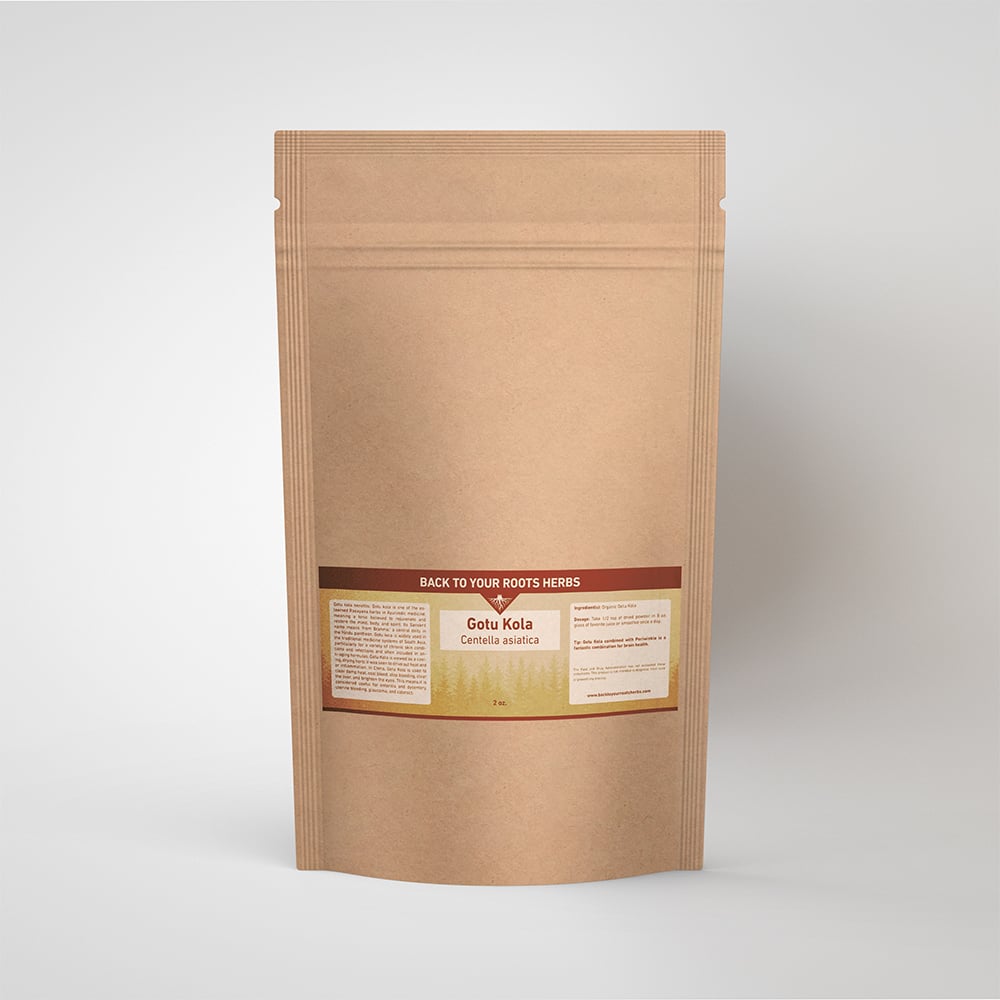
Grade A (Wild-Harvested). Sourced directly from the brackish wetlands of Alappuzha, India. The high soil salinity in this region stresses the plant, forcing an overproduction of protective triterpenoids. This batch tests high for Asiaticoside and Madecassoside. Free from fillers or maltodextrin.
– Back To Your Roots Herbs Research Group
SENSORY ANALYSIS
Report: Upon breaking the seal, we immediately noted the material’s density. This is not a fluffy, aerated extract; it is a heavy, ground leaf.
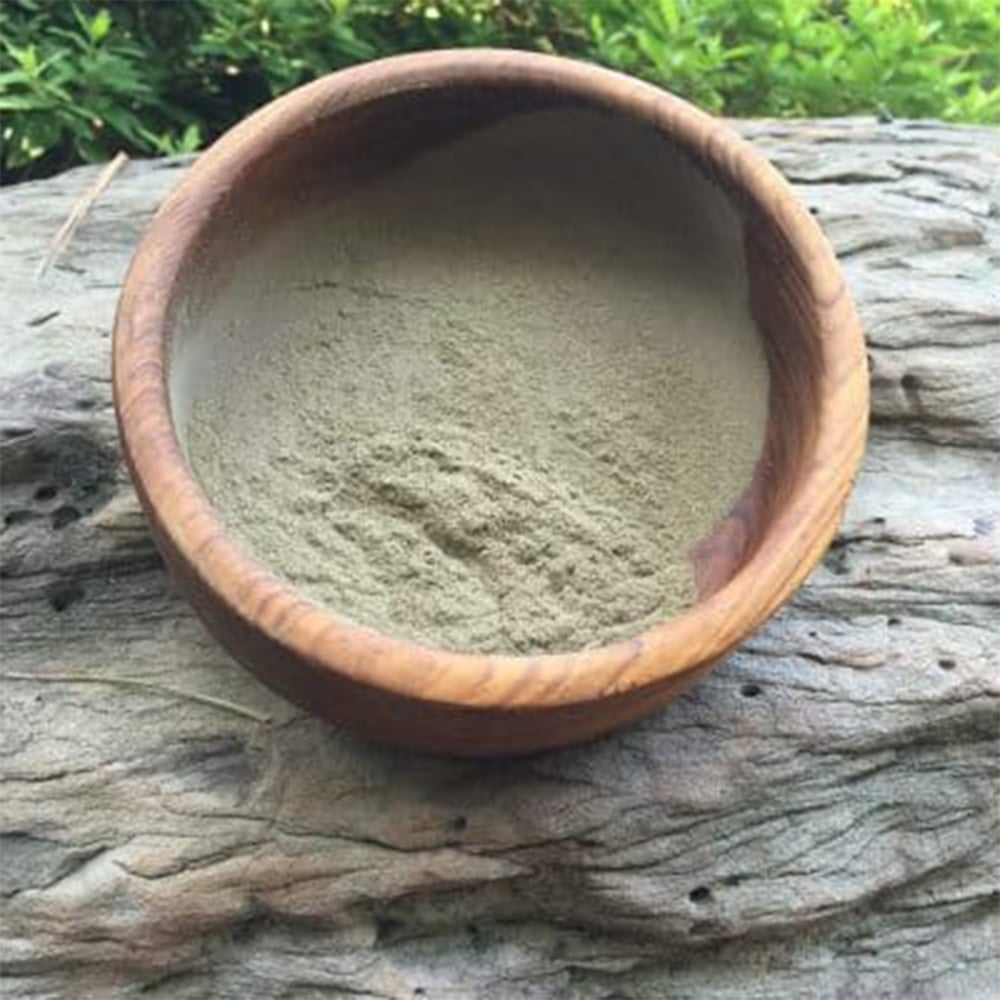
- Look: A pale, moss-green dust. The powder is hygroscopic, meaning it clumps slightly as it pulls moisture from the air, a sign of freshness and lack of anti-caking agents.
- Smell: Distinctly earthy. It carries the aroma of dried hay, damp river soil, and a faint top note of green tea.
- Taste: (Raw sampling) The flavor is sharply bitter and astringent, drying the tongue almost instantly. There is a noticeable saline finish, confirming its growth in mineral-rich wetland soils.
HOW DOES GOTU KOLA WORK?
- The Herb: Centella asiatica sourced from the Alappuzha Wetlands (Kerala, India).
- The Mechanism: The primary active compounds, Pentacyclic Triterpenoids, activate the TGF-β/Smad signaling pathway. This biological trigger stimulates Fibroblast proliferation, the cells responsible for generating the structural framework of the skin.
- The Evidence: Recent analysis by Witkowska et al. (2024) confirmed that topical application of these specific triterpenes significantly accelerates re-epithelialization and promotes Type I Collagen synthesis.
WHAT IS GOTU KOLA POWDER USED FOR?
Most shoppers meet Centella asiatica through skincare, yet the leaf carries a wider traditional record. Three roles dominate the research literature.
- Skin and collagen: The triterpenoid action above supports the skin’s structural matrix. A systematic review of clinical wound-healing trials links the herb to faster repair and collagen formation (PMC8956065).
- Healthy circulation: Gotu kola is traditionally used to support normal venous tone and leg microcirculation. A systematic review (Chong and Aziz, 2013, PMID 23533507) reported improved microcirculatory measures.
- Cognitive support: In Ayurveda, the leaf is a classic brain tonic. A meta-analysis of human trials (Puttarak et al., 2017, PMID 28878245) examined its role in cognitive function and mood, building on earlier work in healthy older adults (PMID 18191355).
These are traditional and research-supported structure and function roles. They are not disease treatments.
GOTU KOLA FOR HAIR & SCALP
The scalp is dense with tiny blood vessels that feed each follicle. The same microcirculatory action studied for the legs (Chong and Aziz, 2013, PMID 23533507) is why Centella asiatica carries a long traditional record in scalp and hair preparations. Gotu kola is traditionally used to support healthy scalp microcirculation at the root, and its pentacyclic triterpenoids feed the same collagen and connective-tissue framework described above for the skin.
- Traditional role: In Ayurvedic and folk practice, the leaf paste goes on the scalp as part of a hair-care ritual, valued for a cool, soothing finish.
- Structure and function: Supports healthy scalp microcirculation and the skin matrix around the follicle. These are traditional structure and function roles. They are not treatments for hair loss or any scalp condition.
- How to use on hair and scalp: Never apply the dry powder. Blend 1 tsp with water, aloe vera gel, or a carrier oil such as coconut or jojoba into a smooth paste. Massage into a clean, damp scalp, leave for 15 to 20 minutes, then rinse. Patch test on the inner arm first.
For a referenced overview of gotu kola traditional uses and cautions, Memorial Sloan Kettering maintains a monograph at mskcc.org.
CRITICAL USAGE
Dosage: This is a raw botanical concentrate. Less is more.
- Topical: Do NOT apply dry powder directly to open wounds. It must be hydrated. Mix 0.5 tsp with water, honey, or yogurt to create a paste.
- Internal: If consumed as tea (traditional use), steep 1 tsp in hot water for 10 minutes. Warning: The taste is bitter.
- Culinary: Beyond tea, the powder blends into smoothies, broths, and green juices as a bitter tonic. Start with 1/4 tsp and adjust to taste.
- Contraindications: Avoid if you have a known allergy to plants in the Apiaceae family (carrots, celery). Pregnant women should consult a physician before internal use due to potential emmenagogue effects.
DIY Skincare & Topical Use
Gotu kola powder is a staple in homemade masks. The wound-healing literature ties its triterpenoids to collagen formation and faster skin repair (PMC8956065), the structure and function basis for its long cosmetic history.
- Patch test first: Dab a little diluted paste on the inner forearm and wait 24 hours before facial use.
- Face mask: Mix 0.5 tsp with water, aloe vera, honey, or a light carrier oil into a paste. Apply to clean skin for 10 to 15 minutes, then rinse with warm water.
- Keep it hydrated: Do not apply dry powder to broken or open skin. Mix it into a paste first.
- Frequency: Two or three times a week suits most routines. Follow with your usual moisturizer.
CLINICAL SPECS
| Feature | Specification |
|---|---|
| Serving Size | 1/2 Teaspoon (approx. 1.5g) |
| Active Compounds | Asiaticoside, Madecassoside, Asiatic Acid |
| Part Used | Aerial Parts (Leaf & Stem) |
| Solubility | Partially soluble in water; forms suspension |
| Harvest Method | Wild-crafted (Wetland) |
COMPARISON TABLE
| Feature | BTYRH Gotu Kola Powder | Standardized Extracts |
|---|---|---|
| Composition | Full Spectrum (Whole Leaf) | Isolated Compounds |
| Cofactors | Retains Flavonoids & Minerals | Removed during processing |
| Texture | Fibrous, Mossy Powder | White/Orange Crystalline |
| Bioavailability | Natural Matrix | High (often requires a carrier) |
HOW TO STORE GOTU KOLA POWDER
This powder is hygroscopic. It pulls water from the air, which is why it clumps and why storage drives potency.
- Container: Keep it in an airtight glass jar or the resealable pouch, pressed flat to push out air.
- Environment: Store it cool, dark, and dry. A pantry shelf away from the stove and window works well. Heat, light, and humidity break down the triterpenoids over time.
- Shelf life: Full color and aroma hold for roughly 12 to 18 months when stored this way. A flat, faded smell or a gray cast signals oxidation.
- Refrigeration: Optional in humid climates. If you chill it, add a desiccant packet and let the jar reach room temperature before opening to avoid condensation.
IS GOTU KOLA AN ADAPTOGEN? HOW IT COMPARES TO OTHER HERBS
Short answer: not in the strict sense. Classic adaptogens such as ashwagandha act mainly on the stress and cortisol axis. Gotu kola sits better as a nervine and circulatory tonic. It travels with the brain herbs because of its traditional cognitive use, not because it changes stress hormones.
| Herb | Primary Traditional Role | Key Compounds |
|---|---|---|
| Gotu Kola (Centella asiatica) | Skin, circulation, cognitive support | Asiaticoside, Madecassoside |
| Bacopa (Bacopa monnieri) | Memory and learning support | Bacosides |
| Ashwagandha (Withania somnifera) | Stress and cortisol support (true adaptogen) | Withanolides |
| Ginkgo (Ginkgo biloba) | Cerebral blood flow support | Flavone glycosides |
Gotu kola and Bacopa both answer to the name Brahmi in different regions, which causes confusion. They are distinct plants with distinct compounds. For a referenced sourcing and interaction overview, Memorial Sloan Kettering maintains a monograph at mskcc.org.
SIDE EFFECTS, SAFETY & MEDICATION INTERACTIONS
Gotu kola is generally well tolerated in food and tea amounts. Most cautions involve concentrated or long-term use.
- Common effects: Occasional stomach upset or drowsiness, usually at higher intakes.
- Liver caution: Rare case reports connect high-dose or prolonged Centella asiatica use to liver enzyme changes. The NIH LiverTox database records these reports (NBK603561). Take breaks during extended use and stop if you notice unusual fatigue or yellowing skin.
- Who should avoid it: Pregnant or nursing women, people with liver conditions, and anyone allergic to the Apiaceae family (carrots, celery, fennel).
- Medication notes: The leaf may add to the effect of sedatives and may interact with drugs processed by the liver. Memorial Sloan Kettering lists interaction notes in its monograph. Talk with your pharmacist if you take prescription medication.
- Daily use: Food and tea amounts are generally well tolerated day to day. For concentrated or long-term internal use, traditional guidance favors periodic breaks, for example, a few weeks on followed by a week off. Avoid pairing it with sedatives or with drugs processed by the liver unless your provider approves.
This guidance is general. Consult your healthcare provider before internal use, especially alongside other medication.
Reviewed by the Back To Your Roots Herbs Editorial Team. Last reviewed: June 2026.
DISCLAIMER:
The Food and Drug Administration has not evaluated these statements. This product is not intended to diagnose, treat, cure, or prevent any disease.
Reviews
There are no reviews yet.