The Verdict: Internal Quality Score
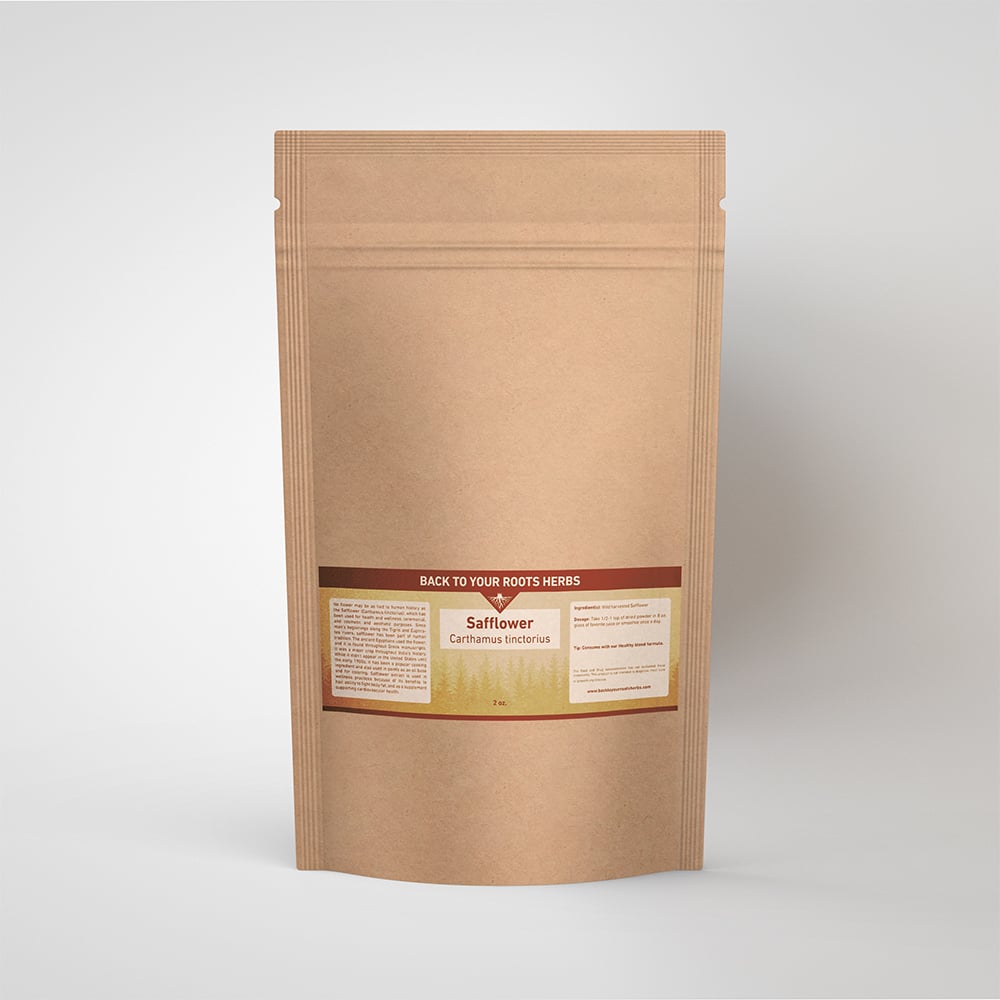
Grade A Whole-Petal Safflower Powder. Sourced from Mediterranean safflower fields, hand-screened for petal purity, low-heat dried, and tested for heavy metals. This is pure Carthamus tinctorius petal powder. No seed. No extract. No fillers. Earthy, mildly sweet, with the warm color signature that has earned safflower the nickname “false saffron” across four thousand years of culinary and herbal tradition.
– Back To Your Roots Herbs Research Group
Sensory Analysis: A First-Hand Report
Look
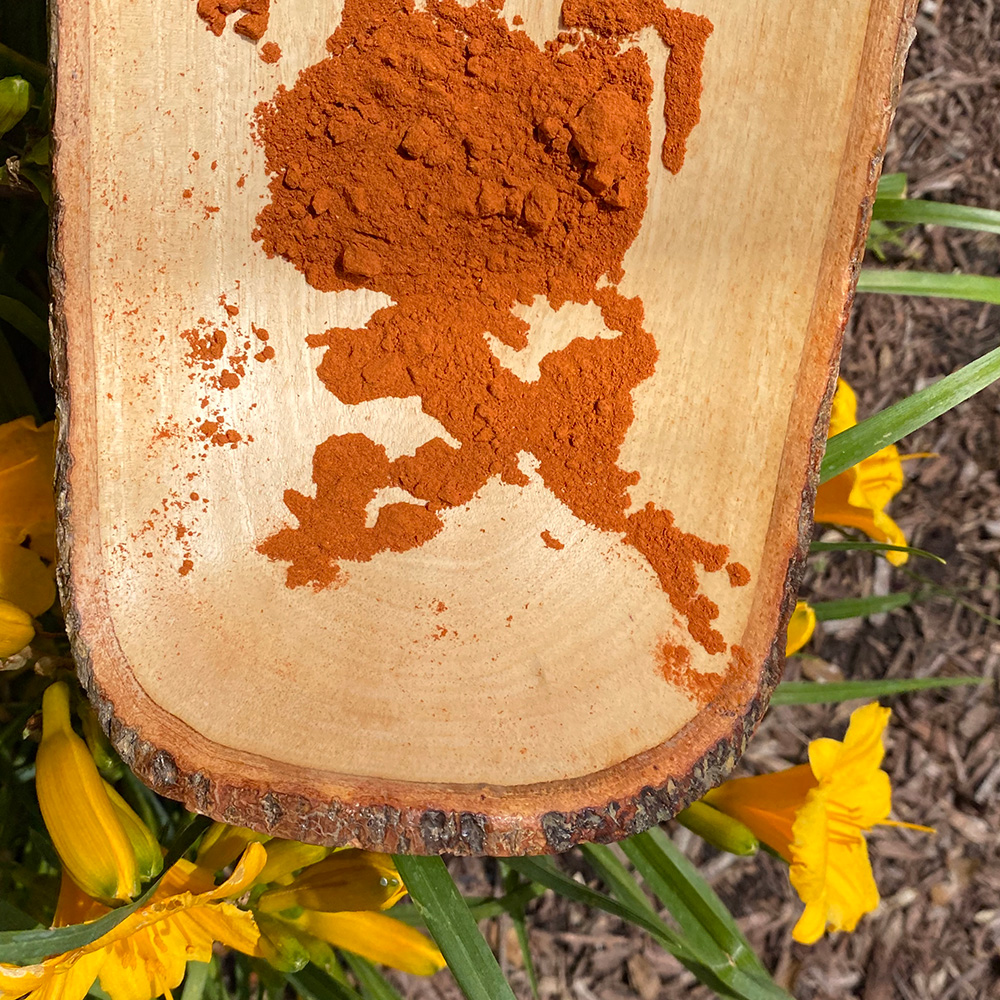
Vibrant pumpkin-orange dust with flecks of deeper red and gold. Loose grind. Not pasty. Tints water a sunlit yellow within thirty seconds.
Smell
Faintly floral and slightly grassy with a dry hay note. Far softer than turmeric powder. No bitter sting.
Taste
Mildly sweet. Gently earthy. Almost tea-like. The raw safflower powder finishes clean. There is no metallic edge and no harshness.
How Does Safflower Powder Work?
The Herb (Dried Carthamus Tinctorius Petals)
Our safflower powder is 100% dried safflower flower petals. The same plant part used by Egyptian, Persian, Thai, and Chinese herbalists for over four thousand years. Carthamus tinctorius is the botanical name. Honghua is the Chinese name. American saffron is the colonial name. All refer to the same orange-red petal of this annual thistle-like plant.
The Mechanism (Carthamidin and Carthamin Pigments)
Safflower petals contain two natural plant pigments. Carthamidin is the yellow water-soluble compound, and it makes up roughly 24 to 30 percent of the dried petal weight. Carthamin is the red water-insoluble compound at 3 to 6 percent. Together, they deliver the warm orange-yellow that makes safflower powder a kitchen-grade alternative to expensive Persian saffron threads. The carthamin pigment is the same compound used historically to dye silk in Egypt and royal robes in pharaonic times.
The Evidence (Hydroxysafflor Yellow A Research)
Safflower petals are also rich in hydroxysafflor yellow A (HSYA), a quinochalcone unique to Carthamus tinctorius. HSYA is the official quality marker for safflower in the Chinese Pharmacopoeia 2020 edition. A comprehensive review by Delshad and colleagues, published in the Journal of Ethnopharmacology in 2018 (PMID 29881530), surveys the documented uses of dried safflower petal powder across Persian, Chinese, and global folk medicine systems.
Safflower Powder vs Saffron: The Real Difference
Safflower has been called “false saffron” and “American saffron” for centuries because the dried petals share saffron’s golden color. They are not the same plant. True saffron comes from the stigma of Crocus sativus and costs roughly 600 times more per gram. Premium safflower powder delivers the visual color signature without the price tag and without saffron’s distinctive musky flavor. For paella, risotto, biryani, dal makhani, kheer, homemade mayonnaise, chocolate cake glaze, and clear soups where you want sunset color but not a strong flavor interference, safflower powder is the working cook’s choice.
How To Use Our Premium Safflower Powder
For Cooking and Food
Stir 1/4 to 1/2 teaspoon of dried safflower petal powder directly into rice water for paella or risotto. The powder dissolves cleanly and tints the grain a warm gold. Add at the start of cooking for even color, or near the end for a brighter pigment hit. Works in dal makhani, biryani, fried chicken batter, chocolate cake glaze, homemade mayonnaise, and kosher seasoning blends.
Safflower Powder for Paella and Risotto
Bloom 1/4 teaspoon of safflower powder in 2 tablespoons of warm broth for two minutes before adding to the pan. The pre-bloom releases the pigment fully and prevents speckling. Use as a stand-in when premium saffron is out of reach.
Safflower Powder for Dal Makhani and Indian Cooking
Add a pinch of dried safflower flower powder during the final tempering of dal makhani. The earthy note blends naturally with cumin, ghee, and tomato. Pairs equally well with biryani and Thai-inspired rice dishes.
For Herbal Tea and Beverages
Steep 1/2 teaspoon of safflower powder in 8 ounces of just-off-boil water for 5 to 7 minutes. Strain through a fine mesh or empty unbleached tea bags. The resulting safflower tea is a clear amber-orange beverage with a soft, slightly sweet finish. Pairs well with chamomile, rose petals, or honey. Makes a popular base for warm winter beverages and herbal drink mixes.
For Color in Soaps and Balms
Whole dried safflower petal powder has a long history in artisan soap, balm, and cream coloring. The pigment is water-soluble and gives a soft yellow-orange tint without the staining intensity of turmeric powder or arrowroot blends.
Critical Usage and Contraindications
Standard culinary serving: 1/4 to 1/2 teaspoon (approximately 0.5 to 1 gram) per recipe or per 8-ounce cup of safflower tea. Do not use during pregnancy. Safflower has traditional emmenagogue activity and is not recommended for pregnant or lactating individuals. Stop use 14 days before any scheduled surgery, as safflower may interact with anticoagulant medications. Consult a qualified healthcare practitioner before use if you take blood thinners, have a bleeding disorder, or take prescription medications.
Clinical Specs
| Spec | Detail |
|---|---|
| Serving Size | 1/4 to 1/2 teaspoon (approximately 0.5 to 1 gram) |
| Frequency | As needed for cooking. 1 to 2 cups daily for safflower tea. |
| Active Marker | Hydroxysafflor yellow A (HSYA), carthamidin (24-30%), carthamin (3-6%) |
| Processing | Whole petal powder. Low-heat dried. Fine grind. No extract, no oil, no seed. |
| Safety | Heavy Metal Tested (Pass) |
| Ingredients | 100% Safflower (Carthamus tinctorius) petal powder |
| Other Ingredients | None |
| Purity | Vegan, Non-GMO plant material, single-ingredient |
| Free From | Wheat, Gluten, Soy, Dairy, Binders, Fillers, Solvents, Added Sugar |
| Origin | Mediterranean Region (Carthamus tinctorius, dried flower petals) |
| Manufactured | Virginia Beach, VA, USA |
Comparison Table: BTYRH vs Generic Safflower Powder
| Feature | BTYRH Safflower Powder | Generic Safflower Powder |
|---|---|---|
| Origin | Mediterranean Region (specified terroir) | Unspecified or oil-grade source |
| Preparation | 100% whole petal powder. No extract. No seed. No oil. | Often blended with safflower seed or safflower oil residue |
| Taste | Earthy, mildly sweet, faintly floral | Bitter, dusty, no character |
| Pigment Composition | Carthamidin (24-30%) + Carthamin (3-6%) declared | Not disclosed |
| Active Marker | Hydroxysafflor yellow A (HSYA) referenced | Not referenced |
| Safety | Heavy Metal Tested (Pass) | Unknown / Untested |
Frequently Asked Questions About Safflower Powder
What is safflower powder used for?
Safflower powder is used as a natural food coloring, an affordable saffron alternative for paella and rice dishes, a herbal tea ingredient, an artisan soap and balm pigment, and a traditional Hong Hua wellness preparation. The dried safflower petal powder is also used in chocolate cake glaze, homemade mayonnaise, and kosher seasoning blends.
Where to buy safflower powder?
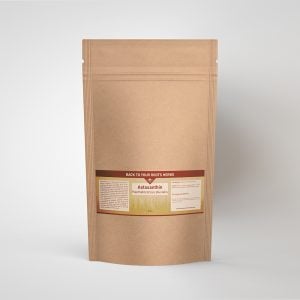
Premium dried safflower petal powder is available directly from Back To Your Roots Herbs in 2 oz resealable kraft pouches. The product is 100% pure Carthamus tinctorius petals, vegan, non-GMO, and Heavy Metal Tested.
What does safflower powder taste like?
Earthy, mildly sweet, with a faintly floral finish. Far softer than turmeric powder and without saffron’s distinctive musky note. The raw safflower powder is clean on the palate, which is why cooks reach for it when they want color without flavor interference.
Does safflower powder have health benefits?
Safflower petals contain hydroxysafflor yellow A, carthamidin, and carthamin. These natural plant compounds are the subject of ongoing research published in peer-reviewed journals such as the Journal of Ethnopharmacology (PMID 29881530). In traditional Persian and Chinese herbal systems, dried safflower petal preparations have been used for centuries to support general wellness. This statement has not been evaluated by the Food and Drug Administration. This product is not intended to diagnose, treat, cure, or prevent any disease.
Disclaimer
This statement has not been evaluated by the Food and Drug Administration. This product is not intended to diagnose, treat, cure, or prevent any disease. Consult a qualified healthcare practitioner before use, especially if pregnant, lactating, taking medication, or managing a medical condition.
Reviews
There are no reviews yet.