Key Takeaways
- Ashwagandha (Withania somnifera) lowers measured serum cortisol in controlled trials, with pooled reductions of roughly 1.16 to 2.58 micrograms per deciliter across two recent meta-analyses.
- Standardized root extract doses used in cortisol research run from 240 mg to 600 mg daily, and measurable change typically takes 4 to 8 weeks rather than days.
- A 2025 meta-analysis found cortisol dropped significantly while self-reported stress scores did not, which means the blood marker and the felt experience can move independently.
- Rhodiola has the strongest human cortisol data among the alternatives, while holy basil and magnolia bark showed no significant between-group cortisol change in their trials.
- Rare but documented cases of ashwagandha-associated liver injury make medical supervision important for anyone with existing liver conditions.
Cortisol gets blamed for a great deal. Poor sleep, stubborn belly fat, afternoon crashes, the 3 am stare at the ceiling. Some of that blame is earned, and some of it is marketing. In our editorial team’s review of the clinical literature on Withania somnifera, one pattern showed up repeatedly: the research on ashwagandha and cortisol is genuinely stronger than the research on ashwagandha and how stressed people say they feel. Those are not the same finding, and most articles on this topic collapse them into one.
This page covers what ashwagandha does to cortisol specifically. How the mechanism works, what the measured reductions actually are, how long they take, which other herbs have comparable human data, and who should not take it. We have kept the numbers attached to their sources so you can check them.
What Is Cortisol and Why Does It Matter?
Cortisol is a glucocorticoid hormone produced by the adrenal cortex, the outer layer of the two adrenal glands that sit above your kidneys. It is often called the stress hormone, which is accurate but incomplete. Cortisol is on duty every hour of every day, including the hours you feel perfectly calm.
Cortisol’s Necessary Functions
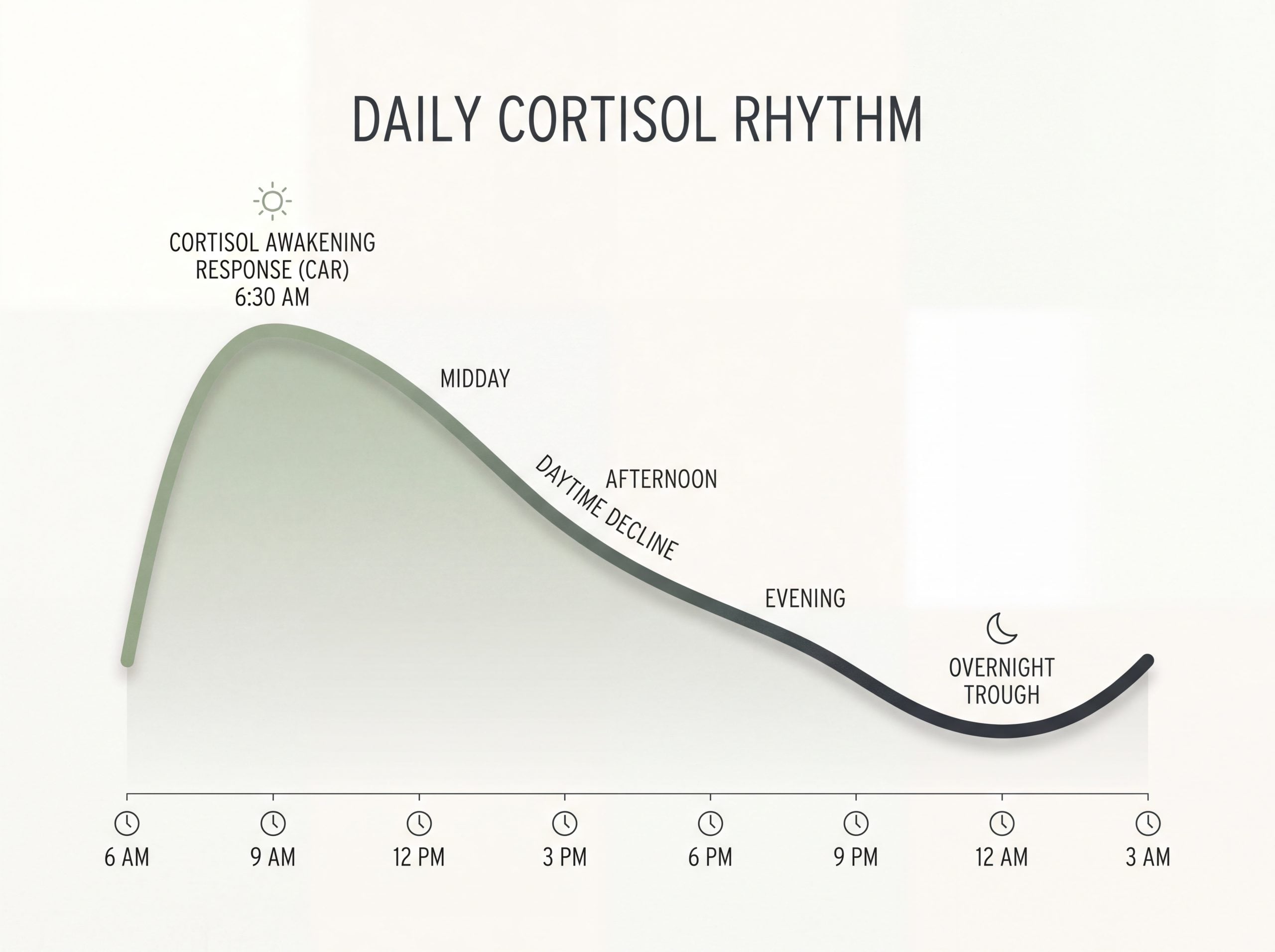
Cortisol regulates blood glucose by prompting the liver to release stored sugar. It modulates inflammation. It helps maintain blood pressure. It governs the sleep-wake rhythm, rising in the pre-dawn hours to prepare the body for waking and falling to its lowest point around midnight. Without cortisol, you could not get out of bed, and a person with untreated adrenal insufficiency is genuinely unwell.
The hormone follows a daily curve called the diurnal rhythm. It peaks roughly 30 to 45 minutes after you wake, a spike researchers call the cortisol awakening response, then declines across the day. That curve, not the raw number, is often what matters.
When Stress Becomes Chronic
Short bursts of cortisol are useful. The trouble starts when the signal never switches off. Under sustained psychological or physical pressure, the hypothalamic-pituitary-adrenal axis keeps firing, and cortisol stays elevated outside its normal rhythm. Sustained elevation has been associated in observational research with disrupted sleep architecture, increased appetite for energy-dense food, changes in visceral fat distribution, and impaired glucose regulation.
How Do You Know If Your Cortisol Is Actually High?
You mostly do not, without testing. This is worth saying plainly, because a great deal of supplement marketing assumes the reader has already diagnosed themselves. Symptoms attributed to high cortisol overlap heavily with thyroid dysfunction, anemia, sleep apnea, depression, and simple sleep debt.
Clinicians assess cortisol with a morning serum draw, a salivary cortisol series collected at several points across a day, or a 24-hour urinary free cortisol test. The salivary series is often the most informative for rhythm problems because it captures the shape of the curve rather than one moment on it. If you suspect a genuine cortisol disorder, that is a conversation with a physician and not a supplement decision. Conditions like Cushing syndrome and Addison disease require medical diagnosis and treatment.

What Is Ashwagandha?
Ashwagandha is the root of Withania somnifera, a short woody shrub in the Solanaceae family, the same botanical family as tomato, potato, and nightshade. It grows across the dry regions of India, Nepal, Sri Lanka, Pakistan, and parts of North Africa. In Ayurvedic practice, it is classified as a rasayana, a rejuvenative tonic, and has been used for an estimated three thousand years. The Sanskrit name translates roughly as “smell of horse,” a reference both to the root’s distinctive odor and to the vigor it was traditionally believed to confer.
The compounds of interest are the withanolides, a family of naturally occurring steroidal lactones. Withanoside IV, withaferin A, and withanolide A are among the better characterized. Commercial extracts are standardized to a stated withanolide percentage, which is the single most useful number on the label.
The Power of Adaptogens
Adaptogen is a pharmacological category proposed by Soviet researchers in the mid-twentieth century for substances that increase nonspecific resistance to stressors without significantly disturbing normal physiological function. Ashwagandha, Rhodiola rosea, Eleutherococcus senticosus, and Panax ginseng are the most studied members. The category is a useful framework rather than a regulatory classification, and the evidence quality varies considerably from one adaptogen to the next.
How Does Ashwagandha Lower Cortisol?
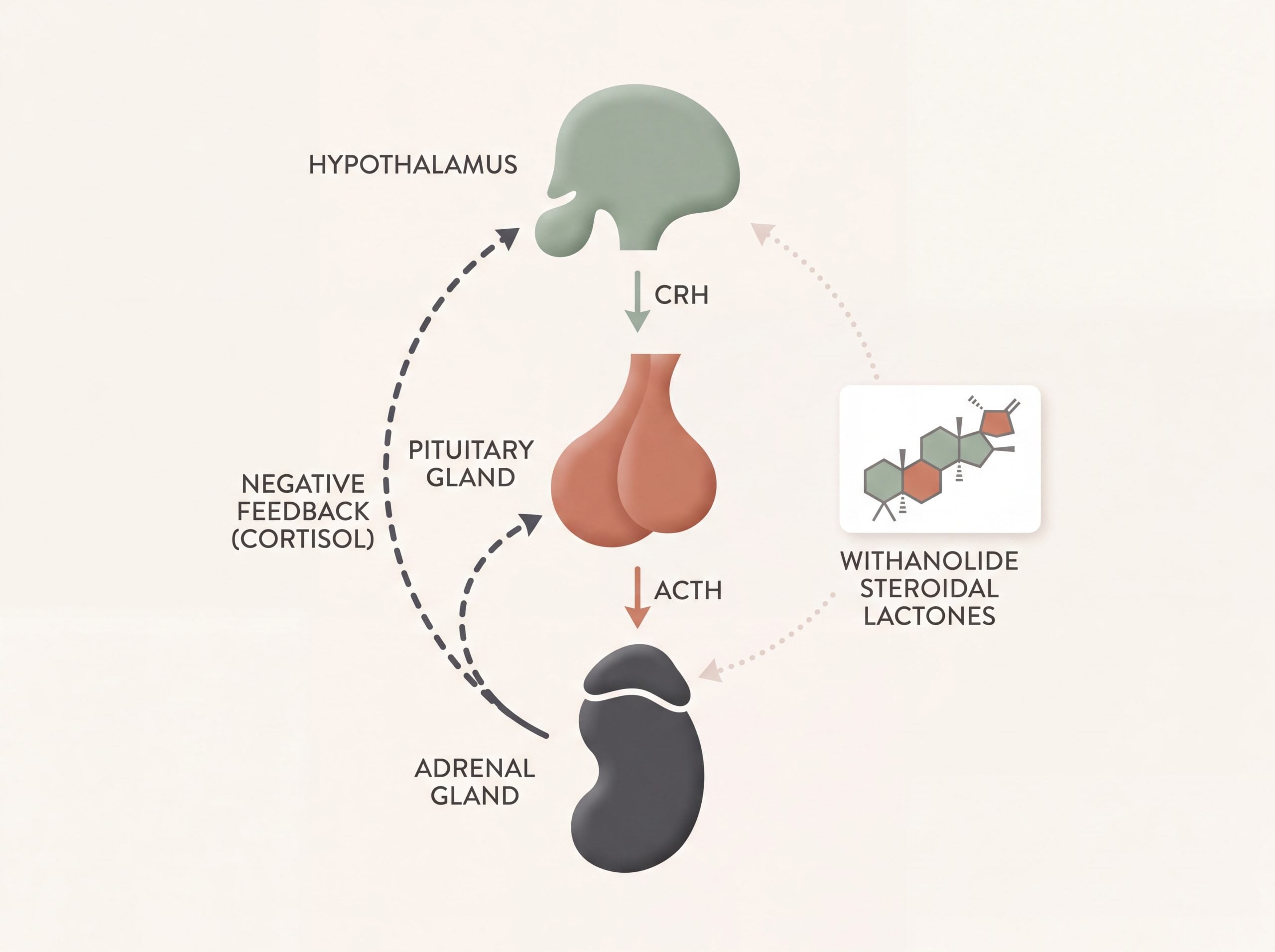
Ashwagandha lowers cortisol by moderating signaling through the hypothalamic-pituitary-adrenal axis, the feedback loop that controls adrenal hormone output. The withanolides in Withania somnifera root appear to dampen the axis rather than block cortisol production directly. In a 60-day randomized, double-blind, placebo-controlled trial of 60 stressed adults, 240 mg of standardized extract daily produced a significant reduction in morning cortisol compared with placebo, and the authors attributed the effect to this HPA-axis moderation (Lopresti et al., 2019, Medicine, PMID: 31517876).
Regulating the HPA Axis
The sequence runs like this. The hypothalamus releases corticotropin-releasing hormone. That signals the pituitary to release adrenocorticotropic hormone. That travels to the adrenal cortex and prompts cortisol release. Cortisol then feeds back to the hypothalamus and pituitary to suppress further signaling, a negative feedback loop that under normal conditions keeps output in range.
Chronic stress degrades the sensitivity of that feedback loop. The current understanding is that withanolides act on this signaling cascade rather than on the adrenal gland itself, which is consistent with the observation that ashwagandha reduces elevated cortisol without pushing it below normal in the trial populations studied. From our reading of the mechanism literature, this is also why the effect takes weeks: you are shifting a regulatory set point, not blocking an enzyme.
What Clinical Studies Reveal
Four trials form the backbone of the cortisol evidence.
The most cited is a 2012 prospective, randomized, double-blind, placebo-controlled study of 64 adults with a history of chronic stress. Participants took 300 mg of a high-concentration full-spectrum root extract twice daily for 60 days. Serum cortisol was substantially reduced relative to placebo, with a p-value of 0.0006, and scores fell significantly across all stress-assessment scales used (Chandrasekhar, Kapoor, and Anishetty, 2012, Indian Journal of Psychological Medicine, PMID: 23439798).
The 2019 trial described above used a lower dose, 240 mg once daily of a standardized extract, in 60 adults over 60 days. Morning cortisol fell significantly, with a p-value below 0.001, and dehydroepiandrosterone-sulphate also declined. No adverse events were reported (PMID: 31517876).
A 2016 trial of 52 adults under chronic stress used 300 mg twice daily over 8 weeks and measured serum cortisol alongside perceived stress and food craving. It reported significant improvements across primary and secondary measures and found the extract safe and tolerable (Choudhary, Bhattacharyya, and Joshi, 2016, Journal of Evidence-Based Complementary and Alternative Medicine, PMID: 27055824).
A 2024 systematic review and meta-analysis pooled nine randomized controlled trials covering 558 participants. It found a significant effect on serum cortisol with a mean difference of negative 2.58 micrograms per deciliter, 95% confidence interval negative 4.99 to negative 0.16, alongside improvements on the Perceived Stress Scale and the Hamilton Anxiety Scale. Four of the nine studies reported mild to moderate adverse events (Arumugam et al., 2024, Explore, PMID: 39348746).
What the Newest Meta-Analysis Adds
Here is the finding that most articles on this subject leave out, and in our view it is the most useful one on the page.
A 2025 systematic review and meta-analysis examined seven cortisol studies and six perceived-stress studies across 488 participants, restricted to randomized controlled trials of at least two weeks at oral doses of 250 mg per day or higher. Cortisol fell significantly, by 1.16 micrograms per deciliter, 95% confidence interval negative 1.64 to negative 0.69, with a p-value below 0.001. Perceived stress, measured by Perceived Stress Scale score, did not change significantly. The standardized mean difference was negative 0.355 with a 95% confidence interval spanning negative 1.188 to 0.47 and a p-value of 0.40 (Albalawi, 2025, Nutrition and Health, PMID: 40746175).
Two meta-analyses, two different answers on perceived stress. The 2024 pooling found an effect; the 2025 pooling did not. Heterogeneity in the 2025 analysis was moderate at 50.9%, and the author noted that longer treatment durations and broader demographic inclusion are needed. What this means practically: the biochemical effect on cortisol is the better-supported claim. Whether you will feel calmer is less certain than the marketing suggests, and anyone telling you otherwise is ahead of the evidence.
What Herbs Besides Ashwagandha Lower Cortisol?
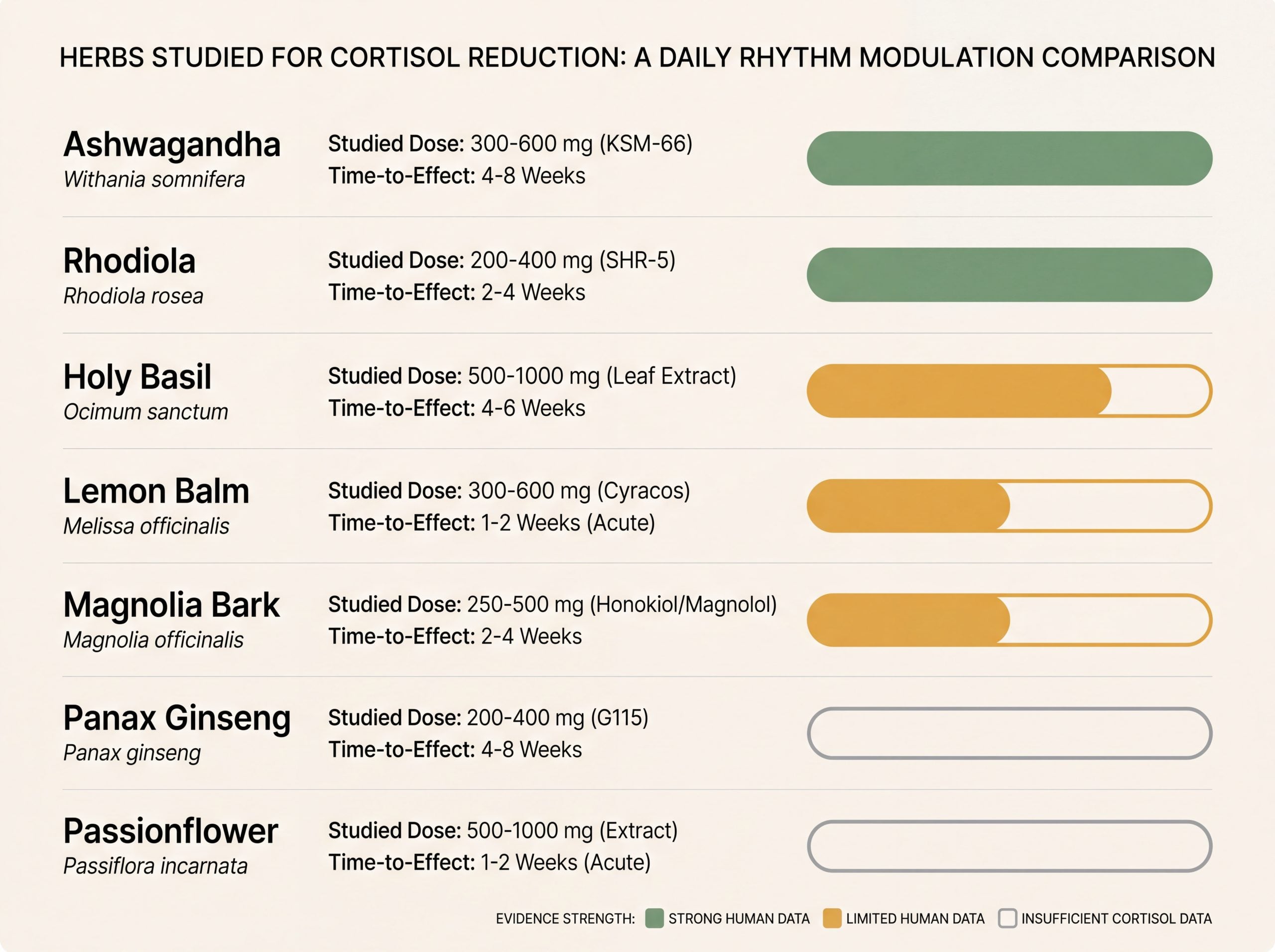
Several herbs are marketed for cortisol support. Fewer have measured cortisol as an endpoint in a human trial, and fewer still found a significant between-group difference. The table below separates those three tiers, because most comparison tables published on this topic do not. Doses shown are the doses actually used in the cited studies, not general recommendations.
| Herb | Latin binomial | Primary mechanism | Studied daily dose | Time to observed effect | Human cortisol evidence |
|---|---|---|---|---|---|
| Ashwagandha | Withania somnifera | HPA-axis moderation via withanolides (steroidal lactones) | 240 to 600 mg standardized root extract | 4 to 8 weeks | Strongest. Significant serum cortisol reduction in multiple RCTs and two meta-analyses. PMID: 23439798, 31517876, 39348746, 40746175 |
| Rhodiola | Rhodiola rosea | Adaptogenic action of salidroside and rosavins on stress-response signaling | 576 mg standardized SHR-5 extract | 28 days | Moderate. Cortisol response to awakening differed significantly from placebo in burnout patients with fatigue syndrome. PMID: 19016404 |
| Holy basil (tulsi) | Ocimum tenuiflorum (syn. O. sanctum) | Ursolic acid and eugenol, proposed neuroprotective and stress-modulating action | 300 mg ethanolic leaf extract | 30 days | Limited. Salivary cortisol improved within the treatment group over time, but the between-group difference against placebo was not significant. PMID: 26571987 |
| Magnolia bark with phellodendron | Magnolia officinalis with Phellodendron amurense | Honokiol and magnolol, proposed GABA-A receptor modulation | 750 mg (250 mg three times daily) | 6 weeks | Negative for cortisol. Transitory state anxiety improved, but salivary cortisol was not significantly changed versus placebo. PMID: 18426577 |
| Lemon balm | Melissa officinalis | Rosmarinic acid, proposed inhibition of GABA transaminase | 3 g dried leaf supplement | 8 weeks | Not measured. Depression, anxiety, stress and sleep scores improved significantly, but cortisol was not an endpoint in this trial. PMID: 29908682 |
| Passionflower | Passiflora incarnata | Flavonoids including chrysin, proposed GABAergic activity | Varies widely across anxiety and sleep trials | Not established for cortisol | Insufficient. Our review of the indexed literature found anxiety and sleep trials, but no controlled trial using cortisol as a primary endpoint. |
| Panax ginseng | Panax ginseng | Ginsenosides, proposed adrenal and HPA-axis activity | Varies widely across fatigue and cognition trials | Not established for cortisol | Insufficient. Frequently listed in cortisol articles, but we did not find consistent controlled human cortisol outcome data. |
| Sources: peer-reviewed trials indexed in PubMed, cited by PMID. Doses reflect study protocols and are not dosing recommendations. Consult your healthcare provider before use. | |||||
The honest summary: ashwagandha has the most human cortisol data, rhodiola has the second most, and the rest of the commonly listed herbs are supported by anxiety or sleep evidence rather than by cortisol measurements. A herb can be worth taking for sleep without having a cortisol trial behind it. Those are just different claims.
Is Ashwagandha or L-Theanine Better for Lowering Cortisol?
They are studied for different things. L-theanine is an amino acid found in Camellia sinensis, the tea plant, and most of its research addresses acute effects on subjective calm, attention, and alpha brain wave activity within hours of a dose. Ashwagandha’s cortisol research measures a hormonal marker over weeks. There is no well-powered head-to-head trial comparing the two on serum cortisol, so any ranking you see is inference rather than measurement. For a measured cortisol endpoint specifically, ashwagandha has the evidence, and L-theanine does not.
Is Ashwagandha or Magnesium Better for Lowering Cortisol?
Magnesium is an essential mineral, not an herb, and the comparison only makes sense in one direction. If you are magnesium deficient, correcting that deficiency addresses a genuine physiological problem, and deficiency is common. Magnesium participates in hundreds of enzymatic reactions, including several relevant to nervous system function. But repleting a deficiency and modulating an endocrine axis are different interventions. Ashwagandha has direct cortisol trial data. Magnesium’s role here is corrective rather than adaptogenic.
Does Phosphatidylserine Actually Lower Cortisol?
Phosphatidylserine is a phospholipid found in cell membranes, and it appears in most cortisol supplement listicles. The research most often cited involves blunting of the exercise-induced cortisol spike in athletes, which is a narrow and specific context. That is not the same as lowering chronically elevated resting cortisol in a stressed general population, which is the question most readers are actually asking. The distinction matters, and it is usually skipped.
Why Do You Wake Up at 3 am, and Can Ashwagandha Help?
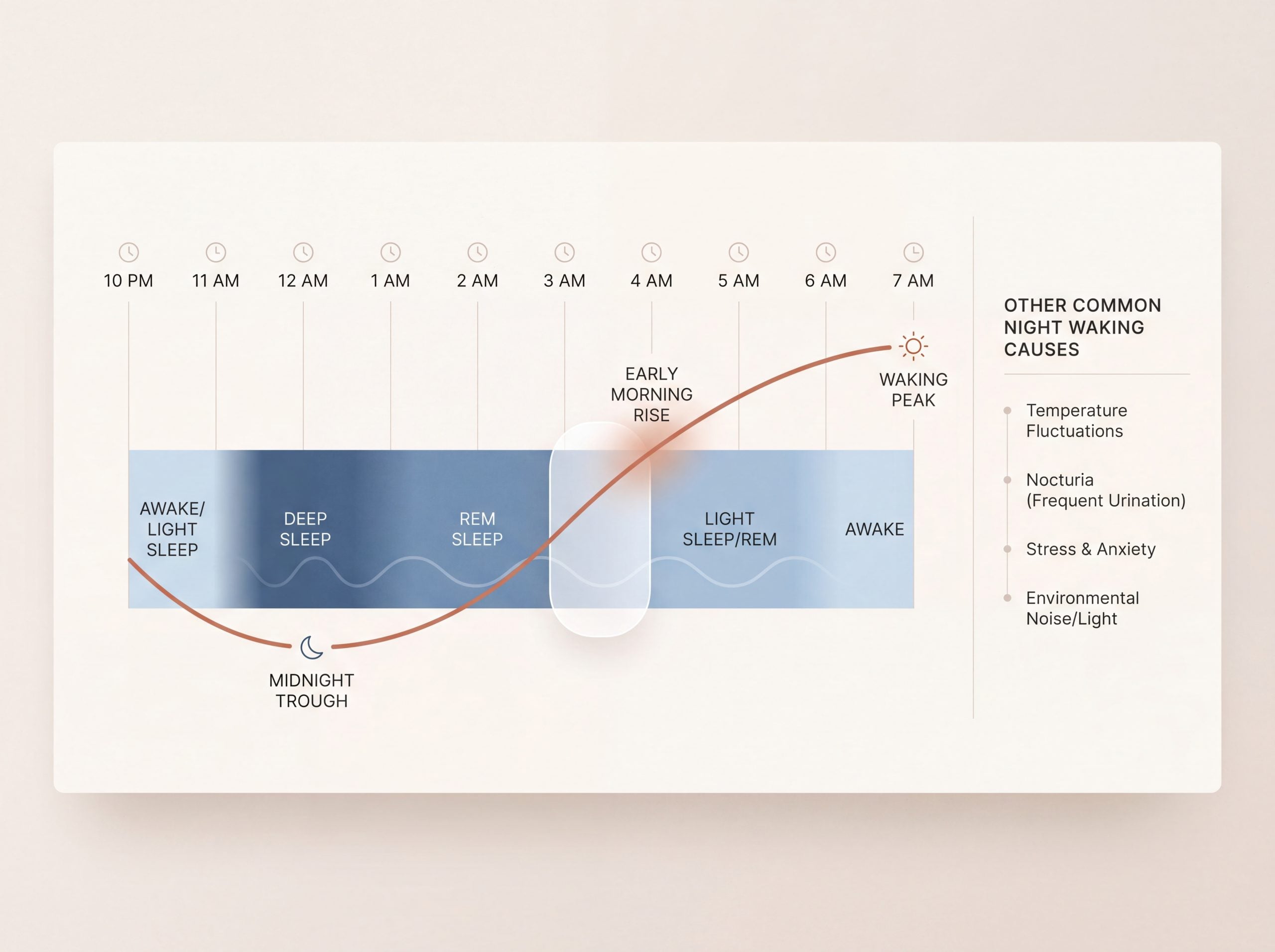
Waking at roughly the same early-morning hour night after night is one of the most common complaints associated with cortisol, and the physiology behind it is real. Cortisol reaches its daily low point around midnight, then begins climbing through the early morning hours toward the waking peak. If that rise begins too early or too steeply, it can surface you out of the lighter sleep stages that dominate the second half of the night. That is the mechanism people are describing when they say stress wakes them at 3 am.
What Medical Causes Can Make You Wake at 3 am?
Cortisol is one candidate among several, and it is not the most common one. Nocturnal hypoglycemia, a drop in blood sugar during the night, can trigger a counter-regulatory hormone release that wakes you. Sleep apnea fragments sleep and is frequently undiagnosed. Alcohol taken in the evening reliably disrupts the second half of the night as it metabolizes. Perimenopausal and menopausal hormone shifts, an enlarged prostate, acid reflux, chronic pain, and several medication classes all produce the same pattern.
Persistent middle-of-the-night waking deserves a clinical assessment rather than a supplement. We would rather you rule out sleep apnea than buy a jar of root powder.
What Helps You Fall Back Asleep?
Sleep researchers consistently recommend against lying awake in bed for extended periods. Standard behavioral guidance includes leaving the bed after about 20 minutes of wakefulness, keeping lights dim, avoiding screens, and returning only when sleepy. Keeping the bedroom cool and dark, holding a consistent wake time including weekends, limiting alcohol in the evening, and moving caffeine earlier in the day all address the same problem from different angles.
On the herbal side, ashwagandha is generally taken as a daily course rather than as an in-the-moment sleep aid, since its effect on cortisol develops over weeks. Herbs traditionally used closer to bedtime include valerian root, lemon balm, and passionflower. These are traditional sleep applications and should not be confused with the cortisol evidence discussed above.
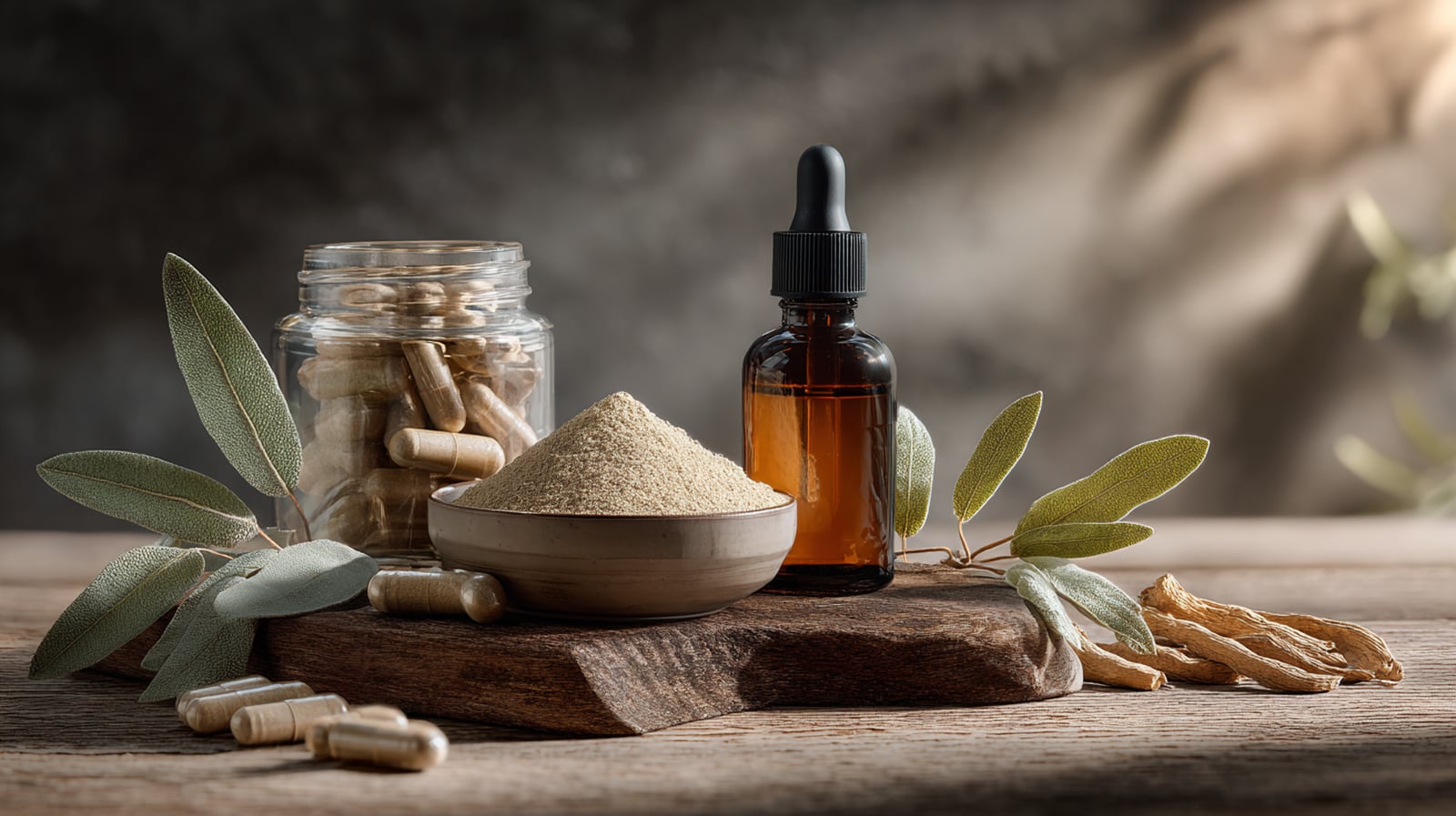
How Do You Take Ashwagandha for Cortisol?
- Studied dose range: 240 mg to 600 mg per day of standardized root extract in the cortisol trials, most commonly 300 mg taken twice daily or 240 mg taken once daily.
- Standardization: look for a stated withanolide percentage on the label. Extracts are commonly standardized to between 2.5% and 5% withanolides, and root powder is far less concentrated than extract.
- Timeline: measurable cortisol change took 4 to 8 weeks in the published trials. The 60-day mark is where most of the strongest data sits.
- Timing: no trial has established a superior time of day for cortisol outcomes. Taking it with food reduces the digestive upset that is the most commonly reported side effect.
- Who should not use it without medical guidance: anyone pregnant or breastfeeding, anyone with a thyroid or autoimmune condition, anyone with liver disease, and anyone taking sedatives, immunosuppressants, thyroid medication, or diabetes medication.
Dosage and Standardization
Two branded extracts dominate the research and the retail shelf, and the labels are not interchangeable. KSM-66 is a root-only extract standardized to a higher withanolide concentration and used in a large share of the published trials. Sensoril is derived from root and leaf, carries a different withanolide profile, and is typically dosed lower. A third, Shoden, was the extract used in the 2019 trial at 240 mg daily.
Because these differ in composition, a milligram of one is not equivalent to a milligram of another. In our sourcing experience, this is the single most common reason two people report completely different results from what they believe is the same supplement. Whole root powder, which is the traditional Ayurvedic preparation, is a different product again and is not dosed at extract strength.
Does Ashwagandha Build Tolerance? Should You Cycle It?
There is no controlled human trial establishing that ashwagandha produces pharmacological tolerance. The cycling advice widely repeated online, typically some version of eight weeks on followed by a break, is traditional and precautionary practice rather than a finding from a trial. It is not unreasonable, and it has a practical benefit: a planned break tells you whether the supplement is still doing anything.
Most published trials ran 60 days, with a smaller number extending to 12 weeks. That means long-term safety and sustained efficacy beyond about three months are genuinely under-studied rather than established as safe indefinitely. When people report that ashwagandha stopped working, the more likely explanations we encounter are a change of brand or extract type, a dose that drifted downward, a product with unverified withanolide content, or the natural fading of an initial expectancy effect. Some users also report irritability or emotional flatness, which is a reason to reassess the dose with a clinician rather than to push through.

Who Should Not Take Ashwagandha?
This section matters more than the dosing section, and we would rather over-inform you here than under-inform you.
Liver Safety
Ashwagandha has been associated with rare cases of herb-induced liver injury. A 2023 review in Pharmaceuticals catalogued the previously reported cases and added two new ones. In both, causality assessment using the updated Roussel Uclaf Causality Assessment Method returned a score of seven, rated “probable.” One patient had taken 450 mg capsules three times daily for six months before developing nausea, itching, and dark urine. Liver function improved in both cases after stopping the supplement. Among the previously published cases the authors reviewed, one had progressed to liver transplantation (Bokan et al., 2023, Pharmaceuticals, PMID: 37631044).
A separate 2025 case report described acute-on-chronic liver failure in a patient with pre-existing liver disease and emphasized the risk in that specific population (Casiano-Manzano et al., Revista Espanola de Enfermedades Digestivas, PMID: 37982556).
These are case reports, and case reports describe rare events rather than typical ones. Millions of doses are consumed without incident. The practical reading is this: if you have any liver condition, discuss ashwagandha with your physician before taking it, and if you develop unexplained fatigue, nausea, itching, dark urine, or yellowing of the skin or eyes while taking it, stop and seek medical attention.
Blood Sugar and Diabetes Medication
Ashwagandha has been observed to lower blood glucose for anyone taking insulin or oral glucose-lowering medication, which creates an additive effect and a corresponding risk of hypoglycemia. Anyone in that category should involve their prescribing clinician before starting, and should monitor blood glucose more closely during the first weeks.
Thyroid, Pregnancy, and Other Contraindications
Ashwagandha has been studied for effects on thyroid hormone levels, including a trial in subclinical hypothyroid patients (PMID: 28829155). Because it can influence thyroid markers, anyone with hyperthyroidism, Hashimoto thyroiditis, or a thyroid medication prescription needs medical supervision rather than self-experimentation.
Ashwagandha is traditionally contraindicated in pregnancy. It should be avoided while pregnant or breastfeeding. Because it may stimulate immune activity, people with autoimmune conditions including lupus, rheumatoid arthritis, and multiple sclerosis should consult their physician. It may increase the effect of sedatives and benzodiazepines. It should be discontinued at least two weeks before scheduled surgery. As a member of the Solanaceae family, it is also worth noting for anyone with a known nightshade sensitivity.
Signs You Should Stop
Discontinue and contact a healthcare provider if you notice yellowing of the skin or eyes, dark urine, persistent nausea or vomiting, upper right abdominal pain, unusual fatigue, rash, or a significant change in mood. Mild digestive upset and drowsiness are the most frequently reported effects and often resolve by taking the dose with food, but anything in the first list warrants medical attention rather than dose adjustment.

What About Cortisol and Body Weight?
Chronically elevated cortisol has been associated with increased appetite and changes in visceral fat distribution, and several ashwagandha trials tracked body weight alongside cortisol. That relationship deserves more room than this page can give it. We cover the cortisol and weight management research in depth in our dedicated article on ashwagandha, cortisol, and weight loss, which walks through the body composition trials specifically.
A Holistic Approach Still Matters
No extract outperforms the fundamentals. Sleep duration and regularity, resistance and aerobic exercise, protein and fiber intake, daylight exposure in the morning, caffeine and alcohol timing, and actual reduction of the stressor where that is possible all act on the same axis, generally with more evidence behind them than any supplement carries. Ashwagandha is reasonably viewed as one input among those, not a substitute for them.
Frequently Asked Questions
How long does it take for ashwagandha to lower cortisol?
Measurable reductions in serum cortisol appeared at 4 to 8 weeks in the published randomized trials, with the strongest data clustering at the 60-day mark. Some participants report subjective changes earlier, but the hormonal marker itself moves on a scale of weeks rather than days. Consistency of daily use matters more than dose size within the studied range.
Can I take ashwagandha with other supplements?
Ashwagandha is commonly combined with magnesium, L-theanine, and other adaptogens, and no specific supplement-to-supplement interaction is well documented. Caution applies with anything sedating, since ashwagandha may add to that effect. Prescription medications are the more important consideration, particularly thyroid medication, diabetes medication, sedatives, blood pressure medication, and immunosuppressants. Review the full list with a pharmacist or physician.
Will ashwagandha make me gain weight?
The published trials point the other direction. Studies in adults under chronic stress recorded reductions in body weight, body mass index, and food cravings alongside reduced cortisol. There is no established mechanism by which ashwagandha would promote weight gain, and no trial we reviewed reported it as an outcome.
What is the best time of day to take ashwagandha?
No trial has established a superior time of day for cortisol outcomes. Morning dosing suits people who find it mildly stimulating, and evening dosing suits people who find it calming or who are targeting sleep quality. Taking it with a meal reduces the digestive upset that is the most common complaint. Consistency at whatever time you choose is what the trial protocols relied on.
What can I take instead of ashwagandha to lower cortisol?
Rhodiola rosea has the strongest human cortisol data among the alternatives, with a standardized 576 mg daily dose reducing the cortisol awakening response over 28 days in a placebo-controlled trial. Holy basil and magnolia bark are frequently recommended but did not show significant between-group cortisol changes in their published trials. Lemon balm improved stress and sleep scores without cortisol being measured. The comparison table above sets out what each one has and has not demonstrated.
Which herb lowers cortisol the most?
By measured serum cortisol in randomized controlled trials, ashwagandha has the largest and most replicated body of evidence, with two meta-analyses finding pooled reductions of 1.16 and 2.58 micrograms per deciliter, respectively. Rhodiola is second, with a demonstrated effect on the cortisol awakening response specifically. No head-to-head trial has directly compared them, so this ranking reflects the weight of separate evidence rather than a direct contest.
Is ashwagandha safe to take every night?
Published trials dosed it daily for 60 days, and a smaller number ran to 12 weeks, with adverse events generally mild and limited to digestive upset and drowsiness. Beyond roughly three months, long-term safety data is thin rather than reassuring, which is a meaningful distinction. Given the documented rare cases of liver injury, extended continuous use is best done under medical supervision.
Does ashwagandha build tolerance over time?
No controlled trial has established pharmacological tolerance. The common eight-weeks-on, break-off cycling practice is traditional and precautionary rather than evidence-based. Reports of diminishing effect more often trace to a change in brand or extract type, an unverified withanolide content, a drifting dose, or the fading of an initial expectancy effect.
Can ashwagandha cause liver problems?
Rare cases of herb-induced liver injury have been documented, with causality assessments rating several as “probable” and one reviewed case progressing to liver transplantation (PMID: 37631044). These are rare relative to total consumption. Anyone with existing liver disease should not take ashwagandha without physician oversight, and anyone developing jaundice, dark urine, or persistent nausea while taking it should stop and seek medical care.
Is ashwagandha safe for people with diabetes?
Ashwagandha may lower blood glucose, which can compound the effect of insulin or oral glucose-lowering medication and raise the risk of hypoglycemia. It is not automatically off-limits, but it does require coordination with the prescribing clinician and closer blood glucose monitoring during the first weeks of use.
Related Reading
Our related articles cover the benefits of ashwagandha root, how ashwagandha works in the body, adaptogens for stress, rhodiola rosea, holy basil and tulsi, and natural sleep remedies.
Disclaimer
These statements have not been evaluated by the Food and Drug Administration. This product is not intended to diagnose, treat, cure, or prevent any disease. Consult your healthcare provider before use.