Key Takeaways
- Astragalus root, known as Huang Qi, is the dried root of Astragalus membranaceus and Astragalus mongholicus, used in Traditional Chinese Medicine for more than 2,000 years.
- A 2023 meta-analysis of 19 human studies covering 1,094 participants reported measurable shifts in cellular immune markers, including the CD4/CD8 ratio.
- Research has examined astragalus in relation to cardiovascular function, glucose metabolism, kidney filtration markers, and fatigue, with study quality varying considerably across those areas.
- Astragaloside IV and cycloastragenol are the compounds most often studied for antioxidant and cellular-aging activity, though telomere changes have not tracked with functional benefit in trials.
- People with autoimmune conditions, transplant recipients, and anyone taking immunosuppressants, anticoagulants, antihypertensives, or lithium should speak with a clinician before use.
Huang Qi has been a fixture of Chinese herbal practice since long before anyone measured a cytokine. Our editorial team has spent considerable time with this root, both in sourcing conversations with growers in Shanxi Province and in the clinical literature, and the gap between those two worlds is worth mapping honestly. This guide covers what astragalus root is, what the research actually shows, how people use it, and the safety considerations that get skipped in most write-ups.
What is astragalus root (Huang Qi)?
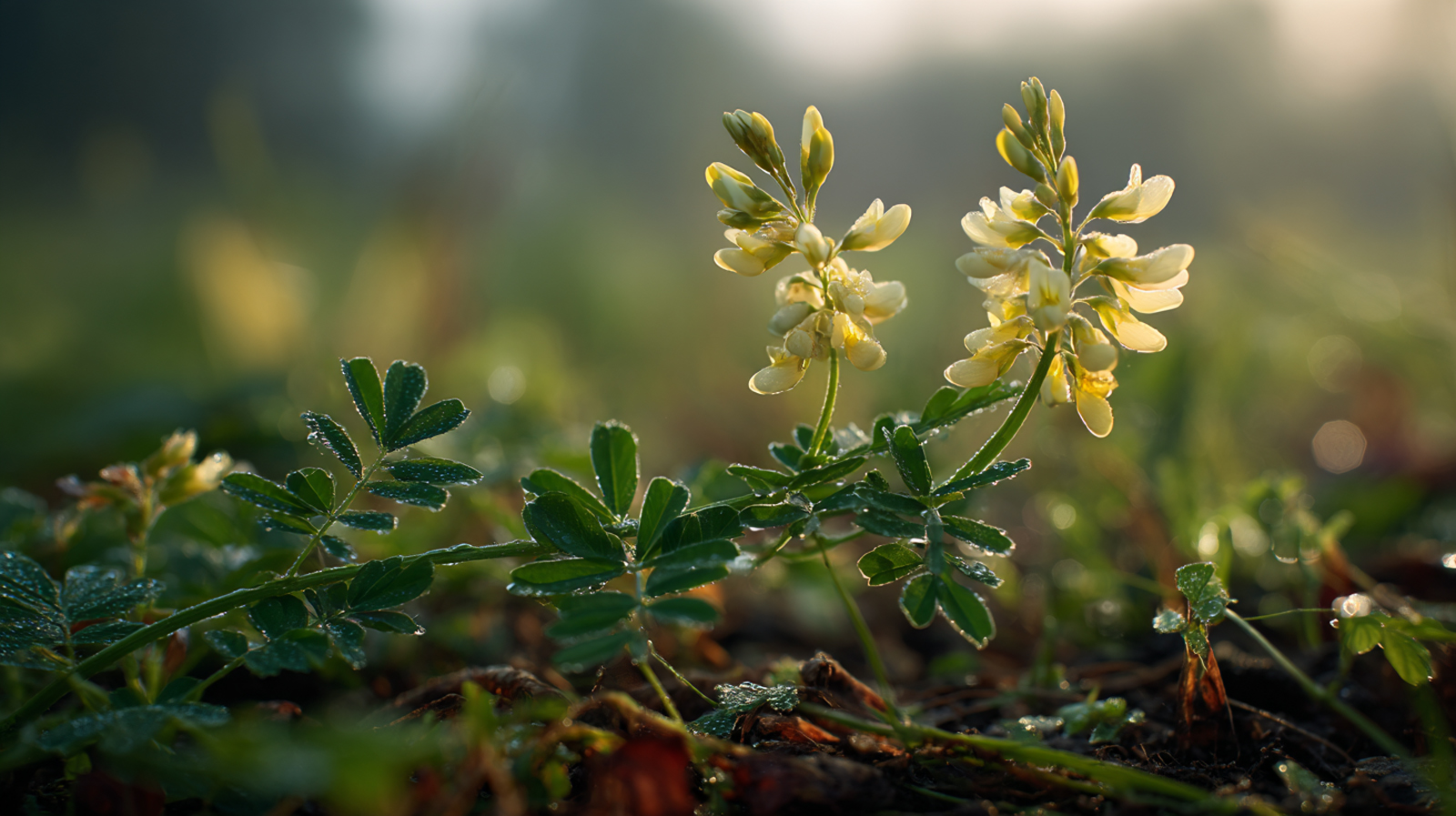
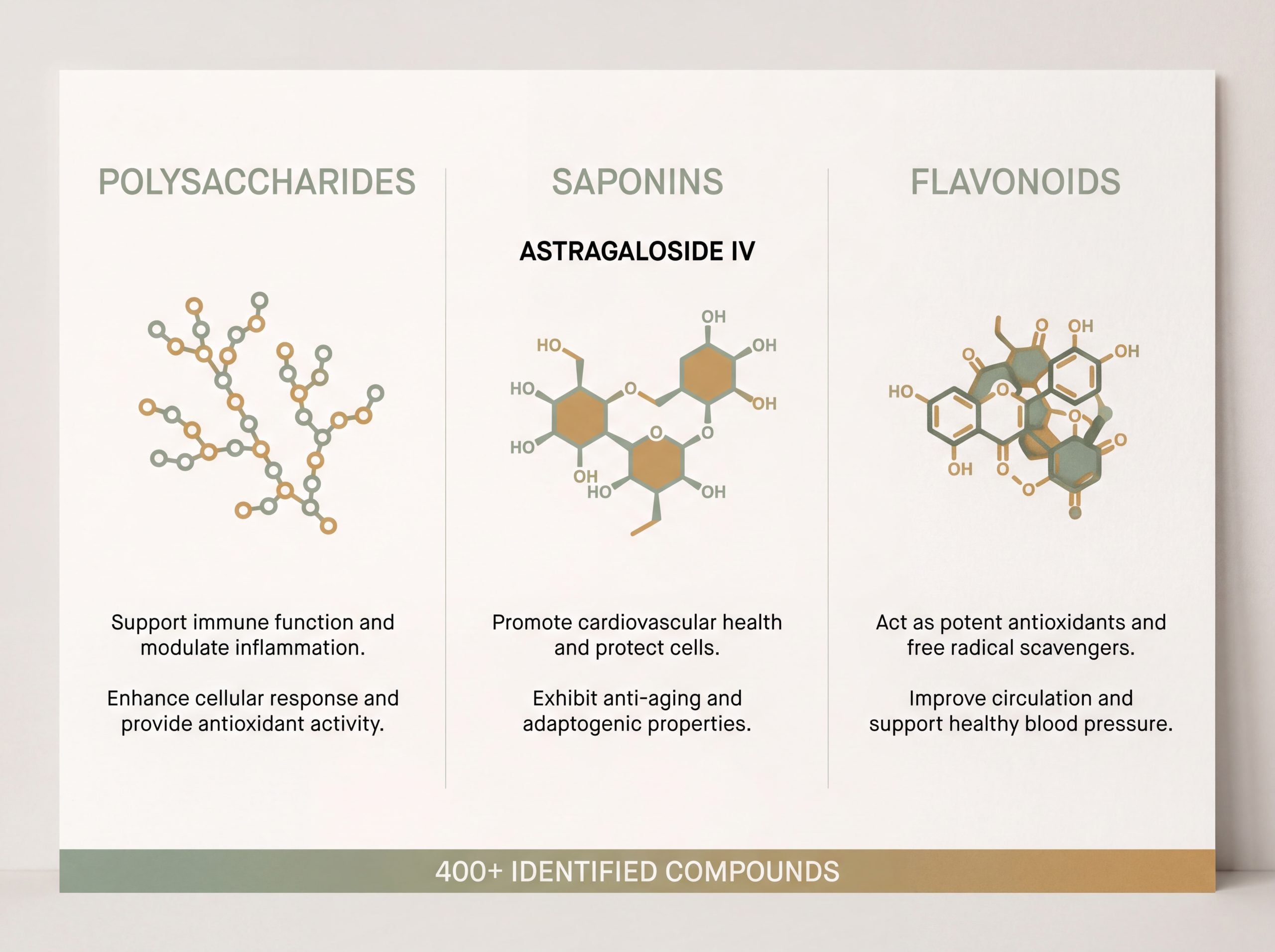
Astragalus root is the dried root of Astragalus membranaceus and its close relative Astragalus mongholicus, two legume species in the Fabaceae family known collectively in Chinese herbal medicine as Huang Qi. The root contains more than 400 identified natural compounds, with saponins such as astragaloside IV, flavonoids, and polysaccharides accounting for most of its studied activity. A 2024 review in Archives of Pharmacal Research documented over 2,000 years of continuous use as a qi-replenishing tonic, according to Liu et al. (2024), Archives of Pharmacal Research, PMID: 38493280.
The plant is a perennial native to China, Mongolia, and Korea. Growers harvest the root from plants that are four years old, which is when the characteristic yellow interior and fibrous texture develop fully. The name Huang Qi translates as yellow leader, a reference to both that interior color and the root’s standing in the traditional pharmacopoeia.
Astragalus is classified as an adaptogen, meaning it is used to help the body respond to physical, chemical, and biological stressors rather than to act on one target.
What does Huang Qi mean in Traditional Chinese Medicine?
In Traditional Chinese Medicine, Huang Qi is a primary qi-tonifying herb. Practitioners use it to strengthen what the tradition calls protective qi, or Wei Qi, a concept roughly analogous to the body’s outward defensive capacity. It rarely appears alone. Huang Qi is a component of many classical formulas, most famously Yu Ping Feng San, where it is paired with other roots to support constitutional resilience.
Worth stating plainly: the TCM framework and the biomedical framework are different systems of description. Wei Qi is not a synonym for the immune system, and treating it as one flattens both traditions. What the two share is an interest in the same root.
What are the active compounds in astragalus root?
Three compound classes carry most of the research interest.
- Polysaccharides (APS). Complex carbohydrates studied for immunomodulating activity. These are the fraction most often examined in the oncology literature.
- Saponins, principally astragaloside IV. A cycloartane-type triterpene glycoside and the compound most frequently used as a quality marker. A pharmacology review in Advances in Pharmacology catalogued its studied activity across cardiovascular, kidney, lung, and neural tissue, per Zhang et al. (2019), Advances in Pharmacology, PMID: 32089240.
- Flavonoids. Antioxidant compounds including formononetin and calycosin, studied for their role in oxidative-stress response.
Cycloastragenol, a metabolite of astragaloside IV, deserves separate mention because it is the basis of the commercial telomerase-activator product TA-65, which comes up later in this guide.
What are the benefits of Huang Qi?
Modern research has examined several of the traditional uses. The evidence is uneven. Some areas have meta-analytic support, others rest on small trials with methodological limits, and the honest summary is that astragalus is well studied in volume but not yet well established in quality for most endpoints.
How does astragalus support the immune system?
Immune activity is the most-studied property of astragalus root. A systematic review and meta-analysis pooling 19 human studies and 1,094 participants found a significant reduction in proinflammatory cytokines including IL-6 and TNF-alpha, alongside significant increases in CD3 levels and the CD4/CD8 ratio, according to Zhang et al. (2023), Complementary Medicine Research, PMID: 37952511. The authors noted substantial heterogeneity between studies, which is the appropriate caveat to carry forward.
The mechanism most often proposed involves the polysaccharide fraction acting on immune-cell signaling rather than any single receptor. This is consistent with the adaptogen framing: modulation across a system rather than stimulation of one pathway.
Does astragalus support heart health?
The flavonoid and saponin fractions have been studied for antioxidant activity in cardiovascular tissue. Research in populations with existing cardiac conditions has examined effects on vascular tone and cardiac output measures. The 2024 Archives of Pharmacal Research review catalogued cardioprotective and antihypertensive activity among the documented pharmacological effects of Astragali Radix, per Liu et al. (2024), PMID: 38493280.
Astragalus is not a substitute for cardiac care. Anyone managing a heart condition should treat this as a conversation to have with a cardiologist, not a decision to make alone.
Can astragalus help with blood sugar?
A systematic review in Mini Reviews in Medicinal Chemistry examined the polysaccharide, saponin, and flavonoid fractions in relation to glucose metabolism and insulin sensitivity, covering both type 1 and type 2 mechanisms, according to Zhang et al. (2015), Mini Reviews in Medicinal Chemistry, PMID: 25723453. More recent reviews have looked at astragalus used alongside conventional glucose-lowering medication, reporting modest changes in fasting glucose and HbA1c, with most included studies rated low quality or at risk of bias.
That last clause matters. Modest effects drawn from low-quality studies are a reason for interest, not a reason for confidence.
Is astragalus good for the kidneys?
This is the area with the largest pooled dataset. A meta-analysis of 50 randomized controlled trials covering 3,423 participants examined Astragalus membranaceus preparations used alongside supportive or immunosuppressive care in moderate-to-high risk idiopathic membranous nephropathy. It reported improvements in 24-hour urinary total protein, serum albumin, and serum creatinine compared with conventional care alone, per Wang et al. (2023), Medicine, PMID: 36862887.
Two things to hold together. The dataset is large, and the authors themselves flag the inherent limitations of the included studies and call for better-designed trials. This was also adjunctive use under clinical supervision, not self-directed supplementation.
Does astragalus reduce fatigue?
A systematic review and meta-analysis of eight randomized controlled studies examined Astragalus membranaceus for cancer-related fatigue and quality of life, reporting a significant reduction in fatigue scores, according to Sheng et al. (2025), Integrative Cancer Therapies, PMID: 40302232. The authors concluded that the small size and low quality of the included literature meant there was insufficient evidence to strongly support clinical use.
General, non-clinical fatigue is a different question and a less-studied one. The traditional use of Huang Qi for weakness and low vitality is long-standing, but it has not been tested in healthy adults with anything like the rigor applied in the oncology setting.
What is astragalus used for during chemotherapy?
Astragalus polysaccharides have been studied as an adjunct in oncology care. A systematic review and meta-analysis of 31 randomized controlled trials covering 2,648 participants reported improvements in objective response rate and in CD3, CD4, and CD4/CD8 immune measures, per Li et al. (2025), Naunyn-Schmiedeberg’s Archives of Pharmacology, PMID: 40208321.
This research describes supervised clinical use, frequently by intravenous administration in hospital settings. It does not describe an over-the-counter supplement taken at home, and nothing here should be read as a reason to alter a cancer treatment plan. Memorial Sloan Kettering Cancer Center maintains a herb monograph on astragalus that is worth reading alongside an oncology team.
Does astragalus help with seasonal allergies?
Small clinical work has examined astragalus in allergic rhinitis, the seasonal hay-fever presentation involving sneezing, nasal irritation, and runny nose. Reported outcomes have been modest and the trials small. The National Center for Complementary and Integrative Health lists allergic rhinitis among the conditions for which astragalus has been promoted while noting the limits of the supporting evidence.
We have kept this section to allergic rhinitis specifically. Astragalus in relation to asthma is a separate topic with its own evidence base and its own safety considerations, and we cover it in our dedicated article on astragalus and asthma.
What does astragalus do for cellular aging?
This is where the marketing runs well ahead of the data, so the detail is worth getting right.
Cycloastragenol and astragaloside IV have been studied for telomerase activation. A 2026 review in Biomolecules examined astragalosides, cycloastragenol, and the commercial derivative TA-65 in relation to telomere maintenance, antioxidant activity, and DNA protection in skin and bone tissue, according to Abdelrahman et al. (2026), Biomolecules, PMID: 42352330.
Then comes the finding that most write-ups omit. A 2025 systematic review and meta-analysis of eight randomized controlled trials covering 750 participants with a mean age of 63.3 years found that TA-65 did produce moderate telomere elongation. It also found that this elongation did not translate into improvements in frailty measures or inflammatory markers. The authors named this directly as a telomere-function disconnect, per Su et al. (2025), Cell Biology and Toxicology, PMID: 41286474. Mild gastrointestinal effects occurred in 12.4 percent of participants, and industry-funded trials in the set reported larger effects than independent ones.
In our reading, that is the single most useful piece of context available on astragalus and aging. A biomarker moved. The things people actually care about did not.
What does astragalus do for skin?
A systematic review in the Journal of Drugs in Dermatology assessed Astragalus membranaceus extract as a topical and cosmeceutical ingredient, examining astragaloside IV, cycloastragenol, flavonoids, and polysaccharides for photoprotective activity, reactive oxygen species reduction, and collagen synthesis. Clinical trials in the review reported improvements in skin hydration, tone, and wrinkle appearance, according to Jackson et al. (2026), Journal of Drugs in Dermatology, PMID: 41493245. The authors called for further randomized trials to confirm long-term efficacy.
Most of this work concerns topical application. Oral astragalus for skin appearance is a much thinner evidence base than the cosmeceutical literature suggests.
How do you take astragalus root?
Astragalus is sold in several preparations, and the form changes both how it is used and how much of the root you are actually getting.
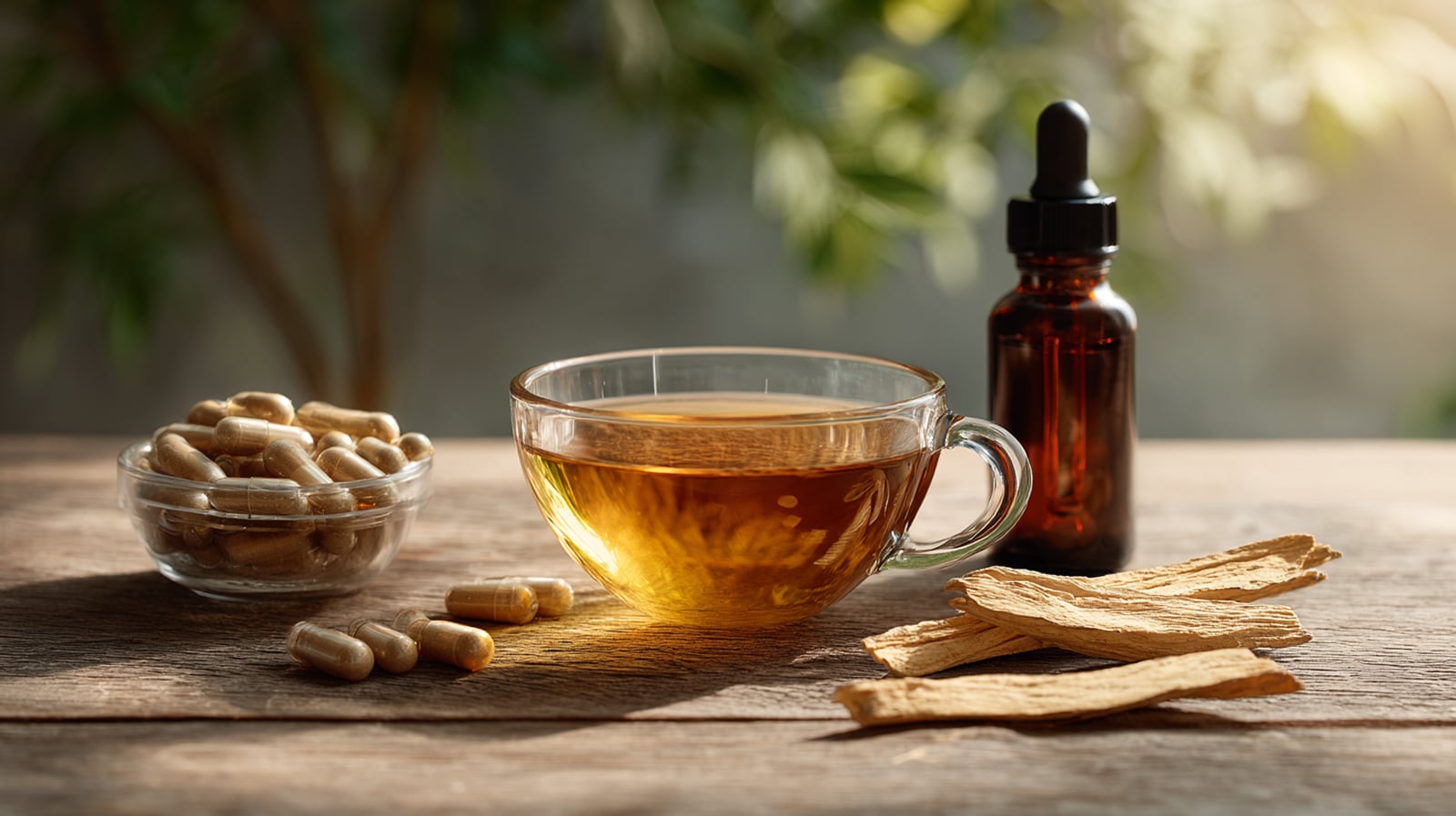
What forms does astragalus come in?
| Form | Description | Typical use |
|---|---|---|
| Dried root slices | Thin, tongue-depressor-shaped pieces of whole root | Simmered into decoctions, broths, and soups. The traditional preparation. |
| Whole root powder | Milled whole root, nothing removed | Stirred into liquids or added to food. Retains the full fiber and polysaccharide fraction. |
| Capsules | Powdered root or concentrated extract in a shell | Convenient fixed serving without the taste. |
| Tincture or liquid extract | Alcohol or glycerin extraction, concentrated | Added to water. Faster to prepare than a decoction. |
| Topical preparations | Extract in a cream or serum base | Applied to skin. This is the form most of the dermatology research uses. |
One distinction that gets blurred on labels: whole root powder and standardized extract are not interchangeable. Extracts concentrate selected compounds and drop others. Whole root keeps the full profile at lower potency per gram. Neither is better in the abstract, but they are not substitutes at equal weight.
How much astragalus root do people take?
There is no established universal dose. What the research literature has used varies widely by preparation and endpoint, and clinical trials have generally worked in ranges rather than fixed amounts. Traditional decoction practice uses considerably more raw root by weight than a capsule serving delivers, because the water extraction pulls only part of the material.
NCCIH notes that oral astragalus appears to be reasonably well tolerated in the short term at studied amounts, while long-term safety data remain limited. Because the appropriate amount depends on preparation, concentration, and the individual, serving guidance belongs with the specific product and with a clinician who knows your situation. Our astragalus root powder and astragalus root capsules product pages carry the serving detail for those specific preparations.
What is the best time of day to take astragalus?
No clinical trial has compared morning versus evening administration of astragalus for any outcome, so there is no evidence-based answer. What exists is practice-based reasoning.
Traditional use favors daytime. Huang Qi is classified as a qi tonic, and qi tonics are conventionally taken earlier in the day to align with the body’s active phase. Practitioners commonly suggest morning or midday, often with food.
Two practical points from our own experience fielding this question. First, astragalus is not sedating, so an evening serving is unlikely to interfere with sleep the way some herbs do. Second, consistency matters more than timing. The traditional model treats Huang Qi as a tonic taken steadily over weeks, not as an acute intervention where hitting a particular hour changes the outcome.
How should you store astragalus root?
Dried root and powder keep best in an airtight container away from heat, light, and humidity. A cupboard away from the stove is sufficient. Moisture is the main enemy for dried root, since the fibrous material readily absorbs it. Tinctures are more stable and tolerate a wider range of conditions.
Oral astragalus versus intravenous astragalus
This distinction is genuinely important, and it is routinely collapsed in consumer content.
A meaningful portion of the clinical research on astragalus, particularly in oncology and kidney care, used intravenous administration in hospital settings. Intravenous use carries a different risk profile than oral use, including reports of irregular heart rhythm, and it is not something that translates to a supplement taken at home.
When you read that astragalus reduced chemotherapy side effects or improved a kidney marker, check the route. In many of those studies, it was delivered by a clinician into a vein. That is a different intervention from a capsule.
Is astragalus safe? Side effects and who should avoid it
Astragalus is generally well tolerated by most healthy adults taking it orally in the short term. Long-term safety is less well characterized.
What are the side effects of astragalus?
- Mild digestive effects including nausea, diarrhea, or abdominal discomfort
- Allergic-type reactions including skin rash, itching, or nasal symptoms
- Uncommon reports of headache, fatigue, or lowered blood pressure
Note also that some wild Astragalus species, which are not the medicinal ones, contain swainsonine and selenium compounds that are toxic. This is an argument for buying species-verified root from a supplier who can tell you what they sourced.
Who should not take astragalus?
Because astragalus influences immune signaling, several groups should avoid it or use it only under clinical guidance.
- People with autoimmune conditions including lupus, rheumatoid arthritis, and multiple sclerosis, where increased immune activity may worsen the condition
- Organ transplant recipients, where immune suppression is the therapeutic goal
- People who are pregnant or breastfeeding, where safety has not been established
- Anyone scheduled for surgery, given the blood pressure and bleeding considerations below
What not to mix with astragalus
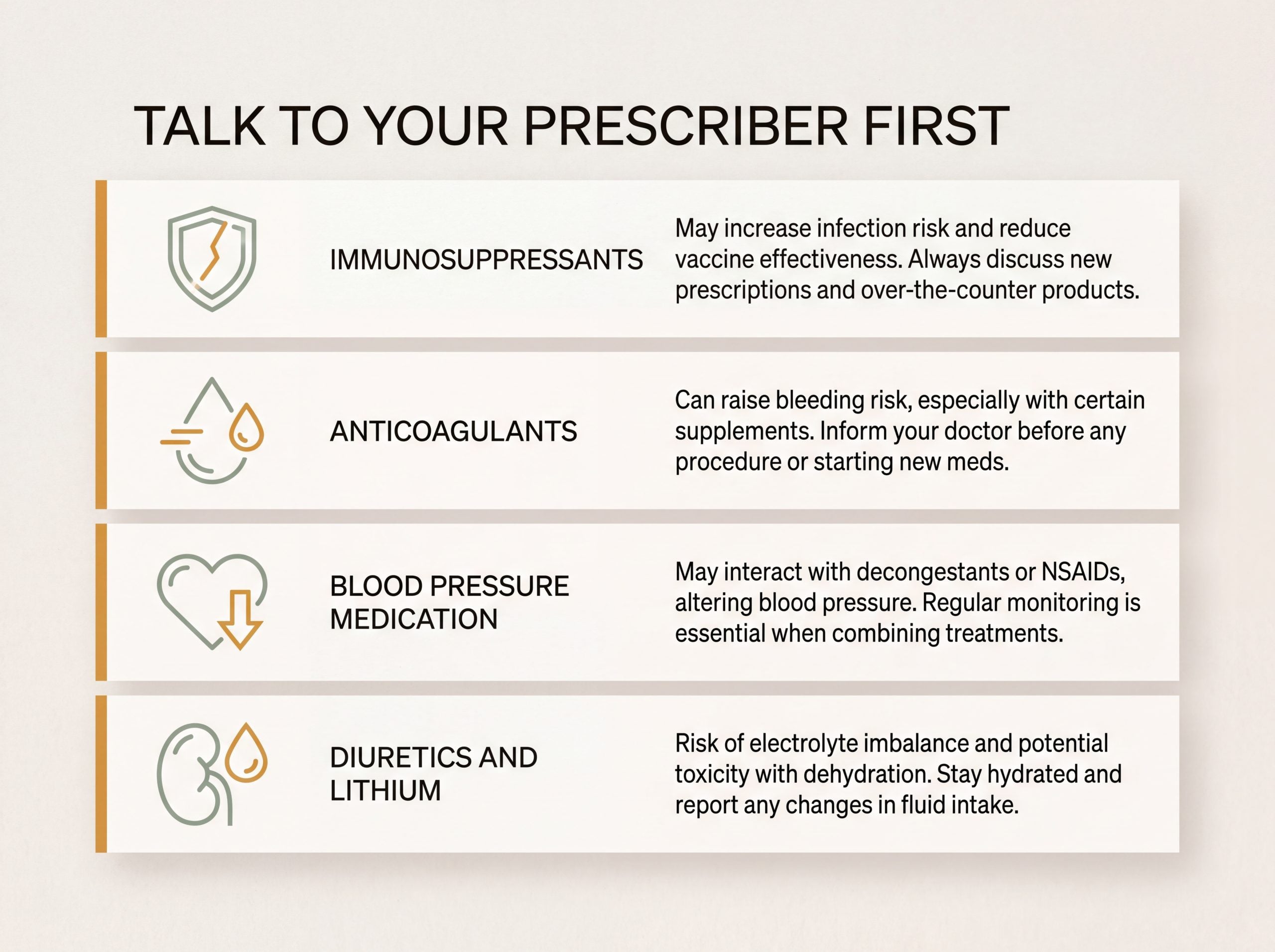
Astragalus has documented interaction potential with four medication classes: immunosuppressants, anticoagulants and antiplatelet drugs, antihypertensives, and diuretics including lithium. If you take a medication in any of these categories, treat astragalus as a conversation to have with your prescriber before you start rather than after.
| Medication class | Examples | Interaction direction | Practical guidance |
|---|---|---|---|
| Immunosuppressants | Cyclophosphamide, corticosteroids, transplant anti-rejection drugs | Astragalus stimulates immune activity and may counteract the drug’s intended effect | Avoid unless your prescribing clinician directs otherwise |
| Anticoagulants and antiplatelets | Warfarin and similar blood-thinning medication | May increase bruising and bleeding risk | Discuss before use. Stop well ahead of any scheduled surgery. |
| Antihypertensives | Blood pressure medication | Astragalus may lower blood pressure further, risking an excessive drop | Monitor blood pressure closely if combined under guidance |
| Diuretics and lithium | Water pills, lithium | Astragalus has mild diuretic activity and may slow lithium clearance, raising blood levels | Avoid with lithium without prescriber supervision and level monitoring |
| Interaction classes per the Memorial Sloan Kettering Cancer Center About Herbs monograph and the NCCIH herb-drug interactions digest. This table is not exhaustive. Bring your full medication list to your clinician. | |||
Is astragalus safe for the kidneys?
This question comes up because astragalus is studied as kidney support, which understandably prompts people to ask whether it can also cause harm.
For people with healthy kidney function, astragalus root has not been associated with kidney damage in the available literature. The picture differs if you already have kidney disease. The nephropathy research described earlier involved astragalus used adjunctively under nephrologist supervision, with monitoring of creatinine and protein levels. Reduced kidney function also changes how the body clears compounds, which is exactly the scenario where the lithium and diuretic interactions become more consequential. Anyone with chronic kidney disease should treat astragalus as a supervised decision.
Is it safe to take astragalus every day?
Traditional practice treats Huang Qi as a tonic taken over sustained periods rather than acutely, and NCCIH notes oral use appears reasonably well tolerated in the short term. Long-term daily safety data remain limited, which is the honest state of the evidence. Many practitioners work in cycles, with periods on followed by periods off, though this reflects traditional practice rather than trial data.
How does astragalus compare with other adaptogens?
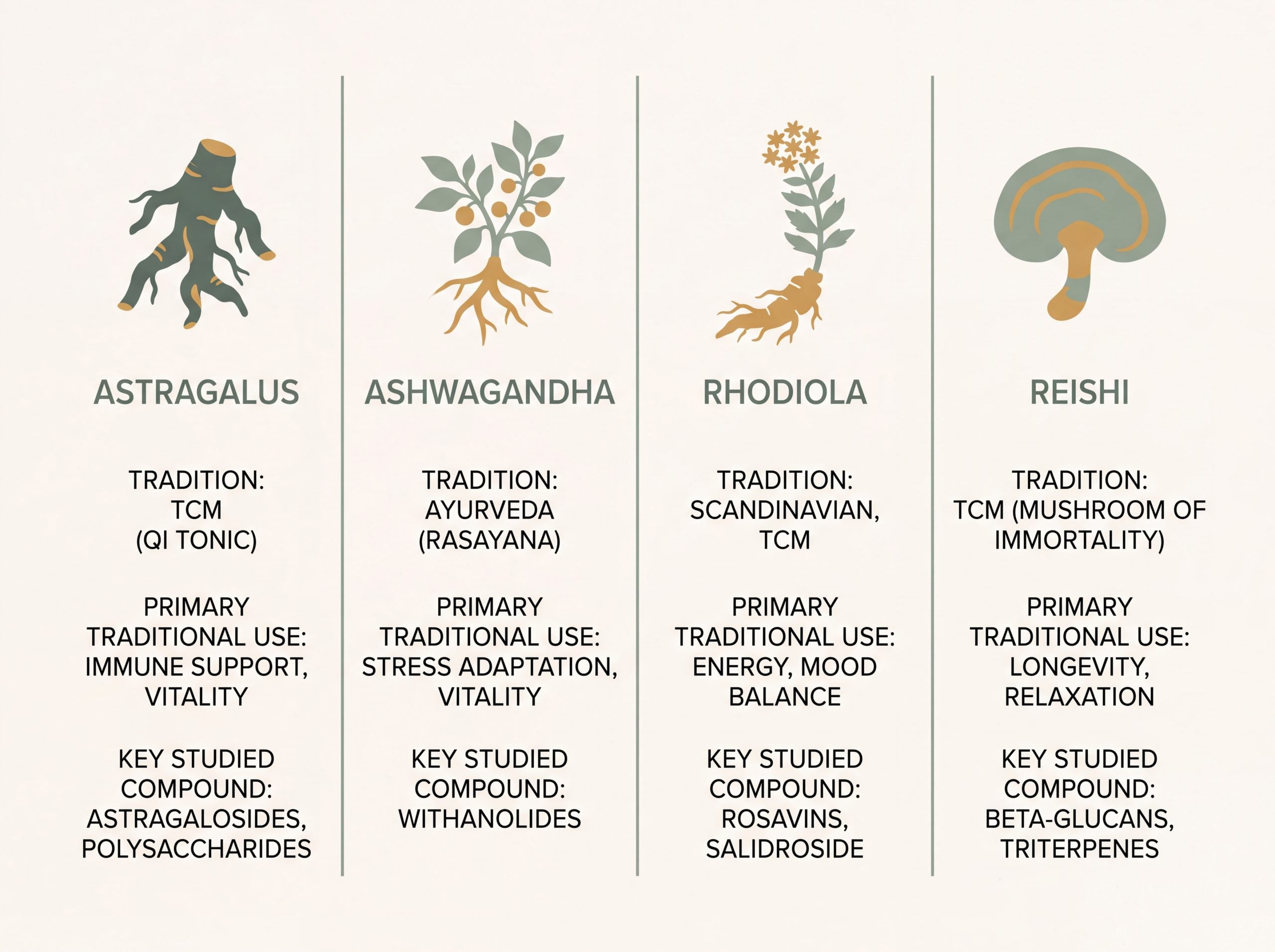
Astragalus is frequently grouped with ashwagandha, rhodiola, and reishi, and the four are used differently.
| Herb | Tradition | Primary traditional use | Key studied compounds |
|---|---|---|---|
| Astragalus (Huang Qi) | Traditional Chinese Medicine | Qi tonic for defensive capacity and vitality | Astragaloside IV, polysaccharides, flavonoids |
| Ashwagandha | Ayurveda | Rasayana for stress response and sleep | Withanolides |
| Rhodiola | Scandinavian and Russian herbalism | Endurance and mental fatigue | Rosavins, salidroside |
| Reishi | Traditional Chinese Medicine | Shen tonic, calm and immune support | Beta-glucans, triterpenes |
The most common question we get is astragalus versus ashwagandha. They are not close substitutes. Ashwagandha is an Ayurvedic herb studied primarily for stress response and cortisol. Astragalus is a TCM herb studied primarily for immune markers. Choosing between them on the basis of which is stronger misreads what each one is for. Our comparison of the strongest adaptogens works through the trade-offs in more depth.
Astragalus for women
Astragalus is not a hormonally active herb in the way that several other traditional botanicals are, and the research base does not support claims specific to female hormonal health. In TCM, it is used the same way across sexes, as a qi tonic.
The relevant considerations for women are the general ones. Astragalus should be avoided during pregnancy and breastfeeding due to absent safety data. Anyone with an autoimmune condition, which includes several that occur more frequently in women such as lupus, rheumatoid arthritis, and Hashimoto’s thyroiditis, falls into the caution group described above.
Quality and sourcing considerations
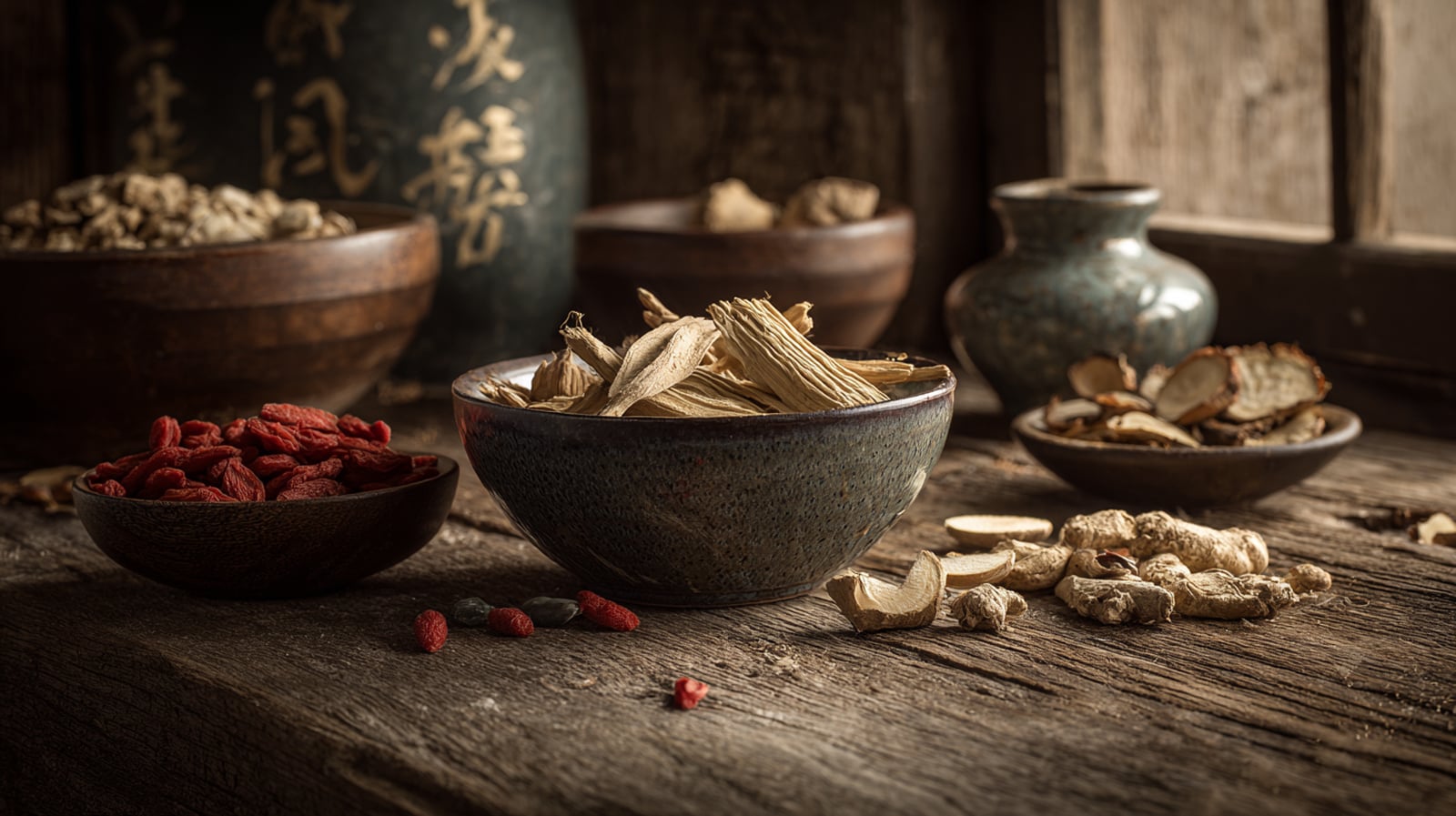
Astragalus quality varies more than most buyers expect, and a few markers separate good root from filler.
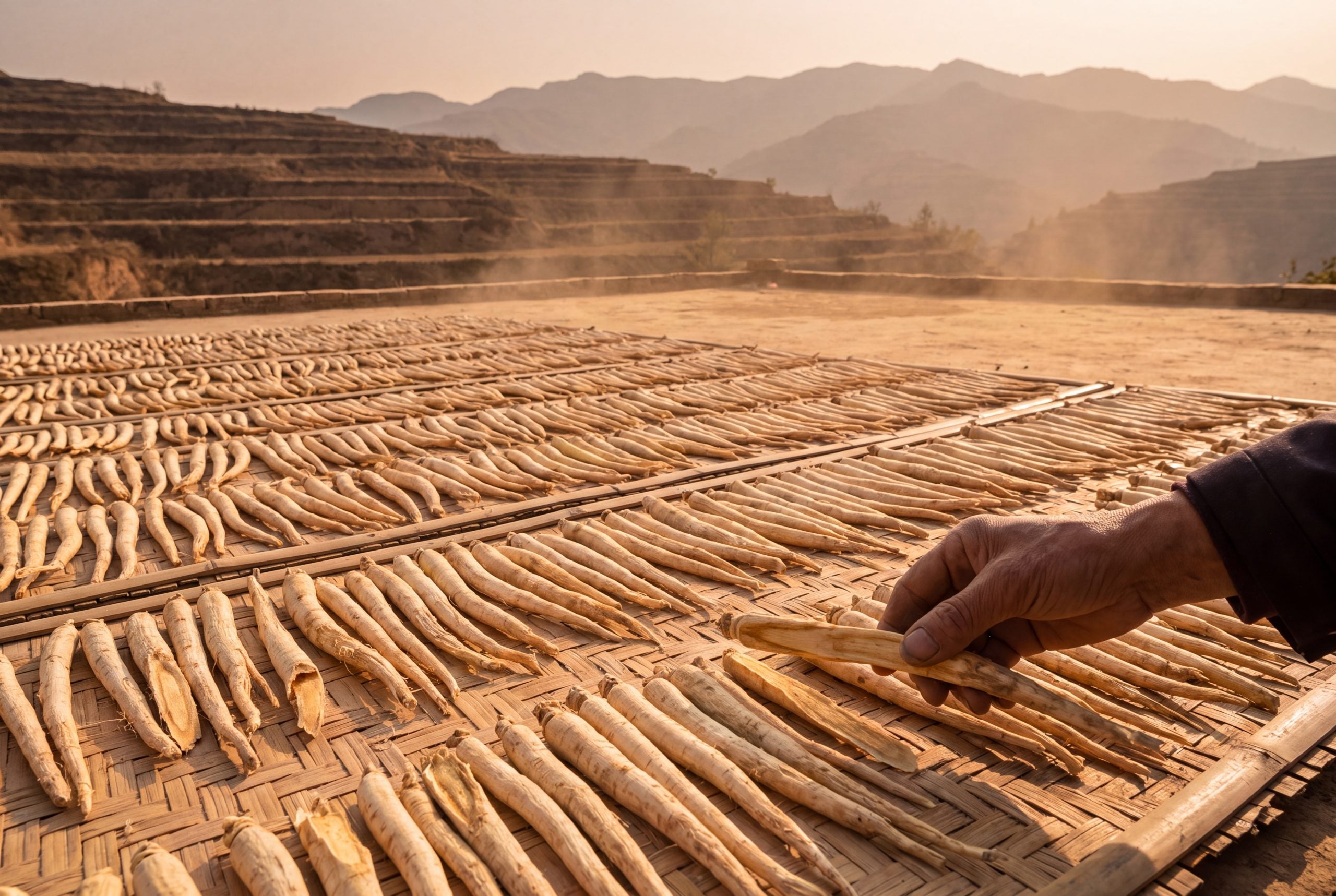
Provenance is the first. The most prized Huang Qi comes from northern Shanxi Province, particularly the Hunyuan area near the Hengshan range at roughly 39.7 degrees north, 113.7 degrees east, where the cold continental climate and loess soils produce the dense, sweet root that traditional grading favors. In our sourcing work, we have found that growers in this region will readily discuss harvest age, while brokers selling undifferentiated root often cannot.
Harvest age is the second. Four-year root is the traditional standard. Younger root is cheaper, lighter in compound density, and visually distinguishable by a paler interior and softer fiber.
Third is species verification. Given that some non-medicinal Astragalus species are toxic, a supplier should be able to confirm the botanical identity of what they sell. Fourth is manufacturing standard, meaning production in a facility operating under current good manufacturing practice, with third-party testing for heavy metals and microbial contamination.
From our hands-on assessment, the sensory signal is reliable. Good astragalus root smells faintly sweet and legume-like, tastes mildly sweet rather than bitter, and shows a distinctly yellow, fibrous interior. Root that reads as woody, flat, or dusty is usually young, old, or poorly stored. Our astragalus root powder is sourced from Hunyuan, Shanxi, and graded against these markers.
Frequently asked questions about astragalus root
What is the difference between astragalus and ashwagandha?
They come from different plants and different traditions. Astragalus, or Huang Qi, is the root of Astragalus membranaceus and a foundational herb of Traditional Chinese Medicine, used primarily as a qi tonic and studied mainly for immune markers. Ashwagandha is the root of Withania somnifera, an Ayurvedic rasayana studied mainly for stress response and cortisol. They are complementary rather than interchangeable.
What does astragalus root do for your body?
Astragalus is used traditionally as an adaptogen to support the body’s response to stress and to support normal immune function. Research has examined it in relation to immune-cell markers, cardiovascular measures, glucose metabolism, kidney filtration markers, and fatigue. The strength of evidence varies considerably by area, with the kidney and immune literature the most developed.
What should you not mix astragalus with?
Four medication classes carry documented interaction potential: immunosuppressants, anticoagulants and antiplatelet drugs, blood pressure medication, and diuretics including lithium. Astragalus may counteract immunosuppressants, increase bleeding risk with blood thinners, compound the effect of antihypertensives, and slow lithium clearance. Speak with your prescriber before combining.
Is astragalus safe for kidneys?
In people with healthy kidney function, astragalus root has not been associated with kidney damage in the available literature. It has been studied as an adjunct in kidney disease, though under clinical supervision with monitoring. Anyone with chronic kidney disease should use it only with a nephrologist’s input, partly because reduced clearance amplifies the lithium and diuretic interactions.
Is it safe to take astragalus every day?
NCCIH indicates oral astragalus appears reasonably well tolerated in the short term, though long-term daily safety is not well established. Traditional practice treats Huang Qi as a sustained tonic, and many practitioners cycle periods on and off. People with autoimmune conditions, transplant recipients, and those who are pregnant or breastfeeding should not take it daily or otherwise without clinical guidance.
What is the best time of day to take astragalus?
No trial has compared timing, so there is no evidence-based answer. Traditional practice favors morning or midday, since qi tonics are conventionally taken during the body’s active phase. Astragalus is not sedating, so evening use is unlikely to disturb sleep. Consistency over weeks matters more than the specific hour.
Does astragalus actually slow aging?
The evidence does not support that claim. Cycloastragenol derivatives including TA-65 have produced measurable telomere elongation in trials, but a 2025 meta-analysis of eight randomized controlled trials covering 750 participants found that this did not translate into improvements in frailty measures or inflammatory markers. The biomarker moved without a corresponding functional benefit.
How long does astragalus take to work?
Astragalus is used as a tonic rather than an acute intervention, and traditional practice assumes weeks of consistent use rather than immediate effects. Clinical studies have typically run for several weeks to several months. Anyone expecting a same-day change is working from the wrong model of how this herb is traditionally used.
Related reading
Continue exploring this topic with our related articles on the best herbs for the immune system, how astragalus relates to asthma specifically, natural allergy remedies for hay fever and allergic rhinitis, and our comparison of the strongest adaptogens.
Disclaimer
These statements have not been evaluated by the Food and Drug Administration. This product is not intended to diagnose, treat, cure, or prevent any disease. Consult your healthcare provider before use, particularly if you are pregnant, breastfeeding, managing a medical condition, or taking prescription medication.