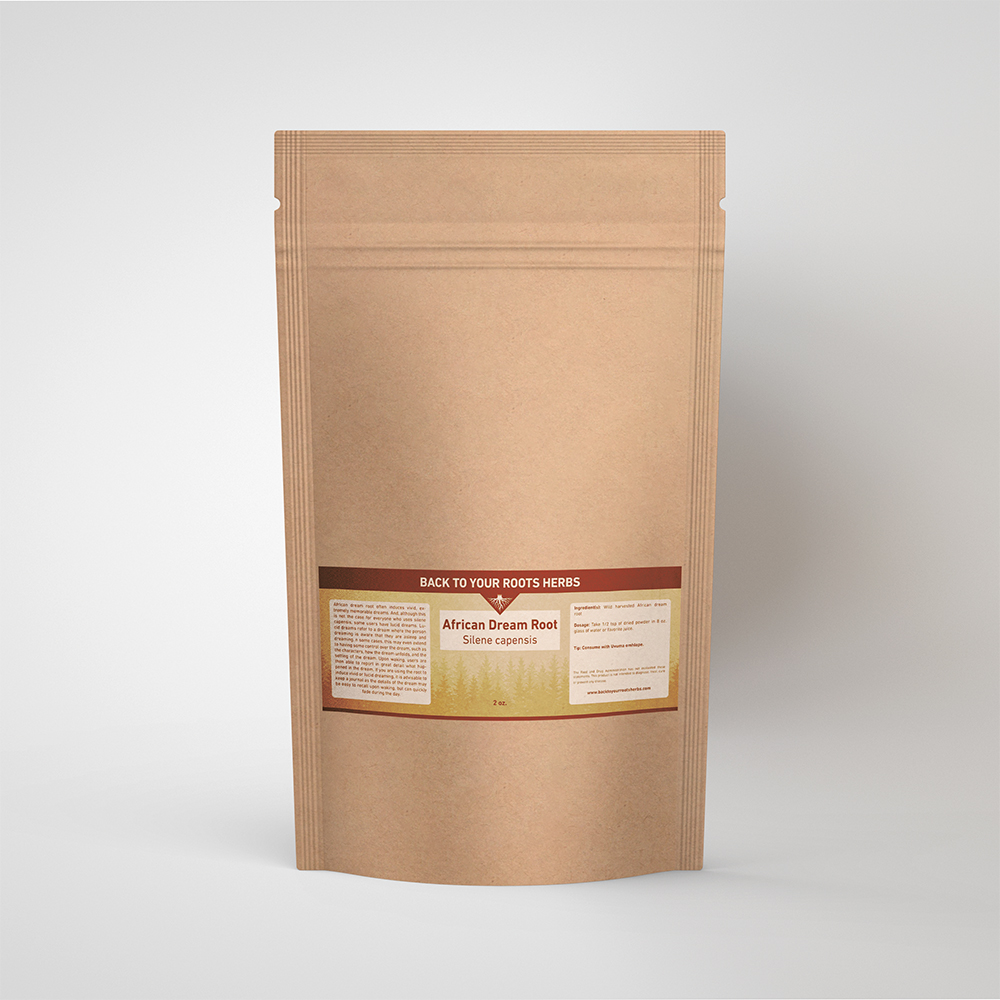

Key Takeaways
- Primary Use: Traditionally used to enhance dream recall and promote vivid dreaming experiences.
- Active Compounds: Contains triterpenoid saponins, believed to be responsible for its effects.
- Traditional Method: Involves agitating the powder in water to create a foam, which is then ingested.
- Origin: Sourced directly from its native environment in the Eastern Cape of South Africa.
The Sacred Herb of the Xhosa Shamans
Silene capensis, also known as Xhosa dream root, is a perennial herb with fragrant white flowers that open at night. But its true significance lies underground. The root of the plant is a venerated element in the spiritual practices of the Xhosa, where it is known as ubulawu. Diviners and healers have traditionally used it as a way to connect with ancestral spirits, seeking guidance and clarity through dreams. The name Undlela Zimhlophe, meaning “white paths,” alludes to the clear and insightful dream journeys it is said to facilitate. The active compounds in the dream root, known as triterpenoid saponins, are what give the plant its characteristic ability to foam in water and are thought to be the source of its oneirogenic (dream-inducing) properties.
While the Xhosa are the most widely documented custodians of this dream root, its use belongs to a broader Southern African divination tradition. Related ubulawu root and plant preparations are also used by Zulu and other Nguni diviners, known as izangoma and amagqirha, during their initiation training. In a study of these practices, ethnobotanical researchers describe ubulawu as a mnemonic and spiritual aid that familiarizes initiates with heightened states of awareness and with dreams of the ancestral teachers, a tradition shared across several regional cultures rather than the Xhosa alone (Sobiecki, 2012). This wider context is why the herb is sometimes simply called the African dream root.
Experience a New Dimension of Dreaming
Users of Silene capensis often report a noticeable shift in their sleep experiences. While effects can be subtle and may develop over several days of consistent use, the most commonly noted benefits are related to the dream state.
- Vivid & Memorable Dreams: Dreams may become more colorful, detailed, and easier to remember upon waking.
- Lucid Dreaming Potential: For individuals who practice lucid dreaming, this herb may support the ability to become aware and conscious within the dream.
- Spiritual Insight: In line with its traditional use, some find that it aids in introspection and gaining personal clarity during sleep.
- Improved Sleep Quality: Many people report feeling more refreshed and rested after a night of use, even with a typical amount of sleep.
Your Path to a Traditional Preparation
Proper preparation is key to using this botanical powder. The traditional method is designed to activate the saponins within the root. Always begin with a small amount to assess your individual sensitivity.
The Traditional Froth Method
| Step | Action | Details |
|---|---|---|
| 1 | Measure | Start with a small quantity, approximately 250-500 mg (about a 1/4 teaspoon) of the powder. |
| 2 | Mix | Add the African dream root powder to a half cup of cold water in a jar with a secure lid. |
| 3 | Agitate | Shake the sealed jar vigorously until a thick, white foam forms on the surface of the water. |
| 4 | Consume | Using a spoon, ingest only the foam. Do not drink the liquid. You can shake the jar again to create more foam and repeat until you feel full. |
It is traditionally taken in the morning on an empty stomach. The effects are believed to build over several consecutive days.
Responsible & Respectful Use
To ensure a positive experience, please consider the following guidelines. The study of the African dream herb and its effects is ongoing, and much of the knowledge is based on centuries of traditional use.
- Dosage: Always start with the lowest effective amount (250-500 mg). Do not exceed the recommended starting dose until you understand how it affects you.
- Potential Side Effects: Consuming high amounts of saponin-rich plants can cause gastrointestinal irritation or nausea in some individuals. Overly large doses have been anecdotally reported to cause confusing or unsettling dreams.
- Who Should Avoid: Due to a lack of modern scientific research, this product should not be used by pregnant or breastfeeding women, or by children.
- Consultation: If you have a pre-existing health condition or are taking any medications, it is advisable to speak with a healthcare professional before use.
Can You Grow African Dream Root? Cultivating Silene capensis
Gardeners often ask whether the dream root can be grown outside its native range. Silene capensis is a perennial in the Caryophyllaceae family, native to the grasslands of the Eastern Cape of South Africa, and botanical records at the Royal Botanic Gardens, Kew treat it as a synonym of Silene undulata (Plants of the World Online). With the right conditions, it can be cultivated in the United States and other temperate regions.
- Climate: It favors warm-temperate conditions, roughly USDA hardiness zones 8 to 10. In colder zones, grow it in containers that move indoors before the first frost.
- Soil: Plant in light, well-drained, sandy or loamy soil. The root dislikes waterlogging, so sharp drainage matters more than rich feeding.
- Light and Water: Give it full sun to light shade with moderate water. Allow the top of the soil to dry between waterings.
- From Seed: Sow seed in spring in a free-draining mix, barely covered, kept warm and lightly moist. Germination can be slow and uneven, so patience helps.
- Growing Indoors: It adapts to a deep pot on a bright, sunny windowsill. Its fragrant white flowers open at night, which makes an indoor container pleasant to keep.
Home-grown roots vary in maturity and strength. For this reason, traditional users typically rely on mature, properly dried root for the froth preparation described above.
Silene capensis vs. Synaptolepis kirkii: Which Is the “African Dream Root”?
The common name “African dream root” is shared by two different plants, which causes frequent confusion. This product is Silene capensis, in the Caryophyllaceae family, the Xhosa undlela zimhlophe. The other plant is Synaptolepis kirkii, in the Thymelaeaceae family, known as uvuma-omhlope and used as a dream root in Zulu tradition. They come from separate botanical families and have different roots, compounds, and preparation methods, even though both are grouped within the wider ubulawu category of Southern African dream and divination plants (Plants of the World Online).
If you are specifically looking for the second plant, see our Synaptolepis kirkii Powder (Uvuma-omhlope). For the classic Xhosa froth-method dream root, this Silene capensis powder is the one you want.
Your Questions, Answered
- How long does it take for the dream root to work?
- The effects of Silene capensis are often not immediate. It may take three to five days of consistent, daily use for a noticeable change in dream vividness or recall to occur.
- Will it cause hallucinations?
- No. Silene capensis is classified as a oneirogen, which means it primarily influences the dream state during sleep. It is not considered a hallucinogen, and its effects are not typically felt while awake.
- What does African dream root taste like?
- The powder has a distinct, earthy taste. When prepared as a tea or using the traditional froth method, the flavor is generally mild.
- Is it safe to consume the powder directly?
- While some users may choose to ingest the powder in capsules, the traditional froth method is the most well-documented and respected way to prepare the root. This method is believed to properly activate the plant’s unique compounds.
- Is Synaptolepis kirkii the same as African dream root?
- Not exactly. “African dream root” is a common name used for two different plants. This product is Silene capensis (also called undlela zimhlophe), in the Caryophyllaceae family. Synaptolepis kirkii (uvuma-omhlope) is a separate plant in the Thymelaeaceae family that shares the same nickname. Both belong to the broader ubulawu tradition, but they are botanically distinct.
References & Editorial Review
- Sobiecki, J.F. (2012). Psychoactive ubulawu spiritual medicines and healing dynamics in the initiation process of Southern Bantu diviners. Journal of Psychoactive Drugs, 44(3), 216-223. PubMed 23061321.
- Royal Botanic Gardens, Kew. Silene capensis Otth. Plants of the World Online. powo.science.kew.org.
- Royal Botanic Gardens, Kew. Synaptolepis kirkii Oliv. (Thymelaeaceae). Plants of the World Online. powo.science.kew.org.
Reviewed by the Back To Your Roots Herbs Editorial Team. Last Reviewed: June 2026.
Legal Information: The Food and Drug Administration has not evaluated these statements. This product is not intended to diagnose, treat, cure, or prevent any disease.



Reviews
There are no reviews yet.