Some herbs may help with weight management by affecting metabolism, hunger, and fat absorption. For instance, fenugreek can help control appetite, while green tea extract may increase fat burning. Others like ginger and cayenne pepper are thought to have thermogenic properties, which means they can increase the body’s heat production and calorie expenditure. It is a good practice to speak with a healthcare professional before adding any herbal supplements to your routine, as they can have side effects and interact with medications.
Key Takeaways
Herbs are not a replacement for a healthy diet and regular exercise but can offer additional support in a weight management plan.
The primary ways certain herbs for weight loss may work is by influencing metabolism, managing appetite, and stabilizing blood sugar levels.
Safety is paramount. Always consult with a healthcare provider before starting any new herbal supplement to ensure it is appropriate for you and to discuss proper dosage.
How Natural Herbs Can Support Weight Loss
Herbal remedies and spices can play a supportive role in a weight management plan by influencing the body’s natural processes. They do not offer a standalone solution but can complement the effects of a balanced diet and consistent physical activity. Understanding their mechanisms is key to using them effectively.
Influencing Metabolism and Heat Production
Certain herbs contain compounds that can gently increase the body’s metabolic rate. This process, known as thermogenesis, encourages the body to burn more calories to produce heat. An herb that can help this process is cayenne pepper, which contains capsaicin, a compound linked to these effects.
Managing Appetite and Cravings
Other herbs work by helping to regulate appetite. They often contain high amounts of soluble fiber, which forms a gel-like substance in the stomach. This promotes a feeling of fullness, or satiety, which can help reduce overall calorie intake. Fenugreek is a good example of an herb that works in this manner.
Stabilizing Blood Sugar Levels
Sharp spikes and crashes in blood sugar can lead to intense cravings, particularly for sugary and high-carbohydrate foods. Some herbs and spices, like cinnamon, have been studied for their ability to help improve insulin sensitivity and maintain more stable blood sugar levels, which can help you manage cravings.
11 Herbs That Can Aid a Healthy Lifestyle
Here is a review of several herbs and spices that have been researched for their potential role in weight management. The brand Back To Your Roots Herbs encourages a holistic approach to wellness.
| Herb/Spice | Primary Mechanism | Common Forms |
|---|---|---|
| Fenugreek | Appetite Suppression | Seeds, Powder, Supplement |
| Cayenne Pepper | Metabolism Support | Powder, Supplement |
| Ginger | Thermogenesis, Digestion | Fresh Root, Powder, Tea |
| Turmeric | Anti-inflammatory | Fresh Root, Powder, Supplement |
| Cinnamon | Blood Sugar Regulation | Powder, Sticks, Supplement |
| Green Coffee Bean | Fat Metabolism | Supplement Extract |
| Oregano | Fat Synthesis Inhibition | Fresh, Dried, Oil |
| Ginseng | Energy, Fat Absorption | Root, Supplement |
| Cumin | Metabolism Support | Seeds, Powder |
| Gymnema Sylvestre | Sugar Craving Reduction | Supplement, Tea |
| Caralluma Fimbriata | Appetite Suppression | Supplement |
Fenugreek
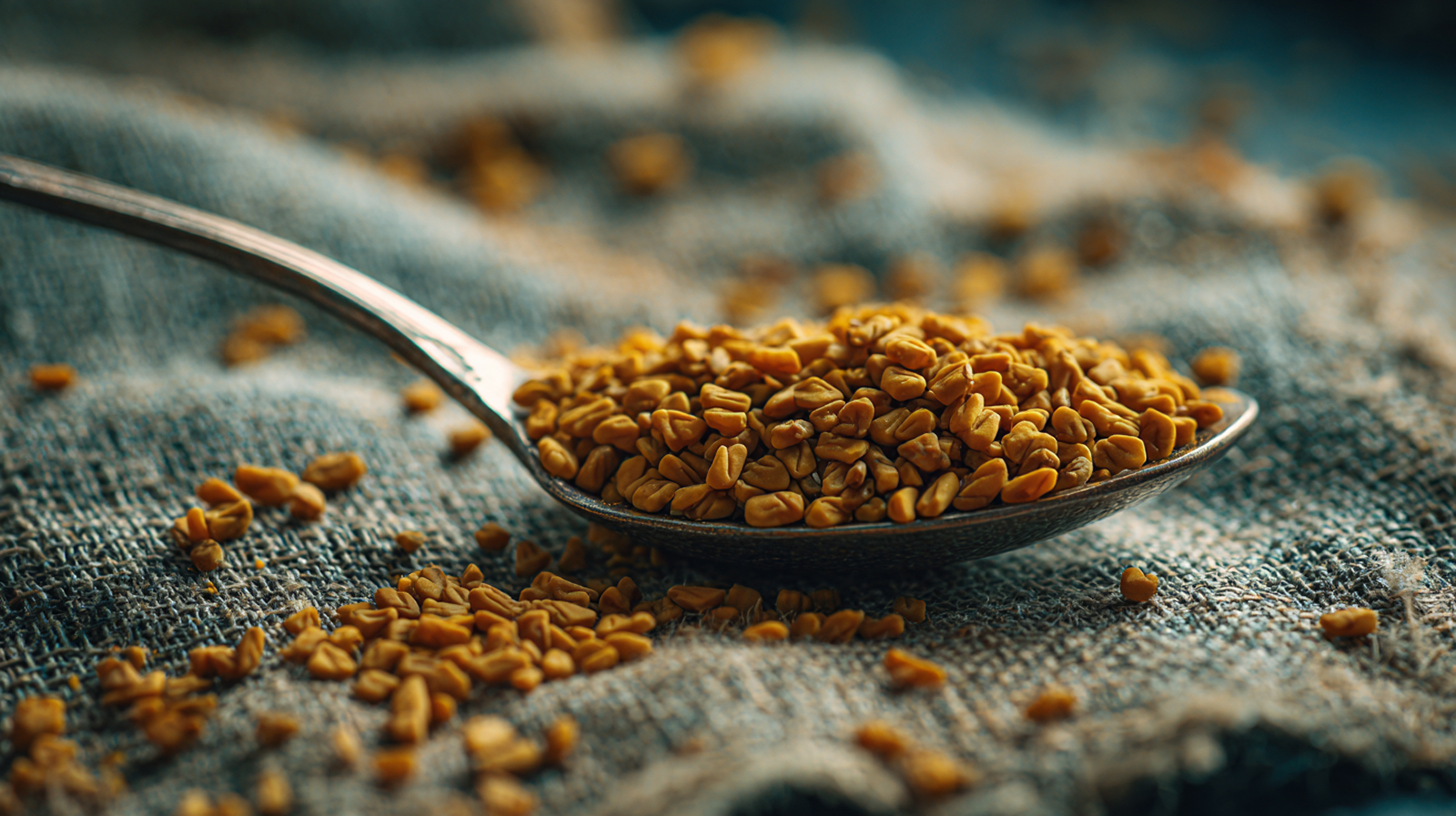
This common household spice is rich in soluble fiber. This fiber can help delay stomach emptying and increase feelings of fullness, which may aid in appetite control and lead to reduced calorie consumption.
Cayenne Pepper
The active ingredient in cayenne pepper is capsaicin. Research suggests capsaicin can provide a modest lift to metabolism and encourage the body to burn more fat for energy. It is one of the more popular spices for weight loss.
Ginger
This pungent root is well-known for its digestive benefits. Some studies indicate that it also has thermogenic properties, helping the body burn more calories. It may also play a role in reducing appetite.
Turmeric
Curcumin is the active compound in turmeric, known for its anti-inflammatory properties. Chronic inflammation is linked to weight gain and obesity, and by addressing inflammation, curcumin may help support a healthier body weight.

Cinnamon
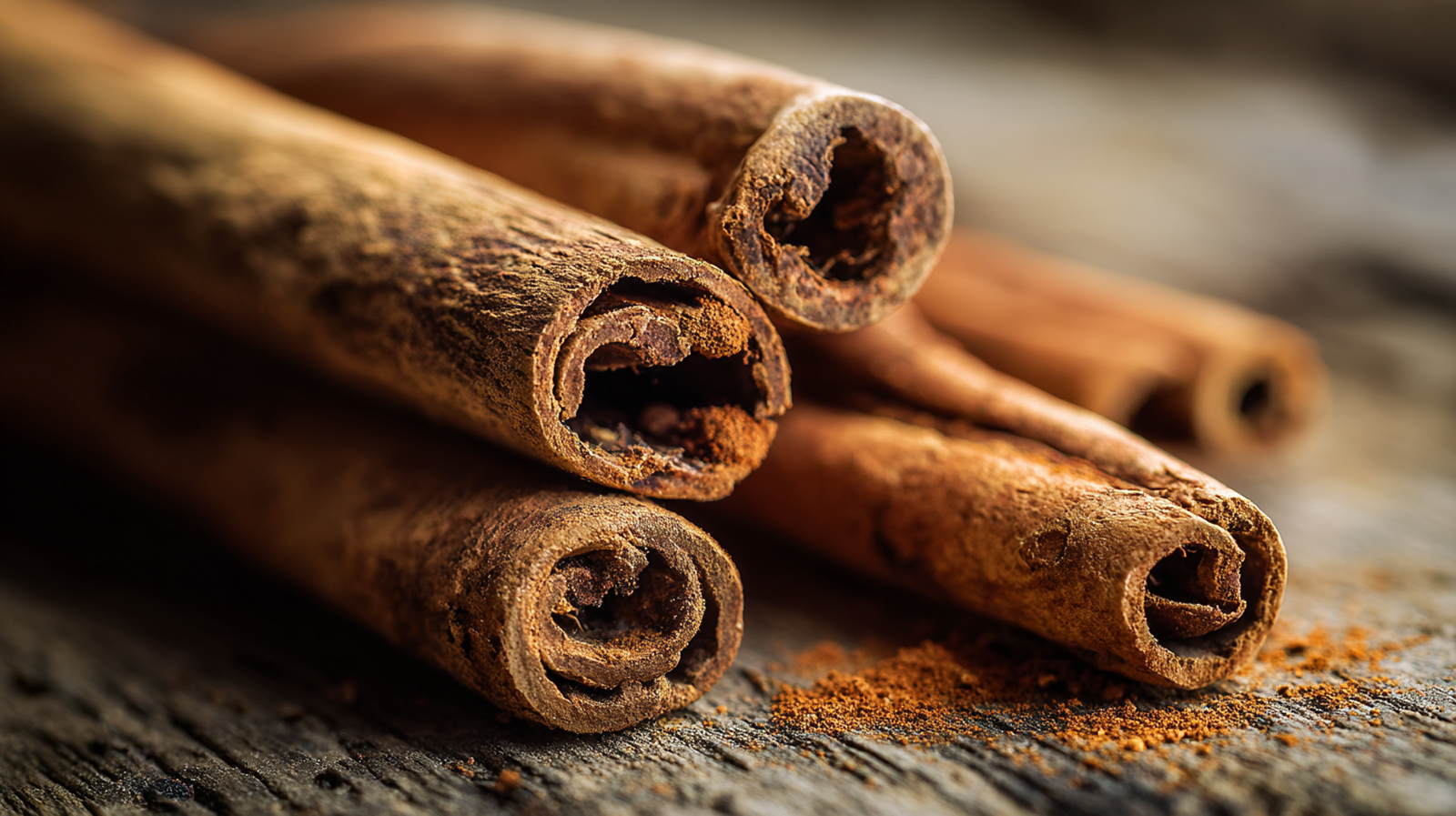
This popular spice is often linked to better blood sugar control. By improving how cells respond to insulin, cinnamon can help prevent the dramatic blood sugar fluctuations that trigger cravings and fat storage.
Green Coffee Bean Extract
Extracted from unroasted coffee beans, this supplement contains chlorogenic acid. This compound is thought to help reduce the absorption of carbohydrates from the digestive tract and support fat metabolism.
Oregano
A compound in oregano called carvacrol has been studied in animal models for its potential to interfere with the process of fat synthesis in the body. More research is needed in humans, but the initial findings are promising.
Ginseng
Often used in traditional medicine to fight fatigue and increase energy levels, ginseng may also influence weight. Some studies suggest it can slightly delay the absorption of fat from the gut.
Cumin
Cumin is another spice that may support a faster metabolism. Early research indicates it can help the body burn calories more efficiently and may also have a positive effect on cholesterol levels.
Gymnema Sylvestre
Known in Ayurvedic medicine as the “sugar destroyer,” this herb’s leaves contain compounds that can reduce the ability to taste sweetness. This can help lower cravings for sugary foods.
Caralluma Fimbriata
This edible cactus has been traditionally used to suppress hunger during long hunts. It is thought to work on the appetite control center in the brain, though its effects are generally considered mild.
Safe and Responsible Use of Herbal Supplements
While many herbs are safe for general use in cooking, concentrated herbal supplements require a more careful approach.
Consultation Is Essential
Before adding any supplement to your routine, it is vital to speak with a healthcare provider or a qualified herbalist. They can help you determine if an herb is right for you and advise on potential interactions with any medications you are taking.
Herbs to Approach with Caution
Some herbal products marketed for weight loss can be dangerous. For example, ephedra (ma huang) was banned by the FDA in 2004 due to serious health risks, including heart problems and high blood pressure. Always choose reputable sources and avoid products that make extreme claims.
Quality and Dosage Matter
The effectiveness and safety of an herbal supplement depend on its quality and purity. Look for products that have been tested by a third party. Follow dosage instructions on the label or as directed by your healthcare provider.
Frequently Asked Questions
- What is the best way to use these herbs?
- Many of these herbs and spices, like ginger, cinnamon, turmeric, and cumin, can be easily incorporated into your daily cooking. For others, such as green coffee bean extract or Caralluma Fimbriata, they are most commonly available as supplements in capsule or powder form.
- How quickly can you see results with weight loss herbs?
- Herbs are not a quick fix. Any effects they have are typically modest and occur over time when combined with sustained lifestyle changes, including a healthy diet and regular exercise. There is no set timeline, as results vary by individual.
- Can I take multiple herbal supplements for weight loss at once?
- Combining supplements can increase the risk of side effects or unforeseen interactions. It is not recommended to take multiple weight loss supplements at the same time without guidance from a healthcare professional.