Key Takeaways
- A 2009 systematic review in The American Journal of Gastroenterology found no methodologically rigorous controlled trials supporting colon cleansing for health promotion, alongside multiple case reports of harm (Acosta and Cash, 2009, PMID: 19724266).
- Your colon does not store years of impacted waste, and the “autointoxication” theory behind most cleanse marketing was discarded by medicine over a century ago.
- Bowel cleansing cuts total gut microbial load roughly 31-fold. Most people recover baseline composition within about 14 days, though not everyone returns to their original microbial signature (Jalanka et al., 2015, Gut, PMID: 25527456).
- Medically supervised bowel preparation before a colonoscopy is legitimate and evidence-based. Elective wellness cleansing is a different practice with a different risk profile.
- For ordinary constipation, dried plums outperformed psyllium in a head-to-head randomized trial at matched fiber doses (Attaluri et al., 2011, PMID: 21323688).
What is Bowel Cleansing?
Bowel cleansing, often referred to as colon cleansing or colonic detoxification, generally refers to any method used intentionally to flush out or evacuate the contents of the large intestine (colon). This goes beyond the body’s natural process of eliminating feces. The practice is often rooted in the historical concept of “autointoxication”, an idea suggesting that undigested food and accumulated waste in the colon could putrefy, releasing toxins that poison the body. While this theory has been largely discredited by modern medicine, it still influences the marketing and rationale behind many cleansing methods today. It’s important to distinguish these elective practices from medically supervised bowel preparations required before procedures like a colonoscopy.
The Colon’s Role in Your Digestive Health
Before considering methods to alter its function, understanding the colon’s natural role is helpful. The large intestine is the final section of the digestive system. Its primary functions include:
- Absorbing water and electrolytes (like sodium and chloride) from remaining indigestible food matter.
- Forming, storing, and eliminating stool.
- Housing a vast and complex community of gut bacteria (microbiota), which play roles in digesting certain fibers, producing vitamins (like Vitamin K and some B vitamins), and supporting immune function.
Disrupting these functions through aggressive cleansing methods can have negative consequences for overall health.
Common Methods Used for Colon Cleansing
Various approaches are promoted for colon cleansing, ranging from simple dietary changes to invasive procedures. These can generally be categorized as oral, rectal, or professional methods.
Oral Cleansing Approaches
These methods involve ingesting substances intended to flush the colon.
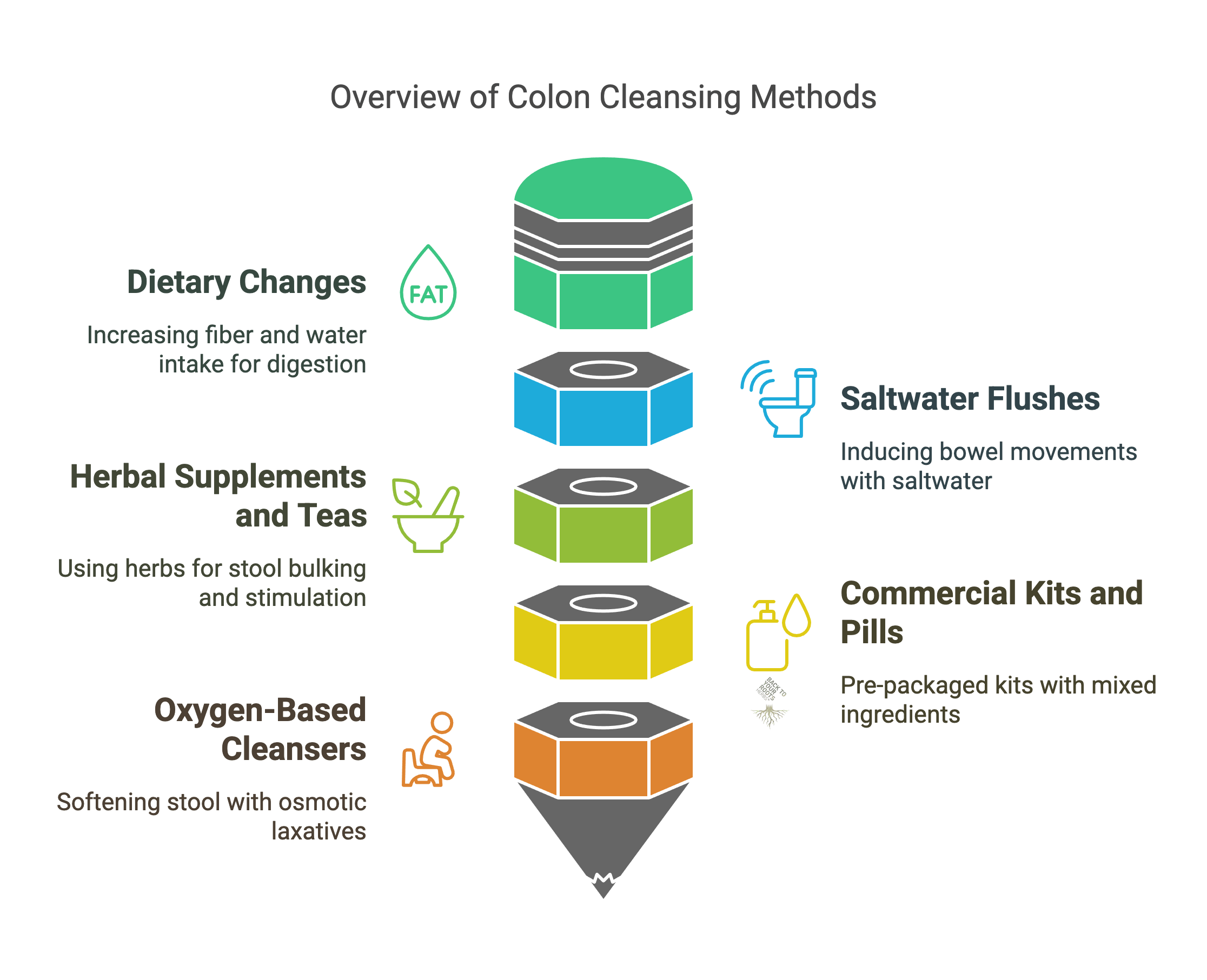
- Dietary Changes: Increasing the intake of high-fiber foods (fruits, vegetables, whole grains) and drinking plenty of water is often suggested. While beneficial for promoting regular bowel movements and overall digestive health, these are generally healthy lifestyle habits rather than a specific, short-term “cleanse.”
- Saltwater Flushes: This involves drinking a solution of salt dissolved in water on an empty stomach. The high salt concentration draws water into the bowel, inducing rapid and forceful bowel movements. This method carries significant risks, including nausea, vomiting, cramping, and potentially dangerous shifts in electrolyte balance, especially for individuals with kidney disease, heart problems, or high blood pressure.
- Herbal Supplements and Teas: Many products marketed for colon cleansing contain herbs. Some use bulking agents like psyllium husk, which absorbs water to add volume to stool and promote evacuation. Others contain stimulant laxatives, such as Senna or Cascara Sagrada. These herbs work by irritating the lining of the bowel, and stimulating contractions. While effective for short-term relief of constipation, frequent or prolonged use of stimulant laxatives can lead to cramping, diarrhea, dehydration, electrolyte imbalances, and potentially laxative dependence, where the bowel becomes reliant on them to function.
- Commercial Kits and Pills: Numerous pre-packaged kits claim to offer a complete colon cleanse. These often contain a mix of fiber, laxative herbs, probiotics, and other ingredients. Evidence supporting the specific formulations or synergistic benefits beyond the effects of fiber and laxatives is typically lacking. These products are often unregulated, meaning their exact contents and purity may be uncertain.
- Oxygen-Based Cleansers: Products containing compounds like magnesium oxide work as osmotic laxatives. They draw water into the intestine, softening stool and increasing bowel movement frequency.
Rectal Cleansing Methods
These involve introducing substances directly into the rectum and lower colon.
- Enemas: An enema involves inserting liquid (often water, saline, or sometimes preparations like coffee or herbal solutions) into the rectum using a specialized kit. This stimulates the lower bowel to evacuate. While sometimes used medically for severe constipation or before certain procedures, self-administered enemas for general cleansing carry risks. These include cramping, bloating, electrolyte disturbances, potential damage or perforation of the rectal tissues, and infection if equipment isn’t sterile. Coffee enemas are particularly controversial and lack proven benefits while carrying additional risks.
Enema vs. Colon Hydrotherapy: A Direct Comparison
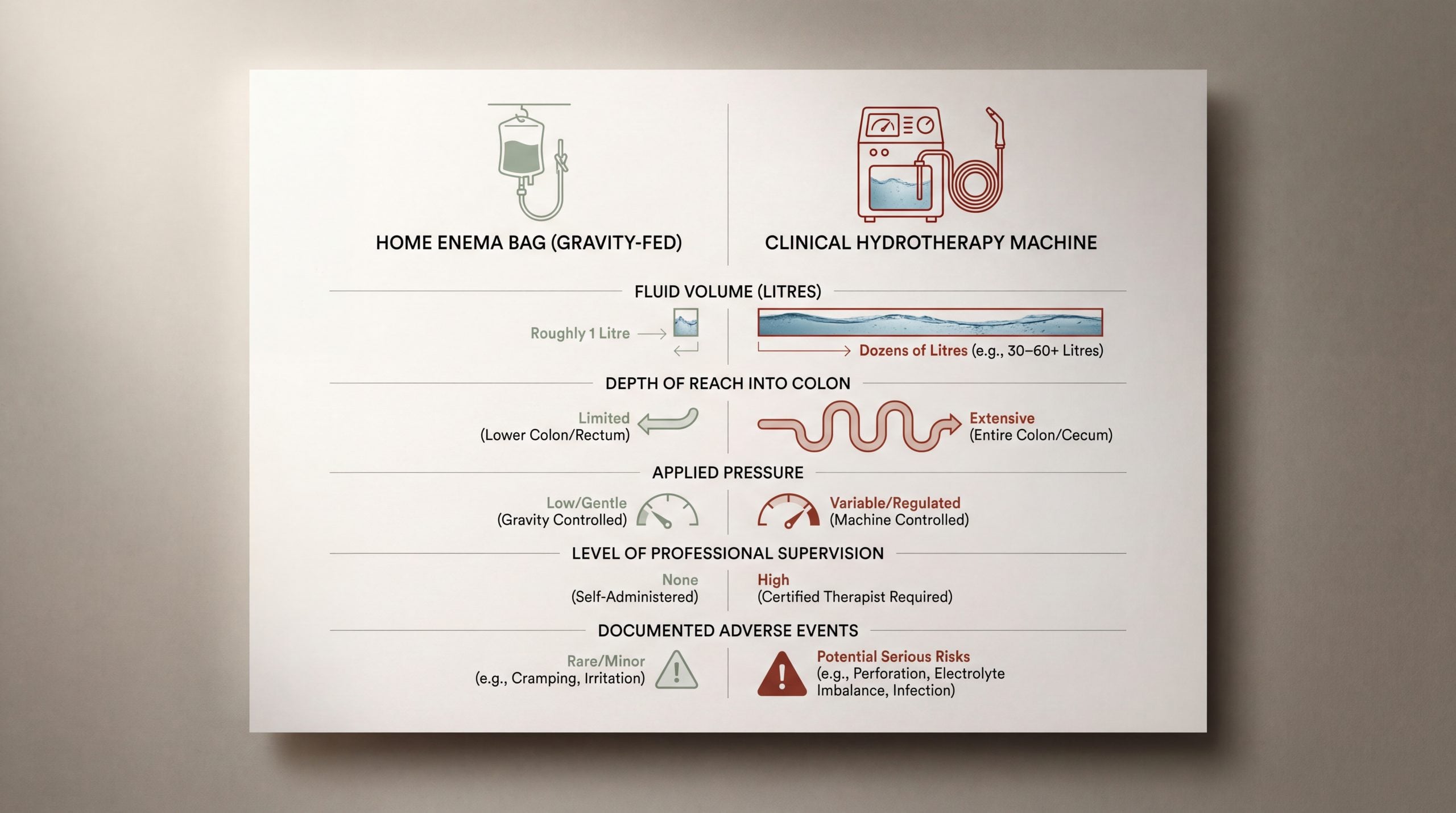
These two practices get talked about interchangeably. They are not the same procedure, and the difference matters for risk. An enema is a small, low-volume, self-administered flush of the rectum and sigmoid colon. Colon hydrotherapy, also called a colonic or colonic irrigation, pushes many litres of water through a rectal tube, high into the colon, usually by a practitioner working outside conventional medical oversight. Our editorial team reviewed the published safety literature on both, and the volume difference is where most of the risk difference comes from.
| Factor | At-home enema | Colon hydrotherapy (colonic) | Medical bowel prep |
|---|---|---|---|
| Fluid volume | Roughly 0.5 to 1.5 litres | Often 15 to 60 litres cycled through | 2 to 4 litres, taken orally |
| Reach | Rectum and sigmoid colon only | Aims at the full length of the colon | Entire digestive tract |
| Pressure applied | Gravity-fed, low | Machine-controlled, higher | None. Osmotic action only |
| Supervision | None. Self-administered | Practitioner, but the field is largely unlicensed in the US | Prescribed and monitored by a physician |
| Documented serious risks | Electrolyte disturbance, rectal irritation, dependence with repeated use. Coffee enemas have caused serious harm | Bowel perforation, electrolyte disturbance, infection from inadequately sterilised equipment | Electrolyte and fluid shifts, higher risk with cardiac, renal, or hepatic impairment |
| Evidence of benefit | None for general wellness. Limited medical use for specific constipation cases | None. No rigorous controlled trials exist | Strong. It is what makes a colonoscopy diagnostically useful |
| Verdict | Not a wellness practice. Occasional medical tool | Highest risk, zero demonstrated benefit | Legitimate and necessary when clinically indicated |
| Sources: Acosta and Cash (2009), Am J Gastroenterol, PMID: 19724266. Clark and Dipalma (2004), Drug Saf, PMID: 15588118. Parra-Blanco et al. (2014), World J Gastroenterol, PMID: 25548470. | |||
The short answer to which one is more effective is that neither is effective for the purpose people buy them for. Colon hydrotherapy carries meaningfully more risk than a home enema for the simple reason that it moves far more water under far more pressure, deeper into an organ that was not built to be pressurised. Cleveland Clinic’s gastroenterologists have written plainly about why they advise against the practice, and about coffee enemas specifically. The one form of bowel cleansing with a real evidence base behind it is the medically supervised preparation before a colonoscopy, which exists to let a doctor see the bowel wall clearly, not to improve your health directly.
Professional Procedures Marketed as Cleanses
These are typically performed by practitioners outside of conventional medical settings.
- Colonic Irrigation (Colonics, Colon Hydrotherapy): A colonic involves inserting a tube into the rectum, through which large amounts of temperature- and pressure-controlled water (sometimes infused with herbs or other substances) are flushed into and out of the colon. Practitioners claim this removes impacted feces, toxins, and parasites. However, there is little credible scientific evidence to support these claims or suggest that colonics provide health benefits for generally healthy individuals. The procedure carries significant risks similar to enemas but potentially amplified due to the larger volume of water and pressure used. Risks include bowel perforation, serious infections (especially if the equipment isn’t properly sterilized, potentially transmitting infections like norovirus), electrolyte imbalances, kidney problems, and potential harm to the natural gut microbiota.
- Important Distinction: It is critical to differentiate elective colonics from medically necessary bowel preparation prescribed by a doctor before procedures like a colonoscopy. Medical bowel prep uses specific, tested solutions under supervision to ensure the colon is clear for visualization, which is essential for detecting abnormalities like polyps or cancer. This is a diagnostic or therapeutic procedure, not a wellness cleanse.
Examining the Purported Benefits of Colon Cleansing
Proponents of colon cleansing often make appealing claims about its effects. Let’s evaluate these based on current scientific understanding:
- Claim: Removes Toxins: This is perhaps the most common claim, linked to the old autointoxication theory. Reality: The human body has highly efficient systems for detoxing, primarily involving the liver and kidneys, which filter blood and neutralize or excrete harmful substances. There is no reliable scientific evidence that the colon accumulates toxins that require flushing, nor that cleansing enhances the function of the liver or kidneys. The concept of “mucoid plaque” (a supposed layer of rubbery waste coating the colon) is not recognized in medical science. A 2015 critical review in the Journal of Human Nutrition and Dietetics put the matter bluntly: no randomized controlled trials have ever been conducted to assess whether commercial detox regimens actually eliminate toxins in humans (Klein and Kiat, 2015, PMID: 25522674). The autointoxication theory that underwrites this claim was abandoned by mainstream medicine in the early twentieth century. Mayo Clinic and MD Anderson Cancer Center both state directly that the liver and kidneys already perform this function and that no cleansing product is required to assist them.
- Claim: Promotes Weight Loss: Reality: Any weight loss experienced during a cleanse is primarily due to the loss of water weight and the physical removal of stool from the colon. It is not sustainable fat loss. Weight is typically regained quickly once normal eating resumes. Severe calorie restriction sometimes associated with cleanses can also contribute temporarily.
- Claim: Improves Energy and Mental Clarity: Reality: Some people report feeling better after a cleanse. This is often attributed to the placebo effect, temporary relief from bloating after emptying the bowel, or positive changes made alongside the cleanse (like reducing processed food intake or increasing water consumption). There’s no direct evidence that the cleansing process itself boosts energy.
- Claim: Enhances Digestion and Reduces Bloating: Reality: While temporarily emptying the colon might provide short-term relief for some, cleansing methods, particularly those involving laxatives or colonics, can often cause cramping, bloating, and disrupt the natural balance of gut bacteria, potentially worsening digestive issues in the long run.
- Claim: Prevents Disease: Reality: There is no credible scientific evidence that elective colon cleansing prevents diseases like cancer. In fact, some practices, like frequent use of certain laxatives or invasive procedures like colonics, carry risks that could negatively impact health.
This is not a matter of opinion. A systematic review published in The American Journal of Gastroenterology searched both the conventional and the complementary and alternative medicine literature and found no methodologically rigorous controlled trials supporting colonic cleansing for general health promotion. What it found instead were multiple case reports and case series documenting adverse effects. The authors concluded that the practice “is not supported in the published literature and cannot be recommended at this time” (Acosta and Cash, 2009, PMID: 19724266). Seventeen years on, that conclusion has not been overturned. For generally healthy individuals, the purported benefits of elective colon cleansing lack scientific support, while the documented harms are real and recorded.
One distinction is worth holding onto, because it is the source of most of the confusion in this area. Medically supervised bowel preparation before a colonoscopy is a legitimate, well-studied procedure with a clear clinical purpose, and the quality of that preparation directly affects whether a doctor can detect a lesion (Parra-Blanco et al., 2014, PMID: 25548470). The existence of medical bowel prep is frequently used to imply that elective wellness cleansing is therefore also validated. It does not follow. They are different procedures, done for different reasons, with different evidence behind them.
Significant Risks and Safety Concerns of Bowel Cleansing
While often marketed as natural or harmless, many colon cleansing methods carry potential risks, ranging from mild side effects to serious medical complications.
- Common Side Effects: These can include cramping, abdominal pain, bloating, nausea, and vomiting. Diarrhea is an expected outcome of many cleansing methods but can become problematic if severe or prolonged.
- Serious Risks:
- Dehydration and Electrolyte Imbalance: Methods that cause significant fluid loss (laxatives, saltwater flushes, enemas, colonics) can lead to dehydration. They can also disrupt the delicate balance of electrolytes (like sodium, potassium, and calcium) in the body, which is crucial for proper heart rhythm, nerve function, and muscle contraction. This is particularly dangerous for people with existing kidney or heart conditions. The risk here is not theoretical, and it is not evenly distributed. A safety review in Drug Safety found that phosphate-based preparations in particular carry documented risk for people with cardiac, renal, or hepatic dysfunction, which is exactly why medical bowel preparation is prescribed and monitored rather than sold over the counter (Clark and Dipalma, 2004, PMID: 15588118).
- Bowel Perforation: Although rare, inserting instruments or applying pressure during enemas or colonics can potentially tear or puncture the bowel wall, which is a medical emergency requiring surgery.
- Infection: Non-sterile equipment used for enemas or colonics can introduce harmful bacteria or viruses into the bowel. Conditions like dysentery or norovirus could potentially be spread this way. Furthermore, disrupting the natural gut flora can make the intestine more susceptible to pathogenic infections.
- Gut Microbiome Disruption: Flushing out the colon can wash away beneficial bacteria along with waste. This disruption (dysbiosis) can negatively impact digestion, immunity, and overall gut health.
- Kidney Problems: Dehydration, electrolyte imbalances, or the use of certain enema solutions (like phosphate enemas) can impair kidney function or worsen existing kidney disease.
- Laxative Dependence: Regular use of stimulant laxatives can cause the bowel muscles to become reliant on them, making it difficult to have a natural bowel movement without their use.
- Interference with Medications: Rapid transit through the digestive tract caused by cleansing can reduce the absorption and effectiveness of oral medications.
Who Should Avoid Colon Cleansing?
Given the potential risks and lack of proven benefits, certain individuals should strictly avoid elective colon cleansing:
- Pregnant or breastfeeding women.
- Individuals with kidney disease or impaired kidney function.
- Individuals with heart disease or high blood pressure.
- People with inflammatory bowel diseases (Crohn’s disease, ulcerative colitis).
- Individuals with diverticulitis or diverticulosis.
- Those with severe hemorrhoids or anal fissures.
- People who have recently had bowel surgery.
- Individuals taking medications that affect fluid balance or electrolytes (e.g., diuretics).
Anyone considering a colon cleanse should consult their healthcare provider first, especially if they have any underlying health conditions or are taking medications. The gastroenterologists at Cleveland Clinic go further than that and advise against elective colon cleansing for the general population, on the grounds that the colon does not require assistance to do its job and that the interventions carry real risk. Our editorial team agrees with that position, and we would rather say so than sell around it.
Supporting Natural Bowel Health: Safer Alternatives
Instead of resorting to potentially risky cleanses, focusing on supporting your body’s natural ability to maintain regular, healthy bowel function is a safer and more effective approach. Here are evidence-based ways to cleanse the intestine naturally at home by promoting optimal function:
The Importance of Dietary Fiber
Fiber adds bulk to stool, helps it retain water (making it softer and easier to pass), and promotes regular contractions of the bowel muscles. If your goal is regularity rather than purging, this is the intervention with the best evidence behind it, and it is the one with no downside. Increase fiber gradually and increase water alongside it, because fiber without adequate fluid can make constipation worse rather than better. Aim for a daily intake of 25-35 grams from varied sources:
- Fruits (berries, apples, pears)
- Vegetables (broccoli, Brussels sprouts, leafy greens)
- Whole grains (oats, quinoa, brown rice)
- Legumes (beans, lentils, chickpeas)
- Nuts and seeds (chia seeds, flax seeds, almonds)
- Supplements like psyllium husk can also be used if dietary intake is insufficient, but start slowly and drink plenty of water.
Staying Hydrated
Adequate water intake is crucial for keeping stools soft and preventing constipation. Aim for sufficient fluid intake throughout the day, primarily from water. Individual needs vary based on activity level, climate, and overall health.
Regular Physical Activity
Exercise helps stimulate the natural contractions of the intestinal muscles (peristalsis), moving waste through the digestive tract more efficiently. Aim for at least 30 minutes of moderate-intensity activity most days of the week.
Gut Microbiome Support
Nurturing a healthy balance of gut bacteria supports overall digestive health. Include probiotic-rich foods (like yogurt with live cultures, kefir, sauerkraut, and kimchi) and prebiotic foods (like onions, garlic, asparagus, bananas, and oats) that feed beneficial bacteria.
What Cleansing Does to the Microbiome Over the Long Term
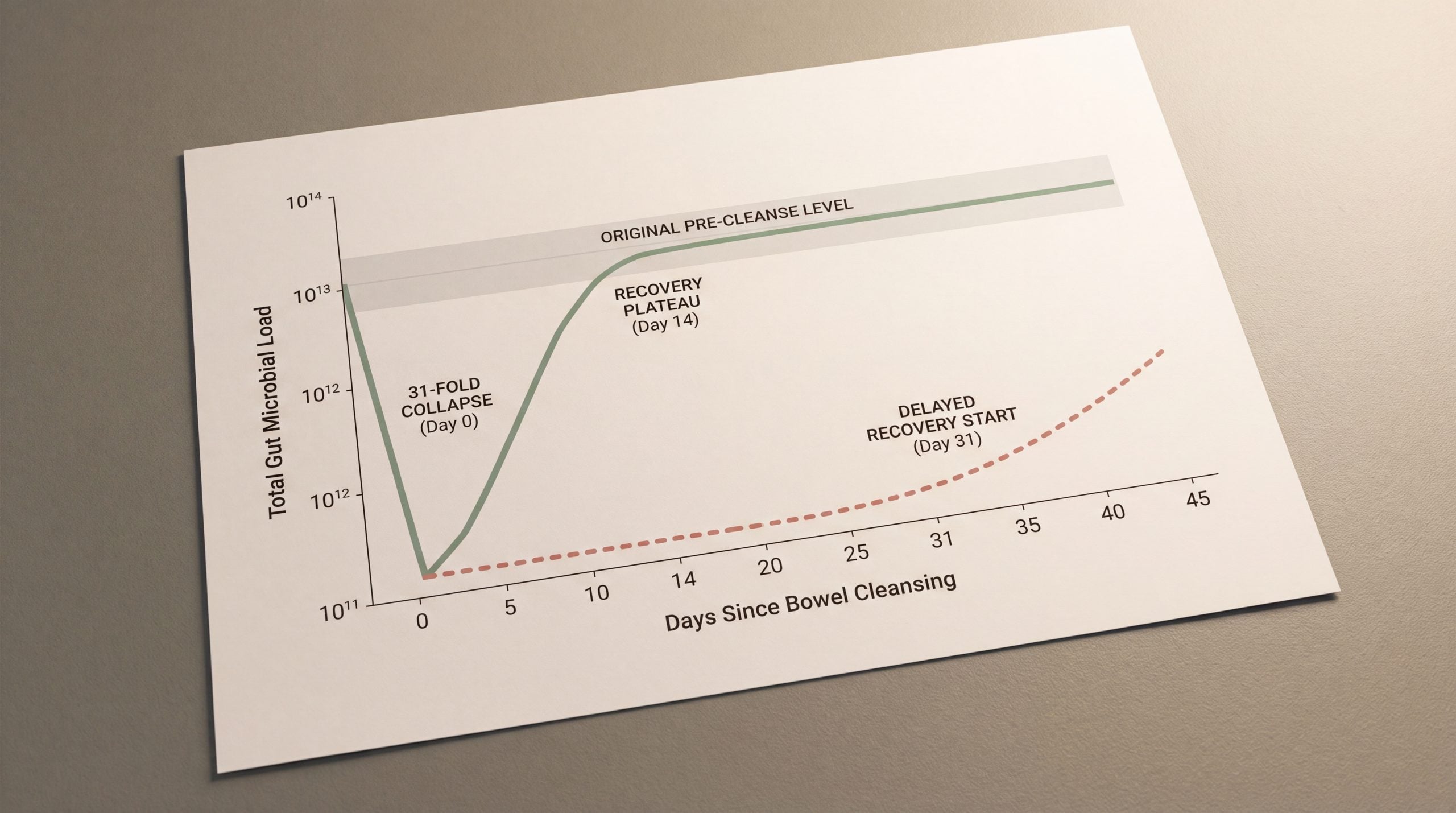
This is the part of the cleansing question that gets the least attention and deserves the most. Researchers have actually measured it. In a controlled study published in Gut, healthy volunteers who underwent bowel cleansing saw their total gut microbial load fall roughly 31-fold. Twenty-two percent of participants lost the individual signature of their own microbiota entirely, meaning their gut community no longer looked like their gut community. Bacterial levels and composition were essentially restored within 14 days, and, notably, taking the preparation as two separate doses disturbed the microbiota less than taking it as one large dose (Jalanka et al., 2015, PMID: 25527456).
A later study tracked recovery further out. Patients who had mechanical bowel preparation before a colonoscopy returned to their baseline microbial composition at a mean of 3 days, with a range of 1 to 13 days. Patients who received bowel preparation combined with antibiotics before colorectal surgery took a mean of 31 days to begin returning to baseline, with a range of 16 to 43 days (Nalluri-Butz et al., 2022, Scientific Reports, PMID: 35732882).
Read those two findings together, and a reasonable picture emerges. A single bowel cleanse in a healthy person is a large but generally recoverable disturbance. The gut community rebuilds. What has not been studied, and what nobody can currently tell you, is what happens to a microbiome subjected to repeated elective cleansing month after month, year after year. There is no long-term safety data on habitual colon cleansing because the trials have never been run. In our reading of this literature, that absence is the most honest thing anyone can say about long-term cleansing, and it is a reason for caution rather than reassurance. Supporting the microbiome you already have is a better-evidenced strategy than repeatedly flattening it, and we look at that in more depth in our article on gut health and immunity.
Stress Management
The gut and brain are closely connected. Chronic stress can negatively impact digestion and bowel function. Incorporate stress-reducing activities like meditation, deep breathing, yoga, or spending time in nature.
Heeding Natural Urges
Pay attention to your body’s signals and try to have a bowel movement when you feel the urge. Establishing a regular time each day (like after breakfast) can also help train your bowel. These practices help evacuate waste regularly and are good for long-term bowel health.
Natural Remedies for Bowel Cleansing: What the Evidence Actually Shows
Search for natural remedies to cleanse the bowels, and you will be handed a list of botanicals with no indication of which ones have been tested and which are simply traditional. Our editorial team went through the clinical literature on the most commonly recommended options. The results are uneven, and we think saying so plainly is more useful than promoting all of them equally.
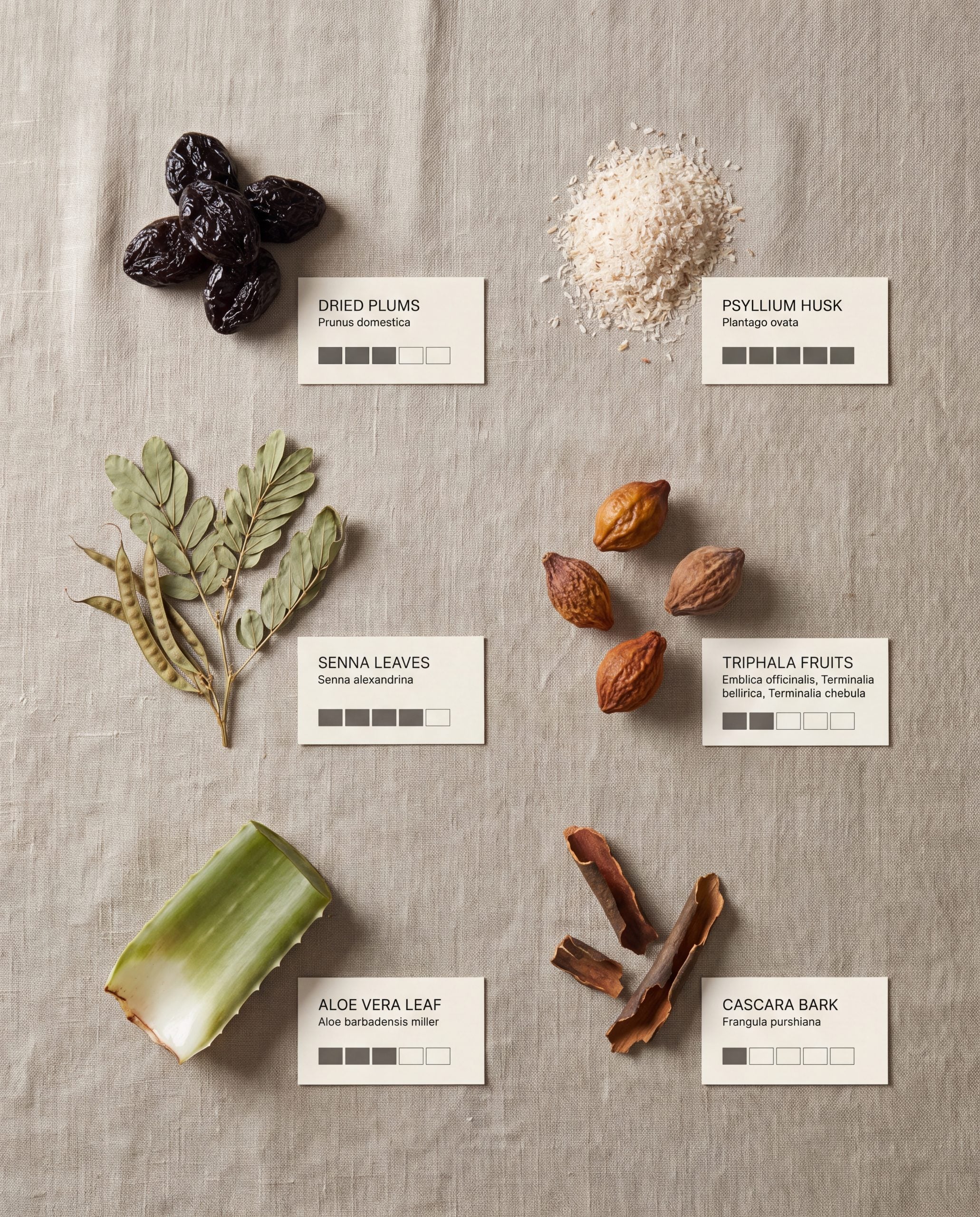
| Botanical | Active compound and mechanism | Evidence |
|---|---|---|
| Dried plums/prunes (Prunus domestica) | Sorbitol, a poorly absorbed sugar alcohol that draws water into the bowel, plus insoluble fiber and phenolic compounds | Strongest. In a randomized crossover trial of 40 constipated adults with fiber matched at 6 g per day, dried plums produced significantly more complete spontaneous bowel movements per week and better stool consistency than psyllium (P<0.05). The researchers concluded prunes should be considered a first-line option (PMID: 21323688) |
| Psyllium husk (Plantago ovata) | Soluble mucilage fiber. Bulk-forming. Holds water in the stool | Good, but beaten head-to-head. Psyllium works and is well tolerated. It simply performed worse than dried plums when the two were compared directly at the same fiber dose |
| Magnesium citrate | Osmotic. Pulls water into the intestinal lumen | Effective, with a caveat. It reliably produces a bowel movement. It also shifts fluid and electrolytes, which is precisely the mechanism behind the dehydration risk described earlier in this article. Not a daily-use option |
| Senna (Senna alexandrina) | Sennosides, anthraquinone glycosides that stimulate colonic motility | Works short-term. Not for routine use. Senna is a genuine stimulant laxative with real effects, and it is appropriate for occasional, short-course use. Prolonged reliance is associated with diminishing response. We cover the dosing, the timeline, and the dependency question in detail in our article on senna and constipation |
| Aloe latex (Aloe barbadensis) and cascara sagrada (Frangula purshiana) | Anthraquinone stimulant laxatives | Regulatory red flag. In 2002, the US Food and Drug Administration ruled that aloe latex and cascara sagrada were not generally recognized as safe and effective for over-the-counter laxative use, because manufacturers did not supply the safety data the agency requested. They were removed from the OTC laxative monograph. That is a regulatory fact worth knowing before buying a cleanse product that contains either |
| Triphala | Ayurvedic three-fruit formulation of Terminalia chebula, Terminalia bellirica, and Phyllanthus emblica | Thin. Long traditional use in Ayurveda as a rasayana and mild laxative. The human clinical evidence base is small and the trials that exist are mostly of limited quality. We list it because it is widely recommended, not because the data is strong |
| Evidence grading reflects the strength of the human clinical literature, not traditional use. Traditional use is meaningful context. It is not the same thing as a controlled trial. | ||
The honest summary is that none of these botanicals cleanses the colon in the sense the word is usually marketed. They relieve constipation, which is a real and treatable problem, and which is what most people are actually reaching for when they go looking for a cleanse. The National Center for Complementary and Integrative Health, part of the NIH, has published its own assessment of detoxes and cleanses that reaches a similar conclusion. For a broader look at botanicals that support digestion rather than purge it, see our guide to the best herbs for digestive health. If your interest is in whole-body detoxification claims rather than the bowel specifically, we examine those separately in our article on body cleanse and detox.
If constipation is persistent rather than occasional, that is a medical question and not a supplement question. Chronic changes in bowel habit warrant a conversation with a clinician, because the useful thing a doctor can do is work out why it is happening.
Final Considerations
While the desire for a quick fix or internal “reset” is understandable, elective bowel cleansing methods lack convincing scientific evidence of health benefits for most people. Conversely, the potential risks, ranging from mild discomfort to severe medical complications, are well-documented. Your body is equipped with sophisticated natural systems, primarily the liver and kidneys, to detoxify and eliminate waste effectively. Focusing on a balanced diet rich in fiber, adequate hydration, regular exercise, and stress management provides a safer and more sustainable path to optimal digestive health and supports these natural processes.
If you have persistent bowel issues like chronic constipation, diarrhea, abdominal pain, or concerns about your digestive health, it is essential to consult a healthcare professional for proper diagnosis and treatment, rather than attempting to self-treat or cleanse bowels without medical guidance.
Frequently Asked Questions About Bowel Cleansing
What are the best natural remedies for cleansing the bowels?
No botanical cleanses the colon in the way cleanse marketing implies. Several do relieve constipation, which is usually the real underlying goal. Dried plums have the strongest evidence, having outperformed psyllium in a head-to-head randomized trial at matched fiber doses (PMID: 21323688). Psyllium, magnesium citrate, and short-course senna all have real effects. Triphala has thin human evidence. Aloe latex and cascara sagrada were removed from the FDA’s over-the-counter laxative monograph in 2002 after manufacturers failed to supply requested safety data.
How effective are homemade enemas compared to professional colon hydrotherapy?
Neither is effective for general health promotion, and no rigorous controlled trials support either practice. The meaningful difference is risk rather than benefit. A home enema uses roughly 0.5 to 1.5 litres of fluid and reaches only the rectum and sigmoid colon. Colon hydrotherapy cycles far larger volumes under machine-controlled pressure through the full length of the colon, and it carries documented risks including bowel perforation and infection from inadequately sterilised equipment. More volume and more pressure means more risk, with no additional demonstrated benefit.
Are there any risks associated with using laxatives for bowel cleansing?
Yes. Laxative-driven cleansing can cause dehydration and disrupt the balance of sodium, potassium, and calcium, which in serious cases affects heart and kidney function. Phosphate-based preparations carry specific documented risk for people with cardiac, renal, or hepatic dysfunction (PMID: 15588118). Stimulant laxatives such as senna are appropriate for occasional short-term use, but prolonged reliance is associated with a diminishing response.
How does a colon cleanse impact gut health in the long term?
Bowel cleansing reduces total gut microbial load roughly 31-fold, and 22% of participants in one controlled study lost the individual signature of their own microbiota entirely. Composition was essentially restored within about 14 days (PMID: 25527456). A separate study found baseline recovery at a mean of 3 days after mechanical bowel preparation alone, versus a mean of 31 days when antibiotics were also given (PMID: 35732882). The effect of repeated, habitual elective cleansing over years has never been studied, and that absence of data is a reason for caution rather than reassurance.
What dietary changes can help maintain regular bowel movements without cleanses?
Aim for 25 to 35 grams of dietary fiber daily from varied whole-food sources, increase fluid intake alongside it, get at least 30 minutes of moderate activity most days, include fermented and prebiotic foods to support the gut microbiota, manage stress, and respond to the urge to have a bowel movement rather than deferring it. These interventions are unglamorous; they are better evidenced than any cleanse, and they carry no risk.
Does the colon store years of impacted waste that needs to be removed?
No. This is the autointoxication theory, and mainstream medicine discarded it in the early twentieth century. The colon continuously eliminates waste as part of normal function, and the liver and kidneys handle detoxification without assistance. No randomized controlled trial has ever demonstrated that a commercial cleanse eliminates toxins in humans (PMID: 25522674).
References
- Acosta RD, Cash BD. Clinical effects of colonic cleansing for general health promotion: a systematic review. Am J Gastroenterol. 2009;104(11):2830-6. PMID: 19724266
- Attaluri A, Donahoe R, Valestin J, Brown K, Rao SSC. Randomised clinical trial: dried plums (prunes) vs. psyllium for constipation. Aliment Pharmacol Ther. 2011;33(7):822-8. PMID: 21323688
- Jalanka J, Salonen A, Salojarvi J, et al. Effects of bowel cleansing on the intestinal microbiota. Gut. 2015;64(10):1562-8. PMID: 25527456
- Nalluri-Butz H, Bobel MC, Nugent J, et al. A pilot study demonstrating the impact of surgical bowel preparation on intestinal microbiota composition following colon and rectal surgery. Sci Rep. 2022;12(1):10559. PMID: 35732882
- Clark LE, Dipalma JA. Safety issues regarding colonic cleansing for diagnostic and surgical procedures. Drug Saf. 2004;27(15):1235-42. PMID: 15588118
- Parra-Blanco A, Ruiz A, Álvarez-Lobos M, et al. Achieving the best bowel preparation for colonoscopy. World J Gastroenterol. 2014;20(47):17709-26. PMID: 25548470
- Klein AV, Kiat H. Detox diets for toxin elimination and weight management: a critical review of the evidence. J Hum Nutr Diet. 2015;28(6):675-86. PMID: 25522674
- Mayo Clinic. Colon cleansing: Is it helpful or harmful?
- Cleveland Clinic. Colon Cleanses: Why You Should Avoid Them
- MD Anderson Cancer Center. Colon cleanse: Health or hype?
- National Center for Complementary and Integrative Health, NIH. Detoxes and Cleanses: What You Need To Know
Important Health Information
The information in this article is provided for educational purposes only and has not been evaluated by the Food and Drug Administration. It is not intended to diagnose, treat, cure, or prevent any disease. Nothing here is a substitute for advice from a qualified healthcare provider. Consult your healthcare provider before beginning any cleanse, laxative, supplement, or significant change to your digestive routine, particularly if you are pregnant or breastfeeding, or if you have kidney disease, heart disease, inflammatory bowel disease, diverticulitis, or any history of bowel surgery.