This article provides information on dietary changes, lifestyle adjustments, and specific home remedies that may help manage acid reflux symptoms. It is intended for informational purposes. Always consult with a healthcare professional for a proper diagnosis and treatment plan, especially if symptoms are severe, persistent, or concerning. Natural approaches can support management but should not replace medical advice or prescribed treatments.
What Causes Acid Reflux?
Understanding the potential causes and triggers is a key step in managing symptoms. The primary mechanism often involves the Lower Esophageal Sphincter (LES), a ring of muscle at the bottom of the esophagus. Normally, the LES relaxes to allow food into the stomach and tightens to prevent stomach contents from flowing back up. If the LES weakens or relaxes inappropriately, stomach acid can reflux into the esophagus.
Factors contributing to this include:
- Hiatal Hernia: A condition where part of the stomach pushes up through the diaphragm muscle.
- Increased Abdominal Pressure: Caused by obesity, pregnancy, or tight clothing.
- Certain Foods and Drinks: Specific items can relax the LES or increase stomach acid production.
- Eating Habits: Large meals or eating close to bedtime can increase risk.
- Smoking: Nicotine is known to relax the LES.
- Certain Medications: Some medications can affect LES pressure or irritate the esophagus.
Why Symptoms Keep Coming Back
The most common question we hear on this topic is some version of why relief never seems to hold. The answer is usually structural rather than mysterious. Antacids, teas, and demulcent herbs all act on the acid or on the irritated tissue, which is the downstream end of the problem. None of them changes the tone of the lower esophageal sphincter, the pressure load a full stomach places on it, or the anatomy of a hiatal hernia if one is present.
That is why the interventions with the most durable evidence behind them are the least exciting ones. Abdominal pressure, meal timing, meal size, and the position of your body in the hours after eating all act on the mechanism itself. Soothing the esophagus while continuing to load the sphincter is a repeating cycle by design. The sections below on weight, sleep position, and meal spacing are not filler around the herbal content. In the clinical literature, they carry more weight than any single herb does, and an honest page has to say so.
Dietary Adjustments for Acid Reflux Relief
Modifying your diet is often one of the first lines of defense against acid reflux. What you eat, and how you eat, can significantly impact symptom frequency and severity.
Foods That May Trigger Symptoms
While triggers vary individually, certain foods and drinks are commonly associated with increased acid reflux or heartburn. Consider limiting or avoiding:
- High-Fat Foods: Fried foods, fatty cuts of meat, and full-fat dairy products can delay stomach emptying and relax the LES.
- Spicy Foods: Can directly irritate the esophageal lining for some individuals.
- Chocolate: Contains methylxanthine, which may relax the LES.
- Mint (Peppermint/Spearmint): Often relaxes the LES.
- Garlic and Onions: Common triggers, especially when raw.
- Citrus Fruits and Juices: Oranges, lemons, and grapefruit are acidic and can worsen symptoms.
- Tomatoes and Tomato-Based Products: Ketchup, marinara sauce, and chili are acidic.
- Carbonated Beverages: Can increase stomach pressure and promote reflux.
- Caffeine: Found in coffee, tea, soda, and energy drinks, and may relax the LES.
- Alcohol: Can relax the LES and irritate the stomach lining.
Foods That May Help Soothe Symptoms
Focusing on foods that are less likely to trigger reflux can provide relief. Consider incorporating:
- High-Fiber Foods: Fiber aids digestion and promotes gut health. Good sources include:
- Oatmeal
- Whole grains (brown rice, whole wheat bread, check tolerance)
- Root vegetables (carrots, sweet potatoes, beets)
- Green vegetables (broccoli, asparagus, green beans, celery)
- Alkaline Foods: Less acidic options that may help offset stomach acid:
- Bananas
- Melons (cantaloupe, honeydew, watermelon)
- Cauliflower
- Fennel
- Nuts (in moderation)
- Watery Foods: High water content can help dilute stomach acid:
- Celery
- Cucumber
- Lettuce
- Watermelon
Fiber, and one drink to skip. People with higher dietary fiber intake report lower rates of reflux, and whole grains, oatmeal, brown rice, legumes, and vegetables are the usual way to get there. Carbonated drinks run the other direction. They promote belching, and each belch is an opportunity for gastric contents to travel upward, which is why flat water is the better default. Johns Hopkins Medicine keeps a useful list of foods that help with acid reflux and heartburn that aligns closely with what we see in the literature.
A note on the gut microbiome. Probiotic interventions are increasingly discussed for reflux, and the honest summary is that the data is early. In a 2022 meta-analysis of dietary and nutraceutical interventions, probiotic yoghurt was among the interventions that improved symptoms in qualitative synthesis, though only three probiotic studies were available to assess (PMID: 36513474). The mechanism under investigation involves gastric emptying rate and gas production by the resident microbial population rather than acid production itself. We have written separately on the broader relationship between gut health and immune function for readers who want the wider picture.
Helpful Eating Habits
- Eat Smaller Meals: Large meals distend the stomach, increasing pressure on the LES. Try eating smaller, more frequent meals throughout the day.
- Chew Thoroughly: Proper chewing aids digestion starting in the mouth.
- Avoid Late-Night Eating: Give your stomach time to empty before lying down. Aim to finish eating at least 2-3 hours before bedtime.
- Stay Upright After Meals: Avoid reclining or slouching for a couple of hours after eating to let gravity help keep stomach contents down.
Lifestyle Changes to Reduce Reflux
Beyond diet, certain lifestyle adjustments can make a significant difference in managing acid reflux symptoms.
Maintain a Healthy Weight
Excess body weight, particularly around the abdomen, increases pressure on the stomach, which can push acid up into the esophagus. Losing even a moderate amount of weight can provide substantial relief for many individuals.
What the research shows. The relationship between body mass and reflux is one of the most firmly established findings in this literature, and it holds a detail that most summaries miss. Analyzing 10,545 women in the Nurses’ Health Study, researchers found a dose-dependent relationship between rising BMI and frequent reflux symptoms, with an odds ratio of 2.92 for women in the 30.0 to 34.9 BMI range compared with those at 20.0 to 22.4 (Jacobson et al., 2006, New England Journal of Medicine, PMID: 16738270). The detail worth knowing: even among women who began at a normal weight, a BMI increase of more than 3.5 was associated with roughly a threefold rise in the odds of frequent symptoms. You do not have to be overweight for weight change to matter. Moderate gain within the normal range moved the needle.
Elevate the Head of Your Bed
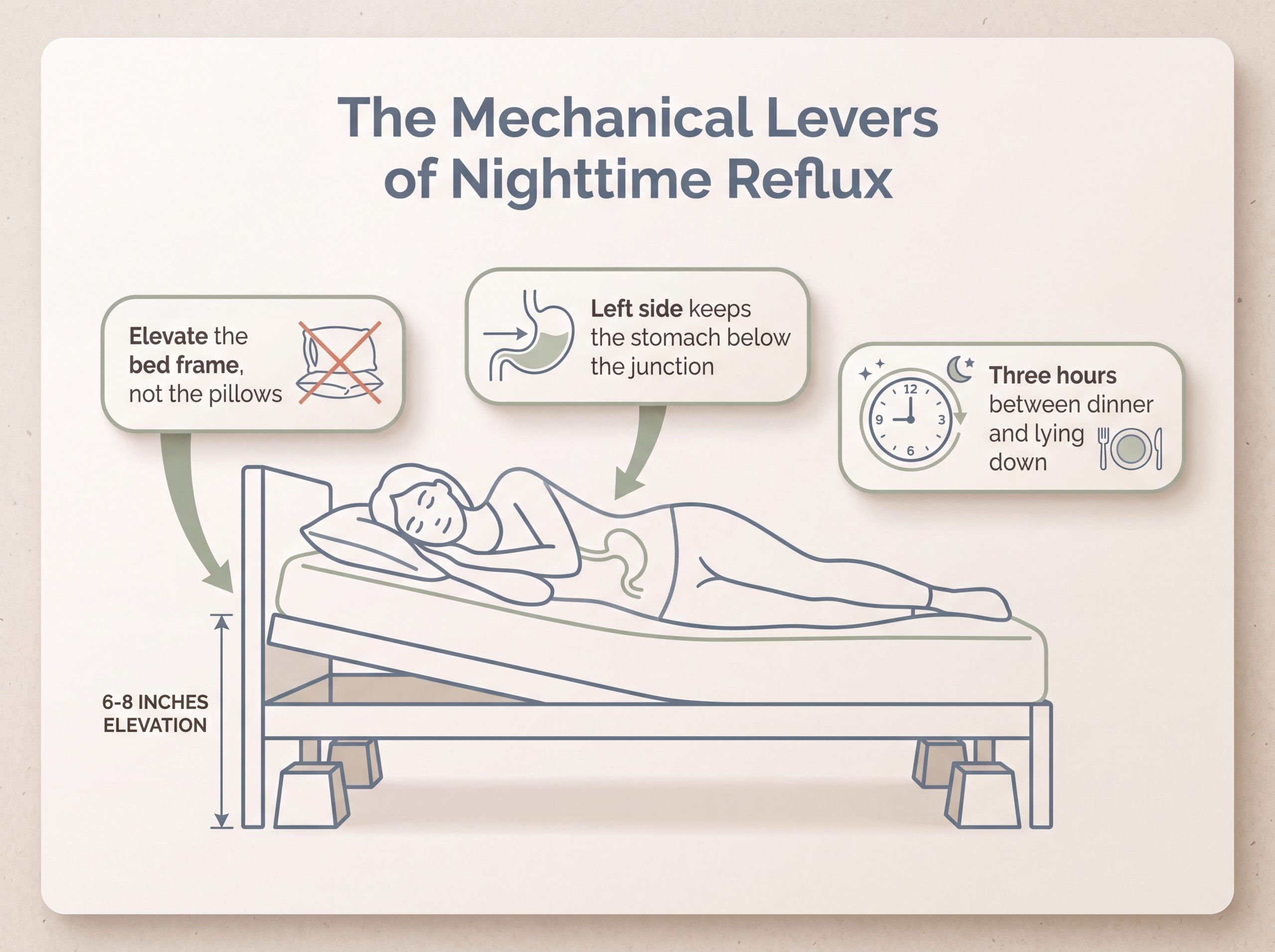
If nighttime heartburn is an issue, use gravity to your advantage. Place sturdy blocks under the headposts of your bed frame to raise it by 6 to 8 inches. Alternatively, use a wedge-shaped pillow designed for this purpose. Simply piling up regular pillows is usually less effective and can sometimes worsen pressure.
What the research shows, plus two additions. A systematic review of 31 studies on nocturnal reflux specifically supports a sequential approach: elevate the head of the bed, lengthen the interval between dinner and lying down, and sleep in the left lateral position (Schuitenmaker et al., 2022, Neurogastroenterology and Motility, PMID: 35445777). The same review found insufficient evidence for several interventions people often reach for, including hypnotics and adding a bedtime H2 blocker.
The left-side detail has an anatomical reason behind it. The stomach sits to the left of the midline, and the junction with the esophagus enters from the right, so lying on the left keeps the gastric contents below that junction rather than pooling against it. Raise the head of the bed itself using risers or a wedge under the mattress. Stacking pillows bends you at the waist and raises abdominal pressure, which works against you.
Wear Loose-Fitting Clothing
Tight belts, waistbands, or shapewear can constrict your abdomen, increasing pressure on the stomach and potentially triggering reflux. Opt for looser clothing, especially around your waist.
Stop Smoking
Nicotine, a primary component of tobacco, is known to relax the LES muscle. Quitting smoking offers numerous health benefits, including potentially reducing acid reflux frequency and severity.
Manage Stress
Stress doesn’t directly cause acid reflux, but it can worsen symptoms or increase sensitivity to them. Finding healthy ways to manage stress, such as regular light exercise (like walking), deep breathing exercises, meditation, yoga, or engaging in hobbies, can be beneficial for overall digestive health.
Chew Gum After Meals
This one sounds too simple to matter, and the mechanism is the reason it does. Saliva is alkaline and carries bicarbonate, and swallowing it repeatedly does two things at once. It buffers acid that has already reached the esophagus, and each swallow triggers a peristaltic wave that clears the refluxed material back down. Researchers who measured salivary output under esophageal stimulation found that mastication measurably increases the secretion of bicarbonate, glycoconjugate, protein, and epidermal growth factor, the same protective factors that were compromised in patients with esophageal damage (Yandrapu et al., 2014, Advances in Medical Sciences, PMID: 25181642). The researchers explicitly noted that restoring this response through sugarless chewing gum warrants further clinical study.
Practical version: chew sugar-free gum for about 30 minutes after a meal. Avoid peppermint-flavored gum for this purpose, for reasons covered in the safety section below.
Specific Home Remedies and Natural Supplements
Alongside diet and lifestyle changes, some people find relief using specific natural remedies. Many people seek natural remedies for acid reflux when looking for ways to manage their symptoms. However, scientific evidence varies, and it’s essential to use them cautiously and ideally under the guidance of a healthcare provider, as they can have side effects or interact with medications.
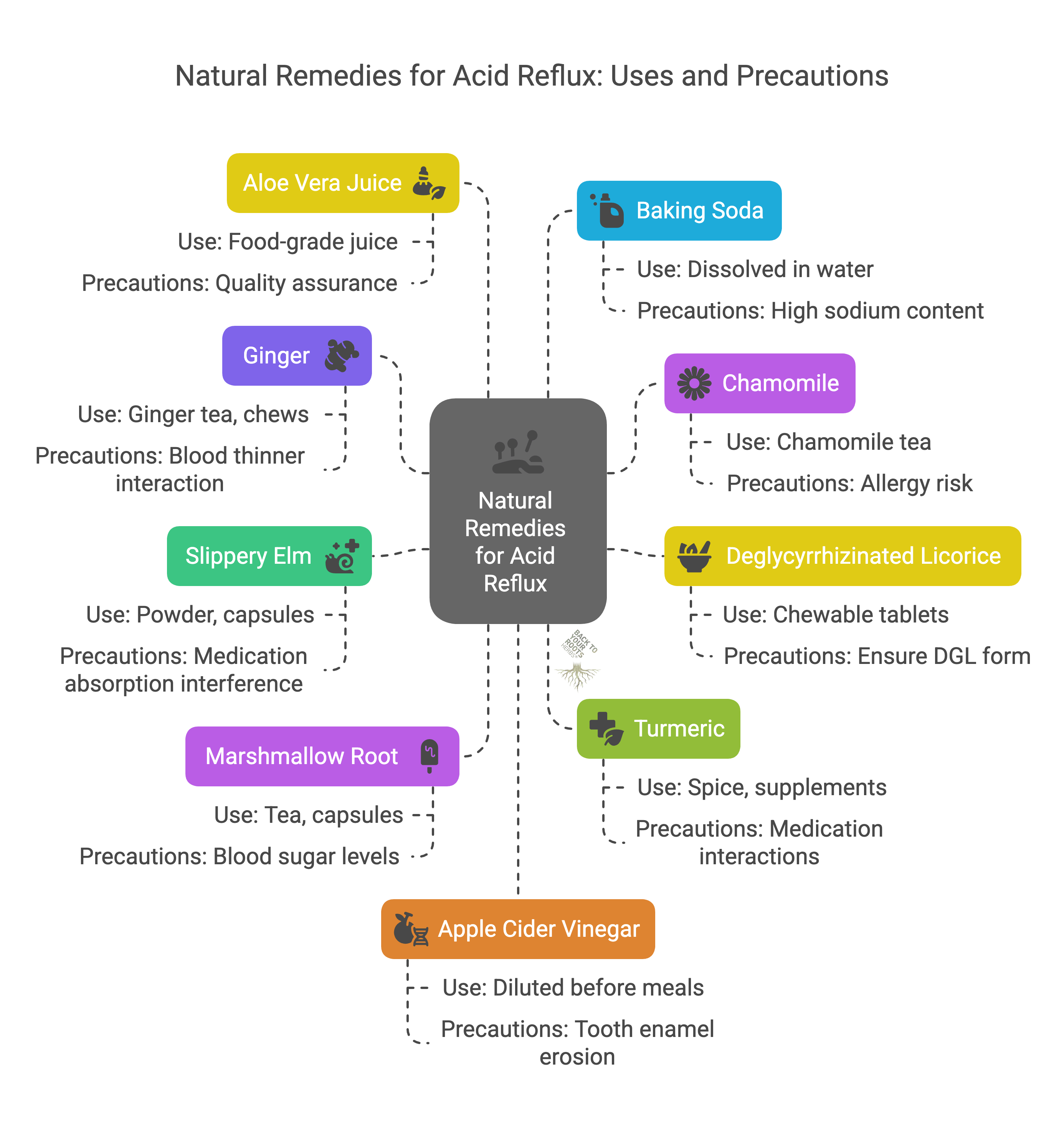
Ginger (Zingiber officinale)
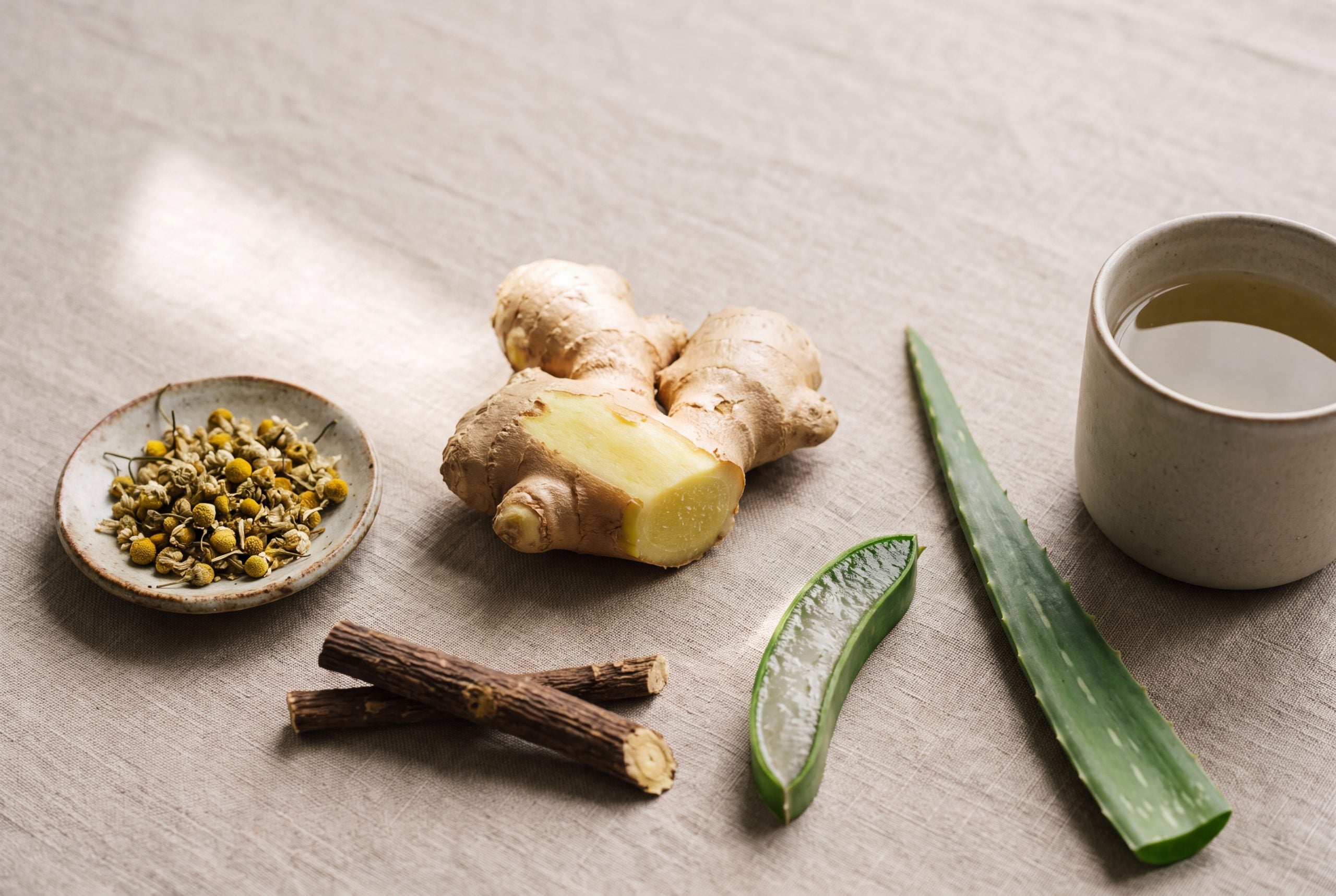
- How it Might Help: Ginger has long been used for digestive complaints. It possesses anti-inflammatory properties and may help soothe the stomach and reduce nausea.
- Evidence: Traditional use is strong; some studies suggest benefits for nausea and digestion, but direct evidence for reflux is limited.
- How to Use: Grate fresh ginger in cooking, make ginger tea (steep fresh slices or use tea bags), ginger chews (check the sugar content).
- Precautions: High doses might cause mild heartburn or stomach upset in some individuals. Consult a doctor if taking blood thinners, as ginger can have mild blood-thinning effects.
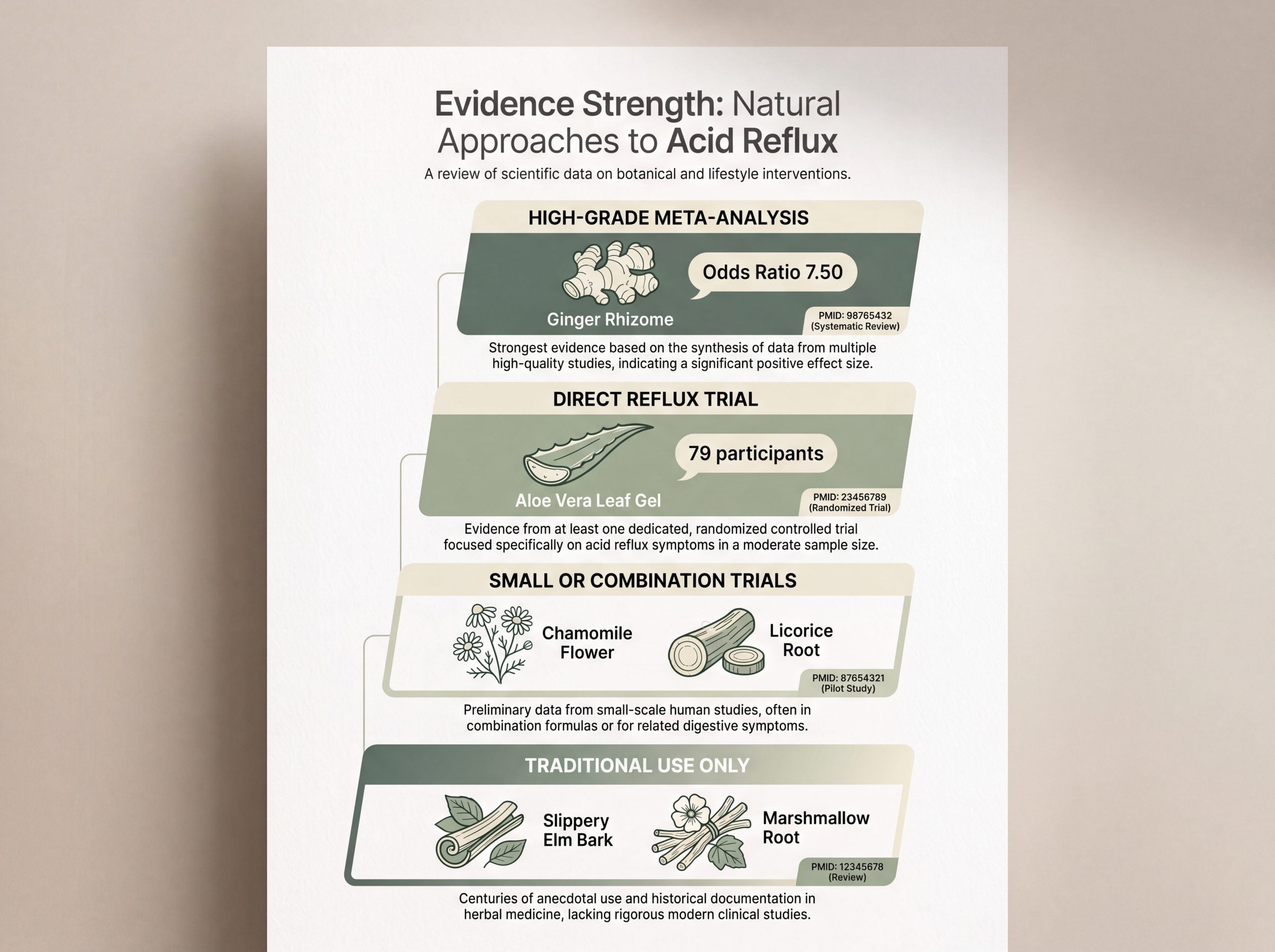
What the research shows. Ginger is the one remedy on this page with high-grade meta-analytic support. In a systematic review and meta-analysis of dietary and nutraceutical interventions for reflux symptoms, ginger-containing supplements were the only intervention with sufficient data to pool, and they improved the incidence of symptom alleviation with an odds ratio of 7.50 (95% confidence interval 3.62 to 15.54). The authors graded the certainty of that finding as high (Martin et al., 2022, Clinical Nutrition ESPEN, PMID: 36513474). The proposed mechanism involves the gingerols and shogaols acting on gastric motility, which may reduce the time stomach contents sit where they can reflux.
Chamomile (Matricaria chamomilla)
- How it Might Help: Known for its calming and anti-inflammatory properties. It may help soothe inflammation in the digestive tract and potentially reduce stress-related reflux symptoms.
- Evidence: Traditional use for digestion and calming effects. Some research supports its anti-inflammatory actions.
- How to Use: Chamomile tea is the most common form.
- Precautions: Generally safe, but individuals allergic to related plants (like ragweed, daisies, marigolds) might react. Can cause drowsiness.
What the research shows. Chamomile has rarely been studied alone for reflux. Where it has been tested, it appears as one component of a multi-herb preparation. A multicenter randomized double-blind trial of STW-5, a nine-herb formula containing chamomile flower alongside licorice root and peppermint leaf, found a significant improvement in the gastrointestinal symptom score versus placebo over four weeks in 60 patients with functional dyspepsia (Madisch et al., 2001, Zeitschrift fur Gastroenterologie, PMID: 11505331). That result belongs to the whole formula, not to chamomile in isolation, and we would rather say that plainly than imply a stronger claim. Harvard Health reaches a similar conclusion in its own review of herbal remedies for heartburn, noting chamomile tea’s traditional soothing use on the digestive tract.
Deglycyrrhizinated Licorice (DGL)
- How it Might Help: This specific form of licorice (Glycyrrhiza glabra) has had glycyrrhizin removed (the compound associated with blood pressure side effects). DGL is thought to increase mucus production in the stomach and esophagus, providing a protective layer against acid irritation.
- Evidence: Some studies suggest DGL can help soothe gastrointestinal lining irritation. It’s often recommended for stomach ulcers and indigestion.
- How to Use: Typically available as chewable tablets. Chew thoroughly before meals for best effect.
- Precautions: Ensure you are using the DGL form. Standard licorice can cause serious side effects like elevated blood pressure and low potassium levels.
What the research shows, and what it does not. A randomized, double-blind, placebo-controlled trial found that a standardized Glycyrrhiza glabra extract taken at 75 mg twice daily for 30 days reduced total symptom scores in patients with functional dyspepsia (Raveendra et al., 2012, Evidence-Based Complementary and Alternative Medicine, PMID: 21747893). Two caveats belong with that citation, and most articles leave them out. The trial studied functional dyspepsia, not reflux, and the extract tested was a flavonoid-rich licorice preparation rather than a deglycyrrhizinated one. DGL exists specifically to remove glycyrrhizin, the compound responsible for licorice’s effects on blood pressure and potassium. The rationale for DGL in reflux rests on that safety profile plus its traditional demulcent use, and it has not been tested in reflux with the same rigor.
Slippery Elm (Ulmus rubra)
- How it Might Help: Contains mucilage, a gel-like substance that coats and soothes the mouth, throat, stomach, and esophagus. This can provide temporary relief from irritation caused by stomach acid.
- Evidence: Primarily based on traditional use for soothing irritated tissues.
- How to Use: Available as a powder (mixed with water to form a gruel), capsules, or lozenges.
- Precautions: The coating action can potentially slow the absorption of medications. Take slippery elm at least 1-2 hours apart from any medications. Drink plenty of water.
Where the evidence stands. We searched the clinical literature for trials of slippery elm in reflux specifically and did not find one. What supports its use is mechanism and long traditional practice rather than randomized data. The inner bark is rich in mucilage, a polysaccharide that becomes viscous in water and coats mucous membranes. That is a reasonable basis for a demulcent effect on an irritated esophagus, and it is how Western herbalists have used it for generations. It is not the same as a demonstrated clinical result, and we would rather tell you that than pad the section.
Marshmallow Root (Althaea officinalis)
- How it Might Help: Similar to slippery elm, marshmallow root contains mucilage that coats and protects mucous membranes, offering potential soothing relief for an irritated esophagus.
- Evidence: Traditional use for respiratory and digestive irritation.
- How to Use: Often consumed as a tea (cold infusion may extract more mucilage than hot) or in capsules.
- Precautions: Like slippery elm, it may interfere with medication absorption; separate doses by 1-2 hours. May affect blood sugar levels; use with caution if diabetic.
Where the evidence stands. As with slippery elm, marshmallow root’s case rests on its mucilage content and on traditional use, not on reflux trials. Althaea officinalis root carries a high concentration of polysaccharide mucilage, and the European tradition has used cold-water infusions of it as a soothing preparation for irritated mucous membranes for centuries. A 2024 meta-analysis of 34 randomized trials covering 3,759 patients supports the general category of herbal intervention in non-erosive reflux disease while rating the underlying evidence as moderate to low quality (Kim et al., 2024, Medicine, PMID: 39533605). That is the honest place to put marshmallow root: plausible, traditional, and not yet tested on its own.
Turmeric (Curcuma longa)
- How it Might Help: The active compound, curcumin, has well-documented anti-inflammatory and antioxidant properties. Inflammation plays a role in GERD damage, so reducing it may help symptoms. Some preliminary research suggests curcumin might compare favorably to standard acid-reducing medication for indigestion (dyspepsia), though more GERD-specific research is needed.
- Evidence: Promising anti-inflammatory data. One study on functional dyspepsia showed curcumin was comparable to omeprazole. More direct GERD studies are required.
- How to Use: As a spice in food (lower curcumin dose), or as supplements standardized for curcumin content. Absorption is poor unless taken with black pepper (piperine) or fat.
- Precautions: Can cause GI upset (nausea, diarrhea) in some. May worsen reflux for certain individuals. Stimulates bile production, so use cautiously with gallbladder issues. Has blood-thinning properties, so consult a doctor if taking anticoagulants or before surgery. Can interact with various medications (diabetes drugs, blood thinners). Avoid supplements during pregnancy. High doses may increase kidney stone risk in susceptible individuals. Discuss use with your healthcare provider.
Where the evidence stands. Curcumin’s anti-inflammatory activity is well characterized in the laboratory, and its poor oral bioavailability without a carrier such as piperine is equally well characterized. Turmeric is also an acid-stimulating spice for some people, which is why it sits in an awkward position on a reflux page and why we treat it as an individual-response herb rather than a general recommendation. We have written about that tension in more depth in our article on turmeric for GERD and its evidence base, which covers the bioavailability question, the dosing research, and who should be cautious with it.
Aloe Vera Juice
- How it Might Help: Juice from the inner leaf of Aloe barbadensis is sometimes used for its potential soothing and anti-inflammatory effects on the digestive tract.
- Evidence: Limited high-quality human studies for reflux. Some evidence for other inflammatory conditions.
- How to Use: Small amounts of food-grade, purified, decolorized inner leaf juice. Avoid whole-leaf or non-decolorized products, as they contain latex, a potent laxative.
- Precautions: Quality varies greatly. Ensure the product is purified and intended for internal use. Can have a laxative effect. Discuss with your doctor, especially if you have diabetes or kidney problems.
What the research shows. Aloe is one of the few remedies on this page tested in reflux directly. In a pilot randomized controlled trial, 79 participants received either aloe vera syrup standardized to 5.0 mg polysaccharide per mL at 10 mL daily, omeprazole, or ranitidine over four weeks. The aloe group showed reduced frequency across all eight assessed reflux symptoms, including heartburn, regurgitation, belching, and nausea, and it was well tolerated with no adverse events requiring withdrawal (Panahi et al., 2015, Journal of Traditional Chinese Medicine, PMID: 26742306). It was a pilot study with a modest sample, so we read it as encouraging rather than conclusive. Note also that this was a decolorized inner-leaf preparation, which matches the caution above.
Melatonin and D-Limonene: The Two Most Overlooked Options
Neither of these appears on most herbal reflux lists, and both have more clinical data behind them than several remedies that do.
Melatonin. Best known for sleep, melatonin is also produced in large quantities by enterochromaffin cells in the gut. The proposed mechanism for reflux is specific: melatonin inhibits nitric oxide biosynthesis, and nitric oxide drives transient relaxation of the lower esophageal sphincter, which is a primary route by which stomach contents escape upward. In a single-blind randomized study, 176 patients took a supplement combining melatonin with L-tryptophan, vitamin B6, folic acid, vitamin B12, methionine, and betaine, while 175 took 20 mg omeprazole. The supplement group reported regression of symptoms over the 40-day period (Pereira, 2006, Journal of Pineal Research, PMID: 16948779). The 2022 meta-analysis cited above independently found that a melatonin, amino acid, and B-group vitamin supplement improved symptoms (PMID: 36513474). Two honest caveats: the trial was single-blind, and the intervention was a combination formula, so melatonin’s individual contribution is not isolated.
D-limonene. This is the dominant terpene in citrus peel oil, which surprises people who assume all citrus aggravates reflux. It is listed as generally recognized as safe, and human dosing studies have found low toxicity across single and repeated administration for up to a year. It has been used for heartburn relief, with gastric acid neutralization and support of normal peristalsis proposed as the mechanism (Sun, 2007, Alternative Medicine Review, PMID: 18072821). We flag the source honestly: that paper is a narrative review rather than a trial, and its author was affiliated with a supplement manufacturer. The safety data is solid. The efficacy data is thinner than the popular claims suggest.
Baking Soda (Sodium Bicarbonate) – Use with Extreme Caution
- How it Might Help: A base that can quickly neutralize stomach acid, providing rapid, temporary relief from heartburn. This is one of the oldest home remedies for acidity.
- Evidence: Effective neutralizer, but effects are short-lived.
- How to Use: Not recommended for regular use. If considered for occasional, severe heartburn: 1/4 to 1/2 teaspoon dissolved thoroughly in 4-8 ounces of water.
- Precautions: Significant risks. High in sodium (bad for blood pressure, heart/kidney disease). Can cause gas, bloating, and stomach cramps. Frequent use can disrupt the body’s acid-base balance (metabolic alkalosis). Can interact with medications. Rebound acid production can occur. Safer antacids and other remedies are generally preferred. Do not use it as a regular remedy.
One mechanism worth understanding. The neutralization reaction between sodium bicarbonate and stomach acid produces carbon dioxide gas. That gas distends the stomach, and a distended stomach presses on the lower esophageal sphincter, which is the same pressure mechanism described at the top of this article. This is why fast relief from baking soda can be followed by a return of symptoms. It is not a failure of the remedy so much as a predictable consequence of how it works.
Apple Cider Vinegar (ACV) – Anecdotal vs. Evidence
- How it Might Help: The theory (largely unproven) is that for some, reflux might stem from too little stomach acid, and ACV helps restore balance or aids digestion. There is little scientific evidence to support this for GERD.
- Evidence: Mostly anecdotal reports. No strong scientific studies confirm ACV helps acid reflux; being acidic, it logically could worsen symptoms.
- How to Use: If tried (cautiously): 1-2 teaspoons heavily diluted in a large glass of water, consumed before meals.
- Precautions: ACV is acidic. It can erode tooth enamel (use a straw and rinse your mouth afterward). It can irritate the throat and esophagus, potentially worsening reflux symptoms. It may interact with certain medications (diuretics, diabetes drugs). Start with very small, diluted amounts if attempting, but be aware it may not help and could hinder.
What Does the Clinical Research Actually Say?
Most articles on this topic list remedies without telling you how well any of them are supported. In our editorial review of the primary literature, we found that the evidence for natural approaches to reflux is real but uneven, and being straight about where it is thin matters more than adding another herb to the list.
The largest recent synthesis is a systematic review and meta-analysis of herbal medicine in non-erosive reflux disease, which pooled 34 randomized controlled trials covering 3,759 patients (Kim et al., 2024, Medicine, PMID: 39533605). Herbal preparations outperformed conventional therapy on total clinical efficacy and on recurrence rates, with no severe intervention-related adverse effects reported. The authors were careful about their own conclusion, and so are we: they rated most outcomes as moderate to low quality evidence and called for trials with better methodology. That is an honest result, not a promotional one.
A second synthesis looked specifically at dietary, nutraceutical, and probiotic interventions across 21 studies (Martin et al., 2022, Clinical Nutrition ESPEN, PMID: 36513474). Its findings are worth reading closely, because they cut both ways. Ginger-containing supplements were the one intervention with enough data to meta-analyze, and they improved the incidence of symptom relief with an odds ratio of 7.50 (95% confidence interval 3.62 to 15.54), graded as high-quality evidence. Sixteen of the other interventions studied showed no clear clinical or statistical effect.
What the Evidence Does Not Support
A source willing to tell you what has not been shown is more useful than one that is not. A 2024 systematic review of nine clinical trials covering 393 patients examined whether drinking natural mineral water relieves heartburn, and concluded that the authors could neither recommend it nor advise against it, because every comparative trial they found had poor methodological quality (D’Souza et al., 2024, Complementary Medicine Research, PMID: 38471489).
The practical read from our team: ginger has the strongest data of the common kitchen remedies, aloe has the only direct reflux trial among the demulcents, the broader herbal evidence base is genuinely promising but methodologically young, and several widely repeated remedies rest on tradition and plausibility rather than on trials. We say so in each section above rather than flattening them all into one list.
When Natural Remedies Aren’t Enough: Seeking Medical Advice
While natural approaches can be helpful ways to manage occasional or mild acid reflux, it’s essential to recognize when medical attention is needed. Consult your doctor if:
- You experience heartburn or other reflux symptoms two or more times per week.
- Your symptoms are severe or wake you up at night.
- Symptoms persist despite trying dietary changes, lifestyle modifications, and over-the-counter antacids or natural remedies.
- You have difficulty swallowing (dysphagia) or feel like food is getting stuck.
- You experience unexplained weight loss.
- You have persistent nausea or vomiting.
- You vomit blood or material that looks like coffee grounds (indicating bleeding).
- You have black, tarry stools (indicating digested blood).
- You experience chest pain, especially if accompanied by shortness of breath, jaw pain, or arm pain (these could signal a heart attack and require immediate emergency care).
A healthcare professional can provide an accurate diagnosis, rule out other conditions, check for complications like esophagitis (inflammation of the esophagus) or Barrett’s esophagus (precancerous changes), and recommend appropriate medical treatments if necessary, which might include H2 blockers or proton pump inhibitors (PPIs). Combining medical treatment with supportive natural strategies often yields the best results for managing GERD effectively.
Herb and Drug Interactions Are Real
Natural does not mean inert, and the interaction risk on this particular list is not hypothetical. Licorice containing glycyrrhizin can raise blood pressure and lower potassium, which matters a great deal if you take diuretics, digoxin, or blood pressure medication. Ginger has antiplatelet activity worth discussing with your clinician if you take an anticoagulant. Peppermint relaxes smooth muscle, which is useful in the intestine and counterproductive at the lower esophageal sphincter, and this is why we do not recommend peppermint tea or peppermint gum for reflux even though it helps other digestive complaints. We cover its better-suited applications in our article on peppermint tea and bloating. The National Center for Complementary and Integrative Health maintains a plain-language summary of what is known about complementary approaches to GERD, including their safety, and it is worth reading before starting anything on this page.
Reflux After 60
Reflux behaves differently with age, and it is under-discussed. Lower esophageal sphincter tone tends to decline, saliva production drops, and the esophagus clears acid more slowly, which means the same amount of reflux causes longer exposure. At the same time, older adults are more likely to take medications that either relax the sphincter or irritate the esophageal lining directly, including certain calcium channel blockers, nitrates, and bisphosphonates. The interaction screening above therefore matters more, not less, with age. Symptoms that show up for the first time after 60 deserve a medical evaluation rather than a self-managed herbal protocol. The National Institute of Diabetes and Digestive and Kidney Diseases sets out the standard medical treatment pathway for GER and GERD, which is the right reference point if symptoms persist.
Frequently Asked Questions
What foods should I avoid with acid reflux?
The most consistently reported triggers are fried and high-fat foods, spicy dishes, citrus, tomato-based products, chocolate, coffee, alcohol, peppermint, and carbonated drinks. Fat slows gastric emptying, which keeps the stomach fuller for longer, and peppermint and chocolate both relax the lower esophageal sphincter. Triggers vary considerably between individuals, so a two-week food and symptom diary is more useful than any general list, including this one.
Are natural remedies for acid reflux safe during pregnancy?
Some are, and some are not, and the distinction matters. Reflux is common in pregnancy because of hormonal effects on sphincter tone combined with upward pressure from the growing uterus. Licorice containing glycyrrhizin is generally avoided in pregnancy, and high-dose herbal preparations in general have limited safety data in this population. Non-herbal measures such as smaller meals, an earlier evening meal, and head-of-bed elevation carry no such concerns. Discuss any supplement with your obstetric provider before starting it.
Does baking soda help heartburn safely?
Baking soda is sodium bicarbonate, and it does neutralize stomach acid, so it can bring fast, short-lived relief. It is not a good repeat solution. The sodium load is significant and matters for anyone managing blood pressure, heart failure, or kidney disease, and the neutralization reaction produces carbon dioxide, which distends the stomach and can drive further reflux. Frequent use has been linked to metabolic disturbance. Treat it as an occasional last resort rather than a routine remedy.
What lifestyle changes reduce GERD symptoms most?
Weight management has the strongest evidence. In the Nurses’ Health Study, a BMI increase of more than 3.5 roughly tripled the odds of frequent symptoms even among women starting at a normal weight (PMID: 16738270). After that, a systematic review of nocturnal reflux supports elevating the head of the bed, lengthening the gap between dinner and lying down, and sleeping on the left side (PMID: 35445777). Smaller meals, avoiding personal trigger foods, and stopping smoking round out the measures with real support behind them.
When should acid reflux be checked by a doctor?
See a clinician if symptoms occur more than twice a week, persist for several weeks despite the measures above, or begin for the first time after age 60. Seek prompt attention for difficulty swallowing, food that feels stuck, unintended weight loss, vomiting blood or coffee-ground material, black or tarry stools, or chest pain. Chest pain should never be assumed to be heartburn without evaluation.
Related Reading
Continue with these related articles from our team:
- Turmeric for GERD: bioavailability, dosing, and who should be cautious
- The best herbs for digestive health
- Herbs traditionally used to cleanse the stomach
- Peppermint tea and bloating: where it helps and where it does not
For readers looking for a formulated approach to ongoing digestive support, our team assembles the bowel dysfunction formula from herbs selected for the traditional demulcent and motility roles described throughout this article.
Important Health Disclaimer
These statements have not been evaluated by the Food and Drug Administration. This product is not intended to diagnose, treat, cure, or prevent any disease. Consult your healthcare provider before use, particularly if you are pregnant, nursing, taking prescription medication, or managing a diagnosed digestive condition. Persistent reflux symptoms warrant medical evaluation rather than self-management.