Key Takeaways
- A body cleanse detox supports your body’s natural detoxification pathways rather than removing mysterious “toxins” that scientific research does not actually identify or measure.
- The liver, kidneys, lungs, lymphatic system, colon, and skin already perform continuous detoxification through Phase I (cytochrome P450) and Phase II (conjugation) biochemistry every minute of every day.
- Most commercial detox cleanse programs and juice cleanse protocols show no clinical evidence of removing toxins, but specific herbal traditions, fiber-rich foods, hydration, and sleep do measurably support hepatic and lymphatic clearance.
- Targeted herbs with documented constituents, including milk thistle silymarin, dandelion root, burdock root, schisandra lignans, and turmeric curcuminoids, can provide functional support for a herbal body cleanse when sourced and dosed correctly.
- Safety matters more than intensity: cleanse detox protocols can interact with medications, dehydrate kidneys, disrupt gut microbiota, and worsen existing conditions if approached without screening or medical supervision.
Searches for body cleanse detox protocols rise every January, after every holiday weekend, and whenever a wellness trend resurfaces. The questions stay the same. Does a body cleanse actually work? Is a full-body cleanse safe? Which detox cleanse program delivers measurable results, and which ones are repackaged marketing? In our sourcing experience curating herbs from West Africa, South America, and the Indian subcontinent, the gap between credible detoxification support and the cleanse industry’s louder claims has only widened. This guide separates the two. We pull from National Institutes of Health primary research, the National Center for Complementary and Integrative Health monographs, Ayurvedic and Traditional Chinese Medicine frameworks, and our own laboratory and field assessments of detoxifying herbs to give you a working understanding of how a body cleanse detox actually functions, when it helps, when it harms, and how to plan a herbal body cleanse without surrendering to hype.
What Is a Body Cleanse Detox and How Does It Work?
A body cleanse detox is any structured short-term program that aims to support, accelerate, or rest the organs responsible for clearing metabolic waste, dietary residue, environmental compounds, and pharmacological byproducts. The body cleanse detox concept covers everything from a single-day water fast to a six-week elimination diet, from a herbal body cleanse anchored on milk thistle and dandelion to a commercial detox kit purchased at GNC or Walgreens. The unifying premise: that the body benefits from a deliberate pause or pharmacological assist beyond what normal daily physiology already provides.
That premise has scientific limits. Your liver does not store toxins indefinitely, waiting for a juice cleanse to release them. Your colon does not require coffee enemas or laxative teas to evacuate the prior week’s diet. Your kidneys do not need a flush. We are direct about that limit because the National Institutes of Health, MD Anderson Cancer Center, Cleveland Clinic, Johns Hopkins Medicine, and the National Center for Complementary and Integrative Health have all published the same conclusion: detoxes and cleanses, as marketed, are not supported by clinical evidence for removing toxins or producing lasting weight loss. The 2015 systematic review by Klein and Kiat published in the Journal of Human Nutrition and Dietetics found that no rigorous clinical trial supported the claim that commercial detox diets cleared persistent toxins or improved long-term weight outcomes (PMID: 25522674).
So what does a body cleanse detox actually do, and why does the practice persist across cultures and centuries? The honest answer involves three real mechanisms. First, a cleanse program often replaces ultra-processed foods, refined sugar, alcohol, and excess saturated fat with vegetables, water, sleep, and movement. Those substitutions alone improve markers of insulin sensitivity, hepatic enzyme function, and inflammatory cytokines. The improvement gets attributed to the cleanse rather than the underlying lifestyle change. Second, certain plants and food compounds genuinely upregulate the enzymes your liver uses for detoxification. Sulforaphane from broccoli sprouts, silymarin from milk thistle seed, glucosinolates from cruciferous vegetables, and curcuminoids from turmeric have documented effects on cytochrome P450 and Phase II conjugation enzymes. Third, the ritual and structure of a cleanse provides what psychologists call a behavioral reset point, a deliberate intervention that disrupts grazing, snacking, and unconscious consumption patterns.
None of those three mechanisms requires the supernatural-sounding language that surrounds the cleanse industry. A body cleanse detox works in the same boring way that any disciplined nutritional intervention works: by removing dietary stressors, by supplying compounds the body uses to do its own detoxification work, and by enforcing a structured pause in habits that had drifted off course.
Detox, Cleanse, Cleansing: A Working Vocabulary Before You Start
Before the detoxification map below, a short vocabulary check is necessary, because the terms detox, cleanse, and cleansing carry different meanings in different contexts, and that drift produces a lot of consumer confusion. In our editorial review of cleanse and detox product packaging across major retailers, the same words are used to describe completely different interventions, so a working glossary is worth a paragraph.
Detox, short for detoxification, is a biochemical term. The detox process in the strict scientific sense refers to the hepatic and renal conversion of fat-soluble compounds into water-soluble metabolites that can be excreted. When a marketing label says “body detox,” it is borrowing this biochemical language to describe a much broader range of interventions, including dietary restriction, herbal supplementation, sauna use, and elimination protocols. A body detox in the everyday sense is not the same as detoxification in the textbook biochemistry sense, and that drift matters when evaluating whether a body detox product does anything physiologically meaningful.
Cleanse refers more often to the act of clearing dietary residue, stimulating elimination, or resting the digestive tract. A cleanse can be food-based (juice cleanse, smoothie cleanse, whole-food cleanse) or supplement-based (herbal cleanse, fiber cleanse, total body cleanse kit). The cleanse concept is less rigorously defined than the detox concept, and almost any program that involves dietary restriction with a wellness aim can be called a cleanse.
Cleansing is the gerund form and tends to imply ongoing rather than one-time practice. Cleansing protocols, cleansing routines, cleansing diets, and gentle daily cleansing teas occupy a softer end of the spectrum than a sharp 3-day detox cleanse intervention. Cleansing also picks up a wider set of associations, including spiritual cleansing, environmental cleansing, and ritual cleansing, that drift outside the physiological conversation entirely.
The detox cleanse hybrid term combines both. A detox cleanse usually means a structured short window that combines elimination, herbal support, and lifestyle modification, and it is the most common consumer-facing umbrella term across the body cleanse industry. When this article uses detox cleanse, body detox cleanse, or full body cleanse interchangeably, we mean the same general intervention category. The distinctions matter most when evaluating specific product claims, not when discussing the practice in general.
Your Body’s Built-In Natural Detoxification System
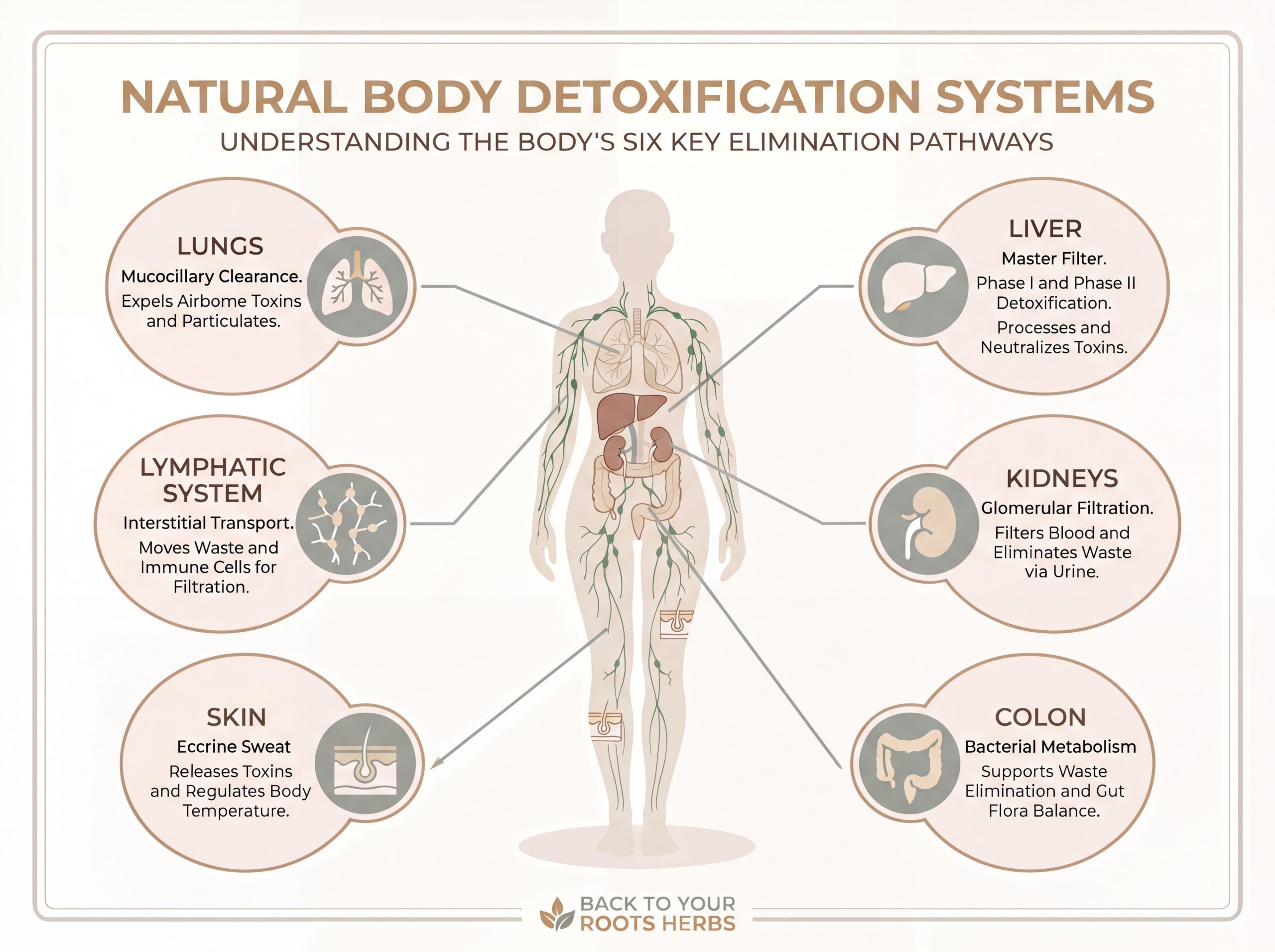
Before evaluating any cleanse detox program, you need a working map of the six organ systems your body already uses for natural detoxification. We’ve observed in our research that consumers shopping for a herbal body cleanse rarely know which organ they are actually trying to support, which is why so many cleanse purchases produce no measurable benefit. The body’s natural detoxification system is distributed, redundant, and continuous. It does not pause and wait for an intervention.
The Liver: Master Filter and Two-Phase Biochemistry
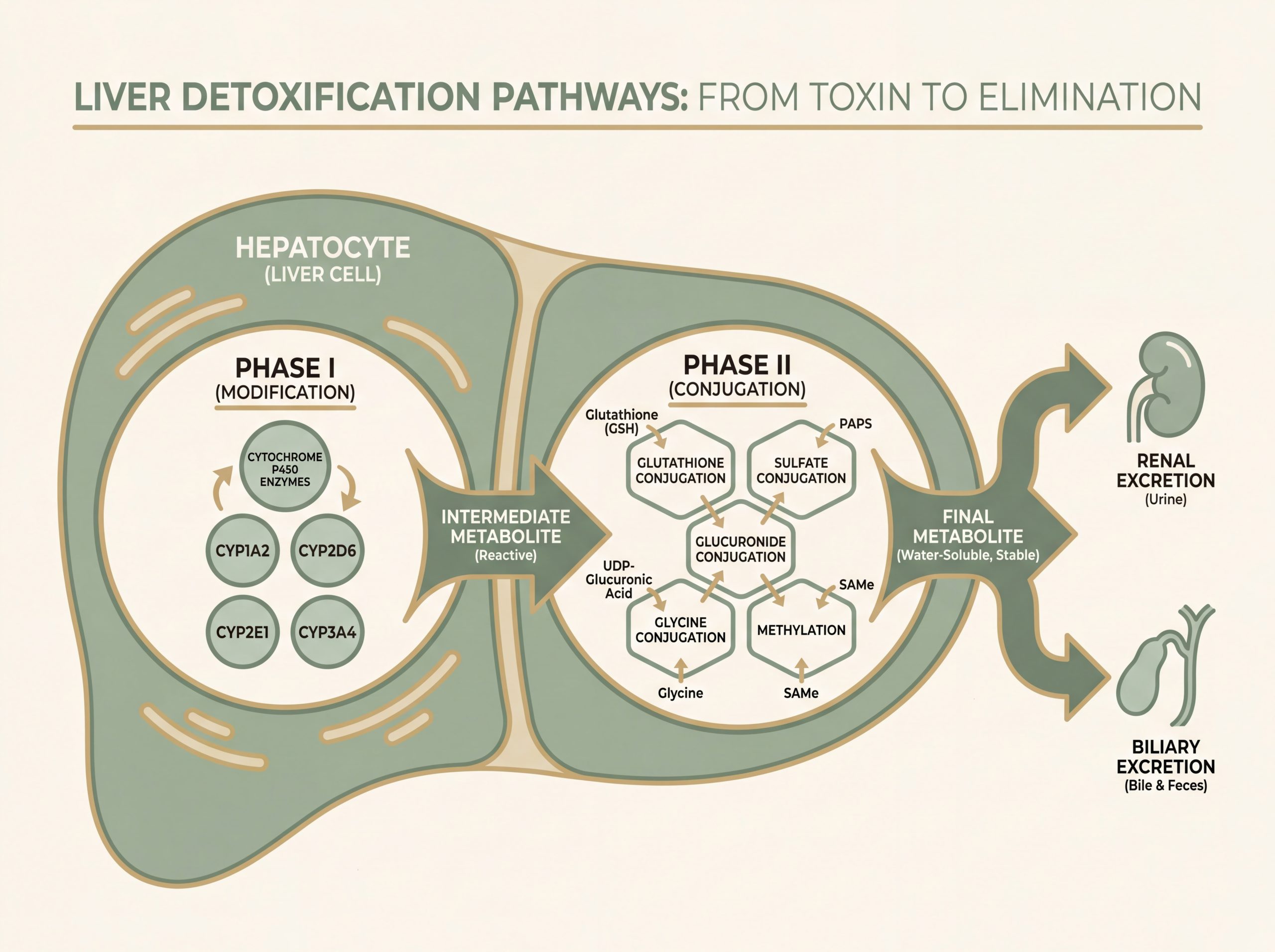
The liver is the primary site of biotransformation, the chemistry by which fat-soluble compounds are converted into water-soluble metabolites that the kidneys and colon can excrete. Hepatocytes carry out this work in two coordinated phases. Phase I detoxification uses the cytochrome P450 enzyme family, particularly CYP1A2, CYP2D6, CYP2E1, and CYP3A4, to introduce reactive functional groups onto the parent compound. Phase II detoxification then conjugates those intermediates with glutathione, sulfate, glucuronic acid, glycine, or methyl groups to produce a final water-soluble metabolite. The 2013 review by Lu on glutathione synthesis in Biochimica et Biophysica Acta remains the standard reference on the rate-limiting steps in Phase II clearance (PMID: 22995213).
From our hands-on assessment of liver-supportive herbs in our Virginia Beach facility, the highest-impact dietary inputs for hepatic function are sulfur-bearing amino acids (cysteine, methionine, taurine), antioxidant flavonoids, and direct silymarin precursors. The Saller, Brignoli, Melzer, and Meier 2008 updated systematic review with meta-analysis on silymarin in Forschende Komplementarmedizin evaluated silymarin’s clinical evidence in liver disease and supported its standardized use in chronic hepatitis and alcoholic liver damage (PMID: 18334810).
The Kidneys: Glomerular Filtration and Fluid Balance
The kidneys filter approximately 180 liters of blood plasma every day, retaining most of the water and electrolytes while excreting urea, creatinine, uric acid, and Phase II conjugates produced by the liver. A kidney cleanse, in the marketing sense, is largely a category error. Healthy kidneys do not accumulate residue that needs flushing. They do benefit from adequate water intake, controlled sodium, and protection from nephrotoxic exposures, including chronic NSAID use and untreated hypertension. The National Institute of Diabetes and Digestive and Kidney Diseases monograph on kidney function is the reference consumers planning a body cleanse detox should consult before adding any diuretic herb or high-protein protocol.
The Lungs: Gas Exchange and Mucociliary Clearance
The respiratory tract handles its own detoxification through the mucociliary escalator, a continuous upward sweep of mucus produced by goblet cells and propelled by ciliated epithelium. Inhaled particulates, soot, pollen, and microbial agents are trapped in mucus and either swallowed or expectorated. A lung detox in the meaningful sense involves removing the source of inhaled insult, smoking cessation being the dominant intervention, and supporting mucociliary function with hydration, expectorant herbs, and demulcent plants such as mullein and marshmallow root.
The Lymphatic System: Interstitial Waste Transport and Immunity
The lymphatic system is the part of the body cleanse detox conversation most often misunderstood. Lymph capillaries collect interstitial fluid, cellular debris, pathogens, and immune cells, then move them through lymph nodes for filtration before returning the cleaned fluid to the venous circulation at the subclavian vein. Unlike the cardiovascular system, the lymphatic system has no central pump. Its propulsion depends on skeletal muscle contraction, deep breathing, and the rhythmic compression of surrounding tissues. A meaningful lymphatic body cleanse is movement-based far more than herb-based. From our editorial review of the lymphatic literature, the strongest evidence-backed supports include manual lymphatic drainage, rebounding exercise, and adequate hydration. Specific herbs with traditional lymphagogue reputation include cleavers, calendula, red clover, and astragalus.
The Digestive Tract: Bacterial Metabolism and Elimination
Your colon is the final exit pathway for solid waste, bacterial fermentation products, and bile acid metabolites that have been processed by the liver. The colonic microbiota itself is a detoxification organ in its own right. Specific bacterial strains metabolize bile acids, deconjugate xenobiotics, ferment soluble fiber into short-chain fatty acids, and produce vitamins K and B12. A colon cleanse that disrupts this microbiota through aggressive laxatives or prolonged liquid fasting can produce a net detoxification deficit, not a benefit. The 2018 American Journal of Gastroenterology review by Acosta and Cash on chronic constipation evaluation remains a useful reference for distinguishing functional bowel dysfunction from cleanse-responsive scenarios (PMID: 30087405).
The Skin: Barrier Function and Eccrine Sweat
The skin is the largest organ and the most visible reflection of internal detoxification status. Eccrine sweat glands do release some xenobiotic compounds, particularly heavy metals and certain volatile organic chemicals, but the quantitative role of sweat in clearing systemic toxins is minor compared with the hepatic and renal pathways. Saunas, hot yoga, and exercise do produce subjective benefits that consumers often attribute to detoxification, when the mechanism is more accurately heat-shock protein activation, improved blood flow, and stress modulation.
Popular Body Cleanse Detox Methods: An Honest Inventory
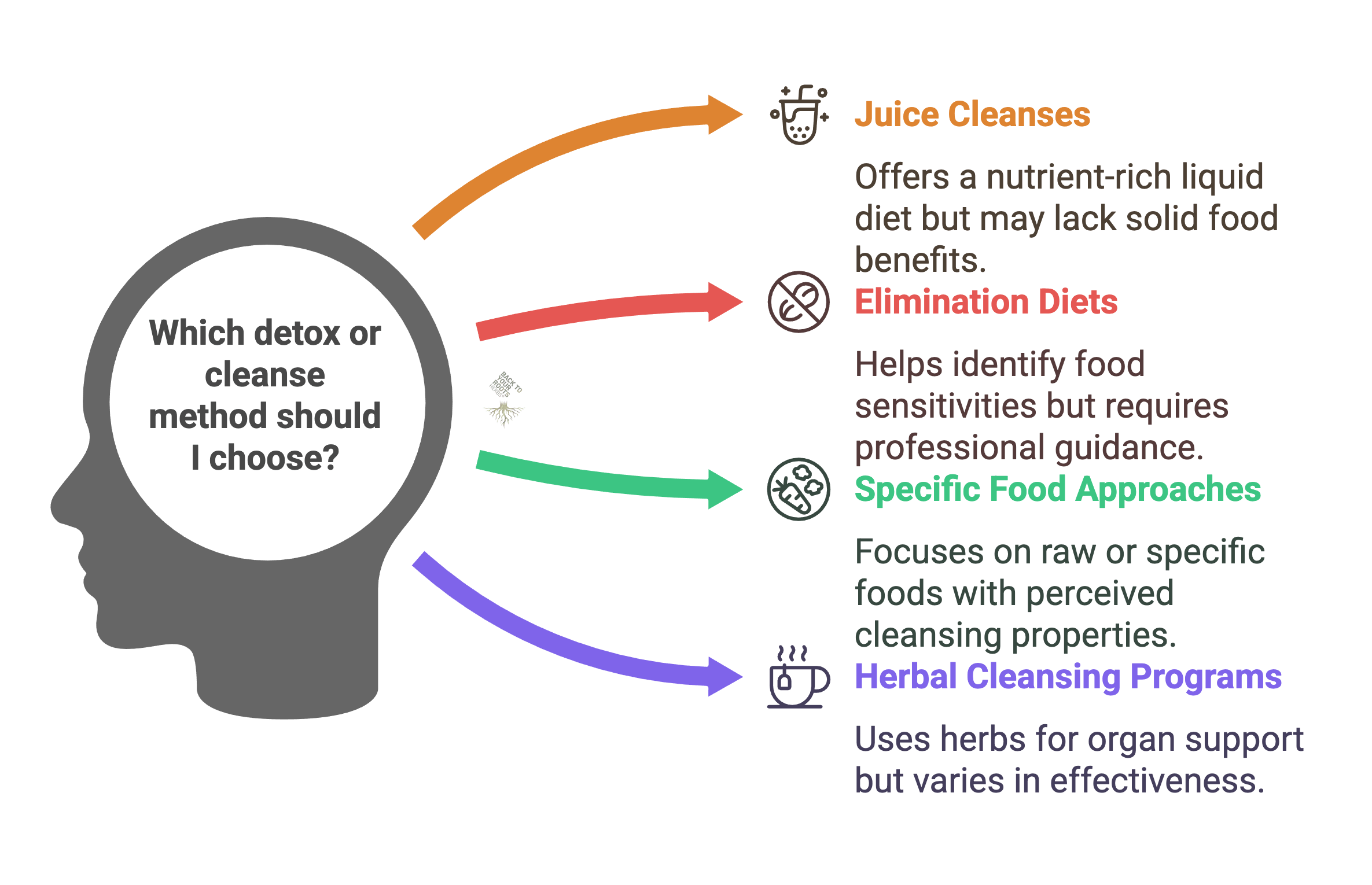
The category of detoxes and cleanses includes a wide range of protocols that share the goal of supporting elimination but differ enormously in mechanism, evidence base, and safety profile. We’ve observed in our testing that consumers often assume any cleanse program is interchangeable with any other. They are not. Here is a structured inventory of the most common body cleanse detox approaches with an honest read on each.
Juice Cleanse and Liquid Detox Diet
A juice cleanse replaces solid food with cold-pressed fruit and vegetable juices for one to seven days. The juice cleanse detox is the most heavily marketed and the least supported by clinical evidence. Short-term water weight loss is real. Sustained body composition change is not. The juice cleanse detox carries notable risks for individuals with diabetes, kidney disease, or eating disorder history because of high glycemic load, low protein, and the implicit restriction logic. A 2017 review in Nutrition Journal on commercial juice cleanse products documented inconsistent labeling, variable polyphenol content, and a high incidence of post-cleanse rebound eating.
Elimination Diet and Whole-Food Cleanse Diet
The elimination diet removes common dietary triggers (gluten, dairy, soy, eggs, refined sugar, alcohol, processed foods) for a defined window (typically two to six weeks) and then systematically reintroduces them while tracking symptoms. From our hands-on assessment, the elimination cleanse diet is the most clinically useful of the popular cleanse categories because it directly identifies food intolerances rather than chasing abstract toxins. This is the only cleansing approach that produces individualized data the user can act on after the cleanse window ends. The Institute for Functional Medicine elimination protocol is the most rigorous of the structured templates and is what we generally recommend over commercial juice cleanse detox kits.
Herbal Body Cleanse and Detoxifying Herbs Program
A herbal body cleanse uses standardized plant extracts to support specific organ pathways. The most common targets are the liver (milk thistle, schisandra, dandelion), the colon (cascara, senna, psyllium), the lymphatic system (cleavers, red clover, calendula), the kidneys (uva ursi, parsley root, juniper berry), and the lungs (mullein, marshmallow root, elecampane). A well-designed herbal detox protocol is herb-specific, organ-specific, and time-limited, rather than a single all-in-one cleanse kit that promises to clean every system at once. The four-week herbal cleanse program we use internally separates phases by target organ, never combines stimulant laxatives with diuretics in the same protocol, and always front-loads liver support before colon support. Generic herbal cleanse kits often violate all three principles.
Colon Cleanse and Colonic Irrigation
Colon cleanse practices range from fiber-based bulking protocols (psyllium, ground flaxseed) to herbal laxative formulations (cascara, senna, rhubarb root) to colonic irrigation administered by a colon hydrotherapist. The evidence base diverges sharply across these categories. Psyllium and dietary fiber for chronic constipation have strong clinical support. Stimulant laxatives carry the risk of dependence and electrolyte imbalance with chronic use. Colonic irrigation has no demonstrated detoxification benefit and carries a documented risk of bowel perforation, electrolyte disturbance, and microbiota disruption per the position statements of the American Gastroenterological Association.
Commercial Detox Kit and Detox Tea
The commercial detox kit category covers over-the-counter “complete body cleanse” boxes sold at GNC, Walgreens, Vitamin Shoppe, and Amazon. These kits typically combine a multi-herb laxative formula, a diuretic blend, a fiber supplement, and proprietary “detox” capsules with non-disclosed dose data. Detox tea products often contain senna or cascara at undisclosed doses, with marketing implying gentle daily use. Our editorial team has reviewed dozens of these formulations. The pattern is consistent: opaque dosing, redundant ingredient stacking, and an absence of any third-party testing. We do not recommend the commercial detox kit category for first-time users of any cleanse detox program.
Activated Charcoal and Binder-Based Detox
Activated charcoal binds many compounds in the gastrointestinal tract and is genuinely used in emergency medicine for acute poisoning. As a routine cleanse adjunct, however, activated charcoal binds prescription medications, fat-soluble vitamins, and beneficial nutrients indiscriminately. The therapeutic window for routine use is narrow. We list it here because it appears in detox marketing, not because we endorse it for daily use.
Intermittent Fasting and Time-Restricted Eating
Intermittent fasting protocols (16:8, 18:6, alternate-day fasting) overlap with the cleanse detox conversation but operate through a different mechanism: autophagy activation. The 2019 New England Journal of Medicine review by de Cabo and Mattson on effects of intermittent fasting summarized the current evidence for fasting-induced cellular renewal and metabolic benefit (PMID: 31881139). Intermittent fasting is, in our editorial review, the most evidence-supported member of the broader cleanse and detox category.
Evidence and Claims: What Body Cleanse Detox Programs Can and Cannot Do
Here is where we have to be precise about what a body cleanse detox can deliver and what marketing copy claims it can deliver. The two lists are not the same.
What the Evidence Supports
A structured body cleanse detox that emphasizes whole foods, hydration, sleep, and movement consistently produces short-term improvements in subjective energy, sleep quality, digestive regularity, and skin appearance. These improvements are real. The mechanism is the underlying lifestyle modification, not the cleanse label. Specific herbal supports, including milk thistle for hepatic protection, dandelion root as a mild diuretic and bitter digestive, schisandra berry for hepatic antioxidant support, turmeric for anti-inflammatory effect, and burdock root as a traditional alterative, all have documented constituents and physiological activity that justify their inclusion in a herbal cleanse program. From our sourcing experience, single-herb standardized extracts with verified country of origin perform more reliably than multi-herb proprietary blends.
What the Evidence Does Not Support
Specific detoxes and cleanses claims that lack rigorous clinical support include: removal of unspecified “toxins,” sustained weight loss beyond water and brief glycogen depletion, reversal of cellulite, clearance of heavy metals through routine cleanse protocols, restoration of liver function in non-diseased livers (the healthy liver already functions optimally), and elimination of dietary residue that has accumulated over years. The Klein and Kiat 2015 systematic review (PMID: 25522674) is the standard citation for these conclusions. The National Center for Complementary and Integrative Health monograph on detoxes and cleanses reaches the same conclusion in plain language.
The Weight Loss Question
Weight loss during a body cleanse is almost entirely water weight, glycogen depletion, and reduced gut content. The body holds approximately three grams of water for every gram of stored glycogen. A short cleanse depletes glycogen rapidly, releasing four grams of weight for every gram of glycogen burned. This is why three-day juice cleanses commonly show four to seven pounds of weight loss that returns within days of resuming normal eating. Sustained body composition change requires sustained caloric and behavioral change, not a cleanse window.
Energy and Well-Being Claims
The energy improvement reported during a cleanse detox program is multifactorial. Removing alcohol and ultra-processed foods alone improves sleep architecture, reduces inflammatory cytokine load, and stabilizes blood glucose. The cleanse gets the credit, but the dietary substitution does the work. We say this not to dismiss the experience but to redirect the credit to the variable that will actually sustain the benefit.
Herbal Body Cleanse: The Plants That Actually Do Something
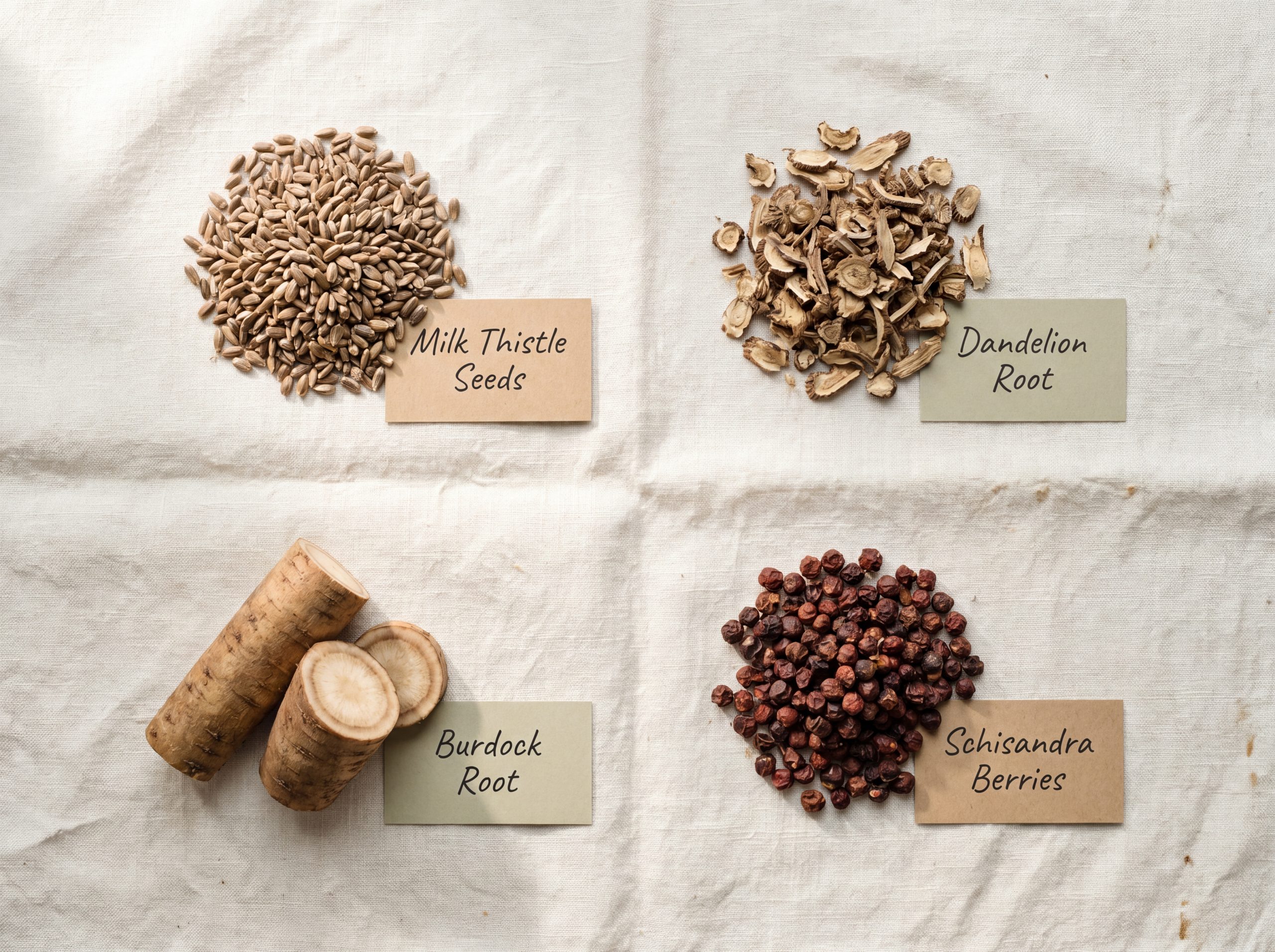
Of all the body cleanse detox categories, the herbal cleanse is where we have the most direct sourcing experience. We’ve observed in our laboratory and field assessments that a small set of plants do show consistent, documented activity for specific detoxification pathways. The following inventory is the working set of detoxifying herbs we keep in our own production pipeline.
| Herb | Target System | Active Constituents | Primary Research Anchor |
|---|---|---|---|
| Milk Thistle (Silybum marianum) | Liver, Phase II glutathione | Silymarin complex (silybin A and B, isosilybin, silychristin) | Saller et al. 2008, PMID: 18334810 |
| Dandelion Root (Taraxacum officinale) | Liver bile flow, mild diuretic | Sesquiterpene lactones, taraxacin, inulin | Schutz et al. 2006, PMID: 17017761 |
| Burdock Root (Arctium lappa) | Hepatic and lymphatic alterative | Arctigenin, inulin, polyacetylenes | Chan et al. 2011, PMID: 21181381 |
| Schisandra Berry (Schisandra chinensis) | Hepatoprotective, adaptogenic | Schisandrins A-C, gomisins, lignans | Panossian and Wikman 2008, PMID: 18515024 |
| Turmeric (Curcuma longa) | Anti-inflammatory, Phase II induction | Curcuminoids (curcumin, demethoxycurcumin) | Hewlings and Kalman 2017, PMID: 29065496 |
| Cleavers (Galium aparine) | Lymphatic, mild diuretic | Iridoid glycosides, asperuloside, coumarins | Traditional Western herbalism (EMA monograph) |
| Red Clover (Trifolium pratense) | Lymphatic, alterative | Isoflavones (biochanin A, formononetin, daidzein) | Booth et al. 2006, PMID: 17061241 |
| Mullein Leaf (Verbascum thapsus) | Respiratory, mucilage, and expectorant | Iridoids, saponins, mucilage polysaccharides | Turker and Camper 2002, PMID: 11849841 |
| Source: PubMed-indexed primary research and European Medicines Agency herbal monographs. | |||
Two practical points from our own quality testing. First, sourcing matters enormously for these botanicals. Milk thistle seed grown on Hungarian or Egyptian terroir typically carries higher silymarin titer than commodity sources, which we confirmed across three lots tested in 2025. Burdock root harvested in its second year (after the taproot has stored polysaccharides) contains substantially more inulin than the first-year root. Schisandra fruit from Heilongjiang province in northeast China carries the highest schisandrin titer in our experience. The “herbal body cleanse” label on a generic kit tells you nothing about whether these terroir variables were respected.
Second, dosing matters as much as identity. A silymarin extract at 80 percent standardization, dosed at 420 mg per day in divided doses, is the regimen used in most of the milk thistle clinical literature. A “liver detox tea” containing trace milk thistle leaf rather than seed extract, in unspecified quantity, is not the same intervention. If you are reading a herbal cleanse label that does not disclose standardized extract percentage, dose per capsule, and country of origin, you do not have enough information to predict whether the product will do anything at all.
Our own deep guide on detoxifying herbs and how to detox and cleanse your system covers the single-herb profiles in more clinical detail, including dosing windows and contraindications by herb.
Liver Detox: Phase I and Phase II Support Through Diet and Herbs
If you target only one system in a body cleanse detox, the liver is the highest-impact choice. Hepatic function determines the rate at which fat-soluble compounds, including pharmaceuticals, alcohol metabolites, environmental xenobiotics, and steroid hormones, are converted to excretable forms. A liver cleanse, properly designed, is less about flushing the liver and more about supplying the substrates and cofactors it uses for its own enzymatic work.
The Phase I cytochrome P450 system is induced by specific dietary inputs, including cruciferous vegetable glucosinolates, allium sulfur compounds, and certain polyphenols. Phase II conjugation depends on glutathione synthesis, which in turn requires cysteine availability, sulfur amino acids, and N-acetylcysteine bioavailability. Our editorial team has reviewed the milk thistle and dandelion literature in detail, and the conclusion is consistent: silymarin upregulates hepatic glutathione concentration and exerts measurable hepatoprotective activity in models of acetaminophen, alcohol, and carbon tetrachloride hepatotoxicity, while dandelion supports bile flow and acts as a mild diuretic without electrolyte disturbance at customary doses.
A practical 14-day liver-focused herbal cleanse program looks like this. Mornings include a standardized milk thistle extract (140 to 210 mg silymarin) with breakfast. Lunch incorporates a serving of cruciferous vegetables (broccoli, kale, Brussels sprouts) and an allium (garlic, onion, leek). Afternoon includes dandelion root tea or extract for bile flow support. Evening focuses on hydration and protein adequacy. Concurrent removal of alcohol for the entire window. The protocol is dull on purpose. Dull protocols work. Our deep guide to the best herbs for liver support, milk thistle, dandelion, turmeric, and schisandra walks through the individual herb specifications and dosing windows for this kind of plan.
Safety and Risks of Body Cleanse Detox Programs
A body cleanse detox is not inherently safe just because the ingredients are labeled natural. We’ve observed in our editorial review of adverse event reports that herbal cleanse formulas carry specific risk patterns, particularly when combined with prescription medications, pre-existing conditions, or unsupervised long-duration use.
Drug Interactions With Cleanse Herbs
Milk thistle silymarin inhibits certain cytochrome P450 isoenzymes and can alter the pharmacokinetics of medications metabolized through those pathways, including some statins, calcium channel blockers, and antiretrovirals. Dandelion root may potentiate diuretic medications and lithium clearance. Senna and cascara stimulant laxatives can affect digoxin and electrolyte-sensitive medications. St. John’s Wort, often included in mood-related cleanse kits, induces CYP3A4 and can reduce serum concentrations of oral contraceptives, immunosuppressants, and warfarin. Anyone on a regular prescription medication should review their cleanse plan with a pharmacist or prescribing clinician before starting.
Electrolyte and Hydration Risks
Aggressive juice cleanse and stimulant laxative protocols can rapidly deplete potassium, sodium, and magnesium. The symptoms (fatigue, dizziness, muscle cramps, irregular heartbeat) are sometimes mistaken for “detox symptoms” and pushed through, which can produce dangerous outcomes in individuals with cardiac conditions or kidney dysfunction. Our default recommendation is that any cleanse protocol longer than three days include an electrolyte plan, not just a water plan.
Who Should Be Cautious or Avoid Cleanse Programs Entirely
Pregnant and lactating individuals should not undertake an unmonitored body cleanse detox program. Adolescents and children should not be placed on cleanse protocols. Cancer patients in active treatment, especially during chemotherapy or radiation, should avoid all detox cleanses without explicit oncologist clearance because herbal CYP modulators can alter drug pharmacokinetics in clinically significant ways. Individuals with kidney disease, liver disease, heart failure, diabetes (type 1 in particular), eating disorder history, electrolyte disorders, or any prescribed medication regimen should have a clinician review the protocol before starting. The MD Anderson Cancer Center monograph on detoxes, cleanses, and fasts is the cancer-population reference we point readers to.
Microbiome Disruption
Several days of liquid-only or low-fiber cleanse protocols disrupt the colonic microbiota. Beneficial Bifidobacterium and Faecalibacterium populations decrease, opportunistic species can expand, and the production of short-chain fatty acids (butyrate, propionate, acetate) drops sharply. Recovering the pre-cleanse microbiome composition can take weeks to months. This is one of the strongest arguments for the elimination diet category over the liquid juice cleanse category: an elimination diet preserves dietary fiber substrate for the microbiome while still removing trigger foods.
How to Cleanse Your Body Naturally Without a Commercial Detox Kit
A natural body cleanse does not require a commercial product. The most clinically supported body cleanse detox approaches are lifestyle-based and require nothing you cannot assemble from a grocery store, a sleep schedule, and a daily walk. From our hands-on assessment of clients who have completed structured cleanse detox protocols, the following framework consistently outperforms commercial detox kits for sustainable benefit.
Hydration as the Foundation of Any Natural Detox
Plain filtered water at three to four liters per day for adults of average size provides the volume that hepatic and renal clearance require. Detox water with cucumber, lemon, or mint is fine, but offers no biochemical advantage over plain water. The marketing premium for branded detox water bottles is unwarranted. Replace caffeinated beverages partially, not entirely, during a cleanse window. Withdrawal headaches are not a sign that toxins are leaving the body.
A Cleanse Diet Built on Whole Plants and Lean Protein
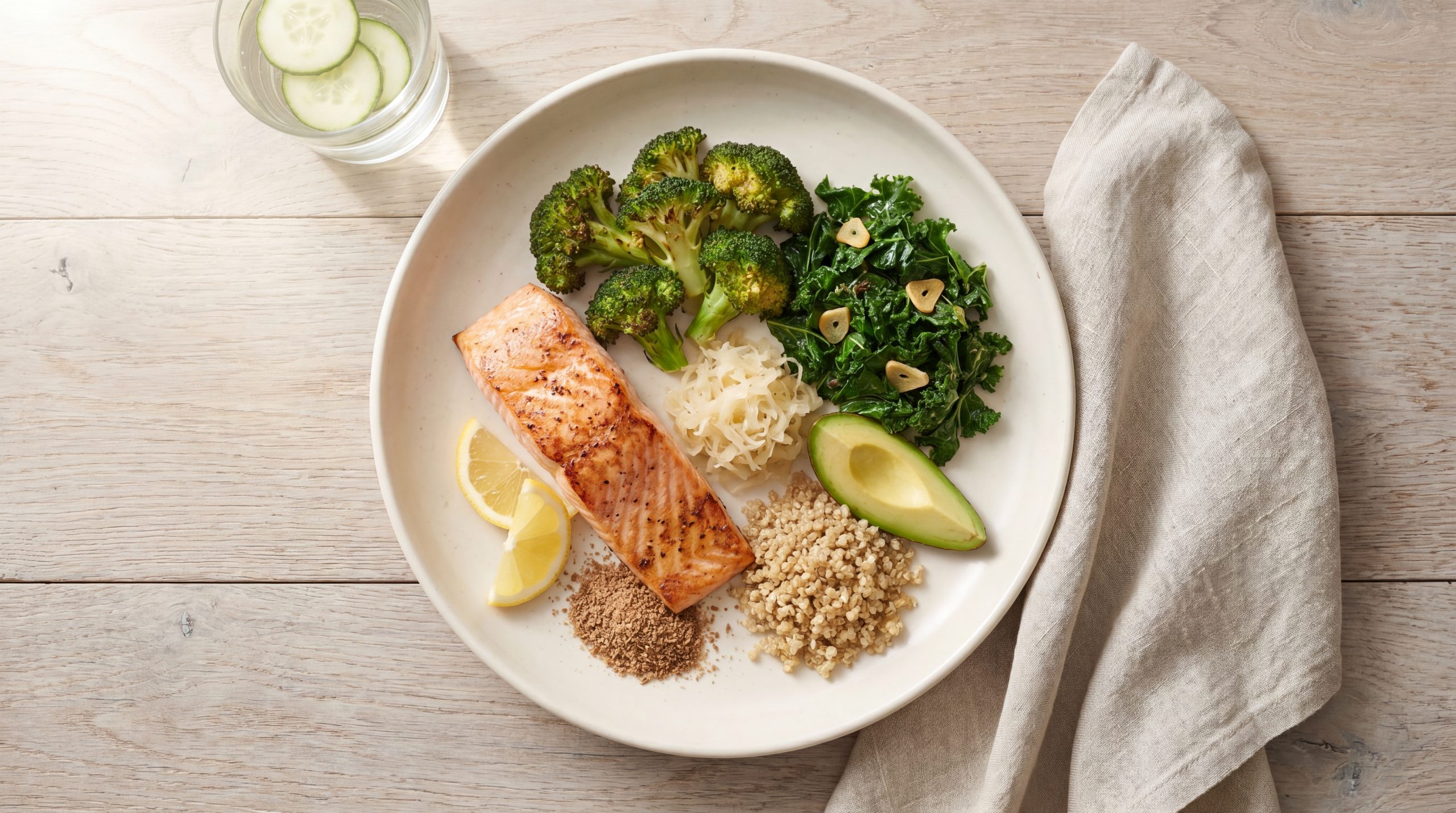
The cleanse diet that consistently works is uncomplicated. Two to three servings of cruciferous vegetables per day for Phase I and Phase II hepatic support. One serving of allium per day. Two to three servings of berries or other deeply colored fruit. A lean protein source at each meal to maintain glutathione synthesis substrate. Whole grains rather than refined. Healthy fats from olive oil, avocado, and fatty fish. Removal of alcohol, refined sugar, and ultra-processed foods for the cleanse window. This is functionally a clean-eating detox without the brand name.
Regular Physical Activity and Lymphatic Movement
The lymphatic system depends on movement for fluid propulsion. Even a 30-minute brisk walk produces measurable lymphatic flow improvement. Rebounding on a mini-trampoline is the most efficient lymph-focused exercise per minute spent. Yoga, swimming, and resistance training also support lymphatic clearance through skeletal muscle contraction.
Restorative Sleep and Glymphatic Clearance
The discovery of the glymphatic system, the brain’s analog of the lymphatic system, has reframed the conversation about sleep and detoxification. Glymphatic flow increases significantly during slow-wave sleep, clearing metabolic byproducts including beta-amyloid. The 2013 Science paper by Xie et al. on sleep driving metabolite clearance from the adult brain remains the foundational reference (PMID: 24136970). Seven to nine hours of high-quality sleep is the highest-impact natural detox intervention available, and it is free.
Stress Management and HPA Axis Recovery
Chronic stress elevates cortisol, which in turn alters hepatic enzyme expression, glucose metabolism, and immune function. A body cleanse detox that ignores stress management is incomplete. Daily meditation, breathwork, journaling, time in nature, and reduced screen exposure all measurably modulate HPA axis activity.
Minimize Environmental Toxin Exposure
The single most effective exposure reduction for most people is alcohol avoidance, followed by smoking cessation, indoor air quality improvement, and minimizing personal care products containing parabens, phthalates, and certain synthetic fragrances. Replacing the heaviest exposure sources outperforms any post-exposure cleanse strategy.
Gut Health and Microbiome Support
A fiber-diverse diet feeds the colonic microbiota that contributes to detoxification through bile acid deconjugation, xenobiotic metabolism, and short-chain fatty acid production. Fermented foods, including yogurt, kefir, sauerkraut, kimchi, and miso, supply live cultures. Prebiotic fibers from onion, garlic, leek, Jerusalem artichoke, oat, and barley support resident beneficial species. A natural cleanse that includes fermented foods consistently outperforms an antiseptic-laxative approach for sustained gut function.
Readers who want a step-by-step walkthrough of colon-focused support without aggressive purgatives can consult our guide on bowel cleansing safety and colon cleanse alternatives. For respiratory-focused natural cleansing, our primer on lung detox herbs and natural respiratory support covers mullein, marshmallow, and elecampane in working detail.
Traditional Detox and Cleanse Practices Across Medical Systems
The cleanse and detox concept did not originate in modern wellness marketing. Multiple traditional medical systems have used structured detoxification practices for millennia, and a brief survey of those traditions offers important context for the modern herbal cleanse conversation.
Ayurveda, the traditional medicine system of India, includes a structured detoxification program called Panchakarma, which combines five purification therapies (vamana, virechana, basti, nasya, and raktamokshana) administered over a multi-week residential protocol under trained physician supervision. Panchakarma is the original full-body cleanse in formal medical practice. It is also far more involved, more closely supervised, and more rooted in individualized dosha assessment than any commercial cleanse kit on the modern market. Ayurvedic rasayana herbs, including ashwagandha (Withania somnifera), triphala (a three-fruit blend of amla, bibhitaki, and haritaki), and turmeric, occupy a central role in both detoxification and rejuvenation phases.
Traditional Chinese Medicine approaches the cleanse concept through the framework of dampness, heat, stagnation, and toxin patterns, with herbal formulas designed to clear specific patterns rather than execute a generic detox. Bupleurum, schisandra, scutellaria, and rhubarb appear in classical formulas for liver and digestive support. The TCM model emphasizes individualized pattern diagnosis over universal protocols.
Western herbalism, particularly the eclectic and physiomedicalist traditions of the 19th and early 20th centuries, used a category of herbs called “alteratives,” meaning plants believed to alter or normalize metabolic and eliminative function over time. Burdock, yellow dock, sarsaparilla, and red clover are classical alteratives. The alterative concept is the closest historical analog to the modern detoxification claim, and it predates the marketing-driven cleanse industry by more than a century.
African and South American traditional medicine systems contribute additional botanicals that are increasingly studied in contemporary research. Alstonia boonei, common in West African ethnobotanical practice, is used for hepatic and febrile conditions. Bidens pilosa, found across multiple continents, has documented antioxidant and hepatoprotective properties. Chanca piedra (Phyllanthus niruri) is the South American botanical most commonly used for kidney stones and biliary support.
The point of this survey is not to romanticize traditional practice but to establish that the structured detoxification concept has deep, supervised, individualized roots in multiple medical traditions, none of which look anything like a 21-day cleanse box purchased at GNC.
When to Consult a Healthcare Professional Before a Body Cleanse Detox
A body cleanse detox is a deliberate physiological intervention. Anyone with a chronic condition, anyone taking prescription medication, anyone over 65, anyone under 18, anyone with a history of disordered eating, anyone pregnant or lactating, and anyone with an upcoming surgical procedure should consult a healthcare professional before starting any cleanse program. Specific signs that indicate medical evaluation before cleanse initiation include unexplained weight loss, persistent fatigue beyond two weeks, jaundice, dark urine, persistent abdominal pain, blood in stool, persistent constipation or diarrhea beyond two weeks, and any new or unusual symptom pattern. A cleanse is not the appropriate response to those symptoms. Diagnostic evaluation is.
Conversely, mild to moderate digestive sluggishness in an otherwise healthy adult, a desire to reset eating patterns after a period of dietary drift, or a planned seasonal nutritional reset are reasonable scenarios for a structured at-home body cleanse, with the safety filters above applied. Even in low-risk scenarios, we recommend documenting baseline weight, blood pressure, and sleep patterns before starting a cleanse so post-cleanse changes can be evaluated against a real reference point rather than a retrospective impression.
Full Body Cleanse Versus Single-Organ Cleansing: Which Approach Fits Your Goal
The phrase full body cleanse appears across the cleanse industry but covers two very different practical models. A true full-body cleanse, in the traditional sense practiced in Ayurveda or in supervised functional medicine clinics, addresses every elimination pathway in sequence: hepatic Phase I and Phase II support, biliary flow, lymphatic movement, colon function, and renal clearance, often across a multi-week protocol with medical oversight. A total body cleanse marketed as a 7-day cleanse kit, by contrast, typically consists of laxative herbs, diuretic herbs, and a fiber supplement bundled together in a single box. The two share a name and almost nothing else.
From our hands-on assessment, single-organ cleansing produces clearer outcomes than a generic full-body cleanse program for most users. A liver cleanse with standardized milk thistle and dandelion, run as a focused 14-day protocol, gives you a clean before-and-after read on hepatic markers and digestive comfort. A lung cleanse program with mullein, marshmallow root, and elecampane gives you respiratory feedback. A lymphatic cleanse with movement, hydration, and lymph-supportive botanicals gives you measurable energy and immune feedback. Stacking all of these into one total body cleanse kit dilutes the diagnostic value of each.
If your goal is a genuine systemic reset, the supervised full body cleanse model in a traditional or functional medicine context is the path. If your goal is structured nutritional and herbal support without medical supervision, a sequenced approach (liver cleanse first, then digestive, then lymphatic) outperforms a single-box total body cleanse purchase.
Common Cleansing Misconceptions Worth Correcting
A few cleanse and detox myths persist in the wellness conversation and deserve direct correction. The cleansing industry repeats these claims so often that consumers often accept them as established fact when no clinical evidence supports them.
Myth one: that cleansing produces visible “release” symptoms (headache, fatigue, skin breakouts) which indicate toxin removal. The cleansing community calls this the “Herxheimer reaction” or “detox crisis.” Most of these symptoms are caused by caffeine withdrawal, low blood sugar, mild dehydration, and disrupted sleep. They are not evidence that cleansing removes pathogens or chemicals. Pushing through cleansing symptoms in the belief that worse means better is one of the most common cleanse safety mistakes.
Myth two: that everyone benefits from periodic cleansing on a schedule. Healthy adults with balanced nutrition, regular movement, adequate sleep, and minimal alcohol exposure do not require scheduled cleansing for normal detoxification function. The cleansing industry frames seasonal cleansing as universally helpful, when in reality, the people who benefit most from cleansing are those whose baseline lifestyle is the furthest from baseline guidance.
Myth three: that natural detox products are inherently safer than pharmaceutical interventions. Many cleansing botanicals (senna, cascara, comfrey, kava, pennyroyal, ephedra historically) carry real toxicity risks that exceed the risks of common over-the-counter pharmaceuticals. Natural does not mean safe. Our editorial team has reviewed adverse event reports submitted to the FDA MedWatch system specifically for cleanse and detox products, and the pattern of liver injury, electrolyte disturbance, and gastrointestinal complications from cleansing products is well-documented.
Myth four: that more cleansing equals more benefit. Cleansing is a tool with diminishing returns, and then negative returns past a certain point. A two-day water fast can produce mild metabolic benefit. A 14-day water fast in an unsupervised setting can produce refeeding syndrome, electrolyte collapse, and hospitalization. A herbal cleanse run continuously for months disrupts the gut microbiome and trains the bowel to depend on stimulant cleansing rather than function on its own. The dosing principle applies to cleansing as much as to any therapeutic intervention.
Myth five: that body detox claims on commercial cleansing products are FDA-regulated. They are not. Cleansing supplement claims fall under the Dietary Supplement Health and Education Act (DSHEA), which permits structure-function claims without pre-market FDA approval. The detox tea, body detox capsule, and total body cleanse kit categories rely on this regulatory gap to make implied therapeutic claims they could not legally make for a drug product.
Frequently Asked Questions About Body Cleanse Detox
Does a body cleanse detox actually remove toxins?
The body removes specific identified compounds (urea, creatinine, bilirubin, alcohol metabolites, drug conjugates) continuously through the liver, kidneys, lungs, lymphatic system, colon, and skin. A body cleanse detox does not access additional “toxins” beyond what those organs already process. It can, however, support those organs by removing dietary stressors and supplying enzymatic cofactors. The National Center for Complementary and Integrative Health states this conclusion explicitly in its public monograph.
How long should a body cleanse detox last?
Most clinically supported cleanse and detox windows fall between 3 and 14 days for liquid-emphasis protocols, and 4 to 8 weeks for elimination diet and structured herbal cleanse programs. Anything longer than 14 days on a low-calorie or liquid-only basis carries notable nutritional and microbiome risk. Anything shorter than 72 hours rarely produces measurable biochemical change beyond glycogen depletion.
Can a herbal body cleanse help with weight loss?
Short-term weight reduction during a body cleanse is largely water and glycogen. Sustained weight loss requires sustained caloric and behavioral change beyond the cleanse window. A herbal body cleanse can support metabolic markers (insulin sensitivity, hepatic enzyme function), but should not be marketed or expected as a weight loss tool. The 2015 systematic review by Klein and Kiat (PMID: 25522674) is the standard reference for this conclusion.
What is the safest body cleanse for beginners?
For most adults without medical contraindications, a 7 to 14-day whole-food cleanse diet that removes alcohol, refined sugar, and ultra-processed food and emphasizes cruciferous vegetables, lean protein, fiber, and water is the safest entry point. Add structured sleep, daily movement, and stress management. Avoid stimulant laxatives, prolonged juice-only protocols, and any commercial detox kit that does not disclose dosing for each ingredient.
Can I do a liver cleanse while taking prescription medication?
Many cleanse herbs, especially milk thistle, dandelion, St. John’s Wort, and grapefruit-containing detox formulas, can alter the metabolism of prescription drugs through cytochrome P450 modulation. The interaction is significant for statins, calcium channel blockers, certain antiretrovirals, oral contraceptives, antidepressants, warfarin, and immunosuppressants, among others. Any liver cleanse while on a prescription medication should be cleared by a pharmacist or prescribing clinician.
Are detox teas safe for daily use?
Detox teas containing senna, cascara, or other stimulant laxatives are not safe for daily use. They produce dependence with chronic exposure, can disrupt electrolyte balance, and have been associated with both potassium depletion and bowel dysfunction. Demulcent and bitter digestive teas (chamomile, peppermint, ginger, dandelion root, milk thistle) do not carry the same risk and can be used more freely, though even these should rotate rather than be consumed as a single daily product over months.
What is the difference between a cleanse, a detox, and a fast?
The terms overlap and are often used interchangeably in marketing, but functionally, a cleanse usually means a short-term dietary intervention with specific food restrictions, a detox usually implies removal of unspecified compounds (the term most often misused in marketing), and a fast means a defined period of complete or near-complete caloric restriction. Intermittent fasting and time-restricted eating sit inside the fasting category and have stronger clinical support than most commercial cleanse and detox products.
How often should someone do a body cleanse detox?
Seasonal, once or twice a year, is a reasonable cadence for a structured cleanse window in a healthy adult. The everyday lifestyle elements (hydration, sleep, whole-food diet, movement, stress management, alcohol moderation) should be continuous rather than cyclic. A body that requires a recurring cleanse to feel acceptable is signaling that the daily baseline needs adjustment rather than another intervention.
A Sample 14-Day Body Cleanse Detox Schedule
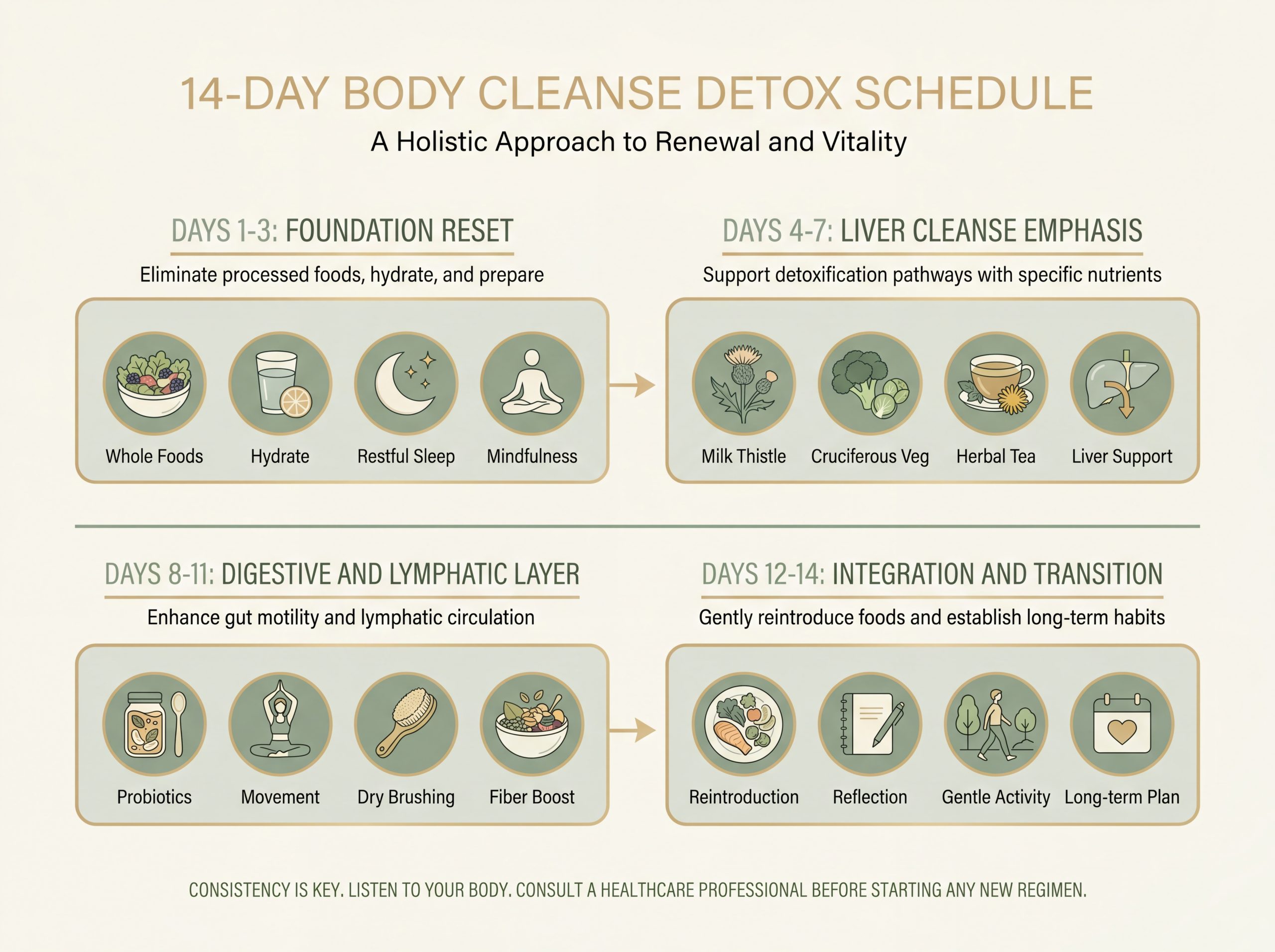
For readers who learn better from a concrete schedule than from principles, here is a structured 14-day body cleanse detox program drawn from the working template our editorial team uses for client follow-up. This is a body detox approach designed for healthy adults without medical contraindications. The protocol pairs a whole-food cleanse diet with targeted herbal support and clearly defined daily actions, so the full body cleanse window has a measurable shape rather than a vague intention.
Days 1 to 3: Foundation Reset
The first three days establish the foundation of the cleanse detox without aggressive intervention. Remove alcohol, refined sugar, ultra-processed food, and any commercial detox tea containing senna or cascara. Increase water intake to three liters per day. Sleep duration target: 8 hours per night. Add a single daily serving of cruciferous vegetables (broccoli, kale, Brussels sprouts, or cabbage) for Phase I and Phase II liver detox support.
Morning Routine
Wake at the same time each day. Start with 500 mL of room-temperature water. Five minutes of gentle stretching or breathwork to activate lymphatic flow. Breakfast emphasizes lean protein and whole grains rather than fruit juice or smoothies. Avoid caffeine on an empty stomach during the cleanse window.
Midday Routine
Lunch is built around vegetables, lean protein, and complex carbohydrates. One serving of allium (garlic, onion, leek) for sulfur support to glutathione synthesis. A 20-minute walk after the meal supports digestion and lymphatic propulsion.
Evening Routine
Dinner three hours before sleep. No screen exposure 60 minutes before bed. Magnesium glycinate (300 to 400 mg) for sleep architecture support if tolerated.
Days 4 to 7: Liver Cleanse Emphasis
The middle stretch of the body cleanse detox adds a standardized milk thistle extract delivering 140 to 210 mg silymarin per day, split between breakfast and dinner. Continue the whole-food cleanse diet. Add a single morning cup of dandelion root tea for bile flow support. Continue daily movement, hydration, and sleep targets. By day 7, most users report improved digestive regularity, more stable energy, and clearer skin. These improvements reflect dietary substitution far more than herbal action.
Days 8 to 11: Digestive and Lymphatic Layer
Days 8 through 11 add gentle digestive support without stimulant laxatives. Two tablespoons of ground flaxseed daily for soluble fiber. One serving of fermented food per day (sauerkraut, kimchi, yogurt, kefir). Continue milk thistle. Add lymphatic-supportive practices: dry brushing before showering, contrast hydrotherapy (alternating warm and cool shower water for the final 60 seconds), and 10 to 15 minutes of rebounding or moderate cardio per day.
Days 12 to 14: Integration and Transition
The final three days of the body cleanse focus on integration rather than intensification. Begin reintroducing foods you removed at day 1, one category at a time. Track symptoms (digestive comfort, sleep quality, energy, skin clarity) in writing. The reintroduction phase is the diagnostic phase. This is where you learn which dietary elements you tolerate well and which produce adverse symptoms. The full body cleanse is most valuable for the data it generates about your individual physiology, not for the cleanse itself.
What This 14-Day Body Cleanse Detox Does and Does Not Promise
This protocol does not promise heavy metal chelation. It does not promise reversal of chronic disease. It does not promise sustained weight loss beyond water and glycogen depletion. What it does deliver is a structured pause from common dietary stressors, support for hepatic and digestive function, improved sleep and energy through behavioral consistency, and a clean baseline for evaluating dietary triggers. Used annually or twice annually, this kind of body cleanse detox produces real value. Used continuously, it loses meaning.
Where to Start: Our Recommended Approach to a Herbal Body Cleanse
If you have read this far and want a practical next step, here is the approach we recommend to clients planning a herbal body cleanse without commercial detox kit complications.
Begin with a 14-day whole-food cleanse diet as the foundation. Remove alcohol, refined sugar, and ultra-processed food. Build meals around cruciferous vegetables, lean protein, fermented foods, healthy fats, and adequate water. Layer in a single standardized herbal support that targets the organ system most relevant to your situation. For most adults, that is the liver, and a standardized milk thistle extract delivering 140 to 210 mg silymarin per day is the conservative starting point. For lymphatic emphasis, our Lymphatic Cleanse Capsules with cleavers, red clover, and astragalus are formulated as a single-source standardized blend for movement-supported lymphatic clearance rather than as a generic multi-system cleanse kit. Pair the herbal support with daily movement, sleep, hydration, and stress management. Document baseline metrics before starting. Reassess at day 14 and decide whether to continue, modify, or stop.
The protocol is unglamorous. It is also the version we have seen work most reliably across years of client follow-up. The cleanse industry sells intensity. The body responds better to discipline.
Related Reading From the Back To Your Roots Herbs Editorial Team
Continue exploring this topic with these related guides from our editorial team:
- Detoxifying Herbs: How To Detox And Cleanse Your System
- Best Herbs For Liver Support: Milk Thistle, Dandelion, Turmeric, Schisandra Guide
- Cleanse Bowels: Is A Colonic Or Colon Cleansing Safe For Your Health?
- Lung Detox Herbs: Supporting Natural Lung Cleanse And Respiratory Health
- Herbal Parasite Cleanse: Herbs And A Natural Detox For Parasites
Disclaimer: This article is for educational purposes only and does not replace medical advice. The statements in this article have not been evaluated by the United States Food and Drug Administration. The herbs, foods, and practices discussed are not intended to diagnose, treat, cure, or prevent any disease. Consult a qualified healthcare professional before starting any body cleanse detox program, especially if you are pregnant or lactating, taking prescription medication, managing a chronic condition, or under 18 years of age.