As men get older, a gradual decrease in testosterone levels is a natural part of the aging process. This decline can sometimes lead to concerns about libido, energy, and muscle mass. While some herbs and supplements may help the body’s natural production of testosterone, others might assist in relieving symptoms associated with lower levels. The evidence for many of these is mixed, and it is important to approach the topic with a clear understanding of the science.
Many companies market supplements with claims of being a cure for low testosterone, but very limited research supports these benefits. The Food and Drug Administration (FDA) does not regulate the quality or safety of herbs and vitamins. This means a company can make claims about a product that may not be true. Always connect with a doctor before trying a new herb or supplement to reduce the risk of unintended side effects.
Understanding Testosterone and Its Decline
What is Testosterone?
Testosterone is the primary male sex hormone, but it’s present in both men and women. In men, it’s produced mainly in the testes. It plays a key part in the development of male reproductive tissues such as the testes and prostate, as well as promoting secondary sexual characteristics like increased muscle and bone mass, and the growth of body hair. Beyond these functions, testosterone is essential for overall health, well-being, and preventing osteoporosis.
Why Levels Naturally Decrease
After the age of 30, most men begin to experience a gradual decline in testosterone. A variety of factors can accelerate this process, including chronic health conditions, stress, poor diet, and a sedentary lifestyle. This natural decline is different from clinically diagnosed hypogonadism, which requires medical intervention. Lifestyle factors are often the most impactful place to start when looking to support healthy hormone levels.
A Scientific Review of Key Herbs
Several herbal supplements are frequently mentioned for their potential to support testosterone levels. It is vital to examine the scientific evidence behind these claims to make an informed decision.
Ashwagandha (Withania somnifera)
An adaptogenic herb used in traditional Ayurvedic medicine, ashwagandha is known for helping the body manage stress.
- The Science: Some studies suggest a connection between ashwagandha and testosterone. A 2019 study found that ashwagandha was associated with increases in DHEA and testosterone. Another 2022 study noted that taking ashwagandha root extract twice daily for eight weeks helped increase testosterone levels. The primary mechanism is thought to be its ability to lower cortisol, a stress hormone that can negatively impact testosterone production.
- Safety: Generally considered safe for short-term use, but can cause mild stomach upset in some individuals. More research is needed to understand its long-term effects.
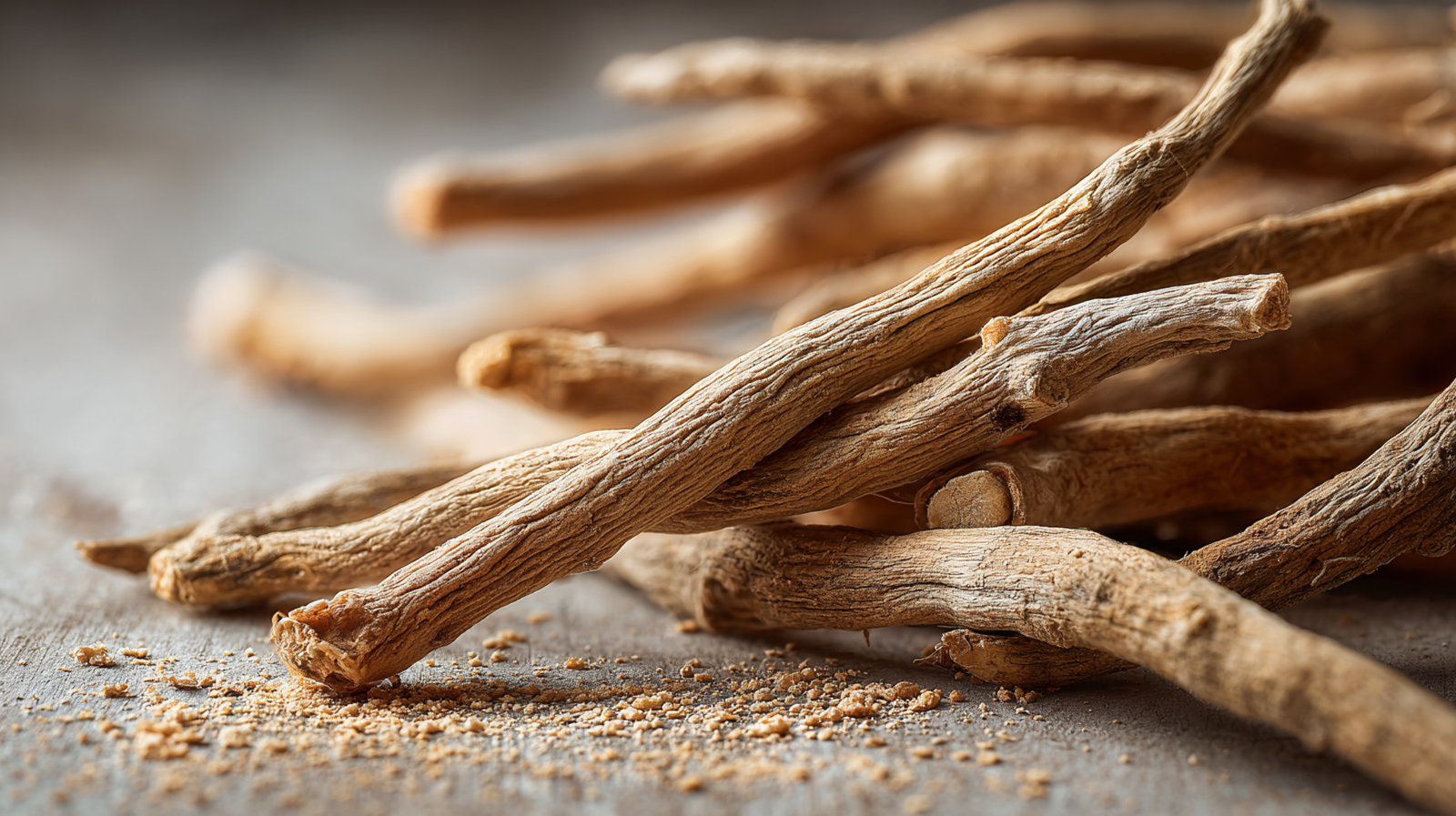
Tongkat Ali (Eurycoma longifolia)
Also known as Malaysian ginseng, this plant is native to Southeast Asia and has a long history of use in traditional medicine.
- The Science: A 2022 review found that Tongkat Ali may help increase testosterone in males. It is thought to work by stimulating the release of luteinizing hormone, which signals the testes to produce more testosterone. Some research also suggests it may help free up testosterone from sex hormone-binding globulin (SHBG).
- Safety: There is no standard dosage, and it is important to speak with a healthcare professional before use.
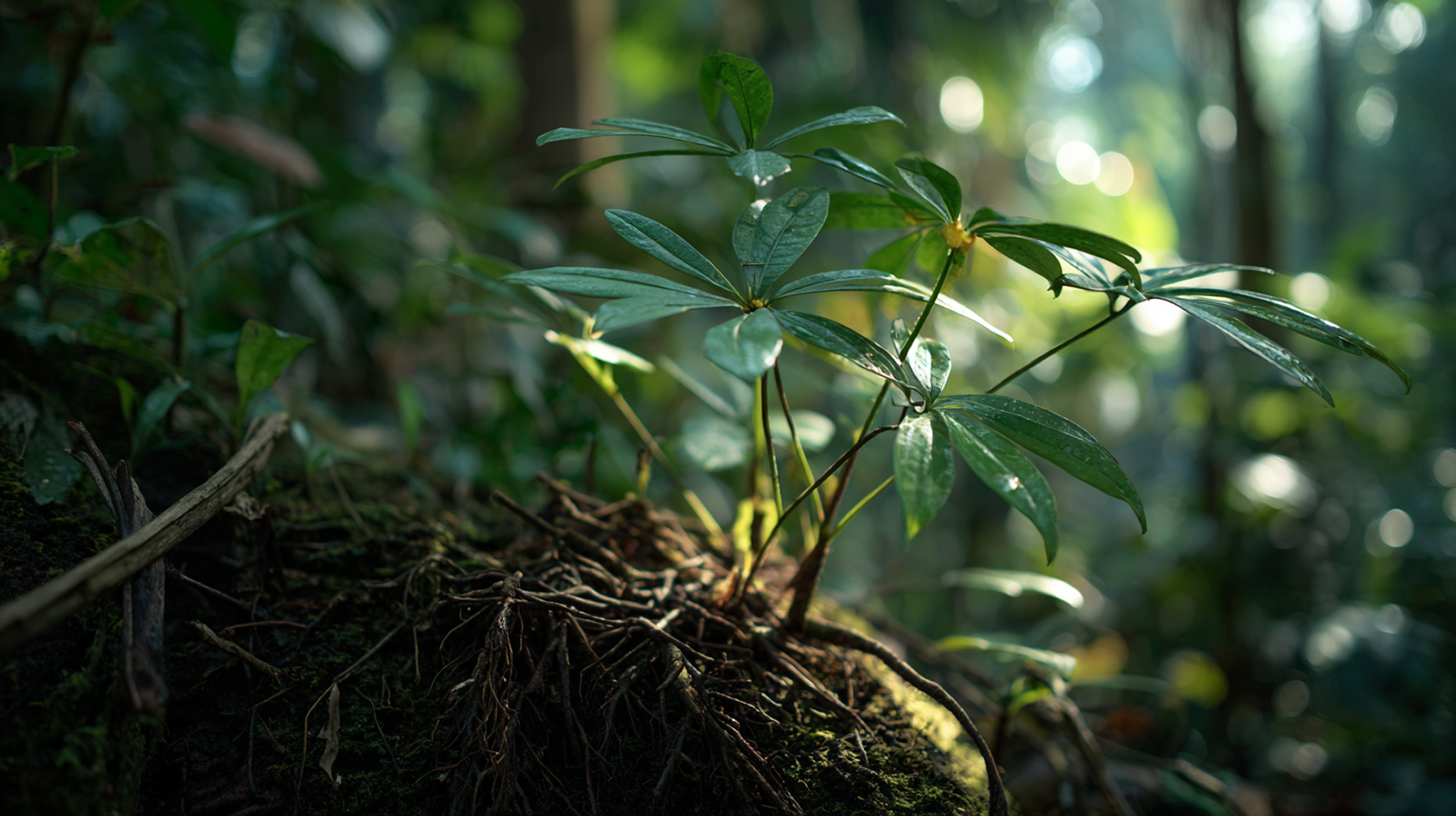
Fenugreek (Trigonella foenum-graecum)
This herb is a common household spice, but extracts from its seeds are used in supplements.
- The Science: Evidence from a systematic review indicates that fenugreek seed extracts may have positive effects on testosterone concentrations in men. Compounds in fenugreek called furostanolic saponins are believed to be responsible. They may work by inhibiting enzymes that convert testosterone into estrogen.
- Safety: Can cause minor side effects like digestive upset. It may also affect blood sugar levels, so individuals with diabetes should be cautious.
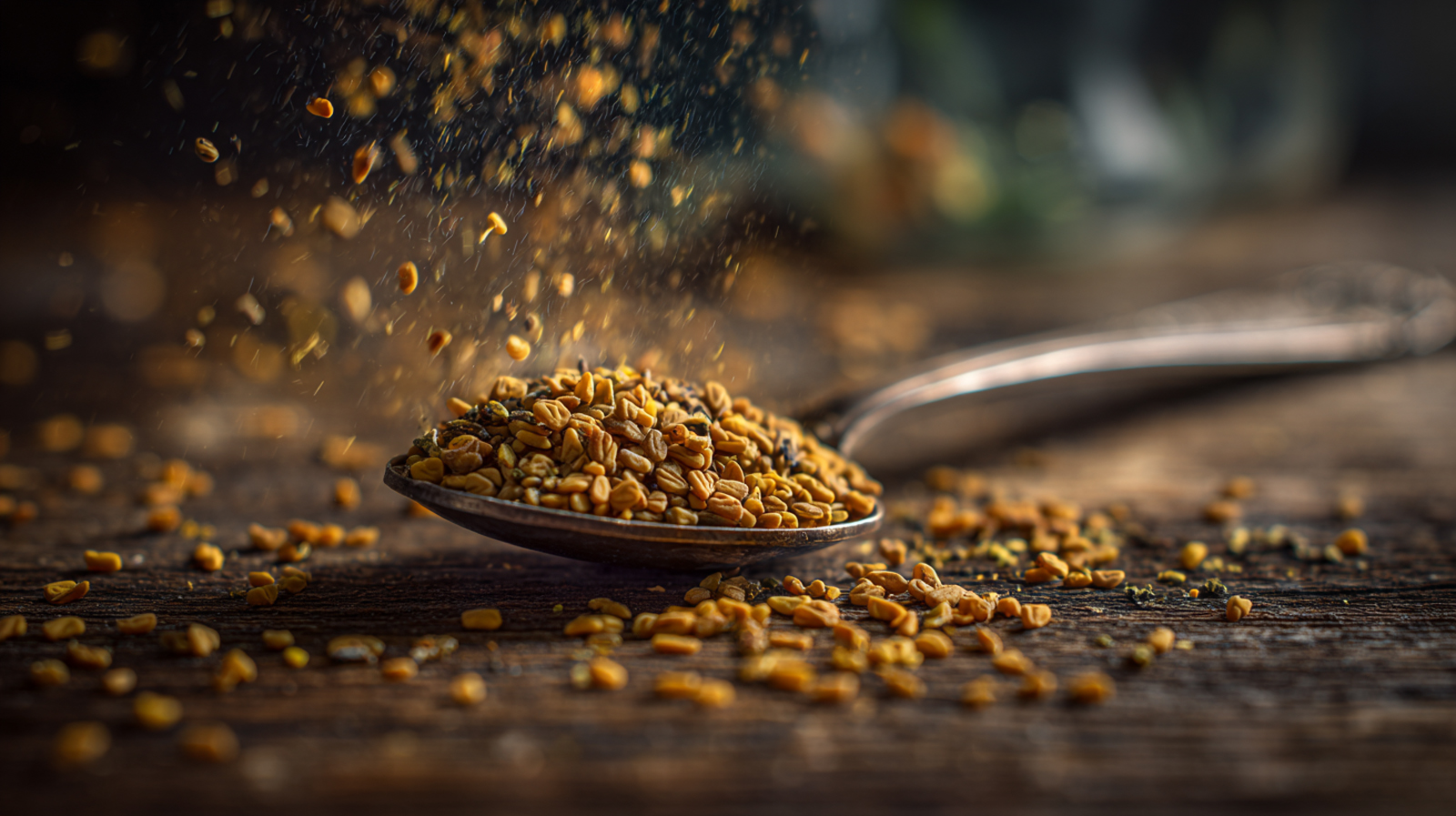
| Herb | Potential Mechanism | Strength of Evidence |
|---|---|---|
| Ashwagandha | Stress (cortisol) reduction | Moderate |
| Tongkat Ali | Luteinizing hormone stimulation | Moderate |
| Fenugreek | Enzyme inhibition | Moderate |
Essential Vitamins and Minerals
Deficiencies in certain nutrients can contribute to lower testosterone levels. Correcting these deficiencies is a foundational step.
Vitamin D
Often called the “sunshine vitamin,” Vitamin D functions as a steroid hormone in the body. Low vitamin D levels have been associated with lower testosterone. While supplementation may help those who are deficient, sun exposure for 15-20 minutes daily is an effective way to naturally increase levels.
Zinc
This essential mineral is vital for numerous bodily functions, including immune response and hormone production. Zinc deficiency is strongly linked to low testosterone. Supplementing with zinc may help to increase testosterone levels in those with low serum zinc.

Herbs with Weaker Evidence
Many other natural supplements are marketed to boost testosterone, but the scientific backing is often less robust. Ingredients like Maca root, Tribulus terrestris, and saw palmetto are frequently included in formulas but have shown mixed or inconclusive results in human studies regarding their direct impact on testosterone levels. Back To Your Roots Herbs believes in transparency about the state of research for all natural compounds.
Making Safe and Informed Choices
The Importance of a Medical Consultation
Before starting any new supplement regimen, it is essential to consult with a healthcare professional. They can help determine if you have a true deficiency, rule out underlying medical conditions, and advise on whether supplements are appropriate for you. This conversation is the most important step to increase your well-being.
How to Select a Quality Supplement
Since the FDA does not regulate supplements, quality can vary widely. Look for products that have been third-party tested by organizations like NSF International or USP. This verification helps ensure that the product contains what is listed on the label and is not contaminated with harmful substances.
Frequently Asked Questions
- What is the difference between herbal support and TRT?
- Herbal supplements are intended to support the body’s natural production of testosterone. Testosterone Replacement Therapy (TRT) is a medical treatment that involves administering exogenous testosterone and is prescribed by a doctor for diagnosed hypogonadism.
- How long does it take for herbal supplements to work?
- If a supplement is effective for an individual, it may take several weeks to months to notice any changes. Results are not guaranteed and can vary significantly.
- Are natural testosterone boosters safe?
- While many herbs are generally considered safe, they can have side effects and interact with medications. The lack of regulation means quality and purity can be a concern. Professional medical advice is crucial for safety.