Key Takeaways
- Banisteriopsis caapi is a woody Amazonian liana in the Malpighiaceae family, accepted botanically as Banisteriopsis caapi (Spruce ex Griseb.) C.V.Morton.
- The vine contains the beta-carboline alkaloids harmine, harmaline, and tetrahydroharmine, which act as reversible, competitive inhibitors of monoamine oxidase A.
- The vine itself does not contain N, N-dimethyltryptamine. DMT in traditional ayahuasca preparations comes from separate admixture plants, not from the caapi vine.
- Published analytical surveys report wide chemical variation between individual vines, with relative standard deviations from 78.9 to 170 percent across 176 sampled lianas.
- Legal status differs sharply between the raw vine and the prepared brew, and varies by jurisdiction. Back To Your Roots Herbs does not sell this plant.
Few plants carry as much accumulated meaning, and as much accumulated confusion, as the caapi vine. It is named constantly in discussions of Amazonian ethnobotany, yet the plant itself is often described inaccurately, conflated with the preparation it contributes to, or credited with properties belonging to an entirely different species. In compiling this reference, our editorial team found that most widely circulated descriptions of Banisteriopsis caapi confuse the vine with the brew at least once.
This guide addresses the plant on its own terms. It covers botanical identity and accepted nomenclature, the beta-carboline chemistry that defines it, what peer-reviewed research has actually investigated, its documented ethnobotanical history, and how its legal position differs from that of the preparation it is associated with. Back To Your Roots Herbs does not sell Banisteriopsis caapi and has no commercial interest in it. This is botanical reference material, published because accurate ethnobotanical information is difficult to find and worth maintaining.
What Is Banisteriopsis caapi?
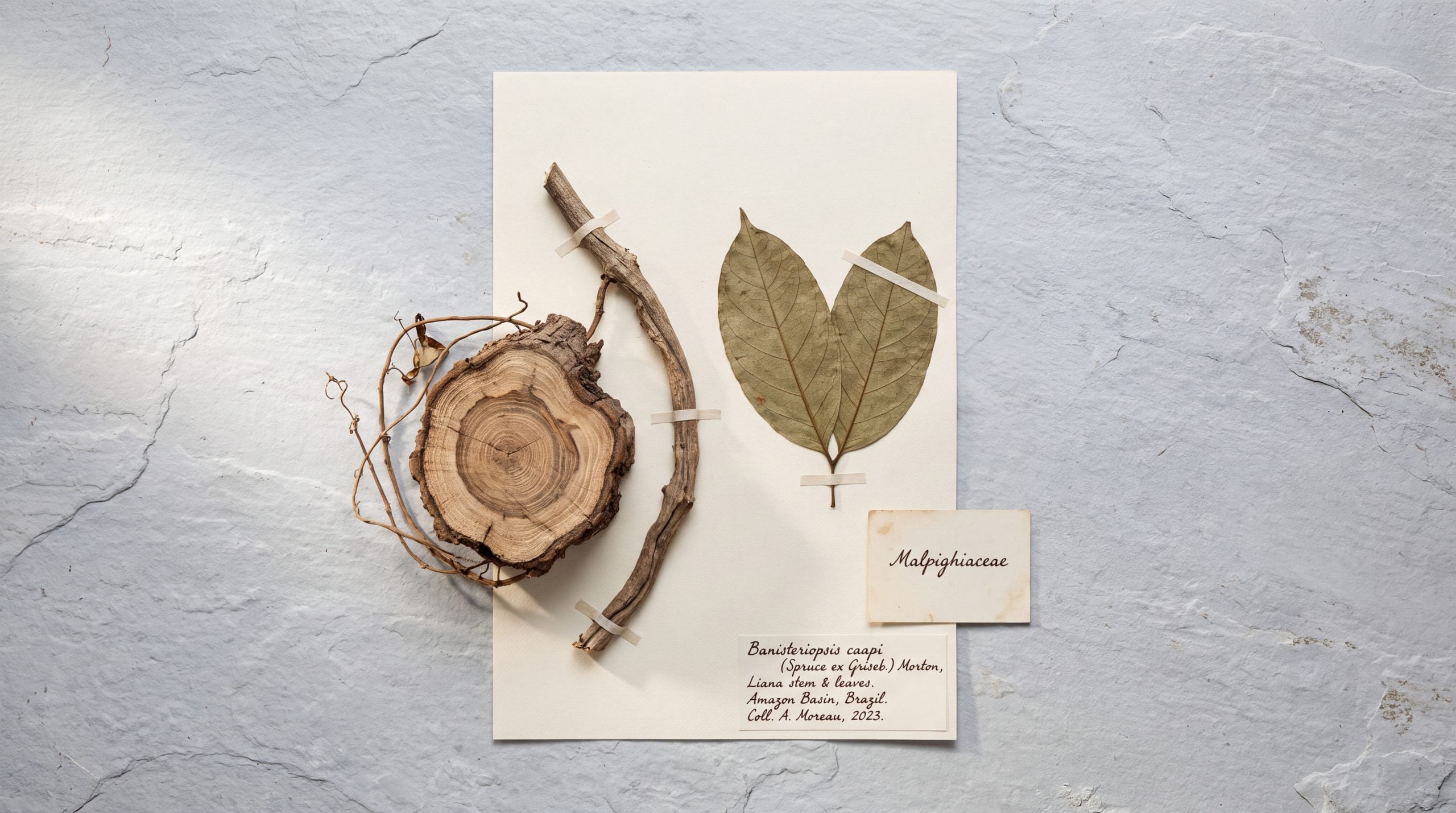
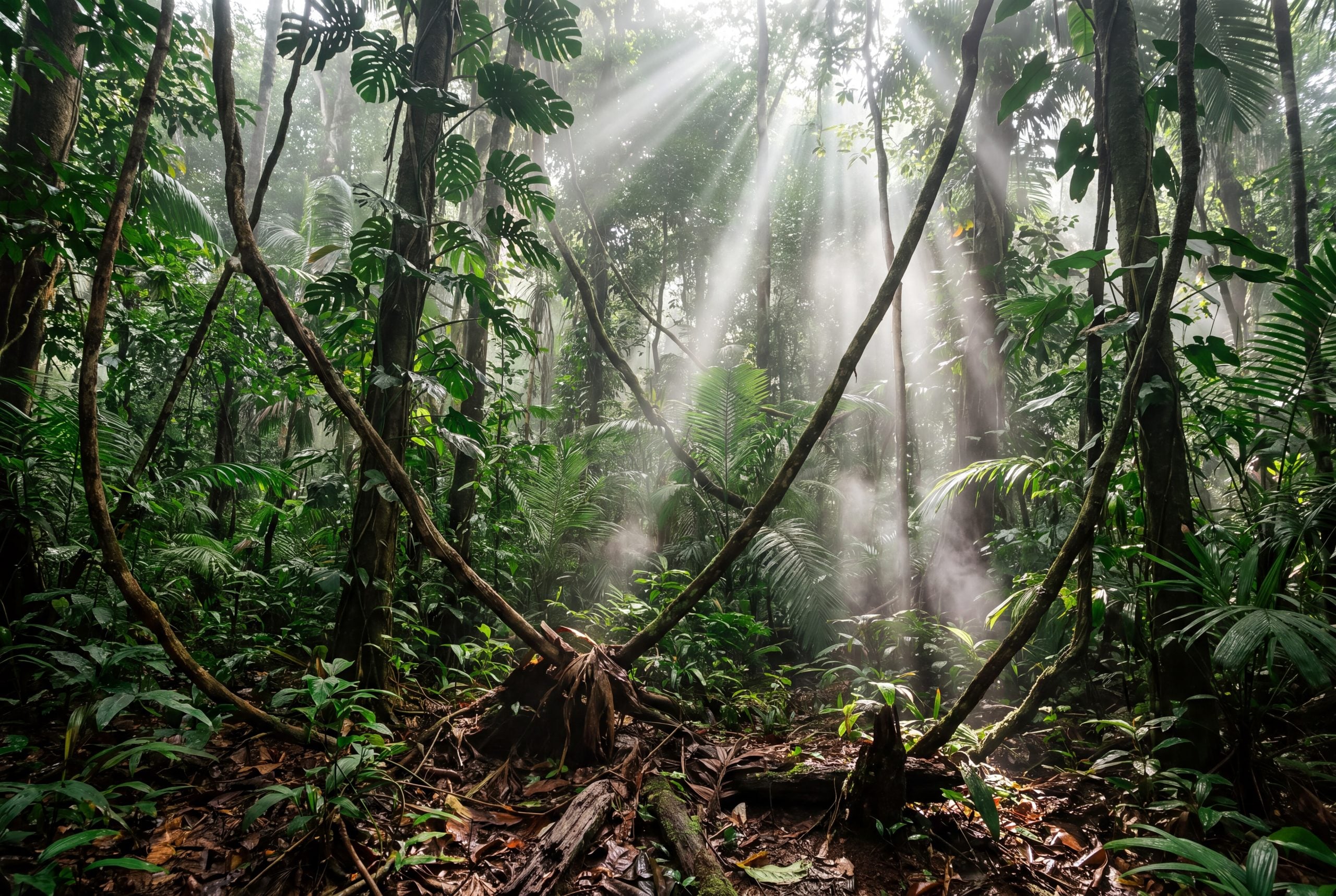
Banisteriopsis caapi is a large, perennial woody vine native to the Amazon basin, classified in the family Malpighiaceae. Its accepted botanical name carries the authority string Banisteriopsis caapi (Spruce ex Griseb.) C.V.Morton, published in 1931, with the basionym Banisteria caapi Spruce ex Griseb. The plant is a long-lived liana that climbs into the forest canopy using larger trees for structural support.
That authority string matters more than it looks. The genus Banisteriopsis contains many species, and several unrelated Malpighiaceae vines are sold or described under caapi’s common names. A 2020 analytical survey published in Plants tested other Malpighiaceae samples alongside genuine B. caapi and found the beta-carboline alkaloids absent from nearly all of them (Santos et al., 2020, Plants, PMID: 32660098). Correct species identity is the difference between a chemically defined plant and a look-alike liana.
The vine is documented across Brazil, Peru, Ecuador, and Colombia, growing in humid tropical lowland forest. It prefers rich, moist soil and the shaded understory. In our review of the botanical literature, the most reliable descriptive records come from herbarium-linked databases rather than from popular sources, which tend to reproduce each other’s errors.
What Are the Common Names for Banisteriopsis caapi?
The vine carries different names depending on the tradition naming it, and the names are not interchangeable. The most widely encountered are:
- Caapi – the name from which the species epithet derives.
- Yagé (also written yajé) – used across Colombia and parts of Ecuador.
- Vine of the soul – an English rendering of the Quechua term that also gives the brew its common name.
- Mariri – the name used within the União do Vegetal tradition in Brazil.
- Jagube – the name used within the Santo Daime tradition in Brazil.
A persistent source of confusion is that the word ayahuasca refers both to the vine and to the multi-plant preparation. When a source says “ayahuasca,” it is frequently unclear whether the plant or the brew is meant. This ambiguity runs through legal texts, research abstracts, and consumer content alike, and it is the single largest reason the two are so often conflated.
What Does the Caapi Vine Look Like?
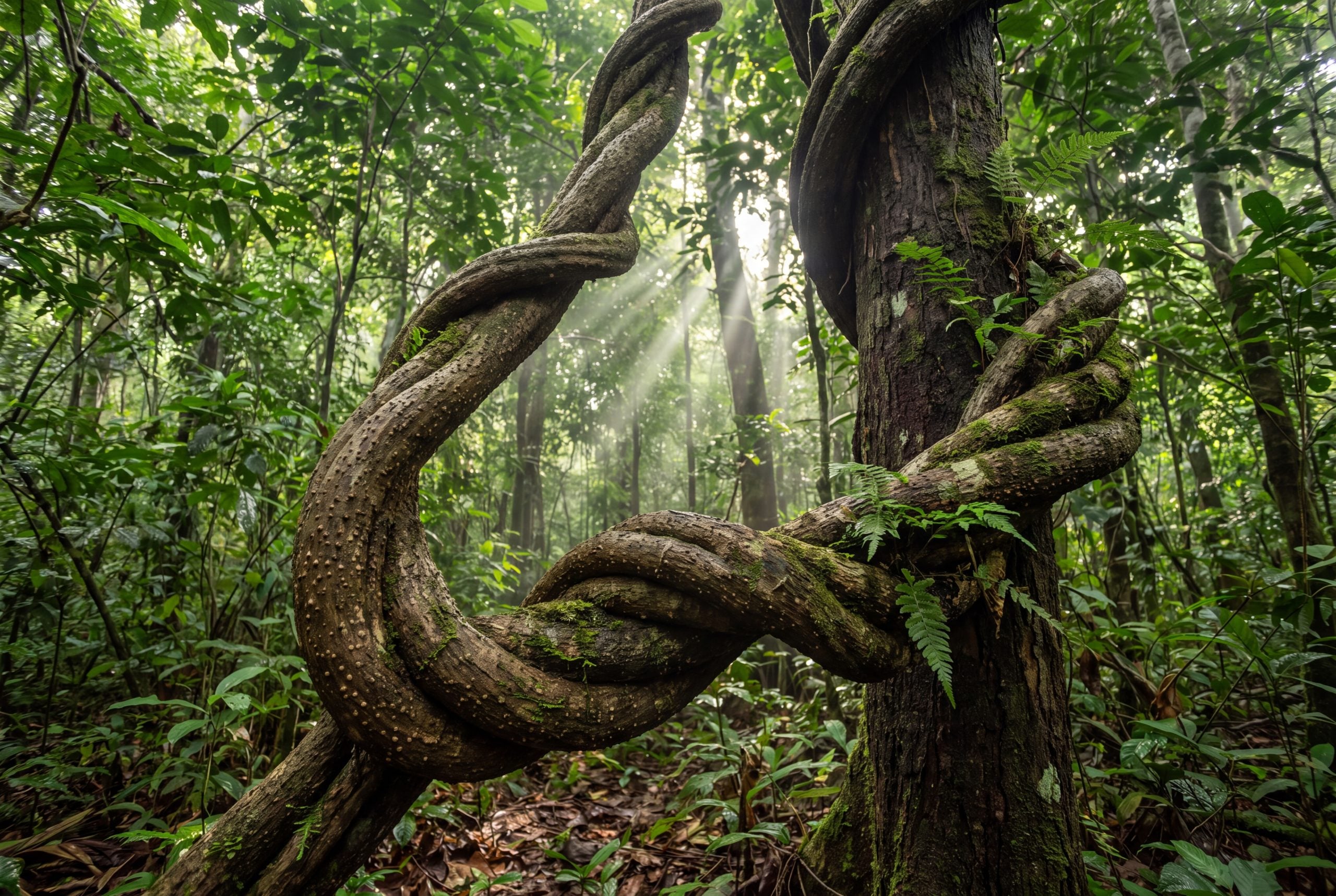
The caapi vine is a substantial plant. Its main stem can reach roughly 4 inches (10 cm) in diameter, and mature stems are characteristically knotted and woody, forming twisting, winding shapes as they ascend through the canopy. That knotted stem architecture is the most recognizable field characteristic.
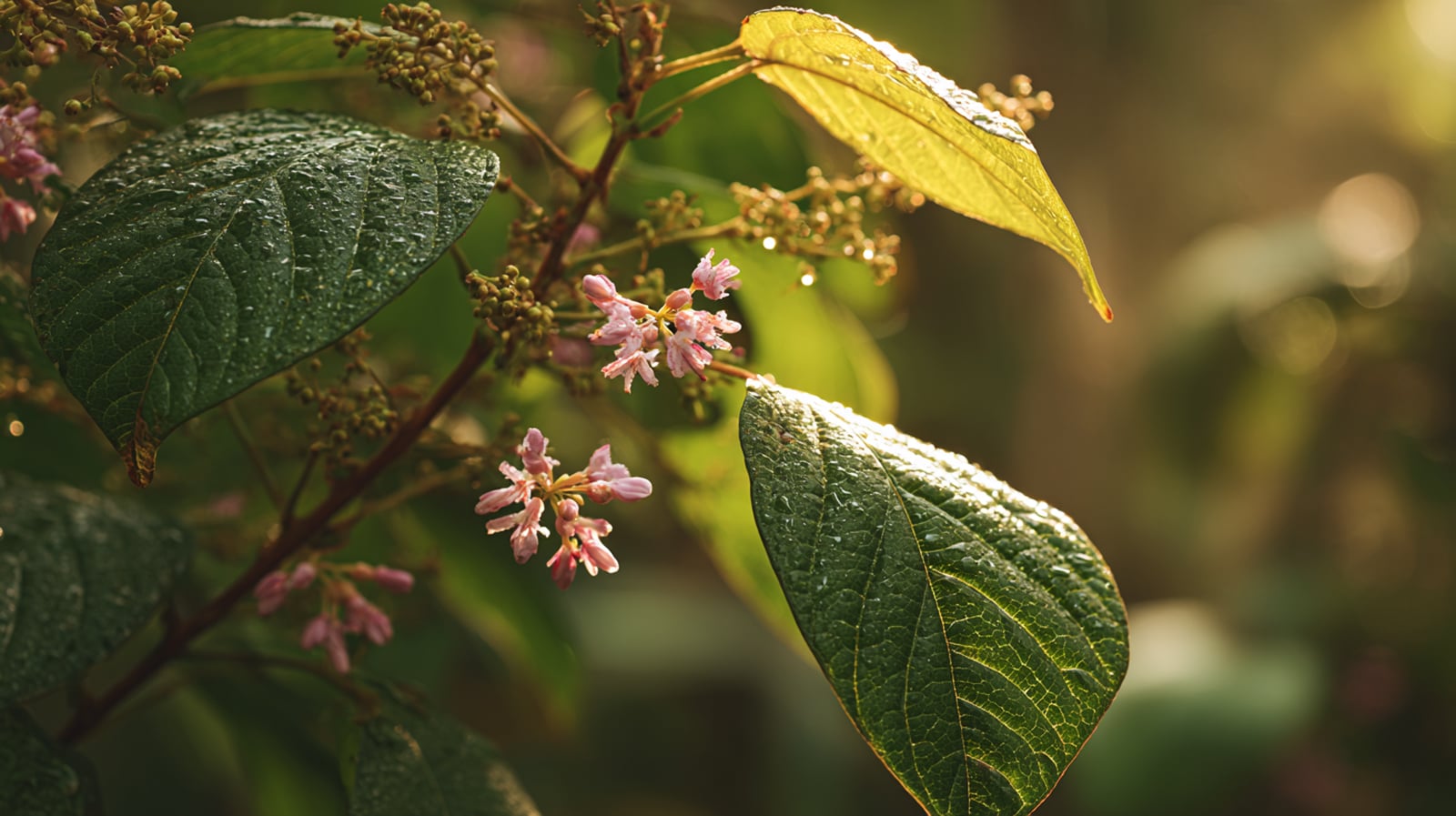
- Leaves: Green, oval, and arranged in opposite pairs along the stem. Surfaces are typically smooth. Leaves reach approximately 7 inches (18 cm) long and 3.5 inches (9 cm) wide.
- Flowers: Small and fragrant, with ten petals, ranging from pale pink to white. Flowering typically occurs between January and February.
- Habitat: Shaded rainforest understory with rich, consistently moist soil, using larger trees for physical support.
How Do the Beta-Carbolines in Banisteriopsis caapi Inhibit MAO-A?
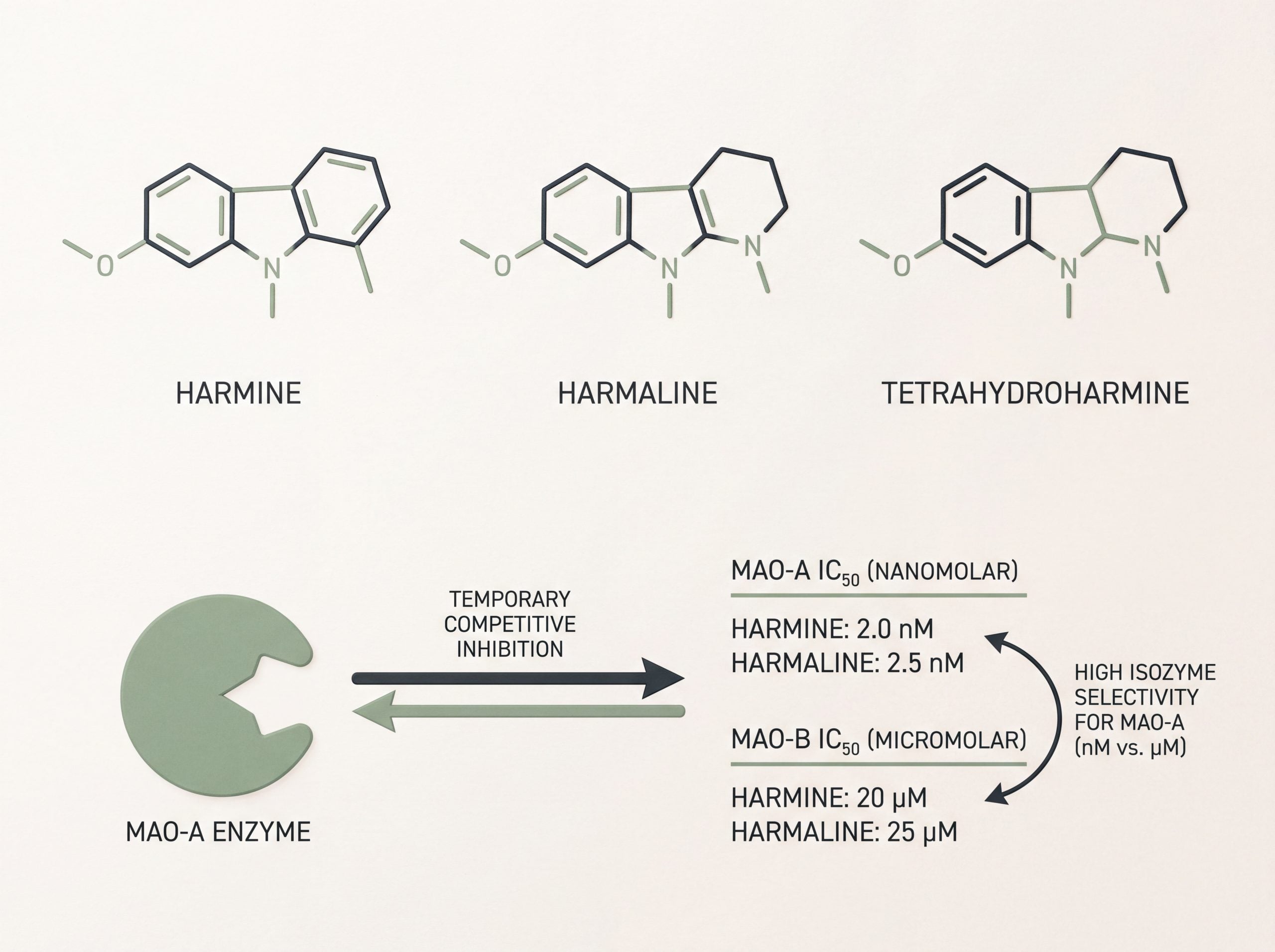
Banisteriopsis caapi contains three principal beta-carboline alkaloids: harmine, harmaline, and tetrahydroharmine. These compounds act as reversible, competitive inhibitors of monoamine oxidase A, the enzyme responsible for oxidative deamination of serotonin and related biogenic amines. Their inhibition is temporary and concentration-dependent, and it differs categorically from the irreversible enzyme inactivation produced by older pharmaceutical MAO inhibitors (Berlowitz, Egger and Cumming, 2022, Frontiers in Pharmacology, PMID: 35600851).
That reversibility distinction is the point most consumer sources get wrong. A 2022 review in Frontiers in Pharmacology makes the pharmacological position explicit: the complete, irreversible MAO-A and MAO-B inhibition characteristic of a class of antidepressant medications is, in the authors’ assessment, almost unattainable with reversible competitive inhibitors such as the beta-carbolines. The two are not the same phenomenon at different strengths. They are different mechanisms.
The isozyme selectivity is equally specific. Work published in the Journal of Ethnopharmacology measured harmine and harmaline against recombinant human brain enzymes and reported MAO-A inhibition at IC50 values of 2.0 and 2.5 nM, respectively, against MAO-B values of 20 and 25 micromolar (Samoylenko et al., 2010, Journal of Ethnopharmacology, PMID: 19879939). That is roughly a ten-thousand-fold preference for MAO-A over MAO-B. The vine’s alkaloids are not general-purpose enzyme inhibitors. They are strongly directed at one isozyme.
An earlier study using liver homogenate reported a similar pattern for whole stem extract, with concentration-dependent MAO-A inhibition and little effect on MAO-B activity (Schwarz et al., 2003, Pharmacology Biochemistry and Behavior, PMID: 12895680).
How Much Harmine, Harmaline, and Tetrahydroharmine Does the Vine Contain?
Published analytical chemistry gives specific figures, and the most useful finding is how much they vary. The largest survey of its kind analyzed 176 Malpighiaceae lianas, 159 of them B. caapi, by liquid chromatography with tandem mass spectrometry. Mean concentrations in the plant material were 4.79 mg/g harmine, 2.18 mg/g tetrahydroharmine, and 0.451 mg/g harmaline (Santos et al., 2020, Plants, PMID: 32660098).
The variability around those means is the more informative number. Relative standard deviations ranged from 78.9 to 170 percent across the sampled vines. In practical terms, two authenticated caapi vines can differ several-fold in alkaloid content. The same study found that native, wild-growing samples carried significantly higher harmine concentrations than cultivated ones, and that material from the Federal District and Goiás regions showed higher tetrahydroharmine content than material collected in the State of Acre.
Plant part matters as much as provenance. Chemical profiling work at the University of Mississippi’s National Center for Natural Products Research found the dominant chemical markers concentrated most heavily in the dried bark of large branches rather than in leaves or small stems, and generated a library of HPLC chromatograms specifically as a fingerprinting and authentication tool for the species (Wang et al., 2010, Journal of Ethnopharmacology, PMID: 20219660).
The same research group characterized two previously undescribed alkaloidal glycosides from the plant, named banistenoside A and banistenoside B, built on an unusual azepino[1,2-a]tetrahydro-beta-carboline carbon framework, alongside the proanthocyanidins epicatechin and procyanidin B2 (Samoylenko et al., 2010, PMID: 19879939). These compounds are almost never mentioned outside the primary literature, and they are part of why the plant’s full chemistry is not reducible to three named alkaloids.
One comparative note our team tracked across the published surveys: Peganum harmala, an unrelated Mediterranean and Middle Eastern plant, contains the same three beta-carbolines at substantially higher concentrations than B. caapi does. Sources discussing “harmala alkaloids” are frequently describing that plant, not this one.
What Role Does the Vine Play in the Ayahuasca Brew?
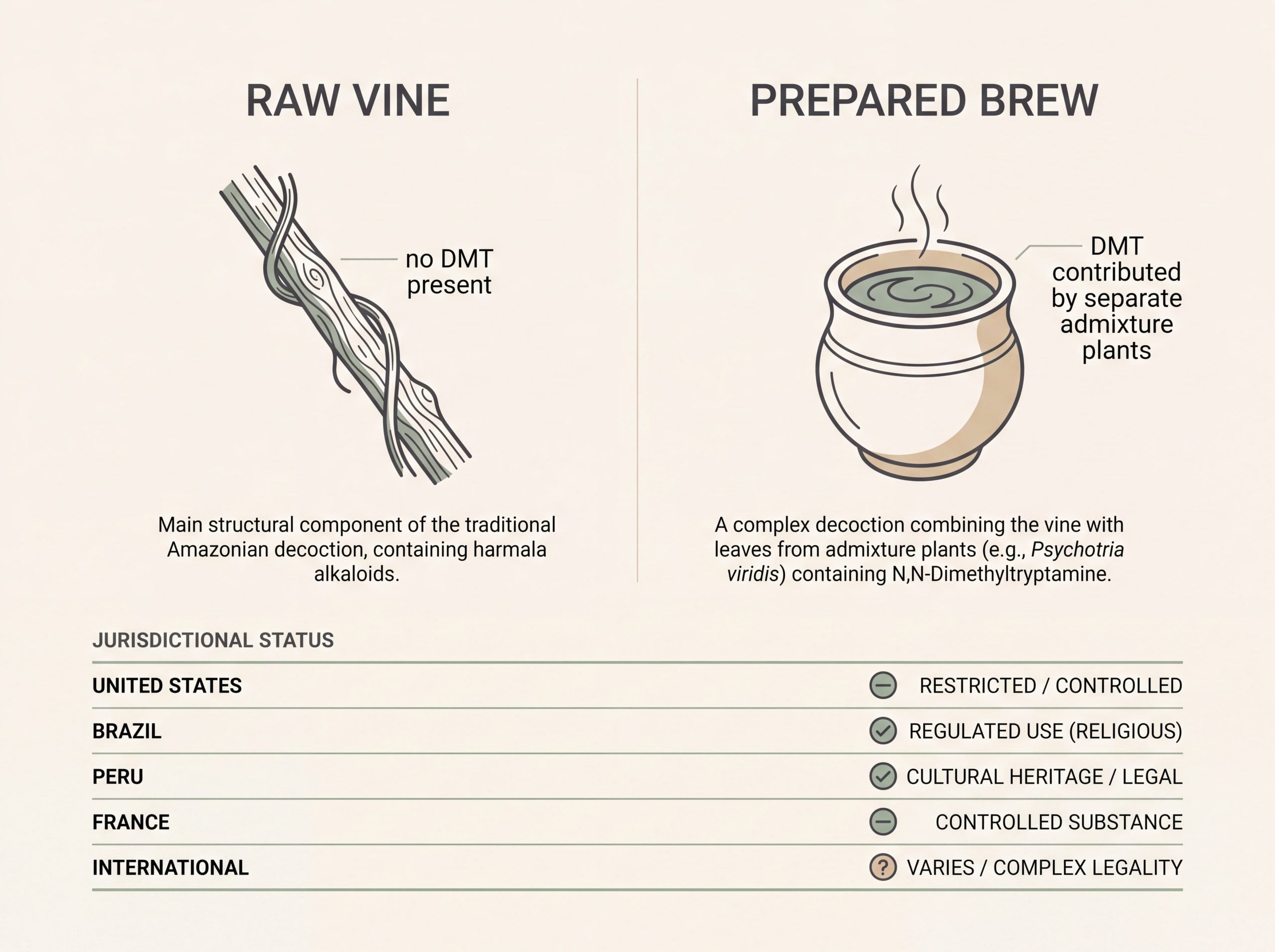
Banisteriopsis caapi does not contain N, N-dimethyltryptamine. This is the most consequential fact about the plant and the most frequently misstated. DMT in traditional Amazonian preparations is contributed by separate admixture plants, most commonly Psychotria viridis or Diplopterys cabrerana.
The vine’s pharmacological contribution is enzymatic. Orally ingested DMT is rapidly metabolized by monoamine oxidase A before reaching systemic circulation. The beta-carbolines from caapi inhibit that enzyme, which is what permits orally administered DMT to reach the bloodstream intact. A human pharmacokinetic study published in Drug Testing and Analysis examined the metabolism and excretion of both DMT and the harmala alkaloids following oral administration, and found that alternative metabolic routes for DMT exist beyond MAO biotransformation, with less than 1 percent of the administered DMT dose excreted unchanged (Riba et al., 2012, Drug Testing and Analysis, PMID: 22514127).
Two plants, two distinct chemical roles. The vine supplies the enzyme inhibitors. A different plant supplies the tryptamine. Neither substitutes for the other, and the distinction is the foundation of everything that follows in this article, including the legal position.
What Has Research Examined About Banisteriopsis caapi Beta-Carbolines?
A preclinical research literature exists on the vine’s alkaloids. It is worth stating clearly at the outset what that literature is and is not. These are laboratory and animal-model investigations. None of them establishes a therapeutic conclusion in humans.
- Adult neurogenesis, in vitro. Harmine, tetrahydroharmine, harmaline, and the harmine metabolite harmol were tested in neurospheres prepared from progenitor cells taken from the subventricular and subgranular zones of adult mouse brains. The compounds stimulated neural stem cell proliferation, migration, and differentiation in that cell-culture system (Morales-García et al., 2017, Scientific Reports, PMID: 28706205).
- Microglial cytokine response, cell culture. Beta-carboline fractions were tested in BV-2 microglial cells. Harmaline and tetrahydroharmine reduced production of several proinflammatory cytokines. The same study reported that harmine decreased cell viability and increased reactive oxygen species at the concentrations examined (Santos et al., 2022, Molecules, PMID: 35458698).
- Motor function, primate model. A common marmoset study using the MPTP model assessed motor disability following administration of B. caapi extract. The investigators reported improvement in motor disability at the higher doses tested, without increased locomotor activity, and found the extract did not alter the response to L-DOPA (Fisher et al., 2018, Phytotherapy Research, PMID: 29368409).
- Dopamine release, rodent tissue. Stem extract, harmine, and harmaline each increased release of tritiated dopamine from rat striatal slices. The authors noted the harmine content alone could not account for the extract’s total activity (Schwarz et al., 2003, PMID: 12895680).
- Ethnographic and clinical documentation. A study conducted at the Takiwasi center in Tarapoto, Peru documented traditional use of a caapi-only decoction among the Awajún and its application within that center’s protocol, drawing on interviews and internal clinical records (Politi et al., 2020, Journal of Psychoactive Drugs, PMID: 32985365).
These are preclinical and in vitro investigations, together with ethnographic documentation. No human therapeutic conclusion is established by this body of work, and nothing in it should be read as indicating that this plant treats, prevents, or manages any condition.
What Are the Ethnobotanical and Cultural Roots of the Caapi Vine?
Indigenous Amazonian traditions have regarded the caapi vine as a plant of central ceremonial importance for a long and undocumented period. Within a number of these traditions, the vine is described as a “master plant” or teacher, a category of significance that has no direct equivalent in Western botanical classification. We state this as an ethnographic description of what these traditions hold, not as a claim about what the plant does.
The vine also occupies a defined place in two Brazilian syncretic religions that formed in the twentieth century. Santo Daime and the União do Vegetal both incorporate preparations containing the vine as a religious sacrament, and each uses its own name for the plant, jagube and mariri respectively. These organizations are the answer to a question search engines field regularly about ceremonial beverages in Brazil, and they are also central to the legal history covered in the next section.
Field research among the Awajún of Peru has documented the use of a caapi-only preparation, distinct from the multi-plant brew, within an initiation context (Politi et al., 2020, PMID: 32985365). The distinction between vine-alone and vine-plus-admixture traditions is not widely recognized outside the ethnobotanical literature.
Is Banisteriopsis caapi Legal?
The legal position of the raw vine differs from that of the prepared brew because the two are chemically different things. Banisteriopsis caapi itself does not contain DMT. DMT is a Schedule I controlled substance under the United States Controlled Substances Act, while the raw plant is not separately scheduled at the federal level. The International Narcotics Control Board has stated that plants containing controlled alkaloids are not themselves subject to control under the 1971 Convention on Psychotropic Substances. Jurisdictions differ, and law changes.
The following table reflects published positions as of the time of writing. It is provided as reference information, not as legal advice.
| Jurisdiction | Raw vine | Prepared brew | Instrument or basis |
|---|---|---|---|
| United States | Not separately scheduled federally | Controlled by virtue of DMT content | Controlled Substances Act. Religious exemptions established under RFRA in Gonzales v. O Centro Espírita Beneficente União do Vegetal (2006), and for Santo Daime via the District of Oregon |
| Brazil | Permitted | Permitted for religious use, with restrictions on commercial sale and advertising | National regulatory position, with health-authority restrictions administered by Anvisa |
| Peru | Permitted | Recognized within traditional and cultural contexts | National cultural heritage designation |
| France | Prohibited | Prohibited | National scheduling that names the plant explicitly |
| International | Not controlled | Left to national law | 1971 Convention on Psychotropic Substances. INCB position that plants containing controlled alkaloids are not themselves under international control |
| Sources: Controlled Substances Act, 1971 Convention on Psychotropic Substances, International Narcotics Control Board published position, ICEERS legal information resources. Positions summarized as published at time of writing. | |||
Two further points our editorial team considers necessary. First, importation is regulated separately from possession in many jurisdictions, and agricultural and plant-health rules can apply independently of drug law. Second, the legal position of the raw vine has been revisited by several national authorities in recent years. Anyone with a specific question about their own jurisdiction should consult a qualified legal professional in that jurisdiction rather than relying on any published summary, this one included.
How Is Banisteriopsis caapi Grown and Propagated?
As a horticultural subject, the vine is propagated principally from stem cuttings rather than from seed. Seed viability is short-lived, and germination rates are inconsistent, which is why cuttings are the standard approach in botanical collections.
The plant requires conditions approximating its native habitat: consistently high humidity, warm temperatures without cold exposure, rich and well-drained but moisture-retentive soil, and filtered rather than direct light. As a canopy-climbing liana, it needs substantial physical support, and mature specimens develop considerable woody mass. Growth is slow in the early years.
The chemical variability documented in the analytical literature has a horticultural dimension worth noting. The 2020 survey found cultivated material carried significantly lower harmine concentrations than wild-growing material (Santos et al., 2020, PMID: 32660098), which indicates that growing conditions influence the plant’s alkaloid profile.
A Note on Scope
Back To Your Roots Herbs does not sell Banisteriopsis caapi in any form. This article is botanical and ethnobotanical reference material and carries no commercial purpose.
The beta-carbolines discussed here are monoamine oxidase inhibitors, a compound class with well-documented interaction considerations that fall squarely within the practice of medicine. That is precisely why this plant is not a self-administered supplement and why this article contains no preparation methods, no quantities, and no usage guidance of any kind. Any question touching personal use, medication interaction, or individual suitability belongs with a qualified healthcare professional who knows your history. Nothing here is medical advice, and nothing here is legal advice.
Frequently Asked Questions
Does Banisteriopsis caapi contain DMT?
No. The vine does not contain N, N-dimethyltryptamine. It contains the beta-carboline alkaloids harmine, harmaline, and tetrahydroharmine. DMT in traditional Amazonian preparations comes from separate admixture plants such as Psychotria viridis or Diplopterys cabrerana. This distinction is the single most commonly misstated fact about the plant.
What does the caapi vine do on its own?
Pharmacologically, its beta-carboline alkaloids act as reversible, competitive inhibitors of monoamine oxidase A, with roughly ten-thousand-fold selectivity for MAO-A over MAO-B (Samoylenko et al., 2010, PMID: 19879939). Because the vine contains no DMT, it does not contribute that compound to any preparation. Published research on the isolated alkaloids is preclinical.
Is Banisteriopsis caapi legal in the US?
The raw plant is not separately scheduled under the United States Controlled Substances Act. DMT is Schedule I, which is what brings the prepared multi-plant brew under control. Religious exemptions have been established through litigation, including Gonzales v. O Centro Espírita Beneficente União do Vegetal (2006) under the Religious Freedom Restoration Act. State law and importation rules can differ. Consult a qualified legal professional for your jurisdiction.
Is caapi legality different from ayahuasca legality?
Yes, and the difference is chemical rather than semantic. Drug control instruments generally schedule DMT, which the vine does not contain. That places the raw plant and the prepared brew in different regulatory positions in many jurisdictions, though some countries, France among them, schedule the plant explicitly.
What is the difference between harmine and harmaline?
Both are beta-carboline alkaloids present in the vine, and both inhibit monoamine oxidase A. Harmine is typically the most abundant of the three principal alkaloids, with a reported mean of 4.79 mg/g against 0.451 mg/g for harmaline across 176 surveyed lianas (Santos et al., 2020, PMID: 32660098). Their measured MAO-A IC50 values are closely comparable at 2.0 and 2.5 nM, respectively.
What are the common names for Banisteriopsis caapi?
Caapi, yagé, vine of the soul, mariri in the União do Vegetal tradition, and jagube in the Santo Daime tradition. The word ayahuasca is used for both the vine and the multi-plant preparation, which is a frequent source of confusion in both popular and legal sources.
Which countries permit Banisteriopsis caapi?
Positions vary considerably. Brazil and Peru permit the plant and recognize the prepared brew within religious or traditional contexts. The United States does not separately schedule the raw plant. France schedules the plant explicitly. The International Narcotics Control Board has stated that plants containing controlled alkaloids are not themselves controlled under the 1971 Convention, leaving the question to national law.
Is Banisteriopsis caapi hallucinogenic?
The vine does not contain DMT, the compound most associated with the visionary character of the traditional brew. Its beta-carbolines are pharmacologically characterized as reversible MAO-A inhibitors rather than as classical serotonergic hallucinogens. The published literature on these compounds addresses enzyme inhibition and preclinical cell and animal models.
Related Reading
Continue with our related botanical references on the psychoactive succulent kanna and its traditional Southern African context, the Amazonian bark chuchuhuasi, and the Peruvian root jergon sacha.
Important: This article is for educational and informational purposes. The statements have not been evaluated by the Food and Drug Administration. The herbs and herbal products discussed are not intended to diagnose, treat, cure, or prevent any disease. Speak with a qualified healthcare provider before starting any new herbal regimen, especially if you are pregnant, nursing, taking medication, or managing a health condition. This article does not provide legal advice. Laws governing plants and plant preparations vary by jurisdiction and change over time.