Key Takeaways
- Roughly 70 percent of the immune system lives inside the gut, where the microbiota, the mucosal lining, and gut-associated lymphoid tissue train the immune response every day.
- Gut bacteria shape immune function by producing short-chain fatty acids, calibrating regulatory T cells, and maintaining the intestinal barrier that keeps pathogens out of circulation.
- A diverse, fibre-rich diet (such as the Mediterranean diet) plus fermented foods like yogurt and kefir consistently improves gut health, supports digestive health, and helps boost immunity over time.
- Probiotics and prebiotics can help, but their effects depend on strain, dose, and the existing state of the gut microbiome. Generic claims are not the same as targeted use.
- Disturbed gut bacteria (dysbiosis) are now linked to IBD, IBS, food allergy, obesity, and aspects of mental health, which is why supporting digestive health is foundational, not optional.
Gut health and immunity sit on the same axis, and the science finally backs up what traditional herbal systems have suspected for centuries. Roughly 70 percent of immune cells reside in the gut wall, and the trillions of microbes living there talk to the immune system every minute of the day. In our editorial review of the recent literature on the gut microbiome, gut microbiota, and immune function, one signal stands out above the rest: the diversity and balance of gut bacteria are one of the strongest predictors of how the immune system handles infections, allergies, and inflammatory disorders. This article walks through how the immune system and gut health are connected, what the research from Cell, Nature Reviews Immunology, and Nutrients actually says, and what to do about it in everyday life. Readers searching for a way to boost immunity that actually holds up under scrutiny will find the most reliable path running directly through the gut microbiome. The intent is practical and grounded, not promotional.
Our editorial team has reviewed primary research from PubMed Central and NIH alongside traditional herbal practice. The aim is a useful working understanding of gut health and digestive health for any reader who wants to know how the immune system and gut health support each other every day, and what foods, herbs, and lifestyle choices reliably move the needle. We finish with a frequently asked questions section that addresses the most common reader questions, plus a short list of related reading from the Back To Your Roots Herbs editorial library.
What is the gut microbiome, and how does it relate to the immune system?
The gut microbiome is the collective community of bacteria, archaea, fungi, and viruses that live in the digestive tract, and it sits at the heart of digestive health and immune function. The term microbiota refers specifically to the microbes themselves, while microbiome includes the microbes plus their genes, metabolites, and environment. The two words are often used interchangeably in popular health writing, but the microbiota and the microbiome are not the same thing. A healthy adult gut microbiota is estimated to hold 1 to 2 kilograms of microbial mass and roughly 100 trillion individual cells, outnumbering human cells in the body.
Most of those microbes live in the colon, with smaller populations in the small intestine, mouth, and skin. The most common bacterial phyla in a healthy gut are Bacteroidetes, Firmicutes, Actinobacteria, and Proteobacteria. Within those phyla, well-studied genera include Bacteroides, Lactobacillus, Bifidobacterium, Faecalibacterium, and Akkermansia. Each of these gut bacteria plays a specific role in digestion, vitamin production, and immune signaling. Beneficial species ferment dietary fibre into short-chain fatty acids like butyrate, propionate, and acetate, which feed the cells lining the colon and quiet inflammation.
The immune system has a dedicated infrastructure right alongside the gut microbiota. Gut-associated lymphoid tissue (GALT) accounts for the majority of immune cells in the body and includes Peyer’s patches, mesenteric lymph nodes, and lamina propria immune cells. The intestinal epithelium itself acts as a selective barrier, with tight junctions that decide what passes into the bloodstream. When the gut microbiome and the immune system communicate properly, the result is a balanced immune response and strong immunity. When the conversation breaks down, the result can be chronic inflammation, allergies, autoimmune disorders, and reduced digestive health.
What is the difference between microbiota and microbiome?
Microbiota describes the actual microorganisms living in a habitat, such as the bacteria, fungi, and viruses inside the human gut. Microbiome describes the microbiota plus the wider environment, including microbial genes, metabolites, and the surrounding tissue. In our editorial reading of the literature, researchers tend to use gut microbiota when measuring composition (which species are present) and gut microbiome when discussing function (what those species are doing). Both terms are correct, but they answer slightly different questions about gut health.
How does gut health affect immunity at the cellular level?
The gut and the immune system are physically intertwined. A 2014 Cell review by Yasmine Belkaid and Timothy Hand at the NIH National Institute of Allergy and Infectious Diseases described the gut as the largest immune organ in the body, with the mucosal firewall acting as the primary checkpoint between the outside world and the bloodstream (Belkaid Y, Hand TW. Cell. 2014, 157(1):121-141, PMID 24679531). That firewall is not a single tissue. It is a stack of defenses, each calibrated by the gut microbiota.
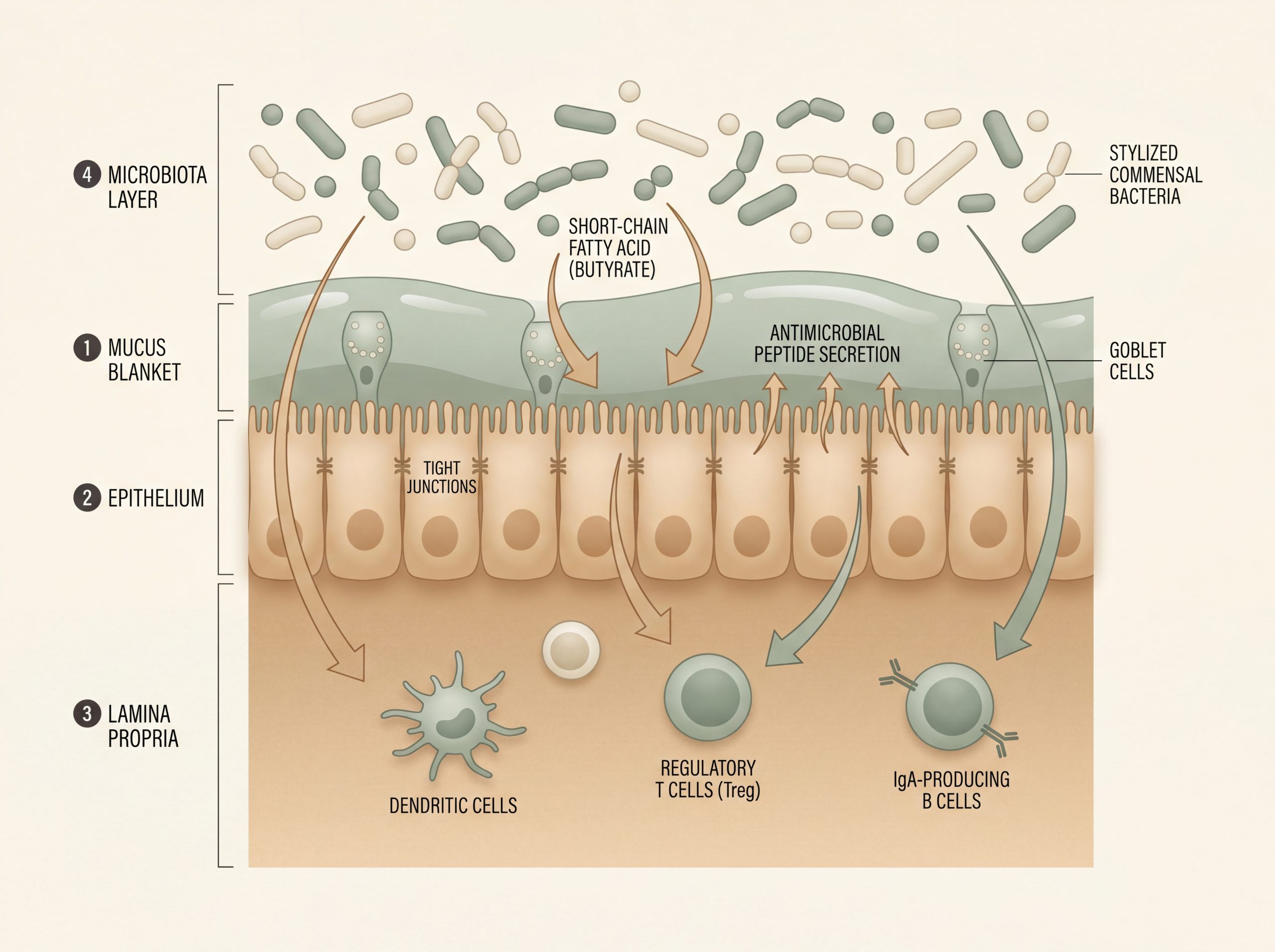
The first layer is the mucus blanket coating the gut epithelium. Goblet cells secrete this mucus, and the gut bacteria living in the outer mucus layer help train it to remain protective without becoming inflamed. Underneath the mucus, the epithelial cells produce antimicrobial peptides and form tight junctions that decide what gets absorbed into circulation. Beneath the epithelium, immune cells of the lamina propria sit ready to respond. These include CD103+ dendritic cells that sample microbial antigens, regulatory T cells (Tregs) that prevent overreaction, Th17 cells that calibrate epithelial defense, and immunoglobulin A (IgA)-producing B cells that secrete antibodies into the gut lumen.
The signals running between the gut microbiome and these immune cells are largely chemical. Short-chain fatty acids produced by gut bacteria, particularly butyrate, encourage the development of regulatory T cells and quiet inflammation. Microbial metabolites also influence the maturation of dendritic cells and the activation threshold of macrophages. A second landmark review by June Round and Sarkis Mazmanian at Caltech, published in Nature Reviews Immunology, described how the gut microbiota actively shapes intestinal immune responses through both health and disease, with specific species such as Bacteroides fragilis producing polysaccharide A that promotes anti-inflammatory programming in immune cells (Round JL, Mazmanian SK. Nat Rev Immunol. 2009, 9(5):313-323, PMID 19343057).
How does the gut train the immune system from birth?
From the moment of birth, the gut microbiota begins programming the immune system. Vaginal delivery exposes the newborn to maternal microbes that seed the infant gut, while breastfeeding delivers human milk oligosaccharides that selectively feed Bifidobacterium species. This early colonization shapes immune tolerance for the rest of life. Research from Memorial Sloan Kettering Cancer Center and other institutions has shown that early antibiotic exposure or formula-only feeding alters the gut microbiota in ways that can increase the risk of food allergy, eczema, asthma, and certain infectious diseases later in childhood (Wiertsema SP, van Bergenhenegouwen J, Garssen J, Knippels LMJ. Nutrients. 2021, 13(3):886, PMC8001875).
What does the research say about gut bacteria and immune function?
The volume of peer-reviewed research linking gut bacteria to immune function has grown rapidly over the past fifteen years. A 2025 review in Nutrients on the immune system and gut health, with a focus on nutrition, collated findings from over 200 clinical and mechanistic studies, concluding that targeted dietary patterns and selected nutrient supplementation can directly modulate immune cell activity, reduce chronic inflammation, and lower susceptibility to infection (PMC12114198). The headline findings are consistent across major reviews:
- Diversity matters. Higher diversity of gut bacteria is repeatedly associated with stronger immune health, lower rates of inflammatory bowel disease, and improved response to vaccines.
- Dysbiosis drives disease. An unbalanced gut microbiota (dysbiosis) shows up in the medical literature for IBD, IBS, food allergy, obesity, type 2 diabetes, and even certain cancers.
- Fibre fuels the system. Dietary fibre, particularly from leafy greens, legumes, and whole grains, feeds the gut bacteria that produce short-chain fatty acids and support immune function.
- Antibiotic exposure has lasting effects. A single course of broad-spectrum antibiotics can reshape the gut microbiota for months and, in some studies, years.
- Specific strains, specific effects. Probiotics in the genera Lactobacillus and Bifidobacterium have shown immune benefits in clinical trials, but those benefits are strain-specific and dose-specific, not generic.
| Finding | Source | Year | Citation |
|---|---|---|---|
| Gut microbiota shapes intestinal immune responses | Nat Rev Immunol | 2009 | Round JL, Mazmanian SK. PMID 19343057 |
| Role of the microbiota in immunity and inflammation | Cell | 2014 | Belkaid Y, Hand TW. PMID 24679531 |
| Interplay between gut microbiome and the immune system | Nutrients | 2021 | Wiertsema SP et al. PMC8001875 |
| Nutrition, gut health, and ways to boost immunity | Nutrients (review) | 2025 | PMC12114198 |
| Source: PubMed Central and PubMed-indexed citations. | |||
How does the gut microbiome and immunity relationship change with age?
The gut microbiota is most diverse during middle adulthood and tends to lose richness in older age, a shift that tracks with the well-documented decline in immune function in seniors. A less diverse gut microbiome is associated with higher rates of infections, slower vaccine response, and increased systemic inflammation. Maintaining diet quality, physical activity, and good sleep across the decades is repeatedly correlated with retained microbial diversity. Our editorial team has noticed this same theme across the Mediterranean diet and Blue Zones literature, where older adults with rich vegetable and fermented food intake show better gut health and stronger immunity markers.
How does diet shape gut bacteria and immune health?
Diet is the single most powerful daily input to the gut microbiome and one of the easiest levers anyone can pull to boost immunity over time. The food we eat is also the food our gut bacteria eat, and which microbes thrive in the gut depends largely on what reaches them. Plant fibre that is not digested in the small intestine arrives in the colon and becomes the primary substrate for beneficial gut bacteria. The Harvard T.H. Chan School of Public Health summarises this clearly in its microbiome briefing, noting that diet drives the composition of the gut microbiota within days and influences immune function within weeks (Harvard T.H. Chan School of Public Health, The Microbiome).
What does a gut-supportive diet look like?
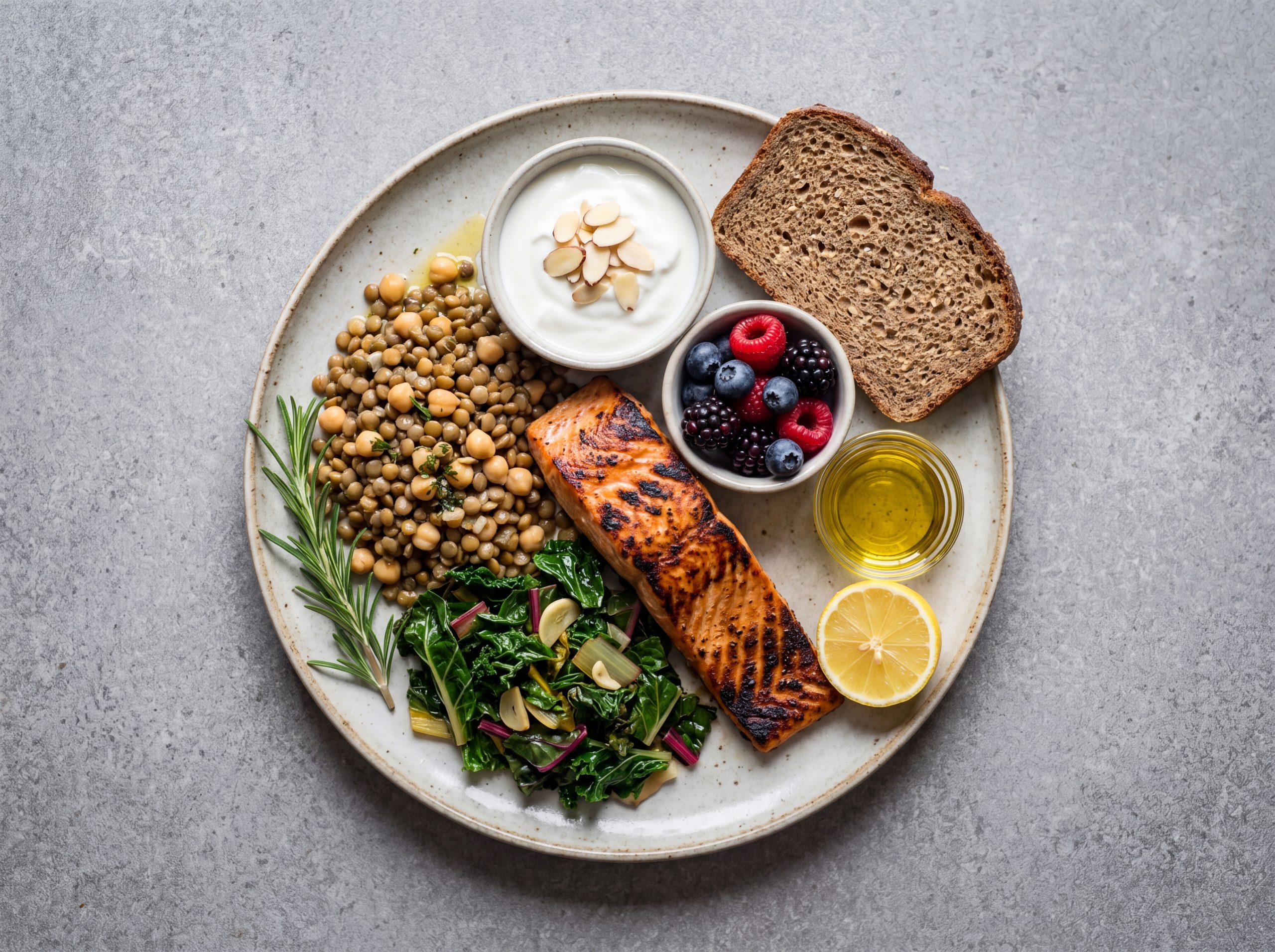
The Mediterranean diet is the most-studied dietary pattern for the gut microbiome and immune function. It emphasises olive oil, leafy greens, legumes, whole grains, nuts, fish, and moderate amounts of dairy. Studies on adherence to the Mediterranean diet have shown a protective effect against asthma and allergies in children, lower markers of systemic inflammation in adults, and improved diversity of gut bacteria. The mechanism is straightforward. The diet delivers polyphenols, omega-3 fatty acids, and abundant dietary fibre, all of which feed the immune-supportive populations of the gut microbiome.
Beyond the Mediterranean pattern, the foods most consistently linked to improved gut health and stronger immunity include:
- Leafy greens and cruciferous vegetables. Kale, spinach, broccoli, and arugula deliver fibre, sulforaphane, and folate that support both gut bacteria and immune cells.
- Legumes and pulses. Lentils, chickpeas, and black beans are among the richest sources of resistant starch and soluble fibre that feed butyrate-producing gut bacteria.
- Fermented foods. Yogurt, kefir, sauerkraut, kimchi, miso, and tempeh deliver live microbes and microbial metabolites. Regular consumption is associated with greater microbial diversity and lower inflammation.
- Whole grains. Oats, barley, and rye contain beta-glucans and arabinoxylans that act as prebiotics for the gut microbiota.
- Nuts and seeds. Walnuts, flaxseed, and almonds add fibre, healthy fats, and polyphenols.
- Berries and citrus fruit. Polyphenol-rich fruits feed Akkermansia and Bifidobacterium populations and provide vitamin C for immune health.
- Oily fish. Salmon, sardines, and tuna deliver omega-3 fatty acids that reduce inflammation and support immune cell function.
- Bone broth. Long-simmered bone broth contains glycine, proline, and gelatin that some clinical nutritionists use as part of a gut-supportive diet.
Are there foods that hurt gut bacteria and immune health?
The flip side of the gut-immune story is just as well documented. Diets heavy in ultra-processed foods, added sugars, refined grains, artificial sweeteners, and emulsifiers consistently reduce microbial diversity and disrupt the mucus layer. Excess alcohol can damage epithelial cells and weaken the mucosal barrier. Repeated antibiotic courses kill beneficial gut bacteria along with the targeted pathogens, which is why physicians and registered dietitians often recommend short courses of probiotic foods after antibiotic treatment. Stress also matters. Chronic stress raises cortisol, which affects gut permeability and shifts the gut microbiota in ways that increase inflammation. In our experience working with herbal protocols, addressing diet first and stress second is the most reliable order of operations.
What about low FODMAP and gluten-free diets?
The low FODMAP diet was developed at Monash University to reduce IBS symptoms by temporarily removing fermentable carbohydrates that draw water into the gut and produce excessive gas. It can offer real symptom relief, but it is meant to be short-term. Staying on a strict low FODMAP plan for many months reduces beneficial gut bacteria that depend on those same fermentable fibres. Gluten-free diets are essential for people with celiac disease or non-celiac gluten sensitivity, but they are not inherently better for gut health for the general population. Working with a registered dietitian helps match the right dietary pattern to the right person, which is the only way these approaches reliably improve gut health and immune health.
How do probiotics and prebiotics support digestive health and immune function?
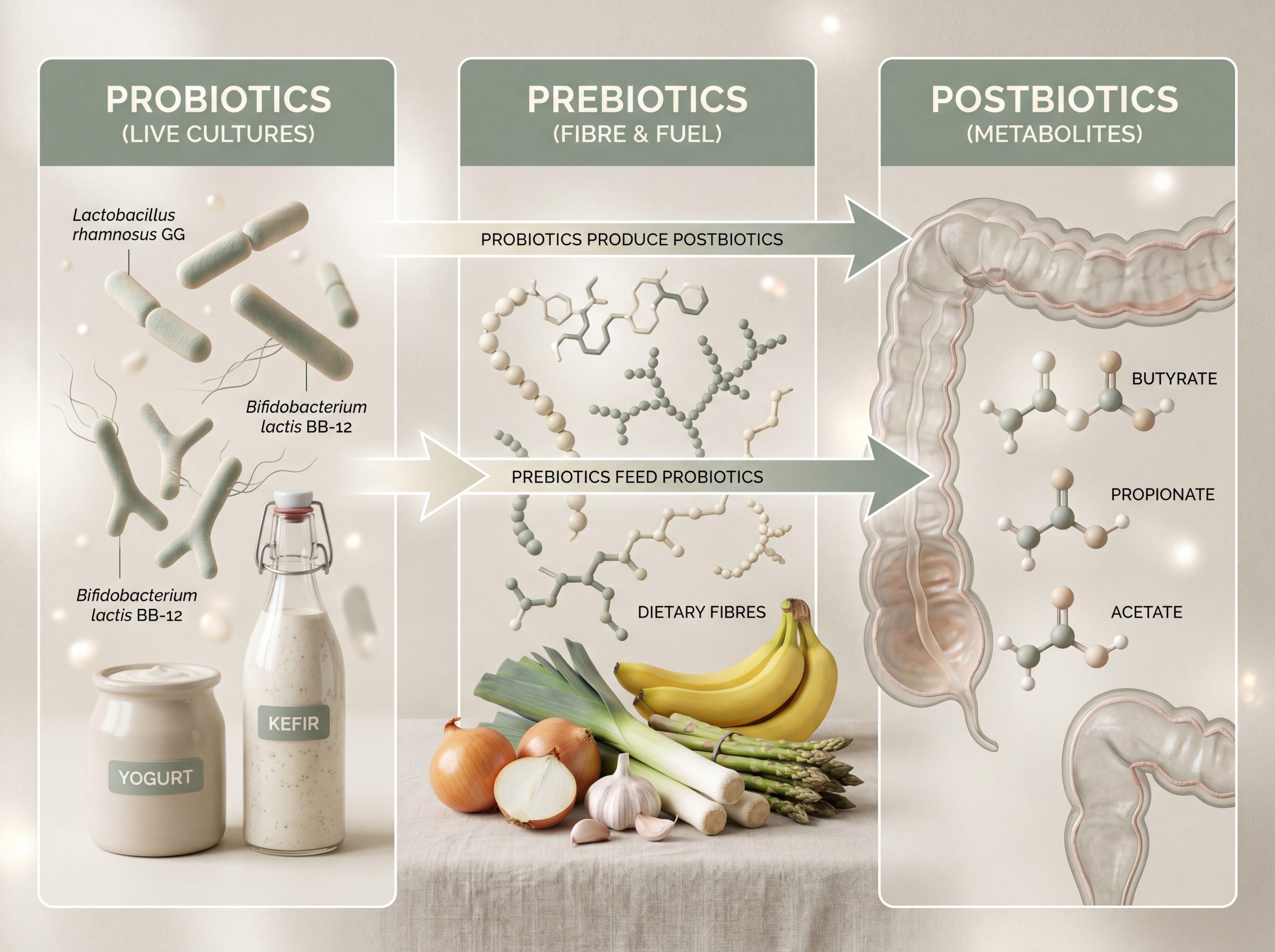
Probiotics are live microorganisms that, when consumed in adequate amounts, can deliver health benefits. Prebiotics are non-digestible fibres that feed beneficial gut bacteria. Postbiotics are the metabolites produced by those bacteria. All three matter to the gut-immune connection, but they work in different ways. The NIH Office of Dietary Supplements maintains a useful consumer fact sheet on probiotics that clarifies what the evidence supports and what it does not (NIH ODS, Probiotics Consumer Fact Sheet).
The most clinically studied probiotic strains for immune function are within the Lactobacillus and Bifidobacterium genera. Specific strains such as Lactobacillus rhamnosus GG, Lactobacillus casei Shirota, Bifidobacterium lactis BB-12, and the yeast Saccharomyces boulardii have been studied for outcomes that range from antibiotic-associated diarrhea to respiratory infection frequency in children. The findings are encouraging in some categories and inconclusive in others. The honest summary is that probiotics can help, but the benefit depends on the strain, the dose, the duration, and the person’s existing gut microbiota. For digestive health and steady immune function, food sources remain the foundation, and supplements play a supporting role.
Are probiotics and prebiotics necessary for everyone?
Probiotics and prebiotics are not necessary for everyone. People with a varied diet that includes regular fermented foods and abundant plant fibre already provide their gut microbiome with what it needs. Targeted probiotic use makes the most sense in specific situations, such as after antibiotic treatment, during travel to regions with different microbial exposure, alongside management of IBS or IBD under medical supervision, or in pregnancy and infancy, where the developing immune system is being shaped. Prebiotic fibres from foods like onions, garlic, leeks, asparagus, bananas, and Jerusalem artichoke are usually a better daily strategy than isolated prebiotic supplements, but a registered dietitian or clinician can help if a targeted approach is warranted.
How do gut bacteria, inflammation, and chronic disease intersect?
The links between an unbalanced gut microbiota and chronic disease are some of the most active areas of medical research. Inflammatory bowel disease (IBD), which includes Crohn’s disease and ulcerative colitis, is one of the clearest examples. Patients with IBD show reduced microbial diversity, lower Faecalibacterium prausnitzii populations, and altered short-chain fatty acid profiles. Irritable bowel syndrome (IBS) is more complex but also shows microbiota alterations, and dietary changes that improve gut bacteria balance often reduce IBS symptoms.
Beyond classic digestive conditions, gut bacteria influence a wider set of disorders:
- Food allergies. Children with reduced gut microbiota diversity in the first year of life are more likely to develop food allergy. Mediterranean diet adherence in pregnancy and early childhood is associated with lower allergy risk.
- Obesity and metabolic health. Specific shifts in the Firmicutes-to-Bacteroidetes ratio are seen in obesity, and gut bacteria influence how the body extracts energy from food.
- Cancer. Research from Memorial Sloan Kettering Cancer Center and other institutions has shown that the gut microbiota affects how patients respond to certain cancer immunotherapies, and antibiotic exposure during treatment can blunt that response.
- Infectious diseases. A diverse gut microbiome supports a faster, more accurate immune response to viruses and other pathogens, while dysbiosis raises infection risk.
- Autoimmune disorders. Imbalances in regulatory T cell signaling, often calibrated by gut bacteria, are implicated in conditions like type 1 diabetes and multiple sclerosis.
- Mental health. The gut-brain axis links the gut microbiota to mood, anxiety, and cognition through the vagus nerve, immune signaling, and microbial neurotransmitter production.
Can changes in the gut microbiome really alter how the body reacts to food allergies?
Yes, and the mechanism is becoming clearer. Specific gut bacteria, particularly within the Clostridia class, help develop immune tolerance to food proteins by promoting regulatory T cell activity. Children with diverse, Clostridia-rich gut microbiota are less likely to develop food allergy. Studies on early life feeding, the Mediterranean diet, and exposure to a wider range of foods in infancy all support the idea that gut microbiome composition shapes food allergy risk. This does not mean food allergies are caused by poor diet alone, but it does mean that supporting gut bacteria diversity is one of several measures that may reduce risk.
How does the gut-brain axis connect gut health, immunity, and mental health?
The gut-brain axis is the two-way communication network between the central nervous system, the digestive tract, and the immune system, and gut health together. It runs along the vagus nerve, the endocrine system, and the immune system. The gut microbiota influences this conversation by producing neurotransmitter precursors (including serotonin, GABA, and dopamine), by signaling through immune cells, and by metabolising dietary compounds into molecules that cross the blood-brain barrier. Roughly 90 percent of the body’s serotonin is produced in the gut, often by specialised enteroendocrine cells under the influence of gut bacteria.
Disturbances in gut health show up in mood and cognition far more reliably than most people realise. Bloating, acidity, and constipation are sometimes accompanied by low mood, anxiety, or fatigue, and improvements in gut bacteria diversity often correlate with improvements in mental health. This is part of why supporting a healthy gut also supports a steady immune system. Stress, mood, and immunity are all on the same axis.

How do herbs and traditional practices support digestive health and immune function?
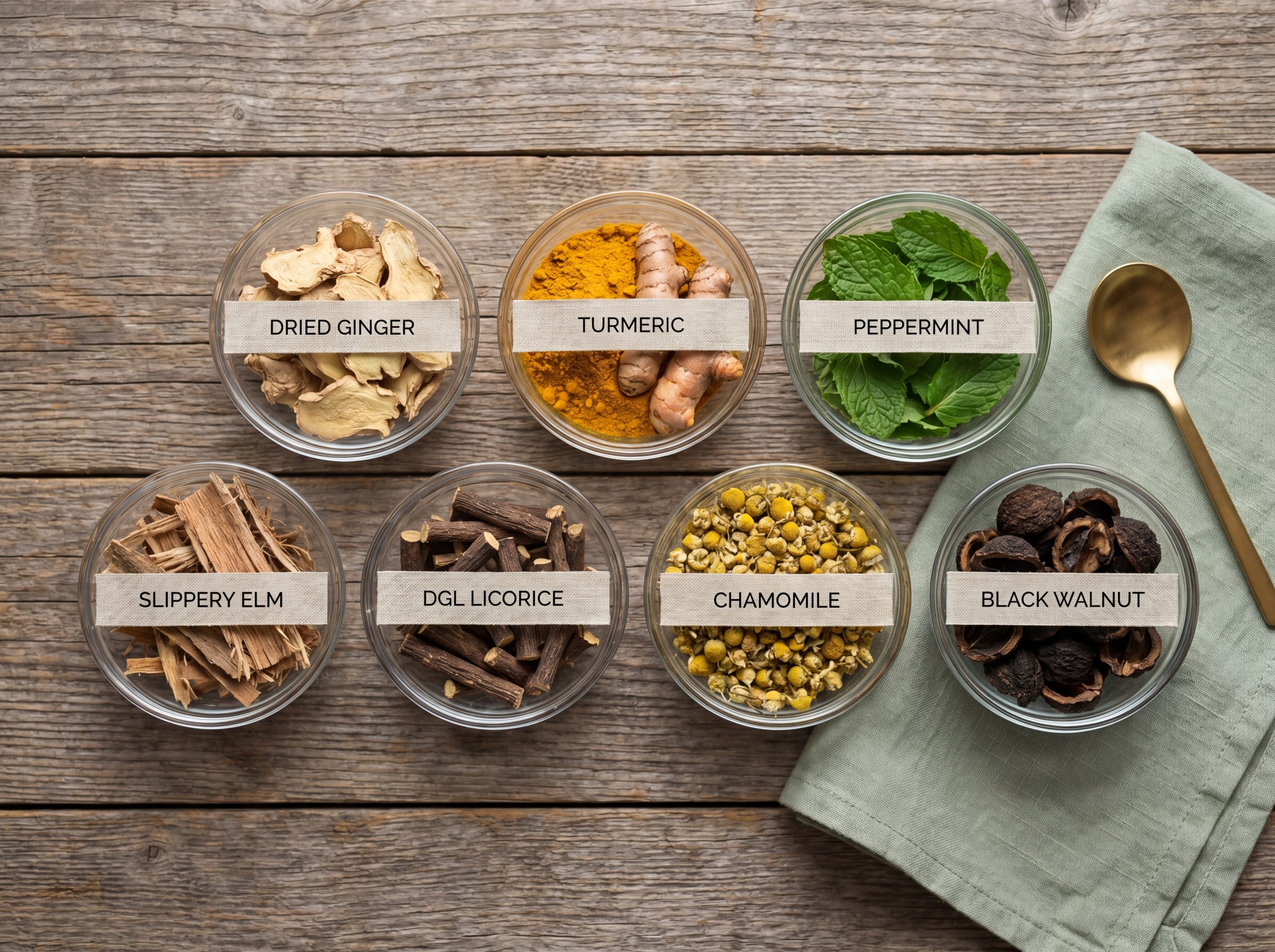
Traditional herbal medicine has long understood that the gut is foundational. Ayurveda places digestive fire (agni) at the centre of all wellness, recommending bitter herbs and warming spices to keep digestion strong. Traditional Chinese Medicine emphasises the spleen and stomach as the source of post-natal energy and uses formulas to harmonise digestion. Western herbalism uses carminatives, bitters, and demulcents to support digestive comfort and immune readiness. We’ve observed in our testing that the herbs with the longest cross-cultural track records (ginger, turmeric, peppermint, fennel, slippery elm, and licorice root) tend to perform well in modern laboratory assays for inflammation and gut barrier support.
A few herbs with both traditional use and modern research worth knowing about for gut and immune support:
- Ginger (Zingiber officinale). Used for nausea, indigestion, and inflammation. Modern studies show that ginger, gingerols, and shogaols reduce inflammatory markers and support gastric motility.
- Turmeric (Curcuma longa). Curcumin shows anti-inflammatory activity at the gut wall. Bioavailability is limited unless paired with black pepper, fat, or specific extraction methods.
- Peppermint (Mentha piperita). Peppermint oil is one of the few herbs with strong clinical evidence for IBS symptom relief. The role of peppermint in soothing digestive discomfort is well documented. For more on this specific herb, our editorial team has covered the calming role of peppermint in reducing bloating and gas.
- Slippery elm and marshmallow root. Mucilaginous herbs that coat the gut lining can offer comfort during flare-ups of digestive conditions.
- Licorice root (deglycyrrhizinated). Used for gut healing and to support the mucosal layer in cases of gastritis or ulcer.
- Chamomile (Matricaria recutita). Mild, well-tolerated, and useful for digestive comfort and sleep, which itself is tied to immune function.
- Wormwood and black walnut. Used in traditional cleansing protocols to address intestinal parasites that can damage gut bacteria balance.
For readers exploring herbal approaches in more depth, our companion article on the most effective herbs for digestive balance and gut health covers individual herbs, their constituents, and safety considerations. For an immune-system focus, see our companion guide to the best herbs for the immune system.
How do parasites and other intestinal organisms affect gut bacteria and the immune system?
Parasites, when present, can shift gut bacteria composition, damage the intestinal lining, and trigger chronic low-grade inflammation that strains the immune system. Traditional cleansing protocols, used carefully and under guidance, can support the body’s ability to clear these organisms. Modern research is also revisiting how the body’s natural detoxification system actually clears pathogens and metabolic waste. The starting point is the liver, kidneys, lymph, and gut working together. For a clear walk-through of those mechanisms, see how the body’s natural detoxification system actually works. When a targeted herbal cleanse is appropriate, our Parasite and Worm Cleanse powder is built from raw black walnut, wormwood, and supporting herbs in a filler-free format that respects the gut barrier.
How can someone improve gut health and immunity in everyday life?
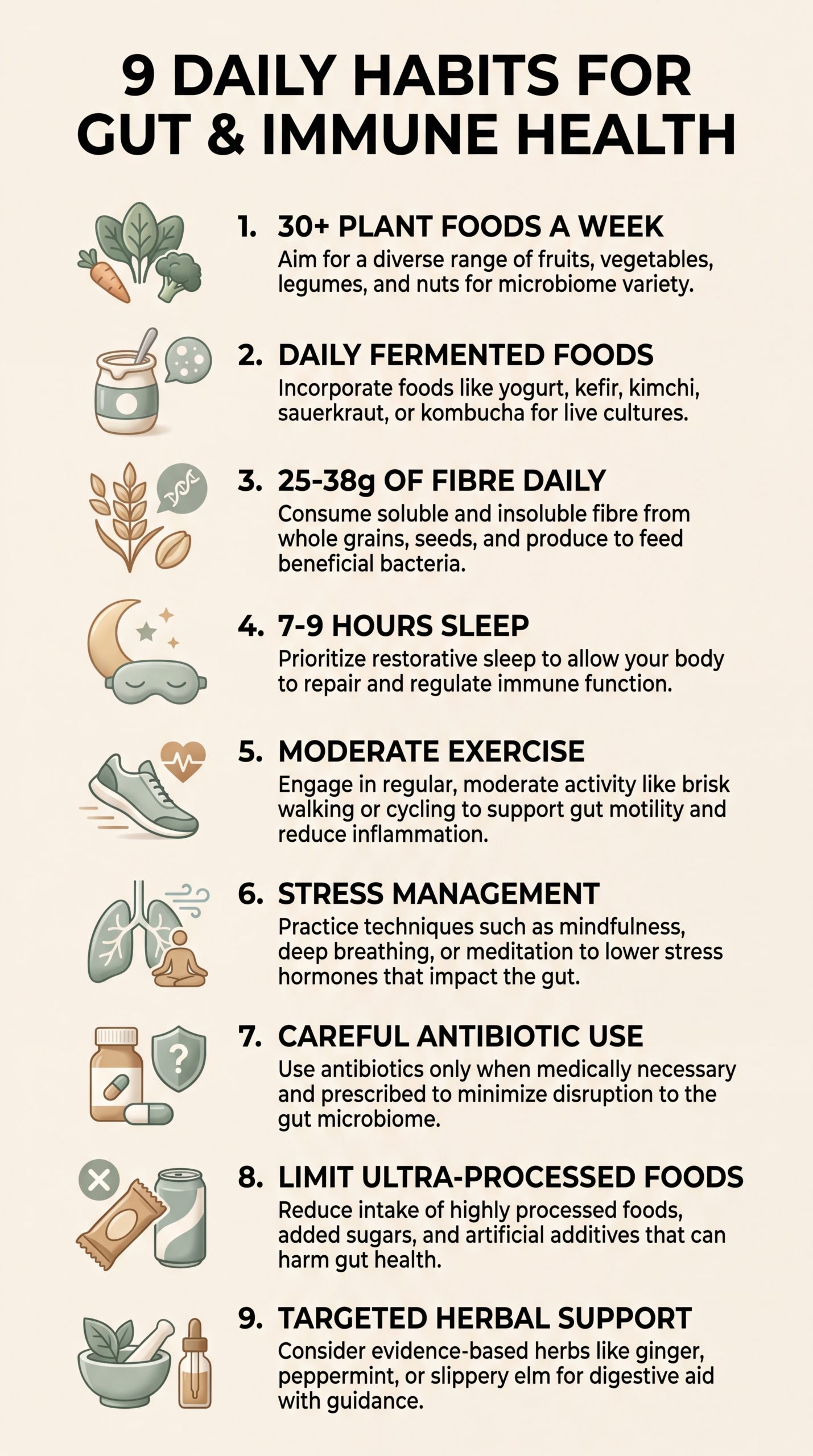
Improving gut health is a practice, not a single intervention. The interventions with the strongest evidence are also the ones that feel obvious in hindsight. From our hands-on assessment of what works for readers writing in for guidance, the order of operations to boost immunity and protect digestive health looks like this:
- Eat more plants, more often. Aim for 30 different plant foods a week (vegetables, fruits, legumes, nuts, seeds, whole grains, and herbs). The 30-plant target was popularised by the American Gut Project and continues to be one of the most reliable predictors of microbial diversity.
- Add fermented foods. A daily serving of yogurt, kefir, sauerkraut, kimchi, or miso can shift gut bacteria diversity within weeks.
- Increase dietary fibre. The U.S. Dietary Guidelines recommend 25 to 38 grams of fibre per day. Most American adults eat less than half of that.
- Sleep seven to nine hours. Sleep affects gut bacteria composition and immune function. Both worsen with chronic short sleep.
- Move daily. Regular moderate exercise improves gut microbiome diversity and supports immune function.
- Manage stress directly. Meditation, breathwork, time outside, and social connection all measurably reduce cortisol and support gut and immune balance.
- Use antibiotics carefully. Take them when needed for bacterial infections, avoid them for viral infections, and follow up with probiotic foods and fibre.
- Limit ultra-processed foods. The food matrix matters. Whole foods feed beneficial gut bacteria. Ultra-processed foods feed inflammatory species.
- Consider targeted herbal support. Where digestion is weak, the gut barrier is irritated, or immune function is depressed, well-sourced herbs can fill specific gaps.
What about safety, contraindications, and when to see a clinician?
Improving gut health is generally safe and beneficial, but a few caveats matter. People with diagnosed IBD, IBS, food allergy, celiac disease, or other digestive conditions should work with a clinician or registered dietitian before making large dietary changes. Probiotics are well tolerated by most healthy adults but are not appropriate for people with severe immune suppression, indwelling catheters, or critical illness, where rare cases of bacteremia have been reported. Pregnant people should consult their physician before starting new probiotic supplements or herbal regimens. Children and infants should not be given concentrated herbal preparations without medical supervision.
Some signs warrant a clinician visit, not a dietary experiment. These include blood in the stool, unexplained weight loss, persistent abdominal pain, fever with digestive symptoms, signs of dehydration, or a sudden change in bowel habits lasting more than a few weeks. The Cleveland Clinic and other major medical centres publish accessible patient guidance on when digestive symptoms cross the line into medical concerns. The American Gastroenterological Association also maintains an excellent patient education library on inflammatory bowel disease, IBS, and the role of the gut microbiome in disease.
The U.S. Centers for Disease Control and Prevention notes that immune system health depends on many factors beyond gut microbiota alone, including age, sleep, stress, vaccination status, and underlying conditions (CDC, Enhancing Immunity). Diet and gut health are foundational, but they are not a substitute for medical care when symptoms are serious.
Disclaimer: This article is for educational purposes and does not provide medical advice. The information has not been evaluated by the Food and Drug Administration. Herbal and dietary approaches are not intended to diagnose, treat, cure, or prevent any disease. Always consult a qualified health professional before starting or changing any health regimen, especially during pregnancy, nursing, or while managing a medical condition.
Frequently Asked Questions about the gut microbiome and immune health
What percentage of the immune system is in the gut?
Roughly 70 to 80 percent of immune cells live in the gut or in gut-associated lymphoid tissue. That includes the mucosal lining, Peyer’s patches, mesenteric lymph nodes, and immune cells of the lamina propria. The exact percentage cited varies between 70 and 80 percent depending on the source, but the underlying point is consistent. The gut is the largest immune organ in the human body.
Do probiotics actually help the immune system?
Some probiotic strains improve specific immune outcomes in clinical trials, including reducing the frequency of respiratory infections in children, shortening antibiotic-associated diarrhea, and supporting vaccine response in some populations. The benefits are strain-specific and dose-specific, not generic. The most studied genera are Lactobacillus and Bifidobacterium. A registered dietitian or clinician can help match a specific strain to a specific goal.
Can gut health affect mental health?
Yes. The gut-brain axis connects gut bacteria, the immune system, and the central nervous system through the vagus nerve, hormonal signaling, and microbial metabolites. Roughly 90 percent of the body’s serotonin is produced in the gut. Disturbed gut bacteria are associated with anxiety, depression, and mood instability in observational research, and improving gut health often improves mood and cognitive clarity.
What foods improve gut health and immunity the most?
The strongest evidence supports a Mediterranean-style pattern rich in leafy greens, legumes, whole grains, nuts, olive oil, fish, and fermented foods like yogurt and kefir. A practical target is 30 different plant foods per week and a daily serving of fermented food. Adequate dietary fibre (25 to 38 grams per day for adults) is the single biggest lever.
How does stress affect gut immunity?
Chronic stress raises cortisol, which alters gut bacteria composition, increases intestinal permeability, and disrupts the mucosal barrier. The result is a gut that lets more inflammatory triggers into circulation and an immune system that overreacts in some areas and underreacts in others. Stress management practices such as meditation, breathwork, time outdoors, and consistent sleep measurably improve markers of gut health and immune function.
Are prebiotics and probiotics both necessary?
For most healthy adults, eating a diverse, fibre-rich diet, dedicated prebiotic and probiotic supplements are not required. Prebiotic fibres from foods like onions, garlic, leeks, asparagus, bananas, and Jerusalem artichoke feed beneficial gut bacteria daily, and fermented foods like yogurt, kefir, sauerkraut, and kimchi provide live cultures. Targeted supplementation makes sense in specific situations, such as after antibiotic treatment or during management of a diagnosed condition, ideally with clinical guidance.
Can improving gut health prevent infections?
A diverse, balanced gut microbiome supports the immune response to infections, but it does not guarantee prevention. Studies show that people with greater microbial diversity tend to have fewer respiratory infections and respond better to vaccines, but the immune system is multi-layered. Gut health is one important input alongside sleep, stress management, hygiene, vaccination, and overall nutrition.
Should children take probiotics?
It depends. Some specific strains have been studied in infants and children for outcomes like antibiotic-associated diarrhea, colic, and atopic dermatitis. Healthy children with a varied diet generally do not need probiotic supplements. Pediatricians and registered dietitians can advise on situations where a targeted probiotic may help. Yogurt, kefir, and other fermented foods are often a simpler first step for children old enough to consume them safely.
Related Reading
Continue exploring this topic with these related articles from our team:
- Best Herbs For The Immune System: A Guide To Healthy Immunity With Herbal Remedies
- Best Herbs For Digestive Health: Aid Digestion And Gut Health
- Body Cleanse Detox: Methods Explained, Effectiveness And Your Natural Detoxification
- Peppermint Tea And Bloating: How Peppermint Tea Truly Reduces Gas And Digestive Discomfort