Hawthorn berry has been a component of traditional medicine for centuries, frequently used to address high blood pressure and other heart-related concerns. Modern analysis suggests that hawthorn may help lower blood pressure, reduce cholesterol, and act as a potent antioxidant. Studies indicate its potential benefits for individuals with pre-hypertension or stage 1 hypertension, though it can interact with certain heart medications. Before adding it to your regimen, consulting a healthcare professional is always recommended.
Understanding Hawthorn Berry
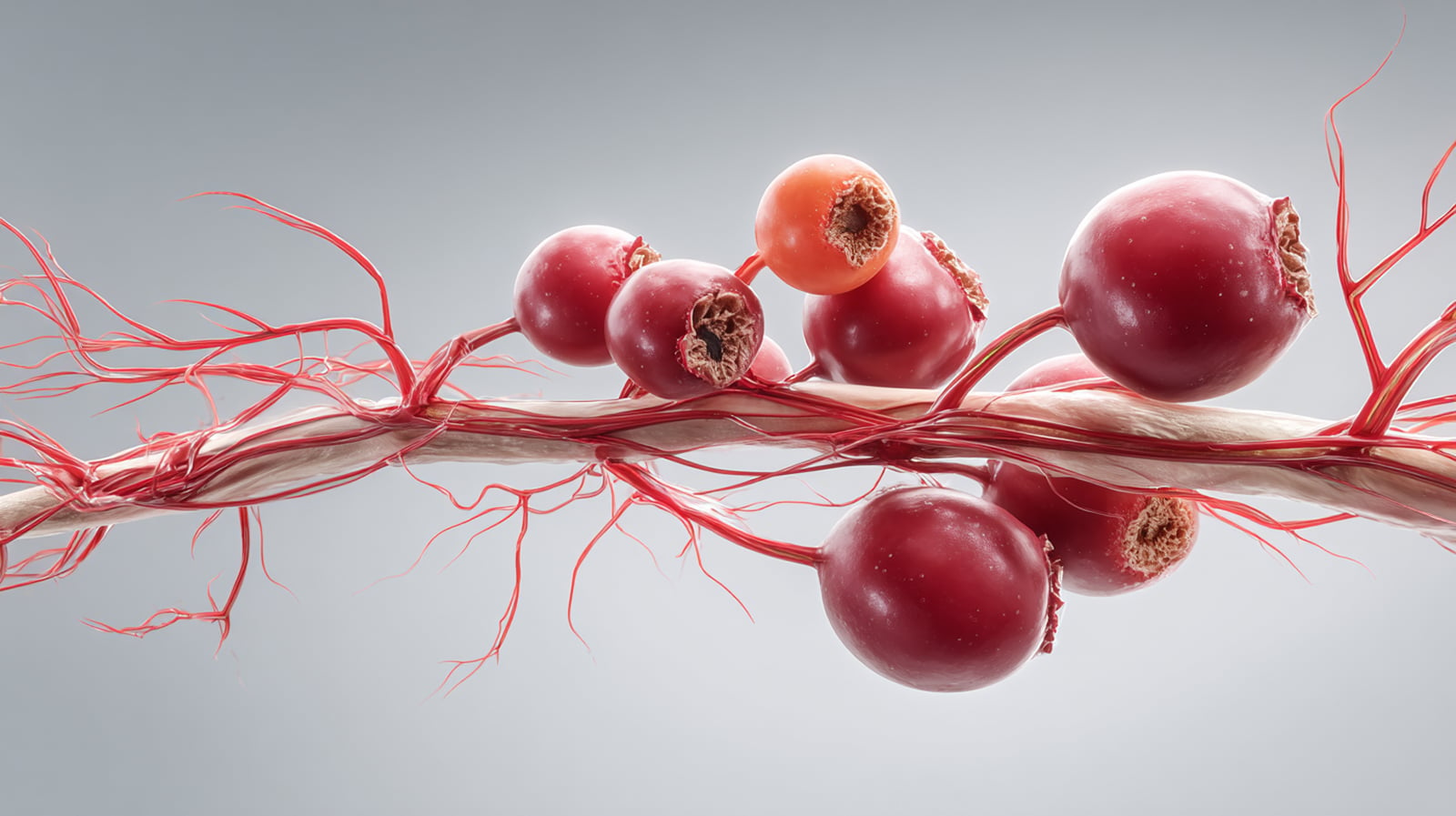
Hawthorn comes from trees and shrubs belonging to the Crataegus genus, a member of the rose family. Native to Europe, North America, and Asia, these plants produce small, tart, nutrient-rich berries that range in color from yellow to deep red. Historically, the berries, leaves, and flowers have all been used in herbal remedies.
The plant’s medicinal properties are attributed to its high concentration of active compounds. Hawthorn is a rich source of polyphenols, including powerful antioxidants like flavonoids and procyanidins. These substances are believed to be responsible for its positive effects on the cardiovascular system and overall heart health benefits.
Mechanisms for Blood Pressure Regulation
The compounds in hawthorn berry appear to support healthy blood pressure through several distinct mechanisms. This multifaceted approach is why it is a subject of interest for hypertension management.
First, hawthorn is considered a vasodilator. This means it may help relax and widen constricted blood vessels. When blood vessels are wider, blood can flow with less force, which can lead to lower blood pressure. This effect is a key aspect of its contribution to blood pressure regulation.
Second, some evidence suggests hawthorn has mild diuretic properties. Diuretics help the body remove excess sodium and water, reducing the total volume of fluid in the blood vessels. This process can also contribute to a reduction in blood pressure.
Finally, the antioxidant properties of hawthorn help protect blood vessels from damage caused by free radicals, supporting their elasticity and function over time.
Scientific Evidence on Hawthorn and Blood Pressure
Several studies have investigated the effects of hawthorn berry extract on blood pressure, with some showing promising results. It is useful to look at the data to understand what the science currently says.
| Study Focus | Outcome | Notes |
|---|---|---|
| Pre-hypertension/Stage 1 | A 2020 review found hawthorn reduced blood pressure in these groups with no serious side effects. | More research is needed to confirm. |
| Type 2 Diabetes & Hypertension | A 16-week study showed patients taking 1,200 mg of hawthorn extract had greater diastolic pressure reductions. | No significant change in systolic pressure. |
| Animal Studies | Multiple studies show hawthorn acts as a vasodilator, relaxing blood vessels. | Human results may vary. |
While many studies are positive, the scientific community agrees that more large-scale human trials are needed to establish definitive guidelines. The existing research provides a solid foundation for its use as a supportive natural supplement for cardiovascular health.
How Much Hawthorn Berry Should You Take?
Hawthorn is available in several forms, including capsules, liquid extracts, tinctures, and dried berries for tea. There is no single standardized dose, as the appropriate amount can depend on the form used and the individual’s health status.
Clinical studies have often used dosages of hawthorn berry extract ranging from 500 mg to 1,200 mg per day, sometimes divided into two or three doses. For teas, a common suggestion is using one to two teaspoons of dried berries steeped in hot water.
It is critical to understand that these are just observational dosages from studies. You should always consult with a healthcare professional to determine a safe and appropriate dose for your specific needs.

Safety and Potential Drug Interactions
While generally considered safe for many people, hawthorn berry is not without risks, particularly concerning its interactions with medications. Its effects on the cardiovascular system mean it can amplify or interfere with certain drugs.
| Medication Class | Potential Interaction |
|---|---|
| Antihypertensives | May cause blood pressure to drop too low (hypotension). |
| Blood Thinners | Could potentially increase the risk of bleeding. |
| Heart Medications | May alter the effects of drugs like digoxin or beta-blockers. |
Common side effects are typically mild and can include dizziness, nausea, and minor digestive upset. Due to these potential interactions and side effects, medical guidance is essential before use.

Answering Common Questions About Hawthorn Berry
-
How long does it take for hawthorn to lower blood pressure?
- The effects of hawthorn are not immediate. Studies suggest it may take several weeks to months of consistent use to see a noticeable impact on blood pressure. It works gradually to support the cardiovascular system.
-
Can you take hawthorn berry every day?
- In many studies, participants took hawthorn extract daily for several weeks or months. Generally, it is used as a long-term supportive supplement. However, daily use should only be undertaken with the approval and supervision of a healthcare provider.
-
Who should not take hawthorn?
- Individuals who are pregnant or breastfeeding should avoid hawthorn due to a lack of safety research. People with low blood pressure (hypotension) and those scheduled for surgery should also avoid it. Anyone taking medication for cardiovascular conditions must speak with their doctor before using hawthorn.
-
What are the negative effects of hawthorn?
- The most common negative effects are mild and include dizziness, vertigo, headaches, and digestive issues. The more serious risk comes from its interaction with prescription medications, which can lead to dangerously low blood pressure or other complications.
Adding Hawthorn to Your Wellness Routine
Incorporating hawthorn into your health plan can be done in a few ways. For a gentle approach, hawthorn tea offers a warm, soothing option. For more standardized dosing, capsules and liquid extracts of hawthorn are widely available. When looking for high-quality herbal supplements, brands like Back To Your Roots Herbs focus on providing pure and effective products.
Compared to other herbal remedies, hawthorn is often mentioned alongside hibiscus for blood pressure and garlic for overall cardiovascular health. Each herb works through different mechanisms, and what works best can vary from person to person.
Hawthorn berry shows significant promise as a natural option for supporting healthy blood pressure and overall cardiovascular function. Its historical use is now backed by emerging scientific evidence that highlights its ability to relax blood vessels and provide antioxidant benefits. However, it is a potent herbal remedy that requires respect and caution. It is not a replacement for prescribed medications and should only be used under the guidance of a healthcare professional who can assess your health needs and ensure it is a safe choice for you.