The extract from the bark of Prunus africana, or the African cherry tree, is commonly used as an herbal medicine. It is primarily associated with managing urinary symptoms caused by an enlarged prostate, a condition known as benign prostatic hyperplasia (BPH). The active compounds in the extract, including phytosterols, are thought to contribute to its effects on prostate health.
Understanding Pygeum Africanum
The story of pygeum begins in the mountainous regions of Africa, where the Prunus africana tree grows. For centuries, traditional medicine practitioners have used the powdered bark to address bladder and urinary discomfort. This long-standing use paved the way for modern scientific investigation into its properties.

The effectiveness of the bark comes from a group of active compounds working together. These include:
- Phytosterols: Plant-based compounds like beta-sitosterol that have anti-inflammatory effects.
- Triterpenes: A class of compounds known to help reduce swelling.
- Ferulic Esters: These compounds can affect hormone levels within the prostate gland itself.
These components are extracted from the bark to create the concentrated supplements available today.
Support for Benign Prostatic Hyperplasia
Benign prostatic hyperplasia is a common non-cancerous enlargement of the prostate gland that affects many men as they age. This growth can squeeze the urethra, leading to frustrating and disruptive urinary issues.
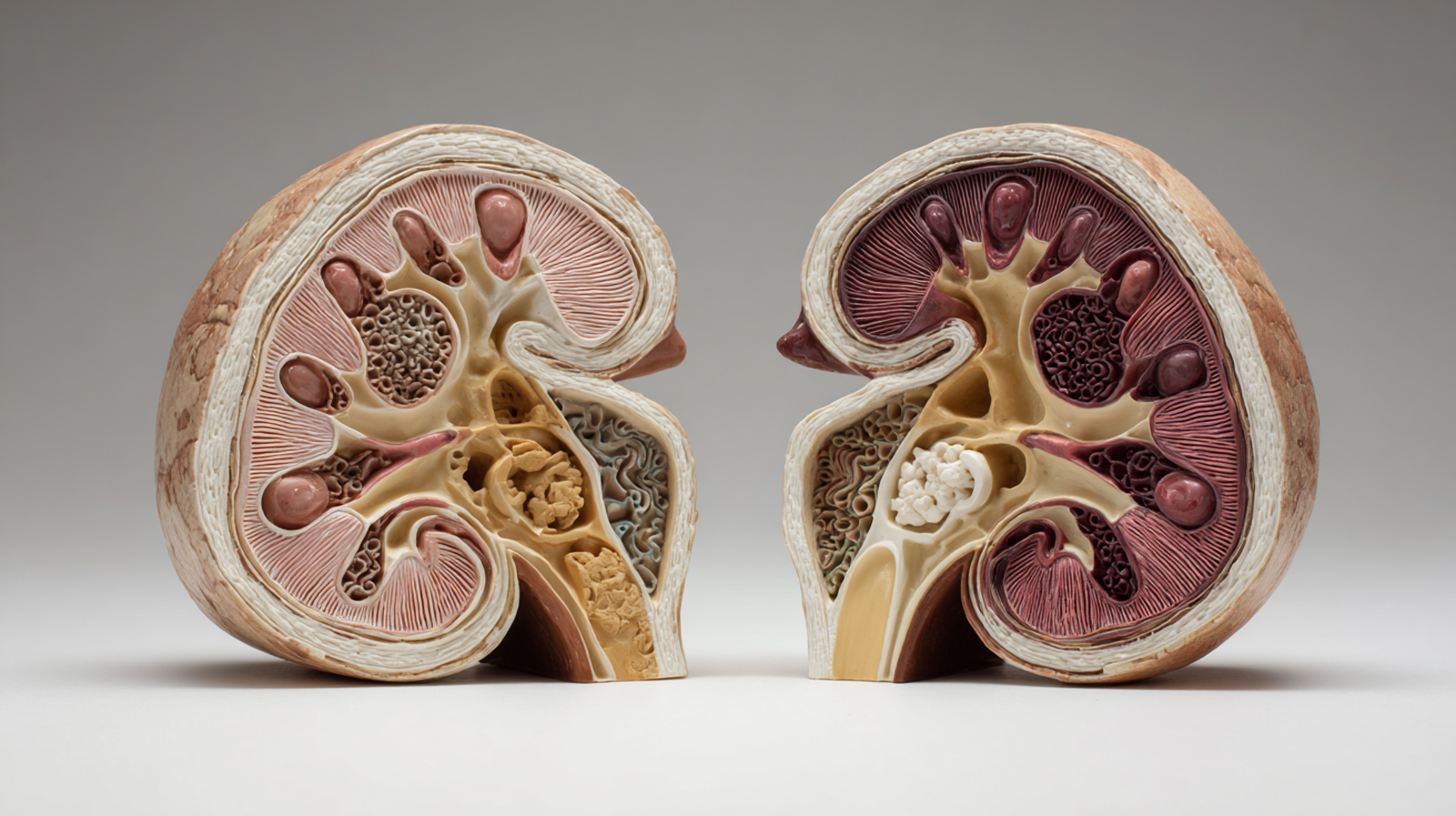
Research suggests that pygeum africanum bark extract can help manage these symptoms. It appears to work by reducing inflammation and swelling in the prostate, which may help improve urine flow and decrease the frequency of urination, especially at night. A review of multiple studies indicated that men taking pygeum were more than twice as likely to report an improvement in overall symptoms compared to those who did not.
| Symptom of BPH | How Pygeum May Help |
|---|---|
| Frequent Urination | May reduce the constant urge to go. |
| Nocturia (Nighttime Urination) | Can lead to fewer trips to the bathroom at night. |
| Weak Urine Stream | Helps improve the force and flow of urine. |
| Incomplete Bladder Emptying | May assist in emptying the bladder more fully. |
Other Potential Health Applications
While the primary focus of research has been on BPH, the compounds in pygeum show promise in other areas. Its anti-inflammatory properties are of significant interest for overall wellness. Traditionally, it was also used for conditions like kidney ailments and stomach upset, though modern scientific evidence for these applications is not as robust as it is for prostate health.
Safe Usage and Dosage Information
When considering any supplement, safety is paramount. The typical dosage of pygeum africanum extract used in clinical studies is between 50 mg and 100 mg, taken twice daily.
Most people tolerate pygeum well, but some may experience mild side effects, such as stomach upset or nausea. It is important to speak with a healthcare provider before starting pygeum, especially if you have pre-existing health conditions or are taking other medications, to ensure it is appropriate for you.
Comparing Natural Prostate Supplements
Pygeum is often discussed alongside other natural remedies for prostate health. Here is how it compares to two other popular supplements:
- Saw Palmetto: This is perhaps the most well-known supplement for BPH. While both pygeum and saw palmetto are used for similar urinary symptoms, some studies suggest they may have slightly different mechanisms of action.
- Stinging Nettle: Often used in combination with other herbs like saw palmetto, stinging nettle root is also thought to help with urinary symptoms related to BPH.
A Note on Sustainability
The increasing global demand for pygeum has led to a serious conservation issue. The Prunus africana tree has been overharvested, placing it on lists of endangered species. When selecting a supplement, it is important to choose products from companies that prioritize sustainable and ethical sourcing practices. Back To Your Roots Herbs is committed to responsible sourcing to ensure the long-term survival of this valuable medicinal plant.
Frequently Asked Questions
- What is the main benefit of pygeum?
- The most well-researched benefit of pygeum africanum bark is its ability to help manage the urinary symptoms associated with an enlarged prostate (BPH).
- How long does it take for pygeum to work?
- Effects are not immediate. Most clinical studies suggest that it may take several weeks to a few months of consistent use to notice improvements in urinary symptoms.
- Can pygeum shrink the prostate?
- Current evidence does not show that pygeum shrinks the overall size of the prostate. Instead, it is believed to work by reducing inflammation and swelling within the gland, which alleviates the pressure on the urethra.
- Is pygeum safe to take long-term?
- Studies have evaluated the use of pygeum for up to 12 months, and it appears to be well-tolerated for this duration. As with any supplement, it is best to consult a healthcare professional for guidance on long-term use.