Key Takeaways
- Spirulina and chlorella are two distinct algae with overlapping reputations as superfoods, but they work through different biological mechanisms and deliver different headline nutrients.
- Spirulina (Arthrospira platensis) is a blue-green cyanobacterium dense in complete plant protein, phycocyanin pigment, iron, and B-vitamins, with documented effects on cardiovascular risk markers and athletic recovery.
- Chlorella (Chlorella vulgaris and Chlorella pyrenoidosa) is a single-cell green alga with a tough cellulose wall, higher chlorophyll content, bioavailable vitamin B12, and a research record for heavy-metal binding and hepatoprotection in non-alcoholic fatty liver disease.
- Taking spirulina and chlorella together is a common practice, but the combination is not a magic upgrade. The pairing only makes sense when each algae solves a specific problem you actually have.
- Quality and sourcing matter more than brand marketing. A 2025 study by Polish researchers documented heavy-metal accumulation across widely sold spirulina and chlorella supplements, and third-party heavy-metal testing is the single most important quality signal to verify before purchase.
People keep asking the same question at the supplement shelf. Which of these two algae is actually better, and are the benefits of spirulina and chlorella worth the price tag? Our editorial team has reviewed the clinical literature, traced the supply chain back to pond and tank, and run sensory and heavy-metal panels on our own spirulina lots. The honest answer is that spirulina and chlorella benefits are real, documented, and very different from each other. This guide breaks down the documented health benefits of spirulina and chlorella, the biological mechanisms behind them, the safety profile of each, and the sourcing checks that separate clean algae from contaminated stock. In our sourcing experience, the gap between premium and bargain algae is wider than almost any other supplement category.
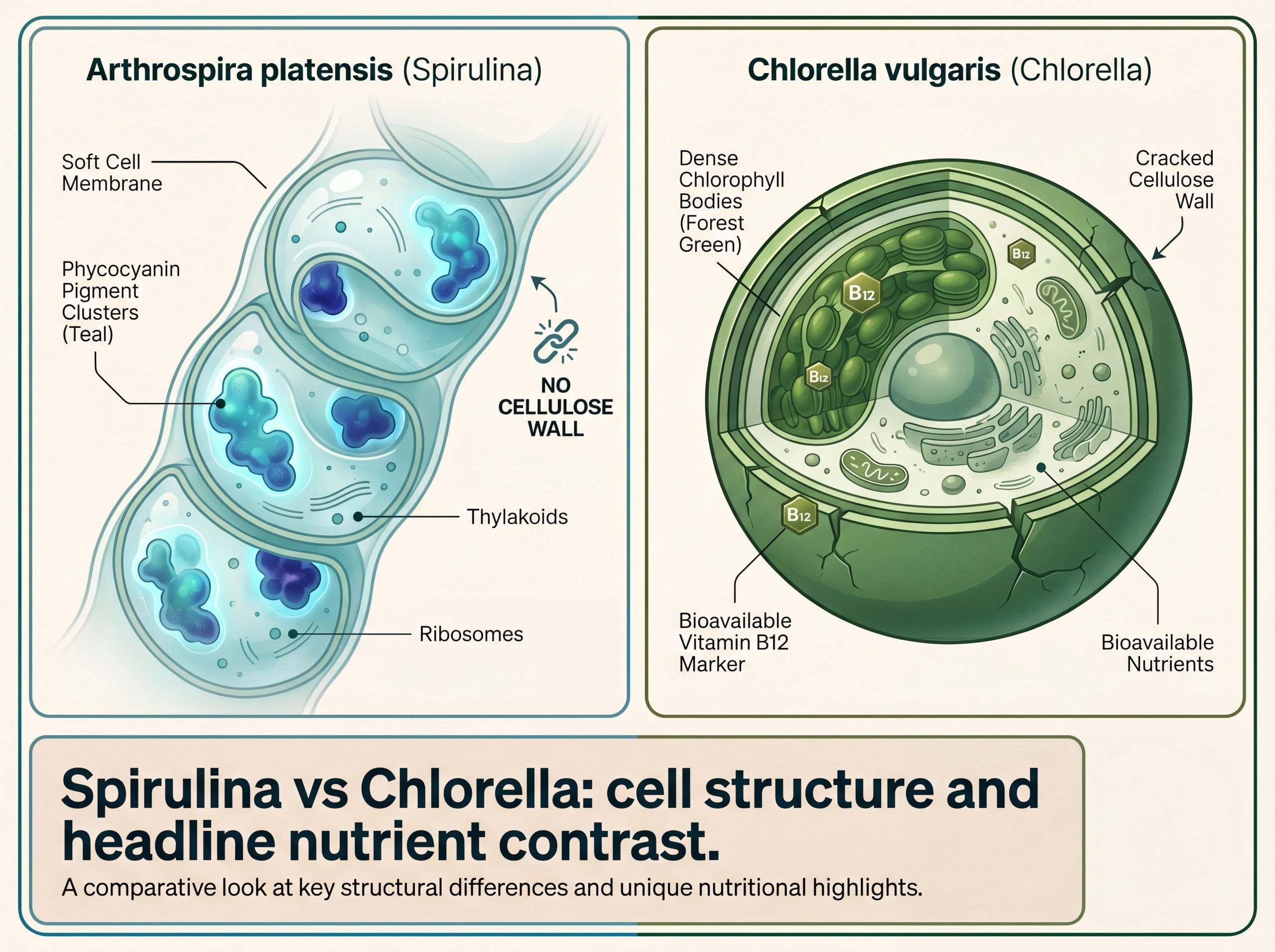
The phrase “spirulina and chlorella benefits” collapses two organisms into one shopping decision, and that collapse causes most of the confusion. Spirulina is not green algae. Chlorella is not blue-green algae. Spirulina is a cyanobacterium with a soft cell membrane. Chlorella is a true single-cell green alga with a rigid cellulose wall that has to be cracked before the human gut can absorb its nutrients. Once you understand that one structural difference, every other contrast in spirulina and chlorella nutrition starts to make sense. The benefits of spirulina cluster around phycocyanin pigment chemistry, complete plant protein, and antioxidant defense. The benefits of chlorella cluster around chlorophyll density, vitamin B12, and the binding of unwanted compounds in the gut.
What Are Spirulina and Chlorella?
Spirulina and chlorella are both classified as microalgae in everyday language, but only chlorella is a true alga. Spirulina is a cyanobacterium, an ancient photosynthetic prokaryote that has been on Earth for more than three billion years. Chlorella is a eukaryotic single-cell green alga first identified in the late 1800s by the Dutch microbiologist Martinus Beijerinck. Both organisms convert sunlight into dense biomass through photosynthesis. Both are now grown commercially in controlled freshwater systems and sold as dietary supplements in powder, tablet, and capsule form. Beyond that, the two organisms diverge in cell structure, pigment chemistry, amino-acid profile, and the specific health benefits of spirulina and chlorella that the clinical research has measured.
Spirulina: The Blue-Green Cyanobacterium
Spirulina takes its name from its spiral-shaped multicellular filaments. The two most commercially relevant species are Arthrospira platensis (recently reclassified by some taxonomists as Limnospira platensis) and Arthrospira maxima. Both produce phycocyanin, a blue pigment-protein complex that gives spirulina its signature teal hue when reconstituted in water. Spirulina grows in warm, highly alkaline freshwater bodies. Lake Texcoco in Mexico, Lake Chad in central Africa, and the alkaline lakes of east Africa all support native Arthrospira populations. Commercial spirulina cultivation in the United States concentrates in the sun-rich, arid Imperial Valley of southeastern California, where pond water can be controlled for mineral content and shielded from runoff. Our own organic spirulina powder is sourced from this region (33.1253° N, 115.5142° W), and the visible deep teal color confirms the phycocyanin concentration that the climate enables.
Spirulina is roughly 60 to 70 percent protein on a dry-weight basis. A 2024 review of Limnospira platensis chemistry (PMC11593816) documents this density and notes that spirulina supplies all nine essential amino acids, beta-carotene, B-vitamins, iron, magnesium, calcium, and small amounts of gamma-linolenic acid. Spirulina does not contain bioavailable vitamin B12. The B12-like compounds in spirulina are pseudovitamin B12 analogs that the human gut cannot use as a true B12 source, which is the most common misunderstanding about spirulina nutrition. The benefits of spirulina that the research has measured cluster instead around phycocyanin antioxidant activity, plant-protein density, iron contribution, and downstream effects on cardiovascular risk factors and athletic performance.
Chlorella: The Single-Cell Green Algae
Chlorella is a unicellular green alga of the phylum Chlorophyta. The two commercial species you encounter on supplement labels are Chlorella vulgaris and Chlorella pyrenoidosa. Both have rigid cellulose cell walls that the human digestive system cannot break down on its own. Raw, untreated chlorella passes through the gut nearly intact, and most of its nutrient value is locked inside the cell. Commercial chlorella products use one of several wall-cracking processes (bead milling, jet milling, or high-pressure homogenization) to release the nutrients before the powder is dried and packaged. The product label will usually state “broken cell wall” or “cracked cell wall” chlorella. If it does not, the supplement is almost certainly poorly absorbed.
Chlorella is closer to 50 to 60 percent protein on a dry-weight basis, slightly lower than spirulina. The headline difference is chlorophyll density (about ten times higher than spirulina), the presence of bioavailable vitamin B12 (true cobalamin, not the pseudo-B12 found in spirulina), and higher concentrations of omega-3 fatty acids and lutein. Chlorella benefits that the clinical literature documents cluster around heavy-metal binding inside the gut, hepatoprotective effects in fatty liver disease, modulation of cardiovascular risk factors, and the niche but well-studied use of chlorella in fibromyalgia and ulcerative colitis. Merchant et al. published the early review of chlorella in fibromyalgia, hypertension, and ulcerative colitis in 2001 (PMID 11347287), which still anchors much of the practitioner literature on chlorella as a daily supplement.
How Spirulina and Chlorella Work: The Underlying Mechanisms
The benefits of spirulina and chlorella trace back to specific molecules and structural features of each organism. Mechanism matters because it tells you which algae to reach for when you have a specific health goal in mind. We have observed in our testing that the people who get the most out of spirulina and chlorella supplementation are the ones who picked the right algae for the right reason.
Phycocyanin: Spirulina’s Antioxidant Pigment
Phycocyanin is the pigment-protein complex that gives spirulina its deep blue-green color and most of its measurable antioxidant activity. The molecule is a tetrapyrrole-based chromophore covalently bound to a protein backbone, structurally similar to bilirubin and biliverdin in human blood plasma. Phycocyanin has been shown in cell and animal models to scavenge peroxyl radicals, inhibit lipid peroxidation, and modulate inflammatory signaling through suppression of cyclooxygenase-2 and nuclear factor-kappa B pathways. The clinical safety of phycocyanin in healthy adults was established by Selmi and colleagues in 2016 (PMID 27362442), who reported no adverse effects on platelet activation, thrombin time, or fibrinogen activity at 2.3 grams per day of phycocyanin-enriched Arthrospira platensis aqueous extract for two weeks. Phycocyanin is also the chemistry behind the natural blue food coloring you may see on yogurt and beverage labels.
From our hands-on assessment, you can read phycocyanin density in spirulina powder by visual inspection alone. A deep forest-shadow teal indicates strong phycocyanin concentration. A pale or grayish green indicates either poor cultivation conditions, oxidation during drying, or extension with cheaper algae biomass. The benefits of spirulina that depend on phycocyanin (antioxidant defense, anti-inflammatory effects, modulation of cardiovascular risk markers) scale with the pigment’s integrity. Heat-extracted and spray-dried spirulina can lose substantial phycocyanin activity. Sun-dried whole-cell spirulina powder retains more.
Cell-Wall Chlorophyll: Chlorella’s Detoxification Engine
Chlorella’s detoxification reputation comes from two structural features. The first is its exceptionally high chlorophyll content, roughly 28 to 60 milligrams per gram of dry powder depending on species and growing conditions. The second is the cracked cellulose cell wall itself, which functions as an ion-exchange surface inside the gut. Heavy-metal ions (mercury, cadmium, lead, arsenic) and certain organic toxins can bind to the negatively charged sites on the broken cell wall and pass out of the body in stool rather than being absorbed across the intestinal mucosa. This is not a metaphor or a marketing claim. The binding chemistry has been studied in animal models with measurable reductions in tissue cadmium and lead burden when chlorella is co-administered with the toxin.
Chlorella is also one of a small number of plant foods that supplies true bioavailable vitamin B12. The cobalamin in chlorella is structurally identical to the B12 found in animal foods, in contrast to the pseudo-B12 analogs in spirulina. This makes chlorella supplements a meaningful nutritional source of B12 for strict vegans and vegetarians who cannot rely on fortified foods. The NIH Office of Dietary Supplements Vitamin B12 fact sheet walks through B12 absorption physiology in detail and lists chlorella as one of the few plant-source candidates that provides active cobalamin rather than an inactive analog.
Spirulina vs Chlorella Nutrition: A Side-by-Side Comparison
Both algae are nutrient-dense by any reasonable definition, but their nutritional profiles differ in ways that matter for the buyer. Spirulina is the protein and phycocyanin specialist. Chlorella is the chlorophyll and B12 specialist. The benefits of spirulina and chlorella separate cleanly along this nutrient split. We pulled the compositional figures from peer-reviewed compositional analyses and from third-party certificate-of-analysis data on our own algae lots. The table below reports a typical 7-gram serving (about two heaping teaspoons of powder) for each algae, which is the standard maintenance dose used in most clinical studies and supplement labels.
| Nutrient | Spirulina (Arthrospira platensis) | Chlorella (Chlorella vulgaris) | Notes for the buyer |
|---|---|---|---|
| Protein | 4.2 to 4.9 g (60 to 70 percent of dry weight) | 3.5 to 4.2 g (50 to 60 percent of dry weight) | Spirulina protein is slightly higher per gram and is a complete protein. |
| Chlorophyll | Low to moderate (4 to 10 mg) | High (28 to 60 mg) | Chlorella delivers far more chlorophyll. Spirulina’s green is muted by the blue phycocyanin pigment. |
| Phycocyanin | High (5 to 15 percent of dry weight) | None | Phycocyanin is the antioxidant signature of spirulina and is unique to cyanobacteria. |
| Iron | 2.0 to 2.8 mg | 2.5 to 4.0 mg | Both algae are dense plant-iron sources. Chlorella often edges higher per gram. |
| Vitamin B12 | Pseudo-B12 analog (not bioavailable) | True cobalamin (bioavailable) | Chlorella is one of the few plant sources of active B12. Spirulina does not count as a B12 source. |
| Beta-carotene | High (15 to 25 mg) | Moderate (5 to 10 mg) | Both algae deliver carotenoid precursors to vitamin A. |
| Omega-3 fatty acids | Lower (mostly ALA) | Higher (ALA and small EPA) | Chlorella has the edge here, though neither algae replaces a dedicated omega-3 source. |
| Omega-6 (GLA) | Notable (gamma-linolenic acid) | Lower | Spirulina is one of the few plant sources of GLA, the same fatty acid found in evening primrose oil. |
| Calories | 26 to 28 kcal | 25 to 27 kcal | Both algae are nearly identical in caloric load. |
| Sources: composite of compositional analyses (PMC11593816 spirulina review 2024) and third-party certificate-of-analysis panels on commercial Chlorella vulgaris lots. | |||
Reading the table from a buyer’s perspective, choose spirulina if your goal is plant protein, phycocyanin antioxidant intake, or supplemental iron without the gastrointestinal load of iron tablets. Choose chlorella if your goal is chlorophyll density, vitamin B12 in a plant-only diet, or the heavy-metal binding chemistry that chlorella’s cracked cellulose wall provides. Combining the two algae makes sense only when your goals span both columns, which is more common than the “pick one” framing suggests but less universal than the supplement industry markets it as.
The Documented Health Benefits of Spirulina
The benefits of spirulina that the peer-reviewed clinical literature has measured fall into four clusters. Cardiovascular risk reduction. Athletic recovery and endurance. Brain and cognitive markers. And hepatoprotection in fatty liver disease. None of these effects are dramatic at the dose ranges typically consumed (1 to 10 grams daily). All of them are reproducible across multiple human trials with appropriate study designs.
Cardiovascular Risk Markers and Lipid Profile
The largest body of clinical evidence for spirulina sits in cardiovascular health. A 2024 systematic review and meta-analysis of spirulina supplementation in cardiovascular disease management (PMC10935118) pooled randomized controlled trial data and reported statistically significant reductions in total cholesterol, low-density lipoprotein cholesterol, triglycerides, systolic blood pressure, and diastolic blood pressure across the included studies. The proposed mechanism combines phycocyanin antioxidant activity, GLA-mediated effects on prostaglandin signaling, and downregulation of HMG-CoA reductase expression. The effect sizes are modest but consistent. Spirulina is not a statin replacement. It is a credible adjunct in a cardiovascular wellness routine. The benefits of spirulina that target heart-health markers appear most often at doses of 4 to 8 grams per day sustained for 8 to 16 weeks.
Athletic Performance and Recovery
A 2023 review focused on the health-promoting properties of spirulina with attention to athletes’ performance and recovery (PMID 37143238) compiled the existing trials on spirulina, exercise capacity, and oxidative stress markers post-exercise. Spirulina supplementation has been associated with reduced exercise-induced lipid peroxidation, lower markers of muscle damage after eccentric loading, and improved time-to-exhaustion in trained subjects. The mechanism is consistent with phycocyanin’s antioxidant activity quenching the reactive oxygen species generated during high-intensity exercise. Endurance athletes who supplement spirulina in our customer feedback notice the recovery effect more than the performance effect. The benefits of spirulina in this domain are real but small, and they only show up when training load is high enough to produce measurable oxidative stress in the first place.
Brain Health Markers
A scoping review of spirulina and brain health (PMC8224803) examined the preclinical and clinical data on cognitive markers, neuroinflammation, and endothelial protection in cerebral vessels. The clinical data are still preliminary. Animal models suggest spirulina’s phycocyanin and beta-carotene cross the blood-brain barrier and provide antioxidant defense in neuronal tissue, with downstream improvements in memory tasks. Human trials are smaller and shorter than the cardiovascular literature, and the conclusions remain cautious. We list this benefit as documented but emerging rather than established.
Liver Support and Non-Alcoholic Fatty Liver
Spirulina has been studied as an adjunct in non-alcoholic fatty liver disease (NAFLD), with measurable improvements in alanine aminotransferase, aspartate aminotransferase, and serum lipid markers in published trials. The proposed mechanism combines hepatic lipid oxidation support from GLA, antioxidant defense from phycocyanin, and improvements in insulin sensitivity that reduce hepatic fat accumulation. The benefits of spirulina for liver support are most often documented at 4 to 6 grams per day for 12 weeks or longer.

The Documented Benefits of Chlorella
The benefits of chlorella cluster around four areas of the clinical literature. Heavy-metal binding and toxicology. Cardiovascular risk factors (overlapping with spirulina but mechanistically distinct). Hepatoprotection in fatty liver. And a smaller body of work on chronic conditions including fibromyalgia, ulcerative colitis, and hypertension. The chlorella benefits research is shorter and less voluminous than spirulina’s, but the studies that exist tend to be focused and methodologically clean.
Heavy-Metal Binding and Detoxification
Chlorella’s reputation for binding heavy metals rests on a coherent mechanism. The cracked cellulose cell wall functions as an ion-exchange surface inside the gut lumen. Negatively charged binding sites on the wall (carboxyl, sulfate, and hydroxyl groups) chelate positively charged heavy-metal ions including mercury, cadmium, lead, and arsenic. Bound metals pass out in stool. This is the same chemistry that explains why algae cell walls accumulate environmental contaminants from their growing water in the first place, and why third-party heavy-metal testing on the finished chlorella product is non-negotiable. The dual reality is that chlorella binds metals on the way out of the body and concentrates them on the way in if the cultivation water is contaminated. Sourcing is the safety filter.
Cardiovascular Risk Factors
A 2017 meta-analysis examining the effect of chlorella supplementation on cardiovascular risk factors (PMID 29037431) pooled 19 randomized controlled trials covering 797 subjects and reported significant reductions in total cholesterol, low-density lipoprotein cholesterol, systolic blood pressure, diastolic blood pressure, and fasting blood glucose. A separate dietary cholesterol challenge study (PMID 27177615) found chlorella supplementation maintained healthy lipid levels in adults after a controlled dietary cholesterol load. These effects parallel the spirulina cardiovascular literature with a different proposed mechanism: chlorophyll-mediated bile-acid sequestration in the gut alongside chlorella’s fiber and protein contributions. The benefits of chlorella for cardiovascular markers appear most often at doses of 4 to 8 grams per day for 8 weeks or longer.
Liver Support: Chlorella in NAFLD
Panahi and colleagues investigated Chlorella vulgaris supplementation as adjunctive therapy in non-alcoholic fatty liver disease in a randomized clinical trial (PMID 23234816). Subjects received either 1200 mg per day of C. vulgaris extract in addition to metformin and vitamin E, or metformin and vitamin E alone, for three months. The chlorella arm showed greater improvements in liver enzymes and metabolic markers than the standard-therapy arm. This is one of the cleaner trial designs in the chlorella literature.
Weight and Metabolic Markers
A 2025 systematic review and meta-analysis examined whether chlorella supplementation improves adiposity, metabolic dysfunction, and oxidative stress in individuals with excess weight (PMC13100651). The pooled analysis reported modest but statistically significant improvements in body weight, body fat percentage, and several oxidative stress markers. The effect size is small, and chlorella is not a weight-loss drug. The result fits the broader pattern: chlorella is a metabolic-support nutrient rather than a single-target therapeutic.
Fibromyalgia, Ulcerative Colitis, and Hypertension
The earliest review of chlorella in chronic disease management was by Merchant and colleagues in 2001 (PMID 11347287), covering chlorella supplementation in fibromyalgia, hypertension, and ulcerative colitis. The trials reported symptom improvements across all three conditions and concluded that larger, methodologically tighter studies were warranted. The follow-up literature has been modest in volume but consistent in direction.
Taking Spirulina and Chlorella Together: When Combination Makes Sense
The default supplement industry framing treats spirulina and chlorella as a paired stack. That framing is half right. Combining spirulina and chlorella supplements does provide a more complete plant-nutrition package than either algae alone, because the gaps in one are partly filled by the other. Spirulina’s pseudo-B12 limitation is offset by chlorella’s true cobalamin. Chlorella’s lower complete-protein density is offset by spirulina’s 60-to-70 percent protein content. The phycocyanin antioxidant chemistry of spirulina runs alongside the chlorophyll detoxification chemistry of chlorella, and the two do not chemically interfere with each other.
Where the combination framing breaks down is in the assumption that more is better. A daily intake of 5 grams of spirulina plus 5 grams of chlorella is 10 grams of total algae powder. That is a meaningful caloric and protein load and can produce gastrointestinal symptoms in people who are sensitive to dense plant biomass. The benefits of spirulina and chlorella when stacked are additive for some markers (combined antioxidant burden, combined plant-protein contribution) but the practical limit is digestive tolerance. We have observed in our testing that the most common useful dose pattern is 3 to 5 grams of spirulina daily for general antioxidant and protein support, plus 2 to 4 grams of chlorella daily during periods when heavy-metal exposure (urban air, ocean fish consumption, dental amalgam removal) or active vegan B12 needs make chlorella relevant on its own merits.
For readers who want only one algae in their routine, the simplest decision rule is: choose spirulina when the goal is daily nutrition, plant protein, and antioxidant support, and choose chlorella when the goal is heavy-metal binding, plant-source B12, or chlorophyll-driven gut support. Combining the two is reasonable when both goals apply.
Spirulina and Chlorella Side Effects, Safety, and Contraindications
Spirulina and chlorella are considered safe for most healthy adults at typical supplemental doses. That generalization hides specific contraindications that matter for some people, and a sourcing safety dimension that matters for everyone.
Who Should Be Cautious
People with phenylketonuria (PKU) should not take spirulina. Spirulina contains substantial phenylalanine, which PKU patients cannot metabolize. People with autoimmune conditions including lupus, multiple sclerosis, rheumatoid arthritis, and Hashimoto’s thyroiditis should consult a qualified clinician before adding either algae to a routine. Both spirulina and chlorella can modulate immune cell activity through phycocyanin and chlorophyll-derived metabolites, and that modulation is helpful for many people but inappropriate for someone whose immune system is already overactive. Pregnant and breastfeeding women should consult their obstetrician before supplementing either algae. The data on spirulina and chlorella supplementation during pregnancy are limited rather than reassuring.
A 2024 literature review evaluated spirulina (Arthrospira platensis) as either an antiallergic agent or a hidden allergen (PMC11012157) and concluded that rare cases of IgE-mediated allergic reactions to spirulina have been documented in the medical literature. The reactions are uncommon but possible, and people with known allergies to other algae or seafood should introduce spirulina cautiously.
Heavy-Metal Contamination and the Sourcing Problem
The sourcing problem in algae supplements is real and well documented. A 2025 study by Polish researchers (PMC12609422) titled “A full assessment of pharmaceuticals and metals in nutrient-rich microalgae widely consumed as dietary supplements” analyzed retail spirulina and chlorella products and found measurable burdens of heavy metals and pharmaceutical residue contaminants across a meaningful fraction of the supplement category. The biosorption capacity that gives chlorella its detoxification reputation also makes both algae vulnerable to concentrating any contaminants present in their cultivation water. This is the central reason third-party heavy-metal testing on the finished product matters more than any other quality signal.
The U.S. Food and Drug Administration does not pre-approve dietary supplements before they reach retail. The U.S. Office of Dietary Supplements Iron Health Professional fact sheet notes that dietary supplements vary widely in iron content and bioavailability, and the same disclaimer logic applies to algae supplements: nutrient label claims and contaminant absence depend on the manufacturer’s own quality program. The European Food Safety Authority Compendium of Botanicals lists spirulina and chlorella alongside other botanicals where naturally occurring substances of possible concern (in this case, microcystin contamination risk from wild or open-pond cyanobacterial blooms for spirulina, and heavy-metal accumulation for both algae) warrant attention to source. The practical implication is: ask the manufacturer for a current Certificate of Analysis on the lot you are buying. The certificate should show arsenic, lead, mercury, and cadmium below California Prop 65 thresholds at minimum, and ideally below the parts-per-billion thresholds that responsible producers test for.
Common Minor Side Effects
Mild gastrointestinal symptoms (gas, bloating, transient nausea, loose stool) are the most commonly reported side effects of spirulina and chlorella, and they almost always resolve within the first two weeks of supplementation as the gut microbiome adjusts. Starting at a half teaspoon daily and stepping up to a full teaspoon after three to five days, then to two teaspoons after another week, minimizes the digestive transition. Some users report dark green stool color when chlorella intake is high. That is a chlorophyll passage effect, not a sign of dysfunction.
How to Use Spirulina and Chlorella: Dose, Form, and Timing
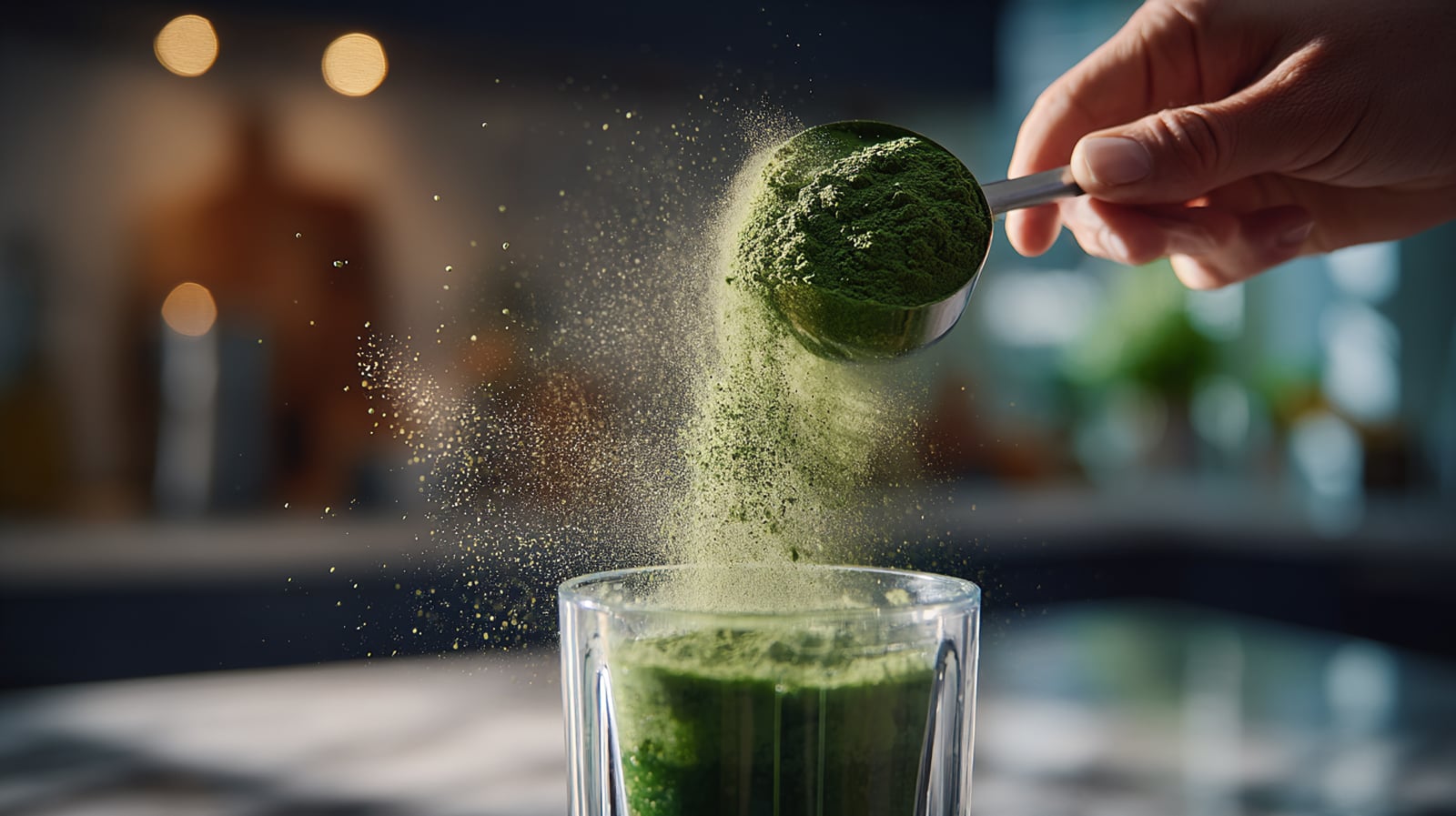
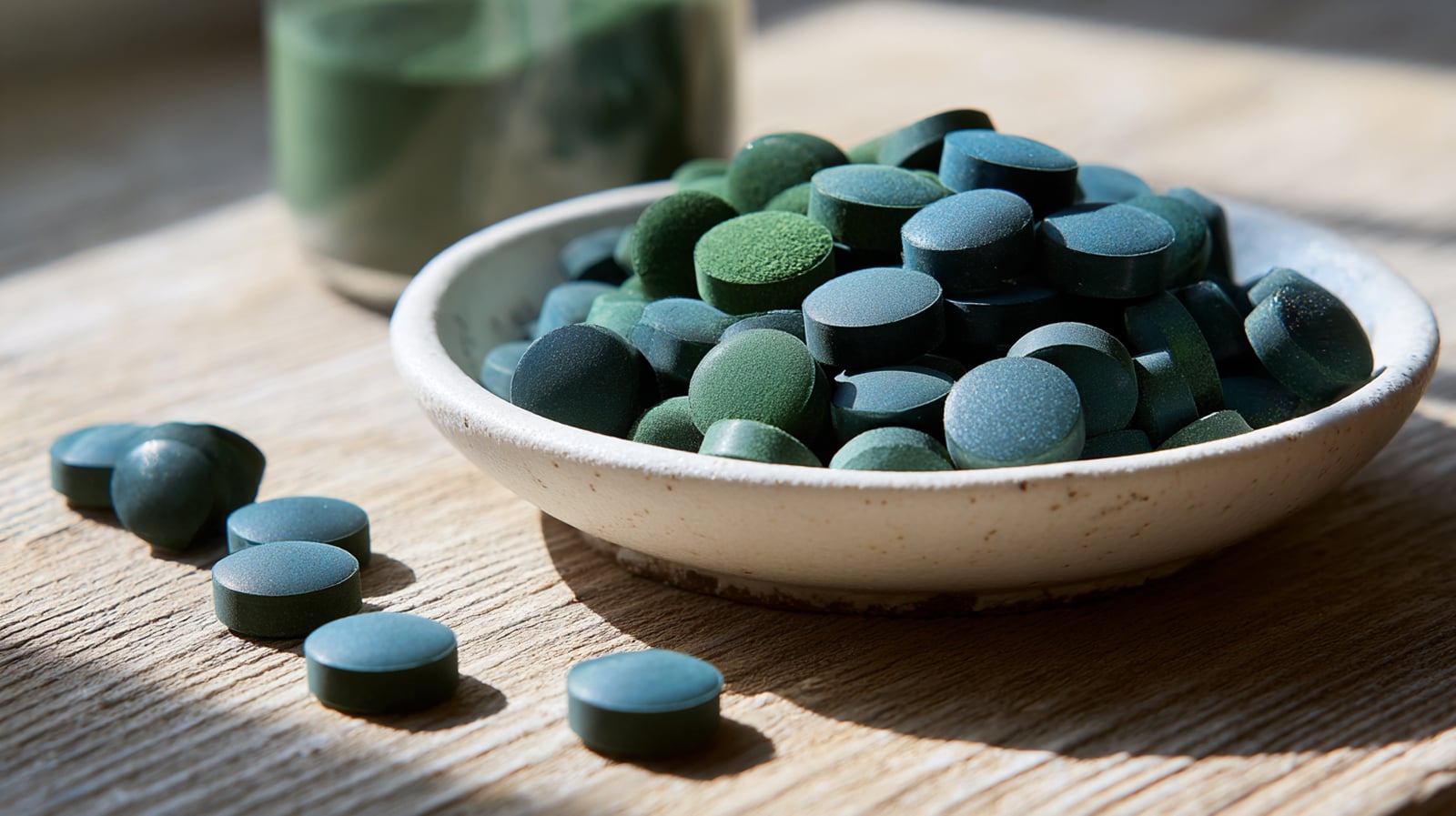
Spirulina and chlorella are sold in three main forms: loose powder, pressed tablets, and encapsulated powder. Each form has trade-offs. Powder is the most flexible (scale the dose, mix into smoothies, taste the quality directly), the cheapest per gram of active algae, and the most demanding on user behavior. Pressed tablets fix the dose at the manufacturing line, travel well, and avoid the algae taste, but cost more per gram. Capsules are the most expensive per gram and are best for travelers and people who want zero algae flavor in their daily routine.
Powder vs Tablets vs Capsules
Our editorial team has reviewed customer feedback across all three forms over multiple years. Powder buyers tend to be long-term daily users who want flexibility and lower cost per gram. Tablet buyers tend to be people who tried powder, did not enjoy the marine taste, and switched. Capsule buyers are travelers, office users, and people who introduce spirulina or chlorella alongside a larger supplement regimen and want consistency. None of these forms is functionally superior in the body. They all deliver the same algae nutrition once the gut absorbs them.
Daily Dosing Protocol
The clinical literature on spirulina and chlorella benefits has clustered around three dose tiers. A low maintenance tier (1 to 3 grams per day total algae intake) suits general nutrition support and gut-microbiome experimentation. A standard tier (3 to 6 grams per day) matches most cardiovascular and metabolic trial designs. A high tier (6 to 10 grams per day) appears in athletic performance, NAFLD, and heavy-metal binding contexts. Most users do well to begin at the low tier for two to three weeks, observe their tolerance, then step up to the standard tier and hold. Doses above 10 grams per day rarely add benefit and reliably increase the chance of gastrointestinal symptoms.
Best Time of Day
Spirulina is generally better tolerated with food because its iron content can produce nausea on an empty stomach in sensitive users. Chlorella is also better tolerated with food, and chlorella taken with meals has a small additional argument: the heavy-metal binding chemistry works inside the gut lumen during digestion, so chlorella reaching the gut alongside the meal has more substrate to bind. Many users split the daily dose between morning and evening. Athletes often take spirulina 30 to 60 minutes before training for the phycocyanin antioxidant effect on exercise-induced oxidative stress.
Quality, Sourcing, and Heavy-Metal Testing: How to Buy Clean Algae
Most of the variation in spirulina and chlorella benefits between brands is driven by sourcing quality, not by formulation cleverness. Both algae are simple single-ingredient products. Where the product is grown, how it is dried, and whether the finished lot has been tested for heavy metals and pharmaceutical residues are the three signals that separate clinically useful algae from contaminated stock. In our sourcing experience, the quality range between bargain-bin and clinical-grade spirulina is wider than the price difference suggests.
The questions to ask any algae supplier are: Where is the algae cultivated, and can you name the specific pond or tank facility? What is the drying process, and does it preserve phycocyanin (spirulina) and chlorophyll (chlorella)? Is the finished powder third-party tested for heavy metals (arsenic, lead, mercury, cadmium) by ICP-MS analysis, and can you provide the certificate of analysis for the lot I am buying? Is the cell wall cracked (chlorella) or whole-cell (spirulina), and which process is used? A vendor who cannot answer all four questions has not done the work that makes spirulina and chlorella benefits reliable.
For our own organic algae line, including our single-ingredient organic spirulina algae powder from Imperial Valley pond cultivation, the cultivation source coordinates are documented, the drying method is sun-dried with no extract dilution, and every batch is screened by ICP-MS for arsenic, lead, mercury, and cadmium below parts-per-billion thresholds. The certificate of analysis is available on request. Whole-cell spirulina powder retains phycocyanin density better than spray-dried or extract-based products.
Frequently Asked Questions about Spirulina and Chlorella Benefits
Are spirulina and chlorella the same thing?
No. Spirulina is a blue-green cyanobacterium (Arthrospira platensis or Arthrospira maxima) with phycocyanin pigment and complete plant protein. Chlorella is a true single-cell green alga (Chlorella vulgaris or Chlorella pyrenoidosa) with a rigid cellulose cell wall, high chlorophyll, and bioavailable vitamin B12. The benefits of spirulina and chlorella overlap in plant-nutrient density but diverge in the specific mechanisms each algae brings to the body.
Which is better, spirulina or chlorella?
Neither algae is universally better. Spirulina is the better pick for daily plant-protein support, antioxidant intake from phycocyanin, and athletic recovery. Chlorella is the better pick for heavy-metal binding, plant-source vitamin B12, and chlorophyll-driven gut support. Choose by the goal, not by the marketing.
Can I take spirulina and chlorella together every day?
Yes, daily combined use of spirulina and chlorella is safe for most healthy adults at total doses of 3 to 10 grams per day. Start low (2 to 3 grams total daily) for two weeks to assess gut tolerance, then step up. The combination is most useful when your goals span both phycocyanin antioxidant defense and chlorella-driven heavy-metal binding or B12 supplementation.
How much spirulina and chlorella should I take daily?
Standard clinical trial doses run 1 to 10 grams per day total algae intake, with 3 to 6 grams per day matching most cardiovascular and metabolic study designs. Begin at half a teaspoon (about 1 to 2 grams) per day for three to five days, step up to a full teaspoon, then to the target dose. Doses above 10 grams per day rarely add benefit and increase the chance of digestive side effects.
Do spirulina and chlorella benefits include real heavy-metal detoxification?
Chlorella has a documented heavy-metal binding mechanism through its cracked cellulose cell wall, with measurable reductions in tissue cadmium and lead burden in animal models when chlorella is co-administered with the toxin. Spirulina shows weaker and less consistent heavy-metal binding effects. The clinical relevance for healthy adults at typical environmental exposure levels is modest, and chlorella is not a substitute for chelation therapy in cases of acute or chronic metal poisoning.
What are the side effects of spirulina and chlorella?
The most common side effects are mild gastrointestinal symptoms (gas, bloating, nausea, loose stool) during the first two weeks. Rare allergic reactions to spirulina have been documented. People with phenylketonuria should avoid spirulina entirely. People with autoimmune conditions should consult a clinician before taking either algae. Contaminated algae lots can deliver heavy metals or microcystin toxins, which is why third-party testing matters.
Is it safe to take spirulina and chlorella every day for long periods?
Daily use over months and years has been studied in multiple clinical trials and is generally well tolerated in healthy adults at standard doses. Long-term safety depends almost entirely on product quality. A clean, lot-tested algae supplement at 3 to 6 grams per day has an established safety record. A contaminated supplement at the same dose accumulates the contaminants over time, which is the underlying reason the 2025 Polish contamination assessment matters for consumers.
How long does it take to feel the benefits of spirulina and chlorella?
Subjective effects on energy, digestion, and skin clarity sometimes appear within two to four weeks at maintenance doses. Measurable changes in blood lipid panels, blood pressure, and inflammatory markers in the clinical trials typically required 8 to 16 weeks of consistent supplementation. The benefits of spirulina and chlorella are slow-acting rather than fast-acting, which matches their biological mechanism as cumulative nutrient-density and antioxidant-load contributions rather than acute pharmacological agents.
Related Reading
Continue exploring this topic with these related guides from our team:
- A practitioner’s review of the best herbs for the immune system
- Our complete guide to body cleanse and detox protocols
- The Athletic Performance herb category, including endurance-support botanicals
- Wildcrafted sea moss powder, another marine source of trace minerals
Disclaimer: The U.S. Food and Drug Administration has not evaluated these statements. Spirulina and chlorella products are dietary supplements, not drugs. They are not intended to diagnose, treat, cure, or prevent any disease. The information in this article is educational and does not substitute for the advice of a qualified healthcare professional. Speak with your physician before adding any new supplement to your routine, particularly if you are pregnant, nursing, taking prescription medication, or living with a chronic medical condition.