Key Takeaways
- No herb has been shown in clinical trials to reliably stop alcohol cravings, and any product promising that is overstating the evidence.
- Kudzu root is the most-studied herb here, and the two landmark trials found it cut how much people drank while leaving craving scores unchanged.
- Several herbs commonly recommended for cravings, including valerian, kava, and ashwagandha, add to alcohol’s sedative effect and should not be stacked on active drinking.
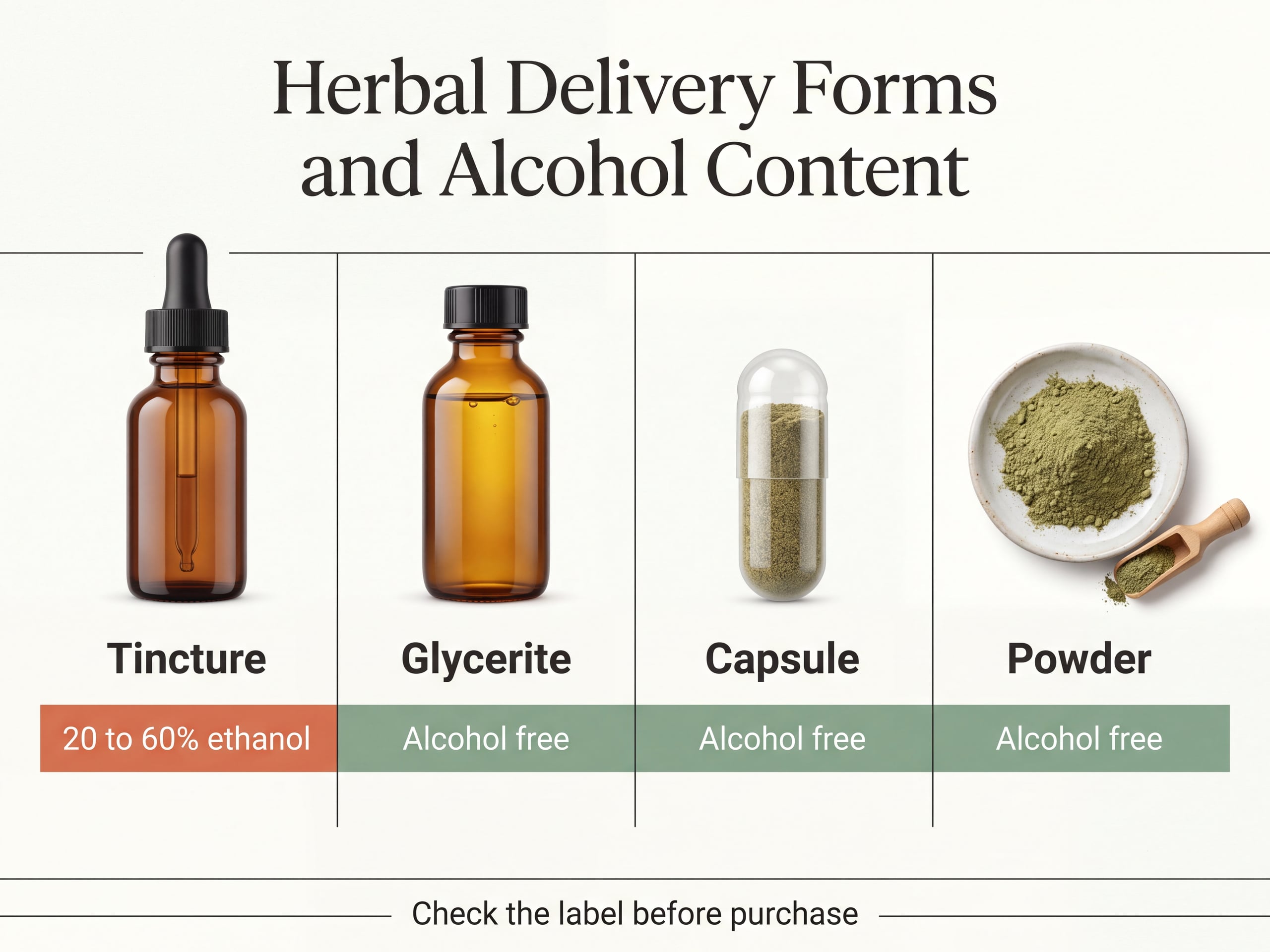
- Standard herbal tinctures are typically 20 to 60 percent ethanol by volume, which makes them a poor fit for anyone whose goal is abstinence.
- If you drink heavily every day, stopping abruptly without medical supervision can be dangerous. Read the safety section below before changing anything.
Before You Read Further: Stopping Suddenly Can Be Dangerous
If you drink heavily every day, or you have had withdrawal symptoms before, do not stop drinking abruptly on your own. Alcohol withdrawal can produce seizures and delirium tremens, and in severe cases it is life-threatening. Medically supervised withdrawal exists precisely because this risk is real and manageable with the right care. This is the single most important sentence on this page, and it is why we put it above everything else.
Free, confidential help is available around the clock. The Substance Abuse and Mental Health Services Administration National Helpline is 1-800-662-4357, and the 988 Suicide and Crisis Lifeline is reachable by call or text at 988. Neither requires insurance. Speaking with a physician before you change your drinking pattern is the safest first step, and nothing on this page replaces that conversation.
With that established, here is what the research actually shows about plants and alcohol cravings, including the parts that cut against what most herbal websites tell you.
Why Do Alcohol Cravings Happen?
An alcohol craving is an intense, often intrusive desire to drink. Cravings are among the most common obstacles reported by people reducing their intake, and understanding what produces them makes them easier to plan around.
How Alcohol Changes Brain Chemistry
Sustained alcohol use alters the balance of several neurotransmitter systems. Alcohol amplifies signalling at GABA receptors, which produces its calming and disinhibiting effect, and it drives dopamine release in the reward pathway. Over weeks and months, the brain adapts by down-regulating its own GABA activity and adjusting dopamine sensitivity. When alcohol is removed, that adaptation is briefly unopposed, which is what produces the agitation, insomnia, and physical discomfort of early withdrawal, along with the craving that pushes a person back toward drinking.
This matters for the herbal question in a specific way. A plant that produces mild relaxation is acting on a different scale entirely from the neuroadaptation described above. Recognizing that gap is the difference between a realistic expectation and a disappointing one.
What Triggers a Craving
Cravings are rarely purely chemical. In reviewing the clinical literature on relapse, our editorial team consistently finds the same trigger categories reported:
- Stress. High-demand situations raise the pull toward alcohol as a coping strategy.
- Emotional states. Anxiety, low mood, boredom, and even celebration can each be linked to drinking through habit.
- Social settings. Gatherings where alcohol is present, and direct or implied pressure from others.
- Environmental cues. Specific rooms, routes home, people, sounds, and smells tied to past drinking.
- Time patterns. Cravings often cluster at a habitual hour, commonly early evening or the end of the working week.
Naming your own triggers in writing is one of the few no-cost interventions with broad clinical support behind it. The National Institute on Alcohol Abuse and Alcoholism describes this as a recognize, avoid, cope framework in its Rethinking Drinking materials.
Are There Any Herbal Remedies Proven to Reduce Alcohol Cravings?
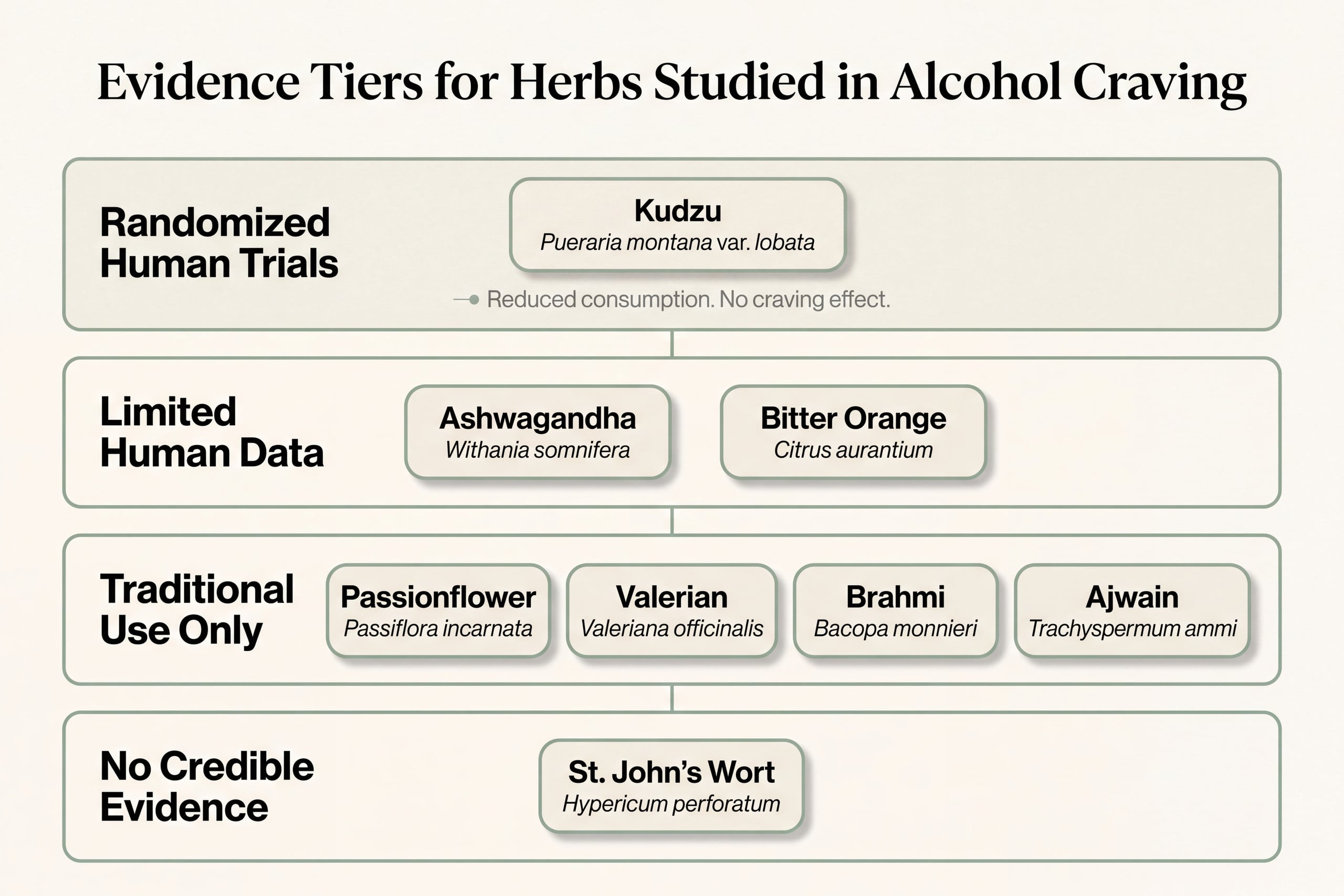
No herb has been shown in controlled clinical trials to reliably reduce alcohol cravings. Kudzu root has the strongest evidence base of any plant studied for drinking behaviour, and even there the trials measured a reduction in alcohol consumed rather than a reduction in craving. Everything else in this category rests on small studies, animal work, or traditional use, and we would rather say that plainly than sell you a stronger claim than the data supports.
Here is the honest tiering, which we assembled by reading the primary trials rather than the marketing:
- Kudzu (Pueraria montana var. lobata) has two randomized placebo-controlled human trials showing reduced alcohol consumption, with no measured effect on craving.
- Milk thistle (Silybum marianum) has substantial liver research, but no craving research, and its evidence in alcohol-related liver disease is conflicting rather than settled.
- Ashwagandha (Withania somnifera) has good stress and cortisol data and no alcohol-craving data. Any benefit would be indirect, by way of the stress trigger.
- Passionflower (Passiflora incarnata) and valerian (Valeriana officinalis) have anxiety and sleep research and no craving research, and both carry a sedation-stacking caution.
- Ayurvedic preparations including brahmi and ajwain appear in a 2025 systematic review in the Journal of Ayurveda described by its own authors as promising but not conclusive.
- Aromatherapy with bitter orange (Citrus aurantium) has one small randomized trial in a mixed substance-use population, not an alcohol-specific one.
| Herb | Latin binomial | What the evidence supports | Evidence strength | Main caution |
|---|---|---|---|---|
| Kudzu root | Pueraria montana var. lobata | Reduced volume of alcohol consumed. No craving reduction measured. | Moderate. Two small randomized controlled trials. | Liver signals in animal work and case reports. Interacts with naltrexone. |
| Milk thistle | Silybum marianum | Antioxidant activity in liver tissue. Craving effect not studied. | Conflicting. Positive and null trials both exist. | Not a substitute for reducing alcohol intake. |
| Ashwagandha | Withania somnifera | Reduced perceived stress and serum cortisol in healthy stressed adults. | Good for stress. None for alcohol craving. | Sedating. Do not stack on active drinking. |
| Passionflower | Passiflora incarnata | Traditional use for restlessness and situational anxiety. | Limited. No alcohol-craving trials. | Sedating. Additive with alcohol. |
| Valerian root | Valeriana officinalis | Traditional use for sleep onset and agitation. | Limited and mixed. No alcohol-craving trials. | Sedating. Additive with alcohol. |
| Brahmi and ajwain | Bacopa monnieri, Trachyspermum ammi | Traditional Ayurvedic use in withdrawal support. | Early. Described as not conclusive by reviewers. | Preparations vary widely in composition. |
| Bitter orange, inhaled | Citrus aurantium | Lower craving scores in one trial of 84 adults with substance use disorders. | Single small trial, not alcohol-specific. | Short study duration. Findings not yet replicated. |
| St. John’s wort | Hypericum perforatum | No credible alcohol-craving evidence. | None for this use. | Major drug interactions across many medication classes. |
| Sources: Lukas et al. (2012), Psychopharmacology, PMID: 23070022. Penetar et al. (2015), Drug and Alcohol Dependence, PMID: 26048637. NCCIH milk thistle summary. Chandrasekhar et al. (2012), Indian Journal of Psychological Medicine, PMID: 23439798. | ||||
What Does the Research Actually Say About Kudzu?
Kudzu Reduced Drinking, but the Studies Did Not Find It Reduced Craving
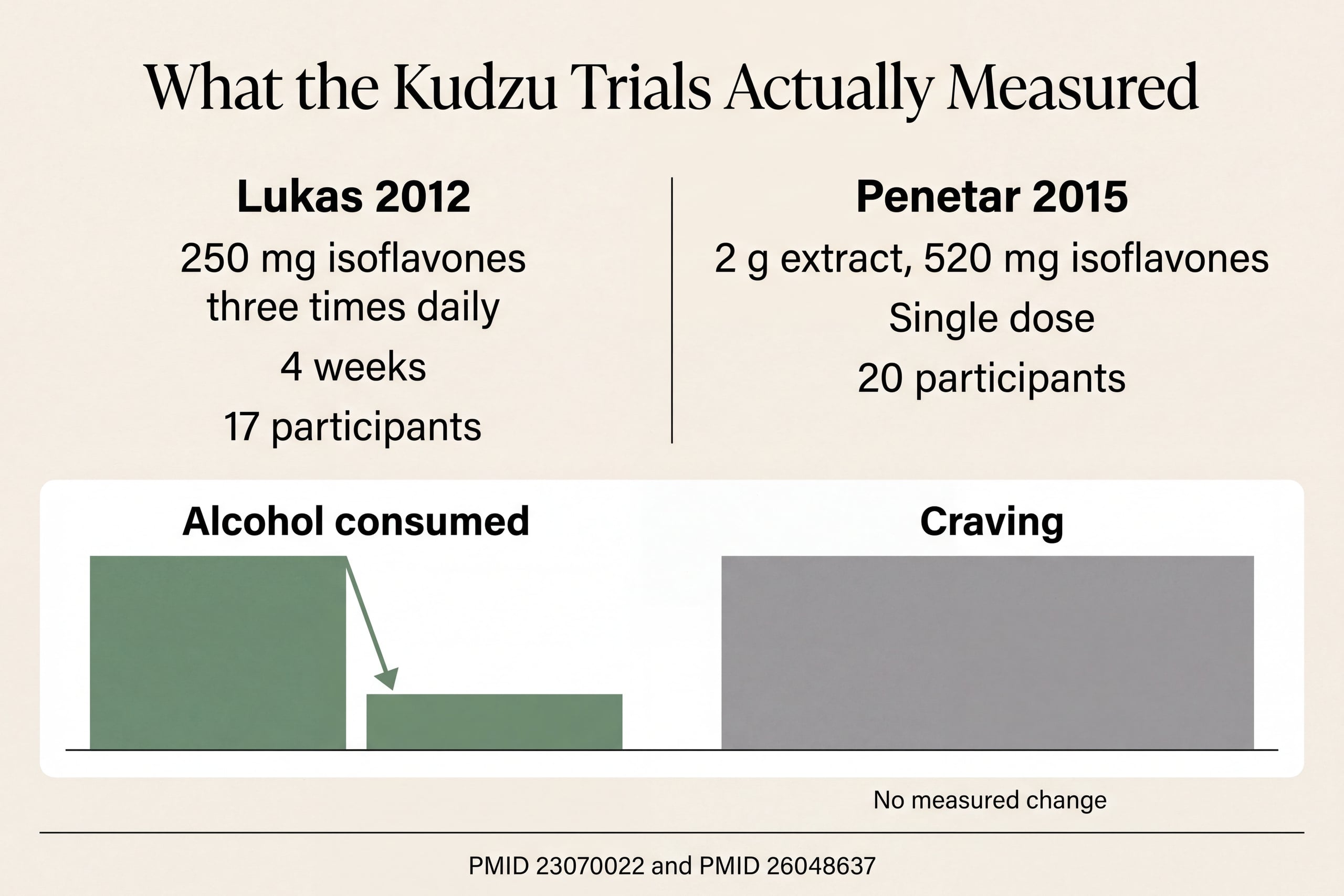
Kudzu root (Pueraria montana var. lobata) is a leguminous vine used in traditional Chinese medicine, where the root is called ge gen, and it is the only herb with randomized placebo-controlled human data on alcohol intake. In a four-week trial of seventeen non-treatment-seeking heavy drinkers, a standardized kudzu extract reduced the number of drinks consumed each week by 34 to 57 percent and increased days abstinent, while producing no effect on alcohol craving (Lukas et al., 2012, Psychopharmacology, PMID: 23070022).
That last clause is the part most pages leave out, and we think leaving it out does readers a disservice. A person who buys kudzu expecting the urge to quiet down is likely to be disappointed and to conclude that herbs do not work. A person who understands that the observed effect was on drinking volume, not on wanting, has an accurate picture of what they are buying.
The proposed mechanism fits that pattern. Kudzu isoflavones, principally daidzin, daidzein, and puerarin, appear to inhibit mitochondrial aldehyde dehydrogenase. That slows the clearance of acetaldehyde, the first metabolite of ethanol, which produces flushing and mild unpleasantness sooner in a drinking session. A secondary hypothesis holds that faster alcohol delivery to the brain’s reward centre satisfies the drinker earlier in the session. Neither mechanism would be expected to touch craving itself, and the trial data are consistent with that.
How Much Kudzu Was Used in the Studies?
The two published human trials used markedly different protocols. The four-week trial gave 250 mg of kudzu isoflavones three times daily, and the single-dose trial gave a 2-gram extract containing 520 mg of isoflavones, taken 2.5 hours before drinking. Neither dose is a recommendation from us, and neither was tested in a treatment-seeking population. We are reproducing them because readers ask this question constantly and almost no source answers it directly.
| Study | Extract and dose | Duration | Population | Consumption outcome | Craving outcome |
|---|---|---|---|---|---|
| Lukas et al., 2012 | NPI-031, 250 mg isoflavones three times daily | 4 weeks, plus 2 weeks baseline and 2 weeks follow-up | 17 men aged 21 to 33 drinking about 27.6 drinks per week | Weekly drinks down 34 to 57 percent. More days abstinent. | No effect measured |
| Penetar et al., 2015 | 2 g extract, 520 mg isoflavones, single dose 2.5 hours before session | Single 90-minute drinking session | 20 men, laboratory binge-drinking protocol | Beers consumed fell from 3.0 to 1.9. Participants also drank more slowly. | Not a primary endpoint |
| Sources: Lukas et al. (2012), Psychopharmacology 226(1):65-73, PMID: 23070022. Penetar et al. (2015), Drug and Alcohol Dependence 153:194-200, PMID: 26048637. Both trials enrolled men only, both were small, and neither studied treatment-seeking populations. | |||||
Two limitations deserve emphasis. Both trials enrolled men exclusively, so nothing here has been established in women. And both were small, at seventeen and twenty participants. That is enough to generate a signal worth following and not enough to justify strong claims.
Does Kudzu Affect the Liver?
The evidence on kudzu and the liver runs in both directions, and neither side is settled. Puerarin, the principal isoflavone in Pueraria montana var. lobata, shows antioxidant and protective activity against specific chemical toxins in animal models. Against that, a mouse and hepatocyte study found that kudzu root extract raised serum ALT and AST with matching histopathological changes, concluding that the extract may be hepatotoxic and that caution is warranted (Wang et al., 2015, Journal of Ethnopharmacology, PMID: 26545459).
There is also a published human case. A 55-year-old man with no prior liver history developed hepatocellular injury with ALT of 1528 IU/L and AST of 1108 IU/L after taking mistletoe extract for one month and kudzu root extract for ten days. His values fell after both were discontinued (Kim et al., 2015, Journal of Alternative and Complementary Medicine, PMID: 25668233). Because two herbs were involved, causality cannot be assigned to kudzu alone, and the causality assessment in that report pointed toward mistletoe. It remains a reason for caution rather than a settled verdict.
The practical reading: anyone considering kudzu while recovering from heavy alcohol use is, by definition, someone whose liver has already been under load. That is exactly the situation in which an unresolved hepatic safety question should be discussed with a physician rather than settled by a product label. Memorial Sloan Kettering’s About Herbs database and the NIH’s PubMed Central archive both host the primary material if you want to read it yourself.
Does Kudzu Interact With Naltrexone or Other Medications?
Yes. Kudzu carries a documented moderate interaction with naltrexone on the theoretical basis of additive hepatotoxicity, and naltrexone is one of the most commonly prescribed medications for the exact population searching this question. That overlap is not hypothetical. A person actively working to reduce their drinking is more likely than the general public to already be taking naltrexone or acamprosate.
Beyond naltrexone, kudzu warrants caution alongside:
- Other hepatically cleared or hepatotoxic drugs, including isoniazid, methotrexate, and interferon alfa-2b.
- Anticoagulant and antiplatelet medication, on theoretical grounds.
- Hormone-sensitive conditions and hormonal medication, because kudzu isoflavones have phytoestrogenic activity.
- Diabetes medication, given reported effects on blood glucose.
Bring the actual product to the appointment. In our sourcing experience, standardized extract strength varies enormously between suppliers, and a pharmacist can only assess what they can read on the label.
What About the Other Herbs People Recommend?
Milk Thistle and the Liver: What NCCIH Actually Says
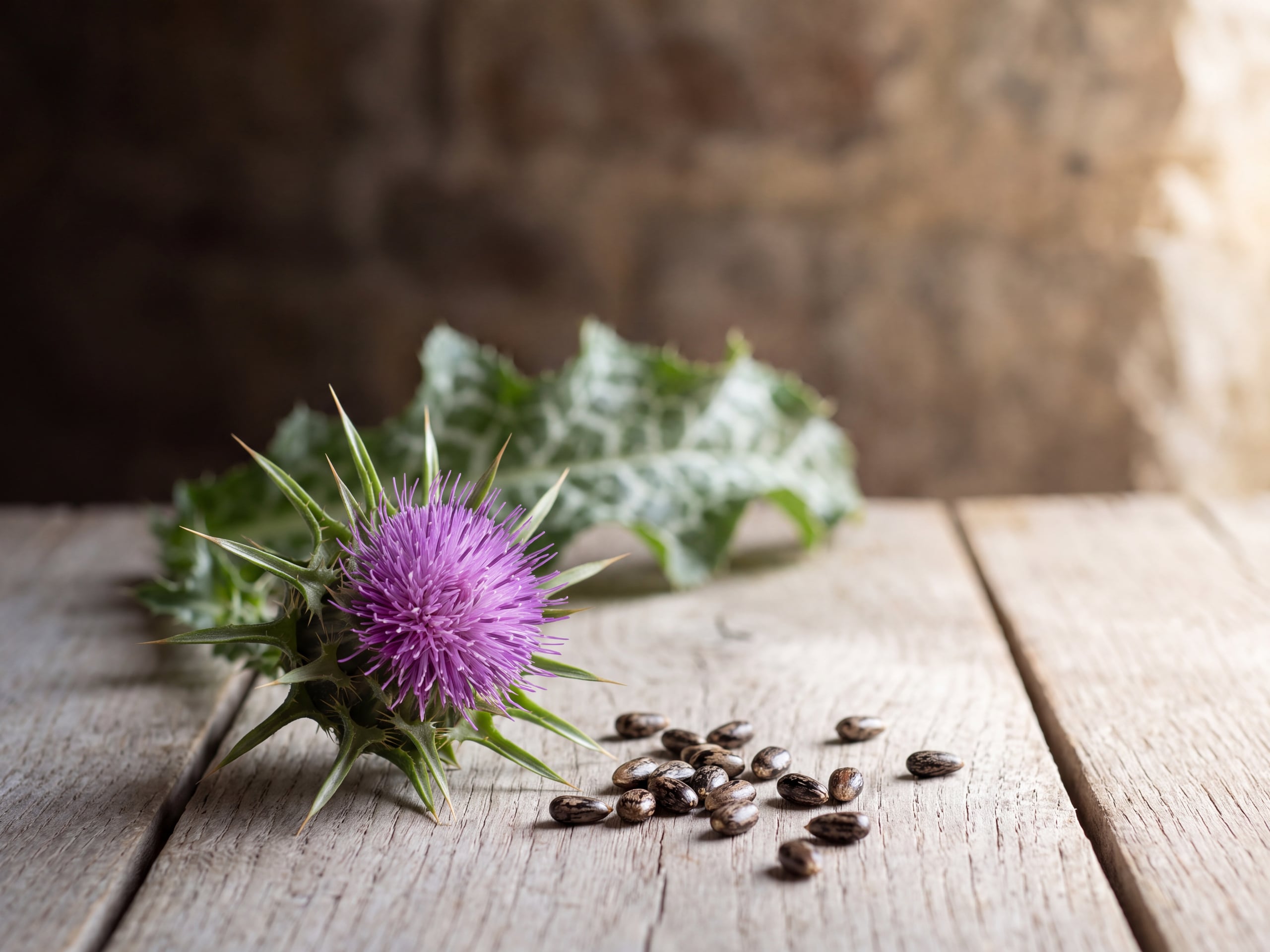
Milk thistle (Silybum marianum) is widely described as liver-protective, but the National Center for Complementary and Integrative Health characterizes the evidence for alcohol-related liver disease as insufficient and conflicting rather than established.
Here is the actual picture. Silymarin, the flavonolignan complex from milk thistle seed, has genuine antioxidant and anti-inflammatory activity in laboratory work. A 1989 randomized trial of 170 patients with cirrhosis reported a four-year survival advantage of 58 percent against 39 percent on placebo, with the effect concentrated in the alcoholic cirrhosis subgroup (Ferenci et al., 1989, Journal of Hepatology, PMID: 2671116). Later and more rigorous work has been less encouraging. A 48-week randomized trial of silymarin at 700 mg three times daily in non-alcoholic steatohepatitis missed its primary endpoint, with 32.7 percent of the silymarin group reaching the target against 26.0 percent on placebo (Wah Kheong et al., 2017, Clinical Gastroenterology and Hepatology, PMID: 28419855). A 2023 meta-analysis of 26 randomized trials in fatty liver disease found improvements in ALT, AST, and lipid markers, while its authors called for confirmation in further research (Li et al., 2023, Annals of Hepatology, PMID: 38579127).
Two honest conclusions follow. Milk thistle is not established as a treatment for alcohol-related liver disease, and it has never been studied for alcohol craving at all. What it is, on the evidence available, is a traditionally used seed with measurable antioxidant activity and an unusually clean tolerability record. That is a reasonable thing to take an interest in. It is not a reason to keep drinking.
Passionflower for Restlessness
Passionflower (Passiflora incarnata) has a long record in Western herbalism for nervous restlessness and difficulty settling at night, and it appears in European pharmacopoeial monographs for that use. It has not been studied for alcohol craving. Its plausible relevance is narrow and indirect: early abstinence frequently disrupts sleep, and poor sleep is itself a documented relapse risk. Treat it as sleep and agitation support after drinking has stopped, and see the sedation-stacking section below before combining it with anything.
Ashwagandha and the Stress Trigger
Ashwagandha (Withania somnifera) is the adaptogen with the best cortisol data. A 60-day randomized placebo-controlled trial of 64 adults with chronic stress found significant reductions across stress scales and a substantial fall in serum cortisol (Chandrasekhar et al., 2012, Indian Journal of Psychological Medicine, PMID: 23439798). A later 60-day trial using a standardized extract at 240 mg daily reported reduced Hamilton Anxiety Rating Scale scores and lower morning cortisol (Lopresti et al., 2019, Medicine, PMID: 31517876), and a 90-day trial of 125 stressed adults found improved perceived stress and sleep quality (Gopukumar et al., 2021, Evidence-Based Complementary and Alternative Medicine, PMID: 34858513).
None of these studied alcohol. The honest framing is that stress is a leading craving trigger and ashwagandha has real data on stress, so any benefit here would run through the trigger rather than through the craving. Withanolides are the constituent class associated with that activity. Ashwagandha is also mildly sedating, which puts it on the avoid-while-drinking list further down.
Valerian Root for Sleep and Agitation
Valerian (Valeriana officinalis) root contains valerenic acid and related sesquiterpenoids with apparent GABAergic activity. Clinical results for insomnia are mixed across trials, and there is no alcohol-craving research. Its relevance is the same as passionflower’s, confined to sleep disruption in early abstinence, with the same stacking caution.
Ayurvedic and Traditional Approaches
Ayurveda addresses alcohol dependence through Panchakarma cleansing protocols alongside herbal preparations, most often brahmi (Bacopa monnieri) for cognitive support and ajwain (Trachyspermum ammi) taken as a decoction when the urge to drink rises. A 2025 systematic review in the Journal of Ayurveda described this body of work as showing promise for craving and withdrawal discomfort while stating that the evidence is early and not conclusive. We are repeating that characterization rather than upgrading it. Composition varies substantially between traditional preparations, which is a real obstacle to reproducible research.
Aromatherapy: What the One Trial Showed
A parallel-group randomized controlled trial of 84 adults with substance use disorders at an addiction treatment clinic in Rafsanjan, Iran, tested inhaled bitter orange (Citrus aurantium) essential oil against a control and reported lower craving scores in the treatment group. That is the entire aromatherapy evidence base worth citing here. The trial was small, short, and enrolled a mixed substance-use population rather than an alcohol-specific one. It is inexpensive and low-risk to try, and it should be understood as one unreplicated finding rather than an established intervention.
Which Herbs and Supplements Should You Avoid While Still Drinking?
The Sedation-Stacking Problem
Alcohol is a central nervous system depressant, and combining it with sedating botanical compounds that depression in a way that can impair breathing, coordination, and judgment. This is the most consequential practical point in this article, and it creates a real tension with the sections above that readers deserve to have named directly.
Several herbs that are reasonable choices after drinking has stopped are poor choices while it continues:
- Kava (Piper methysticum) combines a sedative effect with its own documented liver-injury signal. Avoid alongside alcohol without qualification.
- Valerian, passionflower, and ashwagandha each add to alcohol’s sedative load.
- Melatonin and high-dose magnesium do the same, and both are frequently taken without being thought of as drugs.
- CBD compounds sedation and affects hepatic enzyme activity relevant to other medications.
- St. John’s wort (Hypericum perforatum) interacts with a wide range of medications and has no credible alcohol-craving evidence to justify the risk.
The resolution is sequencing rather than exclusion. These herbs belong to the period after drinking has stopped, with a clinician aware of what you are taking, not to a period of ongoing consumption.
Alcohol-Based Tinctures in Recovery: Read the Label
A standard herbal tincture is an alcohol extraction, typically 20 to 60 percent ethanol by volume, which means a product marketed for recovery can contain the substance the reader is trying to avoid. We sell tinctures, and we are telling you this anyway, because a person in early recovery has a right to know what is in the bottle before they buy it.
The practical points:
- Check the label for alcohol, ethanol, grain alcohol, or a stated percentage. Reputable manufacturers print it.
- A standard dropperful is a small absolute quantity of ethanol, far below a drink. For many people, that is immaterial. For someone in early abstinence, for whom taste and ritual are themselves triggers, it may not be.
- Non-alcohol delivery forms exist for nearly every herb discussed here. Glycerites use vegetable glycerin as the solvent. Powders, capsules, and water decoctions avoid the question entirely.
In our own product development, we have watched customers make this discovery after purchase rather than before it, which is the wrong order. If abstinence is the goal, choose a powder, a capsule, or a glycerite, and ask the supplier directly if the label is unclear.
What Actually Works for Cravings, Beyond Herbs
Getting Through the Next Twenty Minutes
Cravings are time-limited. They rise, peak, and subside, usually inside twenty minutes, whether or not you act on them. The NIAAA Rethinking Drinking materials describe a set of tactics with better support behind them than anything in the herbal literature:
- Change your physical location. Leave the room the craving started in.
- Substitute the ritual. Sparkling water, tea, or a flavoured non-alcoholic drink in the glass you would normally use.
- Delay deliberately. Tell yourself you will decide in fifteen minutes rather than deciding now.
- Move. A walk, a shower, or brief exercise interrupts the loop physically.
- Call someone. A person who knows what you are working on, or the SAMHSA line at 1-800-662-4357.
- Remove alcohol from your home so that acting on a craving requires a deliberate trip.
Nutrition During Recovery
Sustained heavy drinking depletes thiamine, folate, magnesium, and zinc, and impairs absorption of several others. Thiamine deficiency in particular carries serious neurological consequences and is routinely corrected under medical supervision during withdrawal, which is another argument for supervised care. Stable blood sugar from regular meals containing protein, whole grains, vegetables, and fruit reduces the irritability and low mood that make cravings harder to sit with. Adequate hydration helps for the same reason.
Lifestyle and Mind-Body Practices
Regular physical activity supports mood regulation and sleep. Consistent sleep timing matters more in early abstinence than at almost any other point, because disrupted sleep is a documented relapse risk. Mindfulness-based relapse prevention, yoga, and acupuncture all appear in the complementary literature as supportive practices. They are adjuncts to a broader plan rather than alternatives to one.
What About Semaglutide and the New GLP-1 Research?
Readers are encountering this in the news, so it is worth stating clearly and keeping in its proper category. A randomized clinical trial of oral semaglutide for alcohol use disorder published in the American Journal of Psychiatry in July 2026 did not meet its primary laboratory-assessed craving endpoint. It did report reductions in heavy drinking days, drinks per drinking day, and naturalistic craving measured by the Penn Alcohol Craving Scale. The trial’s own authors and independent commentators have both noted that the findings justify larger confirmatory studies rather than routine prescribing.
This is prescription pharmacology, not herbalism, and it has no relationship to any product we sell. We include it because a page claiming to describe the current state of craving research would be incomplete without it.
Quality and Sourcing Considerations
Herbal products are regulated as dietary supplements, which means manufacturing quality varies far more than most buyers expect. From our hands-on assessment of supplier samples, the differences that matter most are:
- Botanical identity confirmed to species. The correct Latin binomial on the certificate of analysis, not just a common name. Several plants share the name kudzu.
- Third-party testing for heavy metals, pesticide residues, and microbial contamination, with the report available on request.
- Manufacturing in a facility that follows current Good Manufacturing Practice.
- Standardization stated where it exists. The kudzu trials used a standardized isoflavone content, and an unstandardized product is not the same material.
- Delivery form appropriate to the person. For anyone reducing alcohol intake, this means powder, capsule, or glycerite rather than an ethanol tincture.
For readers looking at liver support during recovery, our milk thistle seed powder is an alcohol-free form of Silybum marianum, and the honest framing above applies to it exactly as written. We would rather you understood what the evidence does and does not show than bought it on a claim we cannot support.
Recognizing When Professional Help Is Necessary
This section carries more weight than everything above it. Herbal and nutritional approaches sit at the supportive edge of alcohol recovery. The interventions with the strongest evidence are clinical, and they are more available than most people realize.
Signs You May Need More Support
- You have tried to cut down or stop and have not been able to.
- You experience shakiness, sweating, nausea, anxiety, or insomnia when you have not had a drink.
- You need more alcohol than you used to for the same effect.
- Drinking is affecting work, relationships, health, or finances.
- You spend significant time drinking or recovering from drinking.
- You continue despite knowing it is causing harm.
- You have ever had a withdrawal seizure or hallucinations. This warrants urgent medical assessment.
Types of Professional Alcohol Treatment
- Medically supervised withdrawal. Managed detoxification, in hospital or a specialist facility, with monitoring and thiamine repletion. Necessary for anyone at risk of severe withdrawal.
- Medication for alcohol use disorder. Three medications are approved by the Food and Drug Administration for this indication. Naltrexone reduces the rewarding effect of alcohol and the urge to drink, and can be started before a person has fully stopped. Acamprosate supports maintenance of abstinence once drinking has stopped. Disulfiram acts as a deterrent by producing an acute unpleasant reaction to any alcohol. Gabapentin and topiramate are sometimes prescribed off-label. These are the interventions with the strongest craving evidence available, and asking a clinician about them is a reasonable step for anyone reading this page.
- Counselling and therapy. Cognitive behavioural therapy and motivational interviewing have substantial evidence in alcohol use disorder, individually, in groups, or with family.
- Inpatient and outpatient programmes. Structured treatment combining therapy, education, and monitoring.
- Peer support. Alcoholics Anonymous, SMART Recovery, and similar communities.
Finding Resources and Support
The SAMHSA National Helpline, at 1-800-662-4357, is free, confidential, and staffed 24 hours a day, 365 days a year, in English and Spanish. It provides treatment referral and information and does not require insurance. The 988 Suicide and Crisis Lifeline is available by call or text at 988. The NIAAA maintains public guidance on finding quality treatment, and most countries operate an equivalent national service. A conversation with your own physician remains the most direct starting point.
Frequently Asked Questions
Are there any herbal remedies proven to reduce alcohol cravings?
No. No herb has demonstrated reliable craving reduction in controlled clinical trials. Kudzu root has the strongest evidence of any plant studied in this area, and the two randomized trials found reduced alcohol consumption with no measured effect on craving. The interventions with the best craving evidence are the FDA-approved medications naltrexone and acamprosate, along with behavioural therapy.
What kudzu dose was used in the studies?
Two protocols appear in the published human research. Lukas and colleagues gave 250 mg of kudzu isoflavones three times daily for four weeks (PMID: 23070022). Penetar and colleagues gave a single 2-gram extract containing 520 mg of isoflavones 2.5 hours before a drinking session (PMID: 26048637). Both trials enrolled small numbers of men only, and neither dose is a recommendation for personal use.
Does kudzu interact with naltrexone or other medications?
Yes. Kudzu carries a documented moderate interaction with naltrexone based on theoretical additive hepatotoxicity, which matters because many people asking this question are already taking naltrexone. Caution also applies with other hepatically cleared drugs such as isoniazid and methotrexate, with anticoagulants, with hormonal medication because kudzu isoflavones are phytoestrogenic, and with diabetes medication. Review the specific product with a pharmacist or physician.
Is kudzu bad for the liver?
The evidence points in both directions and is not settled. Puerarin shows antioxidant and protective activity against specific toxins in animal models, while a mouse and hepatocyte study found kudzu root extract raised ALT and AST with corresponding tissue changes (PMID: 26545459). One human case report describes hepatocellular injury after combined mistletoe and kudzu use (PMID: 25668233), though causality there pointed toward mistletoe. Anyone with existing liver concerns should discuss kudzu with a physician first.
Which supplements should not be mixed with alcohol?
Sedating products stack with alcohol’s own depressant effect and should be avoided while drinking continues. This includes kava, which carries an additional liver-injury signal, along with valerian, passionflower, ashwagandha, melatonin, high-dose magnesium, and CBD. St. John’s wort should be avoided because of its wide interaction profile. Several of these are reasonable choices after drinking has stopped, with a clinician informed.
Do herbal tinctures contain alcohol?
Most do. A standard tincture is an ethanol extraction, typically 20 to 60 percent alcohol by volume, and reputable manufacturers state the percentage on the label. For anyone whose goal is abstinence, non-alcohol forms are widely available: glycerites use vegetable glycerin as the solvent, and powders, capsules, and water decoctions avoid the issue entirely. Check the label before purchase rather than after.
Does milk thistle help alcohol-related liver damage?
The evidence is conflicting rather than established, and NCCIH describes it as insufficient for this use. A 1989 trial in cirrhosis reported a survival advantage concentrated in the alcoholic subgroup (PMID: 2671116), while a 2017 randomized trial in steatohepatitis missed its primary endpoint (PMID: 28419855) and a 2023 meta-analysis of 26 trials called for confirmatory research (PMID: 38579127). Milk thistle has never been studied for alcohol craving, and it is not a substitute for reducing alcohol intake.
Is it dangerous to stop drinking suddenly?
For a heavy daily drinker, yes. Abrupt cessation can produce withdrawal seizures and delirium tremens, and severe withdrawal can be life-threatening. Anyone drinking heavily every day, or who has had withdrawal symptoms previously, should arrange medically supervised withdrawal rather than stopping unaided. Call the SAMHSA National Helpline at 1-800-662-4357 or speak with a physician before changing your intake.
Related Reading
Continue with our articles on herbs for liver support, milk thistle for liver health, valerian root for sleep, and adaptogens for stress.
Disclaimer. These statements have not been evaluated by the Food and Drug Administration. This product is not intended to diagnose, treat, cure, or prevent any disease. Consult your healthcare provider before use. This article is educational and is not a substitute for medical advice, diagnosis, or treatment. Alcohol use disorder is a medical condition and is treatable. If you are drinking heavily, do not stop abruptly without medical guidance.