Key Takeaways
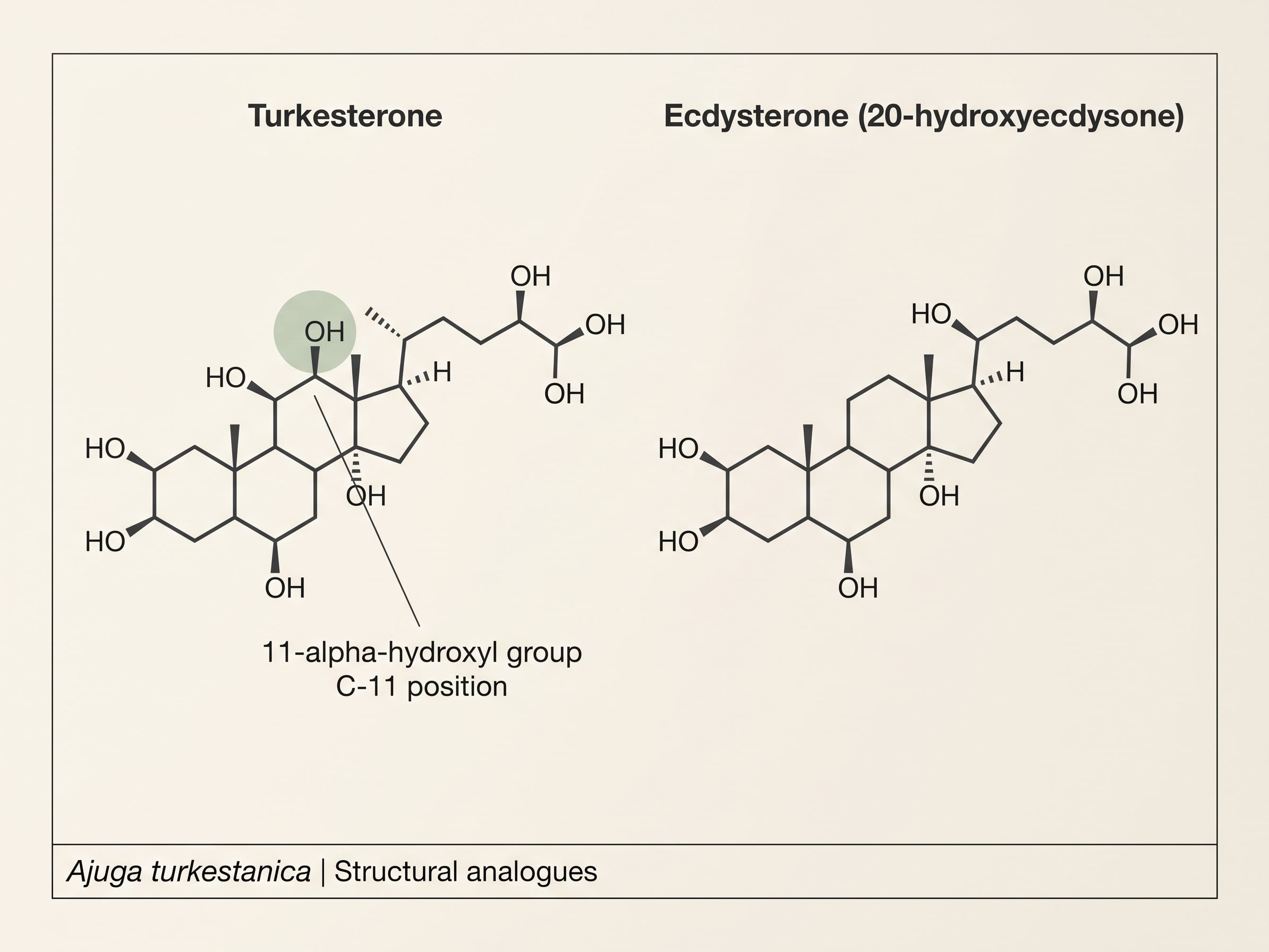
- Yes, turkesterone is a steroid by chemical structure. It is a phytoecdysteroid from Ajuga turkestanica (Regel) Briq., distinguished from ecdysterone by an 11-alpha-hydroxyl group on its carbon skeleton (Dinan et al. 2003, Journal of Insect Science, PMID: 15841223).
- It is not an anabolic androgenic steroid. Turkesterone does not bind the human androgen receptor, so it does not suppress natural testosterone and requires no Post-Cycle Therapy.
- The proposed pathway is estrogen receptor beta. Ecdysterone-induced muscle hypertrophy was blocked by an antiestrogen and not by an antiandrogen (Parr et al. 2014, Molecular Nutrition and Food Research, PMID: 24974955).
- The only published human turkesterone trial found no significant change in IGF-1 or resting metabolic rate (Harris et al. 2024, Muscles, PMID: 40757520).
- Ecdysterone sits on the WADA 2026 Monitoring Program, in and out of competition. Turkesterone is not separately named on either the Prohibited List or the Monitoring Program.
To put it plainly, turkesterone is a naturally occurring compound from plants that falls under the broad chemical classification of a steroid. However, it operates very differently from the anabolic androgenic steroids commonly associated with bodybuilding. It does not interact with the body’s androgen receptors, which is a fundamental distinction that separates it in terms of effects and side effects. The interest in such plant-derived compounds has grown significantly. While it is studied for its potential to support muscle protein synthesis, the body of human research remains limited.
The Broad Definition of a Steroid
Before we can properly place turkesterone, we must first understand what a steroid is from a chemical standpoint. The term often brings to mind specific images of performance enhancement, but the biological definition is much wider. A steroid is simply an organic compound with a specific four-ring carbon structure. This family of compounds is vast and vital for life, including substances your body produces naturally, like cholesterol, cortisol, estrogen, and testosterone. They act as signaling molecules, influencing a wide array of bodily functions.
That four-ring backbone is the entire basis of the classification. It says nothing about what a molecule does once it is inside a human body. Cholesterol and testosterone share it. So does the cortisol your adrenal glands release under stress. Grouping compounds by skeleton is a chemist’s convention rather than a statement about biological effect, and most of the confusion around turkesterone comes from readers assuming the two things are the same.
Turkesterone’s Place in Nature
Turkesterone belongs to a specific subclass of steroids called phytoecdysteroids. These are bioactive compounds produced by plants and some insects.
What is an Ecdysteroid?
Ecdysteroids are the primary steroid hormones in insects, playing a main part in processes like molting and metamorphosis. In plants, they are thought to act as a defense against insect pests. Turkesterone is one of the most biologically active of these ecdysteroids and is primarily extracted from plants like Ajuga turkestanica, written with its full botanical authority as Ajuga turkestanica (Regel) Briq. So, while it is a naturally derived compound, the forms found in supplements are highly concentrated extracts.
Ajuga turkestanica is not the only source. Turkesterone has been identified alongside 20-hydroxyecdysone and ponasterone A in Rhaponticum carthamoides, the Siberian adaptogen also catalogued as Leuzea carthamoides and sold as maral root (Todorova et al. 2023, Nutrients, PMID: 37447387). Phytoecdysteroids also turn up in ordinary food plants. Quinoa (Chenopodium quinoa) and spinach (Spinacia oleracea) both contain them, at concentrations far below anything a supplement label would advertise (Todorova et al. 2024, Nutrients, PMID: 38732627). In our sourcing work across ecdysteroid-bearing botanicals, that spread matters more than it first appears. A compound present in a dinner vegetable and a compound sold in a concentrated capsule are the same molecule at very different exposures.
Turkesterone vs Ecdysterone: The Difference That Actually Matters
These two compounds are constantly treated as interchangeable, and they are not. Turkesterone is a phytoecdysteroid carrying an 11-alpha-hydroxyl group, which makes it a structural analogue of the insect steroid hormone 20-hydroxyecdysone rather than the same molecule (Dinan et al. 2003, Journal of Insect Science, PMID: 15841223). Ecdysterone is 20-hydroxyecdysone itself. One extra hydroxyl group at position 11 is the whole chemical distinction.
The practical consequence is about evidence rather than chemistry. Almost every study people cite when they discuss ecdysteroid muscle effects was run on ecdysterone. Turkesterone borrows that reputation. Our editorial team went looking for the turkesterone equivalent of the ecdysterone literature and found that it does not exist yet.
| Compound | Structural marker | Primary human research base | WADA 2026 status | Typical botanical source |
|---|---|---|---|---|
| Turkesterone | 11-alpha-hydroxyl group present | One small acute human trial, 11 participants | Not separately named on the Prohibited List or the Monitoring Program | Ajuga turkestanica, Rhaponticum carthamoides |
| Ecdysterone, or 20-hydroxyecdysone | No 11-alpha-hydroxyl group | The bulk of the ecdysteroid literature, including the mechanism work | On the Monitoring Program, in and out of competition | Rhaponticum carthamoides, quinoa, spinach |
| Sources: Dinan et al. 2003, PMID: 15841223. Todorova et al. 2024, PMID: 38732627. WADA 2026 Prohibited List and Monitoring Program. | ||||
The Fundamental Mechanical Difference
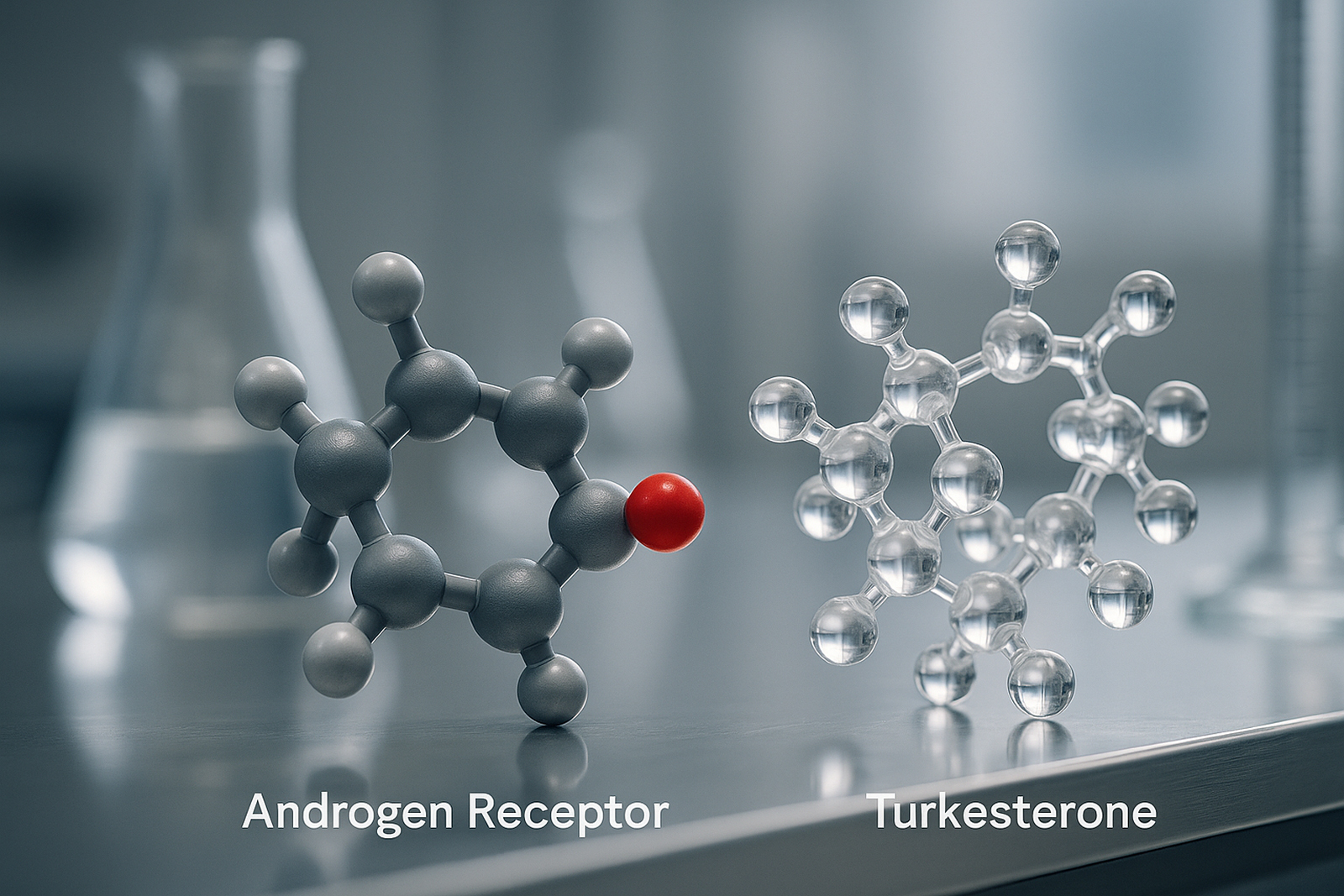
The core of the user’s question, “Is turkesterone a steroid?”, is really about function, not just chemical structure. The answer lies in how these compounds interact with the human body on a cellular level.
Anabolic Steroids and Androgen Receptors
Anabolic androgenic steroids (AAS), like synthetic testosterone, exert their powerful muscle-building effects primarily by binding to and activating the body’s androgen receptors (AR). Think of the androgen receptor as a master lock for muscle growth and male characteristics. When AAS turns this lock, it initiates a cascade of genetic signals that dramatically increase muscle protein synthesis. It also, however, turns other locks that lead to unwanted side effects like hormonal suppression and hair loss.
Turkesterone’s Non-Androgenic Pathway
Here is the most important distinction: turkesterone is not an androgen and does not bind to androgen receptors. It cannot turn that master lock. Instead, its proposed anabolic effects are believed to happen through entirely different signaling pathways.
That pathway now has a name. Research on ecdysterone points to estrogen receptor beta, written ERB, as the mediator of its effect on muscle tissue. The experiment that makes this convincing is a control comparison. When researchers induced hypertrophy in rat muscle and in C2C12 myotube cell cultures, the effect was blocked by an antiestrogen and was not blocked by an antiandrogen (Parr et al. 2014, Molecular Nutrition and Food Research, PMID: 24974955). A compound working through the androgen receptor would have produced the opposite result. That single control is the strongest available evidence that the mechanism sits outside the androgenic system entirely.
Two limits belong with that finding. It was produced using ecdysterone rather than turkesterone, and it came from rodent and cell models rather than from people. It explains why the non-androgenic description is credible. It does not establish that turkesterone produces a measurable effect in a training human.
Is Turkesterone Natty? The Question Behind the Question
This is the phrasing most people actually search, and it deserves a direct answer rather than a raised eyebrow. The word “natty” is doing three different jobs at once, and the answer changes depending on which one is meant.
- Meaning one: Is it chemically not a steroid? No. It is a steroid by structure. Anyone claiming otherwise is wrong about the chemistry.
- Meaning two: is it not an anabolic androgenic steroid? Yes. It does not bind the androgen receptor, does not suppress endogenous testosterone, and carries no Post-Cycle Therapy requirement.
- Meaning three, is it permitted under my federation’s rules? This one nobody can answer for you. Natural bodybuilding federations write their own banned lists, and those lists are not copies of the WADA Prohibited List. A compound can be legal to buy, absent from every anti-doping list, and still fall outside a specific federation’s rulebook.
Most arguments about whether turkesterone is natty are two people using two different meanings. The chemistry is settled. The federation question is a governance matter, and it has to be checked against the actual organization you compete under.
Comparing Effects and Characteristics
To make the differences clear, a side-by-side comparison is helpful.
| Feature | Anabolic Androgenic Steroids (AAS) | Turkesterone (Ecdysteroid) |
|---|---|---|
| Primary Mechanism | Binds to Androgen Receptors | Does NOT bind to Androgen Receptors |
| Hormonal Suppression | Yes, significantly suppresses natural testosterone | No, does not suppress hormone production |
| Need for PCT | Yes, Post-Cycle Therapy is required | No PCT is necessary |
| Legality | Controlled substances in most countries | Sold legally as a dietary supplement |
| WADA 2026 Status | Prohibited List, class S2 Anabolic Agents | Not separately named. The related compound ecdysterone sits on the Monitoring Program |
| Main Side Effects | Hormonal imbalance, hair loss, acne, liver strain | Primarily mild digestive upset, nausea |
| Human Research | Extensive, well-documented | Very limited, mostly animal and in-vitro |

What the Human Research on Turkesterone Actually Found
When considering any supplement for performance enhancement, it is vital to assess the quality of the scientific backing. For turkesterone, the evidence is still in its early stages, and being specific about that is more useful than repeating the phrase “more research is needed.”
There is one published human turkesterone trial. Eleven healthy men, average age 23, received acute doses while researchers measured serum IGF-1 and resting metabolic rate before dosing, three hours after, and twenty-four hours after. The analysis found no significant effects on serum IGF-1, resting metabolic rate, lipid metabolism, or carbohydrate metabolism. IGF-1 and resting metabolic rate both drifted upward without reaching statistical significance. The authors described their own findings as failing to fully support turkesterone as a potent anabolic supplement, while noting the compound was well tolerated with a favorable gastrointestinal profile (Harris et al. 2024, Muscles, PMID: 40757520).
Our editorial team reviewed this literature specifically to see whether the popular claims trace back to anything. Most of them trace to two other places. The first is the ecdysterone mechanism work described above, which was done on a different molecule. The second is a body of Soviet-era and post-Soviet Uzbek research, including a 1997 study in which turkesterone stimulated red blood cell regeneration in rats to a degree the authors compared with methandrostenolone, a conventional anabolic steroid (Syrov et al. 1997, Eksperimental’naia i Klinicheskaia Farmakologiia, PMID: 9324397). That comparison is where much of turkesterone’s reputation originates. It was measured in rats; it measured erythropoiesis rather than muscle mass, and it is now nearly three decades old.
What does not exist is a long-term randomized controlled human trial measuring whole-muscle hypertrophy from turkesterone supplementation. Until one is published, any confident statement about how much muscle turkesterone builds in people is running ahead of the data.
Why the Dosage Question Has No Settled Answer
People reasonably want a number, and the honest position is that the research does not supply one. This section covers why the question is open, which is a separate matter from practical usage guidance.
- No human dose-finding study for turkesterone has been published, so no dose has been established as effective for any outcome.
- Figures circulating in the market are extrapolated from ecdysterone research and from supplier convention rather than derived from turkesterone trials.
- Oral bioavailability is the unresolved variable underneath all of it. How much of an ingested ecdysteroid reaches circulation intact is the central open question, and it is the strongest good-faith argument for skepticism about the whole category.
- Extract percentage changes the delivered amount substantially. A capsule standardized to 2 percent turkesterone and one standardized to 10 percent deliver very different quantities at identical capsule weights.
- A certificate of analysis should state the assay method, name the specific compound quantified, and identify the plant part used.
We cover practical forms and usage considerations separately in our dedicated guide to Ajuga turkestanica benefits. This section stays on the evidence question, because the absence of dose-response data is itself part of how turkesterone should be classified. Compounds with well-characterized receptor activity tend to have well-characterized dose curves. Turkesterone does not have one yet.
Potential Benefits and Known Side Effects
Based on existing research and anecdotal reports, here is what is often discussed regarding turkesterone and its effects. The potential benefits are centered on its proposed ability to support muscle protein synthesis without androgenic side effects. This could mean support for lean muscle mass, recovery, and strength, though as noted above, the single human trial did not detect changes in the markers it measured.
The side effects of turkesterone are generally reported to be mild and infrequent, especially when compared to AAS. The most common issues are related to digestive upset or nausea, particularly when taken on an empty stomach. The appropriate dosage for humans has not been formally established through extensive trials, and long-term safety data is not yet available.
One recent case report belongs in any honest safety discussion. In March 2026, clinicians in Poland described a 23-year-old physically active man who developed exertional rhabdomyolysis after a resistance training session lasting more than four hours. His creatine kinase exceeded 120,000 units per liter. He was using multiple supplements at the time, including creatine, beta-alanine, citrulline malate, phosphatidic acid, and beta-ecdysterone. He recovered over ten days with intravenous fluid therapy and without kidney injury (Chowaniec et al. 2026, Cureus, PMID: 41952948).
Read that case carefully rather than as a headline. The authors state plainly that beta-ecdysterone had not previously been linked to rhabdomyolysis, that the training session itself was an extreme exertional trigger, that several supplements were taken together, and that a genetic predisposition could not be excluded because testing was not performed. No causal role for any single ingredient was established. What the case does illustrate is why questions about combining supplements deserve real answers instead of reassurance, and why anyone stacking multiple ergogenic products alongside very high training volumes should have that conversation with a healthcare provider.
Turkesterone Compared to the Alternatives People Actually Consider
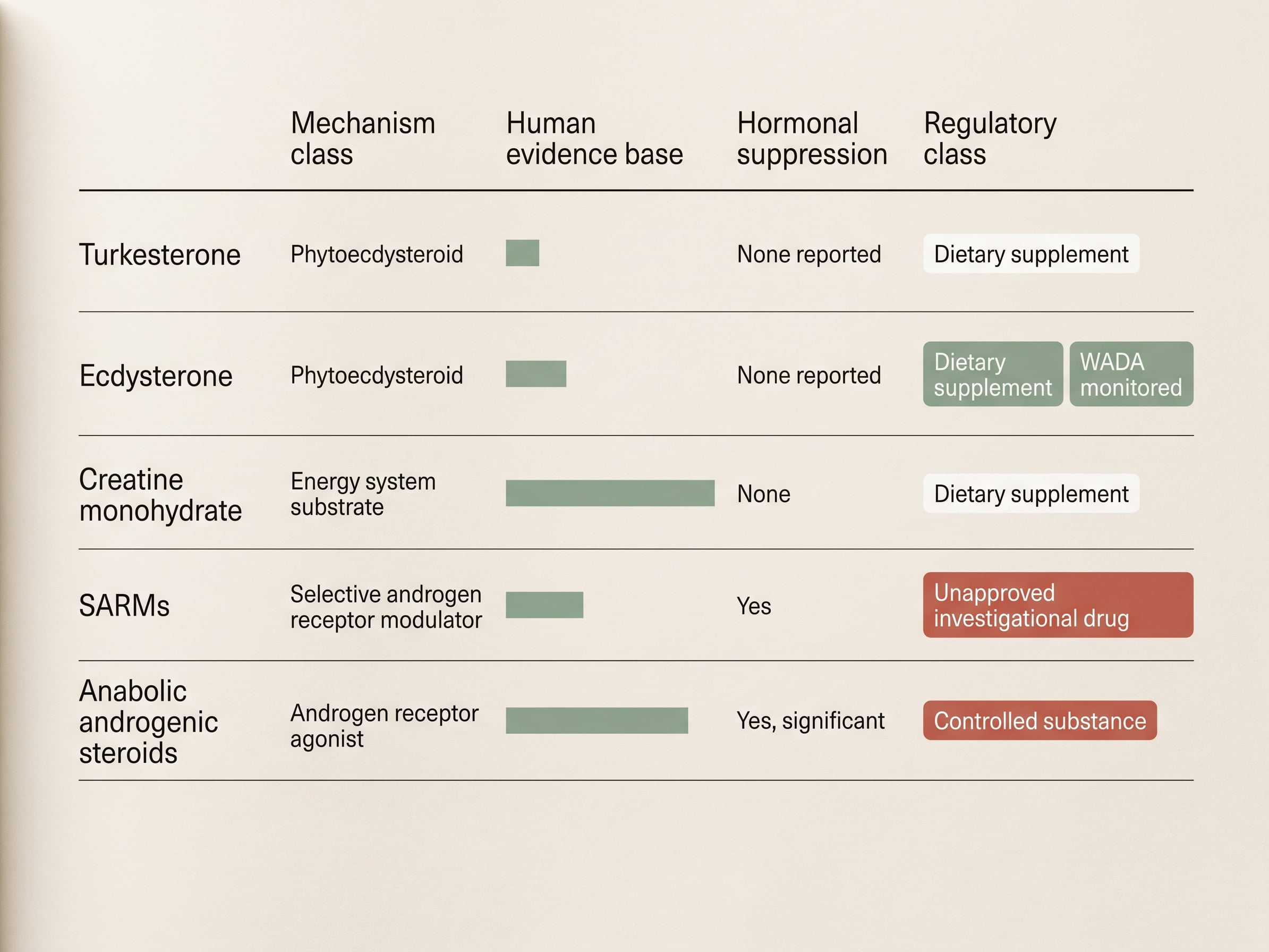
The classification question becomes clearer when turkesterone is placed next to the other things people weigh against it. The axis here is regulatory class and evidence quality rather than which one produces more size.
| Compound | Mechanism class | Human evidence base | Hormonal suppression | Regulatory class |
|---|---|---|---|---|
| Turkesterone | Phytoecdysteroid, non-androgenic | One small acute trial | None reported | Dietary supplement |
| Ecdysterone | Phytoecdysteroid, ERB-mediated in models | Mechanism work plus limited human data | None reported | Dietary supplement, WADA monitored |
| Creatine monohydrate | Phosphocreatine energy system | Extensive, hundreds of controlled human trials | None | Dietary supplement |
| SARMs | Selective androgen receptor modulation | Investigational, not approved for human use | Yes | Unapproved investigational drugs, not dietary supplements |
| Anabolic androgenic steroids | Androgen receptor agonism | Extensive | Yes, significant | Controlled substances |
Creatine appears on that table as a reference point rather than a rival. It is the most thoroughly studied ergogenic aid in existence, and it shows what a settled evidence base looks like. Measured against it, turkesterone is at the beginning of its research life rather than the end.
SARMs need a firmer note. They are not dietary supplements. They are investigational compounds that have not been approved for human use, and regulators have repeatedly warned about products sold containing them. They appear in this table because search engines keep pairing the two terms, not because they belong in the same category as a plant extract.
How to Tell What Is Actually in a Turkesterone Extract
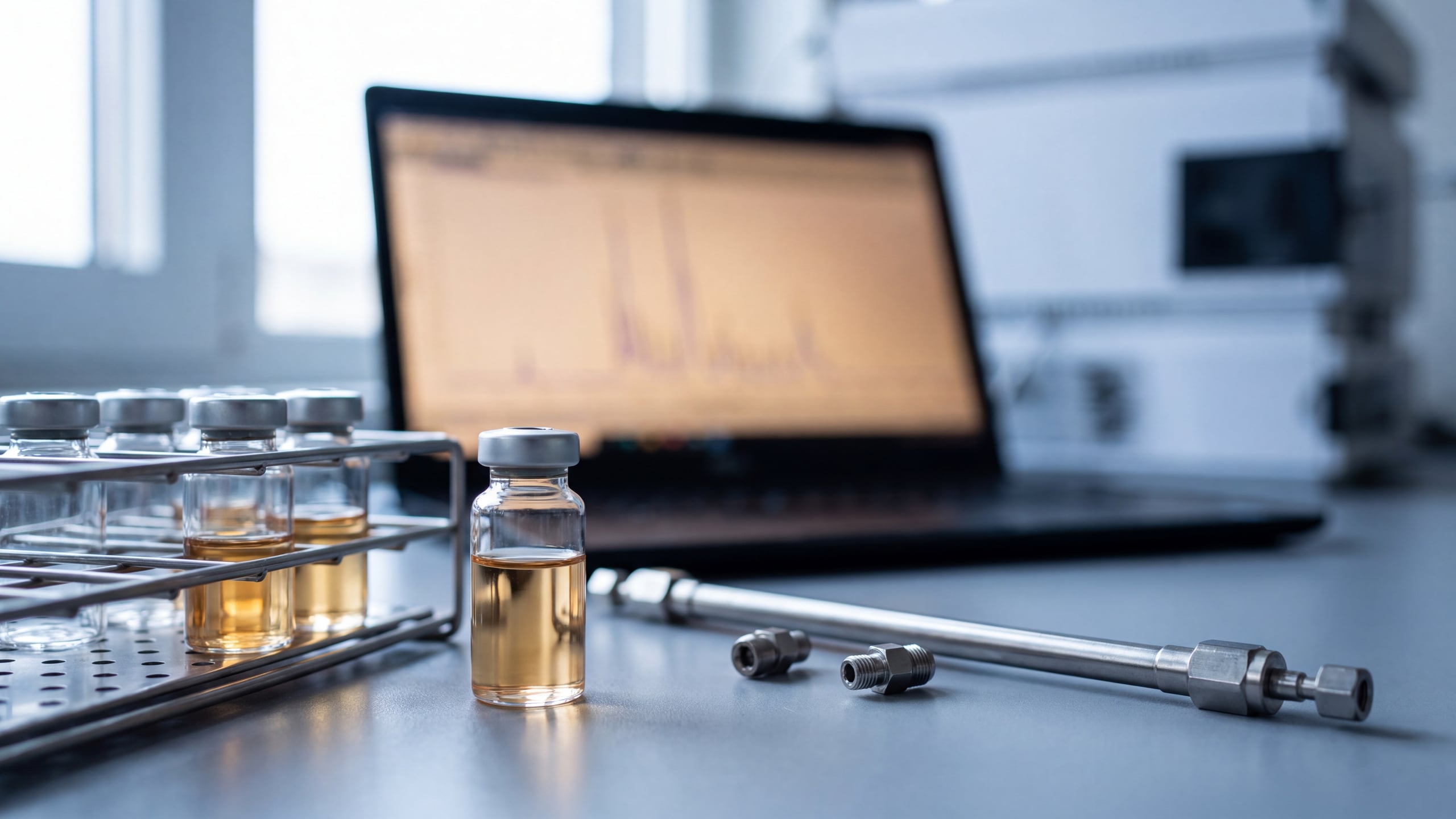
Chemistry has a practical consequence here that most coverage skips. A detailed metabolite analysis of Ajuga turkestanica profiled 51 compounds across the plant’s flowers, fruits, leaves, roots, seeds, and stems using mass spectrometry and NMR spectroscopy. The most abundant constituents were 8-O-acetylharpagide, 20-hydroxyecdysone, and ajugachin B. The researchers proposed 8-O-acetylharpagide and 20-hydroxyecdysone as the two marker compounds for assessing the quality of A. turkestanica material (Mamadalieva et al. 2024, Scientific Reports, PMID: 39548128).
Read that finding for what it says about labels. The plant sold as the turkesterone plant is naturally richer in 20-hydroxyecdysone than in turkesterone. Turkesterone is the minor compound in its own famous source. In our experience reading certificates of analysis across ecdysteroid material, this is where claims and chemistry most often part company. A very high stated turkesterone percentage is a claim about a concentrated purified fraction rather than about whole plant material, and it warrants an HPLC certificate naming the specific compound quantified rather than the ecdysteroid class as a whole.
This is the same reason maral root, Rhaponticum carthamoides, is usually standardized to 20-hydroxyecdysone rather than to turkesterone. The dominant ecdysteroid in the plant is the one an assay can honestly verify. For readers who want a whole-plant ecdysteroid source with a verifiable marker compound rather than a concentrated single-molecule extract, our maral root powder is standardized on exactly that basis.
Common Questions Answered
Is turkesterone an anabolic steroid or just an ecdysteroid?
It is an ecdysteroid, specifically a phytoecdysteroid. It shares the four-ring carbon skeleton that defines all steroids, which is why it is correctly called a steroid in chemical terms. It is not an anabolic androgenic steroid because it does not act on the androgen receptor and does not derive from testosterone.
Does turkesterone affect testosterone or hormone levels?
Available evidence indicates it does not suppress endogenous testosterone production, which is the defining hormonal problem with anabolic androgenic steroids. The proposed mechanism runs through estrogen receptor beta rather than the androgen receptor (Parr et al. 2014, PMID: 24974955). The single published human trial measured IGF-1 rather than testosterone and found no significant change.
Is turkesterone considered safe?
Based on the limited available data, it appears to have a much better safety profile than anabolic androgenic steroids because it does not disrupt the endocrine system. The one published human trial reported good tolerability. However, the absence of long-term human studies means a complete safety profile is not yet established.
What are the side effects of turkesterone?
Reported effects are mild and centered on digestive upset or nausea, more common when the compound is taken on an empty stomach. Long-term safety data does not exist. A 2026 case report of exertional rhabdomyolysis involved beta-ecdysterone within a multi-supplement stack and extreme training volume, with no causal role established for any single ingredient.
Is turkesterone legal to buy and use?
Yes, turkesterone is sold as a dietary supplement and is not a controlled substance. It is legal to purchase and possess in most parts of the world, including the United States.
Is turkesterone banned in professional sports?
Turkesterone is not on the World Anti-Doping Agency Prohibited List, and it is not separately named on the WADA Monitoring Program either. Ecdysterone, the closely related compound, is on the 2026 Monitoring Program, applicable both in and out of competition. The Monitoring Program is not the Prohibited List and carries no sanction. It exists so WADA can detect patterns of misuse, and the data collected may inform future decisions about the List. The United States Anti-Doping Agency publishes athlete-facing guidance on ecdysteroids as a compound class. Anti-doping status is revised on an annual cycle, so athletes should always confirm current status with their specific governing body.
Do you need a PCT for turkesterone?
No. Because turkesterone does not bind to androgen receptors and does not suppress the body’s natural production of testosterone, a Post-Cycle Therapy protocol is not necessary.
How does turkesterone compare to ecdysterone?
Turkesterone carries an 11-alpha-hydroxyl group that ecdysterone lacks, making them structural analogues rather than the same compound. The more consequential difference is the evidence base. Ecdysterone carries the mechanism research and the anti-doping attention, while turkesterone has one small acute human trial. Claims made for turkesterone frequently rest on ecdysterone data.
The Final Classification
So, let’s return to the original question. By its chemical structure, turkesterone is a type of steroid found in nature. Functionally, however, for the intent behind the query, it is not an anabolic androgenic steroid. It represents a different class of compound that works through different mechanisms. It does not carry the same profile of severe side effects and does not interact with the body’s hormonal axis in the same way, making it a subject of ongoing research for its potential in bodybuilding and performance enhancement.
The more useful framing is this. Turkesterone is a steroid in the way that cholesterol is a steroid, which is to say by skeleton and not by behavior. The research on what it does in a training human is genuinely early, and the honest answer to the popular claims is that the studies supporting them were mostly run on a different molecule.
Related Reading
Continue with our detailed guide to Ajuga turkestanica benefits, our profile of maral root and Rhaponticum carthamoides for athletic performance, and our roundup of the best herbs for muscle growth.
Important: This article is for educational and informational purposes. The statements have not been evaluated by the Food and Drug Administration. The herbs and herbal products discussed are not intended to diagnose, treat, cure, or prevent any disease. Speak with a qualified healthcare provider before starting any new herbal regimen, especially if you are pregnant, nursing, taking medication, or managing a health condition.