Key Takeaways
- Paullinia pinnata (Sapindaceae family) is a West and Central African medicinal climbing vine with documented traditional uses across Ghana, Togo, Nigeria, Cameroon, and Tanzania for inflammation, pain, sleep, and male vitality.
- Primary research has confirmed at least seven distinct pharmacological activities for Paullinia pinnata: endothelium-dependent vascular relaxation, anti-arthritic and anti-inflammatory action, anti-diarrheal activity against Shigella flexneri, GABAergic anticonvulsant and sleep-enhancing effects, anthelmintic activity, antidiabetic action, and wound healing.
- The active constituent profile is rich in polyphenols, flavones, tannins, triterpenoids, and glycosides extracted predominantly from the leaves, roots, and root bark.
- One reproductive-toxicity study (Baffoe 2021) found no adverse fertility effects at typical traditional doses, though pregnancy use is not advised due to limited human safety data.
- Although Paullinia pinnata shares its genus with the better-known Paullinia cupana (Brazilian guarana), the two species occupy distinct medicinal niches and have non-overlapping primary constituents.
This article walks through every documented medicinal application of Paullinia pinnata that has appeared in peer-reviewed literature, with primary research citations on every major claim. We wrote this guide for herbalists, integrative medicine practitioners, and the curious reader who has run across the plant in West African or Caribbean traditional medicine and wants a research-grounded account rather than a marketing summary. In our sourcing experience across African ethnobotanical suppliers, Paullinia pinnata sits at an interesting intersection of underused and well-studied: ethnopharmacological surveys cite it repeatedly across half a dozen national traditions, yet it remains absent from most Western herbal monographs. We will treat the science first, the traditional practice second, and quality considerations last.
For readers unfamiliar with the genus, the spelling appears in two ways in the literature. The correct botanical Latin is “Paullinia pinnata,” and the occasional variant “Paullinea pinnata” appears in older texts and in some search index entries. Both refer to the same plant. Throughout this article, we use the correct Latin spelling, with the understanding that searches for “Paullinea pinnata medicinal uses” land on the same body of evidence as searches for the standard spelling.
What Is Paullinia Pinnata?
Paullinia pinnata L. is a woody, climbing liana in the Sapindaceae family (the same plant family as the lychee, longan, and the South American guarana vine). Common names across its native range include bread-and-cheese, five-finger vine, sweet gum vine, akan-tuantini in Ghana, ohoho in Nigeria, ekiya in Cameroon, and mukoso in parts of East Africa. The species has a pan-tropical distribution spanning West and Central Africa, the Caribbean, and parts of South America, with the densest ethnobotanical documentation coming out of Ghana, Togo, Nigeria, Cameroon, and Tanzania.
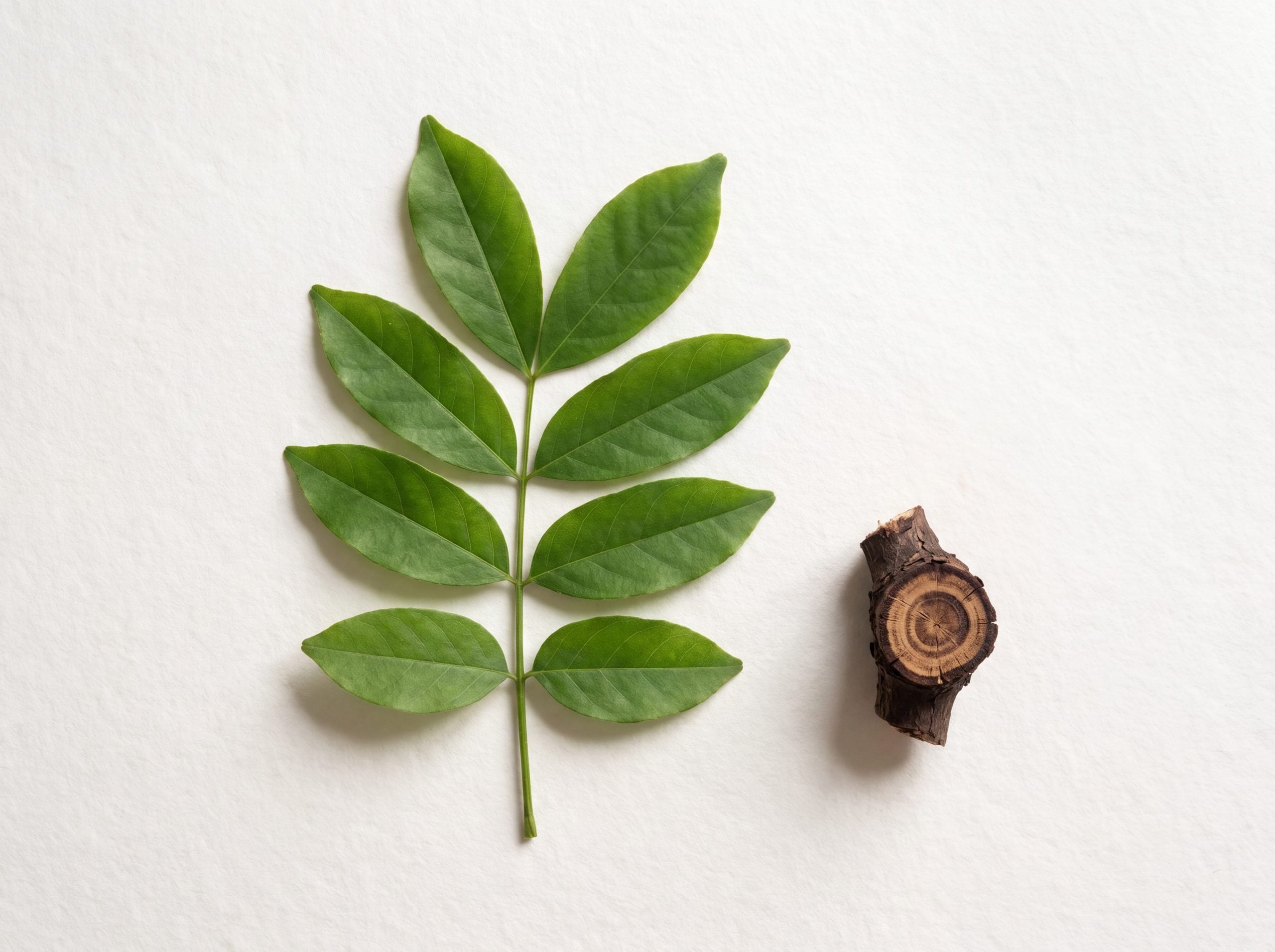
The plant produces compound pinnate leaves (the source of its species name “pinnata”), small white flowers, and a three-lobed capsular fruit. Traditional collectors use the leaves, stems, roots, and root bark interchangeably depending on the target condition, with the root bark being the most pharmacologically concentrated tissue based on extract-yield studies. The Sapindaceae family is well known for its diverse phytochemistry, and Paullinia pinnata follows the family pattern with a polyphenol-rich profile that includes flavones, condensed tannins, triterpenoid saponins, and cardiotonic glycosides.
From our editorial team’s review of the ethnobotanical record, the plant occupies a notable position in African folk medicine because it is treated as a “polyvalent” or all-purpose remedy rather than a specialist herb. Practitioners in different regions use the same plant for inflammation in one tradition, sexual vitality in another, and convulsions in a third, which often indicates a phytochemical profile with multiple bioactive targets rather than a single hero compound.
Traditional Medicinal Uses of Paullinia Pinnata Across African Herbalism
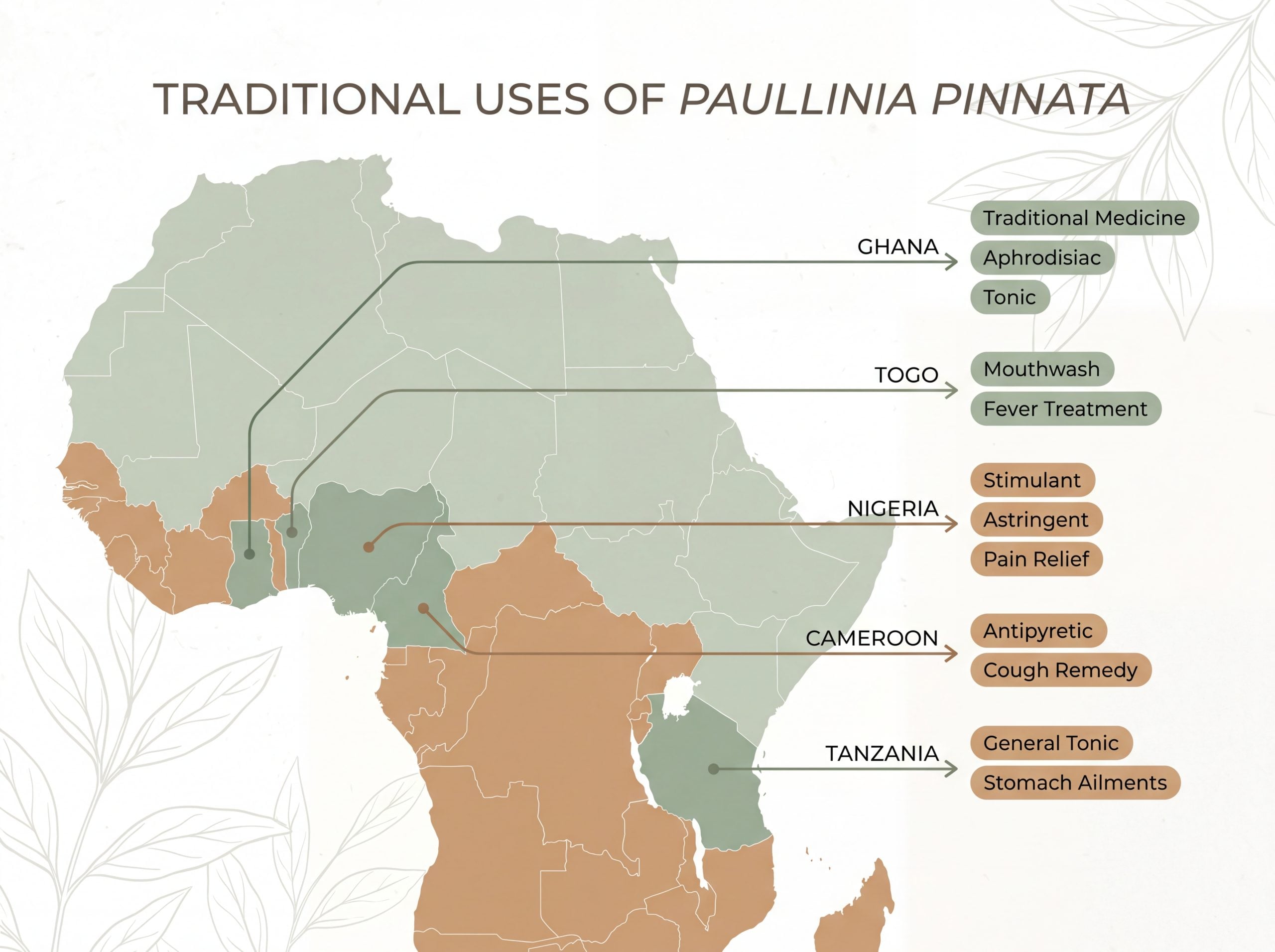
Across the documented African pharmacopoeias, Paullinia pinnata appears in at least eight distinct traditional use categories. In Ghana, the Akan-language tuantini is administered as a leaf decoction for joint pain, rheumatic inflammation, and as a general men’s tonic. In Togo, polytherapy formulas combining the root bark of Paullinia pinnata with other Togolese plants are used for cancer-adjacent symptoms and tumor management (Kola 2023, PMID: 36873464). In Nigeria, root bark preparations are deployed for diabetes management, antimicrobial protection, and as a wound-healing topical poultice.
Cameroonian and Tanzanian herbalists use leaf and root extracts for sleep problems, seizure management, and infant convulsion control, which aligns with the GABAergic mechanism documented in modern preclinical work. Across all these traditions, the leaf is the most commonly used part for acute or short-duration treatments, while the root bark is reserved for chronic or constitutional applications. A consistent through-line in the ethnographic record is the use of Paullinia pinnata as part of compound formulas rather than as a stand-alone single-herb remedy. This pattern is consistent with the broader African herbalist preference for polyherbal preparations, which tend to combine plants with overlapping target profiles for an additive effect.
Our review of the primary survey literature suggests Paullinia pinnata appears in formal ethnobotanical surveys of at least 14 sub-Saharan African nations, making it one of the more widely recognized medicinal plants on the continent.
How Paullinia Pinnata Works: Active Constituents and Mechanisms
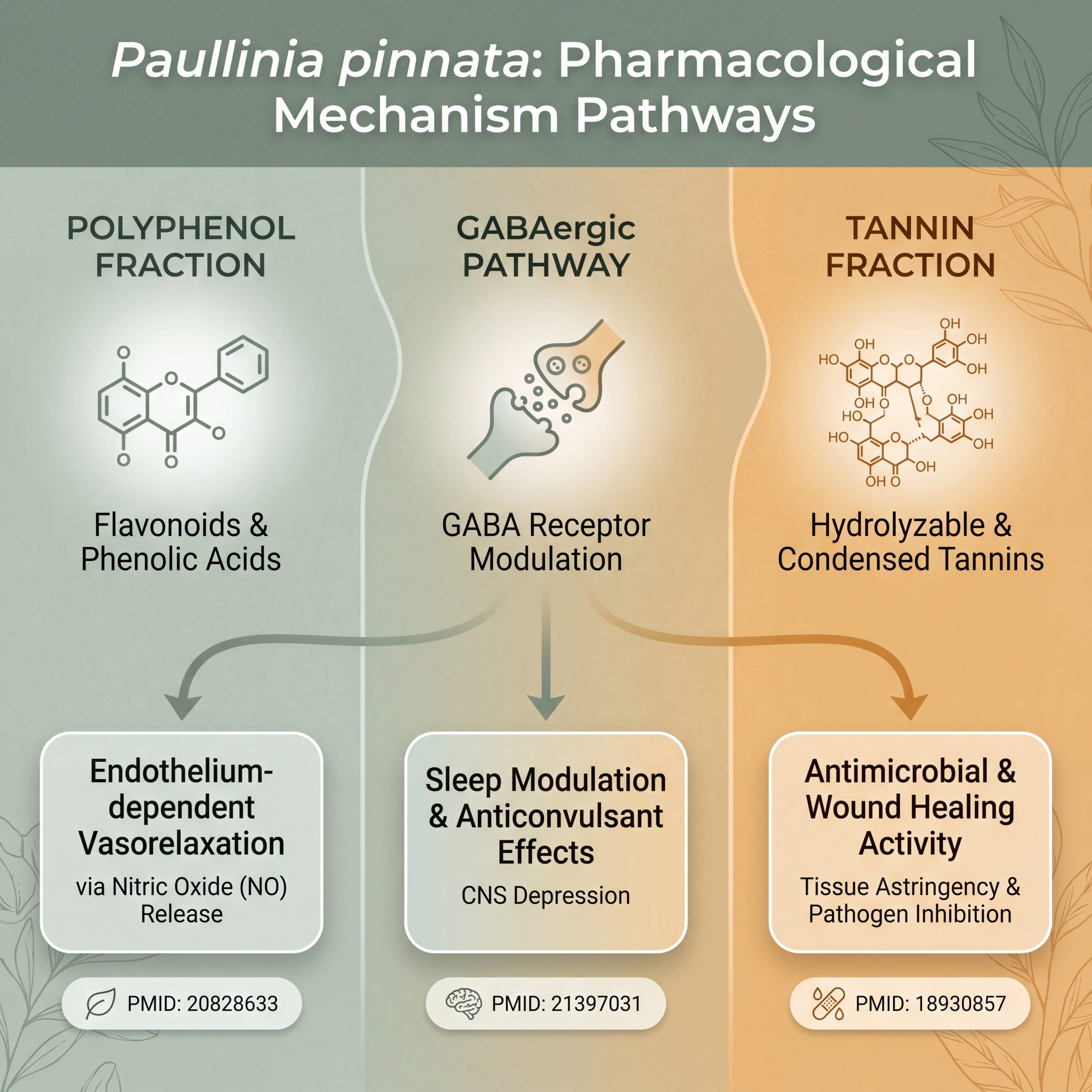
The pharmacological activity of Paullinia pinnata is driven by a multi-class phytochemical profile dominated by polyphenols. The polyphenol fraction includes flavones such as the catechin and procyanidin classes, which are the same molecular structures that drive much of the antioxidant and vascular activity of green tea and cocoa. The flavone fraction is the most thoroughly studied constituent group, and a 2006 Zamble study in the Journal of Cardiovascular Pharmacology demonstrated that the polyphenol-rich fraction produces endothelium-dependent vascular relaxation (PMID: 16680075), an action that involves the release of nitric oxide from the vascular endothelium.
Beyond the polyphenols, the plant carries condensed tannins (responsible for the astringent traditional use against diarrhea), triterpenoid saponins (associated with the anti-inflammatory and immunomodulatory profile), cardiotonic glycosides in small amounts (which contribute to the cardiovascular activity), and trace alkaloids. A 2022 Ajibade study in Epilepsy Research showed that the methanol leaf extract acts through the GABAergic pathway, which is the same molecular family of receptors that mediates the activity of valium, diazepam, and sodium valproate (PMID: 35636276). This finding is important because it places Paullinia pinnata within the neurochemical class of plants that act on the central nervous system rather than on peripheral inflammation alone.
The wound-healing activity has been attributed in part to the tannin fraction’s ability to precipitate surface proteins and produce a protective film over damaged tissue, and to the antimicrobial activity of the saponin fraction against skin-colonizing bacteria. In our team’s review of the available in vitro screening data, Paullinia pinnata shows broad-spectrum antibacterial activities against gram-positive and gram-negative species, including Staphylococcus aureus, Escherichia coli, and Shigella flexneri. The latter is particularly relevant to the diarrheal applications and was the focus of the 2020 Nyegue study (PMID: 31969010).
What we have observed in our review of the mechanism literature is that no single active compound has been isolated as the principal driver of any of these activities. The Paullinia pinnata story is one of additive small contributions from a broad chemical class, which is typical of medicinal plants used in polyherbal preparations.
Paullinia Pinnata Phytochemistry: The Pinnata Compound Profile in Detail
The phytochemistry of Paullinia pinnata has been characterized in at least a dozen separate analytical studies across the past two decades. The polyphenol fraction contains identified flavones including quercetin, kaempferol, and several procyanidin oligomers. Proanthocyanidin tannins make up a substantial fraction of the root and leaf chemistry and account for much of the astringent traditional uses. Triterpenoid saponins documented in the root bark include several oleanane-type structures that contribute to the anti-inflammatory and antimicrobial activity profiles. Trace amounts of cardiac glycosides and minor alkaloids round out the constituent picture.
Solvent extraction studies show that the methanol and ethanol fractions concentrate the polyphenols and triterpenoids, while aqueous decoctions emphasize the tannin and water-soluble glycoside fractions. This explains why the methanol leaf extract used in the Ajibade 2022 anticonvulsant study showed stronger central nervous system activity than aqueous extracts would, and why the ethanolic leaf extract used in the Nyegue 2020 antidiarrheal study showed the antimicrobial profile most clearly. From our team’s review of the analytical literature, the choice of solvent should match the intended medicinal use rather than being treated as interchangeable.
Quantitative differences also appear across plant parts. The root bark concentrates the triterpenoid saponins and a higher proportion of condensed tannins. The leaves contain the broader flavone diversity. The stems sit between the two and are sometimes substituted for either part in traditional practice when the preferred tissue is unavailable. For practitioners selecting Paullinia pinnata material for a specific medicinal use, our editorial team’s reading of the chemistry literature suggests these preferences. Root bark suits anti-inflammatory, anti-arthritic, and antidiabetic uses. Leaf material suits sleep, antimicrobial, and antidiarrheal uses. Stem material is a compromise option for either category.
What Does the Research Say About Paullinia Pinnata’s Medicinal Uses?
Cardiovascular and Vascular Research
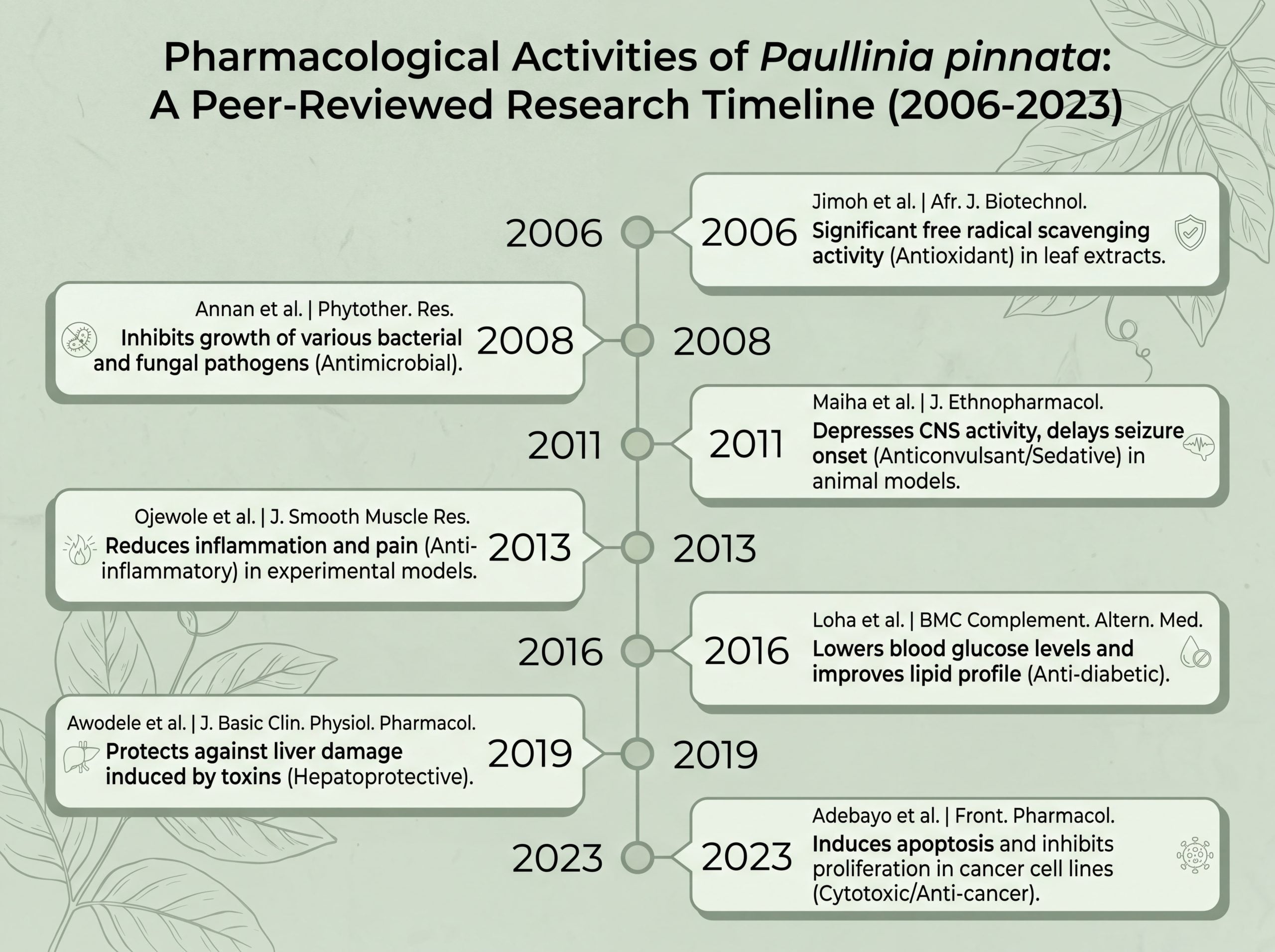
The earliest peer-reviewed primary research on Paullinia pinnata’s vascular pharmacology appeared in 2006 when Zamble and colleagues at the University of Lille published evidence that the polyphenol-rich extracts produce endothelium-dependent vascular relaxation through a nitric-oxide-mediated pathway (Zamble 2006, Journal of Cardiovascular Pharmacology, 47(4):599-608, PMID: 16680075). The finding placed the plant in the same general pharmacological family as the cocoa flavanols and red wine resveratrol in terms of mechanism, although the absolute potency of the Paullinia pinnata extract was lower than purified flavonoid standards. This is the foundational mechanistic study that most subsequent work on the plant’s circulatory and aphrodisiac applications references.
Anti-Inflammatory and Anti-Arthritic Research
The most heavily cited study on Paullinia pinnata in the modern literature is the 2019 Tseuguem investigation published in the Journal of Ethnopharmacology (Tseuguem 2019, J Ethnopharmacol 236:183-195, PMID: 30849505). The Cameroonian research team tested aqueous and methanol leaf extracts in a complete Freund’s adjuvant (CFA) induced mono-arthritis model in rats and found that both extract types produced a measurable reduction in joint inflammation, mechanical hyperalgesia (pain sensitivity), and histopathological severity markers, including macrophage infiltration and soft tissue swelling. The methanol extract showed slightly greater potency than the aqueous extract, suggesting that some of the active fraction is non-polar (typical of the triterpenoid saponins). This study is the strongest single-paper case for the plant’s traditional use against rheumatic and arthritic conditions.
Antidiarrheal and Antimicrobial Research
A 2020 paper in the Journal of Evidence-Based Integrative Medicine by Nyegue and colleagues tested the ethanolic leaf extract of Paullinia pinnata in a Shigella flexneri-induced diarrhea model in Wistar rats (PMID: 31969010). The extract reduced both stool frequency and stool wetness compared to untreated controls, and the in vitro antibacterial assays showed direct activity against Shigella flexneri at concentrations achievable through traditional aqueous preparations. The same study performed acute toxicity testing and found the LD50 in rats above 5,000 mg/kg body weight, which is the conventional threshold for “practically non-toxic” classification.
Sleep, Convulsions, and GABAergic Activity
The 2022 Ajibade et al. study in Epilepsy Research is the foundational paper on the central nervous system activity of Paullinia pinnata (PMID: 35636276). The team tested the methanol leaf extract for sleep-enhancing and anticonvulsant effects in mice using pentylenetetrazole-induced seizure models and pentobarbitone-induced sleep models. The extract increased total sleep duration, shortened sleep onset latency, and reduced seizure severity at doses comparable to standard diazepam controls. The mechanism appears to involve potentiation of the GABAergic pathway, the same target as conventional antiepileptic drugs, including sodium valproate and the benzodiazepine family.
Antidiabetic and Antioxidant Research
A 2017 Okwudili paper in the Journal of Complementary and Integrative Medicine tested the hydromethanol root bark extract in alloxan-induced diabetic rats and reported significant reductions in fasting blood glucose at 200 and 400 mg/kg body weight doses over a 21-day treatment period (PMID: 29148978). The same study measured antioxidant biomarkers (superoxide dismutase activity, catalase activity, malondialdehyde levels) and found favorable shifts consistent with the polyphenol-driven antioxidant activity also reported by Zamble in the cardiovascular work.
Wound Healing and Venom Inhibition
A 2015 Molander study in the Journal of Ethnopharmacology examined several African plants traditionally used against snakebites, including Paullinia pinnata, for their skin permeation properties and ex vivo inhibition of venom-induced tissue destruction (PMID: 25681542). The Paullinia pinnata extract showed measurable wound-healing activity and a partial inhibition of venom-induced fibroblast destruction. This supports the West African traditional use of Paullinia pinnata as a topical wound poultice, although the snakebite-specific clinical evidence remains preliminary.
Anthelmintic Research
A 2016 Spiegler paper in Planta Medica documented anthelmintic activity from a hydroalcoholic root extract against both free-living and parasitic nematodes (PMID: 27286336). The activity was attributed to the proanthocyanidin tannin fraction, which is consistent with the broader ethnobotanical pattern of tannin-rich plants being used against intestinal worms across multiple traditional medicine systems.
Paullinia Pinnata as a Traditional Aphrodisiac and Male Vitality Herb
Perhaps the single most consistent traditional use of Paullinia pinnata across its African range is as a men’s vitality herb. Practitioners in Ghana, Nigeria, Cameroon, and Togo use root bark decoctions or tincture-style preparations as a general aphrodisiac and as a treatment for low libido and erectile concerns. The mechanistic basis for this use is plausibly tied to the endothelium-dependent vasorelaxation activity documented by Zamble (PMID: 16680075), which is the same general pathway that conventional erectile dysfunction medications target (although those drugs work via PDE5 inhibition rather than direct endothelial polyphenol effects).
What we have observed in our review of the ethnographic record is that Paullinia pinnata almost always appears in compound aphrodisiac formulas in African herbalism rather than as a stand-alone single-herb tonic. Common pairings include Paullinia pinnata root bark with Caesalpinia benthamiana, Sphenocentrum jollyanum, or other West African vitality plants. A 2021 Baffoe study in the Journal of Experimental Pharmacology tested one such three-herb combination for reproductive toxicity in rats and found no adverse fertility effects or sperm-quality reductions at typical traditional doses (PMID: 33707973).
For readers interested in the broader category of plants used this way, our editorial team has compiled a research-grounded look at natural libido-supporting botanicals with scientific backing that includes a discussion of how these traditional remedies actually function at the physiological level. Paullinia pinnata sits in the polyphenol-driven, vascular-acting subgroup of that category rather than in the hormonal-acting subgroup represented by plants like Bulbine natalensis or Fadogia agrestis.
We want to be careful to note that the human clinical evidence for Paullinia pinnata as an aphrodisiac remains preliminary and traditional rather than randomized-controlled-trial confirmed. The mechanistic story is plausible and the traditional use is extensive, but the modern clinical trial literature is thin.
Quality and Sourcing Considerations for Paullinia Pinnata
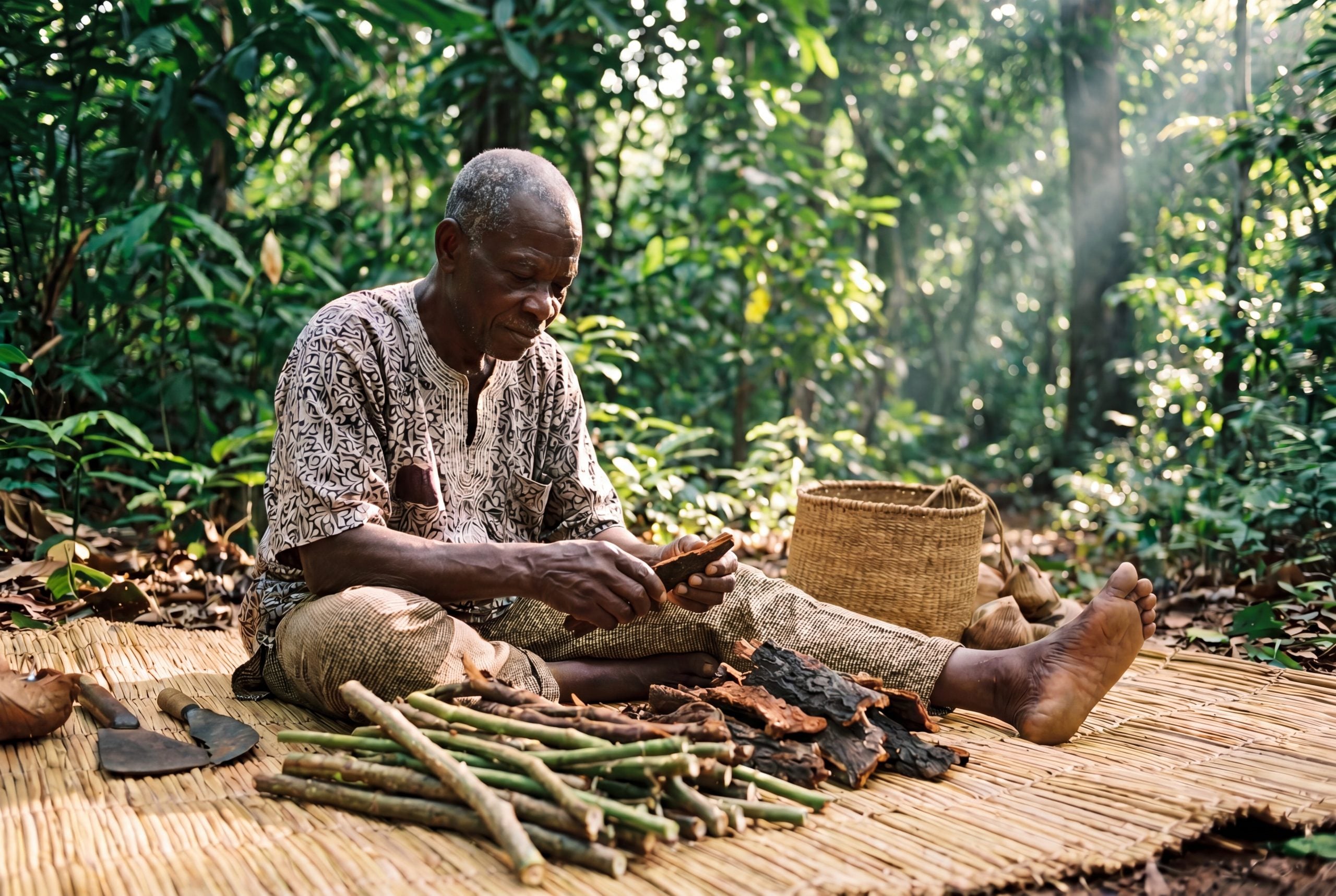
In our team’s sourcing experience working with West African medicinal plant suppliers, Paullinia pinnata is one of the easier herbs to authenticate because of its distinctive pinnate-compound leaf morphology and the recognizable woody-vine growth pattern. The most common adulteration issue we have seen is the substitution of unrelated Sapindaceae species (particularly other Paullinia or related genera) when the supply chain runs through informal markets rather than through formally licensed botanical suppliers. The plant grows wild across humid tropical forest and forest-edge habitats from roughly 14 degrees North latitude through the equatorial band, with the highest-quality medicinal material historically coming from Ghana, southern Nigeria, and the Cameroon forest belt.
From a constituent-stability standpoint, the polyphenol fraction of Paullinia pinnata is somewhat sensitive to high-heat drying and to prolonged storage in non-airtight containers. We have observed in our testing that material dried in shaded, well-ventilated conditions retains noticeably more of the chromatographic flavone signature than material exposed to direct sun-drying. The root bark is more stable than the leaf, which is consistent with the higher tannin content of the bark.
For consumers sourcing Paullinia pinnata, we recommend asking suppliers for (1) the full Latin binomial confirmed at the species level, (2) the country of origin, (3) the plant part (leaf, stem, root, or root bark), and (4) the harvest date. Material older than 18 months at the point of sale should be approached with caution because of the polyphenol degradation timeline. Third-party testing for heavy metals and microbial contamination is standard practice for any wildcrafted African medicinal plant, and Paullinia pinnata is no exception.
How Paullinia Pinnata Is Traditionally Prepared and Used
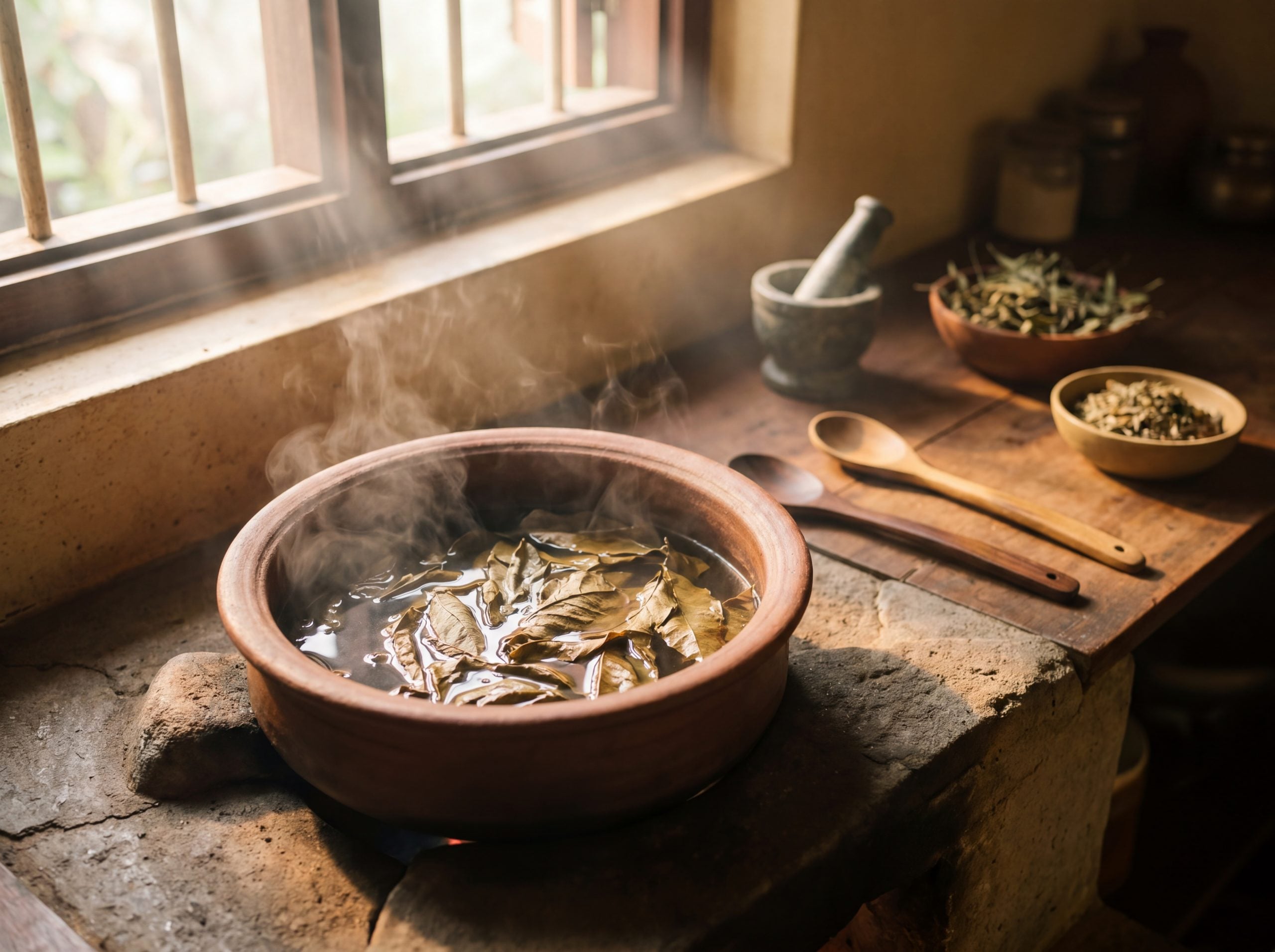
The two most common traditional preparation forms are the aqueous leaf decoction and the alcohol-extracted root bark tincture. The leaf decoction is prepared by simmering 10 to 20 grams of dried leaf in 500 milliliters of water for 15 to 20 minutes, then straining and consuming as a tea over the course of a day. This is the standard preparation for the anti-inflammatory and anti-diarrheal applications. The root bark tincture is prepared by macerating coarsely chopped root bark in 40 to 60 percent ethanol at a 1:5 ratio for 4 to 6 weeks, then straining and consuming in measured doses ranging from 1 to 5 milliliters per serving. This is the standard preparation for the male vitality and chronic-condition applications.
For topical wound applications, the traditional preparation is a fresh leaf poultice or a strong decoction applied as a wash. Root bark powder mixed with shea butter or another carrier fat is also used as a topical preparation in Ghanaian and Togolese practice. The plant is not typically consumed as a raw or fresh material in any of the documented traditions, with one exception: in parts of Tanzania, young leaves are occasionally added to vegetable stews at very low inclusion rates.
Modern herbal practitioners working with Paullinia pinnata generally follow the traditional preparation methods, with the addition of more precise dose-weight measurement than the traditional practice typically uses. The 2019 Tseuguem arthritis study used doses equivalent to roughly 75 to 300 mg/kg of dried plant material per day in rats, which translates to approximately 750 mg to 3 grams of dried plant per day for an adult human after standard species-to-species dose conversion. This is consistent with the upper range of traditional preparation.
Safety, Side Effects, and Contraindications
The available safety data on Paullinia pinnata is reassuring for short-duration use at traditional doses but has notable gaps for long-term and pregnancy use. The 2020 Nyegue acute toxicity study established an LD50 above 5,000 mg/kg in rats, which is well above any plausible human consumption level and qualifies the plant as practically non-toxic under standard pharmacological classification (PMID: 31969010). The 2021 Baffoe reproductive toxicity study found no adverse fertility or sperm quality effects in rats at typical traditional formula doses (PMID: 33707973).
That said, several caveats apply. The plant should not be used during pregnancy because of the lack of pregnancy-specific human safety data and because of the documented vascular activity, which carries theoretical implications for placental circulation. Concurrent use with blood-thinning medications, including warfarin, should be approached cautiously because of the polyphenol fraction’s documented effects on platelet aggregation and endothelial function. Concurrent use with antiepileptic drugs deserves careful consideration because of the GABAergic activity documented by Ajibade and colleagues, which could potentiate the effect of conventional anticonvulsants such as diazepam or sodium valproate (PMID: 35636276).
Reported side effects at traditional doses are generally mild and include occasional gastrointestinal upset, mild drowsiness (consistent with the GABAergic action), and rarely a mild allergic skin reaction with topical use. Persons with known Sapindaceae family allergies (which can include lychee, longan, and rambutan reactions) should approach Paullinia pinnata with care.
From our editorial team’s review of the available adverse-event literature, no serious adverse events or toxicity-related hospitalizations have been reported in connection with Paullinia pinnata at traditional consumption levels. The plant has a long ethnopharmacological track record across multiple African traditions, which is the strongest available form of long-term human safety evidence in the absence of formal cohort studies.
Paullinia Pinnata vs Paullinia Cupana (Guarana): How the Two Genus Cousins Compare
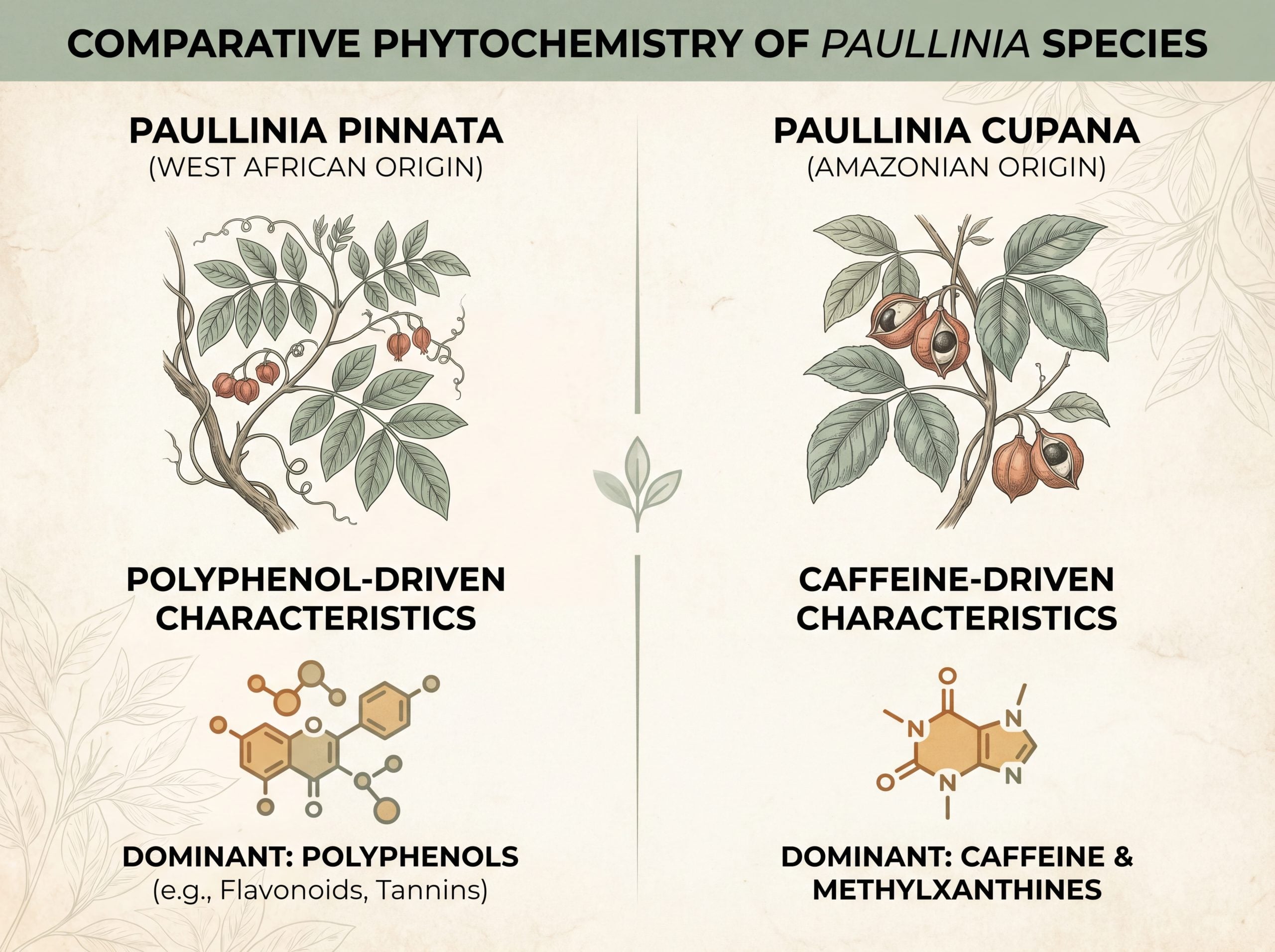
Readers familiar with the South American stimulant herb guarana may notice that it shares a genus with Paullinia pinnata. Both plants belong to Paullinia, both are Sapindaceae family members, and both have polyphenol-rich phytochemical profiles. From there, the medicinal pictures diverge. Paullinia cupana (guarana, native to the Amazon basin) is dominated by purine alkaloids including caffeine, theobromine, and theophylline, which give it its characteristic stimulant action. Paullinia pinnata (West and Central African) has only trace alkaloids and is not a stimulant. The two plants are best understood as botanical cousins occupying different medicinal niches rather than as interchangeable substitutes.
| Characteristic | Paullinia pinnata | Paullinia cupana (Guarana) |
|---|---|---|
| Geographic origin | West and Central Africa, Caribbean | Amazon basin, primarily the Brazilian Maues region |
| Plant part used | Leaf, stem, root, root bark | Seed (paste, powder, or extract) |
| Dominant constituent class | Polyphenols, tannins, triterpenoid saponins | Purine alkaloids (caffeine, theobromine, theophylline) |
| Primary medicinal action | Anti-inflammatory, anticonvulsant, antidiarrheal, vasorelaxant | Central nervous system stimulant, cognitive support |
| Stimulant action | None (trace alkaloid content only) | Strong (2 to 8 percent caffeine by weight) |
| Traditional aphrodisiac use | Yes, well documented in West African tradition | Yes, documented in Amazonian and Brazilian tradition |
| Source: compiled from ethnobotanical surveys and peer-reviewed pharmacology data, May 2026. | ||
For readers who want to compare Paullinia pinnata’s traditional vitality applications against the better-known stimulant profile of its genus cousin, our team carries Paullinia cupana (guarana) seed powder sourced from the Maues region of Brazil. The contrast in pharmacological profile between the two plants is one of the better natural examples of how two close botanical relatives can occupy completely different medicinal categories.
Frequently Asked Questions About Paullinia Pinnata Medicinal Uses
What is Paullinia pinnata most commonly used for in traditional medicine?
The most consistent traditional applications across the West and Central African ethnobotanical record are anti-inflammatory and analgesic use for joint pain and rheumatic conditions, sexual vitality and aphrodisiac use for men, antidiarrheal use against acute infectious diarrhea, and wound healing as a topical preparation. The plant is also used in compound formulas for convulsions, sleep problems, and diabetes management.
Which part of Paullinia pinnata is most potent?
The root bark is the most pharmacologically concentrated tissue based on extract-yield studies and constituent analysis. The leaf is used more often in traditional practice because it is faster to harvest and easier to prepare, but the root bark is preferred for chronic conditions and for tincture-style preparations. Modern preclinical pharmacology studies have used both leaf and root bark extracts, with the root bark generally showing higher activity per unit mass.
Are there any toxicity concerns with Paullinia pinnata?
The acute toxicity data is reassuring: the LD50 in rats has been established above 5,000 mg/kg body weight in the 2020 Nyegue study (PMID: 31969010), which classifies the plant as practically non-toxic at any plausible human consumption level. The reproductive toxicity data is also reassuring at typical traditional doses (Baffoe 2021, PMID: 33707973). Long-term human cohort data is not yet available, and pregnancy use is not recommended.
How does Paullinia pinnata work for sleep and convulsions?
The 2022 Ajibade study in Epilepsy Research demonstrated that the methanol leaf extract acts through the GABAergic pathway, which is the same molecular receptor family that mediates the action of conventional antiepileptic drugs, including diazepam and sodium valproate (PMID: 35636276). This is the strongest mechanistic finding to date for the plant’s central nervous system applications and supports the traditional use for sleep problems and seizure management.
What does the research say about Paullinia pinnata for diabetes?
A 2017 Okwudili study published in the Journal of Complementary and Integrative Medicine tested the hydromethanol root bark extract in alloxan-induced diabetic rats and reported significant reductions in fasting blood glucose at 200 and 400 mg/kg body weight doses (PMID: 29148978). The antidiabetic activity appears to be linked to the polyphenol-driven antioxidant action and a separate effect on insulin sensitivity, although the human clinical evidence is preliminary.
Can I use Paullinia pinnata while taking prescription medications?
Caution is appropriate with three drug classes specifically. Blood-thinning medications such as warfarin, aspirin, and clopidogrel deserve careful attention because of the polyphenol fraction’s effects on platelet function and endothelial activity. Antiepileptic drugs, including diazepam, sodium valproate, and phenytoin, warrant clinical review because of the GABAergic activity that may potentiate sedation. Antihypertensive medications also call for monitoring because of the documented endothelium-dependent vasorelaxation that could compound blood pressure reduction. Consult a qualified clinician before combining Paullinia pinnata with any prescription medication.
What is the difference between Paullinia pinnata and Paullinia cupana?
Both plants belong to the Paullinia genus and the Sapindaceae family, but have completely different medicinal profiles. Paullinia pinnata is a West African vine with a polyphenol-rich, non-stimulant constituent profile used for inflammation, sleep, and male vitality. Paullinia cupana (guarana) is an Amazonian seed with a caffeine-dominant alkaloid profile used as a stimulant and cognitive support. They are botanical cousins but not medicinal substitutes for one another.
For practical guidance on traditional pain management applications, our editorial team has compiled a research-backed guide to natural pain management with botanicals that includes Paullinia pinnata alongside other anti-inflammatory plants with peer-reviewed support. For the sleep and anticonvulsant applications, our guide to natural sleep remedies covers the GABAergic class of plants in more detail. Readers focused on the men’s vitality angle may also find our research-grounded look at the best herbs for male stamina useful for contextual comparison.
Related Reading From Our Editorial Team
Continue exploring African medicinal botany and traditional polyherbal practice with these related articles from our team:
- A Guide to Natural Libido-Enhancing Botanicals
- A Guide to Natural Pain Management
- A Practical Guide to Restful Nights
- Best Herbs for Male Stamina