Key Takeaways
- No herb has been shown to reliably increase fertility on its own, and the honest evidence tiers differ sharply from herb to herb.
- Ashwagandha (Withania somnifera) carries the strongest human trial data of any herb here, and that data is for male semen parameters.
- Vitex agnus-castus has the largest body of female trial data, though a 17-trial meta-analysis found high risk of bias throughout it.
- Tribulus terrestris and maca root are not supported by review evidence for raising serum testosterone in men, despite common marketing.
- Red raspberry leaf (Rubus idaeus) is a traditional preconception uterine tonic that is generally set aside once pregnancy is confirmed.
- Several popular herbs, including guggul, bala, dong quai, and internally taken aloe, are traditionally set aside while trying to conceive.
- Herbal timelines run in months, not weeks. Most traditional protocols and most trial designs run about 90 days.
Trying to conceive puts people in front of a very long list of plants, most of it written by someone selling one. Our editorial team pulled the current research on the herbs that come up most often, and the first thing worth saying plainly is that the marketing runs well ahead of the evidence. The American Society for Reproductive Medicine’s committee opinion on optimizing natural fertility finds the evidence lacking that herbal remedies improve natural fertility, and the National Center for Complementary and Integrative Health makes a similar point about supplement quality and regulation.
That does not make these plants uninteresting. It means the useful article is the one that grades them honestly. Below, each herb is placed in an evidence tier, described with its Latin binomial and its active constituents, and paired with the specific human research where any exists. Where the research contradicts the popular claim, we say so, including for herbs we sell.
Which fertility herbs actually have human evidence?
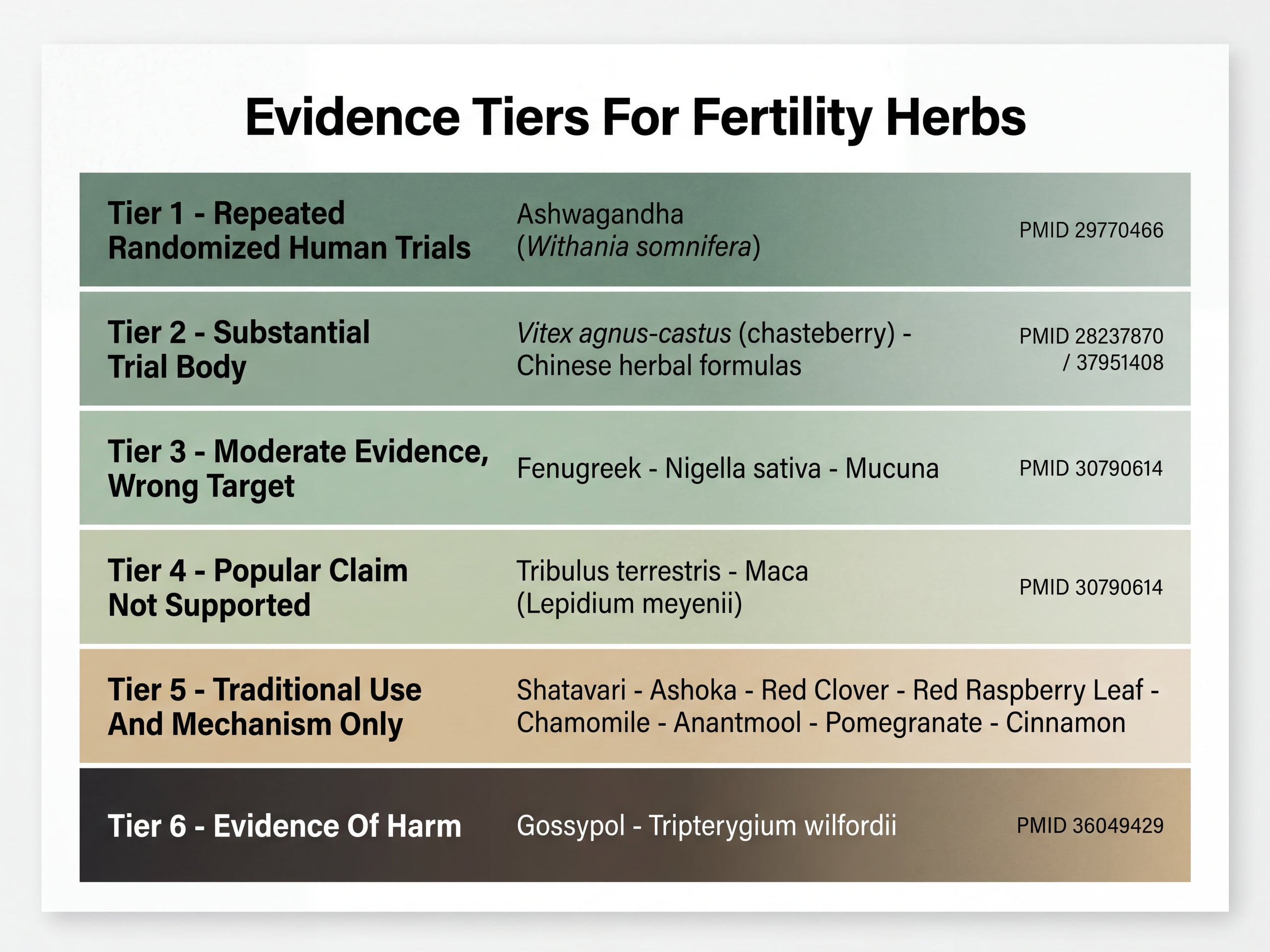
Very few. Of the twenty-odd plants commonly marketed for conception, one has repeated randomized human trials, two have meaningful trial bodies with acknowledged quality problems, and the rest rest on traditional use, animal models, or mechanism alone. Grading them is the most useful thing this article can do.
| Tier | Herb | What the human research actually shows |
|---|---|---|
| Tier 1 – repeated randomized human trials | Ashwagandha (Withania somnifera) | A triple-blind randomized trial in 100 men with idiopathic infertility reported improved sperm count, progressive motility, and morphology over 90 days. Nasimi Doost Azgomi et al. (2018), Andrologia, PMID: 29770466. |
| Tier 2 – substantial trial body, acknowledged bias | Vitex agnus-castus (chasteberry) | Seventeen randomized trials, large pooled effect on premenstrual symptoms, but the authors report high risk of bias, extreme heterogeneity, and probable publication bias. Verkaik et al. (2017), American Journal of Obstetrics and Gynecology, PMID: 28237870. |
| Tier 2 – substantial trial body, formula-dependent | Chinese herbal formulas | A Bayesian network meta-analysis of 23 randomized trials in 2,355 patients with tubal obstructive infertility found herbal medicine combined with acupuncture outperformed controls on pregnancy rate. Results depend on the formula matching the pattern. Huang et al. (2023), Complementary Therapies in Medicine, PMID: 37951408. |
| Tier 3 – moderate evidence, wrong target | Fenugreek, Nigella sativa, mucuna | A review of the phytotherapy literature found moderate evidence supporting these for total testosterone and seminal parameters, though the studies are small. Santos et al. (2019), Journal of Ethnopharmacology, PMID: 30790614. |
| Tier 4 – popular claim not supported | Tribulus terrestris, maca (Lepidium meyenii) | The same review found neither was scientifically supported for raising serum testosterone in men. Tribulus may still affect sperm parameters in idiopathic infertility, and maca has separate libido and energy literature. Santos et al. (2019), PMID: 30790614. |
| Tier 5 – traditional use and mechanism only | Shatavari, ashoka, red clover, red raspberry leaf, chamomile, anantmool, pomegranate, cinnamon | Long records in Ayurveda, Traditional Chinese Medicine, or Western herbalism, with preclinical or observational support. No randomized human fertility trials of adequate size. |
| Tier 6 – evidence of harm in some botanicals | Gossypol, Tripterygium wilfordii | A scoping review of 125 randomized trials across 23 countries concluded botanicals cut both ways for the testis, with these two specifically detrimental. Shepherd et al. (2022), Phytomedicine, PMID: 36049429. |
| Sources retrieved from PubMed. Tiers reflect strength of human evidence, not a recommendation for any individual. | ||
Two patterns are worth pulling out of that table. First, the herb with the best data is aimed at men, while most fertility herb marketing is aimed at women. Second, the two herbs most heavily promoted for hormonal support in men, tribulus and maca, sit in the tier where the popular claim is not supported. We sell both. The review still says what it says.
How long do fertility herbs take to work?
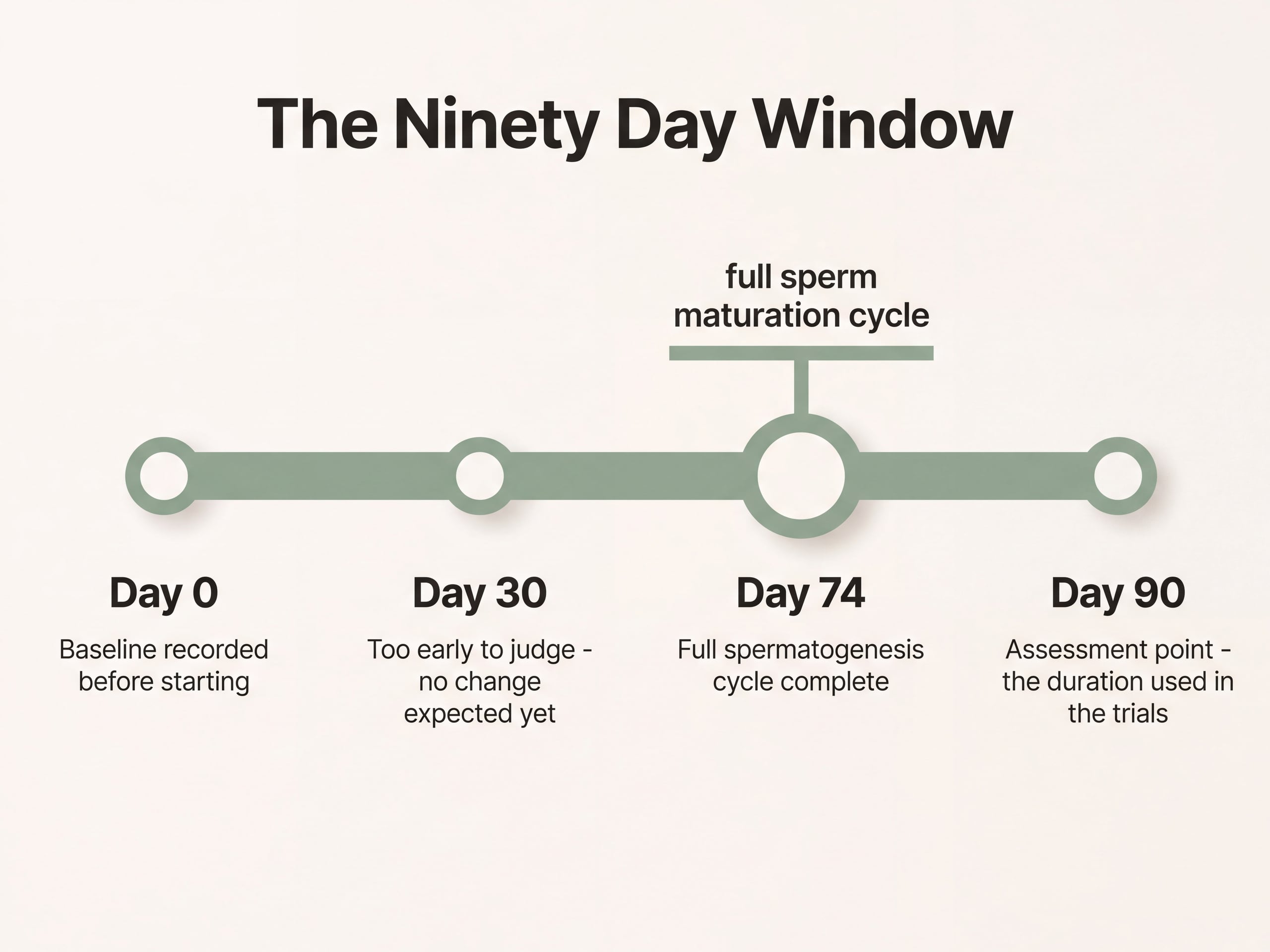
Roughly three months. That figure is not folklore. It is the duration used in the randomized trials, and it matches the biology: a full cycle of spermatogenesis takes approximately 74 days from stem cell to mature sperm, plus transit time, so any change in semen parameters needs about 90 days to register. On the female side, cycle-based herbs are typically assessed over three consecutive cycles rather than three calendar months.
- The randomized ashwagandha trial in men with idiopathic infertility ran 90 days before measuring semen parameters (PMID: 29770466).
- Sperm produced today reflects conditions from roughly two and a half months ago, so nothing taken this week shows up in this month’s semen analysis.
- Cycle-regulating herbs such as vitex are conventionally assessed across three consecutive cycles, because a single cycle cannot separate a real shift from normal variation.
- Taking several hormonally active herbs at once makes the result unreadable. If something changes, there is no way to know which plant did it, and no way to know which one to stop.
- A sensible checkpoint is 90 days. If nothing has shifted by then, the honest move is a clinical workup rather than a fourth herb.
How can herbs influence reproductive function?
Herbal preparations act on the systems around reproduction rather than on conception itself. Understanding which system a given plant touches is what separates a reasonable choice from a shelf full of capsules.
- Hormonal signaling. Some plants contain phytoestrogens or compounds acting on the hypothalamic-pituitary-gonadal axis, which governs ovulation and sperm production. Vitex is the clearest example, acting on prolactin signaling at the pituitary.
- Stress and cortisol. Adaptogens such as ashwagandha support a healthy cortisol response. Since chronic stress suppresses gonadotropin-releasing hormone, this is an indirect but real pathway.
- Oxidative stress. Sperm cells are unusually vulnerable to oxidative damage because their membranes are rich in polyunsaturated fatty acids. Antioxidant-dense plants such as pomegranate and turmeric act here.
- Circulation. Blood flow to the ovaries, endometrium, and testes carries the nutrients and hormones those tissues need.
- Micronutrient density. Nettle and dandelion contribute folate, iron, and trace minerals relevant to preconception nutritional status.
- Inflammatory tone. Persistent inflammation is associated with poorer reproductive outcomes, and several culinary rhizomes act on inflammatory signaling.
None of these mechanisms constitutes treatment of a diagnosed fertility condition. They describe how a plant interacts with normal physiology.
Which herbs are used for female reproductive health?
Vitex agnus-castus (chasteberry)
Vitex agnus-castus is the dried fruit of the chaste tree, a Mediterranean shrub whose diterpenes and flavonoids act on dopamine D2 receptors in the anterior pituitary, which in turn moderates prolactin release and supports the luteal phase. It carries the largest body of randomized human data of any herb used in women’s reproductive health, though a 2017 meta-analysis of 17 trials in the American Journal of Obstetrics and Gynecology reported a large pooled effect alongside high risk of bias and probable publication bias (Verkaik et al., PMID: 28237870).
In practice, that means vitex is the most studied option in this category and still not a proven one. It is conventionally taken in the morning, on an empty stomach, across three consecutive cycles. It is not combined with hormonal contraceptives or fertility medication without clinical supervision, because the mechanism runs through the same axis those drugs act on. Our editorial team has reviewed the perimenopause literature on this same plant separately, where the indication and the timing both differ.
Shatavari (Asparagus racemosus)
Called the queen of herbs in Ayurvedic practice, shatavari is a climbing asparagus whose steroidal saponins, the shatavarins, are the constituents of interest. It is classified as a rasayana and traditionally used to support the female reproductive system across the whole lifespan rather than at one point in it. Early work in PCOS-related cycle and follicular support exists, but the fertility data specifically remain thin. It is also one of the herbs most often asked about in the same breath as ashwagandha for safety while trying to conceive, and the honest answer for both is that safety data during conception attempts are limited enough that clinical supervision is the reasonable default.
Red raspberry leaf (Rubus idaeus)
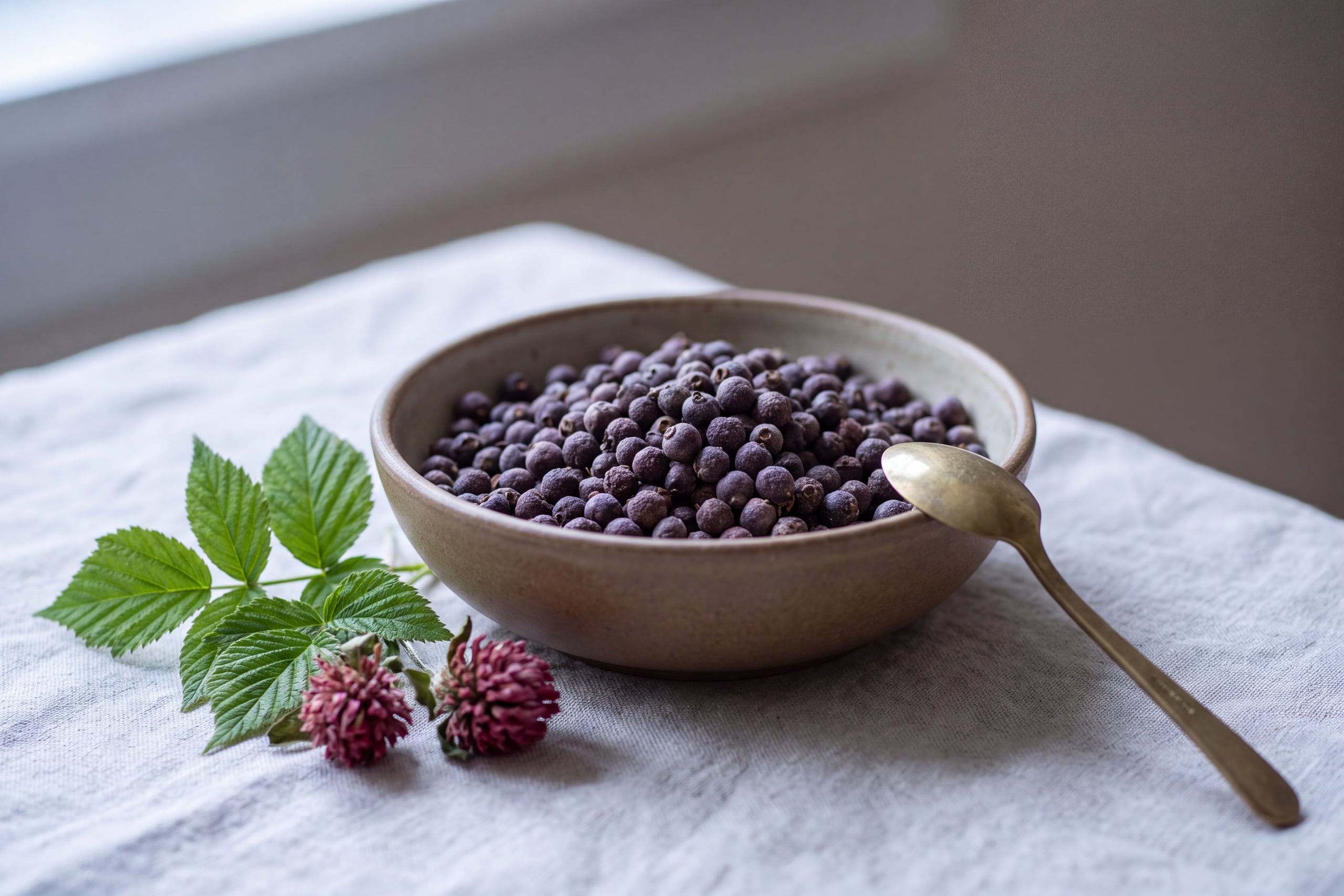
Red raspberry leaf is the dried foliage of the common raspberry, valued in Western herbalism as a uterine tonic and unusually dense in manganese, magnesium, and the alkaloid fragarine, which is associated with uterine muscle tone. It appears in nearly every traditional preconception protocol, and it is the herb most consistently named across current answer engines on this topic, which is why its absence from most brand articles is odd.
The convention is preconception use, taken as an infusion rather than a capsule, and stopped or reassessed with a provider once pregnancy is confirmed. Its later-pregnancy use is a separate discussion with its own literature and its own supervision requirement.
Red clover (Trifolium pratense)
Red clover is a nitrogen-fixing legume whose isoflavones, primarily biochanin A and formononetin, are among the better-characterized phytoestrogens in Western herbalism. Traditional use centers on uterine tone and endometrial quality, supported by a genuinely useful mineral profile. Because the isoflavones bind estrogen receptors, it is one of the plants most worth flagging to a provider if any hormonally sensitive condition is in the picture.
Black cohosh (Actaea racemosa)
A North American woodland plant used in Native American and later Western herbal practice, black cohosh contains triterpene glycosides including actein and cimicifugoside. It has a long record of traditional use for menstrual irregularity. Its evidence base sits mostly in the menopause literature rather than the fertility literature, and it appears on several clinical caution lists for use while trying to conceive, so it belongs in the supervised column rather than the self-directed one.
Ashoka (Saraca asoca)
Ashoka bark holds a central place in Ayurvedic gynecology, where its tannins and glycosides are traditionally used to support uterine tone and to address dysmenorrhea and menorrhagia. Its documented use is long. Its randomized human fertility evidence is essentially absent, and the tree itself is listed as vulnerable in the wild, which makes cultivated sourcing a genuine question rather than a marketing line.
Evening primrose oil (Oenothera biennis)
Evening primrose seed oil supplies gamma-linolenic acid, an omega-6 fatty acid that serves as a precursor in prostaglandin synthesis. Traditional preconception use targets cervical mucus quality during the follicular phase.
Timing caution. Evening primrose oil is conventionally used only before ovulation. Its prostaglandin activity is associated with uterine contraction, so traditional practice stops it once ovulation has occurred, or pregnancy is confirmed. This is the single most important timing rule on this page.
Nettle (Urtica dioica) and dandelion (Taraxacum officinale)
These two are nutritive rather than hormonal. Nettle leaf is dense in iron, calcium, vitamin K, and folate, and dandelion leaf and root contribute potassium, inulin, and bitter compounds traditionally associated with hepatic function. Preconception nutritional status is one of the few areas where the mainstream and traditional views genuinely converge, and folate in particular has firm mainstream backing.
Chamomile (Matricaria chamomilla)
German chamomile’s apigenin and bisabolol underpin its use as a calming infusion in Western herbalism. Its relevance here is indirect and honest: it supports sleep and a settled nervous system during a period that is frequently stressful. Claims about follicular development rest on preclinical work and should be read as such.
Nigella sativa (black seed)
Black seed is the seed of Nigella sativa, whose principal constituent thymoquinone has been characterized for antioxidant and anti-inflammatory activity. It appears in Unani and Middle Eastern traditional practice in the context of cycle regularity and metabolic concerns, including among people with PCOS-related symptoms. It also appears in the phytotherapy review with moderate evidence for seminal parameters (PMID: 30790614), which makes it one of the few plants on this page with a foot in both the male and female literature.
Which herbs are used for male reproductive health?
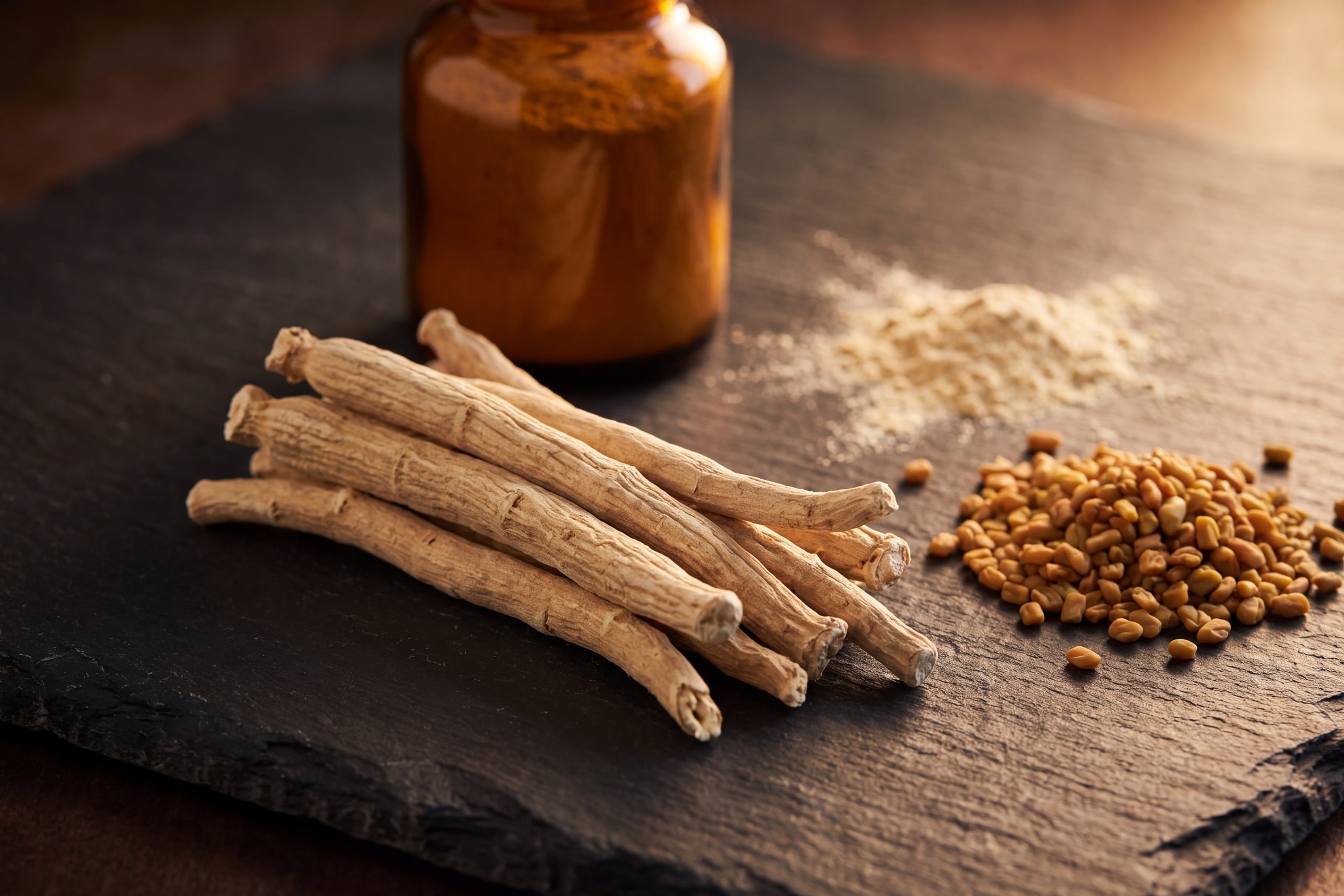
Ashwagandha (Withania somnifera)
Ashwagandha root is the best-evidenced plant on this page, and the evidence is specifically about semen parameters. In a triple-blind randomized trial of 100 men with idiopathic infertility, 5 grams per day of Withania somnifera root taken for 90 days was associated with a 12.5 percent increase in mean sperm count, a 21.42 percent increase in progressive motility, and a 25.56 percent improvement in morphology against baseline, with no major complications reported (Nasimi Doost Azgomi et al., 2018, Andrologia, PMID: 29770466). The comparator arm used pentoxifylline, and the intergroup differences were not statistically significant, which is the interesting part: the herb performed comparably to the pharmaceutical in that trial.
The active constituents are the withanolides, a class of steroidal lactones concentrated in the root rather than the leaf. In our sourcing experience, the root-versus-leaf distinction is where most of the quality variance in this category lives, since leaf material is cheaper and analytically distinguishable. Ashwagandha is also the plant behind the stress pathway described earlier, which gives it two plausible routes rather than one.
What dosage of ashwagandha is used in fertility studies?
Two dose ranges appear in the male fertility literature. The trial cited above used 5 grams per day of whole root powder in divided doses for 90 days. A separate and widely cited pilot in men with oligospermia used 675 milligrams per day of a full-spectrum root extract in three divided doses, also for 90 days. The gap between those numbers reflects the difference between whole root powder and a concentrated extract, which is why comparing milligram figures across products without knowing the preparation is meaningless. Neither figure is a recommendation, and neither was established in a population that includes everyone.
Tribulus terrestris
The popular claim is that tribulus raises testosterone. The review evidence does not support it. Santos et al. (2019) in the Journal of Ethnopharmacology examined the phytotherapy literature and found tribulus was not scientifically supported for improving serum testosterone in men, while allowing that it may have advantageous effects on sperm parameters in men with idiopathic infertility (PMID: 30790614). The saponin protodioscin is the constituent usually credited. We stock tribulus, and we have written a longer piece specifically on what its libido effect actually is and is not, which is the better place for the full argument.
Maca root (Lepidium meyenii)
Maca is a Peruvian brassica grown on the JunÃn plateau above 4,000 metres, and its macamides and glucosinolates are the compounds of interest. The same 2019 review found maca was not supported for raising serum testosterone in men (PMID: 30790614). What maca does have is a separate literature on libido, energy, and sexual function that does not depend on a testosterone mechanism at all. That distinction matters, and collapsing the two is how the overclaim happens. Our longer treatment of black maca for men covers the varietal differences in more depth.
Fenugreek (Trigonella foenum-graecum)
Fenugreek seed contains the steroidal saponin diosgenin and the alkaloid trigonelline. It is one of the three plants the 2019 review placed in the moderate-evidence tier for total testosterone and seminal parameters (PMID: 30790614), which puts it above tribulus and maca on this specific endpoint despite far less marketing behind it.
Panax ginseng
Korean red ginseng is discussed frequently for male sexual function, and its ginsenosides are well characterized. On fertility endpoints specifically, the evidence is weaker than ashwagandha’s and much of it addresses erectile function and fatigue rather than sperm parameters. It belongs on the list because people ask about it, not because it competes with ashwagandha on this endpoint.
Cinnamon (Cinnamomum verum)
True Ceylon cinnamon, distinct from the more common cassia, contains cinnamaldehyde and low coumarin levels. Its relevance here runs through insulin sensitivity rather than through the reproductive tract directly, which makes it more interesting for metabolic support during preconception than as a fertility herb in its own right. The cassia-versus-Ceylon distinction is worth knowing, since coumarin content differs substantially between them.
Which herbs support both partners?
Ginger (Zingiber officinale) and turmeric (Curcuma longa)
These two rhizomes carry gingerols and curcuminoids, respectively, both well characterized for antioxidant and anti-inflammatory activity. Their relevance to preconception is general rather than reproductive: oxidative stress affects gamete quality in both partners. Turmeric’s curcumin has meaningful bioavailability limits in isolation, which is why traditional preparations pair it with black pepper and a fat.
Pomegranate (Punica granatum)
Pomegranate supplies punicalagins, ellagic acid, and vitamin C. It is one of the denser antioxidant foods available and works as a dietary addition rather than a supplement protocol, which is generally the lower-risk way to approach preconception nutrition.
Anantmool (Hemidesmus indicus)
Indian sarsaparilla is used in Ayurvedic practice as a cooling, cleansing herb, traditionally associated with cycle regularity and uterine comfort. Its documented traditional use is substantial, and its human clinical evidence is not. It sits firmly in the traditional-use tier.
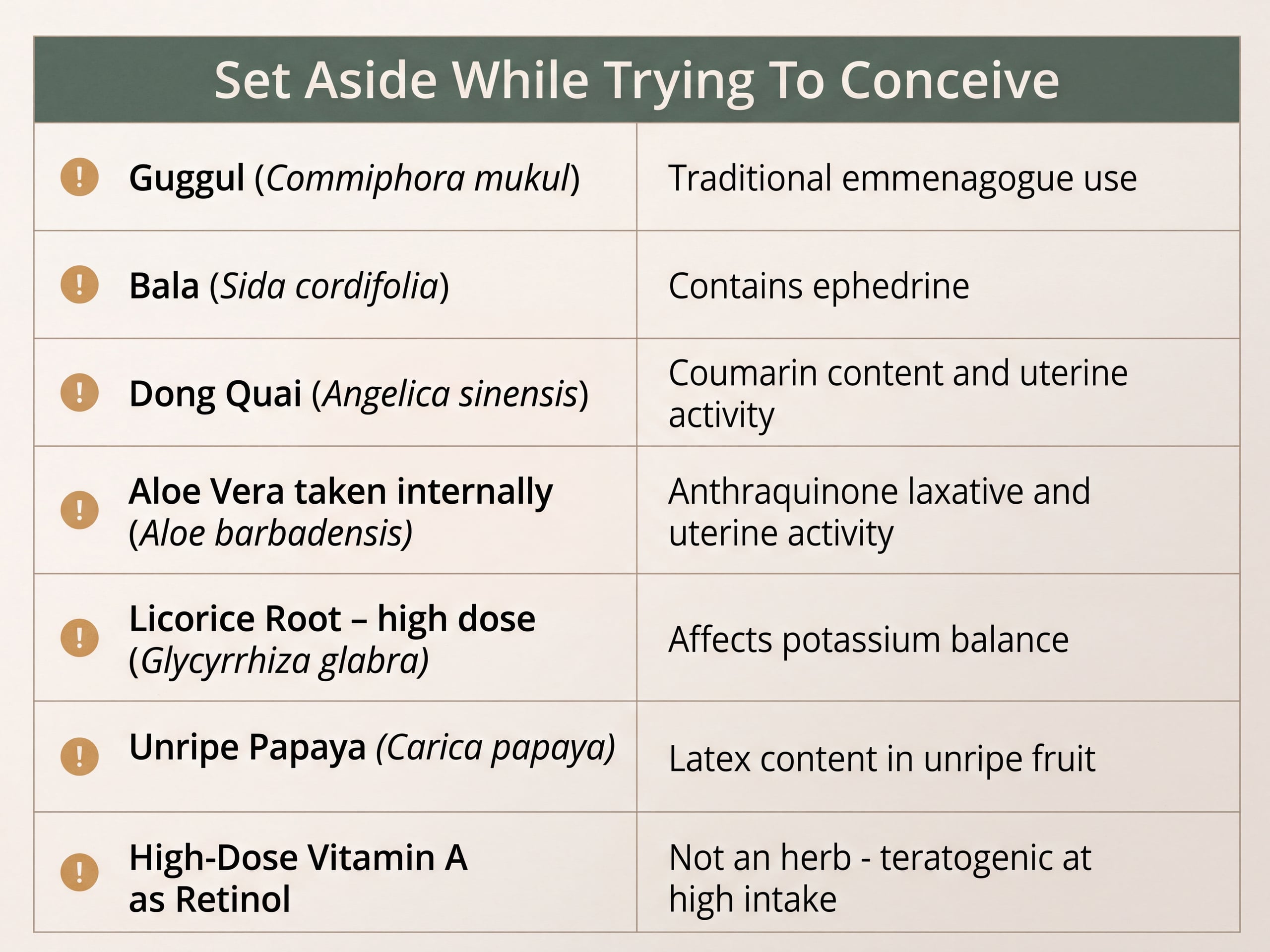
Which herbs should be avoided while trying to conceive?
This list matters more than the recommendation list, and it is missing from most articles on this topic. Several widely sold plants carry either explicit contraindications or an absence of safety data serious enough that traditional and clinical sources converge on caution.
| Herb | Reason for caution |
|---|---|
| Guggul (Commiphora mukul) | Traditional emmenagogue use. Ayurvedic sources advise against it while trying to conceive and during pregnancy and breastfeeding. |
| Bala (Sida cordifolia) | Contains ephedrine. Formal contraindication in pregnancy on both hormonal and cardiovascular grounds, with dose-dependent antifertility activity reported. |
| Dong quai (Angelica sinensis) | Coumarin content and uterine activity. Widely flagged for caution during conception attempts, particularly alongside anticoagulants. |
| Aloe vera taken internally | Anthraquinone laxative activity and uterine stimulation. Topical use is a separate question from internal use, and only internal use is at issue here. |
| Licorice root at high dose (Glycyrrhiza glabra) | Glycyrrhizin affects mineralocorticoid activity and potassium balance. Culinary amounts differ from therapeutic dosing. |
| Unripe papaya (Carica papaya) | Latex content in unripe fruit carries traditional avoidance during conception attempts and pregnancy. Ripe fruit is not the concern. |
| High-dose vitamin A as retinol | Not an herb, but it appears in enough botanical blends to warrant listing. Teratogenic risk at high preformed-retinol intake is well established. |
| Cautions reflect traditional practice and published safety literature. Individual circumstances vary and belong with a qualified provider. | |
Aloe vera appears on many fertility herb lists, including an earlier version of this one, on the strength of its cooling and soothing reputation. Internal use during conception attempts is the part that does not hold up, and we have removed it from the recommended set above rather than carry the contradiction.
Separately, the scoping review by Shepherd et al. (2022) in Phytomedicine is worth reading by anyone who assumes botanicals are neutral by default. Across 125 randomized trials, it concluded that botanicals can be double-edged for the testis, with gossypol and Tripterygium wilfordii specifically detrimental (PMID: 36049429).
How do Chinese herbal formulas compare with Ayurvedic single herbs?
The two traditions answer this question differently, and the difference shows up in the evidence. Ayurvedic practice as it reaches Western consumers is usually single-herb: shatavari, ashwagandha, ashoka, each sold and studied on its own. Traditional Chinese Medicine prescribes multi-herb formulas matched to a diagnosed pattern, which is why the trial literature evaluates formulas as a category rather than individual plants.
That category has the more encouraging aggregate data. The Bayesian network meta-analysis of 23 randomized trials in 2,355 patients with tubal obstructive infertility found acupuncture combined with Chinese herbal medicine ranked highest for pregnancy rate among the interventions compared, with an acceptable safety profile, while noting that higher-quality trials are still needed (Huang et al., 2023, PMID: 37951408).
The practical consequence is that the Chinese herbal result is not portable to a bottle. It depends on a practitioner matching a formula to a pattern, which means the evidence supports the practice rather than any product. Single Ayurvedic herbs are the reverse: easier to buy, easier to study in isolation, and with thinner outcome data.
Do fertility herbs change with age after 35 or 40?
The herbs do not change. The timeline around them does, and that is the part that matters.
Standard clinical guidance is to seek evaluation after 12 months of trying, or after 6 months at age 35 or older. A three-month herbal trial fits inside a 12-month window comfortably. It fits inside a 6-month window much less comfortably, which means that after 35 the sequencing question becomes real: a herbal protocol run before any workup can consume half the recommended window before anyone has looked for a treatable cause.
Ovarian reserve declines with age and no herb addresses that. Where herbs may reasonably fit after 35 is alongside a clinical workup rather than instead of one, and on the male side the ashwagandha semen-parameter data is not age-restricted in the way ovarian reserve is. Searches for herbs for fertility over 40 are common enough to signal real demand, and the honest answer to them is a scheduling answer rather than a botanical one.
Can fertility herbs interact with IVF or fertility medication?
Yes, and this is the highest-stakes practical question on the page. Fertility medications act on the same hypothalamic-pituitary-gonadal axis that hormonally active herbs act on, which is precisely why an herb that does something is an herb that can interfere.
- Vitex acts on prolactin signaling at the pituitary, the same territory as ovulation-induction protocols.
- Phytoestrogenic herbs including red clover and black cohosh introduce receptor-level activity into a cycle that is being pharmacologically controlled.
- Dong quai’s coumarin content is relevant to anticoagulant protocols used in some assisted reproduction contexts.
- Most clinics ask that herbal supplements be disclosed and commonly discontinued before a stimulation cycle or embryo transfer.
- Supplement disclosure to a clinic is not optional information. Herbs are pharmacologically active and belong on the same list as prescriptions.
The general convention among practitioners working alongside assisted reproduction is that most herbs are discontinued once a medicated cycle begins. That decision belongs to the clinic, not to an article.
When should you see a fertility specialist instead?
Before a fourth herb, in most cases. The standard thresholds are 12 months of trying without conception, or 6 months at age 35 or older, and earlier than either if there are known factors such as irregular or absent cycles, endometriosis, prior pelvic surgery, PCOS, thyroid disease, or a known male-factor issue.
A semen analysis is inexpensive, fast, and resolves roughly half the diagnostic question, and it is frequently deferred while herbal protocols run. Male factor contributes to a substantial share of cases, yet the herb-buying in this category skews heavily female. If one clinical step were to precede any herbal protocol in a couple, that is the one worth doing first.
Herbs are reasonable alongside a workup. Substituting them for one is where the real cost shows up, because the cost is measured in months.
Quality, sourcing, and why supplement regulation matters here
Every answer engine we scraped on this topic raised supplement quality unprompted, and the concern is well founded. Herbal products are regulated as foods rather than drugs, which means no premarket demonstration of efficacy and, in practice, wide variance in what is actually in the bottle. Testing of traditional preparations has repeatedly found heavy metal contamination including lead, mercury, and arsenic, along with undeclared pharmaceutical adulterants.
That is not an argument against herbs. It is an argument for knowing your supply chain, and it is where a specific brand claim is worth more than a general one. In our own sourcing work, the questions that actually separate products are narrow: which plant part, from which region, tested by whom, and for what.
- Plant part. Ashwagandha root and ashwagandha leaf are not interchangeable, and the withanolide profile differs. Our organic ashwagandha root powder is whole root from Rajasthan, India, with no leaf material and no extract standardization masking the raw input.
- Species verification. Ceylon cinnamon and cassia are sold under the same common name with different coumarin content. Latin binomials on the label are not pedantry.
- Third-party testing. Heavy metals, microbial load, and identity confirmation are separate tests. A certificate covering one is not a certificate covering all three.
- Manufacturing standards. cGMP-compliant facilities and organizations such as USP and NSF exist because the regulatory floor here is low.
From our hands-on assessment of this category, adulteration risk concentrates in concentrated extracts and proprietary blends, where the input material is hardest to verify. Whole-herb powders are easier to authenticate by sensory and analytical means alike.
Safety considerations and best practices
The rules below apply to every plant named on this page, including the ones with the best evidence.
- Work with a qualified provider. A physician or reproductive endocrinologist can identify underlying conditions. A trained clinical herbalist can address preparation, dosing, and interactions against your actual health profile.
- One variable at a time. Stacking hormonally active herbs makes any outcome uninterpretable and any adverse effect untraceable.
- Disclose everything. Herbs interact with prescription medications, including fertility drugs. Every provider involved needs the full list.
- Respect timing rules. Evening primrose oil before ovulation only. Red raspberry leaf reassessed once pregnancy is confirmed. Most herbs discontinued before a medicated cycle.
- Watch the calendar, not just the bottle. Three months is a reasonable trial. Twelve months of unassisted attempts, or six at 35 and over, is the point where evaluation stops being optional.
- Expect gradual change or none. These are not fast-acting, and several of them, on current evidence, may do nothing measurable for fertility at all.
Frequently asked questions
Which fertility herb has the best scientific evidence?
Ashwagandha (Withania somnifera), and specifically for male semen parameters. A triple-blind randomized trial in 100 men with idiopathic infertility reported improvements in sperm count, progressive motility, and morphology after 90 days of 5 grams per day of root powder (PMID: 29770466). No herb has comparable randomized evidence for female fertility outcomes. Vitex agnus-castus has more total trials, but the meta-analysis of those trials reports high risk of bias.
Are shatavari and ashwagandha safe while trying to conceive?
Safety data for both during active conception attempts are limited, which is different from evidence of harm but should not be read as reassurance. Ashwagandha is the better-studied of the two in men. Both are conventionally used under clinical supervision when pregnancy is possible, and both are generally discontinued once pregnancy is confirmed unless a provider advises otherwise.
What herbs should be avoided when trying to conceive?
The cross-source consensus list includes guggul, bala, dong quai, internally taken aloe, high-dose licorice, unripe papaya, and high-dose preformed vitamin A. Evening primrose oil is a timing case rather than a blanket avoidance, used before ovulation only. Any herb with meaningful hormonal activity belongs in a conversation with your provider before a medicated cycle.
Can herbs help with hormone balance or ovulation?
Some plants act on the pathways involved. Vitex acts on prolactin signaling at the pituitary and has the largest trial body in this area, with acknowledged quality limitations. Adaptogens act on cortisol, which influences gonadotropin signaling indirectly. Supporting a pathway is not the same as restoring ovulation, and anovulation has causes that need identifying rather than supplementing around.
Which herbs may help male fertility and sperm quality?
Ashwagandha has the strongest data. Fenugreek and Nigella sativa were placed in a moderate-evidence tier for testosterone and seminal parameters in the 2019 Journal of Ethnopharmacology review (PMID: 30790614). Tribulus may affect sperm parameters in idiopathic infertility despite not raising serum testosterone. Because spermatogenesis runs about 74 days, any assessment needs roughly 90 days.
How do Chinese herbs compare with Ayurvedic fertility herbs?
Chinese herbal medicine is studied and prescribed as pattern-matched multi-herb formulas, and the aggregate trial data for that approach are stronger than for most single herbs, though formula-dependent (PMID: 37951408). Ayurvedic herbs reach Western consumers as single plants that are easier to buy and study in isolation but carry thinner outcome data. Neither is portable to the other’s format.
Are herbal fertility supplements regulated for quality?
Not in the way medications are. They are regulated as foods, with no premarket efficacy requirement. Independent testing of traditional preparations has found heavy metals and undeclared pharmaceutical adulterants often enough that third-party testing, cGMP manufacturing, and verified plant identity are the practical safeguards available to a buyer.
How long should I give a fertility herb before deciding it is not working?
About 90 days, or three consecutive cycles for cycle-based herbs. That is the duration used in the randomized trials and it matches the roughly 74-day spermatogenesis cycle. If nothing has changed by then, adding a fourth herb is a poorer decision than booking a workup.
Related Reading
Continue with our related articles on ginkgo biloba and female fertility, what tribulus actually does for libido, black maca for men, and ashwagandha for PCOS.
Important: This article is for educational and informational purposes. The statements have not been evaluated by the Food and Drug Administration. The herbs and herbal products discussed are not intended to diagnose, treat, cure, or prevent any disease, including infertility. Information presented here is not a substitute for professional medical advice, diagnosis, or treatment. Always consult a qualified healthcare provider for medical guidance specific to your circumstances, particularly if you are pregnant, nursing, taking medication, or undergoing fertility treatment. Do not delay seeking medical care because of information you have read on this site.