Many people seek natural ways to manage kidney stones. Staying hydrated by drinking plenty of water, about 12 glasses a day, is a primary recommendation. This helps dilute the substances in urine that form stones. Certain dietary changes may also help. Consuming lemon juice and olive oil is a popular home remedy, as the citrate in lemons can help break down calcium stones and prevent their formation. Apple cider vinegar is another option, as its acetic acid is thought to soften and dissolve kidney stones.
Herbal remedies are also widely used. Chanca Piedra, known as the “stone breaker,” is believed to interfere with stone formation and help relax the urinary tract for easier passage. Dandelion root and celery juice act as natural diuretics, increasing urine output to help flush out stones. However, it is vital to speak with a healthcare provider before trying any home remedies, as they can determine the type of kidney stone and recommend the most appropriate treatment.
Understanding Kidney Stones
Kidney stones are hard deposits of minerals and salts that form inside your kidneys. They can affect any part of your urinary tract, from your kidneys to your bladder. The formation of stones happens when your urine contains more crystal-forming substances, such as calcium, oxalate, and uric acid, than the fluid in your urine can dilute.
What Are They Made Of?
While there are several types, most kidney stones are calcium oxalate stones. These form when calcium combines with oxalate in the urine. Uric acid stones, struvite stones, and cystine stones are less common but require different management strategies. Knowing the type of stone is a key part of preventing new ones from forming.
Foundational Home Remedies for Kidney Stones
Before looking at specific herbs, a few fundamental practices provide the greatest benefit for the treatment of kidney stones and their prevention. These methods focus on diluting urine and altering its chemistry to make stone formation less likely.
The Importance of Water Intake
Adequate hydration is the most effective measure you can take. Increasing water intake helps to flush the kidneys and dilute the concentration of minerals that lead to stone formation. The goal is to produce clear or very light-yellow urine, which indicates your system is well-hydrated. Aim for at least 2 to 3 liters of water per day.
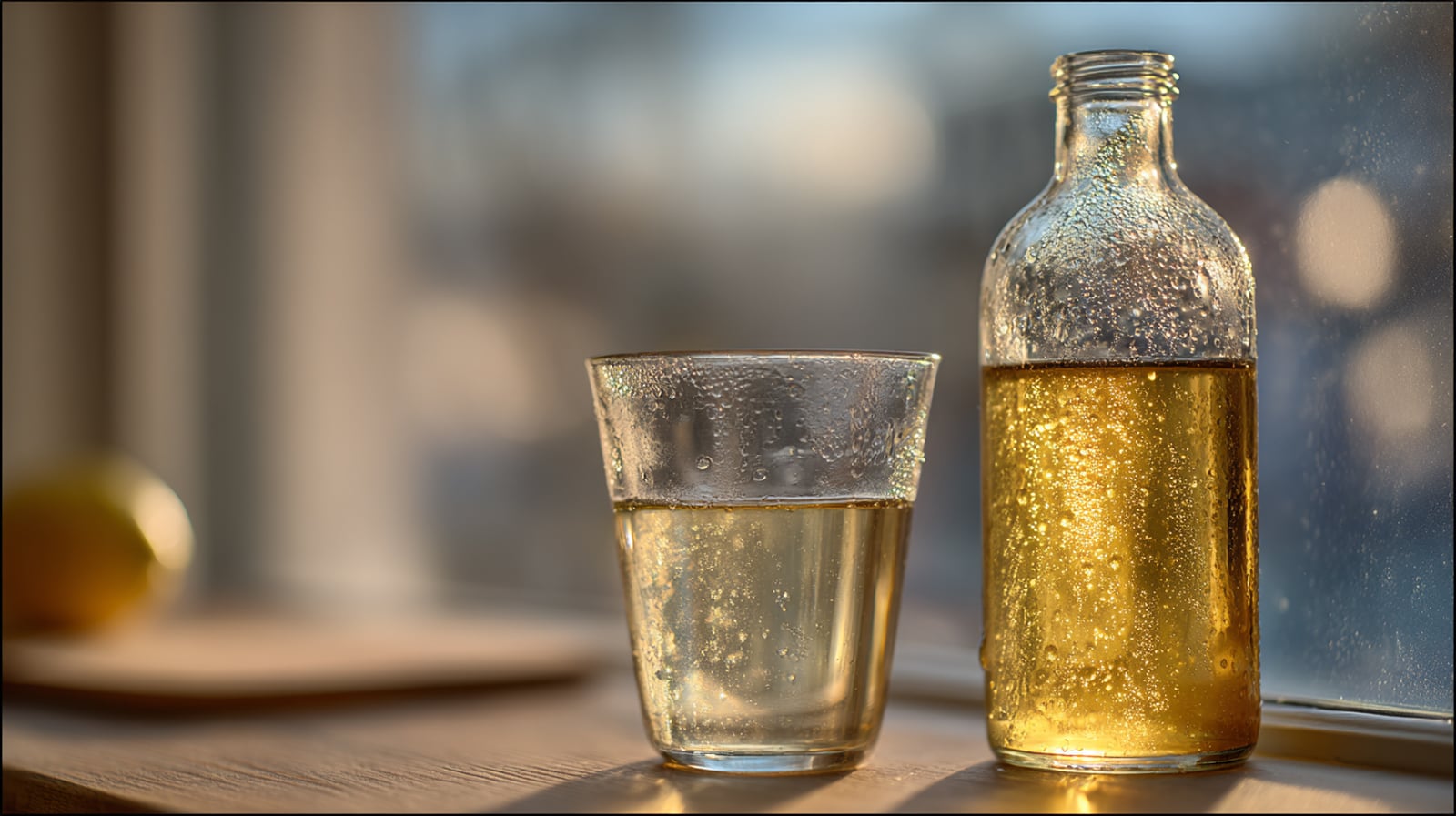
The Role of Citric and Acetic Acids
Certain natural acids play a significant part in managing calcium-based kidney stones. They work by binding with calcium, which helps to prevent the formation of new stones and can assist in breaking down existing small stones.
Lemon Juice
Lemon juice is rich in citrate, a natural inhibitor of calcium oxalate stone formation. Citrate binds to calcium in the urine, reducing the saturation of stone-forming salts. A simple daily habit of adding fresh lemon juice to your water can be a powerful preventative measure.
Apple Cider Vinegar
Apple cider vinegar contains acetic acid. Some believe this acid helps to soften and dissolve kidney stones over time. It also has an alkalizing effect on blood and urine, which can help make the environment less favorable for the formation of certain types of stones.
Therapeutic Herbs for Kidney Health
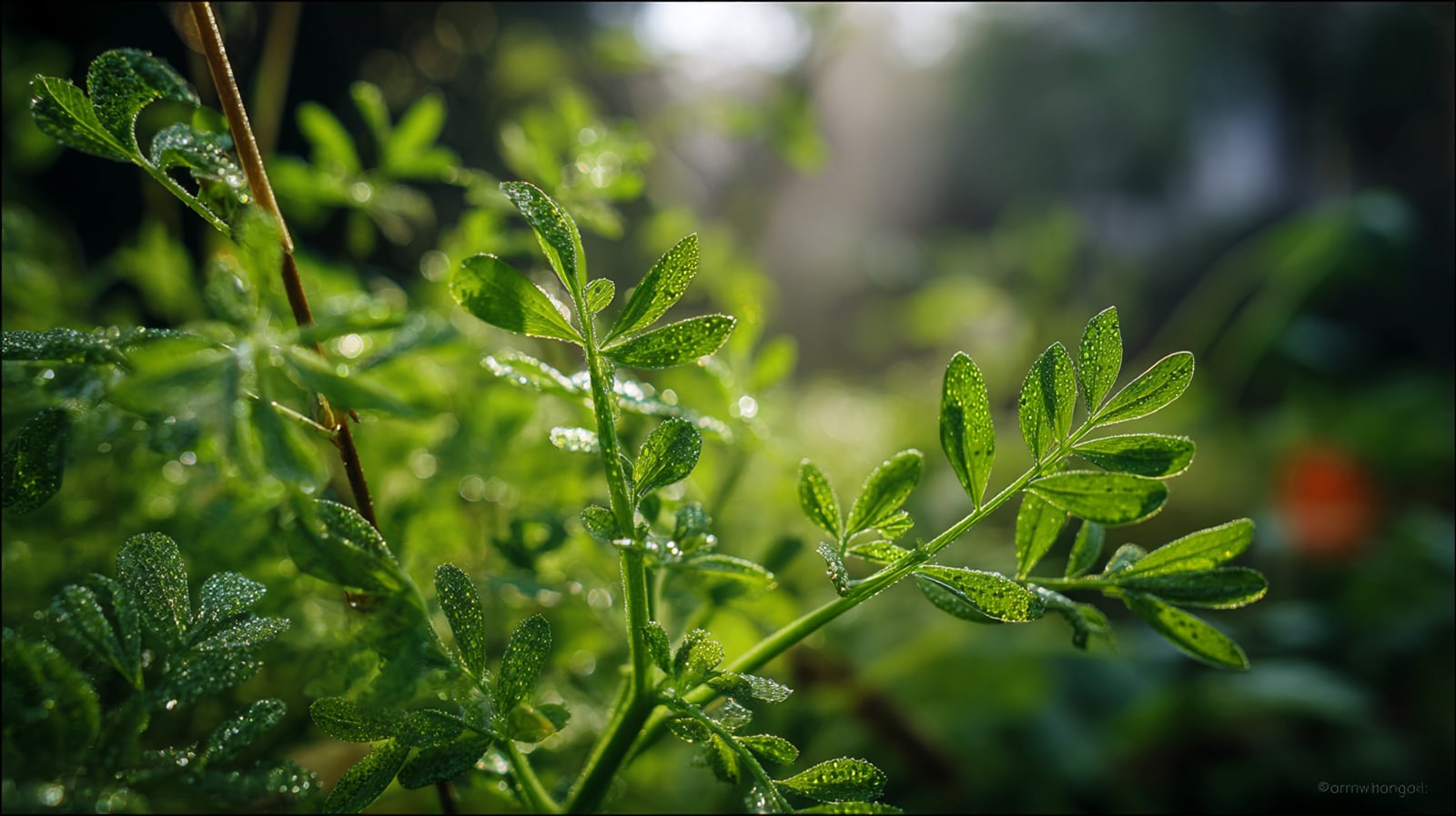
Several herbs have been traditionally used to support kidney function and aid in the passage of stones. These natural treatments for kidney stones often work by increasing urine flow or providing compounds that may interfere with stone formation.
Chanca Piedra: The “Stone Breaker”
Phyllanthus niruri, commonly known as Chanca Piedra or “stone breaker,” is perhaps the most famous herb for kidney health. Traditional medicine systems have used it for centuries. It is thought to work in two ways: by preventing the formation of mineral crystals and by creating a soothing effect on the urinary tract, making it easier to pass stones.
Dandelion Root for Fluid Balance
Dandelion root is a well-known natural diuretic. This means it helps your kidneys produce more urine. This increased output can help flush out small stones and prevent the mineral buildup that leads to new ones. It also supplies potassium, which can be lost with the use of some other diuretics.
Basil’s Acetic Acid Benefits
Basil is more than a kitchen staple; it’s a source of acetic acid, similar to apple cider vinegar. Consuming basil as a tea or juice can introduce this beneficial acid into your system. Basil is also a source of antioxidants and has anti-inflammatory properties that support overall kidney health.
Stinging Nettle as a Diuretic
Stinging nettle has a long history of use for urinary tract issues. It works as a diuretic to maintain fluid flow through the kidneys and bladder. This flushing action helps to clear out mineral crystals before they can grow into larger, more problematic stones.
Supportive Juices and Foods
In addition to water and herbal teas, certain juices can be a helpful part of your kidney stone management plan.
- Pomegranate Juice: This juice is packed with antioxidants and has been shown to lower the acidity of urine, which may help prevent stone formation.
- Celery Juice: Known for its diuretic properties, celery juice helps increase urine output to flush the system. It is also believed to help clear away toxins that contribute to stone formation.
- Wheatgrass Juice: Another powerful diuretic, wheatgrass juice increases urine flow, aiding in the passage of stones. It contains a high concentration of vitamins and minerals that support urinary health.
Dietary Adjustments for Prevention
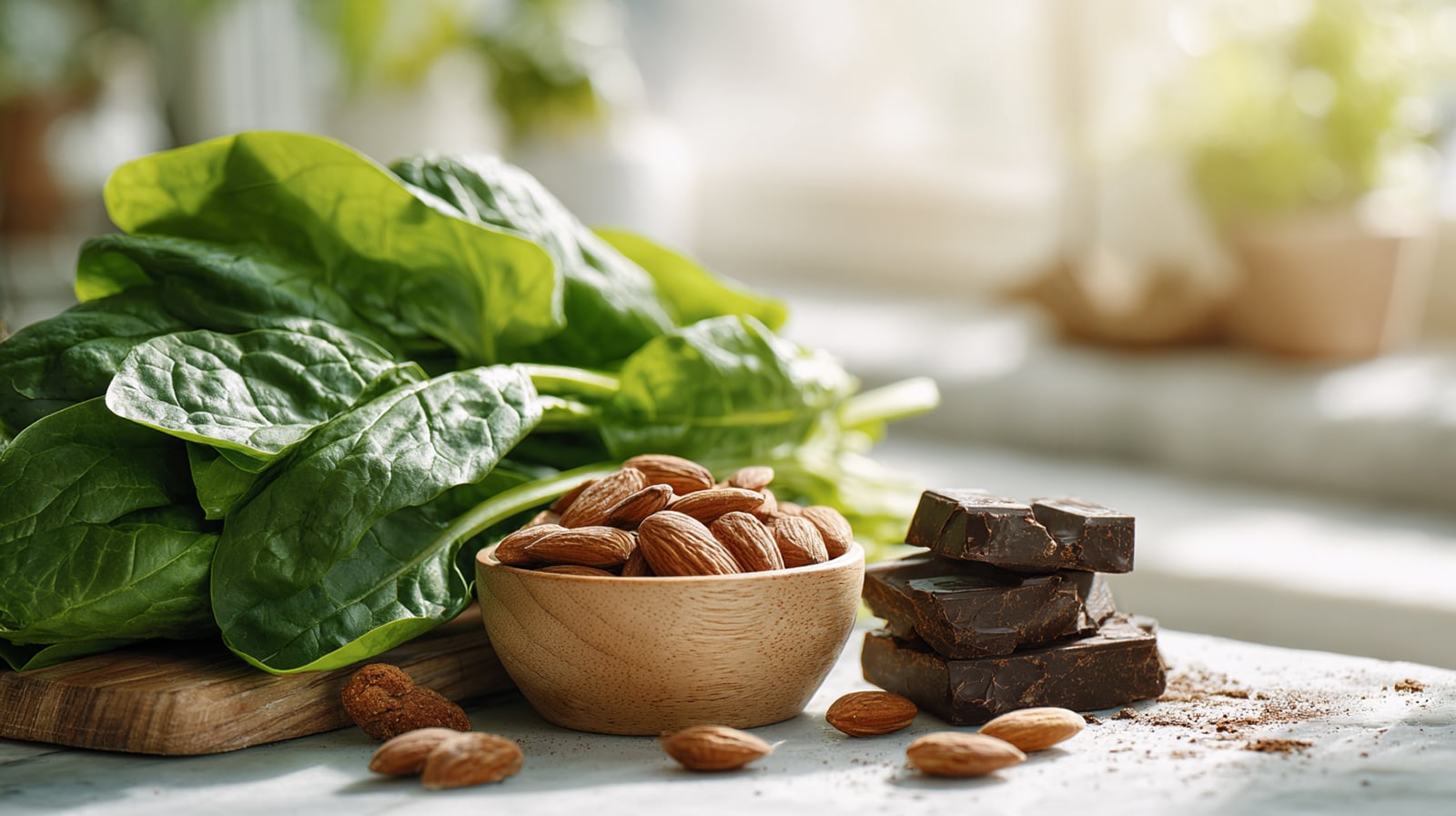
A key part of any long-term plan is making dietary changes to reduce your risk. This often involves limiting your intake of foods high in oxalates, as these can contribute to the most common type of kidney stone.
Moderating High-Oxalate Foods
You may not need to eliminate these foods, but moderation is often recommended. Working with a healthcare provider can help you create a balanced diet. The team at Back To Your Roots Herbs believes in a holistic approach where food is a primary tool for health.
| Food Category | High-Oxalate Examples |
|---|---|
| Vegetables | Spinach, Rhubarb, Beets, Swiss Chard |
| Nuts & Seeds | Almonds, Cashews, Peanuts, Sesame Seeds |
| Legumes | Soybeans, Tofu, Navy Beans |
| Grains | Wheat Bran, Grits, Buckwheat |
| Fruits | Raspberries, Figs, Kiwi |
| Other | Dark Chocolate, Black Tea |
Frequently Asked Questions
- What helps pass kidney stones faster?
- Hydration is the most critical factor. Drinking large amounts of water (2-3 liters) can help flush a small stone out of your system more quickly. Pain management, as advised by a doctor, is also important, as it can help you stay hydrated and active.
- Can herbs dissolve kidney stones completely?
- While some herbs like Chanca Piedra are traditionally used for this purpose and may help break down or prevent the growth of stones, the scientific evidence is still developing. They are best seen as a supportive measure within a comprehensive plan recommended by a healthcare professional.
- How much water should you drink?
- The general recommendation is to drink enough fluid to pass about 2 liters of urine per day. For most people, this means drinking between 8 to 12 glasses of water. Your individual needs may vary based on activity level and climate.
When to Consult a Medical Professional
Home remedies can be very effective for managing small stones and preventing future ones, but they are not a substitute for professional medical care. It is essential to see a doctor to get an accurate diagnosis and rule out any serious complications.
Recognizing Serious Symptoms
Seek immediate medical attention if you have any of the following symptoms, as they could indicate a large stone, an infection, or another serious issue:
- Severe pain in your back, side, lower abdomen, or groin
- Fever and chills
- Nausea or vomiting
- Cloudy or foul-smelling urine
- Blood in your urine
- Difficulty passing urine
A doctor can perform the necessary tests to determine the size, type, and location of the stone and recommend the best course of action. Always discuss any herbal supplements or home remedies with your healthcare provider before starting them, especially if you have other health conditions or are taking medications.