For those seeking ways of alleviating pain naturally, certain herbs offer potential relief. Some of the top options include turmeric, which contains the anti-inflammatory compound curcumin, and capsaicin, the active component in chili peppers, which can desensitize nerve receptors when used topically. Other options often cited are ginger, for its anti-inflammatory effects, and white willow bark, which contains salicin, a compound similar to the main ingredient in aspirin. It is always best to consult with a healthcare professional before using any herbal remedies, as they can interact with conventional medicine and may not be suitable for everyone.
Key Takeaways
- Mechanism of Action: Many effective herbs work by reducing inflammation, which is a primary driver of many types of pain.
- Science is Key: The most reliable herbal relievers are those supported by scientific research that validates their traditional uses.
- Safety First: Natural does not automatically mean safe. Always consult a healthcare provider before starting any herbal supplement to avoid interactions with medications and to ensure it is appropriate for your health condition.
- Quality Matters: The effectiveness and safety of an herb depend heavily on the quality and standardization of the supplement.
The Science of How Botanicals Address Pain
Pain is often the body’s response to inflammation. When tissues are injured or irritated, the body releases chemicals that trigger an inflammatory response, resulting in swelling, redness, and pain. Certain plants contain active compounds that can interfere with these inflammatory pathways. For instance, some natural compounds can inhibit the production of prostaglandins, which are hormone-like substances that play a major role in creating pain sensations. Others work by blocking pain signals from reaching the brain or by desensitizing nerve endings. Understanding these mechanisms helps explain why certain herbs are so effective at alleviating pain.
A Guide to Top Specific Botanicals
Here is a breakdown of several well-regarded herbs, detailing their uses, the science behind them, and how to use them safely.
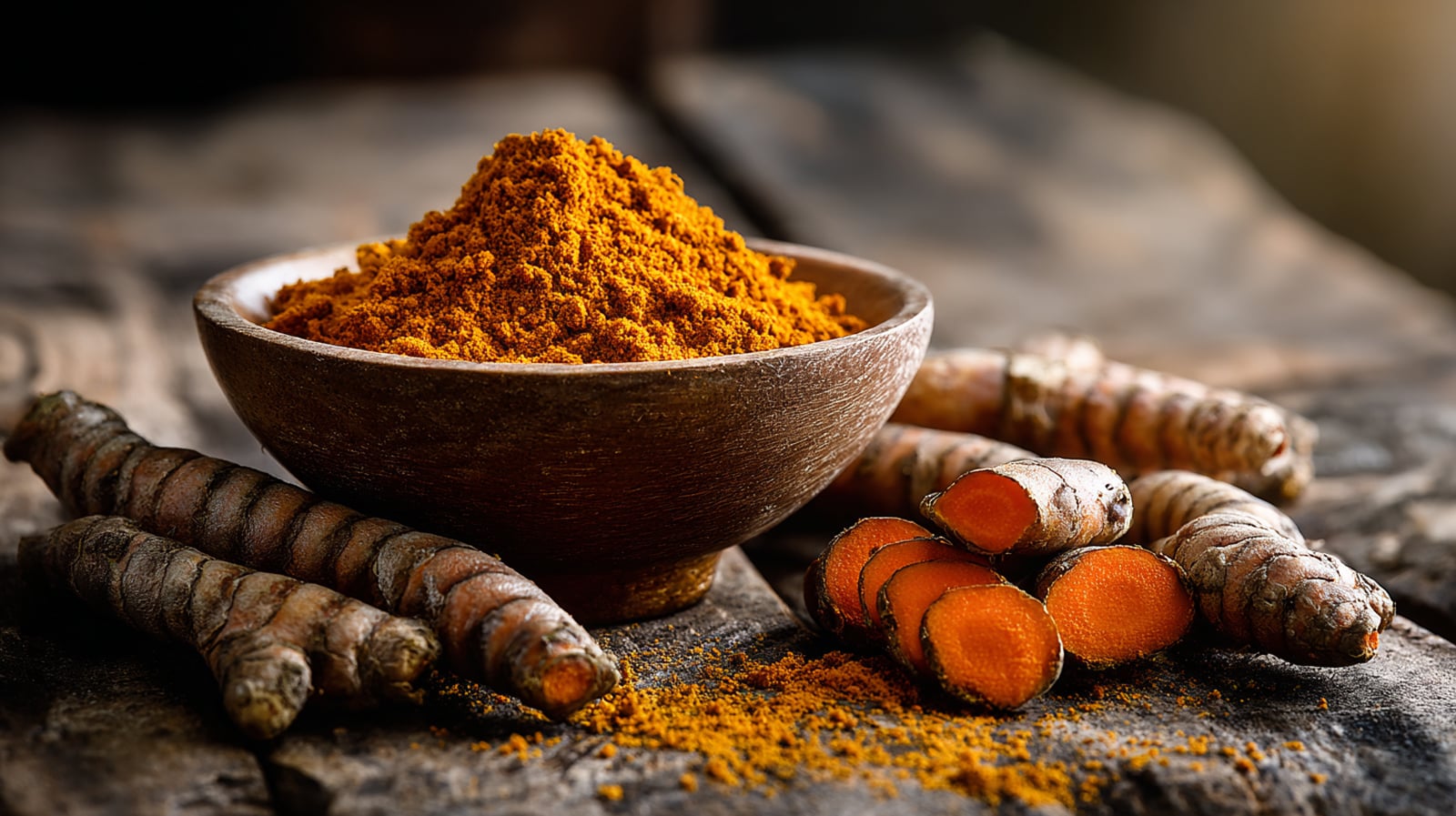
Turmeric (Curcuma longa)
- Best For: Arthritis, joint and knee pain, and conditions related to chronic inflammation.
- The Science: Turmeric’s power comes from its main active compound, curcumin. Research has shown that curcumin is a potent anti-inflammatory agent that can block the action of inflammatory molecules in the body. Some studies have found its effectiveness comparable to that of certain anti-inflammatory drugs for managing osteoarthritis pain.
- How to Use: It can be used as a spice in cooking, brewed as a tea, or taken as a standardized supplement. For better absorption, it should be consumed with black pepper, which contains piperine.
- Safety Note: Generally safe, but high doses might cause digestive issues. People on blood-thinning medication should speak with a doctor before using turmeric supplements.
Ginger (Zingiber officinale)
- Best For: Muscle soreness after exercise, menstrual pain, arthritis, and migraines.
- The Science: Ginger contains compounds called gingerols and shogaols, which have anti-inflammatory and analgesic properties. It works by inhibiting the production of pain- and inflammation-triggering substances in the body.
- How to Use: Fresh or dried ginger can be added to meals, brewed into tea, or taken in capsule form.
- Safety Note: Safe for most people, though it can cause mild heartburn in some. Consult a healthcare professional if you are taking blood thinners.

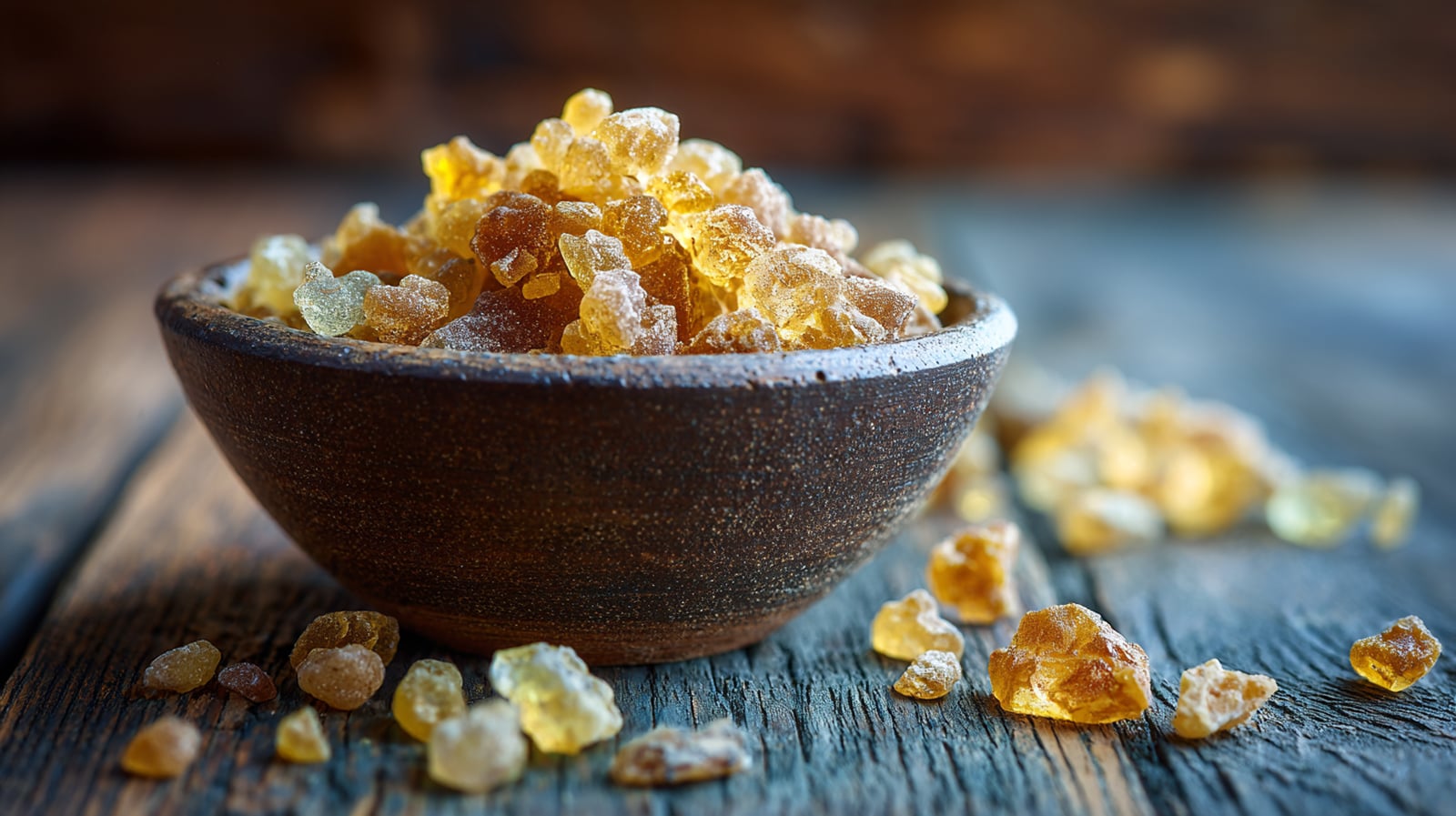
Boswellia (Boswellia serrata)
- Best For: Osteoarthritis, particularly knee pain, rheumatoid arthritis, and inflammatory bowel disease.
- The Science: Also known as Indian frankincense, boswellia contains boswellic acids. These acids are thought to prevent the formation of leukotrienes, which are molecules that can cause inflammation.
- How to Use: Typically available as a standardized resin extract in capsule form.
- Safety Note: It may interact with anti-inflammatory medications. It is best to discuss its use with a healthcare provider.
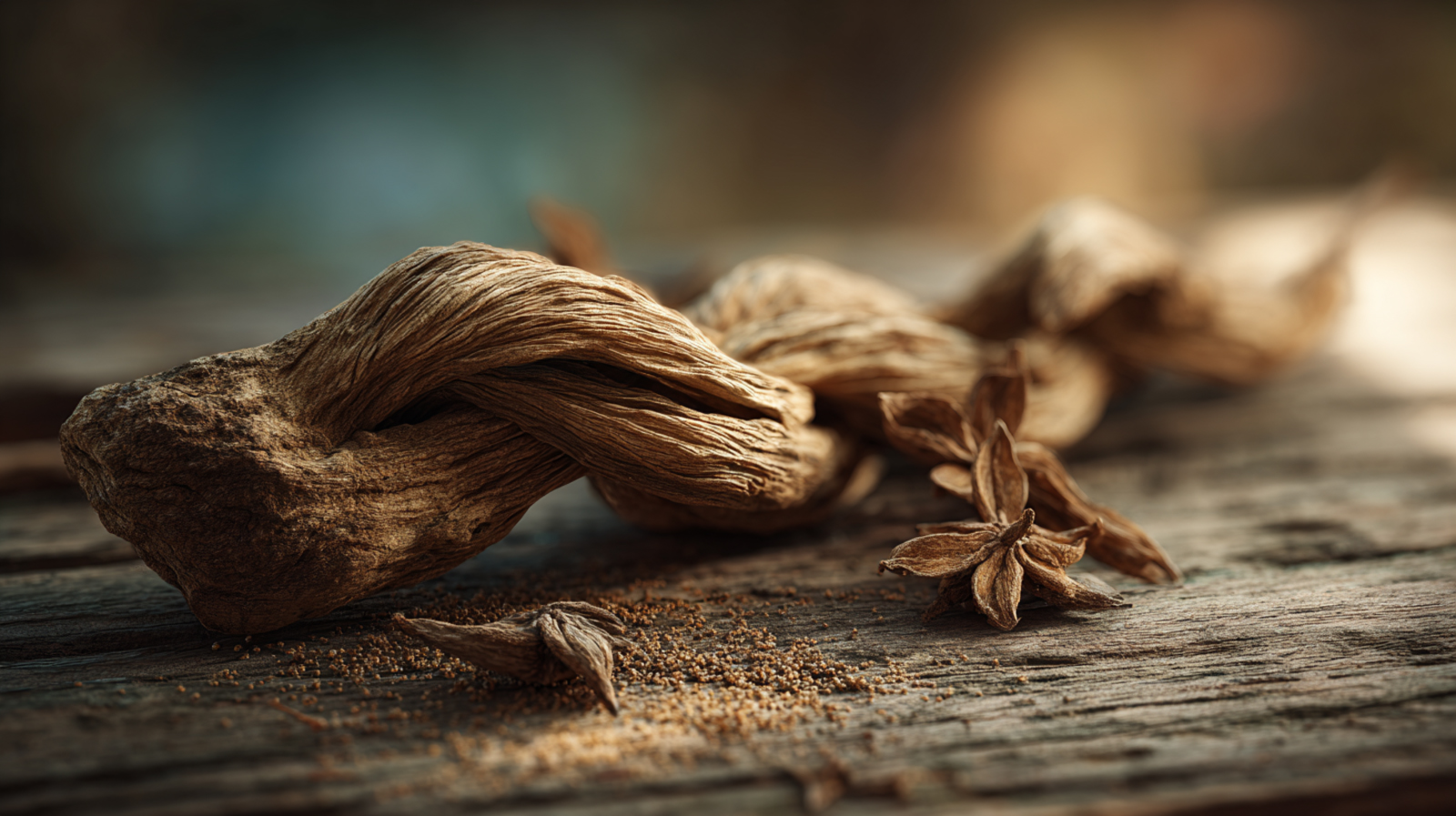
White Willow Bark (Salix alba)
- Best For: Headaches, lower back pain, and musculoskeletal pain.
- The Science: White willow bark is nature’s original aspirin. It contains salicin, which the body converts into salicylic acid. This compound reduces the production of prostaglandins, thus lowering inflammation and pain.
- How to Use: Available as a dried herb for tea, or more commonly, in standardized capsules or tablets.
- Safety Note: Should not be used by individuals with an aspirin allergy, children, or those taking anticoagulant drugs.

Devil’s Claw (Harpagophytum procumbens)
- Best For: Lower back pain and osteoarthritis.
- The Science: This South African plant contains iridoid glycosides, particularly harpagoside, which has demonstrated anti-inflammatory effects in studies.
- How to Use: It is usually sold in capsule or tablet form, standardized to its harpagoside content.
- Safety Note: May interfere with drugs for diabetes and blood pressure. It is not recommended for people with stomach ulcers.
Topical Herbal Applications
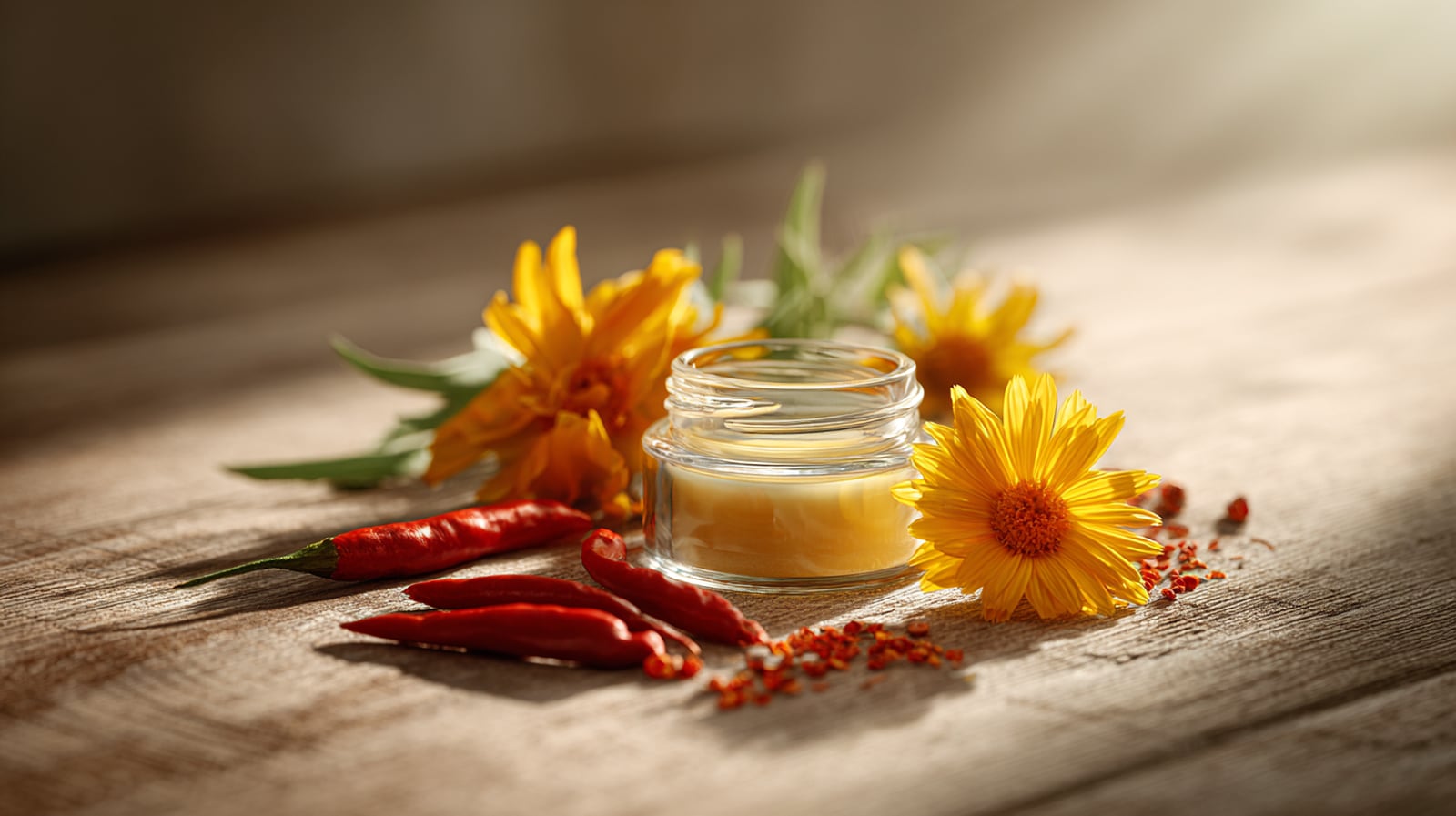
Some of the best natural pain relievers are applied directly to the skin, where they can target localized pain without needing to be processed through the digestive system.
| Herb/Compound | Best For | How It Works | Application |
|---|---|---|---|
| Capsaicin | Nerve pain, shingles, arthritis, and back pain | From chili peppers it temporarily depletes Substance P, a neurotransmitter that sends pain signals to the brain. | A cream or patch is applied to the affected area. |
| Arnica | Bruises, sprains, muscle soreness | Contains compounds that may reduce swelling and inflammation. | Gel or cream is applied topically. Never use on broken skin. |
| Peppermint Oil | Tension headaches, muscle pain | Contains menthol, which has a cooling effect on the skin and can help relax muscles. | Diluted with a carrier oil and massaged into the temples or sore muscles. |
| Eucalyptus Oil | Respiratory congestion, pain, arthritis | Has anti-inflammatory and analgesic properties when applied topically or inhaled. | Diluted and applied to the chest or aching joints. |
Safe Use of Natural Remedies
Using natural products for pain management requires a responsible and informed approach. These botanicals are potent, and their safe use is paramount.
- Consult a Healthcare Professional: Before beginning any new herbal regimen, have a conversation with your doctor or a qualified healthcare practitioner. They can help you understand potential risks and determine if an herb is right for you.
- Be Aware of Interactions with Medicine: Herbal supplements can interact with prescription and over-the-counter medicine. This is especially true for blood thinners (e.g., warfarin), antiplatelet drugs, and NSAIDs (e.g., ibuprofen).
- Source High-Quality Products: The supplement industry is not uniformly regulated. Choose products from reputable manufacturers that follow good manufacturing practices (GMP) and conduct third-party testing for purity and potency. Reputable suppliers, like Back To Your Roots Herbs, often provide transparency about their sourcing and testing.
- Follow Dosage Instructions: Do not exceed the recommended dosage on the product label unless directed by a healthcare provider. More is not always better and can increase the risk of side effects.
- Use Caution in Special Populations: Pregnant or breastfeeding women, children, and individuals with pre-existing medical conditions like liver or kidney disease should be especially cautious with herbal remedies.
Common Questions Answered
- What is the most effective natural anti-inflammatory herb?
- Turmeric is widely regarded as one of the most powerful natural anti-inflammatory herbs due to its active compound, curcumin, which has been extensively studied for its ability to modulate inflammatory pathways.
- Can I take these herbs every day?
- Whether an herb can be taken daily depends on the specific herb, the dosage, and your individual health status. Some, like turmeric, are often used long-term for chronic conditions, while others may be better for short-term use. This should be determined in consultation with a healthcare professional.
- How long does it take for herbal remedies to work?
- Unlike many pharmaceutical drugs, herbal remedies often do not provide instant relief. Their effects are typically more gradual as the active compounds build up in the body and reduce inflammation over time. Consistent use for several weeks may be necessary to notice a significant benefit.
- Can I use herbal remedies instead of my prescription pain medicine?
- You should never stop taking a prescribed medication or replace it with an herbal remedy without first consulting your doctor. Some herbs can be used as complementary therapies to support a conventional treatment plan, but this must be done under medical supervision.