Key Takeaways
- Anacyclus pyrethrum is a perennial root in the daisy family (Asteraceae), native to Morocco and Algeria, known in Ayurveda and Unani practice as Akarkara or Pellitory Root.
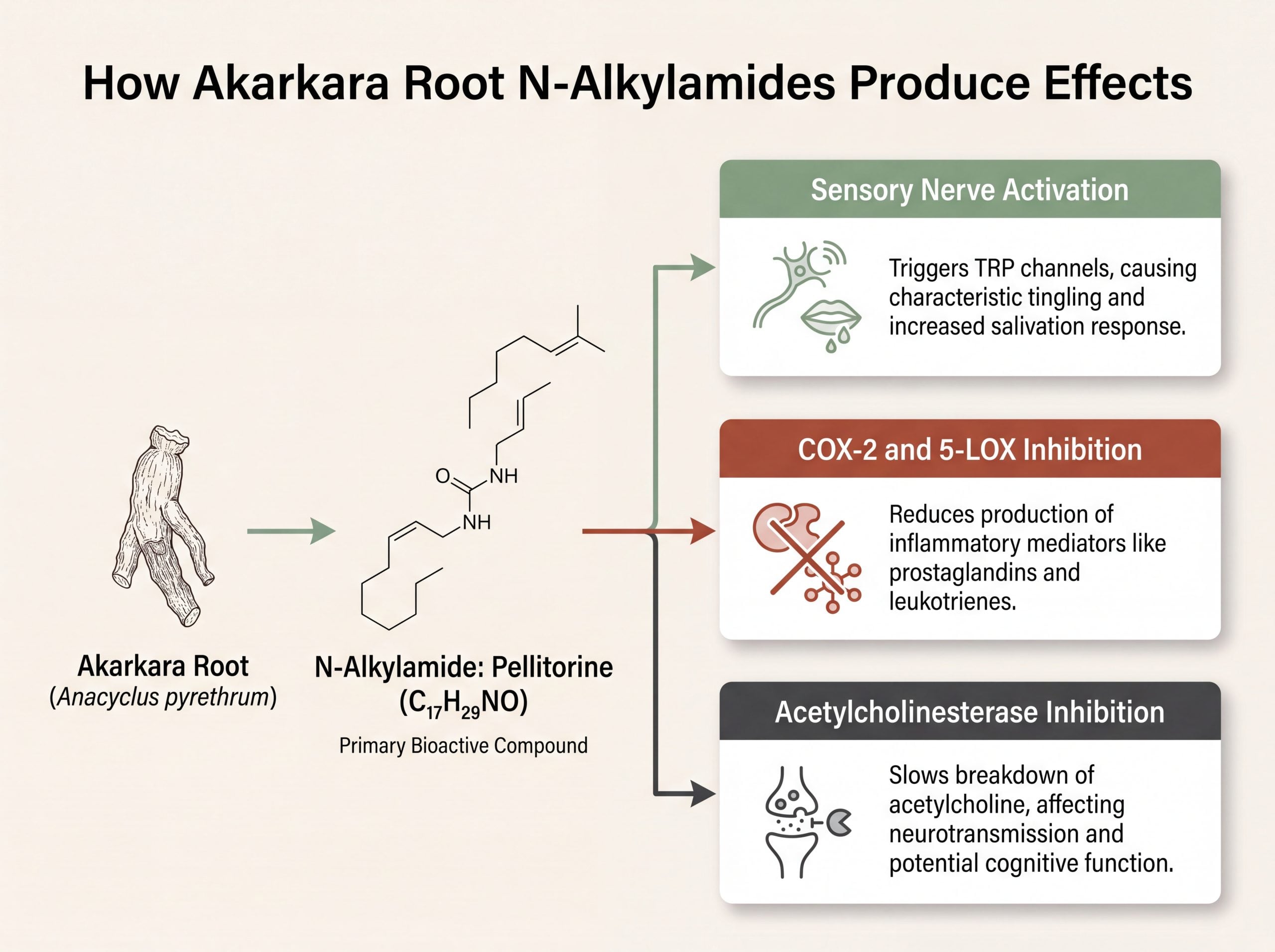
- Its signature compounds are N-alkylamides, principally pellitorine, which produce the tingling, saliva-stimulating sensation the root is known for.
- The testosterone evidence is more mixed than most sources admit. One rodent study found serum testosterone rose, another found the herb raised luteinizing hormone but not testosterone on its own. No human trials exist.
- Rodent studies report improvements in sperm count, motility, and viability, along with changes in mating behavior that persisted for two weeks after dosing stopped.
- Acute toxicity testing in mice put the LD50 above 2000 mg/kg, but liver and kidney changes appeared at high doses, so the dose ceiling matters.
Introduction to Akarkara (Pellitory Root)
Akarkara, scientifically known as Anacyclus pyrethrum (L.) Lag. or Anacyclus pyrethrum DC., is a perennial plant belonging to the Asteraceae family, which also includes daisies and sunflowers. Commonly referred to as Pellitory Root, Spanish Pellitory, or Mount Atlas Daisy, this herb holds a significant place in traditional medicine systems, particularly Ayurveda, Unani, and Siddha. Native to North Africa, the Mediterranean region, and parts of Asia, the root of this plant is the primary part valued for its potent properties.
For centuries, it has been used as a folk remedy for various ailments, earning a reputation as a powerful stimulant and health tonic. This article provides a detailed look at its traditional applications, the scientific research investigating its potential benefits, its active components, and essential information regarding safe usage, dosage, and potential side effects.
Traditional Significance in Herbal Medicine
The use of Akarkara root stretches back centuries, documented in ancient texts and employed by traditional healers across different cultures.
Role in Ayurveda and Unani Systems
In Ayurveda, Akarkara is known for its pungent taste (Katu Rasa) and heating potency (Ushna Virya). It’s considered beneficial for balancing Vata and Kapha doshas, though its heating nature means it can aggravate Pitta dosha if used excessively. Ayurvedic practitioners traditionally use it to address issues like nerve weakness, paralysis, toothache, colds, congestion, and particularly for enhancing male vitality (Vajikarana).
Within the Unani system of medicine (Tibb), Akarkara (Aqarqarha) is classified based on its temperament (Mizaj) as Hot and Dry. It’s highly regarded as a stimulant (Muharrik), aphrodisiac (Muqawwi-i-bah), and nerve tonic (Muqawwi-i-Asab). Unani physicians incorporate it into various formulations like Majoon (electuaries), Tila (liniments), and Sunoon (tooth powders) traditionally applied to conditions ranging from facial palsy and hemiplegia to sexual debility, rheumatism, and dental problems. Its ability to induce salivation (Sialagogue effect) is also well-recognized.
Common Historical Applications
Across various traditional practices, the Akarkara root has been applied for a wide spectrum of conditions:
- Oral and Dental Health: Chewed or applied topically for toothache, gum inflammation (pyorrhea), and strengthening teeth.
- Nervous System Support: Used for paralysis, facial palsy, nerve pain (neuralgia), sciatica, and epilepsy.
- Respiratory Relief: Employed to manage common colds, chronic catarrh, sore throats, and congestion, acting as an expectorant.
- Sexual Health: Widely reputed as an aphrodisiac to improve libido, stamina, and address erectile dysfunction or premature ejaculation.
- Pain and Inflammation: Applied externally or taken internally for rheumatism, arthritis, and other inflammatory joint conditions.
- Digestive Aid: Used to stimulate appetite and improve digestion.
- Fever Management: Sometimes used as a febrifuge, particularly for intermittent fevers.
Potential Health Benefits Investigated
While traditional use provides a strong foundation, modern scientific research, primarily through in vitro (cell-based) and animal studies, has begun to investigate the mechanisms behind Akarkara’s reputed effects. It is important to approach these findings with the understanding that high-quality human clinical trials are often limited.
Effects on Libido and Fertility
This is one of the most cited uses. Traditional systems value Akarkara for enhancing male sexual function. Animal studies support this, suggesting that extracts of the root can:
- Increase libido and mounting frequency.
- Improve sperm parameters (count, motility, viability).
- Potentially elevate testosterone and luteinizing hormone levels. The N-alkylamide compounds are thought to be primarily responsible for these effects. While it is sometimes mentioned for female libido, this application is less documented and studied.
In our editorial review of the primary literature, the animal data here is more specific than most sources report. Sharma and colleagues administered an alkylamide-rich ethanol extract to Wistar rats at 50, 100, and 150 mg/kg for 28 days and measured significant increases in sperm count, motility, and viability, alongside rises in serum testosterone, luteinizing hormone, and follicle-stimulating hormone. Testicular histology showed increased spermatogenic activity, and seminal fructose content also climbed (Sharma et al., 2012, Phytotherapy Research, PMID: 22473789).
A separate study by the same group looked at mating behavior rather than hormones. Using a petroleum ether extract at 50 and 100 mg/kg over 28 days, they recorded a roughly four-fold increase in mount frequency and a three-fold increase in intromission frequency, with reduced mount and intromission latency and a higher penile erection index. The detail worth pausing on is what happened after dosing stopped. Unlike the testosterone-treated control group, the extract-treated animals still showed the behavioral changes 7 and 15 days after treatment ended, which suggests the effect is not a simple short-acting stimulant response (Sharma et al., 2010, Journal of Chinese Integrative Medicine, PMID: 20727332).
More recent work looked at protection rather than enhancement. In rats given cadmium chloride, a heavy metal known to damage sperm through oxidative stress, an Anacyclus pyrethrum root extract at 100 mg/kg restored superoxide dismutase and glutathione peroxidase activity, lowered malondialdehyde, reduced sperm DNA fragmentation on comet assay, and brought testosterone, LH, and FSH back toward baseline (Mahmoud et al., 2024, BMC Complementary Medicine and Therapies, PMID: 39604977).
Every one of these studies is a rodent study. None of them is a human clinical trial. That distinction is not a technicality, and we address what it means for the testosterone question specifically in the next section.
Does Anacyclus Pyrethrum Raise Testosterone? What the Research Actually Shows
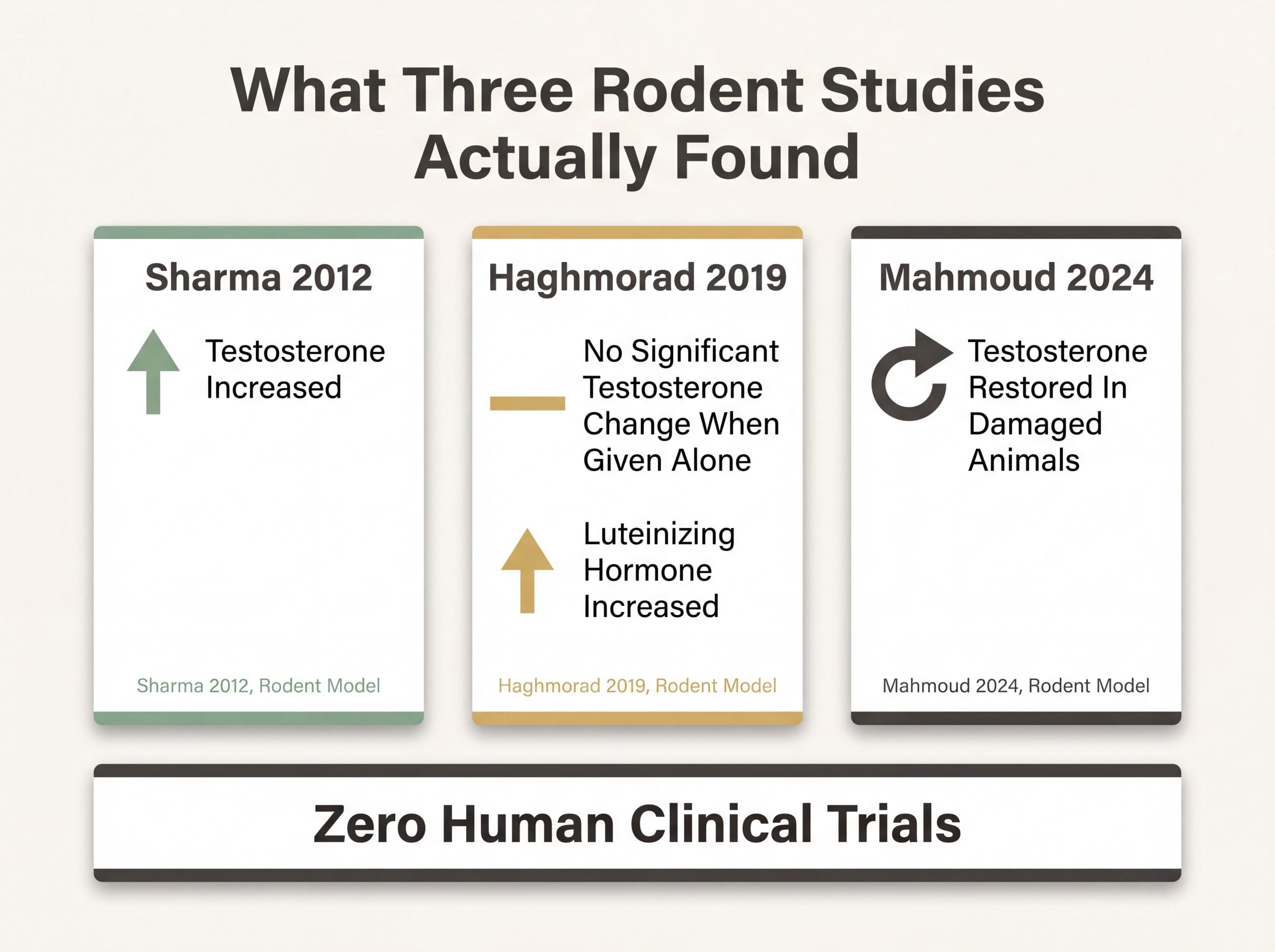
This is the claim the herb is sold on, and it is the claim most sources get wrong by flattening it. The honest position is that the rodent evidence is real, it is mixed, and it depends heavily on which extract was used.
Three studies bear directly on the question, and they do not fully agree.
| Study | Preparation and model | Testosterone finding |
|---|---|---|
| Sharma et al., 2012 (PMID: 22473789) | Alkylamide-rich ethanol extract, 50 to 150 mg/kg, 28 days, healthy Wistar rats | Serum testosterone, LH, and FSH all rose significantly |
| Haghmorad et al., 2019 (PMID: 31626524) | A. pyrethrum extract alone vs. Tribulus terrestris vs. both together, 25 days, Wistar rats | A. pyrethrum alone raised LH but did NOT significantly raise testosterone. Only the Tribulus and combined groups showed a significant testosterone rise |
| Mahmoud et al., 2024 (PMID: 39604977) | Root extract, 100 mg/kg, 56 days, cadmium-intoxicated rats | Restored testosterone toward baseline in damaged animals. This is restoration, not elevation in healthy animals |
| Sources: PubMed. All three studies are animal models. No human clinical trial of Anacyclus pyrethrum on testosterone has been published. | ||
Read together, the picture is coherent even though the headline results differ. The consistent signal across all three is on luteinizing hormone, the pituitary hormone that instructs the Leydig cells in the testes to produce testosterone. Every study that measured LH found it rose. Testosterone itself moved in two of the three, and in Haghmorad’s work it did not move significantly when the herb was given on its own (PMID: 31626524).
What that suggests, and we want to be careful to call this a suggestion rather than a finding, is that Anacyclus pyrethrum may act further upstream on the hypothalamic-pituitary-gonadal axis than the downstream testosterone number alone would reveal. The N-alkylamides are the presumed actors. Whether that upstream activity translates into a meaningful testosterone change in a human being is simply unknown, because nobody has run the trial.
One further detail from Haghmorad’s study is worth carrying: the combination of Anacyclus pyrethrum with Tribulus terrestris outperformed either herb given alone on Leydig cell count, Sertoli cell count, spermatogonia number, and seminiferous epithelial thickness. In Iranian traditional practice, the two are prescribed together, and the study was designed to test exactly that pairing. Readers looking at the Tribulus side of that combination can find our sourcing notes on Tribulus Terrestris capsules, and the wider evidence picture in our guide to herbal supplements studied for testosterone support.
Our position, from reviewing the full body of work: treat Akarkara as a traditionally used male vitality herb with genuine and interesting rodent pharmacology behind it, and treat any confident human testosterone claim you encounter as running ahead of the evidence.
Neuroprotective and Cognitive Effects
Research suggests potential benefits for the nervous system:
- Memory Enhancement: Animal studies indicate that Akarkara extracts might improve learning and memory, possibly through mechanisms like acetylcholinesterase inhibition (similar to some Alzheimer’s medications).
- Anticonvulsant Activity: Extracts have shown effectiveness in reducing seizure severity and duration in animal models of epilepsy, potentially linked to reducing oxidative stress in the brain.
- Neuroprotection: Its antioxidant and anti-inflammatory properties suggest a potential role in protecting against nerve damage, though human evidence is lacking.
Alertness, Recall, and the Cholinergic Mechanism
The cognitive claims attached to Akarkara are usually stated without any mechanism at all. There is in fact a plausible one, and it is enzymatic.
When researchers ran bioassay-guided fractionation on Akarkara root and isolated its major compounds, they identified oleamide, stigmasterol, pellitorine, and 2E,4E-deca-2,4-dienoic acid 2-phenylethyl amide. All of the isolated compounds inhibited acetylcholinesterase and butyrylcholinesterase in vitro. Acetylcholinesterase is the enzyme that breaks down acetylcholine, the neurotransmitter most directly tied to attention and memory consolidation, and inhibiting it is the same broad mechanism used by donepezil. Molecular modelling in the same paper found the compounds docked into the acetylcholinesterase active site with high scores and predicted blood-brain-barrier permeability in the same range as donepezil itself (Ibrahim et al., 2023, BMC Complementary Medicine and Therapies, PMID: 37978514).
Separately, aqueous and methanolic root extracts were tested in a kainic acid seizure model in mice. Pretreatment extended the latency before seizure onset by 78 to 92 percent and reduced c-FOS and GFAP expression in the hippocampus, which are markers of neuronal activation and reactive gliosis (Manouze et al., 2019, Epilepsy Research, PMID: 31710948).
Two cautions belong with this, and they matter more than the mechanism does. First, cholinesterase inhibition demonstrated in a test tube is not the same as improved memory in a person, and no human cognitive trial exists. Second, a plant with documented anticonvulsant and sedative-range activity is a plant with real interaction potential. See the safety section below before combining it with anything.
Anti-inflammatory and Analgesic Properties
Consistent with its traditional use for rheumatism and sciatica, studies show Akarkara possesses:
- Anti-inflammatory Action: Demonstrated in various animal models of inflammation. Mechanisms may involve inhibiting inflammatory pathways like COX and LOX.
- Analgesic (Pain-Relieving) Effects: Both central and peripheral pain-relieving activity has been observed in animal studies. This aligns with its topical use for toothache and joint pain.
Oral Health Benefits
The traditional application for toothache stems from a potential local anesthetic effect attributed to its alkylamides, causing a characteristic tingling or numbing sensation. Its sialagogue property (promoting saliva flow) may also contribute indirectly to oral hygiene by helping cleanse the mouth and buffer acids.
Antimicrobial and Antioxidant Activity
- Antimicrobial: In vitro studies confirm that extracts of the Anacyclus pyrethrum root exhibit activity against various bacteria and fungi, supporting its traditional use in wound healing and for infections.
- Antioxidant: The presence of phenolic compounds and flavonoids contributes significantly to its ability to neutralize harmful free radicals, as demonstrated in laboratory studies. This antioxidant action likely underlies many of its other potential health benefits.
Respiratory and Sinus Support
This is the traditional use most Western readers have never heard of, and it has better primary-literature support than the reputation would suggest. In Algerian folk practice, the root is taken for respiratory infection and for chronic head and nostril catarrh, specifically to encourage the free flow of nasal mucous. The sialagogue action that makes the mouth water appears to extend to the mucous membranes more broadly.
Researchers isolated the hot water-soluble polysaccharide fraction from Anacyclus pyrethrum roots and tested it in mice with airway inflammation induced by house dust mite allergen. At 25, 50, and 100 mg/kg, the polysaccharide fraction reduced circulating leucocytes, and lung histopathology showed clear protection of tissue damaged by the allergen challenge, with the strongest effect at the 50 mg/kg dose. Notably, the response was not linear, and the optimal dose sat in the middle of the range rather than the top (Alliouche Kerboua et al., 2021, Journal of Ethnopharmacology, PMID: 34364970).
The systematic review of the species likewise records colds among its documented traditional applications alongside rheumatism, sciatica, neuralgia, and paralysis (Elazzouzi et al., 2022, Plants, PMID: 36235444).
The practical read for anyone considering it: the mechanism under study here is anti-inflammatory and mucous-mobilizing, and the work is in mice. It is a traditional use with an emerging experimental rationale, not a respiratory therapy.
Other Investigated Areas
- Immunostimulant Effects: Some studies suggest it can enhance immune system activity.
- Antidepressant/Anxiolytic: Animal models indicate potential mood-lifting and anxiety-reducing effects.
- Antidiabetic Potential: Preliminary animal research suggests it might help lower blood glucose levels.
- Diuretic Action: Observed to increase urine output in animal studies.
Three further areas recur in the literature and deserve more than a passing mention.
Digestion and appetite. The root is classed as a sialagogue, meaning it stimulates salivary secretion, and this is the most reliably reproduced pharmacological property it has. In traditional practice, the digestive application follows directly from that: saliva is the first stage of digestion, and a root that provokes it was understood to prime the whole sequence. The systematic review records its use for stomach ailments across both Ayurvedic and Unani traditions (PMID: 36235444).
Inflammation. The isolated compounds inhibited both COX-2 and 5-LOX, the two principal enzymatic routes to inflammatory mediators, and suppressed secretion of TNF-alpha, IL-1 beta, and IL-6 in activated macrophages (PMID: 37978514). This dual COX and LOX profile is uncommon among culinary and medicinal roots, and it is the most mechanistically interesting thing about the plant after the alkylamides.
Antioxidant capacity. When six traditional aphrodisiac plants were compared head to head, Anacyclus pyrethrum roots carried the highest total flavonoid content of the group at 156.58 micrograms of catechin equivalent per gram (Riaz et al., 2017, Journal of Biological Regulators and Homeostatic Agents, PMID: 28685547). It did not top the radical-scavenging assay, where Mucuna pruriens led, so high flavonoid content and high scavenging activity are not the same thing and should not be reported as if they were.
Active Phytochemical Constituents
The medicinal properties of Akarkara root are attributed to its complex chemical composition. The most significant group of compounds are:
- N-Alkylamides: These are the hallmark compounds, responsible for the root’s pungent taste and tingling sensation. Key alkylamides include pellitorin (also referred to as pyrethrum in some contexts, though distinct from commercial insecticide pyrethrins), anacycline, and various isobutylamides. These compounds are strongly linked to the aphrodisiac, neuroprotective, analgesic, and bioavailability-enhancing effects.
- Phenolic Compounds & Flavonoids: Contribute to the antioxidant and anti-inflammatory actions.
- Tannins: Possess astringent properties.
- Volatile Oils (Essential Oil): Contain aromatic compounds contributing to its overall profile.
- Other Components: Include saponins, sterols, triterpenes, coumarins, gums, and polysaccharides like inulin.
The specific profile of these compounds can vary based on the geographical origin, harvest time, and storage conditions of the plant material.
Forms and Preparations
Akarkara root is utilized in several forms within herbal practices:
- Dried Root Powder: The most common form for internal consumption, often mixed with honey, milk, or ghee.
- Decoction: A water extract made by boiling the root.
- Tincture: An alcohol-based extract.
- Medicated Oil (Tila): The root is infused in a carrier oil (like sesame oil) for external application, particularly for massage in cases of paralysis or joint pain, or for enhancing male organ health.
- Paste (Qairooti/Lepam): Made by grinding the root with a liquid for topical application.
- Polyherbal Formulations: Frequently included as a key ingredient in complex Ayurvedic and Unani formulas designed for vitality, pain relief, or dental health.
- Dentifrices: Added to tooth powders or pastes.
Can You Drink Akarkara as a Tea?
Yes, and the traditional preparation is a decoction rather than an infusion. The distinction matters. An infusion means steeping in water taken off the boil, which is right for leaves and flowers. A decoction means simmering the material in water, and roots need it, because the constituents sit in dense woody tissue that a short steep will not open.
The practical method used traditionally is a small quantity of dried root, typically a gram or less, simmered gently in water for 10 to 15 minutes and then strained. The taste is the first thing anyone notices. It is pungent, and it produces a distinct tingling numbness on the tongue and lips, followed by a strong flow of saliva. That sensation is not a fault in the preparation. It is the N-alkylamides, principally pellitorine, acting on the sensory nerve endings, and it is the traditional marker that the root is genuine and potent. A root that produces no tingle is a root worth questioning.
Two practical notes from our own handling of alkylamide-rich roots. Powder stirred into water is not a tea, and it delivers a different and less predictable dose than a strained decoction, because you swallow the whole material rather than a water extract of it. And the tingling is dose-related, which makes it a rough but real feedback signal. If your mouth is burning rather than tingling, you have used too much.
Understanding Safety and Dosage
While Akarkara offers potential benefits, safe usage is paramount. It possesses potent biological activity, and improper use can lead to adverse effects.
Recommended Dosage Considerations
There is no universally accepted medical dosage for Akarkara. Traditional dosages vary widely, and scientific validation through human trials is lacking.
- Traditional Powder Dose: Commonly cited ranges are between 125 milligrams and 1 gram per day, sometimes up to 3 grams, often divided into smaller doses. FSSAI (Food Safety and Standards Authority of India) suggests 100-250 mg of powder for adults in nutraceuticals.
- Form Dependency: The appropriate amount depends heavily on the preparation (powder, extract, decoction) and individual factors like age, health status, and the condition being addressed.
- Professional Guidance: It is strongly recommended to consult a qualified healthcare professional, Ayurvedic practitioner, or Unani hakim before using Akarkara therapeutically. They can advise on appropriate forms and amounts based on individual needs, minimizing risks. Self-medication is discouraged.
Potential Side Effects and Precautions
Akarkara’s heating nature and potent compounds can cause side effects, especially if taken in excess or by sensitive individuals:
- Oral Irritation: Burning sensation, tingling, numbness in the mouth.
- Excessive Salivation.
- Gastrointestinal Issues: Heartburn, acidity, stomach upset, potential aggravation of ulcers or gastritis. Nausea may occur.
- Allergic Reactions: Individuals allergic to plants in the Asteraceae family (like ragweed, marigolds, daisies) may react to Akarkara.
- High Doses: Older texts mention severe effects like bloody stools or profound stupor with very large quantities, though modern toxicity studies suggest a reasonable safety margin at typical doses.
Pregnancy and breastfeeding. Avoid it. We want to be direct about the reasoning rather than issue a reflexive warning, because the reasoning is what is useful. There is no controlled safety data on Anacyclus pyrethrum in human pregnancy or lactation, which on its own is grounds for avoidance in a YMYL context. Beyond the absence of data, the plant carries documented pharmacological activity on hormonal signalling and on the central nervous system, and it produced sedation in mice at high doses. A plant that measurably moves luteinizing and follicle-stimulating hormone in animal models is not a plant to experiment with during pregnancy. Traditional sources across both Ayurvedic and Unani practice also list it as one to avoid in pregnancy, and on this point the traditional caution and the modern absence of evidence point the same direction.
Contraindications (Who Should Avoid Akarkara)
Certain individuals should avoid using Akarkara:
- Pregnancy and Breastfeeding: Due to a lack of safety data and potential hormonal effects.
- Gastritis, Peptic Ulcers, High Acidity: Its heating and irritant nature can worsen these conditions.
- Inflammatory Bowel Disease (IBD): Caution is advised.
- Known Allergy: To Akarkara or other Asteraceae family plants.
- Children: Generally not recommended, especially for very young children (e.g., under 5 years).
Is Akarkara Safe for Children?
We do not recommend it for children, and the honest reason is that nobody knows. There is no pediatric safety data on Anacyclus pyrethrum. No dosing studies, no tolerability studies, nothing. Any dosage figure you find presented as a children’s dose has been extrapolated from adult traditional use, not measured.
Three specific concerns sit behind the recommendation rather than general caution. The acute toxicity work in mice found dose-dependent changes in liver and kidney tissue at the upper end of the range tested, and children have a narrower margin for that kind of organ stress than adults do (PMID: 33776312). The plant has documented central nervous system activity, including sedation at high doses and anticonvulsant effects in seizure models (PMID: 31710948). And the same rodent literature that makes the herb interesting to adult men shows it moving reproductive hormones, which is the last thing anyone should be doing to a developing endocrine system.
Topical or oral folk use for teething and toothache appears in some traditional sources. We would not follow it. The pungency alone is difficult for a child to tolerate, and the safety data that would justify it does not exist.
Potential Interactions
While specific drug interactions are not well-documented through clinical trials, theoretical interactions exist. Consult a healthcare provider if taking medications, particularly:
- Antacids (may counteract Akarkara’s effect on gastric secretion).
- Medications metabolized by specific liver enzymes.
- Anticoagulants (theoretical risk, needs more research).
Toxicity Overview
Acute toxicity studies in rodents generally indicate low toxicity for Akarkara extracts at typical dose ranges, with high LD50 values (the dose lethal to 50% of test animals). However, some studies using very high doses (e.g., 2000 mg/kg body weight) reported potential adverse effects on liver function markers (AST/ALT) and slight sedation or organ changes in animals, highlighting that excessive intake is not advisable. The safety of long-term, continuous use has not been adequately established.
Actual numbers exist for this, and they are more informative than a general caution. Researchers tested hydroethanolic extracts of the roots, seeds, leaves, and flower heads of two varieties of the plant, Anacyclus pyrethrum var. pyrethrum and var. depressus, in Swiss mice at oral doses of 300, 500, and 2000 mg/kg, then observed the animals for 14 days.
No deaths occurred at any dose, and the LD50 was therefore estimated to exceed 2000 mg/kg, which places the root in a relatively low acute-toxicity band. That is the reassuring half of the finding. The other half is more specific and gets less attention. Aspartate aminotransferase, a liver enzyme, rose significantly at doses as low as 300 mg/kg for the root extract. At 2000 mg/kg the mice showed histopathological changes in liver, kidney, and spleen tissue, described as hepatic distress, inflammatory infiltration, focal tubular necrosis, vascular congestion, and lymphoid hyperplasia. Seed and flower-head extracts also produced sedation at the top dose (Jawhari et al., 2021, Veterinary World, PMID: 33776312).
The practical translation is that Akarkara has a wide margin against acute lethality and a much narrower one against organ stress. The relevant question for anyone using it is not “could this kill me” but “am I loading my liver”, and the answer to the second question starts changing at doses well below the dramatic ones. This is a root to use at traditional quantities and not to escalate.
Interaction caution. Given the documented anticonvulsant and sedative-range activity in animal models (PMID: 31710948), anyone taking antiepileptic drugs, sedatives, or CNS depressants should treat combination with Akarkara as an open question and raise it with their prescriber rather than assume it is inert.

Quality and Sourcing
As with many herbal products, the quality of Akarkara root can vary. Sourcing from reputable suppliers who ensure proper identification and freedom from adulterants is important for both efficacy and safety. The concentration of active alkylamides can differ based on origin and handling.
How to Tell Genuine Akarkara From a Substitute
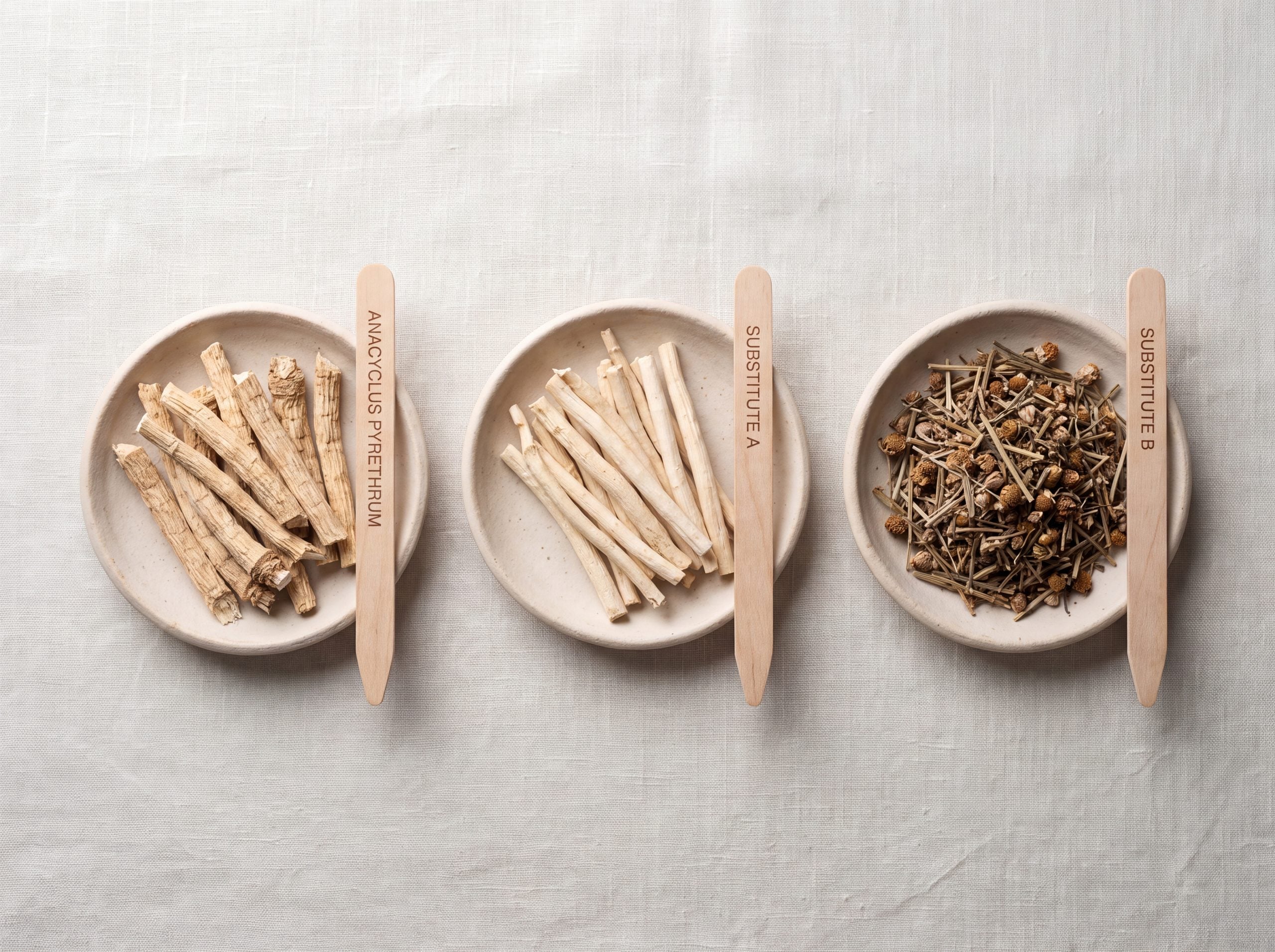
Akarkara is one of the more frequently substituted roots in the trade, and the reason is economic. Anacyclus pyrethrum is native to a narrow range across Morocco, Algeria, and parts of Spain (PMID: 36235444). Wild collection pressure on a slow-growing root with a restricted native range produces exactly the conditions in which cheaper look-alikes enter the supply chain.
From our sourcing experience with alkylamide-bearing roots, these are the checks that actually discriminate.
- The tingle is the test. Genuine Akarkara root produces a pronounced tingling and numbing sensation on the tongue within seconds, followed by a marked flow of saliva. This is the pellitorine and the related N-alkylamides acting directly on sensory nerve endings. A root that tastes merely bitter, woody, or peppery without that distinctive electric tingle is not doing what Akarkara does, whatever the label says.
- Know the common stand-ins. Anacyclus officinarum (German pellitory) is the closest botanical substitute and the hardest to catch by eye. Spilanthes acmella, the toothache plant, produces a similar tingling because it also contains alkylamides, specifically spilanthol, and it is a genuinely useful plant in its own right, but it is not Akarkara and it does not carry the same research profile.
- Ask for the binomial and the variety. A supplier who can name Anacyclus pyrethrum (L.) Lag. and tell you whether the material is var. pyrethrum or var. depressus is a supplier who knows what is in the sack. The acute toxicity study found the two varieties behaved differently in liver enzyme response, so the variety is not a trivial botanical footnote.
- Root only. The root is the part with the traditional and research record. Seed and flower-head extracts produced sedation in the toxicity work at high doses and have a different profile. Material sold as whole-plant powder is not the same product.
For readers weighing this root against better-studied options in the same traditional category, we cover the wider group in our guide to herbs traditionally used as aphrodisiacs.
Frequently Asked Questions About Anacyclus Pyrethrum (Akarkara)
What are the main health benefits of akarkara?
Akarkara is traditionally used to support male vitality, oral and dental comfort, digestion, and respiratory clearance. The strongest experimental support is for its anti-inflammatory activity, where isolated compounds inhibit both COX-2 and 5-LOX, and for its effects on sperm parameters and mating behavior in rodent models. Its most reliable and immediately observable property is that it stimulates saliva, which is why traditional systems classify it as a sialagogue. Human clinical evidence for any of these uses is limited.
How do you use akarkara safely?
Use the root rather than whole-plant material, keep to traditional quantities rather than escalating the dose, and treat the tingling sensation as a dose signal rather than an inconvenience. Acute toxicity testing in mice showed liver enzyme elevation at doses well below the lethal range, so the dose ceiling is about organ stress rather than acute danger. Avoid it in pregnancy and breastfeeding, avoid it in children, and discuss it with a prescriber first if you take antiepileptic drugs, sedatives, or any CNS-active medication.
What are the side effects of akarkara?
The most common effects are a burning or tingling sensation in the mouth, heavy salivation, and stomach irritation if taken in excess. People allergic to plants in the daisy family, which includes ragweed, chrysanthemums, marigolds, and daisies, may react to it, because Anacyclus pyrethrum is an Asteraceae member. In animal studies, high doses produced sedation and dose-dependent changes in liver and kidney tissue (PMID: 33776312).
Can akarkara help with sexual health?
The rodent evidence is genuinely interesting, and the human evidence does not exist. In rats, extracts increased sperm count, motility, and viability, raised luteinizing hormone, and produced a roughly four-fold increase in mount frequency along with a higher penile erection index (PMID: 22473789, PMID: 20727332). Notably, those behavioral effects persisted for one to two weeks after dosing stopped. No human clinical trial has tested Akarkara for sexual function, so it should not be treated as a proven option for erectile dysfunction or infertility.
What is the recommended akarkara dosage?
There is no clinically established human dose. Traditional Ayurvedic and Unani use of the powdered root sits in the range of roughly 250 to 500 milligrams, often taken with honey or warm milk, and rarely above one gram per day. Every rodent study that produced positive results used 50 to 150 mg/kg, which does not translate directly to a human dose. Given that liver enzyme changes appeared in mice at the lower end of the tested range, the sensible approach is to start conservatively and not to escalate in search of a stronger effect.
Does Anacyclus pyrethrum raise testosterone?
The evidence is mixed, and most sources report it more confidently than the data supports. One rodent study found serum testosterone rose significantly with an alkylamide-rich ethanol extract (PMID: 22473789). A second found that Anacyclus pyrethrum given alone raised luteinizing hormone but did not significantly raise testosterone, and that only Tribulus terrestris and the two herbs combined produced a significant testosterone increase (PMID: 31626524). A third showed it restoring testosterone in cadmium-poisoned rats rather than elevating it in healthy ones (PMID: 39604977). The consistent signal across all three is on luteinizing hormone, not testosterone itself. No human trial exists.
Is Anacyclus pyrethrum safe for children?
We do not recommend it for children. No pediatric safety or dosing data exists for this plant. The concerns are specific rather than generic: the acute toxicity work showed dose-dependent liver and kidney changes, the plant has documented central nervous system activity including sedation and anticonvulsant effects, and the same rodent literature shows it moving reproductive hormones, which is not something to do to a developing endocrine system.
How do you tell genuine Akarkara root from a substitute?
Genuine Akarkara root produces a pronounced tingling and numbing sensation on the tongue within seconds, followed by heavy salivation. That is the N-alkylamide content, principally pellitorine, and a root that lacks it is suspect regardless of the label. The common substitutes are Anacyclus officinarum, which is botanically close and hard to catch visually, and Spilanthes acmella, which tingles for a similar reason but is a different plant with a different research record. Ask any supplier for the full binomial, Anacyclus pyrethrum (L.) Lag., and for the variety.
Final Thoughts
Anacyclus pyrethrum (L.) is a fascinating herb with a rich history in traditional medicine, particularly valued for its stimulating effects on vitality, the nervous system, and oral health. Modern research, largely from laboratory and animal studies, provides preliminary support for many of these traditional uses, pointing towards its alkylamides and phenolic compounds as key active constituents.
However, the lack of extensive human clinical trials means that many benefits remain scientifically unproven in humans. Its potent nature necessitates caution; potential side effects like mouth irritation and stomach upset are common, especially with higher doses, and it is unsuitable for certain individuals.
Given the absence of standardized medical dosages and the potential for side effects and interactions, seeking guidance from a qualified healthcare professional or experienced herbalist is essential before incorporating Akarkara into your health regimen. Balancing traditional wisdom with scientific understanding and prioritizing safety allows for the most informed approach to using this powerful botanical.
Related Reading
Continue with these related guides from our editorial team:
- Herbal supplements studied for testosterone support
- Herbs traditionally used as aphrodisiacs
- Herbs traditionally used for male stamina
- Traditional herbal approaches to male libido
Disclaimer
These statements have not been evaluated by the Food and Drug Administration. This product is not intended to diagnose, treat, cure, or prevent any disease. Consult your healthcare provider before use. The research described on this page is drawn substantially from animal and laboratory studies, and animal findings do not reliably predict effects in humans. Further reading on evaluating herbal supplements is available from the National Center for Complementary and Integrative Health and the U.S. Food and Drug Administration. An independent research summary for this plant is maintained at Examine.com.