Key Takeaways
- Cranberry, Vaccinium macrocarpon, has the strongest evidence of any herbal remedy for urinary tract infections, and only for reducing recurrence. In 50 trials with 8,857 people, it lowered the risk of a symptomatic, culture-confirmed UTI by about 30 percent (Williams et al. 2023, Cochrane Database of Systematic Reviews, PMID: 37947276).
- No herb, sugar, or tea has been shown to clear an active bacterial UTI. Antibiotics remain the standard treatment, and delaying care risks a kidney infection.
- D-mannose looked promising in small early studies, but the largest placebo-controlled trial to date, 598 women over six months, found no meaningful benefit (Hayward et al. 2024, JAMA Internal Medicine, PMID: 38587819).
- Uva ursi failed its only large randomized trial for acute symptoms, and its arbutin content is the reason it is limited to short courses (Moore et al. 2019, Clinical Microbiology and Infection, PMID: 30685500).
- Garlic, green tea, parsley, goldenrod, and berberine herbs are supported by laboratory and traditional-use evidence only. None has a human UTI trial behind it.
- See a clinician the same day if you have fever or chills, flank or back pain, nausea or vomiting, blood in the urine, or if you are pregnant. Symptoms that last past 24 to 48 hours need a urine culture, not a stronger tea.
Herbal remedies for urinary tract infections fall into two groups, and this guide separates them from the first paragraph. The first group has human trial data behind it. That group is short: cranberry, with D-mannose and uva ursi as qualified entries. The second group is supported by laboratory studies and long traditional use but has never been tested in people with a UTI. That group includes garlic, green tea, parsley, goldenrod, stinging nettle, marshmallow root, and the berberine-containing herbs. Our editorial team has reviewed the primary literature for every herb on this page and has attached the study behind each claim, because a “Scientific Evidence” heading with no study under it is not evidence.
A urinary tract infection is painful, disruptive, and common. Roughly 75 to 90 percent of uncomplicated cases in women are caused by uropathogenic Escherichia coli, a strain that carries hair-like fimbriae it uses to grip the bladder lining. Every botanical strategy on this page works on that grip, on the urine flow that washes bacteria out, on the bacteria directly, or on the irritated tissue. Understanding which strategy a herb uses tells you what it can and cannot do. A herb that prevents adhesion can lower the odds of the next infection. It cannot remove the one you already have.
How can herbal remedies help with a UTI?
Botanicals used for urinary support act through four mechanisms. In our sourcing experience, customers who understand which mechanism a herb uses make far better decisions about when to use it and when to put it down and call a clinician.
The anti-adhesion strategy
Certain plant compounds make it harder for bacteria to attach to the lining of the bladder and urethra. Without a firm hold, bacteria are washed out during normal urination, which may reduce the chance that they establish themselves and multiply. Cranberry proanthocyanidins and the simple sugar D-mannose both work this way, though on different bacterial structures, and that difference matters when you compare their evidence (Das 2020, Future Journal of Pharmaceutical Sciences, PMID: 33215041).
The diuretic effect
Diuretics increase urine flow. A gentle botanical diuretic keeps the urinary tract flushing, a mechanical action that can help clear bacteria before they multiply enough to cause symptoms. Parsley, goldenrod, stinging nettle leaf, and green tea all have a traditional standing here. The effect is real but modest, and it does not treat an infection that has already taken hold.
The antimicrobial approach
Some herbs contain compounds that slow the growth of or kill certain microorganisms in laboratory testing. Garlic allicin, green tea catechins, arbutin from uva ursi, and berberine all show this activity in a dish. The gap between a dish and a bladder is large. Concentrations that kill bacteria in vitro are often never reached in human urine, and no herb in this group has demonstrated the effect in a controlled human UTI trial.
The soothing, or demulcent, approach
Marshmallow root, Althaea officinalis, and cornsilk from Zea mays contain mucilage polysaccharides that traditional herbalists use to coat irritated mucous membranes. Herbalists reach for them when the main complaint is burning rather than infection. There is no clinical UTI trial on either plant. They are comfort measures that do nothing to the bacteria, and they should be understood that way.
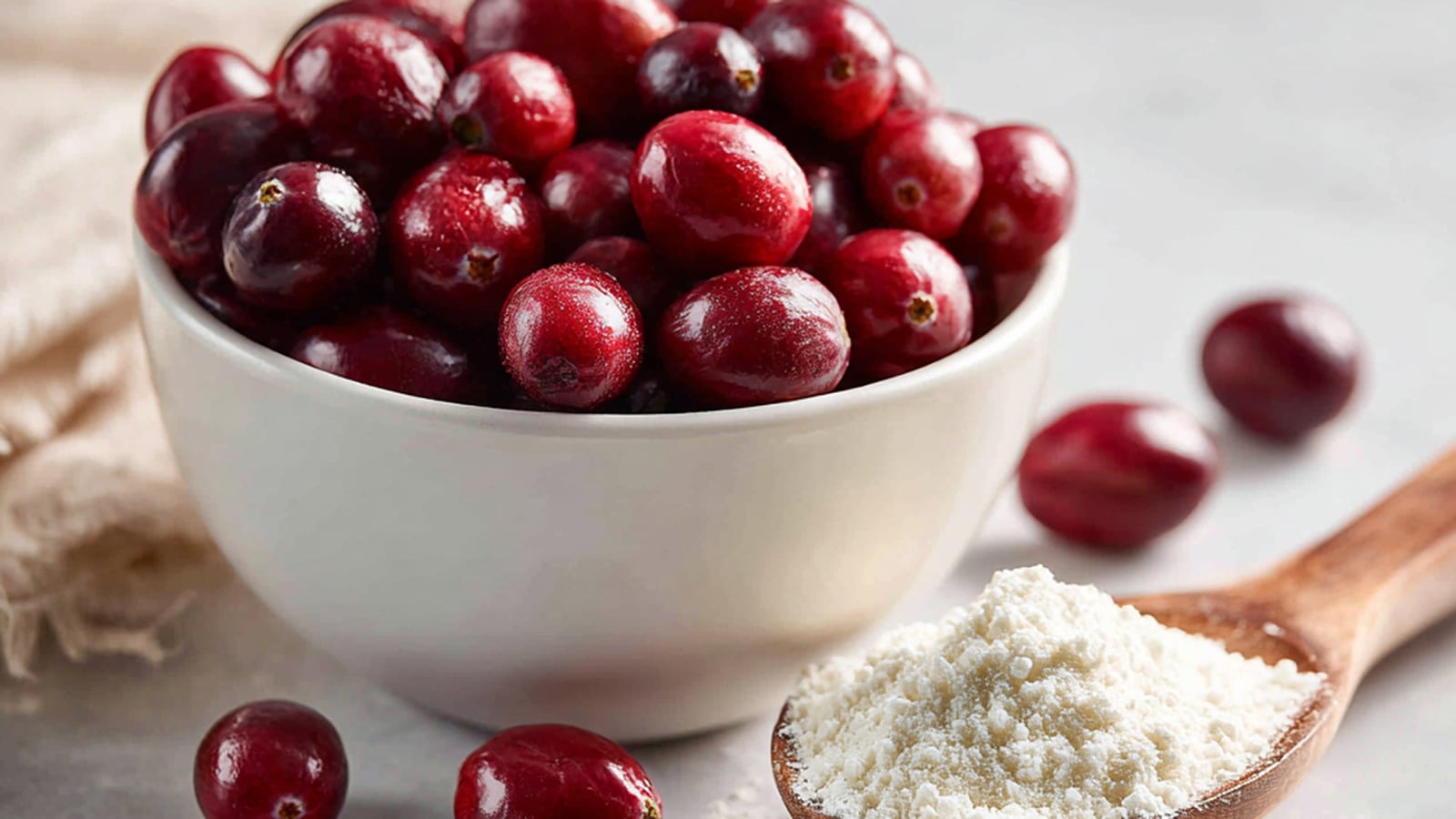
1. Cranberry and D-mannose: the anti-adhesion pair
Cranberry is the only herbal remedy for urinary tract infections with moderate-certainty human evidence, and that evidence is for prevention, not treatment. The 2023 Cochrane review pooled 50 randomized trials with 8,857 participants and found that cranberry products reduced the risk of a symptomatic, culture-verified UTI by about 30 percent overall, with the clearest benefit in women with recurrent infections and in children (Williams et al. 2023, Cochrane Database of Systematic Reviews, PMID: 37947276). The same review found no benefit in elderly people living in care facilities, in pregnant women, or in people with bladder-emptying problems. Cranberry does not clear an infection that has already started.
How it works
Cranberries, Vaccinium macrocarpon, are rich in A-type proanthocyanidins, usually shortened to PACs. PACs interfere with the P-fimbriae that uropathogenic E. coli uses to attach to the bladder wall. D-mannose is a different molecule with a different target. It is a simple sugar that saturates the FimH lectin on the bacteria’s type-1 fimbriae, so the bacteria bind to the free sugar in urine instead of to the bladder lining. Cranberry fruit does contain a little D-mannose, but the fruit’s studied activity comes from the PACs. Treating the two as one remedy, as many articles do, hides the fact that their evidence has gone in opposite directions.
What the research shows
For cranberry, the Cochrane numbers are the reference point. Risk ratio 0.70 overall. Risk ratio 0.74 in women with recurrent UTI. Risk ratio 0.46 in children. Compared with low-dose preventive antibiotics, cranberry products made little or no difference to infection rates in the two trials that compared them, which is a notable finding for a fruit extract, though the certainty of that comparison is low (Williams et al. 2023, PMID: 37947276).
For D-mannose, the story runs in two chapters. A 2020 meta-analysis of three small studies reported a pooled risk ratio of 0.23 against placebo, a dramatic result that drove years of enthusiastic recommendations (Lenger et al. 2020, American Journal of Obstetrics and Gynecology, PMID: 32497610). Then the largest trial ever run on the sugar was reported in 2024. Across 99 UK primary-care centers, 598 women with recurrent UTI took 2 grams of D-mannose or a matching placebo every day for six months. The share who had another medically attended UTI was 51.0 percent on D-mannose and 55.7 percent on placebo, a difference that was not statistically significant. The authors concluded that D-mannose should not be recommended for prophylaxis in this group (Hayward et al. 2024, JAMA Internal Medicine, PMID: 38587819). Our editorial team’s reading is that the early studies were small and optimistic, the large trial was rigorous and flat, and the honest position today is that D-mannose is unproven.
How to use
Pure, unsweetened cranberry juice is one option, but the volume needed is large, and the taste is sharp. Concentrated cranberry capsules or powders deliver the PACs without the sugar load, and the Cochrane review found no clear difference in effect between juice and tablets or between PAC doses. D-mannose is sold as a standalone powder or capsule, typically used at 2 grams daily, which is the dose the 2024 trial tested.
Safety and side effects
Cranberry is well tolerated by most people, and the pooled trials found gastrointestinal side effects no more common than on placebo. Very large amounts can cause stomach upset or loose stools. People with a history of kidney stones should talk to a clinician first, because cranberry can raise urinary oxalate. The NCCIH cranberry fact sheet also notes a possible interaction with warfarin, so anyone on an anticoagulant should not add high-dose cranberry without checking. D-mannose is generally well tolerated, with diarrhea reported in a small share of users.
Myth vs. fact. Myth: a glass of store-bought cranberry juice cocktail will clear a UTI. Fact: most juice cocktails are high in added sugar and low in actual cranberry, and no cranberry product treats an active infection. The trials used unsweetened juice or standardized extracts for prevention only.
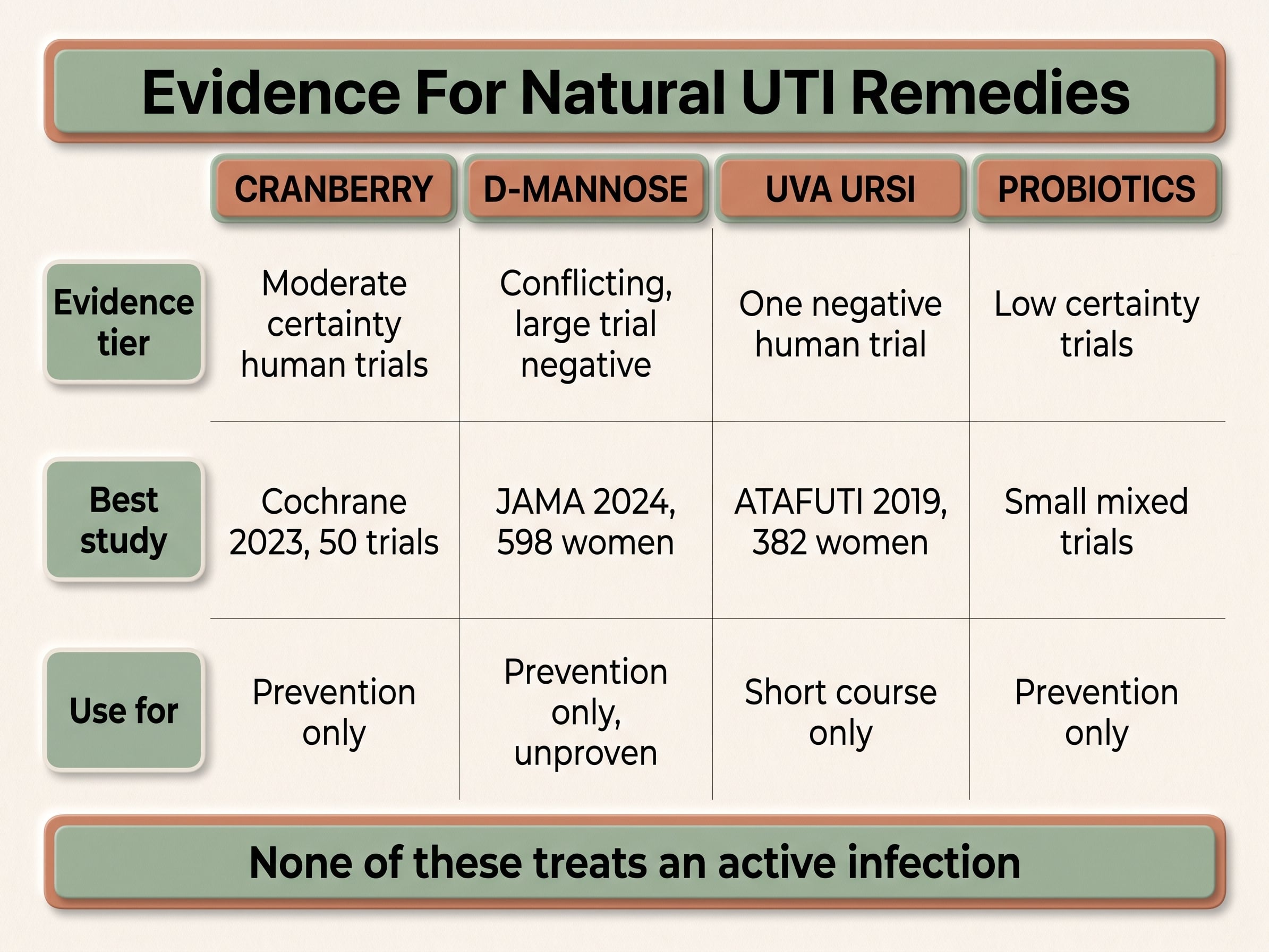
Cranberry vs D-mannose: which has the stronger evidence?
Cranberry has the stronger evidence. It is backed by a 50-trial Cochrane review with moderate-certainty findings, while D-mannose is backed by three small positive studies and one large negative trial. Uva ursi and probiotics are the other two agents people compare against them, so all four sit in the table below with their evidence tier and the one distinction that matters most: whether the evidence is for preventing the next infection or for treating the current one. Nothing in this table treats an active infection.
| Agent | Source and active compound | Mechanism | Best human evidence | Result | Evidence tier | Prevention or active infection |
|---|---|---|---|---|---|---|
| Cranberry | Vaccinium macrocarpon fruit, A-type proanthocyanidins | Blocks P-fimbriae adhesion of E. coli | Cochrane 2023, 50 RCTs, 8,857 participants (PMID: 37947276) | Risk ratio 0.70 overall, 0.74 in women with recurrent UTI | Moderate-certainty human trials | Prevention of recurrence only |
| D-mannose | Simple sugar, found in small amounts in cranberry and other fruit | Saturates FimH on type-1 fimbriae | JAMA Internal Medicine 2024 RCT, 598 women, 6 months (PMID: 38587819) | 51.0 percent vs 55.7 percent recurrence, not significant. Earlier pooled RR 0.23 from three small studies (PMID: 32497610) | Conflicting. Large trial negative | Prevention only, and unproven |
| Uva ursi | Arctostaphylos uva-ursi leaf, arbutin | Arbutin converts to hydroquinone, a urinary antiseptic in vitro | ATAFUTI 2019 RCT, 382 women with acute symptoms (PMID: 30685500) | No difference from placebo in symptom score or antibiotic use | One negative human trial; in vitro support | Short-term use at symptom onset only, never long-term prevention |
| Probiotics | Lactobacillus species, live cultures | Competitive exclusion of uropathogens in the vaginal and urinary flora | Multiple small trials, summarized in Das 2020 (PMID: 33215041) | Inconsistent, strain-dependent | Low-certainty human trials | Prevention only |
| Sources: Williams et al. 2023 (PMID: 37947276), Hayward et al. 2024 (PMID: 38587819), Lenger et al. 2020 (PMID: 32497610), Moore et al. 2019 (PMID: 30685500), Das 2020 (PMID: 33215041). Compiled by the Back To Your Roots Herbs Editorial Team. | ||||||
For readers whose real question is how to stop infections coming back month after month, the biofilm and recurrence strategy is covered in depth in our guide to herbs for bladder infection. This page stays on the evidence for each herb.
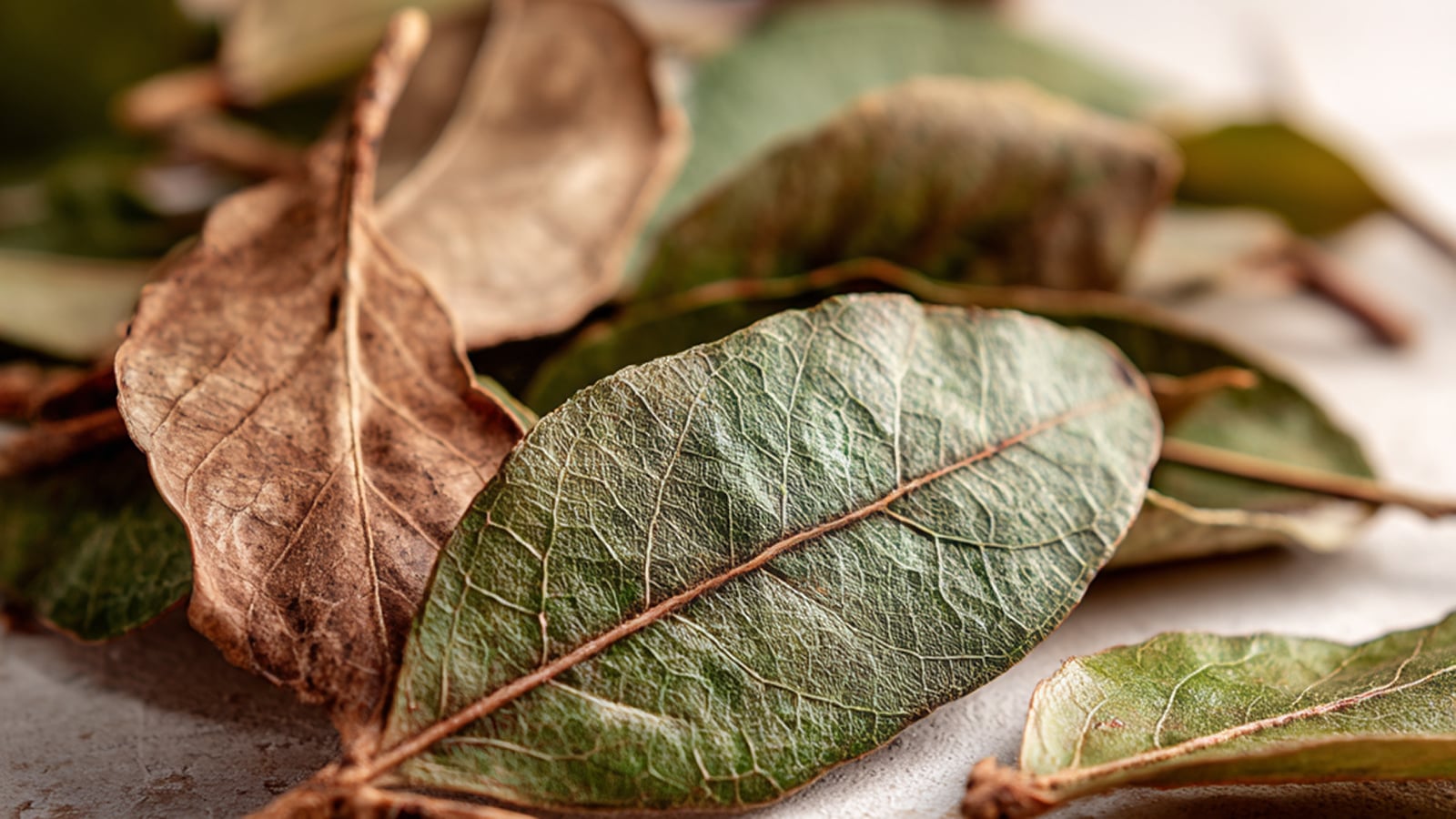
2. Uva ursi, or bearberry leaf: the traditional short-course herb
Uva ursi, Arctostaphylos uva-ursi, has been used by European and North American herbalists for centuries as a short-term urinary herb, and it remains one of the most requested botanicals in this category. Its reputation rests on arbutin. Its evidence rests on one large trial, and that trial was negative.
How it works
Uva ursi leaf contains arbutin, a glycoside that the body converts to hydroquinone. Hydroquinone excreted into alkaline urine shows antimicrobial activity against E. coli and other uropathogens in laboratory testing, which is why traditional texts describe uva ursi as a urinary antiseptic. Acidic urine blunts the conversion, so herbalists historically paired it with an alkaline diet and advised against taking it alongside vitamin C or cranberry.
What the research shows
The ATAFUTI trial is the study to know. In UK primary care, 382 women aged 18 to 70 with symptoms of an uncomplicated UTI were randomized to uva ursi extract or placebo, with a delayed antibiotic prescription available to everyone. On days 2 to 4, there was no difference in frequency of symptoms between uva ursi and placebo. Antibiotic use was 39.9 percent on uva ursi versus 47.4 percent on placebo, a gap that did not reach statistical significance (Moore et al. 2019, Clinical Microbiology and Infection, PMID: 30685500). No safety problems and no kidney infections were recorded. An accompanying editorial in the same journal titled the finding plainly: uva ursi and ibuprofen “not ready for primetime” as antibiotic-sparing agents (Datta and Juthani-Mehta 2019, PMID: 31035018). In vitro activity is real. A clinical benefit has not been shown.
Why uva ursi is for short courses, not prevention
Unlike cranberry, uva ursi is not used for long-term prevention. Hydroquinone is the reason. It is the same compound that carries liver and kidney concerns at sustained doses, so herbal monographs restrict uva ursi to short courses, typically no more than one to two weeks and no more than a few courses per year. From our hands-on assessment of customer questions, the most common mistake with this herb is treating it like a daily supplement. It was never meant to be one.
How to use
Uva ursi is typically taken as a tea, capsule, or tincture at the first sign of urinary discomfort, for a few days only, while arranging a clinical assessment. Some traditional sources suggest that alkaline urine improves its activity, which can be supported by a diet high in vegetables and fruit during the course.
Safety and side effects
Uva ursi should not be used by people who are pregnant or breastfeeding, by children, or by anyone with kidney or liver disease. Use beyond two weeks is discouraged. Side effects can include nausea, stomach upset, and dizziness. It should not be combined with other hydroquinone-containing products.
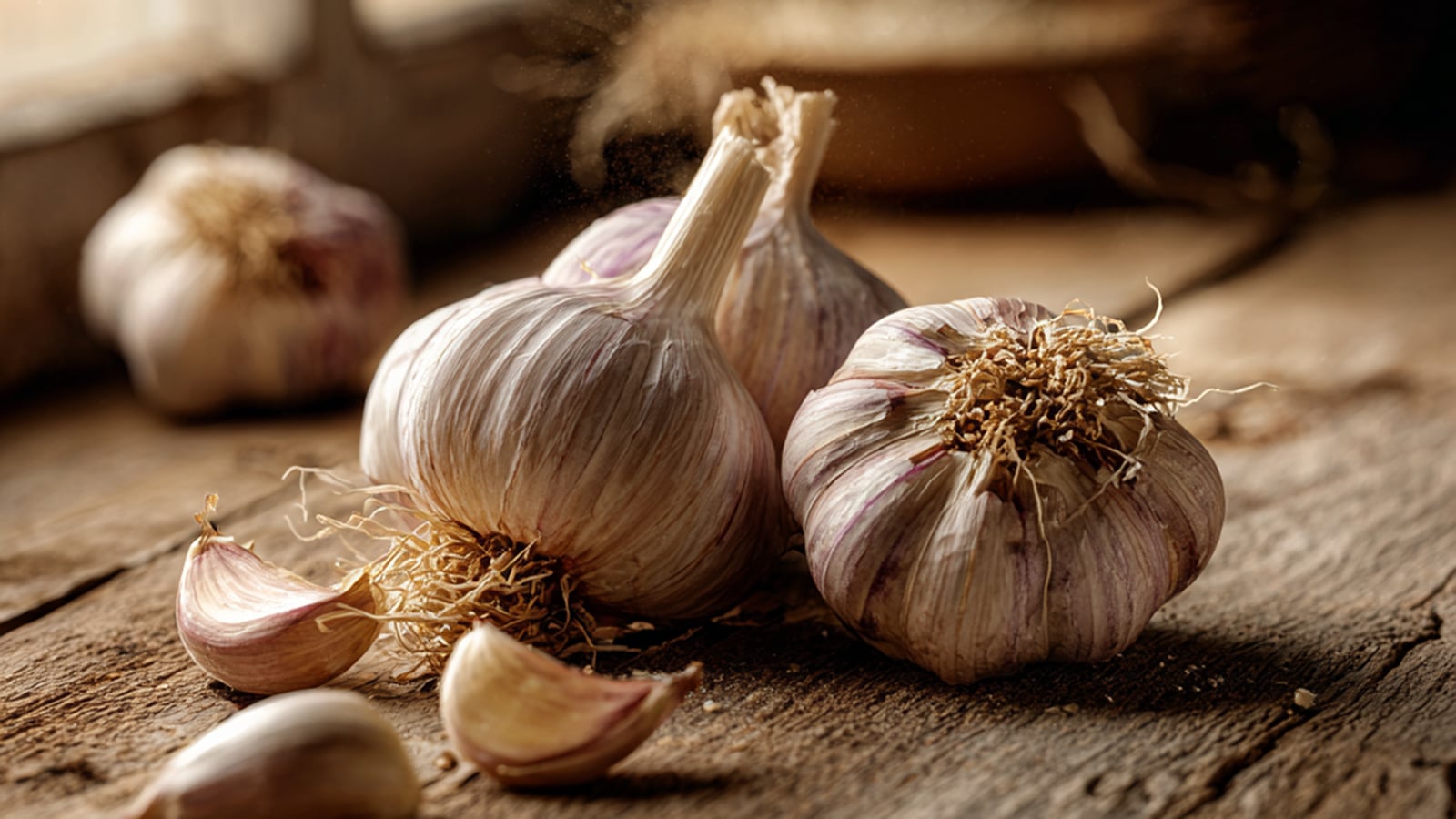
3. Garlic: allicin and lab-studied antimicrobial activity
Garlic, Allium sativum, is a kitchen staple with a long record in traditional medicine for infections of every kind. For urinary tract infections specifically, the evidence is entirely laboratory-based. It is worth knowing, and it is worth keeping in proportion.
How it works
The key active compound in garlic is allicin, which forms when a clove is crushed or chopped, and the enzyme alliinase meets its substrate. Allicin and the sulfur compounds it breaks down into show antibacterial activity against a broad range of organisms in laboratory testing, including strains that cause UTIs. Allicin is unstable, breaks down quickly with heat, and does not reach the urine in the concentrations used in those tests.
What the research shows
Laboratory screening supports the traditional reputation. A study of 26 Indian spices, garlic among them, tested methanolic extracts against nine species of multidrug-resistant uropathogenic bacteria isolated from hospital patients, and found that the most effective spices produced inhibition zones of 25 to 29 millimeters against at least one resistant strain (Rath and Padhy 2014, Integrative Medicine Research, PMID: 28664089). That is a meaningful result for the antibiotic-resistance research agenda. It is not a treatment result. There is no clinical trial of garlic in people with a UTI, and the research review by Das lists garlic among the botanicals with urobactericidal activity in vitro rather than among those with human data (Das 2020, PMID: 33215041).
How to use
Fresh, raw garlic, crushed and rested for ten minutes before eating, delivers the most allicin. It fits easily into food. Aged garlic extract and garlic capsules are available for people who dislike the taste, though their allicin yield varies widely between products.
Safety and side effects
Garlic is very safe in culinary amounts. At high supplement doses, it thins the blood and can interact with anticoagulant and antiplatelet medications, which is why we list it again in the drug-interaction section below. Bad breath and body odor are the reliable side effects.
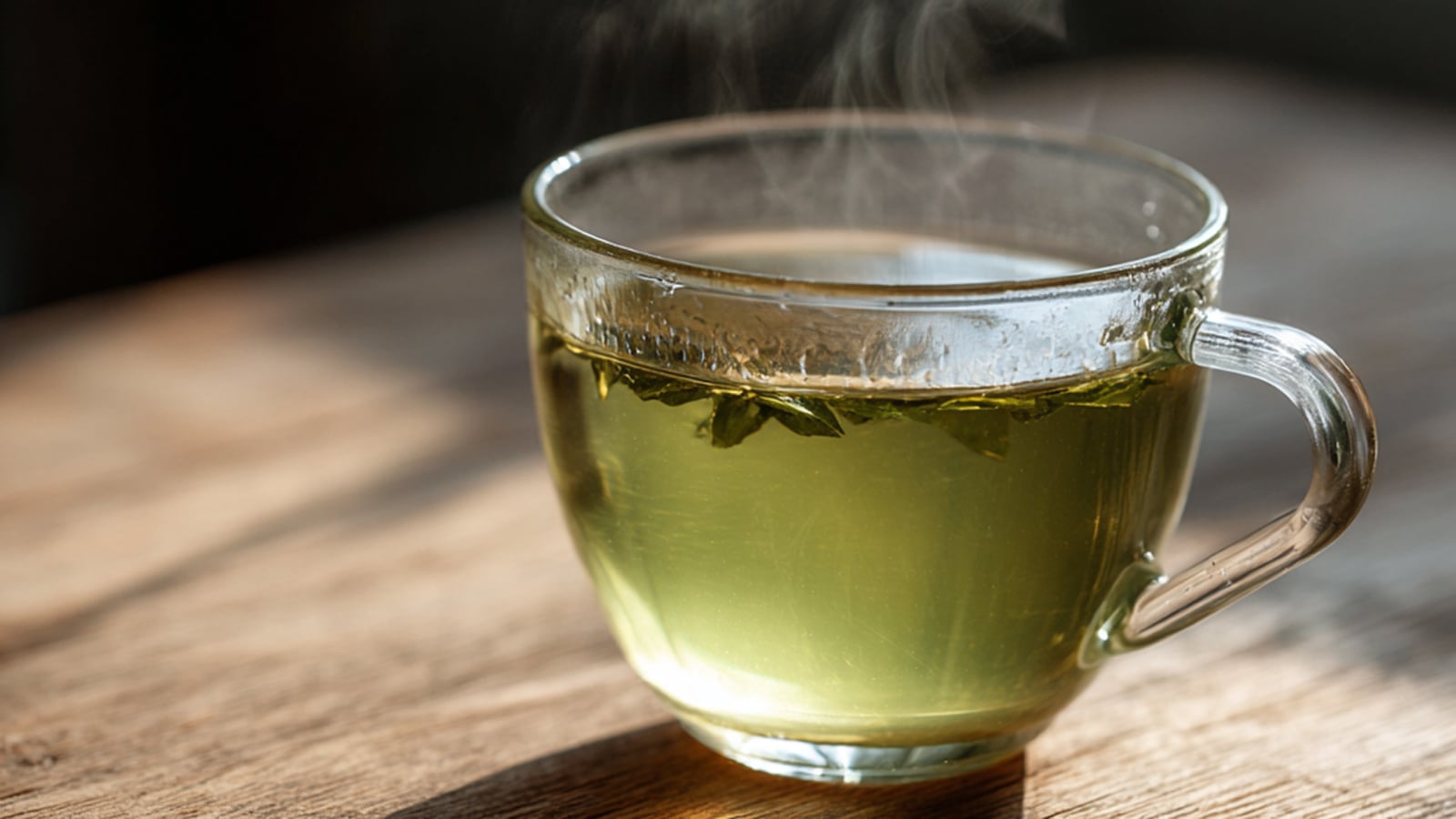
4. Green tea: catechins that reach the urine
Green tea, Camellia sinensis, is one of the few botanicals on this page whose active compounds are known to be excreted into urine at measurable levels. That is why it keeps appearing in urinary research, and it is the reason the laboratory findings are at least plausible in a bladder.
How it works
Green tea is rich in catechins, chiefly epigallocatechin gallate, or EGCG. Catechins show antimicrobial activity against E. coli and other bacteria in vitro. Green tea is also a mild diuretic, mostly through its caffeine content, which increases urine flow and helps flush the urinary tract.
What the research shows
A 2026 study examined EGCG against Proteus mirabilis, a leading cause of catheter-associated UTIs. EGCG inhibited growth at a minimum inhibitory concentration of 94 micrograms per milliliter, killed the bacteria at 188 micrograms per milliliter, and at lower levels suppressed urease, hemolysin production, swarming motility, and the formation of biofilm, while turning down the expression of several virulence genes (Xue et al. 2026, Medicine, PMID: 41496018). Those are laboratory concentrations. Whether drinking green tea produces urinary catechin levels high enough to matter has not been tested in a UTI trial. The diuretic effect, by contrast, is well established.
How to use
Two to three cups of freshly brewed green tea per day is a simple, food-level way to get its catechins. Brew fresh rather than relying on bottled teas, which typically contain far less EGCG.
Safety and side effects
Green tea contains caffeine, which can cause jitteriness or disturb sleep in sensitive people. Caffeine also counts as a bladder irritant for many people with active symptoms, so it may be worth pausing during a flare. Decaffeinated versions exist but carry fewer catechins. Anyone taking a fluoroquinolone antibiotic such as ciprofloxacin should know that the drug slows caffeine clearance, which can amplify the stimulant effect of tea and coffee.
5. Parsley: the gentle traditional diuretic
Parsley, Petroselinum crispum, is far more than a garnish. It is a nutrient-dense herb that Western and Middle Eastern herbal traditions have used for kidney and urinary support for centuries.
How it works
Parsley acts primarily as a mild diuretic. The compounds apiol and myristicin in its leaves and seeds are thought to be responsible, increasing urine output and helping flush the urinary system. Its vitamin C and flavonoid content adds general nutritional support.
What the research shows
There is no controlled human trial of parsley for urinary tract infections. The diuretic effect is documented in animal studies and in traditional-use records, and parsley appears in the review of natural urinary therapeutics as a traditional diuretic rather than as an antimicrobial (Das 2020, PMID: 33215041). Our editorial team lists it here because it is safe at food doses and because a stronger urine flow is a reasonable supporting measure, not because it treats anything.
How to use
Parsley tea is made by steeping a handful of fresh leaves or a tablespoon of dried leaves in hot water for ten minutes. The herb can also be added generously to salads, soups, and smoothies.
Safety and side effects
Parsley is safe in normal food amounts. In large medicinal quantities, and especially as seed or essential oil, it should be avoided during pregnancy because apiol can stimulate the uterus. People with kidney disease should use caution with any diuretic herb.
Other traditional herbs for urinary support
The herbs below appear in European monographs, in Ayurvedic and African traditions, and increasingly in the AI-generated summaries people read before they search. Each entry states its evidence tier plainly.
Goldenrod
Goldenrod, Solidago virgaurea, is approved in the German Commission E monographs for what the monographs call irrigation therapy, meaning it is taken with generous fluids to increase urine flow in minor urinary complaints. It also has anti-inflammatory flavonoids and saponins. The evidence is traditional and pharmacological. There is no human UTI trial.
Stinging nettle
Stinging nettle leaf, Urtica dioica, is a classic European diuretic tea and, like goldenrod, sits in the Commission E irrigation-therapy category. Note that nettle leaf and nettle root are used for different purposes. The leaf is the diuretic. The root is used for prostate and lower urinary tract symptoms in men and is the subject of a separate evidence base.
Marshmallow root and cornsilk: the demulcents
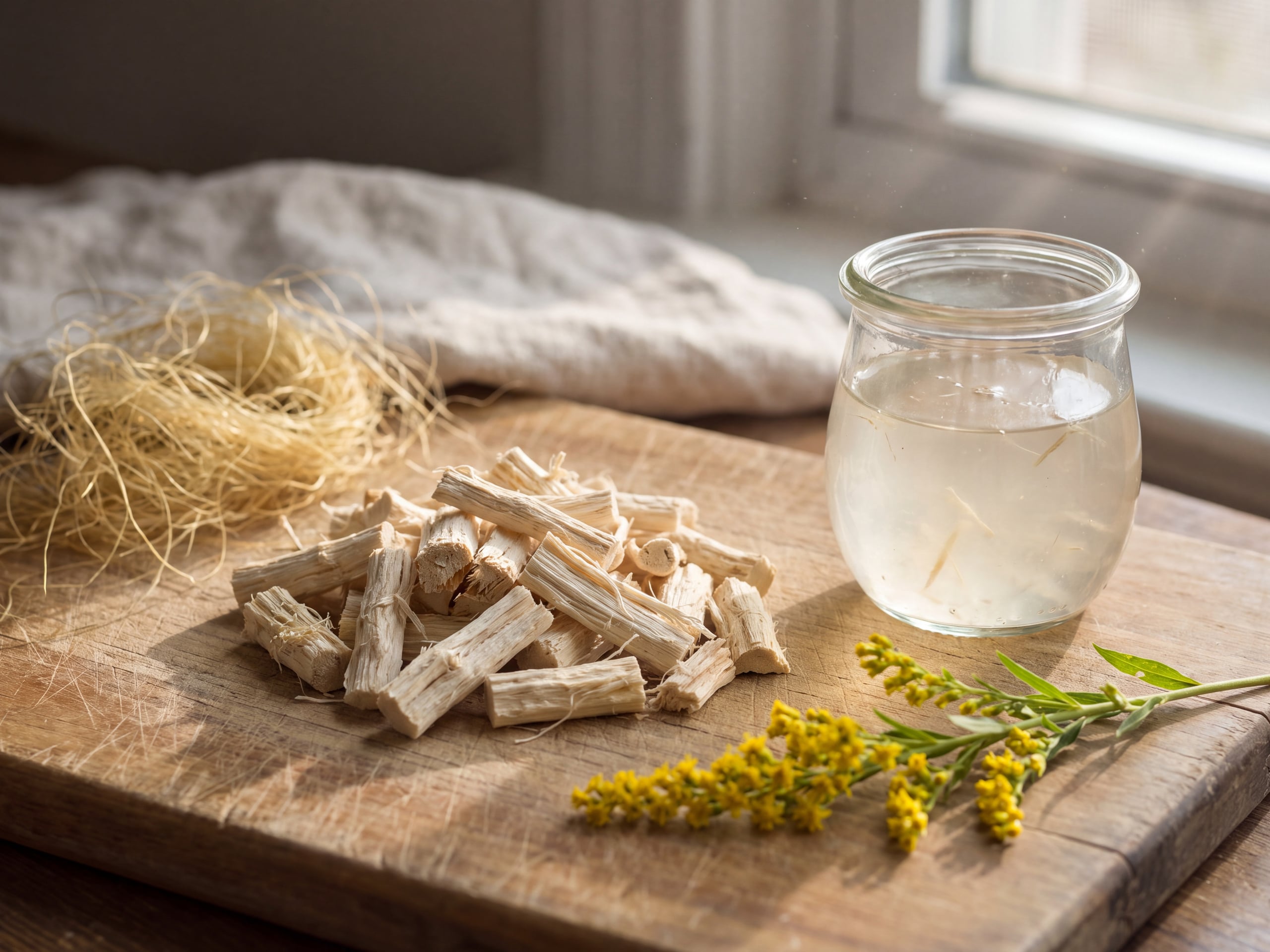
Marshmallow root, Althaea officinalis, and cornsilk, the silky threads of Zea mays, are mucilage-rich herbs that traditional herbalists use to soothe irritated mucous membranes, including the lining of the urinary tract. A cold infusion of marshmallow root produces a thick, slippery liquid that many people find eases the burning sensation of a flare. Neither plant has a clinical UTI trial. Neither affects the bacteria. They are comfort measures, useful while you arrange care, and honest only if described that way.
Berberine-containing herbs: goldenseal, barberry, and Oregon grape
Goldenseal, Hydrastis canadensis, barberry, Berberis vulgaris, and Oregon grape, Mahonia aquifolium, all contain the yellow alkaloid berberine. In laboratory studies, berberine reduces the adhesion of uropathogenic E. coli to cells and interferes with biofilm formation, and the review by Das lists berberine among the agents traditionally prescribed for acute urinary complaints (Das 2020, PMID: 33215041). No human UTI trial exists. Berberine is also a potent herb with drug interactions of its own, including with cyclosporine and with several blood-sugar and blood-pressure medications, and it is avoided in pregnancy and in newborns. In our sourcing experience, barberry root is the most accessible of the three, and our barberry root capsules are the product customers ask about most in this context. For the pharmacology and interaction profile, our separate guide to berberine benefits and side effects goes into detail.
Oil of oregano: potent in the lab, not a home treatment
Oregano oil now appears in Google’s own AI summaries for this topic, so it deserves a clear line. The UTI-specific laboratory research mostly used Mexican oregano, Lippia graveolens, which is a different plant from the Mediterranean oregano, Origanum vulgare, in most kitchen and supplement bottles. Carvacrol and thymol, its dominant phenols, reduce the growth and movement of urinary bacteria in vitro. No human trial has tested oregano oil for a UTI; the undiluted oil irritates mucous membranes, and it should never be applied to or inserted into the genitourinary tract. Our full guide to oregano oil for UTI covers the chemistry, the species difference, and the safety rules in depth.
Ginger: soothing, not antibacterial in the urine
Ginger, Zingiber officinale, is one of the most searched additions to this list, usually alongside garlic. Ginger’s gingerols and shogaols are anti-inflammatory, and it makes a well-tolerated warm tea, but no study shows that drinking ginger tea produces antibacterial activity in the urine, and it does not cure a urinary tract infection. It is a reasonable comfort drink during a flare, particularly for the nausea that can accompany one, and nothing more.
Ayurvedic and traditional herbs used for urinary support
Ayurveda has its own urinary materia medica, and several of its herbs overlap with African and Caribbean traditions we source from. Punarnava, Boerhavia diffusa, is used as a diuretic and kidney tonic. Gokshura, Tribulus terrestris, is used for urinary flow and stone complaints. Coriander seed water, cornsilk decoctions, and buchu, Agathosma betulina, the South African urinary herb, all serve the same flushing and soothing roles. Every one of these is supported by traditional use and, in some cases, animal or laboratory data. None has a controlled human trial for urinary tract infections, and we do not present them as treatments.
Can you take herbal remedies with antibiotics?
Most of the herbs on this page can be used alongside a prescribed antibiotic course, provided they are used as supporting measures and the course is completed. A few combinations deserve a specific conversation with the prescribing clinician or pharmacist before you start.
- Cranberry and warfarin. The NCCIH cranberry fact sheet notes reports of an interaction with warfarin. Anyone on an anticoagulant should not add high-dose cranberry without checking their INR plan.
- Garlic and blood thinners. High-dose garlic supplements add to the effect of anticoagulants and antiplatelet drugs. Food amounts are fine.
- Uva ursi and urine acidifiers. Arbutin converts to its active form in alkaline urine. Vitamin C, cranberry, and acidifying diets taken at the same time may blunt it. It also should not be combined with other hydroquinone products.
- Green tea and fluoroquinolones. Ciprofloxacin and related antibiotics slow the body’s clearance of caffeine. Heavy tea or coffee intake during a course can produce jitters, insomnia, or a racing heart.
- Berberine herbs and prescription drugs. Berberine inhibits several drug-metabolizing enzymes and has documented interactions with cyclosporine, metformin, and some blood-pressure medications.
- Any herb and an unfinished course. Feeling better on day three is not a reason to stop the antibiotic. Stopping early is how resistant infections start, and no herb changes that.
None of these herbs replaces the antibiotic. In our editorial team’s experience, the safest framing is that botanicals sit alongside medical care during an infection and take on their real role: prevention of the next one, after it has cleared.
Lifestyle and prevention habits that matter more than any herb
Herbs are one part of a larger strategy for preventing UTIs. The habits below are fundamental, and every clinical guideline puts them ahead of any supplement.
- Hydration is the single most effective measure. Drinking enough water dilutes urine, which reduces burning, and makes you urinate more often, which flushes bacteria before they can multiply.
- Do not hold it. Emptying the bladder as soon as you feel the urge keeps urine from stagnating.
- Hygiene habits. Wipe from front to back. Urinate soon after intercourse to clear any bacteria that entered the urethra.
- Reconsider certain contraceptives. Diaphragms, spermicides, and unlubricated condoms alter the vaginal flora and raise UTI risk. This is a conversation to have with a clinician, not a reason to stop contraception.
- Probiotics. Lactobacillus strains support a healthy urinary and vaginal flora that makes it harder for harmful bacteria to take over. The trial evidence is inconsistent and strain-dependent, but fermented foods carry no downside.
- Vitamin C. The traditional rationale is mild urine acidification that discourages bacterial growth. The evidence is weak, and if you are taking uva ursi at the same time, acidified urine works against it.
What helps fast while you arrange care?
The fastest relief for UTI symptoms is a same-day clinical assessment and, where indicated, the right antibiotic. Symptoms often improve within 24 to 48 hours of starting treatment. While you arrange that appointment, the following measures reduce discomfort without masking anything a clinician needs to see.
- Drink water steadily through the day. Diluted urine burns less.
- Apply a warm heating pad or hot water bottle to the lower abdomen to ease bladder pressure and cramping.
- Pause bladder irritants: caffeine, alcohol, nicotine, spicy food, carbonated drinks, and citrus.
- A cold infusion of marshmallow root or a cup of parsley or corn silk tea is a soothing traditional option.
- Ask a pharmacist about a short course of an over-the-counter urinary analgesic if the burning is severe. These relieve pain but do not treat the infection.
- Ask for a urine culture before starting anything, so the result guides treatment.

When to see a doctor for a UTI
Seek medical care the same day, and do not rely on any herb on this page, if you have any of the following. These signs can mean the infection has reached the kidneys, a condition called pyelonephritis that requires prompt antibiotic treatment.
- Fever or chills.
- Pain in the back, side, or below the ribs, known as flank pain.
- Nausea or vomiting.
- Blood in the urine.
- Pregnancy. Untreated UTIs in pregnancy carry serious risks, and several herbs on this page, including uva ursi and medicinal-dose parsley, are not safe in pregnancy.
- Urinary symptoms in a man, a child, or an older adult should always be evaluated rather than self-treated.
- Symptoms that persist or worsen beyond 24 to 48 hours.
The 24-48-hour rule: if your symptoms have not clearly improved within one to two days, get a urine culture and clinical assessment. Delaying care is how a bladder infection becomes a kidney infection. The NIDDK treatment guidance for bladder infections in adults describes antibiotics as the standard of care for exactly this reason. The team at Back To Your Roots Herbs sells several of the herbs on this page, and we still say this on every page where they appear.
Frequently asked questions
Which herbs have the best evidence for UTIs?
Cranberry has the best evidence, and it is for preventing recurrence, not for treatment. A 2023 Cochrane review of 50 trials found cranberry products reduced symptomatic, culture-confirmed UTIs by about 30 percent, most clearly in women with recurrent infections and in children (PMID: 37947276). Every other herb on this page is supported by laboratory or traditional-use evidence only.
Can herbal remedies cure a UTI?
No. No herb, sugar, or tea has been shown to clear an active bacterial urinary tract infection in a controlled trial. Herbs are used for prevention of recurrence and for comfort while a clinician evaluates symptoms. A symptomatic UTI needs a diagnosis and, in most cases, antibiotics to resolve the infection and prevent it from spreading to the kidneys.
Is cranberry or D-mannose better for UTI prevention?
Cranberry. It has moderate-certainty evidence from 50 randomized trials. D-mannose had encouraging results in three small studies, but the largest trial, 598 women taking 2 grams daily for six months, found no significant difference from placebo, and its authors advised against recommending it for prevention (PMID: 38587819).
Can you take herbal remedies with antibiotics?
Usually yes, as supporting measures, provided the full antibiotic course is completed. Check first if you take warfarin or another blood thinner before adding cranberry or garlic supplements, avoid pairing uva ursi with vitamin C or cranberry, and go easy on green tea during a fluoroquinolone course because those antibiotics slow caffeine clearance.
Is there a way to treat a UTI without antibiotics?
Some mild, uncomplicated bladder infections in otherwise healthy women resolve on their own with fluids and time, which is why some clinicians offer a delayed prescription. Herbs have not been shown to shorten that process. The uva ursi trial that tested exactly this approach found no benefit over placebo. Antibiotics remain standard care, and any symptoms past 48 hours, or any red-flag symptom, mean the wait is over.
What causes most UTIs?
Uropathogenic Escherichia coli causes roughly 75 to 90 percent of uncomplicated urinary tract infections. The bacteria travel from the bowel to the urethra and use hair-like fimbriae to attach to the bladder wall, which is the step that cranberry proanthocyanidins and D-mannose are meant to interfere with.
Are herbal remedies for UTIs safe during pregnancy?
Many are not. Uva ursi, berberine herbs, oregano oil, and medicinal doses of parsley should all be avoided in pregnancy. Cranberry showed no preventive benefit in pregnant women in the Cochrane review. A suspected UTI in pregnancy always needs prompt medical care because untreated infections raise the risk of kidney infection and preterm birth.
When should I see a doctor for a UTI?
As soon as you suspect one, and urgently if you have fever or chills, flank or back pain, nausea or vomiting, blood in your urine, or if you are pregnant. If milder symptoms have not clearly improved within 24 to 48 hours, get a urine culture. Early diagnosis is the best protection against a kidney infection.
Related reading
Continue with our related guides on oregano oil for UTI, herbs for bladder infection and recurrent UTIs, herbs for kidney stones, and berberine benefits and side effects.
Disclaimer. These statements have not been evaluated by the Food and Drug Administration. This product is not intended to diagnose, treat, cure, or prevent any disease. Consult your healthcare provider before use. The information on this page is educational and is not a substitute for professional medical advice, diagnosis, or treatment. Always seek the advice of your physician or another qualified health provider with any questions about a medical condition, and never delay seeking care because of something you have read here.