Many people search for ways to improve their organ health, sometimes looking for terms like a pancreas detox. While the intention to support this vital organ is excellent, the concept of “detoxing” a specific organ like the pancreas isn’t how your body’s natural purification systems work. Your liver and kidneys are the primary organs responsible for detoxification. Instead of focusing on a “cleanse,” the most effective approach is to understand how to naturally support pancreatic function, reduce its workload, promote its health, and maintain overall well-being through informed lifestyle and dietary choices.
This article provides information on how you can keep your pancreas healthy using natural methods.
Understanding the Pancreas and Its Importance
Before exploring support strategies, it’s helpful to know what the pancreas does. Tucked behind your stomach, this gland has two critical jobs:
- Exocrine Function: It produces powerful digestive enzymes essential for breaking down food – fats, proteins, and carbohydrates – in your small intestine. Without these enzymes, nutrient absorption is compromised.
- Endocrine Function: It creates hormones, most notably insulin and glucagon, which regulate your blood sugar levels. Balanced blood sugar is fundamental to overall metabolic health.
Given these roles, maintaining a healthy pancreas is vital for good digestion and stable energy levels. When the pancreas is stressed or damaged, it can lead to various health issues, including pancreatitis (inflammation of the pancreas) and problems with blood sugar control.
Does a Pancreas Detox Actually Work? What the Evidence Says
The pancreas is not a storage organ for toxins, and no controlled clinical trial has shown that a pancreas cleanse, detox tea, or juice protocol removes anything from it. This is the honest answer, and it is worth stating plainly before going any further.
As the introduction noted, waste clearance is the job of the liver and the kidneys, and they do that work continuously without a protocol, a supplement, or a three-day reset. That is not just our opinion. The National Center for Complementary and Integrative Health has reviewed the detox and cleanse literature and reports no convincing evidence that detox or cleanse programs remove toxins from the body or improve health. The National Institutes of Health reaches the same conclusion on detox diets. The Pancreatic Cancer Action Network, which has every reason to want a pancreas cleanse to work, has published a direct assessment of cleanses and does not recommend them.
We take that seriously. In our editorial reviews, we have watched the phrase “pancreas cleanse” get attached to products that cannot do what the name implies, and we are not willing to sell that idea back to you.
So what does the question really mean? When people search for a pancreas detox, they are usually asking a reasonable question in unreasonable language. The real question is: how do I reduce the load on this organ so it can do its job well? That question has genuine, evidence-backed answers, and they are the subject of the rest of this article.
The pancreas responds to three things you can actually control. It responds to how much digestive work you send it, which is driven mainly by fat load per meal. It responds to how much insulin you demand of it, which is driven by refined carbohydrate and sugar load. And it responds to direct chemical insult, which is driven overwhelmingly by alcohol and smoking. Those three levers are supported by real clinical evidence. A cleanse protocol is not.
Cleveland Clinic makes a related point worth repeating: some aggressive cleanse regimens, particularly prolonged fasting and extreme juice protocols, can destabilize blood sugar. For an organ whose second job is insulin production, that is the opposite of support.
Pancreas Detox Myths vs. Facts
| The claim | What actually happens | What has evidence behind it |
|---|---|---|
| “Reset your pancreas in 3 days” | The pancreas does not reset on a schedule. Recovery from inflammation is measured in weeks to months, and structural damage may not reverse at all. | Sustained reduction in alcohol, fat load, and refined sugar, held for months rather than days. |
| “Juice cleanses flush the pancreas” | Juice strips the fiber that slows sugar absorption. A juice-only protocol delivers a concentrated sugar load to the exact organ you are trying to relieve. | Whole fruit and vegetables with fiber intact, which blunt the glucose curve instead of sharpening it. |
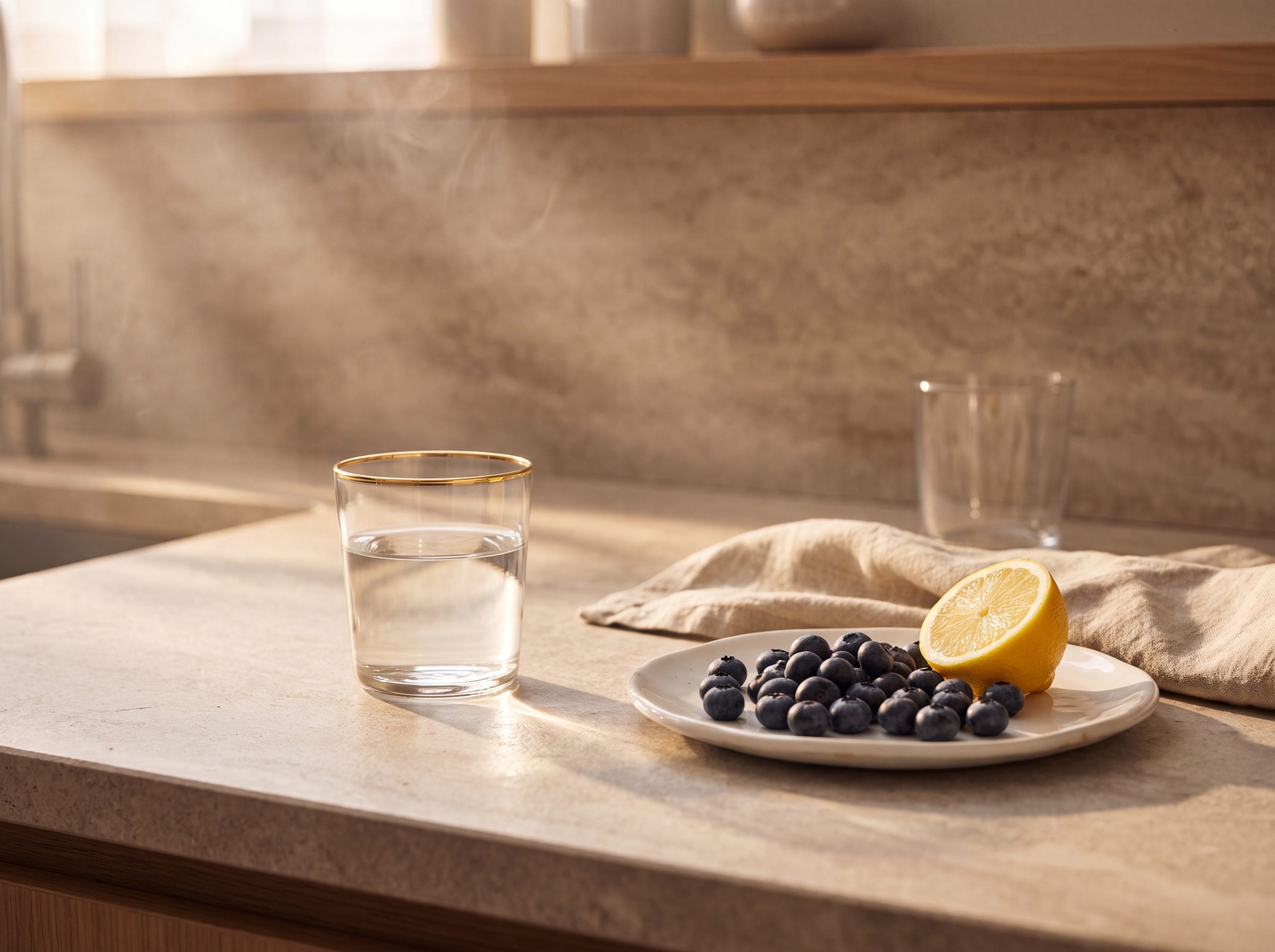
| “Lemon water detoxes the pancreas” | Lemon water is water with lemon in it. It provides hydration and a little vitamin C. It does not target the pancreas. | Hydration itself is genuinely useful, because water is required to produce pancreatic fluid. Plain water does this just as well. |
| “Detox teas and cleanse kits” | Many contain laxatives or diuretics. The weight that comes off is water and stool, not toxins, and the products are unregulated. | Nothing here. This is the category we would tell you to walk away from, and we sell herbs for a living. |
| “Fasting rests the pancreas” | Medically supervised fasting is used in acute pancreatitis in a hospital setting. Unsupervised extended fasting is a different thing and can swing blood sugar. | Smaller, more frequent, lower-fat meals, which lower peak enzyme demand without the risks of a fast. |
| “Herbal supplements cleanse the pancreas” | No herb has been shown to remove anything from the pancreas. Any herb marketed as a pancreas cleanse is making a claim it cannot support. | Some herbs have research behind them for inflammation and blood sugar, which is a different and more modest claim. See the herbs section below. |
| Sources: National Center for Complementary and Integrative Health, National Institutes of Health, Pancreatic Cancer Action Network, Cleveland Clinic. | ||
What Stresses the Pancreas? Common Causes of Strain
Several factors can put undue stress on your pancreas, potentially leading to dysfunction or diseases over time. Understanding these causes helps highlight why supportive measures are beneficial:
- Diet: A diet high in processed foods, unhealthy fats, and refined sugars can contribute to inflammation and metabolic stress.
- Alcohol Consumption: Alcohol is a direct toxin to pancreatic cells and a leading cause of both acute (sudden) and chronic pancreatitis.
- Smoking: Tobacco use significantly increases the risk for pancreatitis and is a major risk factor for pancreatic cancer.
- Gallstones: Stones formed in the gallbladder can block the pancreatic duct, causing enzymes to back up and leading to acute pancreatitis.
- Obesity: Excess body weight, especially around the abdomen, is linked to insulin resistance, forcing the pancreas to work harder to produce insulin, and increasing pancreatitis risk.
- Certain Medications: Some drugs can have side effects that impact the pancreas.
- Chronic Stress: While indirect, persistent stress can contribute to systemic inflammation, potentially affecting digestive health and metabolic balance.
What the Pancreas Is Actually Doing When You Eat
The strain on this organ is easier to understand once you know what it is being asked to do. The pancreas runs two separate jobs out of one small gland sitting behind the stomach, and the National Institutes of Health has a plain-language account of both.
The exocrine job is digestion. Roughly 95 percent of the gland is devoted to it. It manufactures and releases a set of enzymes into the small intestine: lipase to break down fat, amylase to break down starch, and proteases such as trypsin and chymotrypsin to break down protein. Fat is the expensive one. A high-fat meal, and especially fried food and heavy animal fat, drives up lipase demand sharply. This is the direct mechanical reason that low-fat eating shows up in every credible piece of pancreatic dietary guidance. It is not a fad. It is a workload reduction.
The endocrine job is blood sugar. The islets of Langerhans, a small fraction of the gland by mass, produce insulin and glucagon. Every refined-carbohydrate or sugar load you send in is a request for insulin, and the beta cells answer it. Sustained high demand over years is the pattern that precedes insulin resistance and type 2 diabetes. Harvard Health explains what elevated pancreatic enzyme levels indicate and when they matter.
Read those two jobs together and the whole logic of pancreatic support falls out. Lower the fat load per meal and you lower enzyme demand. Lower the sugar load, and you lower insulin demand. Remove alcohol and tobacco, and you remove the two most direct chemical insults. There is no fourth lever, and a cleanse does not quietly provide one.
Lifestyle Approaches for Natural Pancreas Support
Supporting your pancreas often involves adopting habits that benefit your overall health. These lifestyle adjustments can significantly reduce strain on the organ and promote its optimal function.
Prioritize Hydration
Water is fundamental for nearly all bodily processes, including digestion and detoxification pathways managed by the liver and kidneys. Adequate hydration helps ensure digestive enzymes produced by the pancreas can be transported effectively and aids the efficient removal of waste products from the body. Aim to drink sufficient water throughout the day.
Limit or Avoid Alcohol
Given alcohol’s direct toxic effect on pancreatic cells, reducing or eliminating intake is one of the most impactful steps you can take for pancreas health. For individuals with a history of pancreatitis or other pancreatic conditions, complete avoidance is strongly recommended.
Quit Smoking
Smoking cessation offers numerous health benefits, including a significantly lower risk of developing pancreatic problems like chronic pancreatitis and cancer. Resources and support are available to help you quit.
Maintain a Healthy Weight
Achieving and maintaining a healthy weight through a balanced diet and regular activity reduces the risk of insulin resistance, metabolic syndrome, and gallstones – all of which can negatively impact the pancreas. Even modest weight loss can yield significant benefits for pancreatic health and function.
Manage Stress Levels
Finding healthy ways to cope with stress can help lower systemic inflammation. Techniques such as mindfulness, meditation, yoga, deep breathing exercises, or spending time in nature can be beneficial. Reducing stress supports better digestive function and hormonal balance.
Engage in Regular Physical Activity
Consistent, moderate exercise improves your body’s sensitivity to insulin, meaning the pancreas doesn’t have to work as hard to manage blood sugar. Aim for a combination of aerobic activity (like brisk walking, cycling, or swimming) and strength training most days of the week, as advised by your healthcare provider.
Dietary Strategies: Foods and Drinks for a Healthy Pancreas
What you eat and drink plays a direct role in pancreatic health. An anti-inflammatory, whole-food diet is generally recommended to support pancreatic function and reduce stress on the digestive system. This is a key aspect of how to keep your pancreas working well.
General Dietary Principles
- Focus on Whole Foods: Prioritize fruits, vegetables, whole grains, lean proteins, and healthy fats.
- Limit Processed Items: Reduce intake of foods high in refined sugars, unhealthy fats, and artificial additives.
- Control Portion Sizes: Eating moderate amounts helps prevent overburdening the digestive system.
- Consider Meal Timing: Some find that smaller, more frequent meals are easier on digestion than large, heavy ones.
The Numbers Worth Knowing
General principles are easier to act on with figures attached. These are the targets that appear consistently across clinical dietary guidance for pancreatic health, including the guidance published by the Columbia University Department of Surgery.
- Around 15 grams of fat per meal, or less. This is the single most useful number on this page. It is the figure most often cited as a working ceiling for reducing lipase demand. Check labels for a week, and you will recalibrate quickly, because most people are surprised by where the fat actually is.
- 5 to 6 small meals a day, rather than 3 large ones. Same total intake, spread out. The point is to lower the peak demand of any single meal rather than to reduce the day’s food.
- 8 to 10 cups of water a day. Pancreatic fluid is mostly water. Producing it requires having it available.
- Fiber intact. Whole fruit rather than fruit juice. The fiber is what slows sugar absorption and flattens the demand curve on the beta cells.
In our editorial reviews of pancreatic dietary guidance, the fat-per-meal ceiling is the number people most often have never heard, and the one that changes the most behavior once they have.
Foods to Emphasize
| Food Group | Examples | Benefits for Pancreas Support |
|---|---|---|
| Fruits | Berries (blueberries, raspberries), cherries, grapes | Rich in antioxidants to combat oxidative stress and inflammation. |
| Vegetables | Leafy greens (spinach, kale), broccoli, sweet potatoes, carrots, beets | High in vitamins, minerals, and antioxidants; fiber supports digestion. |
| Lean Proteins | Skinless poultry, fish (especially salmon and mackerel), legumes, tofu | Essential for tissue repair; omega-3 fatty acids in fish have anti-inflammatory properties. |
| Whole Grains | Oats, quinoa, brown rice, whole-wheat bread (if tolerated) | Provide fiber for digestive health and sustained energy release, aiding blood sugar control. |
| Healthy Fats | Avocado, nuts (walnuts, almonds), seeds (chia, flax), olive oil | Provide essential fatty acids; use in moderation. |
| Low-Fat Dairy/Alts | Plain yogurt (probiotics), kefir, unsweetened plant-based milks | Probiotics may support gut health, indirectly aiding digestion. Choose low-fat options. |
Beneficial Beverages
- Water: The most important drink for hydration and overall function.
- Herbal Teas: Ginger, peppermint, or chamomile tea can be soothing for digestion. Green tea provides antioxidants. Drink them without added sugar.
- Clear Broths: Vegetable or bone broths (low fat) are hydrating and easy to digest.
Foods and Drinks to Limit or Avoid
- Fried and High-Fat Foods: Fatty meats, fried foods, and full-fat dairy can be hard to digest and may trigger pain, especially if you have had pancreatitis. Limiting fat intake is often a key part of the diet for pancreatitis management.
- Processed Meats: Sausages, bacon, and deli meats are often high in unhealthy fats and preservatives.
- Sugary Drinks: Sodas, sweetened juices, and energy drinks contribute to blood sugar spikes and inflammation.
- Refined Sugars and Carbohydrates: Candy, pastries, white bread, and white pasta offer little nutritional value and can strain blood sugar regulation.
- Excessive Red Meat: Can be high in saturated fat; choose lean cuts and consume in moderation.
- Alcohol: Should be strictly avoided, especially with any history of pancreatic issues.
A Realistic Day of Pancreas-Supportive Eating
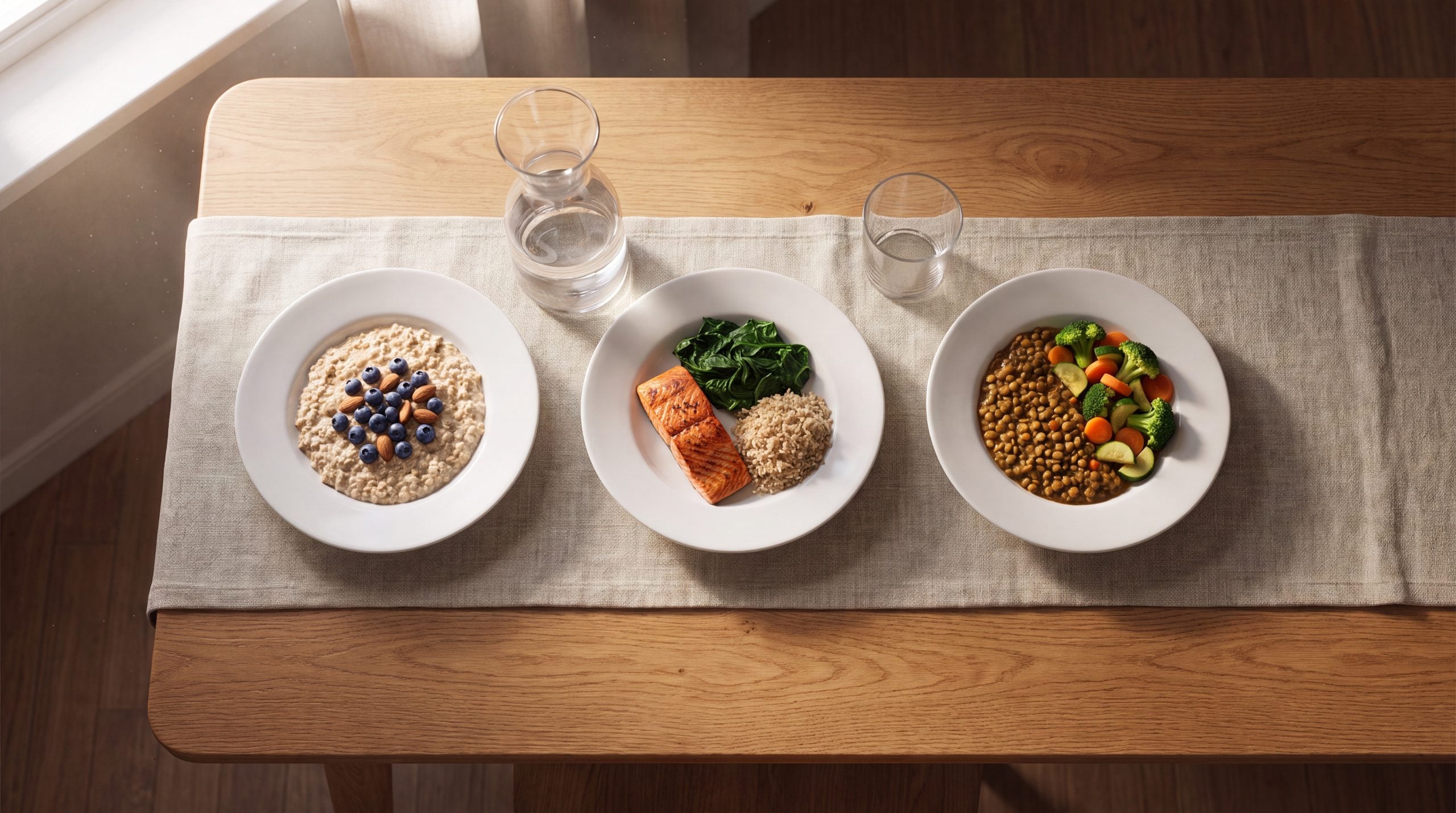
Principles are easy to agree with and hard to apply. Here is what the guidance above looks like as an actual day. This is a template, not a prescription, and it assumes you have no diagnosed pancreatic condition. If you do, your care team’s plan overrides everything below.
Morning
Start with water before anything else, working toward the 8 to 10 cup daily target rather than trying to hit it at once. Build breakfast around fiber and low fat: oats with whole berries, or plain yogurt with fruit. Keep the fat load modest. If you want a warm drink with anti-inflammatory research behind it, ginger tea is a reasonable choice, and we cover why in the herbs section below.
Midday
Lunch is where the 15-gram fat ceiling gets tested, because restaurant and convenience food is where hidden fat lives. Lean protein such as fish, poultry, lentils or tofu, alongside leafy greens and a whole grain, keeps you under it without much effort. Fried food is the single fastest way over it.
Mid-afternoon is a genuine small meal, not a snack in the incidental sense. This is the mechanism by which 3 meals becomes 5 or 6. Fruit, vegetables with hummus, or a small portion of nuts if your fat budget allows.
Evening
Dinner follows the same shape as lunch and lands earlier than most people take it. Late heavy eating asks the pancreas to run a full digestive cycle when the rest of the body is winding down. Keep it lower in fat, keep the portion moderate, and leave a gap before sleep.
Two things do more for your pancreas across this entire day than every food choice in it combined: no alcohol and no smoking. Alcohol is directly toxic to pancreatic cells and is a leading cause of pancreatitis. If you change one thing on this page, change that one.
For readers building a broader routine, our guides to herbs for liver support and what the evidence says about detoxifying herbs cover the organs that genuinely do the body’s waste clearance.
Considering Herbs for Pancreas Support: A Cautious Perspective
As an herbalist, I understand the interest in using plants for health. Some people search for “herbs for pancreas cleanse,” but it’s vital to approach this carefully. Herbs should be seen as potential supportive elements within a holistic plan, not as standalone cures or “detox” agents for the pancreas itself. Their benefit often lies in supporting related systems like digestion or reducing inflammation, which can indirectly ease the burden on the pancreas.
Important Safety Note: Always consult with your healthcare provider or a qualified herbal practitioner before using any herbs, especially if you have existing medical conditions (like chronic pancreatitis, diabetes, or liver issues), are pregnant or breastfeeding, or are taking medications. Herbs can interact with drugs and may not be suitable for everyone. Avoid herbal “detox drops” or formulas making unsubstantiated claims.
Here are some herbs sometimes discussed in relation to digestive health and inflammation, which may indirectly support pancreatic well-being:
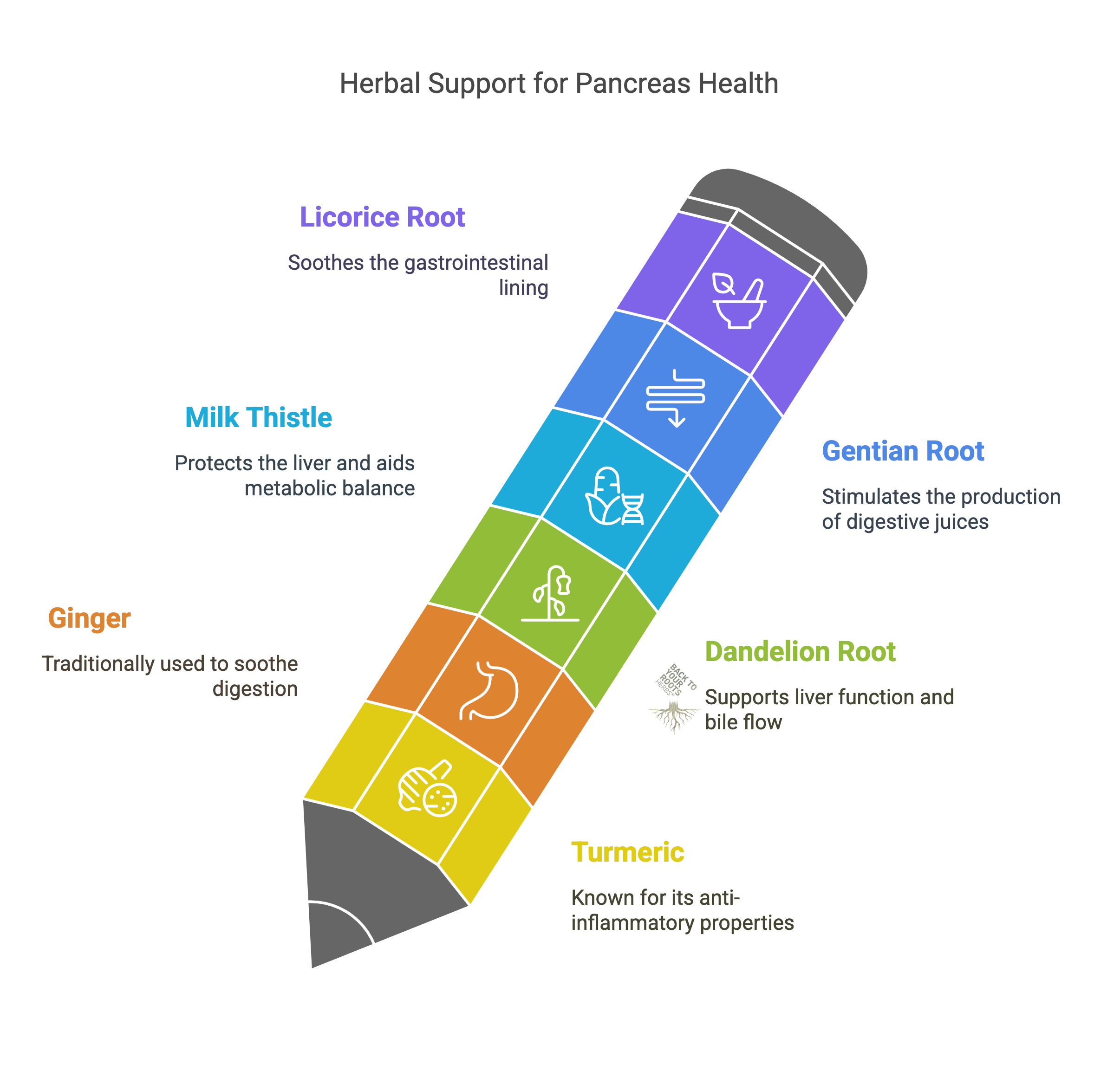
- Turmeric (Curcuma longa): Contains curcumin, known for its potent anti-inflammatory properties. It may help modulate inflammatory pathways in the body.
- Ginger (Zingiber officinale): Traditionally used to soothe digestion, reduce nausea, and provide anti-inflammatory effects.
- Dandelion Root (Taraxacum officinale): Often used in traditional medicine to support liver function and bile flow, which aids fat digestion. Supporting the liver can be seen as part of a broader “liver and pancreas cleanse” idea, focusing on overall digestive efficiency.
- Milk Thistle (Silybum marianum): Primarily known for its liver-protective effects. A healthy liver is crucial for overall metabolic balance and detoxification processes, indirectly benefiting the pancreas.
- Gentian Root (Gentiana lutea): A classic ‘bitter’ herb used to stimulate the production of digestive juices, including saliva, stomach acid, and potentially pancreatic enzymes, preparing the body for digestion.
- Licorice Root (Glycyrrhiza glabra): Deglycyrrhizinated licorice (DGL) is often used to soothe the gastrointestinal lining. Use standard licorice cautiously due to potential effects on blood pressure.
Remember, the idea is not about using these herbs for aggressive “cleanses,” but potentially incorporating them thoughtfully, under guidance, to support overall digestive harmony and manage inflammation.
What the Research Actually Shows on These Herbs
The herbs above are commonly discussed. That is not the same as being well evidenced, and the gap between those two things is where most herbal content on this topic quietly fails. Below is what the peer-reviewed literature actually supports, including where it does not support much at all. Every claim here is a structure and function statement about inflammation or blood sugar. None of these herbs cleanses the pancreas, and none of them treats pancreatic disease.
Turmeric (Curcuma longa)
The active constituent is curcumin, a polyphenol. Its documented mechanism is modulation of inflammatory signaling, including NF-kappa-B and COX-2 pathways (Gupta et al., 2012, AAPS Journal, PMID: 23143785). A randomized trial pairing turmeric extract with ginger and black pepper significantly lowered prostaglandin E2, an inflammatory mediator, at a level comparable to naproxen, although that trial was conducted in knee osteoarthritis rather than pancreatic tissue (Heidari-Beni et al., 2020, Phytotherapy Research, PMID: 32180294).
Here is the honest caveat that most articles skip. Curcumin has been studied in chronic pancreatitis, and the authors of that review state plainly that the data are preliminary and not conclusive, and that oral curcumin has low bioavailability (Hsu and Cheng, 2007, Advances in Experimental Medicine and Biology, PMID: 17569225). Promising is not the same as proven. Our organic turmeric powder and turmeric capsules are available if you are adding it to a broader plan.
Ginger (Zingiber officinale)
The active constituents are gingerols and their derivatives shogaol and zingerone. Ginger has the most directly relevant human data of any herb in this list. In a double-blind, placebo-controlled randomized trial, 3 grams of powdered ginger daily for three months in people with type 2 diabetes produced a fall in HbA1c of 0.77 percent, along with reduced insulin resistance and reduced high-sensitivity C-reactive protein, a marker of systemic inflammation (Shidfar et al., 2015, Journal of Complementary and Integrative Medicine, PMID: 25719344).
Read that in the context of the endocrine mechanism described earlier. Lower insulin resistance means lower standing insulin demand on the beta cells. That is a support claim about workload, not a claim about cleansing. Our black ginger powder and black ginger capsules are the forms we stock.
Milk Thistle (Silybum marianum)
The active complex is silymarin, of which silybins make up roughly 70 to 80 percent. Its documented actions are antioxidant, anti-inflammatory, and hepatoprotective, working through several molecular pathways (Wadhwa et al., 2022, Molecules, PMID: 36014565). It has also been reviewed for its role in metabolic syndrome, including antidiabetic and lipid-lowering effects (Tajmohammadi et al., 2018, Phytotherapy Research, PMID: 30015401), and a systematic review of plants with glycemic evidence named Silybum marianum among those with the best supporting trial data (Shojaii et al., 2011, Acta Medica Iranica, PMID: 22071637).
Note what that means and what it does not. Milk thistle’s strongest evidence is for the liver, which is a different organ. The logic for including it here is indirect, and the section above states it correctly. We go into the detail in our guide to milk thistle for liver support, and we stock milk thistle capsules and milk thistle seed powder.
Fenugreek (Trigonella foenum-graecum)
Fenugreek appears in most pancreas herb lists on the strength of its blood sugar reputation. The reputation runs ahead of the data. In a randomized controlled trial against glibenclamide, 2 grams of fenugreek daily produced a drop in fasting blood glucose that was not statistically significant, although fasting insulin did rise significantly. Only 9 of 12 enrolled participants completed the study, which is a very small sample (Najdi et al., 2019, African Health Sciences, PMID: 31148988). The systematic review cited above does list Trigonella foenum-graecum among the better-evidenced plants for glycemic control, so the signal is real but modest.
Our position: worth knowing about, not worth overselling. We cover it in our guide to the fenugreek herb.
Bitter Melon (Momordica charantia)
Bitter melon contains charantin and related compounds and is the herb most aggressively marketed for pancreatic and blood sugar support. We are going to tell you what the Cochrane Collaboration found, because you will not read it on the pages selling it to you.
A Cochrane systematic review of randomized controlled trials concluded that “there is insufficient evidence on the effects of Momordica charantia for type 2 diabetes mellitus” (Ooi et al., 2012, Cochrane Database of Systematic Reviews, PMID: 22895968). A later small randomized trial did find that 2000 mg daily over three months improved insulin secretion and lowered A1C, but with only 24 participants (Cortez-Navarrete et al., 2018, Journal of Medicinal Food, PMID: 29431598).
That is a genuinely unresolved evidence base, and saying so is more useful to you than a confident claim would be. We do not currently stock bitter melon, so we have nothing to gain by telling you this either way.
How to Read All of This
Notice the shape of the evidence. Where these herbs have support, it is for inflammation and blood sugar regulation, which map onto the two real levers described earlier in this article. That is a meaningful but modest role, and it is a supporting one. It is also nothing like a cleanse. Anyone selling you an herb on the promise of flushing your pancreas is describing a mechanism that does not exist.
Readers interested in blood sugar support specifically may also want our notes on Ceylon cinnamon.
When Natural Support Isn’t Enough: Recognizing Symptoms and Seeking Medical Help
While lifestyle and dietary changes offer significant support for pancreatic health, they cannot replace professional medical care, especially if you experience symptoms suggestive of pancreatic problems. Prompt diagnosis and treatment are essential for managing pancreatic diseases effectively.
Seek medical attention if you experience any of the following symptoms:
- Severe upper abdominal pain, often radiating to the back
- Abdominal pain that worsens after eating
- Persistent nausea and vomiting
- Unexplained weight loss
- Jaundice (yellowing of the skin and eyes)
- Oily, pale, or foul-smelling stools (steatorrhea)
- New-onset diabetes or difficulty controlling existing diabetes
These symptoms can indicate serious conditions like acute or chronic pancreatitis, or other pancreatic diseases. Attempting self-treatment or relying solely on natural “cleanses” for these conditions can be dangerous and delay appropriate medical intervention. Natural strategies should complement, not substitute, the treatment plan recommended by your healthcare team.
When should you see a doctor about your pancreas? If any symptom in the list above is present, the answer is now, not after a trial of dietary changes. The National Institute of Diabetes and Digestive and Kidney Diseases sets out the definition and warning signs of pancreatitis, and Harvard Health explains what elevated pancreatic enzymes mean when bloodwork flags them. Severe upper abdominal pain radiating to the back, jaundice, or persistent vomiting are emergency-room symptoms, not wait-and-see symptoms.
Pancreas Detox: Frequently Asked Questions
Is there any evidence that a pancreas detox works?
No. No controlled clinical trial has shown that a pancreas cleanse, detox tea, or juice protocol removes toxins from the pancreas. The pancreas does not store toxins. The National Center for Complementary and Integrative Health found no convincing evidence that detox programs remove toxins or improve health. Lowering fat load, sugar load, alcohol, and tobacco does have evidence behind it.
Can you detox your pancreas in 3 days?
No. The three-day reset is a marketing structure, not a biological one. Pancreatic inflammation resolves over weeks to months, and structural damage may not reverse at all. Any benefit people feel in three days comes from what they stopped doing, mainly drinking alcohol and eating fried food, not from what they drank.
What foods help support pancreas health?
Lean proteins such as fish, poultry and legumes, cruciferous vegetables such as broccoli and cabbage, leafy greens, berries, and whole grains. Keep fat to roughly 15 grams per meal and eat 5 to 6 smaller meals rather than 3 large ones. Eat whole fruit rather than fruit juice, because the fiber slows sugar absorption.
What foods should you avoid to protect your pancreas?
Alcohol first, and it is not close. Then fried foods, heavy animal fats, sugary drinks, refined carbohydrates, and late-night heavy meals. Alcohol is directly toxic to pancreatic cells and is a leading cause of pancreatitis. Smoking belongs on this list too, even though it is not a food.
How do I track daily fat intake?
Read labels for one week and total the grams per meal, using roughly 15 grams per meal as a working ceiling. Most people find the surprise is not the obvious fat but the hidden fat in restaurant food, dressings, sauces, and baked goods. After a week, the recalibration tends to stick without ongoing counting.
How can I tell if I have pancreatitis symptoms?
The characteristic sign is severe upper abdominal pain, often radiating to the back and often worse after eating. Other warning signs include persistent nausea and vomiting, unexplained weight loss, jaundice, and oily, pale or foul-smelling stools. These require medical assessment, not dietary experimentation.
What lifestyle changes protect the pancreas?
Stop drinking alcohol and stop smoking, which together address the two leading causes of pancreatic damage. Maintain a healthy weight, stay well hydrated at 8 to 10 cups of water a day, keep blood sugar well controlled, and stay physically active. These are unglamorous, and they are what the evidence supports.
When should I see a doctor for pancreas problems?
Immediately, if you have severe upper abdominal pain radiating to the back, jaundice, or persistent vomiting. Do not trial a cleanse or a dietary change first. Delaying care for a suspected pancreatic condition in favor of a natural remedy is the single most dangerous decision discussed anywhere on this page.
A Sustainable Path to Pancreatic Wellness
Ultimately, supporting your pancreas isn’t about a short-term “detox” or “cleanse,” but about adopting a long-term, sustainable lifestyle that reduces its workload and promotes overall health. Focusing on a nutrient-rich diet, staying hydrated, avoiding toxins like alcohol and tobacco, maintaining a healthy weight, managing stress, and engaging in regular activity provides the foundation for pancreatic well-being.
By understanding how your pancreas works and what stresses it, you can make informed choices every day to keep it functioning optimally. Always partner with healthcare professionals for diagnosis, treatment, and personalized advice regarding your pancreatic health.
Sources and Further Reading
The claims on this page are drawn from the following sources. We link out to them because you should be able to check us.
- National Center for Complementary and Integrative Health: Detoxes and Cleanses, What You Need To Know
- National Institutes of Health: Do Detox Diets and Cleanses Work?
- National Institutes of Health: The Power of Your Pancreas
- National Institute of Diabetes and Digestive and Kidney Diseases: Pancreatitis, Definition and Facts
- Pancreatic Cancer Action Network: The Truth About Cleanses
- Columbia University Department of Surgery: Holistic Nutrition for Pancreatic Health
- Harvard Health: Elevated Levels of Pancreas Enzymes
- Cleveland Clinic: Detox or Cleanse, What To Know Before You Start
Peer-reviewed research cited on this page: PMID 23143785, PMID 17569225, PMID 32180294, PMID 25719344, PMID 36014565, PMID 30015401, PMID 31148988, PMID 22071637, PMID 22895968, PMID 29431598.
Disclaimer
These statements have not been evaluated by the Food and Drug Administration. This product is not intended to diagnose, treat, cure, or prevent any disease. The information on this page is provided for educational purposes and is not a substitute for professional medical advice. Consult your healthcare provider before use, particularly if you have a diagnosed pancreatic condition, diabetes, or liver disease, are pregnant or breastfeeding, or take prescription medication.