Shatavari Supplement Basics: Whole Root, Nothing Added
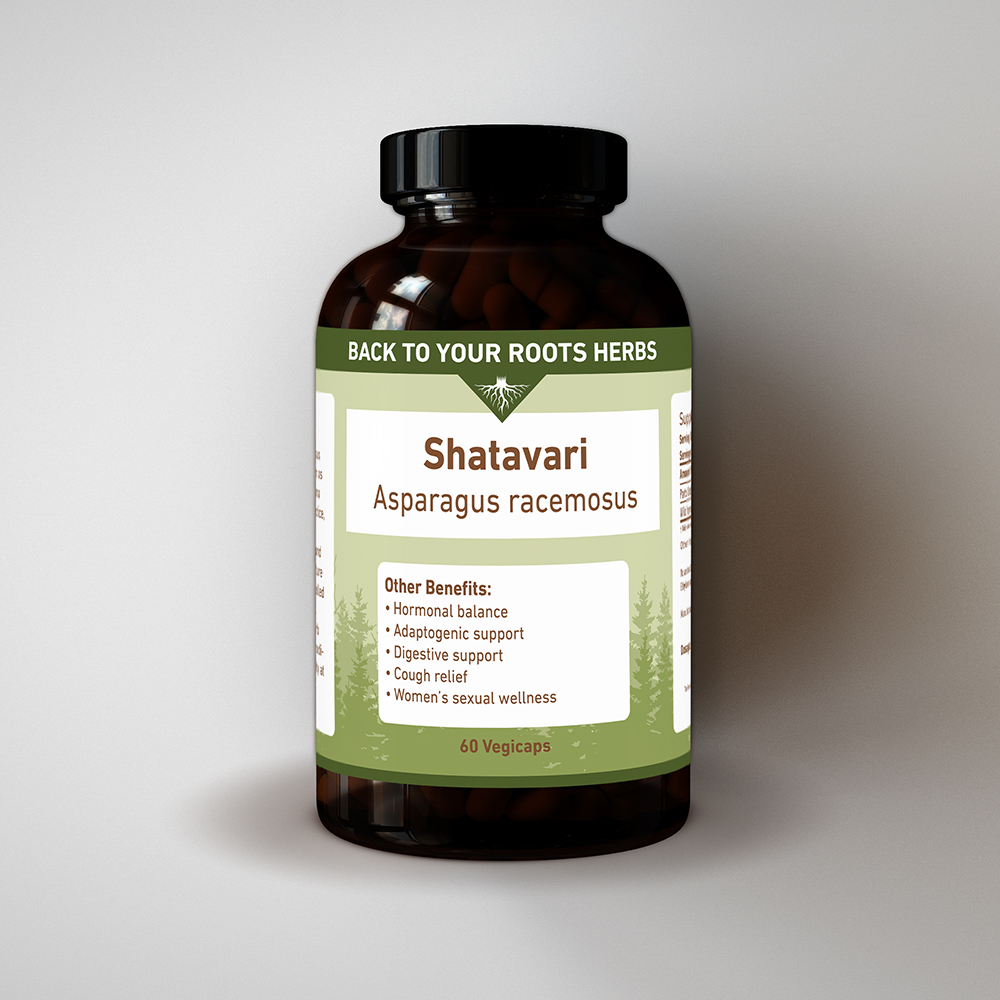
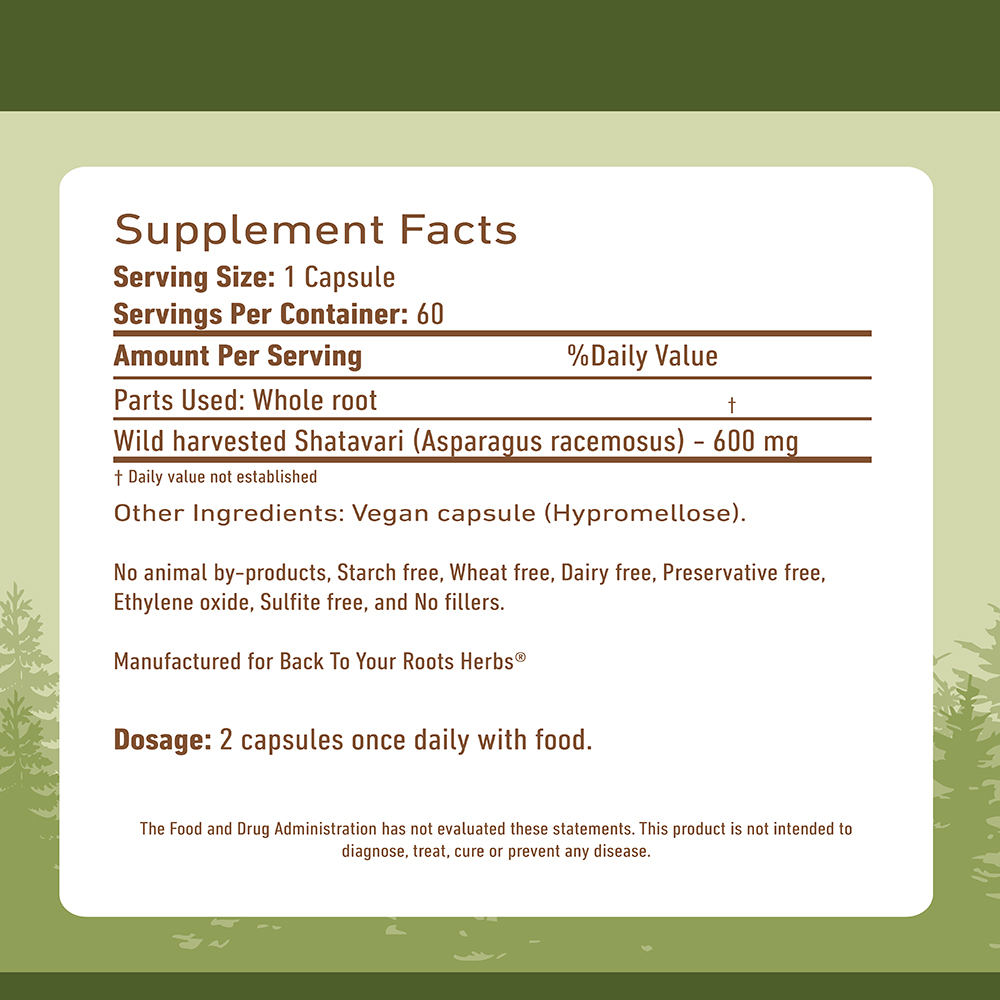
Shatavari capsules are a shatavari supplement made from the dried tuberous root of Asparagus racemosus Willd., the Ayurvedic rasayana known as the Queen of Herbs. Each vegan capsule holds 500 mg of whole root powder. No extract. No tablet binders. Two capsules give 1,000 mg, the same daily weight used in a 2021 randomized trial in postmenopausal women, although that trial used a more concentrated product.
- What it is: a single-herb shatavari supplement from the root of a climbing relative of garden asparagus. Not garden asparagus, and not ashwagandha.
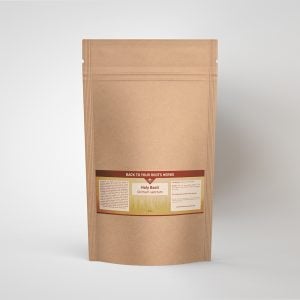
- In the bottle: 60 vegan, gluten-free capsules, 500 mg each, 30 servings.
- Inside: shatavari root powder in a vegetable cellulose cap. No magnesium stearate, no rice flour.
- Origin: Madhya Pradesh, central India (23.4733° N, 77.9480° E).
- Safety first: do not use if pregnant. Ask your provider first if you are breastfeeding or trying to conceive, take lithium, water pills or blood sugar medication, or have a hormone-sensitive condition.
Jump to a section:
- How a shatavari capsule works
- How to use shatavari capsules: dosage and safety
- Clinical specs and lot testing
- Shatavari capsules FAQ
Shatavari tablets vs capsules vs churna.
- Churna: the classical loose powder. Cheapest per gram, bitter, and the dose depends on your spoon.
- Tablets: a shatavari tablet or caplet presses the powder with binders. One certified organic tablet label in the NIH Dietary Supplement Label Database, now listed as off market, names rice flour and gum acacia (DSLD 201825).
- Extracts: a shatavari extract concentrates selected compounds with water or alcohol, as in liquid herbal extracts and softgels.
- Capsules: veggie caps, or vegetarian capsules, hold plain root with no binder and no taste.
Would you rather swallow a shatavari pill than a spoonful of bitter powder? Then capsule form is the one to choose. For the loose root, see our shatavari powder.
The Verdict (Internal Quality Score)
Grade A root, honest label. This lot is whole Asparagus racemosus tuberous root from Madhya Pradesh in central India (23.4733° N, 77.9480° E), dried, milled and encapsulated with nothing added. No extract. No carrier. No flow agents. The heavy metal panel on the lot certificate of analysis reads Pass. Open one and you find a cream colored, faintly sweet shatavari powder with the soft bitter finish Ayurveda assigns to shatavari. One ingredient, made the way classical shatavari churna was made, sealed in a plant-based shell for people who would rather not taste it.
– Back To Your Roots Herbs Research Group
Sensory Analysis: Look, Smell and Taste of the Root
First-hand check. We opened a capsule and checked the shatavari powder by sight, smell, and taste. These are the notes we look for when we open a capsule.
- Look: Fine, cream to pale beige powder with a faint fibrous sheen. It clumps lightly when pressed and breaks apart with a tap.
- Smell: Quiet. Dry earth, raw oats, and a hint of sweet root vegetable. No mustiness.
- Taste: Mildly sweet first, then a soft bitter finish. Slightly starchy, silky in warm milk as the mucilage hydrates.
- Texture: Dry, light, and faintly fibrous between the fingers.
That bitter finish is why many people choose a veg cap over loose churna. Swallowed whole, you taste no shatavari at all.
How Does a Shatavari Capsule Work?
- The Herb: Asparagus racemosus sourced from Madhya Pradesh, India.
- The Mechanism: Acts as a rasayana (rejuvenating) tonic in Ayurvedic practice, where practitioners say it may help support female reproductive health and a healthy stress response.* Its signature compounds are steroidal saponins called shatavarins, plus mucilage and fiber.
- The Evidence: Research by O’Leary et al. (2021) reported a small handgrip strength gain (+0.7 kg vs -0.4 kg on placebo) in 10 postmenopausal women who took 1,000 mg a day of a more concentrated shatavari product for six weeks (PMID 34959836).
Read that closely. Twenty women in total, ten on shatavari. Knee strength and bone-turnover markers did not change. The trial product was rated at 26,500 mg of fresh root per 1,000 mg, while 1,000 mg of dried shatavari root equals roughly 10,000 to 14,000 mg fresh (yield math below), so the trial product was about two to two and a half times as concentrated. A 2024 follow-up found shifts in exercise-adaptation pathways but no single protein that differed from placebo (PMID 38214710). Encouraging. Not conclusive.
Shatavari and the Female Reproductive System
Shatavari is an ancient Ayurvedic herb and a classic rasayana for women, traditionally taken for vitality and immunity at every life stage.* Bopana and Saxena (2007) call the plant “mainly known for its phytoestrogenic properties” (PMID 17240097).
Menstrual Cycle Comfort
Ayurvedic practitioners use shatavari to support comfort around the period, including the occasional menstrual cramp.* This use rests on tradition, and we found no clinical trial of whole-root shatavari for cramps. Sellers also pitch it for premenstrual syndrome (PMS), but we found no rigorous PubMed trial of whole-root shatavari for PMS either, so we make no PMS claim. Abnormal uterine bleeding or a suspected hormonal imbalance needs a medical workup, not an herb.
After Childbirth
India has a long history of giving shatavari to nursing mothers, and NIH LactMed notes the Ayurvedic pharmacopeia lists it as a galactagogue. A 2025 trial of a standardized root extract, not whole root, found more expressed breast milk at 72 hours among 120 postpartum women, 113 of whom completed it (PMID 41055223). LactMed still calls results on milk production mixed and says safety “has not been rigorously studied,” and WebMD advises avoiding use while breastfeeding. Ask your provider or a lactation consultant before use.
Perimenopause and Beyond
Most new human data sits here, and all of it tested extracts, not whole root:
- 2025: 80 perimenopausal women took 300 mg of a shatavari root extract or placebo for eight weeks. The shatavari group improved on the Menopause Rating Scale, hot flashes, and perceived stress (PMID 41209045).
- 2025: In 135 women aged 45 to 65, the extract did best combined with ashwagandha (PMID 41394012).
- October 2026: a journal retracted a 2025 perimenopause trial of another branded extract (PMID 40434025).
That is the honest way to describe a whole-root capsule: Ayurveda frames shatavari as a rasayana to support healthy aging and menopause comfort.*
Saponins, Hormones and the Estrogen Question
Is shatavari high in estrogen? It is not a hormone product and not a substitute for female hormones, but its saponins are studied for estrogen-like (phytoestrogenic) activity. Hayes et al. (2008), in the journal Phytochemistry, isolated ten steroidal saponins from the roots, including shatavarin I, shatavarin IV, and five new compounds, shatavarins VI to X (PMID 17936315). In the 2025 Mahajan trial, estradiol, FSH, and T3 rose in the shatavari group, so anyone with a hormone-sensitive condition, or on hormonal therapy, should check with a provider first. This product is not standardized to a saponin percentage.
What the lab and animal studies do not prove. Lab and animal studies, reviewed by Bopana and Saxena (2007) and in a 2025 shatavarin IV review (PMID 40334116), report antioxidant, anti-inflammatory, and immune system effects of shatavari root extracts (PMID 19038322), often at doses far above one capsule serving. None of them show what a whole-root capsule does in people. Here’s what the research says: claims about the health benefits of shatavari run ahead of the human evidence, and we make no disease claims.
Where It Grows: Madhya Pradesh, India
Kew’s Plants of the World Online lists Asparagus racemosus as native from tropical Africa to northern Australia, including India and the East and West Himalaya. What part of the plant is used? The pale, finger-like tubers, which explain the Sanskrit synonym Shatamuli, “the one with a hundred roots.” Our lot comes from Madhya Pradesh (23.4733° N, 77.9480° E), and Back To Your Roots Herbs® publishes those coordinates.
From field to bottle. Vikaspedia, the Government of India knowledge portal, gives the crop numbers (PDF):
- Harvest: 12 to 14 months after planting, from root suckers or seeds.
- Yield: 12,000 to 14,000 kg of fresh root per hectare, drying to 1,000 to 1,200 kg.
- 1 lb (454 g) of dried shatavari starts as about 4.5 to 6.4 kg of fresh root.
- One bottle (30 g of root) starts as 0.3 to 0.4 kg of fresh root, roughly half to most of the 500 to 600 g a single plant may yield.
Sustainability. Vikaspedia puts India’s need at more than 500 tonnes of shatavari roots a year, and Bopana and Saxena (2007) report that destructive harvesting and habitat loss have left wild stands endangered. A 2024 study found more beta-sitosterol and stronger DPPH antioxidant scores in wild than cultivated roots, and pesticide residues in both (Chakraborty et al. 2024, DOI).
Critical Usage: Dose and Contraindications
Read this before you take your first capsule. Do not take shatavari during pregnancy.
Recommended Dosage and Timing
- Week 1: 2 capsules (1,000 mg) once a day with food.
- After that: 2 capsules once daily (1,000 mg). Move to twice daily (2,000 mg) only if your provider agrees.
- Give shatavari six to eight weeks, the length of most of the human trials, then reassess.
- One 60-count bottle lasts 30 days at 2 capsules a day.
There is no official recommended dosage of shatavari, as with most herbal supplements. WebMD says there isn’t enough reliable information to know an appropriate dose and notes that 500 mg a day has been used safely for up to 8 weeks (WebMD). Our 1,000 mg serving is twice that amount, the same daily weight used in the 2021 trial. Ayurvedic powders run higher: one shatavari powder label in the NIH database lists 3 g, one to two times a day (DSLD 203903).
Taking Shatavari With Food
Take shatavari with a meal and a full glass of water. Ayurveda calls the root heavy (guru), and large servings can sit heavy on an empty stomach. Twice daily? Split doses between breakfast and dinner.
Taken With Warm Milk
Many people take shatavari churna in warm milk, the classical pairing. Shatavari can be taken with milk or water, so either works with a capsule.
Key Timing Tip
Pick one meal and keep it. Steady use over weeks matters more than the hour. Keep the cap tight so humidity stays out.
Possible Side Effects and Who Should Not Take It
Safety data are limited. WebMD rates Asparagus racemosus as possibly safe by mouth, and LactMed says safety has not been rigorously studied. In the 2025 three-arm menopause trial (PMID 41394012), four of 135 women reported mild events: nausea with shatavari alone, loose stools (mild diarrhea) and dizziness with the ashwagandha combination, and headache on placebo. Stop and call your provider if you notice allergy symptoms such as rash, itching, or wheezing.
Precautions when using shatavari. Talk to your healthcare provider before adding any supplements if one of these applies:
- Pregnancy or breastfeeding. WebMD advises avoiding use. Trying to conceive? Ask your provider first. We make no fertility claims.
- A hormone-sensitive condition, or hormonal therapy.
- Lithium. WebMD notes shatavari may act as a water pill, a mild diuretic effect, and slow lithium clearance.
- Water pills (diuretics) such as furosemide, since potassium could drop too low. In rats, a water extract increased urine output only at 3,200 mg per kg (PMID 20931905).
- Diabetes medication, or other drugs and herbs that lower blood sugar. Root extracts raised insulin release in rat pancreas studies (PMID 17210753).
- Allergy to asparagus or other Asparagales plants, such as onions, leeks, garlic, and chives.
- A chronic illness, or buying for kids or teens. Keep the bottle away from kids and pets.
Shatavari is an herb, not a vitamin, but list this supplement with the vitamins and supplements you share with your doctors.
Clinical Specs
| Spec | Detail |
|---|---|
| Serving Size | 2 capsules (1,000 mg). 60 per bottle, 30 servings |
| Frequency | Once daily with food. Up to twice daily if your provider agrees |
| Active Marker | Steroidal saponins (shatavarins), naturally occurring, not standardized |
| Processing | Tuberous root dried and milled whole. No extraction, no carrier, no flow agents |
| Safety | Heavy Metal Tested (Pass) |
| Ingredients | Shatavari (Asparagus racemosus Willd.) tuberous root powder, 500 mg per capsule |
| Other Ingredients | Vegetable Cellulose (Capsule) |
| Purity | Single ingredient, Non-GMO, Vegan (not certified organic) |
| Free From | Wheat, Gluten, Soy, Dairy, Binders, Fillers, Magnesium Stearate |
| Origin | Madhya Pradesh, India (23.4733° N, 77.9480° E) |
| Manufactured | Encapsulated by Back To Your Roots Herbs in Virginia Beach, VA, USA. Product of India |
Identity and lot testing. Look-alike Stemona tubers are sometimes mistaken for shatavari. Kumeta et al. (2013), at Japan’s National Institute of Health Sciences, confirmed that true Asparagus racemosus contains no asparagamine A, a Stemona alkaloid (PMID 22529051). The FDA does not approve supplements before sale, but its GMP rule (21 CFR Part 111) requires an identity test for each dietary ingredient. Ask brands of shatavari supplements, tablets and capsules alike, for that test and a heavy metal panel.
Comparison Table: Whole-Root Capsule vs Generic Brands
| Feature | BTYRH Shatavari Capsules | Generic Shatavari Tablets |
|---|---|---|
| Origin | Madhya Pradesh, India, with coordinates published | Unspecified |
| Preparation | Whole tuberous root, dried and milled, 500 mg per vegetable capsule. No extract, no binders | Powder compressed with binders such as rice flour or gum acacia, or an extract on a carrier |
| Taste | None when swallowed. Opened: a mildly sweet powder with a soft bitter finish | Chalky or coated, varies with binders and age |
| Safety | Lot certificate of analysis, heavy metal panel: Pass | Unknown; lot results often not published |
Capsules vs powder: pros and cons. Capsules give an exact dose, hide the taste and travel well, but churna-size servings mean more to swallow. A shatavari tablet adds binders. Loose shatavari powder, like other Ayurvedic powders, is the most flexible format and the most bitter. Which one to choose? If taste has kept you from shatavari, start with capsules.
Frequently Asked Questions
Can You Take a Shatavari Supplement Every Day?
Many people take shatavari daily, as Ayurvedic tradition suggests, and human trials ran daily for six to eight weeks. Long-term safety has not been rigorously studied, so stay within the label directions and check with your provider if you take medication. What happens when you take shatavari daily? In the 2025 trials, side effects were few and mild, such as nausea.
How Many Times a Day Should You Take Shatavari?
Once or twice. Ayurvedic practice gives shatavari churna once or twice a day. Start once daily with food, and move to twice daily only if your provider agrees. Breakfast is an easy meal to tie your shatavari capsules to.
Can You Take Shatavari and Ashwagandha Together?
Usually, yes, with your provider’s OK, since ashwagandha has precautions of its own. Ayurvedic practitioners often pair the two: shatavari is sweet and cooling, ashwagandha bitter and heating. Which is best for females? Neither is better. They do different jobs, and a 2025 menopause trial found the two root extracts together outperformed shatavari alone. Start shatavari and ashwagandha a week apart. Our ashwagandha root capsules use the same veg cap format.
Does Shatavari Make You Gain Weight?
Unlikely. We know of no clinical trial showing that shatavari changes body weight. A 1,000 mg serving adds a few calories and negligible vitamins and minerals. As an herbal supplement, it carries a Supplement Facts panel, not a Nutrition Facts panel.
What are the benefits of a shatavari supplement? In Ayurveda, shatavari is traditionally used to support female reproductive health, comfort through the menstrual cycle and menopause, healthy aging, and a healthy stress response.* Human evidence is early, and most trial supplements were extracts. What is a shatavari tablet used for? The same things. Most shatavari tablets carry the same root pressed with binders, though some hold an extract.
What is the source of shatavari? The Ayurvedic Pharmacopoeia of India names the tuberous root of Asparagus racemosus (Kumeta et al. 2013). What are the synonyms of shatavari? Shatamuli, Satavari, and the Hindi satavar. The etymology of shatavari, a Sanskrit word, is usually given as “she who possesses a hundred husbands.”
Is shatavari only for women? No. Men take it too, and Ayurveda uses it as a rasayana tonic for adults of any sex.
Is this shatavari supplement certified organic? No. It is not USDA-certified organic, so we do not sell it as organic. Both ingredients, root powder and cellulose, are vegan and naturally gluten-free.
Where to buy shatavari you can trust? Use this consumer checklist: the Latin name Asparagus racemosus, a named origin, a single ingredient, and a lot certificate of analysis for heavy metals. Like other herbal supplements, a product missing any of the four deserves a question.
Building an Ayurvedic shelf? Pair shatavari with other Back To Your Roots Herbs® capsules: amla, brahmi (bacopa), moringa or guduchi capsules, or browse more adaptogens and women’s energy herbs.
Research cited on this page (each PMID checks out on NCBI PubMed):
- O’Leary et al., Nutrients, 2021 (PMID 34959836) and European Journal of Nutrition, 2024 (PMID 38214710)
- Mahajan et al., International Journal of Women’s Health, 2025 (PMID 41209045)
- Ademola et al., Frontiers in Reproductive Health, 2025 (PMID 41394012)
- Ajgaonkar et al., Journal of Obstetrics and Gynaecology, 2025 (PMID 41055223)
- Yadav et al., 2025, retracted 2026 (PMID 40434025, notice PMID 42820926)
- Bopana and Saxena, Asparagus racemosus, ethnopharmacological evaluation and conservation needs, 2007 (PMID 17240097)
- Hayes et al., Steroidal saponins from the roots of Asparagus racemosus, 2008 (PMID 17936315)
- Kumeta et al., 2013 (PMID 22529051), Banerjee et al., review, 2025 (PMID 40334116), and lab or animal work, PMIDs 17210753, 20931905, 19038322
*DISCLAIMER: These statements have not been evaluated by the Food and Drug Administration. This product is not intended to diagnose, treat, cure, or prevent any disease. Consult your healthcare provider before use, especially if you are pregnant, nursing, taking medication, or have a medical condition.
Shatavari supplement product description written by the Back To Your Roots Herbs® Research Group | Fact-checked October 2026.
Reviews
There are no reviews yet.