THE VERDICT (INTERNAL QUALITY SCORE):
Grade A. Wild-Harvested Altai Potency. This is not a standardized factory rhodiola extract. This is the whole, unadulterated rhodiola root sourced directly from the Altai Mountains in Siberia. The terroir at 51.48° N, 86.33° E provides the cold-stress environment required for Rhodiola rosea to produce naturally high concentrations of rosavins and salidroside. Heavy metal tested by an independent lab. CITES Appendix II compliant wild harvest from a plant that takes up to twenty years to reach maturity. The authentic “Arctic Root” of traditional Russian herbalism, codified in the Soviet Pharmacopoeia for rhodiola standardization in 1989.
– Back To Your Roots Herbs Research Group
SENSORY ANALYSIS: RHODIOLA ROOT POWDER PROFILE
This is a first-hand sensory report from our quality team. Each batch of rhodiola root powder is opened, tasted, and graded before it ships. The flavor and aroma confirm the chemotype before the bottle is filled.
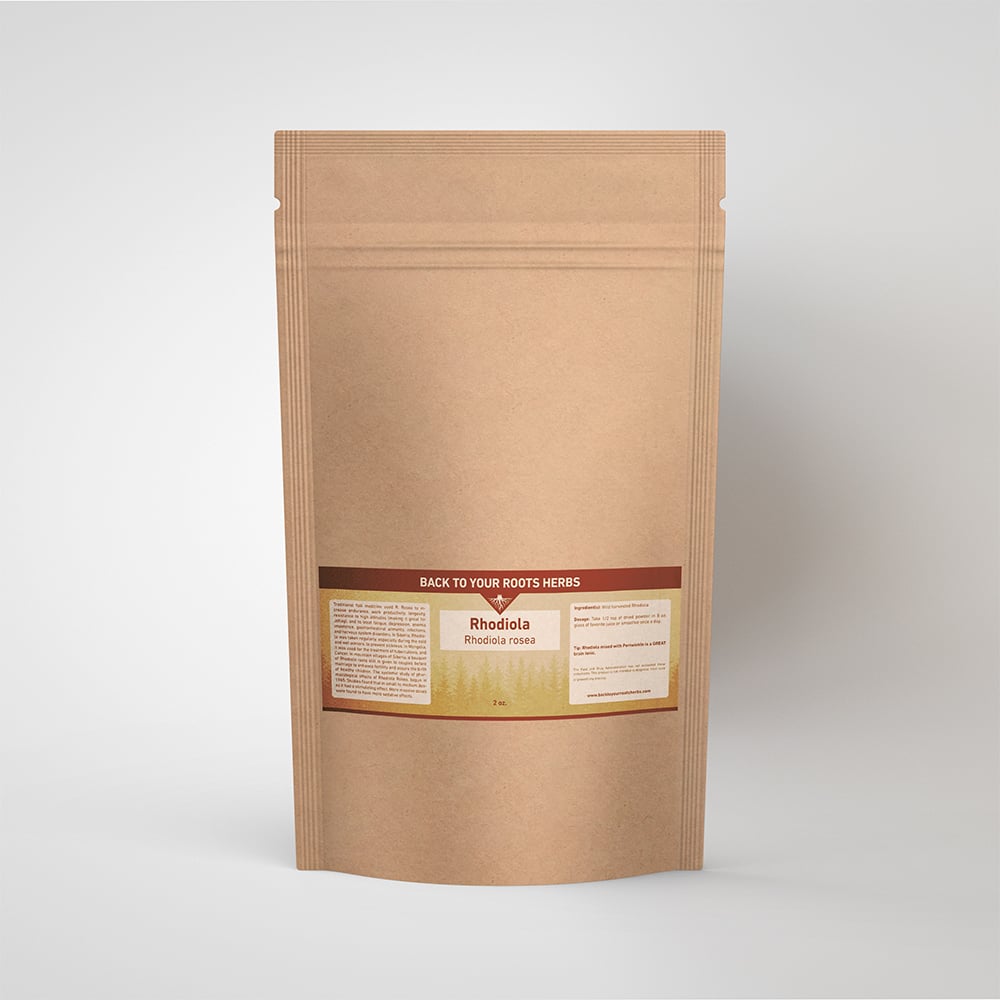
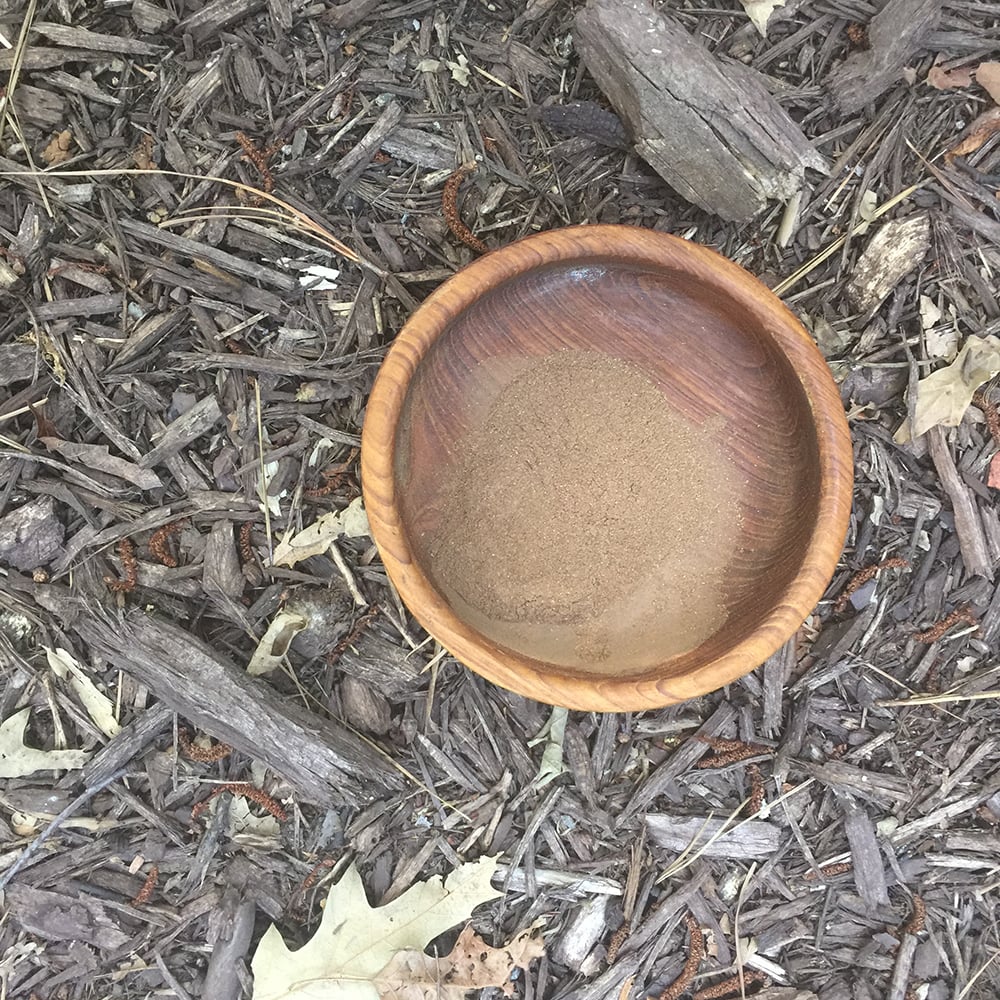
- Look: A fine, reddish-brown rhodiola powder. The color sits between ground cinnamon and unsweetened cocoa, with a lighter, earthier hue. No visible grit. No clumping.
- Smell: Distinctly floral. The bag releases a faint scent of fresh roses on opening. This rose note is the visual confirmation of geraniol and free rosavin oils. A weak or absent rose note signals adulteration with Rhodiola crenulata, the lower-rosavin Chinese substitute species often passed off as Rhodiola rosea root powder by generic resellers.
- Taste: Astringent and bitter. The rhodiola root powder dries the mouth slightly because of native tannins. A subtle floral aftertaste lingers for sixty to ninety seconds. It does not taste sweet like a sugar-laden rhodiola tea blend or a flavor-masked rhodiola capsule filler.
HOW DOES RHODIOLA ROOT POWDER WORK?
Rhodiola root powder operates as a true adaptogen. It does not push the body into a stimulated state. It normalizes functions that are out of balance. The activity of the rhodiola root is driven by phenylpropanoid glycosides (rosavin, rosarin, rosin) and the phenylethanoid salidroside. Together, these compounds give rhodiola its standardized clinical profile.
The Herb Origin: Altai Sourcing
Rhodiola rosea is sourced from the Altai Mountains in southern Siberia. This subarctic strain is the chemotype documented in human clinical research. Other species, especially Rhodiola crenulata, commonly substituted in generic Chinese rhodiola extract powder, contain salidroside but lack the diagnostic rosavins. Our wild-harvested rhodiola supplement is verified by morphology and HPLC fingerprint to be R. rosea L., not crenulata.
The Mechanism of Action: HPA Axis Modulation
Rhodiola acts on the hypothalamic-pituitary-adrenal axis (HPA axis). By modulating the release of cortisol, the rhodiola supplement helps reduce the post-stimulant crash associated with caffeine. Rosavins and salidrosides influence serotonin and dopamine signaling pathways in the brain. This combined action supports a balanced response to physical and biological stressors. Rhodiola also influences the mTOR pathway, a regulator of cell growth and stress response.
The Clinical Evidence
The encouraging clinical evidence for rhodiola comes from peer-reviewed human trials. Darbinyan V et al. (2000) ran a double-blind crossover study of a standardized Rhodiola rosea extract (SHR-5) on the mental performance of physicians during night-shift duty. PMID 11081987, published in Phytomedicine, volume 7, issue 5, pages 365-371. The rhodiola group showed a statistically significant improvement in their fatigue index versus placebo. Additional human trials referenced on PubMed validate rhodiola uses for life-stress symptoms and stress-induced fatigue.
RHODIOLA ROOT POWDER BENEFITS AND USES
Stress Resilience and Cortisol Balance
Chronic life-stress symptoms increase circulating cortisol. Cortisol affects sleep, immune system function, blood sugar, and recovery. Rhodiola supplements work to dampen the cortisol curve under repeated stressors. This is why athletes, students, and night-shift workers reach for rhodiola for stress management. The compound profile of rosavins and salidroside has been characterized as anti-stress and anti-fatigue in the rhodiola literature since the Soviet pharmacopoeia era.
Rhodiola for Stress at the Cellular Level
Rosavins and salidroside protect against stress-induced free-radical damage. The compounds act as cellular antioxidants. Rhodiola also influences the mTOR pathway and modulates the expression of heat-shock proteins, which is one mechanism behind the herb’s reputation for cellular resilience.
Mental Fatigue and Cognitive Clarity
Mental fatigue destroys productivity. Rhodiola root powder supports sustained focus by helping cellular energy production (ATP) without the jitters of caffeine. Rhodiola is specifically associated with mental fatigue from prolonged stress or intellectual work. This is the use case documented in the Darbinyan night-shift trial cited above.
Rhodiola for Brain Fog
Brain fog often accompanies sleep loss, hypoxia at altitude, or extended cognitive load. Salidroside supports oxygen utilization and brain function. Rhodiola powder users typically report improved cognitive abilities within seven to fourteen days of consistent use, though individual responses vary.
Physical Endurance and Muscle Recovery
Rhodiola rosea reliably increases muscle endurance and reduces fatigue during intense exercise according to controlled trials. The rhodiola root extract powder shortens recovery time between training sessions. It also reduces the perceived effort during cardio. This effect is one reason the rhodiola supplement is popular among endurance athletes.
Rhodiola for Exercise and Recovery
Rhodiola supplements are used pre-workout for endurance support and post-workout for relaxation. Many users mix the rhodiola extract powder into smoothies with banana, lemon, and yogurt to mask the bitter rhodiola flavor.
Mood Support and Emotional Balance
Rhodiola supports a balanced mood through neurotransmitter regulation. Some clinicians use rhodiola alongside conventional care for occasional low mood and life-stress symptoms. The rhodiola extract has been studied for stress resilience and stress-induced fatigue in human trials.
Rhodiola Uses for Emotional Resilience
Daily rhodiola supplements may help individuals manage life-stress symptoms. Rhodiola for stress and rhodiola uses for cognitive function are among the most researched applications of this adaptogenic herb in modern phytomedicine.
RHODIOLA EXTRACT POWDER VS. STANDARDIZED RHODIOLA EXTRACT
Why choose rhodiola powder over a rhodiola extract or rhodiola capsules? Many rhodiola extract products isolate active compounds using ethanol or hexane solvents. Solvent extraction strips away the full plant matrix. Our rhodiola root powder retains the complete root profile. You receive rosavin, rosarin, rosin, and salidroside exactly as Rhodiola rosea plants produce them. This is the whole-food approach to herbal supplements.
Whole-Root Rhodiola Extract Powder Retains the Native Spectrum
Standardized rhodiola extract products list a guaranteed percent of rosavins (typically 3 percent) and salidroside (1 percent). Our whole-root rhodiola root extract powder delivers rosavins and salidrosides in their natural ratio, preserving the trace flavonoids, organic acids, and lignans that solvent extracts lose during processing.
Rhodiola Powder vs. Rhodiola Capsules
Rhodiola capsules give convenience and a fixed dose. Rhodiola powder lets you titrate by quarter-teaspoon and mix it into beverages. Rhodiola tea, smoothies, and tinctures all start with the same rhodiola root powder we sell. Many practitioners prefer rhodiola powder because the dose is adjustable and the absorption begins in the mouth, not in a hard-shell capsule that has to dissolve first.
SOURCING, CITES STATUS, AND SUSTAINABILITY
In late 2022, the Convention on International Trade in Endangered Species (CITES) added Rhodiola rosea to Appendix II, effective February 2023. Our rhodiola is wild-harvested under the Russian Federation non-detriment finding for the species. Approximately 500 metric tons of Rhodiola rhizomes are harvested each year globally, with the Altai region producing the highest-rosavin material. The plant takes up to twenty years to reach maturity, so we rotate harvest sites and leave juvenile rhodiola plants in place. Most generic Chinese rhodiola extract on the market is Rhodiola crenulata, not the rosea species protected under CITES.
CRITICAL USAGE
Rhodiola Root Powder Dosage
Start with a quarter teaspoon, approximately 200 to 400 mg, daily. Mix into water, juice, or a smoothie. The bitter rhodiola flavor pairs well with citrus and ginger. The maximum daily dose for short-term use is one teaspoon (about 600 mg). For tincture preparation, refer to a qualified herbalist for fluid-extract ratios. For rhodiola capsules at 250 to 500 mg per capsule, follow the manufacturer’s serving instructions.
Timing and Stacking
Take rhodiola in the morning or early afternoon. Late-day use may interfere with sleep because of increased mental alertness. Rhodiola pairs well with eleuthero, ashwagandha, and reishi mushroom for broader adaptogenic support. Avoid stacking with caffeine for the first two weeks of use while you calibrate your response.
Contraindications and Drug Interactions
Do not use rhodiola root powder if you have bipolar disorder with manic episodes. Avoid rhodiola during pregnancy and breastfeeding. Rhodiola may interact with antidepressant drugs (SSRIs, MAOIs), antihypertensive drugs (including losartan), CNS depressants and sedatives, and substrates of cytochrome p450 2c9, cytochrome p450 3a4, and cytochrome p450 1a2 (CYP2C9, CYP3A4, CYP1A2). Rhodiola may also affect p-glycoprotein-mediated drug transport. Speak with healthcare professionals before combining rhodiola with prescription medications. The Office of Dietary Supplements and the National Center for Complementary and Integrative Health (NCCIH) publish further guidance on rhodiola supplements.
CLINICAL SPECS:
| Spec | Detail |
|---|---|
| Serving Size | 1/4 to 1/2 Teaspoon (200 to 600 mg) |
| Frequency | Once Daily (Morning or Early Afternoon) |
| Active Marker | Rosavins (min 3%) and Salidroside (min 1%) |
| Processing | Low-Temp Air Dried and Stone-Milled Whole Root |
| Safety | Heavy Metal Tested (Pass) |
| Ingredients | 100% Certified Organic Rhodiola rosea Root and Rhizome Powder |
| Other Ingredients | None (No Capsule, No Filler, No Flow Agent) |
| Purity | Organic, Non-GMO, Vegan |
| Free From | Wheat, Gluten, Soy, Dairy, Binders, Fillers, Maltodextrin |
| Origin | Altai Mountains, Siberia (51.48° N, 86.33° E) |
| Manufactured | Virginia Beach, VA, USA |
COMPARISON TABLE:
| Feature | BTYRH Rhodiola Root Powder | Generic Rhodiola Extract |
|---|---|---|
| Species | Rhodiola rosea (HPLC verified) | Often Rhodiola crenulata (substitute) |
| Origin | Altai Mountains, Siberia (51.48° N, 86.33° E) | China (unspecified region) |
| Preparation | Whole Root Powder (rosavins + salidroside intact) | Ethanol or Hexane Solvent Extract |
| Taste | Bitter, Astringent, Rose-Like Aftertaste | Burnt Sugar or Flavorless |
| CITES Status | Wild-Harvested, Appendix II Compliant | Documentation Often Unavailable |
| Safety Testing | Heavy Metal Tested (Pass), Organic Certified | Unknown / Untested |
RHODIOLA SUPPLEMENTS FAQ
Is rhodiola root powder safe as a daily supplement?
Rhodiola root powder is generally well-tolerated for daily use at standard doses (200 to 600 mg). Many practitioners cycle the rhodiola supplement with two-week breaks every twelve weeks. Discuss long-term rhodiola use with healthcare professionals if you take prescription medications.
What are the primary rhodiola benefits?
The primary rhodiola benefits are stress resilience, mental fatigue reduction, physical endurance support, mood balance, and cognitive clarity. Rhodiola is classified as an adaptogen, meaning it helps the body resist physical, chemical, and biological stress.
Why choose rhodiola powder over rhodiola extract or rhodiola capsules?
Rhodiola powder gives the full root profile in its natural ratio. Standardized rhodiola extract and rhodiola capsules can be convenient, but solvent-based rhodiola extract powder loses trace phytochemicals during processing.
Does rhodiola interact with medications?
Rhodiola may interact with antidepressant drugs, antihypertensive drugs (including losartan), CNS depressants, and several cytochrome P450 substrates (CYP2C9, CYP3A4, CYP1A2). Rhodiola may also affect drugs metabolized by P-glycoprotein. Always check with healthcare professionals before combining rhodiola with prescription medications.
DISCLAIMER:
These statements have not been evaluated by the Food and Drug Administration. This product is not intended to diagnose, treat, cure, or prevent any disease. The information presented here is for educational purposes only. Speak with healthcare professionals before adding rhodiola or any herbal supplement to your routine, especially if you take prescription medications.
Reviews
There are no reviews yet.