THE VERDICT
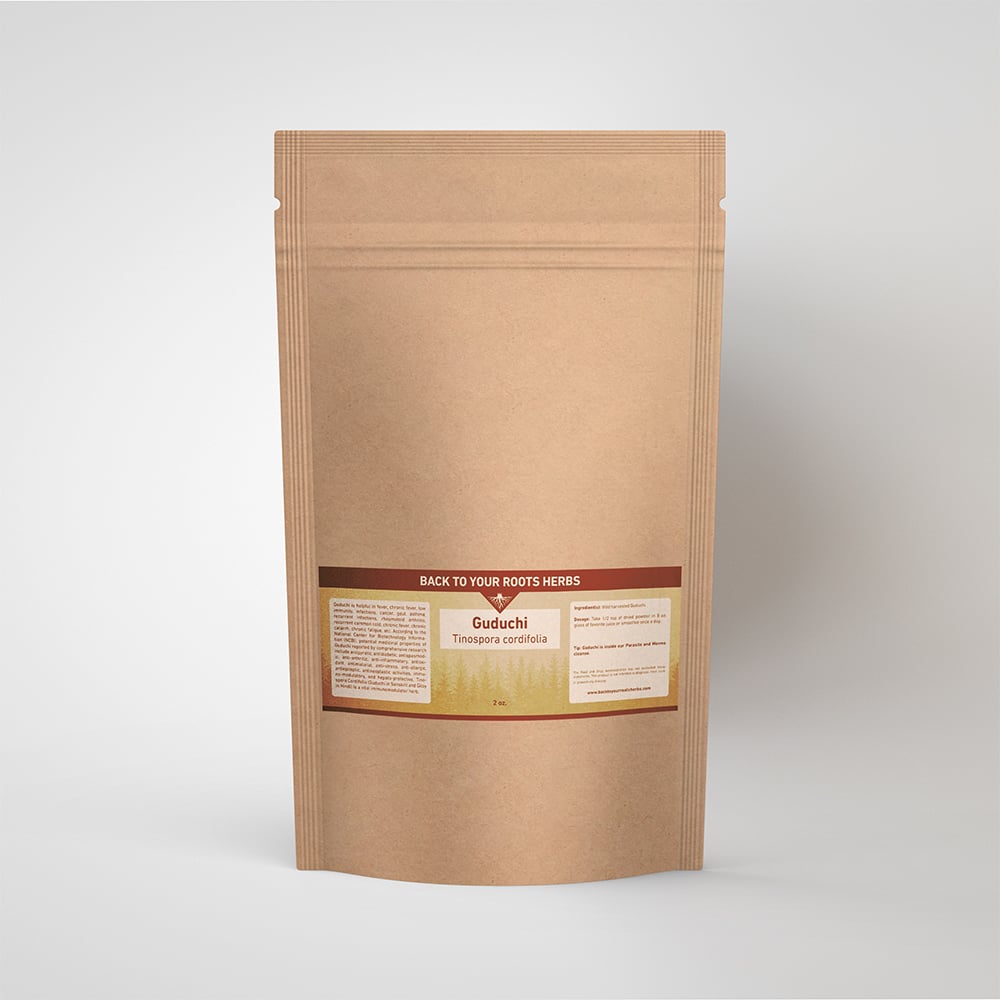
“The ‘Biological Shield’. Our analysis confirms this is 100% Whole Tinospora cordifolia stem powder. Unlike extracts, this full-spectrum powder retains the Guduchi Satva (nutritive starch), providing a balanced profile of bitter alkaloids and soothing prebiotics. Rated 9.7/10 for immunomodulation.”– Back To Your Roots Herbs Research Group
SENSORY ANALYSIS: The Physical Profile
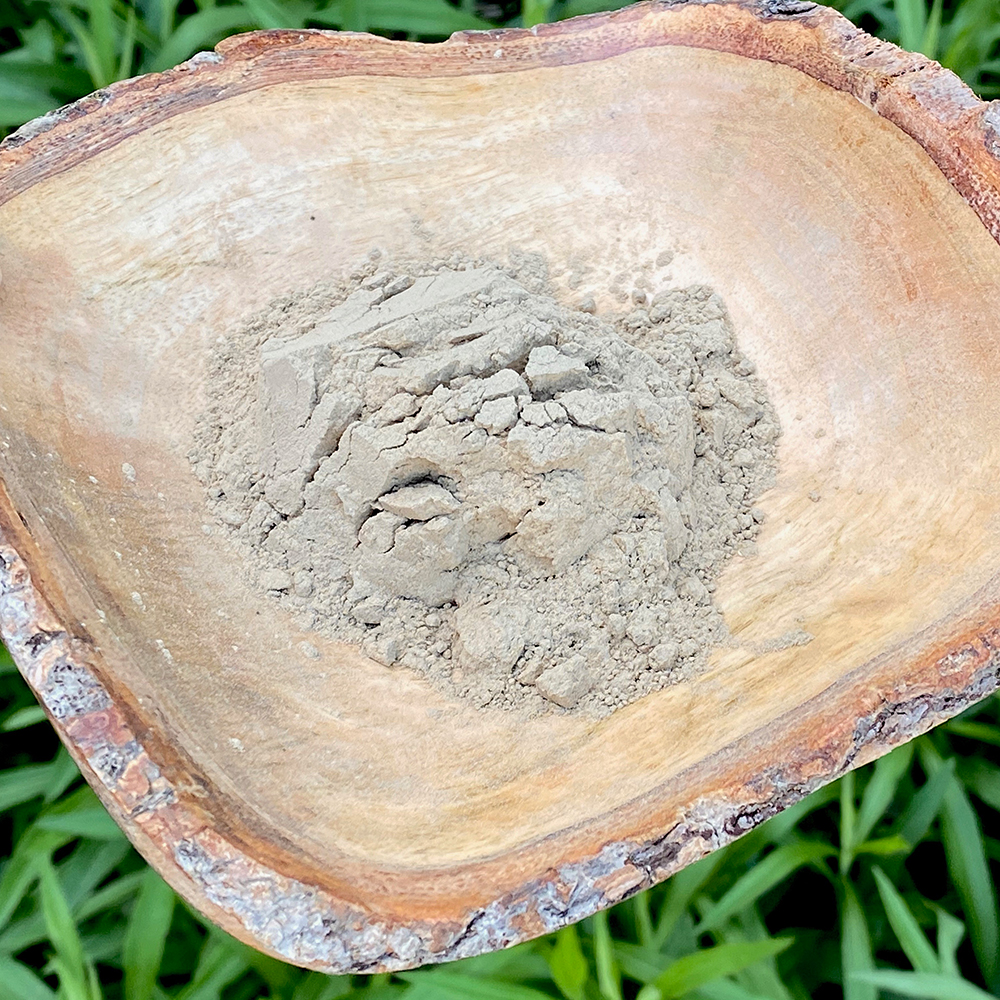
We analyzed the raw powder to verify the stem quality.
Authentic Guduchi stem powder has a very specific “Dual-Profile.”
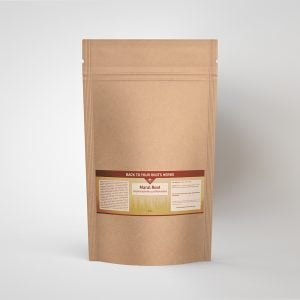
- The Look: The powder is a light, creamy beige. This color comes from the Guduchi Satva (the natural starch inside the stem). If it is dark brown, it is likely oxidized or leaf powder (lower quality).
- The Taste: Be warned: it is Intensely Bitter (Tikta Rasa). This bitterness is the primary indicator of active alkaloids like Berberine and Tinosporine.
- The Fix: Tradition dictates mixing it with Honey or Ghee to mask the taste and assist absorption.
How does Guduchi support the Immune System?
Research suggests Guduchi increases the Phagocytic Activity of Macrophages.
Macrophages are the “Pac-Man” cells of your immune system that engulf pathogens.
- The Herb: Guduchi (Tinospora cordifolia)
- The Compound: Syringin & Cordifoliosides. (Sharma et al., 2012, J Ethnopharmacol)
- The Mechanism: Stimulates the activation of white blood cells (Macrophages), improving the body’s ability to detect and eliminate foreign invaders.
- The Outcome: A “Primed” immune system ready for seasonal challenges. (See Singh et al., 2004 on macrophage activation, and the review by Yates et al., 2022.)
What Is Guduchi Used For Beyond Immunity?
Guduchi is a broad-acting Rasayana. Traditional use and modern research point to several body systems.
- Liver: Guduchi is traditionally used to support the liver. Preclinical research has reported hepatoprotective activity (see Kavitha et al., 2011).
- Healthy glucose metabolism: It has traditionally been used to support healthy glucose metabolism. If you actively manage your blood sugar, read the safety note below first.
- Stress resilience: As an adaptogen, Guduchi is traditionally used to support the body’s resilience to everyday stress. A review of its validated Ayurvedic pharmacology appears in Upadhyay et al., 2010.
What is “Guduchi Satva” and why does it matter?
Satva is the starchy extract naturally found within the stem.
Because this is the Whole Powder, you get the benefit of this starch.
- Action: It acts as a nutritive tonic that balances the intense heating/bitter nature of the alkaloids, making the herb more tolerable for the gut and cooling for the body (Pitta pacifying).
How to Take Guduchi Powder
The bitterness is the point, and also the challenge.
- Dose: 1/2 to 1 teaspoon (about 2-3 g) once or twice daily.
- Vehicle: Stir into warm water, or follow tradition and mix with honey or a little ghee to soften the bitter Tikta Rasa and aid absorption.
- Timing: Often taken on an empty stomach in the morning. It folds easily into herbal churna mixes and warm tonics.
Can You Cook or Bake With Guduchi Powder?
Short answer: it is a medicinal powder, not a culinary spice.
- Why not baking: Guduchi is intensely bitter, so it does not belong in sweet baked goods the way a fruit or sweet-spice powder would. The limitation is flavor, not heat.
- Better uses: Whisk it into warm water or a bitter tonic, blend a small dose into a strong green smoothie where other flavors carry it, or take it the traditional way with honey or ghee.
- Keep it simple: Most people treat the dose as a supplement to be masked, not a recipe ingredient to be tasted.
Guduchi and Joint Comfort: The Traditional Picture
In Ayurveda, Guduchi (Amrita) is a classic herb for Amavata, the traditional category covering joint stiffness and discomfort.
- Traditional use: Guduchi has traditionally been used to support joint comfort and healthy uric-acid metabolism, and it appears in many classical joint formulas.
- The research picture: Preclinical (animal-model) studies have examined how Tinospora cordifolia influences inflammatory mediators relevant to joint tissue (see Sannegowda et al., 2015). This is early, non-human research, not a treatment claim.
- Important cross-reference: Because Guduchi is an immunomodulator, anyone with an autoimmune joint condition such as rheumatoid arthritis should read the CRITICAL SAFETY section below and consult their healthcare provider before use.
CRITICAL SAFETY: Who should NOT take Guduchi?
Guduchi is a potent Immunomodulator and may lower blood sugar.
- Autoimmune Conditions: Because it is immune-active, it may be inappropriate for conditions like Lupus, Rheumatoid Arthritis, or MS. Avoid use unless your healthcare provider directs otherwise.
- Diabetes: Guduchi may lower blood sugar. If you are on insulin or diabetic medication, monitor your levels closely to avoid hypoglycemia.
- Surgery: Stop use 2 weeks before surgery to prevent blood sugar fluctuations.
Possible Side Effects
Guduchi is generally well-tolerated, but be aware of the following.
- Digestive: Its intense bitterness can cause mild stomach upset or constipation in sensitive individuals. Taking it with honey, ghee, or food helps.
- Blood sugar: Watch for signs of low blood sugar (lightheadedness, shakiness) if you are also managing glucose.
- Immune-related: In people with autoimmune conditions, immune-active herbs can be unsuitable (see above).
Is Guduchi Safe for Long-Term Use?
In the Ayurvedic tradition, Guduchi is classed as a Rasayana, a rejuvenative taken over time. Many people use it daily in cycles, for example several weeks on followed by a short break. Monitor how you feel, and check with your healthcare provider for sustained use, especially alongside medication.
CLINICAL SPECS & DOSAGE
Wild-harvested from Thailand.
| Specification | Detail |
|---|---|
| Serving Size | 1/2 to 1 Teaspoon (2-3g) |
| Active Ingredient | Tinospora cordifolia Whole Stem |
| Key Components | Tinosporine, Berberine, Satva (Starch) |
| Primary Action | Macrophage Activation (Immunity) |
| Taste Profile | Extremely Bitter (Use Honey) |
| Allergen Status | Hypoallergenic (No corn, soy, wheat, dairy) |
COMPARISON: Guduchi vs. Echinacea
Comparative analysis of immune herbs.
| Feature | Guduchi (Giloy) | Echinacea (Purpurea) |
|---|---|---|
| Primary Mechanism | Macrophage Activation | Cytokine Stimulation |
| Best Use Case | Daily Defense / Detox | Acute Onset (Cold/Flu) |
| Effect Type | Immunomodulator (Balancer) | Immune Stimulant (Booster) |
| Secondary Benefit | Liver / Blood Sugar | Respiratory Health |
| Duration | Long-Term Safe | Short-Term Cycle |
Compared with other popular immune herbs such as Astragalus, Elderberry, Ashwagandha, and Amla, Guduchi sits in the immunomodulator (balancer) category rather than the simple-stimulant category. That is why it is favored for sustained daily defense rather than only at the first sign of a cold.
DISCLAIMER
Legal Information: These statements have not been evaluated by the Food and Drug Administration. This product is not intended to diagnose, treat, cure, or prevent any disease. Consult your healthcare provider before use.
Reviewed by the Back To Your Roots Herbs Editorial Team. Last Reviewed: June 2026.
Reviews
There are no reviews yet.