The Verdict (Internal Quality Score)
Grade A. Sourced from Hunyuan County, Shanxi Province, China (39.7N, 113.7E), the recognized “daodi” (geo-authentic) origin for Astragalus membranaceus var. mongholicus. This whole astragalus root powder retains the full phytochemical profile: polysaccharides, flavonoids, and triterpenoid saponins. Unlike standardized astragalus extract products, this powder delivers the complete fiber matrix alongside active compounds. Rated 9.9/10 for purity and terroir verification.
– Back To Your Roots Herbs Research Group
Sensory Analysis of This Astragalus Root Powder
Appearance and Aroma
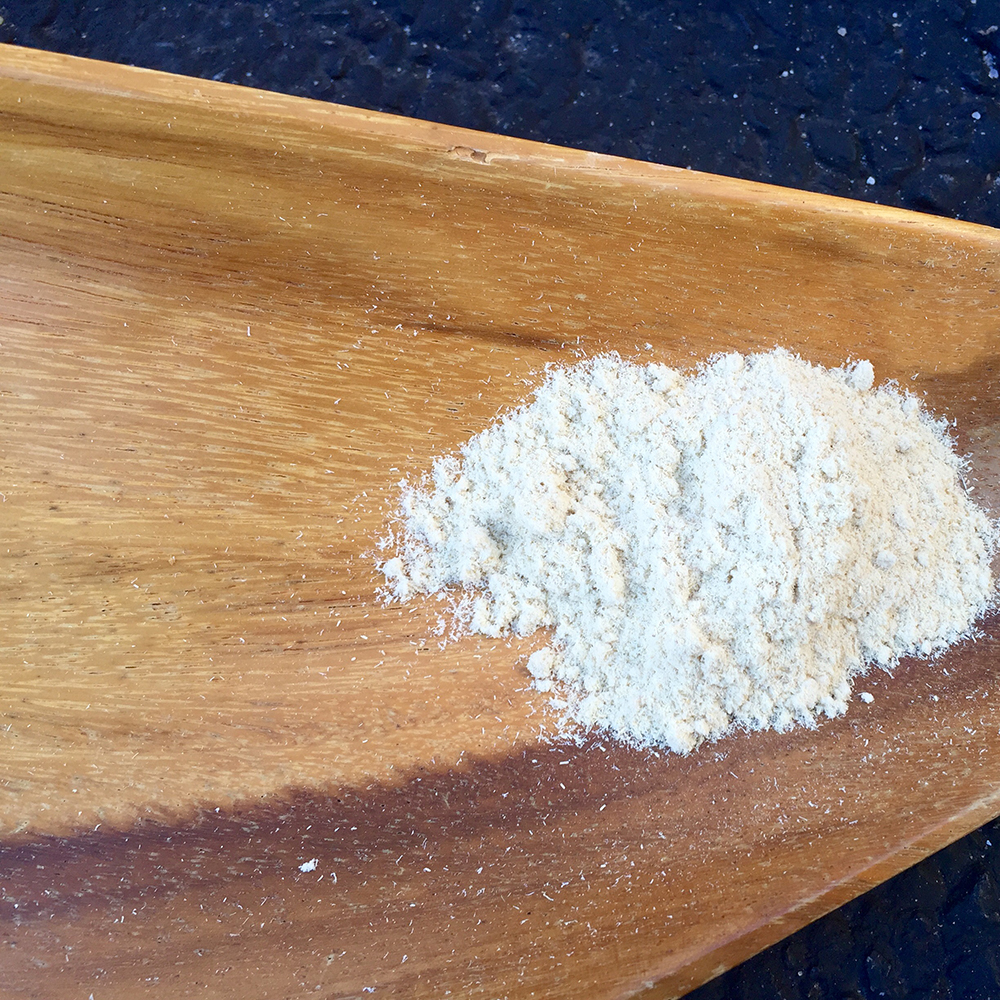
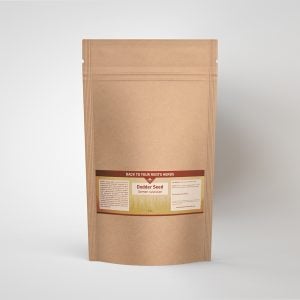
– Look: Fine, pale yellow powder with visible fiber strands. Consistent milling with no foreign particulate.
– Smell: Fresh, grassy, and subtly sweet. Closer to dried yellow split peas than typical herbal remedies.
– Taste: Distinctly sweet and mild with a legume-like finish. No bitterness. This astragalus herb tastes like food, not medicine.
How Does Astragalus Root Powder Work as an Adaptogen?
The Traditional Chinese Medicine Connection
Huang Qi and Wei Qi Theory
Astragalus (Huang Qi) holds a primary position in traditional Chinese medicine as a Qi tonic. Practitioners have used this astragalus root for over 2,000 years to strengthen “Wei Qi,” the body’s protective energy that guards the skin and lungs. Modern research now validates what traditional Chinese medicine documented centuries ago.
The Mechanism: Polysaccharide-Driven Immune Support
How Astragalus Polysaccharides Activate Immune Cells
The Herb: Astragalus membranaceus sourced from Hunyuan County, Shanxi Province, China.
The Mechanism: Acts as an immunomodulatory agent that activates macrophages and dendritic cells, triggering enhanced immune surveillance.
The Evidence: Research by Jin et al. (2022) confirmed that astragalus polysaccharides promote the activities of macrophages, natural killer cells, and T lymphocytes through TLR4 receptor pathways (PMID: 35713852).
The polysaccharides in this astragalus root powder bind to immune cell receptors. Shao et al. (2004) demonstrated that astragalus polysaccharides selectively activate B cells and macrophages (PMID: 15249203). This is the science behind “Wei Qi” immune support.
Astragaloside IV and Anti-Aging Research
Telomerase Activation Studies
Liu et al. (2017) published evidence linking astragalus membranaceus compounds to increased telomerase activity in human T cells. Astragaloside IV, a saponin found in astragalus root, shows potential for cellular anti-aging through MAPK pathway regulation (PMC5758356).
Astragalus Root Powder for Blood Sugar and Heart Health
Supporting Metabolic and Cardiovascular Function
Research indicates astragalus may help maintain healthy blood sugar levels. The flavonoids and polysaccharides in astragalus root support cardiovascular function and heart health. Studies suggest this adaptogen helps the body manage stress response while supporting kidney function.
Astragalus Root Powder for Energy and Daily Vitality
In traditional Chinese medicine, Huang Qi is classified as a Qi tonic, an herb traditionally used to support steady energy and help the body cope with occasional fatigue and everyday stress. This is the adaptogenic side of astragalus root powder. Rather than acting like a stimulant, it works alongside the body’s own stress-response system. Preclinical research supports this traditional use: Yeh et al. (2014) reported that Astragalus membranaceus improved exercise performance and reduced exercise-induced fatigue markers, including blood lactate and ammonia, in trained mice (PMID: 24595275). For daily vitality, the polysaccharides and saponins in this whole root powder work hand in hand with its documented Wei Qi immune support.
Astragalus Root Powder Dosage and Critical Usage
How Do You Take Astragalus Root Powder?
Recommended Daily Dose
The Protocol: Add 1 Tablespoon of astragalus root powder to any pot of soup, stew, or bone broth. Simmering helps extract the astragaloside compounds from the fiber matrix.
Daily Dose: Take 1-2 Teaspoons (approx. 3-6 g) daily with food. This astragalus root powder dissolves well in warm liquids.
Cooking Applications
Why This Powder Works in Everyday Food
Because of its sweet, legume-like flavor, this astragalus root powder integrates into daily cooking without altering taste:
– Immune Broth: Add 1 Tbsp to chicken soup or bone broth
– Smoothies: Blend with banana, nut butter, and milk
– Golden Milk: Combine with turmeric and ginger for a warming tonic
– Oatmeal: Stir into morning oats for natural immune support
Are There Side Effects with Astragalus?
Contraindications and Safety
Astragalus is generally well-tolerated as a natural remedy, but certain groups should exercise caution:
– Pregnancy: Not recommended during pregnancy without physician guidance
– Autoimmune Conditions: Caution for lupus and rheumatoid arthritis patients due to T-cell stimulation
– Acute Fever/Flu: In traditional Chinese medicine, astragalus is not taken during acute illness. It is a “building” herb for prevention
– Immunosuppressive Drugs: May interact with medications that suppress the immune system
– *Allergies: As a legume-family plant, those with peanut allergies should consult a healthcare provider
What Is an Effective Dosage?
Standard Dosage Guidelines
Most evidence supports 3-6 g daily of whole astragalus root powder. Higher doses up to 30g have been used in traditional Chinese medicine under practitioner supervision. Start with the lower dose and adjust based on individual response.
Storage and Shelf Life
Store astragalus root powder in an airtight container in a cool, dark, dry place away from direct sunlight, heat, and humidity. Sealed glass jars or food-grade pouches best preserve the polysaccharides and flavonoids. Keep your scoop dry to prevent clumping, and reseal after each use. Properly stored, this astragalus powder maintains its potency, color, and aroma for 12-18 months. Refrigeration is optional in humid climates but is not required.
Astragalus Root Powder Clinical Specs
| Spec | Detail |
|---|---|
| Serving Size | 1-2 Teaspoons (3-6g) |
| Frequency | 1-2 Times Daily (Morning/Afternoon) |
| Active Marker | Astragalus Polysaccharides, Astragaloside IV, Flavonoids |
| Processing | Whole Root, Air-Dried, Stone-Ground |
| Safety | Heavy Metal Tested (Pass) |
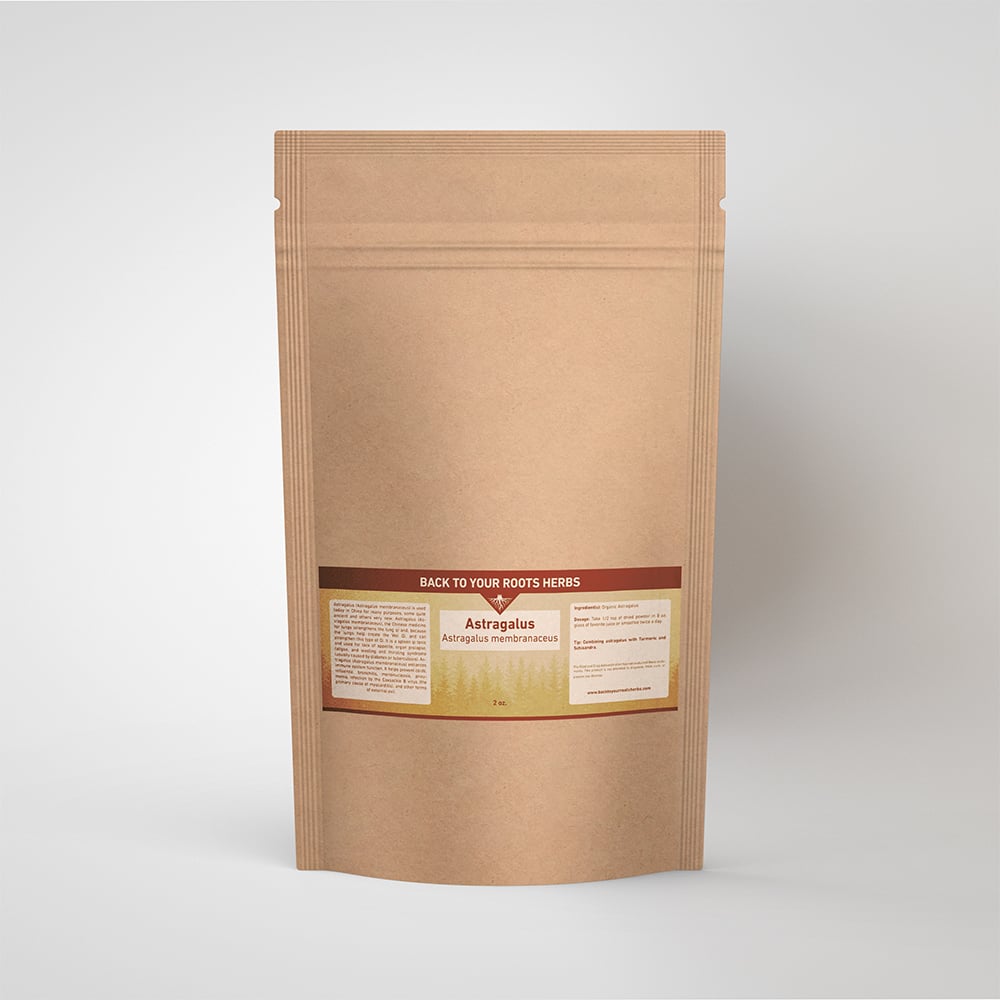
| Ingredients | Organic Astragalus membranaceus Root Powder |
| Other Ingredients | None (Pure Whole Root Powder) |
| Purity | Non-GMO, Vegan, Whole Food |
| Free From | Wheat, Gluten, Soy, Dairy, Binders, Fillers |
| Origin | Hunyuan County, Shanxi Province, China (Daodi Terroir) |
| Manufactured | Virginia Beach, VA, USA |
Comparison: BTYRH Astragalus vs. Generic Brands
Why Choose Back To Your Roots Herbs Astragalus Root Powder?
| Feature | BTYRH Astragalus Root Powder | Generic Astragalus Supplement |
|---|---|---|
| Origin | Hunyuan, Shanxi (Daodi Region) | Unspecified China |
| Preparation | Whole Root Powder (Full Spectrum) | Standardized Extract (Isolated Compounds) |
| Taste | Sweet, Legume-Like (Culinary Grade) | Bitter / Medicinal |
| Safety | Heavy Metal Tested, Virginia Beach Facility | Unknown / Untested |
DISCLAIMER: These statements have not been evaluated by the Food and Drug Administration. This product is not intended to diagnose, treat, cure, or prevent any disease. Consult your healthcare provider before use, especially if you are pregnant, nursing, taking medication, or managing a medical condition. Avoid during acute fever.
Reviewed by the Back To Your Roots Herbs Editorial Team. Last Reviewed: June 2026.
Authoritative References:
– National Center for Complementary and Integrative Health (NCCIH) – Astragalus
– Memorial Sloan Kettering Cancer Center – Astragalus, Integrative Medicine
– Yeh TS, et al. Astragalus membranaceus improves exercise performance and ameliorates exercise-induced fatigue in trained mice. Molecules. 2014 – PMID: 24595275
Reviews
There are no reviews yet.