The Verdict: Internal Quality Score
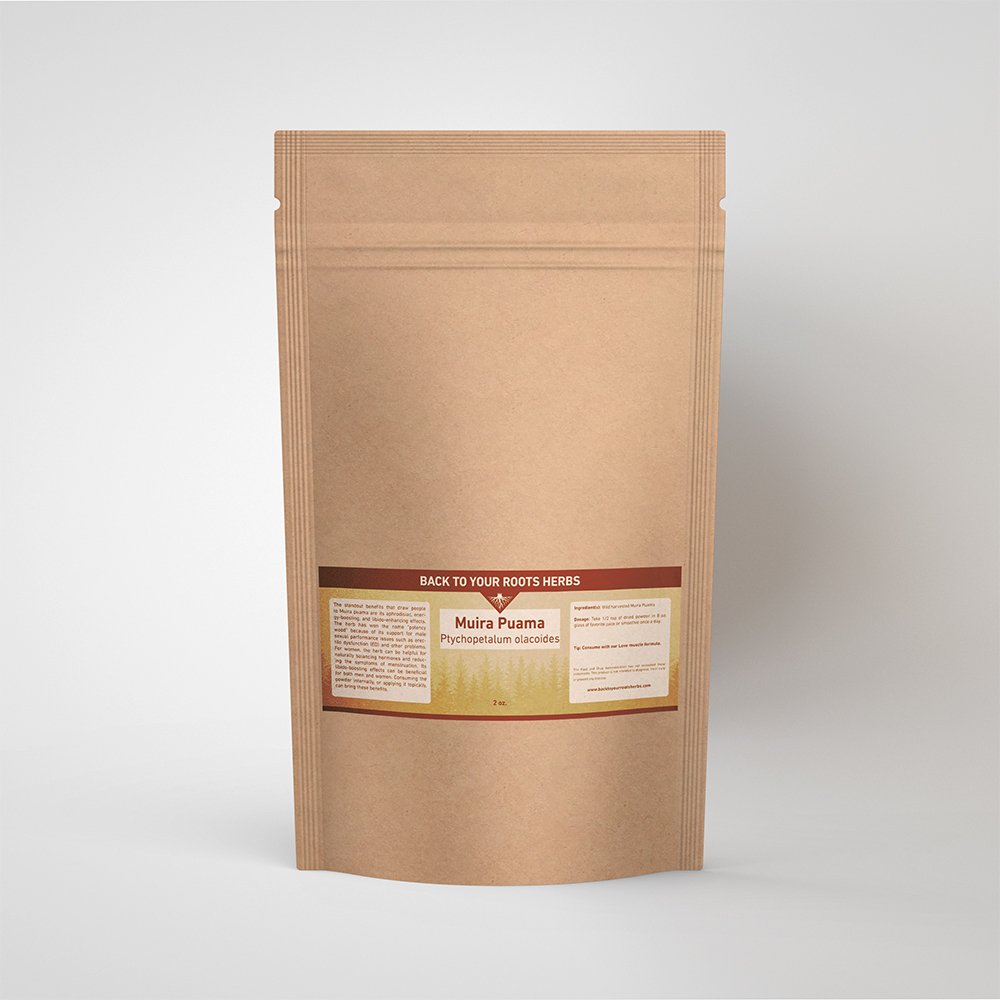
Potency Score: Grade A. This Muira Puama Powder is sourced as raw Ptychopetalum olacoides bark and root from the Brazilian Amazon rainforest, then milled to a fine whole powder (no extract, no solvents, no fillers). Terroir matches the traditional Amazonian nerve tonic profile described in Figueiró et al. (2011). Muirapuamine, free long-chain fatty acids, and plant sterols arrive intact. Heavy-metal tested. Passed.
– Back To Your Roots Herbs Research Group
Sensory Analysis of Our Muira Puama Powder
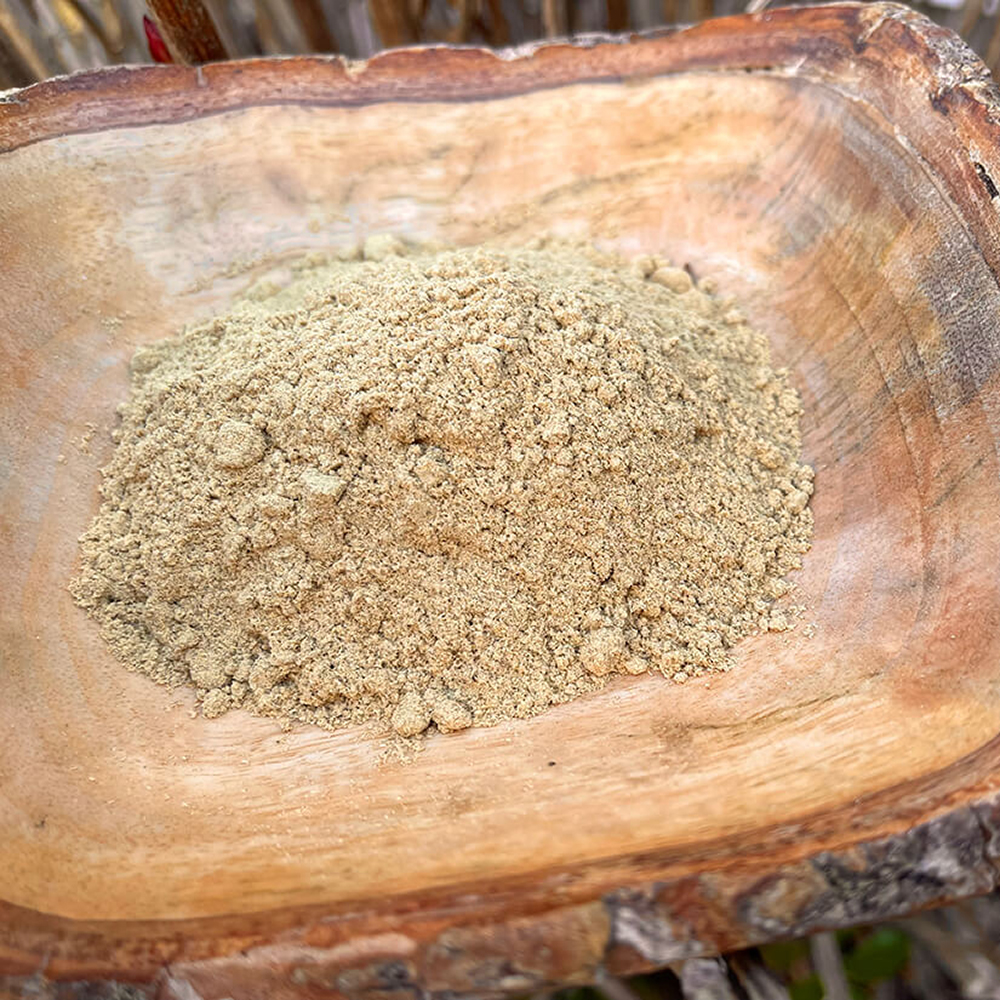
- Look: Warm tan to light-coffee brown, finely milled, with flecks of bark fiber visible under light.
- Smell: Dry wood, toasted root, and a faint resinous sweetness. Grounded and earthy, never musty.
- Taste: Mild bitterness up front, soft nutty finish, with a subtle warming sensation on the palate. The raw muira puama powder blends well into coffee, cacao, smoothies, or capsules.
How Does Muira Puama Powder Work?
Muira Puama Powder Benefits Rooted in Botanical Chemistry
- The Herb: Ptychopetalum olacoides, sourced from the Brazilian Amazon rainforest, the traditional range of this small flowering tree in the family Olacaceae.
- The Mechanism: The muira puama bark and muira puama root carry muirapuamine, free long-chain fatty acids, plant sterols, and coumarins that the body uses to support circulation, calm nervous-system tone, and steady daytime energy.
- The Evidence: A peer-reviewed mouse study by Figueiró et al. (2011) reported that a standardized Ptychopetalum olacoides extract (POEE) attenuated cognitive impairment and neuroglial degeneration in a mouse Alzheimer model – supporting the herb’s long Amazonian reputation as a neuroprotective nerve tonic (PMID: 20739160).
Muira Puama Uses in Traditional Amazonian Practice
A “Potency Wood” Tonic
Amazonian healers have used muira puama bark powder and muira puama root for generations as a tonic for stamina, sexual wellness, and mental focus. The nickname “Potency Wood” reflects this long tradition rather than any pharmaceutical action.
A Companion to Other Botanicals
Muira puama powder is often paired with catuaba, maca, ashwagandha, ginseng, or horny goat weed in personal blends intended to support libido, energy, and hormonal balance. Some customers combine muira puama extract powder, maca, and ashwagandha in smoothies. Others prefer muira puama tea from a simmered decoction of the raw bark powder.
Whole Powder vs. Extract
This product is a whole muira puama powder (ground raw bark and root), not a concentrated muira puama extract, and not a muira puama tincture. If you want a stronger, liquid-ready option, look for a separately labeled muira puama liquid extract or muira puama tincture – but for broad, full-spectrum chemistry, the raw muira puama bark powder is the traditional form.
Muira Puama Powder Benefits Our Customers Notice Most Often
Energy
Supports steady daytime energy without the jittery side effects of caffeine or stimulant-heavy formulas.
Libido & Sexual Wellness
Traditionally used to support libido and healthy sexual function in both men and women.
Nervous-System Tone
Used in Amazonian practice as a calming nerve tonic, supporting a relaxed-but-alert mental state.
Cognitive Function
Research on Ptychopetalum olacoides points to neuroprotective and memory-supporting activity (Figueiró et al., 2011).
Hormonal & Joint Support
Used in Amazonian practice to support hormonal balance and healthy joints as part of a whole-body tonic.
Circulation
Long-chain fatty acids and plant sterols in muira puama bark support healthy circulation.
Mood
Customers often describe a subtle, warm mental lift after a daily serving of muira puama root powder.
Stress Response
As a traditional Amazonian nerve tonic, muira puama supports the body’s normal response to daily stress.
Stamina
Used by Amazonian peoples to support physical stamina during long days of work and travel.
Traditional Context
Described in ethnobotanical literature as “marapuama” or “muirapuama,” the Amazonian nerve tonic.
Clean Sourcing
Organic, non-GMO, vegan, and heavy-metal tested in a Virginia Beach facility.
Muira Puama Powder Uses: Dosage & Preparation
A typical daily serving of muira puama powder is 1 to 2 grams (about ½ teaspoon), taken once or twice per day. Mix the raw muira puama bark powder into warm water, coffee, cacao, a smoothie, or use it to fill empty muira puama capsules. You can also simmer 1 teaspoon in 8–12 oz of water for 15–20 minutes to make a muira puama tea, then strain and drink.
Critical Usage: Contraindications & Trust Signals
Do not use muira puama powder if you are pregnant, nursing, or under 18. Consult a qualified healthcare practitioner before combining muira puama supplements with blood-pressure medication, blood thinners, or other prescription drugs. Discontinue use if you experience any unusual muira puama side effects and contact your practitioner. This information describes a traditional herbal supplement and is not a substitute for medical care.
Clinical Specs
| Spec | Detail |
|---|---|
| Serving Size | 1–2 grams (approx. ½ teaspoon) |
| Frequency | 1–2 times per day with food |
| Active Marker | Muirapuamine + free long-chain fatty acids + plant sterols |
| Processing | Raw muira puama bark and root, low-temperature milled to fine powder (no solvents, no extract) |
| Safety | Heavy Metal Tested (Pass) |
| Ingredients | 100% Muira Puama (Ptychopetalum olacoides) bark & root powder |
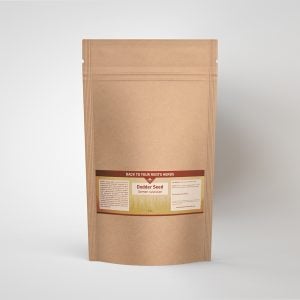
| Other Ingredients | None. Ships in a re-sealable kraft stand-up pouch. If encapsulated at home, use vegetable cellulose muira puama capsules. |
| Purity | Organic, Non-GMO, Vegan |
| Free From | Wheat, Gluten, Soy, Dairy, Binders, Fillers |
| Origin | Brazilian Amazon rainforest (native range of Ptychopetalum olacoides) |
| Manufactured | Virginia Beach, VA, USA |
Muira Puama Powder Comparison: BTYRH vs. Generic Brands
Solvent-extracted muira puama extract or isolated muira puama resin
| Feature | BTYRH Muira Puama Powder | Generic Muira Puama Extract Suppliers |
|---|---|---|
| Origin | Brazilian Amazon rainforest, wild-sustainable sourcing | Unspecified “South American” or no origin listed |
| Preparation | Raw bark & root, low-temperature milled, whole full-spectrum powder | |
| Taste | Warm, earthy, lightly bitter — true bark & root character | Flat, chemical, or masked with flavoring agents |
| Safety | Heavy-metal tested (Pass); organic, non-GMO, vegan | Often untested and unverified |
Ptychopetalum olacoides Botanical Reference
Family: Olacaceae. Common names: muira puama, marapuama, muirapuama, “Potency Wood.” Plant parts used: bark, root, and occasionally muira puama aerial parts.
Pairing Suggestions
Customers pair this muira puama herb with catuaba, maca, ashwagandha, ginseng, or horny goat weed for broader tonic support. Some add turmeric for joints, ginkgo biloba for circulation, or L-arginine for vascular health.
Storage
Store the sealed pouch in a cool, dry place out of direct sunlight. Re-seal tightly after each use. Best used within 24 months of opening.
Muira Puama vs. Other Aphrodisiac and Adaptogenic Herbs
Shoppers often ask how muira puama powder compares to other libido and vitality herbs. Each plant has its own traditional role. The table below frames their traditional uses, not medical outcomes, so you can choose the right tonic or build a blend.
| Herb | Botanical Name | Traditional Role and Focus | Plant Part |
|---|---|---|---|
| Muira Puama | Ptychopetalum olacoides | Amazonian nerve and “potency wood” tonic for energy, libido, and nervous-system tone | Bark, root |
| Maca | Lepidium meyenii | Andean adaptogenic root used for stamina and hormonal balance | Root |
| Tongkat Ali | Eurycoma longifolia | Southeast Asian root used for male vitality and stress resilience | Root |
| Damiana | Turnera diffusa | Latin American leaf used for mood and libido | Leaf |
| Horny Goat Weed | Epimedium species | Traditional Chinese herb used for circulation and libido | Aerial parts |
Many customers do not pick just one. They pair muira puama with maca powder, damiana, or horny goat weed for broader tonic support. If you prefer capsules over loose powder, see our muira puama capsules.
How Muira Puama Supports Circulation and Sexual Wellness
Muira puama earned the nickname “potency wood” because Amazonian communities have used the bark and root as an aphrodisiac tonic for generations. Modern interest centers on circulation. Preliminary laboratory research on herbal combinations that include muira puama has examined the nitric oxide and cyclic GMP pathway in penile smooth muscle, the same vascular pathway involved in healthy blood flow (see the References below). That work was done in animal models and multi-herb blends, so it does not prove an effect in people.
Here is the honest framing. Muira puama is traditionally used to support libido, healthy circulation, and sexual wellness. It is not a treatment for erectile dysfunction, and we make no such claim. Persistent erectile difficulty can signal an underlying cardiovascular or hormonal condition, so speak with a qualified healthcare provider. Customers who want circulation-focused blends often pair muira puama with horny goat weed or tribulus.
Muira Puama for Both Men and Women
In Amazonian tradition, muira puama is a unisex tonic. Herbalists offered the “potency wood” to men and women alike, valuing it for steady energy, libido, calm nervous-system tone, and healthy circulation rather than for one sex alone. Women have used it inside the same structure and function framework as men, as a warming aphrodisiac and nerve tonic traditionally taken to support desire, drive, and a relaxed but alert state of mind.
The honest caveat matters. Most published human observation of muira puama, including the Waynberg field reports, centered on men. Dedicated clinical data in women remains limited, so a woman’s use rests mainly on long traditional practice. Many women pair it with damiana, another classic both-sexes aphrodisiac herb. If you are pregnant, nursing, or managing a hormone-sensitive condition, talk with your healthcare provider before use.
What to Expect: Muira Puama Timeline and Results
Botanical tonics work gradually, and muira puama is no exception. Traditional use favors daily, consistent intake over several weeks rather than a single dose. In a historical observational series from the 1990s, men reported changes in libido over roughly a two-week window of daily use, though that early report was not a controlled clinical trial. Individual results vary with body weight, diet, sleep, and overall health. A realistic approach is steady daily use for three to four weeks before judging how the powder fits your routine.
Muira Puama Stacking and Pairing Guide
Muira puama powder folds easily into a daily routine. Stir it into coffee, a smoothie, or a simmered decoction (muira puama tea). Many customers take it with food to soften the earthy, woody taste. Common traditional pairings include:
- For libido and drive: damiana, catuaba, or horny goat weed
- For dopamine and motivation: mucuna pruriens
- For stamina and hormonal balance: maca or tongkat ali
- For a capsule format: our muira puama capsules
Start with one herb at a time so you can tell how your body responds before combining several.
Evidence and References
Human clinical data on muira puama used on its own is limited. Much of the published research is preliminary, traditional, or based on animal models and multi-herb combinations. We share the primary sources below so you can read them directly.
- Memory retrieval improvement by Ptychopetalum olacoides in young and aging mice (Siqueira et al.). PMID 15507336.
- Neuroprotective effects of Ptychopetalum olacoides on oxygen and glucose deprivation in rat hippocampal slices (Siqueira et al.). PMID 15302233.
- Serotonin receptors contribute to the promnesic effects of P. olacoides (Marapuama). PMID 18561960.
- Ginger, Paullinia cupana, muira puama, and L-citrulline and the nitric oxide pathway in penile smooth muscle cells (animal and combination study). PMID 29551532.
- A ginger, L-citrulline, muira puama, and Paullinia cupana combination and corporal smooth muscle in the aging rat (animal and combination study). PMID 26405615.
For label and ingredient references, see the NIH Dietary Supplement Label Database and the Drugs.com professional monograph, which notes that clinical evidence for muira puama on its own remains limited.
Reviewed by the Back To Your Roots Herbs Editorial Team. Last reviewed: June 2026. For general guidance on dietary supplements, see the NIH Office of Dietary Supplements.
Disclaimer: These statements have not been evaluated by the Food and Drug Administration. This product is not intended to diagnose, treat, cure, or prevent any disease. Consult your healthcare provider before starting any new dietary supplement, especially if you are pregnant, nursing, taking prescription medication, or have a pre-existing medical condition.
Reviews
There are no reviews yet.