THE VERDICT (INTERNAL QUALITY SCORE):
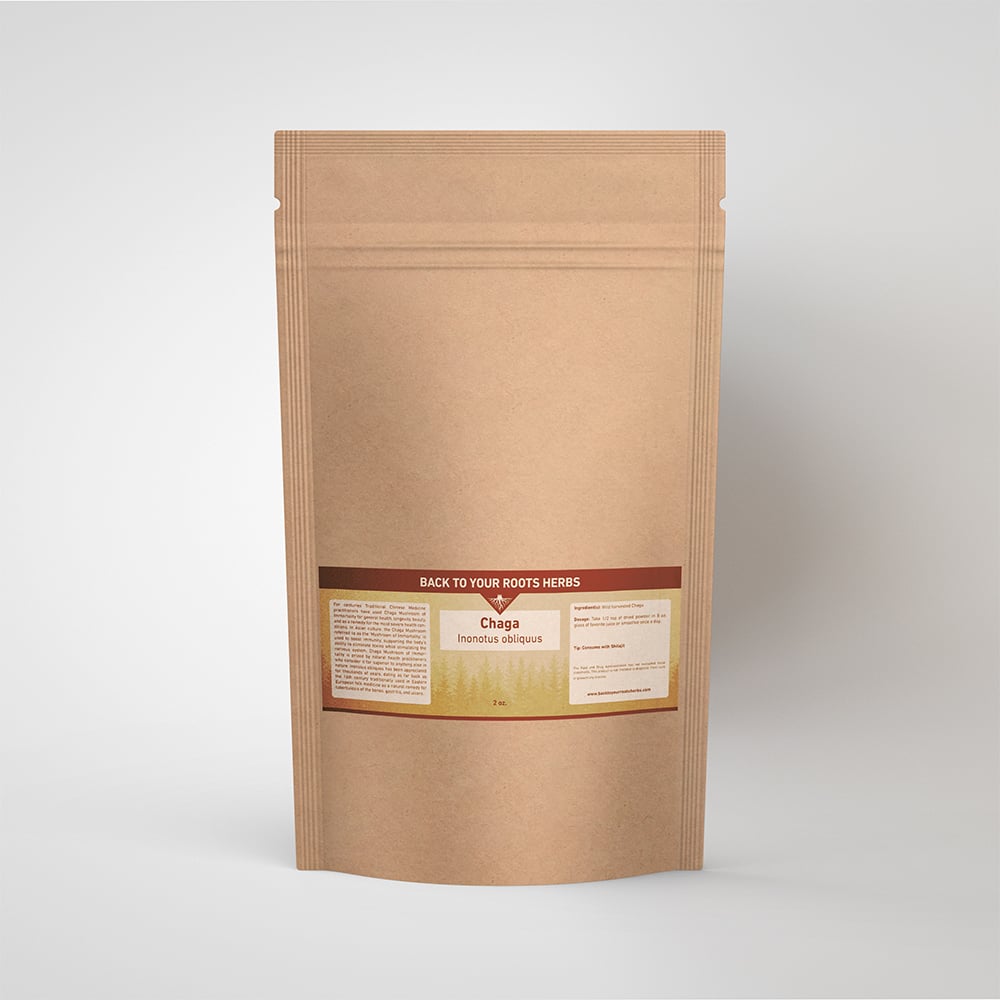
Grade A Wild-Harvested Chaga Mushroom Powder. Sourced from living birch trees in northern USA forests (44.5°N, 69.0°W). This organic chaga powder tested positive for melanin content, beta-D-glucan polysaccharides, and betulinic acid. Raw sclerotium ground to a fine powder with no extract processing and no fillers. Heavy metal tested. Batch verified. This is a high-potency chaga supplement. – Back To Your Roots Herbs Research Group
SENSORY ANALYSIS:
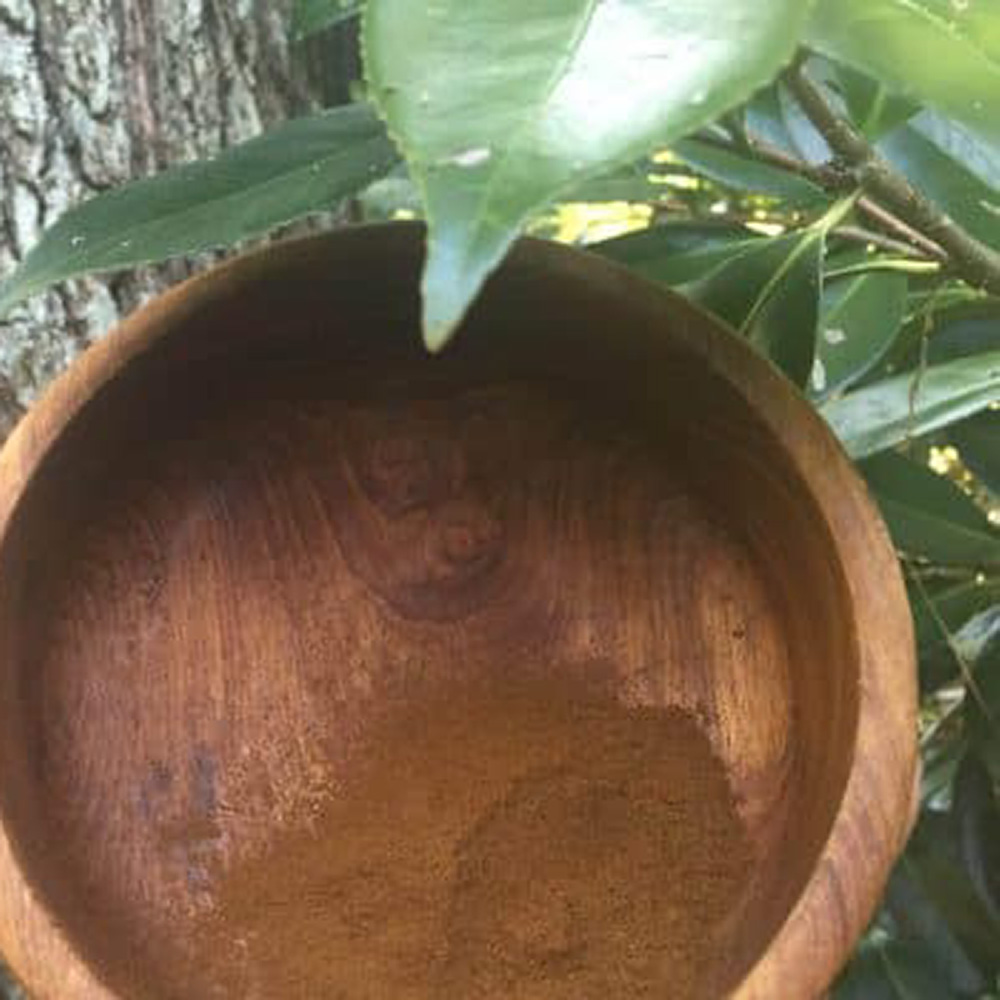
- Look: Dark brown to black granular powder. Fine, consistent grind with visible melanin-rich particles. No clumping.
- Smell: Earthy base note with distinct vanillin undertones. Faint woody aroma from the birch tree host. Clean, no mustiness.
- Taste: Mild and earthy. Slightly bitter like black tea. Vanilla finish on the palate. Mixes well into chaga tea, chaga coffee, and smoothies without overpowering other flavors.
HOW DOES CHAGA MUSHROOM POWDER WORK?
Inonotus obliquus Melanin and Beta-D-Glucan Content
- The Herb: Inonotus obliquus (chaga mushroom) wild-harvested from USA birch forests in the northern latitudes (44.5°N, 69.0°W). Chaga grows as a parasitic fungus on birch trees, absorbing nutrients from the bark over 10-20 years.
- The Mechanism: Chaga acts as an adaptogenic modulator through its polysaccharide and triterpene content. Beta-D-glucans bind to immune cell receptors and support the body’s natural immune response. Melanin provides antioxidant activity. Betulinic acid, derived from the birch tree host, supports cellular health.
- The Evidence: Research by Tee Yon Ern et al. (2024) confirmed that Inonotus obliquus contains bioactive compounds with antioxidant, immunomodulatory, and anti-inflammatory properties in laboratory models (PMID: 38813471, Mycology).
Chaga Powder for Immune Support and Antioxidant Defense
This chaga mushroom powder delivers concentrated beta-D-glucans that support normal immune function. The high melanin content provides antioxidant compounds that help protect cells from oxidative stress. Each serving of chaga powder contains the full spectrum of the mushroom’s naturally occurring compounds.
Antioxidant Properties of Inonotus obliquus
Chaga contains one of the highest ORAC (Oxygen Radical Absorbance Capacity) values among natural superfoods. The dark pigmentation comes from melanin, which contributes to antioxidant activity. This mushroom extract alternative gives you the whole food matrix rather than isolated compounds.
Immune System Support
Beta-D-glucans in chaga mushroom powder interact with immune cells to support the body’s natural defense mechanisms.
Antioxidant Defense
Melanin and polyphenolic compounds in wild chaga provide broad-spectrum antioxidant support for daily wellness.
Skin Health and Melanin
The melanin in chaga mushroom supports skin health through its antioxidant properties. Many users add chaga powder to their daily nutrition routine for this reason.
CHAGA POWDER HEALTH BENEFITS AND NUTRITION
Chaga Powder Benefits and Risks: A Quick Overview
Chaga mushroom powder is valued for three things. First, antioxidant compounds from its dark melanin pigment. Second, beta-D-glucan polysaccharides that support normal immune function. Third, adaptogenic balance for steady daily energy. Laboratory studies have characterized the antioxidant and immunomodulatory properties of Inonotus obliquus (PMID: 19147108 and PMID: 38396285, indexed on PubMed).
The main risks are worth knowing up front too. Chaga is naturally high in oxalates, so anyone with kidney concerns should be careful, and it may interact with blood-thinning and blood-sugar medications. The Critical Usage section below covers the full safety picture. Memorial Sloan Kettering Cancer Center maintains a clinician-reviewed chaga monograph that documents these interactions (MSKCC).
Superfood Mushroom Powder Nutrition Profile
This chaga supplement delivers a broad spectrum of bioactive compounds in whole powder form. Unlike mushroom extract products that isolate single compounds, our chaga mushroom powder retains the full nutritional profile of the raw sclerotium.
Betulinic Acid Content
Betulinic acid occurs naturally in chaga because the fungus absorbs it from birch tree bark. This triterpene compound supports normal cellular function.
Polysaccharide Profile
Chaga mushroom contains complex polysaccharides, including beta-D-glucans. These compounds are the primary drivers of chaga’s immune-supporting properties.
Vitamin and Mineral Content
Wild chaga provides naturally occurring B vitamins, vitamin D, potassium, zinc, and manganese. The mineral content varies based on the host birch tree and growing conditions.
Wild-Harvested Chaga from USA Birch Forests
Our chaga powder comes from wild Inonotus obliquus harvested in northern USA birch forests. We do not use cultivated or lab-grown chaga. Wild chaga develops its full compound profile over years of slow growth on living birch trees. Siberian chaga and Canadian chaga share similar growing conditions, but our USA-sourced chaga is harvested under strict sustainability guidelines.
Third-Party Testing and Purity Standards
Every batch of chaga powder is heavy metal tested before packaging. We test for lead, mercury, arsenic, and cadmium. Our chaga mushroom powder is USDA organic, non-GMO, and vegan. No binders. No fillers. No additives.
WHY CHOOSE CHAGA MUSHROOM POWDER OVER EXTRACTS OR CAPSULES?
Organic Chaga Extract vs Whole Mushroom Powder
Chaga capsules and chaga extract products use hot water or alcohol extraction, which isolates specific compounds but removes others. Our whole chaga mushroom powder preserves the complete food matrix. You get melanin, betulinic acid, polysaccharides, and beta-D-glucans together, the way they occur in nature.
Mushroom supplements come in many forms. Chaga tincture offers fast absorption. Chaga capsules offer convenience. But pure chaga powder offers the highest potency per serving and the most flexibility for dosage adjustments.
Chaga Mushroom Supplements for Daily Health
Add this organic chaga powder to your daily health routine as a natural supplement. Mix it into tea, coffee, smoothies, or recipes. Unlike standardized mushroom extract products, whole powder lets you control your serving size. Start small. Adjust based on your body’s response.
How Chaga Powder Compares to Other Mushroom Powders
Chaga is one of several functional mushroom powders, and each one has a different traditional use and a different compound profile. Lion’s mane is the focus pick. Reishi is the calm pick. Cordyceps is the energy pick. Turkey tail is the immune pick. Chaga sits at the antioxidant end of the shelf because of its melanin content. The table below shows how they line up.
| Mushroom Powder | Signature Compounds | Traditional Structure/Function Focus |
|---|---|---|
| Chaga (Inonotus obliquus) | Melanin, beta-D-glucans, betulinic acid | Antioxidant defense, immune support, adaptogenic balance |
| Lion’s Mane (Hericium erinaceus) | Hericenones, erinacines | Traditionally associated with cognitive focus and mental clarity |
| Reishi (Ganoderma lucidum) | Ganoderic acid triterpenes, beta-glucans | Traditionally used to support calm and restful sleep |
| Cordyceps (Cordyceps militaris) | Cordycepin, polysaccharides | Traditionally associated with energy and physical stamina |
| Turkey Tail (Trametes versicolor) | PSK and PSP beta-glucans | Traditionally used to support immune function |
Many people rotate or stack these mushroom powders. Chaga pairs well with cordyceps in a morning routine, or with reishi in the evening. For general background on medicinal mushrooms while you compare options, the U.S. National Center for Complementary and Integrative Health is a reliable starting point (NCCIH).
HOW TO USE CHAGA MUSHROOM POWDER
Chaga Mushroom Tea and Smoothie Recipes
Chaga tea is the most traditional preparation method. Add 1/2 teaspoon of chaga powder to 8 oz of hot water (not boiling). Steep for 5-10 minutes. The earthy vanilla flavor pairs well with honey or maple syrup. For chaga coffee, add 1/4 teaspoon to your morning cup.
Mushroom Tea Brewing Instructions
Water temperature matters. Use water between 160-180°F for best results. Boiling water can degrade some heat-sensitive compounds. Stir well. Chaga powder does not fully dissolve, so a light sediment at the bottom is normal.
How to Prepare Chaga Mushroom Powder in Recipes
Add chaga powder to smoothies, oatmeal, protein shakes, or baked goods. The mild, earthy taste blends easily with cacao, chocolate, and vanilla flavors. Chaga powder recipes are simple. Start with 1/4 to 1/2 teaspoon per serving and increase gradually.
Can You Use Chaga Powder in Baking and Cooking?
Yes. Chaga powder works in both cooking and baking. Its mild, earthy, vanilla-like flavor holds up well to moderate heat, which makes it easy to fold into recipes. For drinks, stir it into coffee, lattes, or hot cacao. For food, blend it into oatmeal, soups, broths, energy bites, muffins, brownies, and quick breads.
A few practical notes on heat. Gentle simmering is fine and is the traditional way to prepare chaga. A long, hard rolling boil can degrade some heat-sensitive antioxidant compounds, so keep liquids below a strong boil when both flavor and compound retention matter to you. In baking, the short heat exposure inside a batter is generally well tolerated. Start with 1/4 to 1/2 teaspoon per serving and adjust to taste. Because chaga does not fully dissolve, expect a fine sediment in clear liquids.
Wild Chaga Mushroom Powder Dosage Guide
Most adults take 1/2 to 1 teaspoon of chaga powder per day. The specific chaga powder dosage depends on individual needs and tolerance. Consult a healthcare professional for personalized dosage recommendations.
Chaga Powder Dosage for Beginners
Start with 1/4 teaspoon once daily for the first week. Increase to 1/2 teaspoon after 7 days if well tolerated. Some people take chaga powder twice daily. Morning and early afternoon work well. Avoid taking it close to bedtime if you are sensitive to its energizing effects.
CRITICAL USAGE:
Chaga Powder Safety and Oxalate Information
Chaga mushroom does contain oxalates. People with kidney conditions, kidney stones, or oxalate sensitivity should consult a doctor before using chaga powder. Chaga may also interact with blood-thinning medications and diabetes medications. Pregnant or nursing women should consult a healthcare professional before use. Stop use if you experience any adverse reactions.
Chaga Powder Side Effects and Drug Interactions
Chaga is generally well tolerated at culinary serving sizes, but a few cautions matter. The most documented concern is oxalate load. Chaga is naturally high in oxalates, and the medical literature includes case reports of oxalate-related kidney injury after long-term, high-dose chaga intake (PMID: 35451393). People with kidney disease, a history of kidney stones, or oxalate sensitivity should speak with a healthcare provider before use and should avoid mega-dosing.
Chaga may also interact with a few medication classes:
- Blood thinners (anticoagulants): Chaga may affect clotting, so use caution alongside warfarin and similar medications.
- Diabetes medications: Chaga may lower blood sugar, which can add to the effect of antidiabetic drugs. Monitor your levels if you combine them.
- Immunosuppressants: Because chaga may stimulate immune activity, people on immunosuppressant therapy or living with an autoimmune condition should consult their provider first.
Pregnant and nursing women should not use chaga without medical guidance. Stop use and seek advice if you notice any adverse reaction. For a clinician-reviewed summary of chaga interactions and oxalate cautions, see the Memorial Sloan Kettering monograph (MSKCC).
Digestive Wellness
Start with a low dosage to assess digestive tolerance. Some users report mild digestive adjustment during the first few days.
Energy and Adaptogenic Balance
Chaga is classified as an adaptogen in traditional herbalism. It may support the body’s natural stress response and energy balance without stimulant effects.
Storage Recommendations
Store chaga powder in a cool, dry place away from direct sunlight. Keep the bag sealed between uses. Properly stored chaga powder maintains potency for up to 2 years.
CLINICAL SPECS:
| Spec | Detail |
|---|---|
| Serving Size | 1/2 teaspoon (~1.5 g) |
| Frequency | 1-2 times daily |
| Active Marker | Beta-D-Glucans, Melanin, Betulinic Acid |
| Processing | Dried & Ground Whole Sclerotium (No Extract) |
| Safety | Heavy Metal Tested (Pass) |
| Ingredients | 100% Inonotus obliquus (Chaga Mushroom) Sclerotium Powder |
| Other Ingredients | None |
| Purity | Organic, Non-GMO, Vegan |
| Free From | Wheat, Gluten, Soy, Dairy, Binders, Fillers |
| Origin | USA Northern Birch Forests (Wild-Harvested, 44.5°N) |
| Manufactured | Virginia Beach, VA, USA |
CHAGA MUSHROOM SUPPLEMENT COMPARISON TABLE:
| Feature | BTYRH Chaga Mushroom Powder | Generic Chaga Supplement |
|---|---|---|
| Origin | USA Birch Forests (44.5°N, Wild-Harvested) | Unspecified / Lab-Grown |
| Preparation | Dried & Ground Whole Sclerotium (No Extract) | Hot Water Extract (Isolated Compounds) |
| Taste | Mild Earthy, Vanilla Finish, Black Tea Notes | Bitter / Neutral |
| Safety | Heavy Metal Tested (Pb, Hg, As, Cd – Pass) | Unknown / Untested |
| Compounds | Full Spectrum (Melanin + Betulinic Acid + Beta-D-Glucans) | Standardized to Single Marker |
| Fillers | None – Single Ingredient | May Contain Starch, Rice Flour, Mycelium |
FREQUENTLY ASKED QUESTIONS ABOUT CHAGA POWDER
Pure Chaga Powder Sourcing and Quality
How does chaga powder support immunity?
Chaga mushroom powder contains beta-D-glucans, which are polysaccharides that interact with immune cell receptors. These compounds support the body’s natural immune response and help maintain normal immune function as part of a daily wellness routine.
What does chaga mushroom powder taste like?
Our chaga powder has a mild, earthy flavor with notes of vanilla and black tea. It does not taste like a typical medicinal mushroom powder. Most people find it pleasant in hot water as chaga tea or blended into chaga coffee.
Why choose chaga mushroom powder over extracts or capsules?
Whole chaga mushroom powder contains the complete food matrix of the raw sclerotium. Mushroom extract products use hot water or alcohol to isolate specific compounds. Our pure chaga powder keeps all naturally occurring compounds intact, including melanin, which is often lost in extraction.
Does chaga powder contain oxalates?
Yes. Chaga mushroom does contain oxalates. People with kidney conditions or a history of oxalate-type kidney stones should consult a healthcare professional before adding chaga to their routine.
How does chaga powder compare to other mushroom powders?
Each functional mushroom has a different focus. Chaga is the antioxidant and immune pick thanks to its melanin and beta-D-glucans. Lion’s mane is traditionally associated with cognitive focus, reishi with calm and sleep, cordyceps with energy and stamina, and turkey tail with immune support. Many people rotate or combine them based on the routine they want.
Can you bake or cook with chaga powder?
Yes. Chaga powder holds up to moderate heat, so it works in coffee, lattes, oatmeal, soups, and baked goods like muffins and brownies. Avoid a long hard boil to help preserve heat-sensitive antioxidant compounds. Start with 1/4 to 1/2 teaspoon per serving.
What are the side effects of chaga powder?
Chaga is generally well tolerated, but it is high in oxalates, and high-dose long-term use has been linked to kidney injury in published case reports (PMID: 35451393). It may also interact with blood thinners and diabetes medications. People who are pregnant, nursing, on immunosuppressants, or managing a kidney or autoimmune condition should consult a healthcare provider first.
How much chaga powder should I take per day?
Most adults take 1/2 to 1 teaspoon of chaga powder daily. Start with 1/4 teaspoon for the first week and increase gradually. The right chaga powder dosage varies by individual. Consult a naturopathic or healthcare professional for personalized guidance.
DISCLAIMER:
*These statements have not been evaluated by the Food and Drug Administration. This product is not intended to diagnose, treat, cure, or prevent any disease. Consult your healthcare provider before starting any supplement program, especially if you are pregnant, nursing, taking medications, or have a medical condition.
Reviews
There are no reviews yet.