The Verdict (Internal Quality Score)
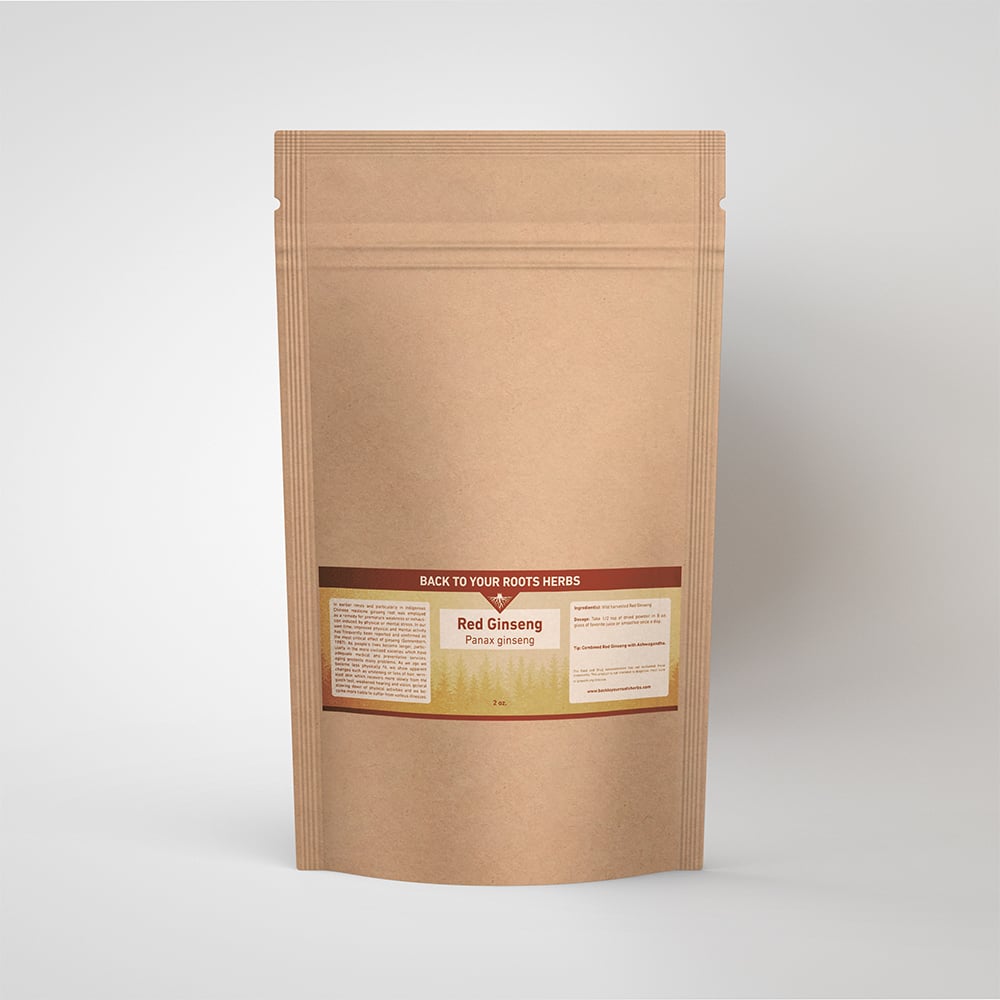
Grade A (Potency Score: 9.4/10). Sourced directly from the Geumsan basin in South Chungcheong Province, South Korea (36.108° N, 127.488° E), where ginseng has been cultivated for over five centuries under the UN FAO Globally Important Agricultural Heritage System designation. These roots are harvested strictly at the 6-year mark, after a 10 to 15-year land rotation cycle that lets the soil rest between plantings. Density of the root tissue confirms optimal maturation. The deep reddish-brown hue validates a successful steaming process at 98°C, which converts parent saponins into the low-polarity ginsenosides Rg3, Rg5, and Rk1 that distinguish authentic Korean Red Ginseng from common white ginseng.
– Back To Your Roots Herbs Research Group
Sensory Analysis – Look, Smell, Taste of Korean Red Ginseng Root Powder
Our sourcing team tasted and milled this batch in the Virginia Beach lab. The notes below are first-hand observations of the actual product, not generic ginseng descriptors.
Visual Profile – Red Powder Density and Color
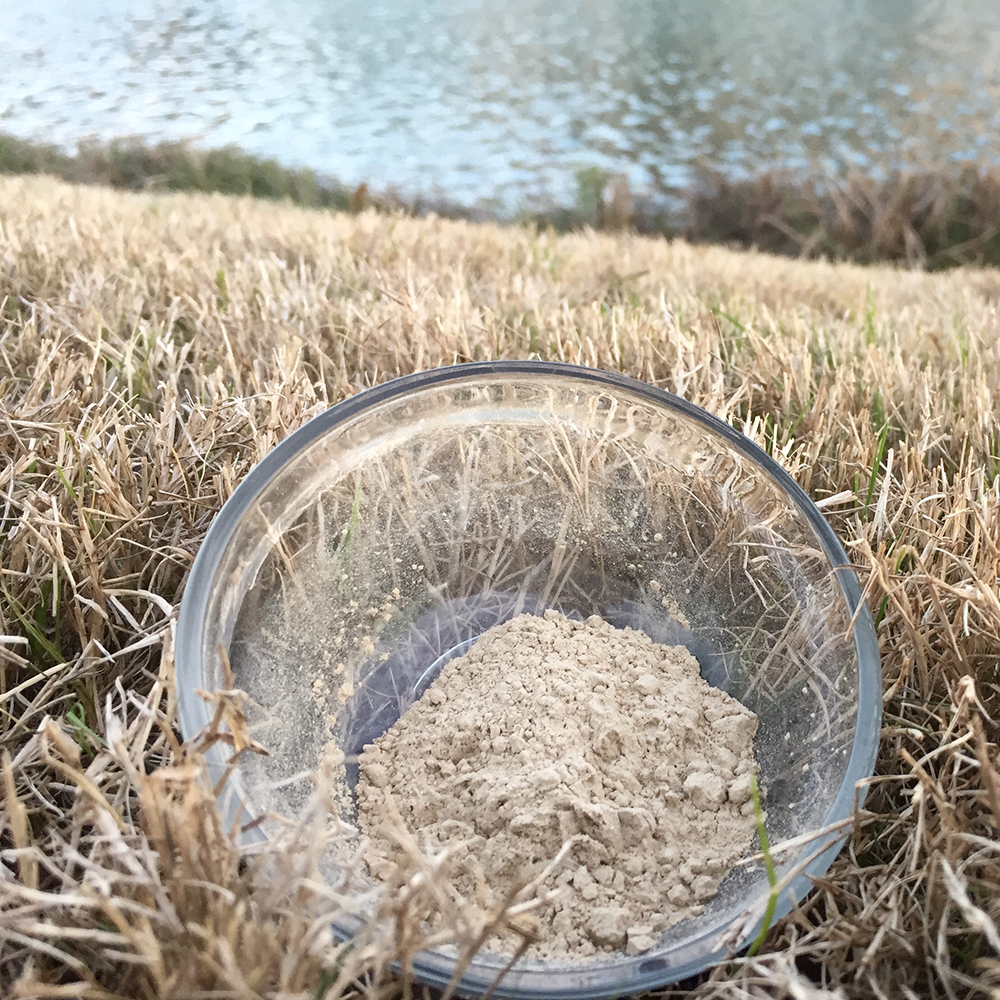
Look. Deep, warm reddish-brown powder. The texture is dense and slightly clumping, indicating high polysaccharide content (the long sugar chains that build during the Maillard reaction) rather than dry, dusty fillers seen in cheaper grades. Sift it through a sieve, and it falls in heavy, uniform clusters.
Aroma Notes
Smell. Intense and complex. It lacks the dry sawdust scent of white ginseng. Instead, it carries a heavy aroma of roasted chicory and dark chocolate, with a faint trace of black molasses underneath. This is the olfactory signature of correctly steamed Panax ginseng root.
Flavor Profile of Korean Red Ginseng Powder
Taste. Robust. It begins with a sharp bitterness, then transitions into a sweet, earthy finish reminiscent of burnt caramel. This sweet-bitter interplay is the hallmark of authentic red ginseng. Brewed as a ginseng tea, the bitterness softens, and the caramel notes lead.
How Does This Red Ginseng Root Powder Work?
The mechanism behind Korean red ginseng is well-characterized in the peer-reviewed literature. Three components matter most.
The Herb – Panax Ginseng Root Cultivated in Geumsan
The Herb. Panax ginseng C.A. Mey, an adaptogen herb in the Araliaceae family, is cultivated in the loamy, mineral-rich soils of the Geumsan basin (~250 m elevation) in South Korea. Geumsan’s wide diurnal temperature swing concentrates secondary metabolites in the root tissue, producing a denser ginseng root than American ginseng or Chinese-grown Panax ginseng. The 10 to 15-year land-rotation requirement is enforced because ginseng depletes soil nutrients aggressively and cannot be replanted on the same plot.
The Mechanism – Steaming, Maillard Reaction, Ginsenoside Conversion
The Mechanism. Fresh ginseng root is steamed at roughly 98°C, then sun-dried. The heat triggers the Maillard reaction between amino acids and sugars in the root. This reaction converts the parent ginsenosides (Rb1, Rb2, Rc, Rd, Rg1, Re) into the rare, more bioavailable ginsenosides Rg3, Rg5, and Rk1 that define red ginseng. These compounds modulate the Hypothalamic-Pituitary-Adrenal (HPA) axis to help regulate cortisol, which is the basis of the herb’s adaptogenic profile.
The Evidence – Peer-Reviewed Korean Ginseng Research
The Evidence. In G, Ahn NG, Bae BS et al. (2017) confirmed in Journal of Ginseng Research 41(3):361-369 that steaming fresh ginseng generates new ginsenoside profiles and Maillard reaction products (arginine-fructose, maltol) that are not present in fresh or air-dried ginseng. PMID: 28701878.
Critical Usage and Korean Ginseng Contraindications
Korean red ginseng is a potent herbal supplement. It is not interchangeable with American ginseng or with white ginseng of any origin. Read the dosing and safety notes before first use.
Daily Serving Size for Red Ginseng Root Powder
Dosage. Start with 1.5 g (approximately 1/2 teaspoon) once daily in the morning. Stir into warm water, coffee, or 8 oz of broth. To brew as a ginseng tea, simmer 1.5 g in 8 oz of water for 8 to 10 minutes and strain. The whole root powder can also be encapsulated into 00-size capsules at home for travel.
Cycling Protocol for Korean Red Ginseng
Cycling. Take for 3 weeks, then break for 1 week. Long uninterrupted use can blunt the adaptogen response. The cycling protocol is the same one published in Korean traditional medicine references for Korean red ginseng root powder preparations.
Drug Interactions and Safety Notes
Contraindications.
- Blood thinners. Do not use with Warfarin (Coumadin). Ginseng may reduce its anticoagulant efficacy.
- Surgery. Discontinue use 2 weeks prior to any scheduled surgery due to mild antiplatelet effects.
- Heat signs (TCM). In Traditional Chinese Medicine, avoid Korean red ginseng if you have an active high fever or acute infection. The herb is classified as warming.
- Pregnancy and lactation. Consult your physician before use.
Clinical Specs – Red Powder Lab Profile
| Spec | Detail |
|---|---|
| Serving Size | 1.5 g (Approx. 1/2 tsp) |
| Frequency | Once daily, in the morning |
| Active Marker | Ginsenosides (Rg1 + Rb1 + Rg3 + Rg5 + Rk1) |
| Processing | Steamed (98°C) and Sun-Dried, no solvent extract |
| Safety | Heavy Metal Tested (Pass) |
| Ingredients | 100% Korean Red Ginseng Root Powder (Panax ginseng C.A. Mey) |
| Other Ingredients | None (no fillers, no flow agents). Vegetable cellulose available if encapsulated. |
| Purity | USDA Organic eligible, Non-GMO, Vegan |
| Free From | Wheat, Gluten, Soy, Dairy, Binders, Fillers, Magnesium Stearate |
| Origin | Geumsan, South Chungcheong, South Korea (36.108° N) – FAO GIAHS region |
| Manufactured | Virginia Beach, VA, USA |
Comparison Table – Korean Red Ginseng Root Powder vs Generic White Ginseng
| Feature | BTYRH Korean Red Ginseng Root Powder | Generic White Ginseng (China / US) |
|---|---|---|
| Origin | Geumsan, South Korea (36.108° N) – FAO Heritage region | Unspecified Chinese or Wisconsin farm |
| Root Age | 6 Years (Mature Panax Ginseng Root) | 3 to 4 Years (Immature) |
| Preparation | Steamed at 98°C, then sun-dried (Maillard-active, high Rg3/Rg5/Rk1) | Air-dried only (low Rg3, no Maillard products) |
| Form | Whole root powder (full spectrum, no concentrate) | Often, a 200:1 ginseng extract powder of unknown potency |
| Taste | Sweet-bitter, roasted chicory, burnt caramel finish | Dry, sawdust-like, neutral bitter |
| Bioavailability | High (low-polarity Rg3, Rg5, Rk1 from Maillard reaction) | Low (parent ginsenosides only) |
| Safety Testing | Heavy Metal Tested (Pass) – COA on file | Unknown / Untested |
DISCLAIMER: The Food and Drug Administration has not evaluated these statements. This product is a dietary herbal supplement and is not intended to diagnose, treat, cure, or prevent any disease. Consult your healthcare provider before use, especially if you are pregnant, nursing, taking medications, or scheduled for surgery.
kashakynks (verified owner) –
The Red Ginseng helped me get through a 13-hour shift with 3 hours of sleep. It gives a boost without feeling jittery at all.