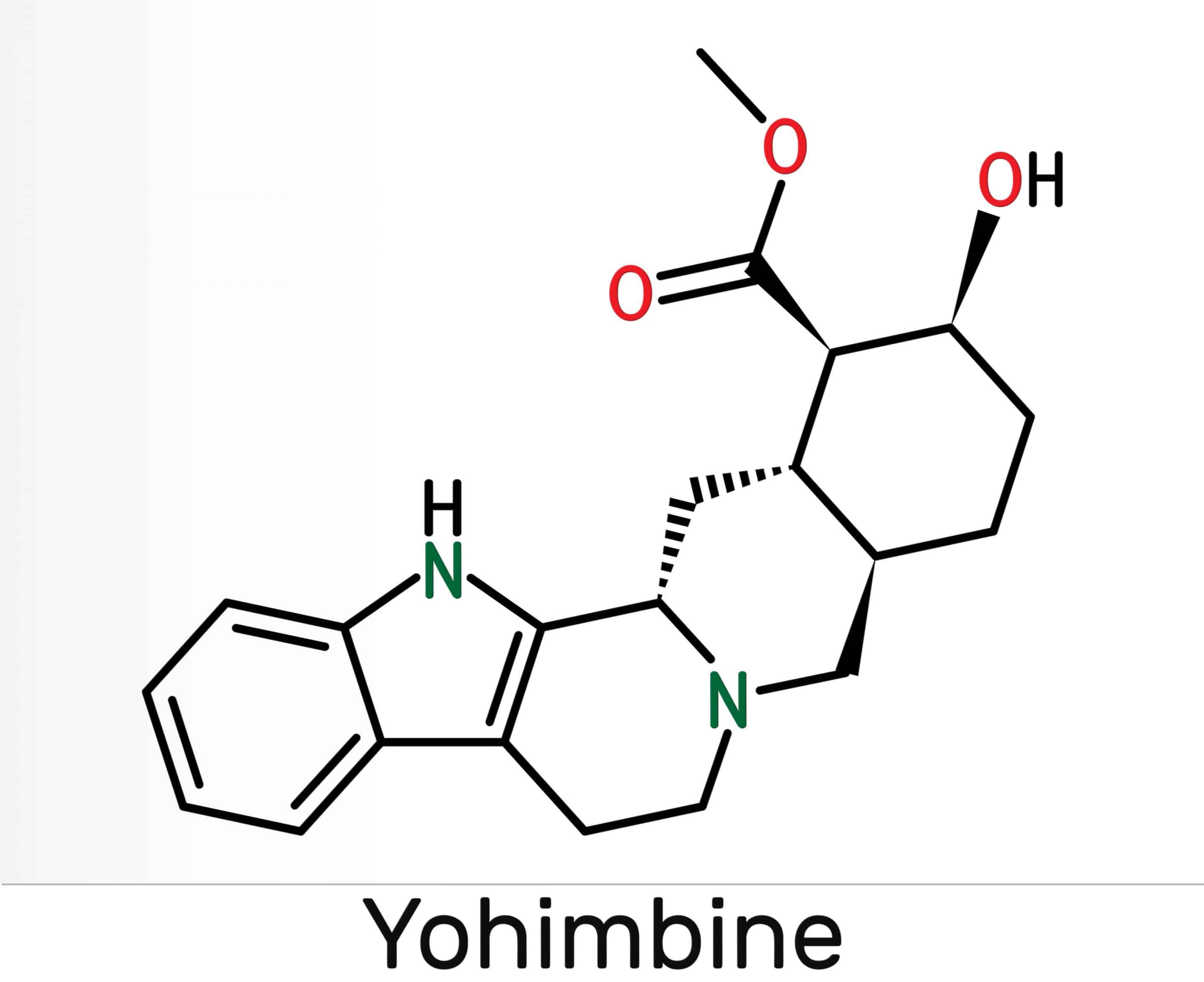
Yohimbine is a natural compound extracted from the bark of the Yohimbe tree (Pausinystalia yohimbe), native to Central and Western Africa. Traditionally used as an aphrodisiac and remedy for various ailments, it has gained popularity for its potential to aid fat loss and treat erectile dysfunction. This comprehensive guide explores the benefits, mechanisms, usage recommendations, and safety considerations of yohimbine to help you make an informed decision.
History and Traditional Uses of Yohimbe
Yohimbine has a rich history in traditional African medicine. Indigenous tribes have utilized the bark of the Pausinystalia Yohimbe tree for centuries.
Cultural Significance
- Used in rituals and ceremonies, the bark was revered for its ability to enhance sexual desire and spiritual communication.
Medicinal Applications
- Traditionally employed to treat fevers, coughs, and leprosy, and as a general tonic to improve health and vitality.
How Yohimbine Works: Mechanism of Action
Yohimbine functions primarily as an alpha-2 adrenergic receptor antagonist. This means it blocks the action of these receptors, influencing several physiological processes. Understanding this mechanism is key to grasping how yohimbine can affect fat burning.
Alpha-2 Receptors and Fat Cells
Alpha-2 adrenergic receptors are found in various tissues throughout the body, but they are particularly abundant in fat cells. These receptors play a crucial role in regulating lipolysis, the breakdown of stored fat (triglycerides) into free fatty acids and glycerol, which can then be used as energy. When activated, alpha-2 receptors inhibit lipolysis, effectively putting the brakes on fat release.
Norepinephrine’s Role in Fat Burning
Norepinephrine (also known as noradrenaline) is a key hormone and neurotransmitter that triggers fat-burning. It’s part of the body’s “fight or flight” response, preparing the body for action by mobilizing energy stores, including fat. Norepinephrine exerts its effects by binding to adrenergic receptors, including both alpha and beta receptors.
Yohimbine’s Impact: Blocking the Blocker
Here’s where Pausinystalia Yohimbe comes in. By blocking alpha-2 receptors, yohimbine prevents them from inhibiting lipolysis. This allows norepinephrine to bind more effectively to beta receptors, which stimulate lipolysis. In essence, yohimbine removes the brakes on fat release, promoting increased fat breakdown.
Enhanced Sympathetic Nervous System Activity
By blocking alpha-2 receptors, yohimbine increases the release of norepinephrine. This leads to a more active sympathetic nervous system, resulting in effects like increased heart rate and energy expenditure. This is why yohimbine is considered a stimulant.
Impact on Other Neurotransmitters
Pausinystalia Yohimbe may also affect levels of other neurotransmitters, such as dopamine and serotonin. This can potentially influence mood, motivation, and appetite, although these effects are less well-understood than its alpha-2 antagonism.
Effects on Insulin
Pausinystalia yohimbe can influence insulin secretion and blood sugar regulation. This is particularly important for individuals monitoring their glucose levels or those with insulin resistance. Insulin can blunt the effects that this pharmaceutical drug has on alpha-2 receptors.
Thermogenesis
Yohimbine can also increase thermogenesis, the process by which the body produces heat. This contributes to increased energy expenditure and, potentially, fat loss.
Pharmacokinetics of Yohimbine
Understanding how the body processes yohimbine is important for determining dosage and timing.
Absorption
Yohimbine is rapidly absorbed when taken orally, reaching peak concentrations in the bloodstream within 10–15 minutes.
Metabolism
The liver metabolizes yohimbine, primarily via cytochrome P450 enzymes.
Half-Life
The half-life of yohimbine is relatively short, ranging from approximately 0.5 to 2 hours. This short half-life may necessitate multiple doses throughout the day to maintain its effects. It should be noted that the adrenaline-increasing effects may fade with time.
Elimination
Yohimbine is primarily excreted through urine.
Yohimbine for Fat Loss: Benefits and Scientific Evidence
Pausinystalia Yohimbe has gained attention for its potential to promote fat loss, particularly in stubborn areas.
Mobilizing Stubborn Fat
Yohimbine is often touted for its ability to target fat in areas like the abdomen and thighs, which are often resistant to diet and exercise. This is thought to be due to the higher density of alpha-2 receptors in these fat deposits.
Increasing Metabolic Rate
By enhancing sympathetic nervous system activity and promoting norepinephrine release, yohimbine can increase energy expenditure, leading to more calories burned at rest.
Improving Exercise Performance
Some users report that yohimbine improves focus and energy during workouts, potentially leading to improved performance and greater calorie expenditure.
Reducing Appetite
Pausinystalia Yohimbe may help lower calorie intake by decreasing hunger sensations, although this effect is not consistently reported.
Enhancing Blood Flow
Improved circulation can have a positive effect, and lead to better exercise performance and recovery.
Scientific Evidence Supporting Fat Loss
While more research is needed to fully understand yohimbine’s effects on fat loss, some studies suggest potential benefits:
- Fat Loss in Athletes: A study published in Research in Sports Medicine found that yohimbine supplementation significantly decreased body fat percentage in elite soccer players without affecting muscle mass or exercise performance.
- Weight Management: Research published in Current Therapeutic Research indicated that yohimbine could enhance weight loss in obese patients following a low-calorie diet. However, it’s important to note that the results of this study were modest.
- Attenuation with Beta-Blockers: A study showed yohimbine’s effects were attenuated by 70% when taken with beta-blockers, indicating the importance of receptor interactions.
- High-Intensity Exercise: Some studies suggest yohimbine may be particularly effective when combined with high-intensity exercise.
- Modest Reduction Outcomes: Research has shown modest outcomes in reducing body fat.
It is important to emphasize that many of these studies are relatively small, and results have been mixed. Yohimbine is not a “magic bullet” for fat loss, and individual responses can vary greatly.
Topical Yohimbine
Some research suggests that topical application of yohimbine (in a cream or gel) might lead to localized fat reduction. However, this area requires much more investigation before any definitive conclusions can be drawn.
Additional Health Benefits of Yohimbine
Beyond fat loss, yohimbine has been traditionally used and studied for other potential health benefits of Pausinystalia Yohimbe.
Enhances Libido
Yohimbine has a long history of use as an aphrodisiac, believed to boost sexual desire and performance.
Improves Erectile Function
Studies suggest that yohimbine may improve erectile function by increasing blood flow and nerve impulses to genital tissues. While it is not as effective as pharmaceutical treatments like Viagra, it may offer a natural alternative for some individuals. In the United States, it is illegal to market an over-the-counter product containing yohimbine as a treatment for erectile dysfunction without drug approval.
Improves Mood
By affecting neurotransmitter levels, yohimbine may have a positive impact on mood in some individuals, potentially alleviating symptoms of depression and anxiety. However, it’s crucial to note that it can also worsen anxiety in others (see Safety and Side Effects section).
Supports Cognitive Function
Some users report that yohimbine enhances alertness and reduces mental fatigue.
Dosage Recommendations for Yohimbine
Proper dosage is critical for maximizing potential benefits and minimizing the risk of side effects.
General Guidelines
- Typical Dosage: The most commonly recommended dosage of yohimbine is 0.2 mg per kilogram of body weight.
- Example: For a 70 kg (154 lbs) individual, this would equate to approximately 14 mg per day.
- Administration: Yohimbine is best taken on an empty stomach, 30–60 minutes before exercise, as insulin can reduce its effectiveness.
- Starting Dose: It’s crucial to begin with a lower dose (e.g., 5 mg) to assess individual tolerance.
- Frequency: Due to its short half-life, the total daily dose may be divided into two or three smaller doses taken throughout the day.
- Total daily dosages of 0.2mg/kg bodyweight have been successfully used to increase fat burning without significant implications on cardiovascular parameters like heart rate and blood pressure.
Tips for Safe Supplementation
- Stay Hydrated: Drink plenty of water throughout the day to support metabolism and help reduce potential side effects.
- Avoid Late Dosing: To prevent insomnia, avoid taking yohimbine in the late afternoon or evening.
- Monitor Vital Signs: Regularly monitor your heart rate and blood pressure, especially if you have any pre-existing cardiovascular conditions.
- Cycle Usage: Consider taking periodic breaks from yohimbine (e.g., 2–3 weeks on, 1–2 weeks off) to prevent tolerance and minimize potential side effects.
Usage Guidelines: Maximizing Benefits and Minimizing Risks
To get the most out of yohimbine while minimizing potential risks, consider these guidelines:
Fasted State Intake
Taking yohimbine on an empty stomach is optimal because insulin can blunt its effects on alpha-2 receptors.
Combine with Exercise
Yohimbine’s fat-burning effects appear to be enhanced when paired with aerobic exercise, particularly high-intensity interval training (HIIT).
Maintain a Balanced Diet
Yohimbine is not a substitute for a healthy diet. A balanced, calorie-controlled diet is essential for achieving and maintaining weight loss.
What to Avoid
- Combining with Other Stimulants: Avoid combining yohimbine with other stimulants like caffeine, ephedrine, or synephrine, as this can significantly increase the risk of overstimulation and cardiovascular side effects.
- Alcohol Consumption: Avoid alcohol while taking yohimbine, as it may increase the risk of side effects like dizziness and low blood pressure.
- Medications: It is essential to follow pharmaceutical recommendations.
Who Should Avoid Yohimbine?
Yohimbine is not suitable for everyone. Certain individuals should avoid it or use it only under strict medical supervision:
- Pregnant or Breastfeeding Women: Yohimbine is not recommended for pregnant or breastfeeding women due to a lack of safety data.
- Children and Adolescents: Yohimbine is not recommended for individuals under 18 years of age.
- Individuals with Mental Health Conditions: Those with anxiety disorders, depression, PTSD, or schizophrenia should avoid yohimbine, as it may worsen symptoms.
- Individuals with Chronic Diseases: People with kidney disease, liver disease, or heart disease should consult a healthcare provider before using yohimbine.
- Individuals with Allergies: Anyone with a known allergy to yohimbine or related compounds should avoid it.
- Individuals with High Blood Pressure: Yohimbine can exacerbate hypertension (high blood pressure).
- Individuals with Diabetes: Yohimbine can affect blood sugar levels, so individuals with diabetes should use it only under medical supervision.
Safety, Side Effects, and Interactions
While yohimbine may offer potential benefits, it’s crucial to be aware of its potential side effects and interactions.
Common Side Effects
Yohimbine’s side effects are often dose-dependent, meaning they are more likely to occur and be more severe at higher doses. Common side effects include:
- Cardiovascular: Increased heart rate, elevated blood pressure, palpitations.
- Neurological: Anxiety, restlessness, irritability, tremors.
- Gastrointestinal: Nausea, vomiting, diarrhea, stomach cramps.
- Other: Headaches, dizziness, flushing, sweating, insomnia.
Serious Risks
In rare cases, yohimbine can cause more serious side effects, particularly at high doses or in sensitive individuals:
- Hypertensive Crisis: Yohimbine can cause a dangerously rapid increase in blood pressure, especially when combined with other stimulants or MAOIs.
- Kidney Failure: Overdose of yohimbine has been linked to acute renal (kidney) failure.
- Seizures: High doses of yohimbine have been associated with seizures.
Note: If you experience any severe side effects, discontinue use immediately and seek medical attention.
Interactions with Medications
Yohimbine can interact with various medications, potentially leading to dangerous effects:
- Antidepressants: Combining yohimbine with MAOIs (monoamine oxidase inhibitors) is particularly dangerous, as it can lead to a hypertensive crisis. It may also increase the risk of serotonin syndrome when combined with SSRIs (selective serotonin reuptake inhibitors).
- Blood Pressure Medications: Yohimbine can counteract the effects of antihypertensive medications, potentially leading to uncontrolled high blood pressure.
- Stimulants: Combining yohimbine with other stimulants (caffeine, amphetamines, etc.) increases the risk of overstimulation, high blood pressure, and rapid heart rate. The list of stimulant medications includes Adderall and Ritalin.
- Blood Thinners: Yohimbine may enhance the effects of blood thinners (anticoagulants), increasing the risk of bleeding.
- Narcotics and Sedatives: Yohimbine can interfere with sedative effects.
Recommendation: It is absolutely essential to consult a healthcare provider before combining yohimbine with any medications or supplements.
Product Quality and Mislabeling: A Major Concern
One of the most significant safety concerns with yohimbine supplements is the issue of inaccurate labeling and product quality. Numerous studies have found that many yohimbine supplements contain significantly more or less yohimbine than stated on the label. Some may even contain potentially harmful contaminants or undisclosed ingredients. This makes it extremely difficult for consumers to know exactly what they are taking and increases the risk of adverse effects. Yohimbine levels in commercial products frequently do not match the labeled dose.
Legal Status and Quality Considerations
The legal status of yohimbine varies around the world.
Regulatory Status
- United States: Yohimbine is available as a dietary supplement. However, it is illegal to market an over-the-counter product containing yohimbine as a treatment for erectile dysfunction without drug approval from the Food and Drug Administration (FDA).
- Europe: Yohimbe is a non-authorized novel food.
- Canada and Australia: Yohimbine is classified as a prescription medication.
Sustainability and Ethical Considerations
The increasing demand for yohimbine has led to concerns about overharvesting of the Yohimbe tree, potentially threatening wild populations.
Conservation Efforts
Some initiatives are underway to promote sustainable harvesting and cultivation of Yohimbe trees.
Ethical Sourcing
Consumers concerned about sustainability should choose Yohimbine products from companies committed to ethical and sustainable sourcing practices.
Quality Assurance
To ensure you are getting a safe and effective yohimbine product, consider the following:
Third-Party Testing
Look for supplements that have been tested by independent third-party organizations, such as USP (United States Pharmacopeia) or NSF International. These organizations verify the identity, purity, and potency of supplements.
Product Labels
Carefully examine product labels to ensure they provide accurate dosing information and do not list any potentially harmful additives or fillers.
Reputable Brands
Purchase yohimbine supplements from well-established, reputable companies with positive customer reviews.
Comparing Yohimbine with Other Fat-Loss Supplements
It’s helpful to compare yohimbine to other popular fat-loss supplements to understand their relative benefits and risks.
Yohimbine vs. Caffeine
- Mechanism: Both yohimbine and caffeine increase norepinephrine levels, but they do so through different pathways. Caffeine primarily works by blocking adenosine receptors, while yohimbine targets alpha-2 adrenergic receptors.
- Side Effects: Yohimbine may cause more pronounced cardiovascular side effects (increased heart rate and blood pressure) than caffeine.
- Synergy: Combining yohimbine and caffeine may enhance fat loss, but it also significantly increases the risk of side effects.
Yohimbine vs. Ephedrine
- Effectiveness: Ephedrine is a very potent fat burner, but it has been banned in many countries due to serious safety concerns.
- Legality: Yohimbine is more widely available legally than ephedrine.
- Safety: Yohimbine is generally considered safer than ephedrine, but it still carries risks, especially at higher doses.
Yohimbine vs. Synephrine (Bitter Orange)
- Safety: Synephrine is generally considered safer than yohimbine, with fewer reported side effects.
- Mechanism: Both synephrine and yohimbine act on adrenergic receptors, but they affect different subtypes. Synephrine primarily targets beta-3 receptors, while yohimbine focuses on alpha-2 receptors.
- Effectiveness: Yohimbine is generally considered more effective for fat loss than synephrine, but it also carries a higher risk of side effects.
- It may be good to consider combining the supplements.
Alternative Options to Yohimbine
If yohimbine is not suitable or you prefer to burn fat with alternative options, consider these:
- Green Tea Extract: Contains catechins and caffeine, which may boost metabolism and promote fat oxidation.
- Conjugated Linoleic Acid (CLA): A type of fatty acid that may reduce body fat over time, although the results are typically modest.
- Capsaicin: The compound that gives chili peppers their heat; may increase metabolic rate and promote fat burning.
- Garcinia Cambogia: A tropical fruit extract that may inhibit fat production and suppress appetite, although the evidence is mixed.
Latest Research and Controversies
The scientific understanding of yohimbine is constantly evolving, and there are ongoing debates and controversies surrounding its use. Supplementation is most effective between meals or during short-term fasting.
Conflicting Studies
Some research questions the efficacy of yohimbine for fat loss, particularly in non-obese individuals.
Adulteration Concerns
As mentioned earlier, there are widespread reports of yohimbine supplements containing undisclosed ingredients or inaccurate amounts of yohimbine.
Regulatory Warnings
Health agencies in various countries have cautioned against the use of high doses of yohimbine due to potential health risks.
Staying Informed
It’s important to regularly check reputable sources (scientific journals, government health agencies, etc.) for the latest research, safety information, and regulatory updates on Yohimbine.
Frequently Asked Questions (FAQ)
Is Yohimbine safe for long-term use?
Yohimbine is generally recommended for short-term use (e.g., a few weeks). Long-term safety has not been well-studied, and prolonged use may increase the risk of side effects and tolerance.
Can women use yohimbine for fat loss?
Yes, women can use yohimbine for fat loss, but they should exercise caution due to potential hormonal differences and side effects. It’s essential for women to consult with a healthcare provider before using yohimbine.
Does Yohimbine interact with alcohol?
Yes, combining yohimbine with alcohol may increase the risk of side effects such as dizziness and low blood pressure. It’s generally recommended to avoid alcohol while taking yohimbine.
Can I take Yohimbine with food?
Yohimbine is most effective when taken on an empty stomach, as food (particularly carbohydrates) can interfere with its absorption and insulin can blunt its effects.
Is Yohimbine legal in sports?
Yohimbine is banned by some sports organizations, such as the World Anti-Doping Agency (WADA). Athletes should check with their specific governing bodies before using yohimbine.
Key Points to Consider
- Consult a Healthcare Professional: It’s essential to consult a qualified healthcare professional before starting yohimbine, especially if you have any underlying health conditions or are taking medications.
- Dosage Matters: Start with a low dose to assess tolerance and gradually increase it only if needed and under medical supervision. Never exceed the recommended dosage.
- Timing is Key: Take Yohimbine on an empty stomach and consider timing it around your workouts for potential synergistic effects.
- Monitor Your Body’s Response: Pay close attention to how your body responds to yohimbine. Discontinue use immediately if you experience any adverse effects.
- Legal and Ethical Considerations: Be aware of the legal status of yohimbine in your country or region, and choose ethically sourced products whenever possible.
- Capsules and powders are popular forms of supplements.
- Follow a balanced diet.
Conclusion
Pausinystalia yohimbe is a compound with potential benefits for fat loss, particularly in areas resistant to diet and exercise. Its ability to enhance energy expenditure and potentially improve exercise performance makes it appealing to some individuals. However, its use comes with significant considerations regarding safety, legality, and ethical sourcing.
Before incorporating yohimbine into your regimen, it’s crucial to consult with a healthcare professional, start with a low dosage, and monitor your body’s response closely. It is also a great consideration in your overall nutrition. By taking these precautions and staying informed about the latest research, you can make a well-informed decision about whether yohimbine aligns with your health and fitness goals.
Disclaimer: This article is for informational purposes only and does not constitute medical advice. Always consult a qualified healthcare provider before starting any new supplement or treatment. This article has not been medically reviewed by a professional.