Turmeric has anti-inflammatory properties that may help alleviate symptoms of GERD. However, consult with a healthcare professional before incorporating it into your treatment plan to ensure it is safe and effective for you.
What is GERD?
Gastroesophageal reflux disease (GERD) is a chronic digestive condition where stomach acid frequently flows back into the esophagus, the tube connecting the mouth and stomach. This backwash, known as acid reflux, can irritate the lining of the esophagus, causing a range of symptoms. Common symptoms include heartburn (a burning sensation in the chest), regurgitation (the feeling of acid or food coming back up), difficulty swallowing, and a persistent cough or sore throat. GERD is a relatively common condition, and while occasional acid reflux is normal, frequent episodes (more than twice a week) may indicate GERD and warrant medical attention. If left untreated, GERD can lead to more serious complications, such as esophagitis (inflammation of the esophagus), Barrett’s esophagus (a precancerous condition), and esophageal stricture (narrowing of the esophagus).
What is Turmeric?
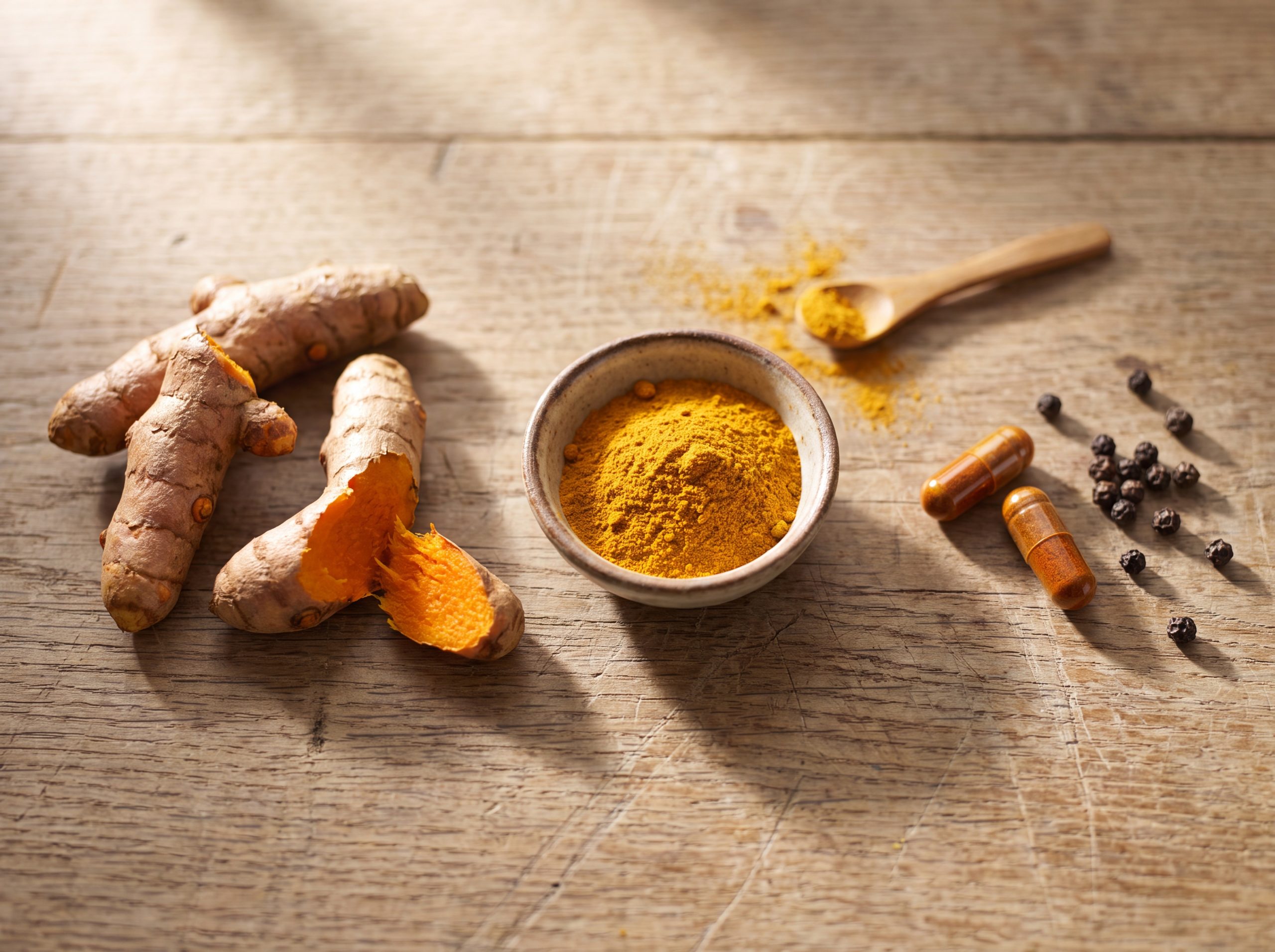
Turmeric, scientifically known as Curcuma longa, is a vibrant yellow spice derived from the root of a plant in the ginger family. It’s a staple in many Asian cuisines, particularly in Indian curries, lending its distinctive color and flavor. Beyond its culinary uses, turmeric has a long history in traditional medicine, particularly in Ayurvedic and Chinese medicine, where it’s been used for its purported health benefits. The active compound in turmeric is curcumin, which is responsible for most of turmeric’s potential medicinal properties. Curcumin is a powerful antioxidant and has strong anti-inflammatory effects.
Turmeric vs. Curcumin: Why the Distinction Changes the Dose Math
These two words get used as if they mean the same thing. They do not, and the gap between them is the most common reason people take turmeric for months and feel nothing.
Turmeric is the whole rhizome of Curcuma longa. Curcumin is one compound inside it. Most commercial turmeric powder carries somewhere in the range of 2 to 5 percent curcuminoids by weight. In our own sourcing, the single-origin Erode rhizome we work with from Tamil Nadu documents 4 to 7 percent, which sits at the upper end of what South Indian rhizome typically delivers. Standardized curcumin extract is a different material, concentrated to roughly 95 percent curcuminoids.
Run the arithmetic and the problem becomes obvious. The dyspepsia trials described later on this page used 2,000 mg of curcumin per day. To reach that from whole powder at 5 percent curcuminoids, a person would need roughly 40 grams of turmeric daily, which is several heaped tablespoons. Nobody is eating that in a curry.
Neither form is superior. They answer different questions. Whole rhizome carries the full spectrum of the root, including the turmerones and aromatic oils that an extract leaves behind, and it is what traditional preparations have always used. Our organic whole turmeric root powder is that material. A standardized extract exists to deliver research-level curcumin in a swallowable amount, which is what our standardized turmeric capsules with Bioperine are built for. Which one belongs in your kitchen depends on whether you are cooking or trying to reproduce a study.
How Turmeric and Curcumin Work
The potential benefits of turmeric for GERD stem primarily from the properties of its active compound, curcumin. Several mechanisms have been proposed to explain how curcumin might help alleviate acid reflux symptoms:
Anti-inflammatory Action
Curcumin is a potent anti-inflammatory agent. It works by inhibiting several molecules involved in the body’s inflammatory pathways, including a key regulator of inflammation called NF-κB. In GERD, the reflux of stomach acid causes inflammation of the esophageal lining. By reducing this inflammation, curcumin may help to relieve the burning sensation of heartburn and other discomforts associated with acid reflux.
Antioxidant Effects
Oxidative stress, caused by an imbalance between free radicals and antioxidants in the body, can contribute to tissue damage and inflammation in GERD. Curcumin acts as a powerful antioxidant, neutralizing free radicals and protecting cells from oxidative damage. In preclinical work, this antioxidant activity has been associated with support for the normal structural integrity of the esophageal lining.
A rat model of reflux esophagitis found that curcumin reduced the formation of acute acid reflux esophagitis by roughly 52 percent, an effect the authors attributed to its antioxidant and anti-inflammatory properties (Mahattanadul et al., 2006, Journal of Natural Medicines, PMID: 29435885). That was an animal study. It has not been reproduced in humans, and we present it as a mechanism worth watching rather than a result you should expect.
Esophageal Protection
Research suggests that curcumin may offer direct protection to the mucosal cells lining the esophagus. It may help to strengthen the esophageal barrier, making it more resistant to damage from stomach acid.
Gastric Motility and Acid Production
Some studies suggest that turmeric may improve gastric motility – the process by which the stomach empties its contents. Efficient gastric emptying can reduce the likelihood of stomach acid refluxing into the esophagus. Additionally, preliminary evidence suggests that curcumin might help to decrease gastric acid production, further minimizing the risk of reflux and associated symptoms.
Bile Production Considerations
Turmeric stimulates bile production, which can be beneficial for digestion by helping to break down fats. However, it’s important to note that excess bile can sometimes worsen GERD symptoms in certain individuals. Those with gallbladder issues or who are prone to bile reflux should use turmeric with caution and under the guidance of a healthcare provider.
Turmeric vs. Omeprazole: A Scientific Comparison
A key question for many individuals with GERD is how turmeric compares to conventional medications like omeprazole, a proton pump inhibitor (PPI). PPIs are commonly prescribed to reduce stomach acid production and are considered a standard treatment for GERD.
The study in question is Kongkam et al. (2023), published in BMJ Evidence-Based Medicine (PMID: 37696679). It was a randomized, double-blind controlled trial run across Thai traditional medicine, district, and university hospitals. Researchers enrolled 206 patients with functional dyspepsia, of whom 151 completed the protocol, and randomized them into three arms: curcumin alone, omeprazole alone, or both together. The curcumin arm received two 250 mg capsules four times daily, which works out to 2,000 mg per day, for 28 days.
A second, independent trial reached the same place by a different route. Yongwatana et al. (2021), in the Journal of Gastroenterology and Hepatology (PMID: 34652861), randomized 132 patients across curcumin, omeprazole, and placebo. Curcumin outperformed placebo on both pain and non-pain symptom scores at four weeks, and showed no significant difference from omeprazole. Two separate teams, two separate trials, the same finding. That is a stronger evidence position than any single study produces on its own.
The results showed that curcumin was as effective as omeprazole in reducing indigestion symptoms. All three groups experienced significant improvements, with no significant differences between them. This suggests that curcumin, at the dosage used in the study, could be a viable alternative to omeprazole for some individuals.
It’s important to clarify a few things:
- Dosage: The study used a specific dose of curcumin (2,000mg per day, divided into four doses). This is a relatively high dose and may not be suitable for everyone.
- Participants: The study focused on individuals with functional dyspepsia, not specifically GERD. While the symptoms overlap, further research is needed to confirm these findings specifically for GERD patients.
- Long-Term Effects: The study was relatively short-term. Long-term use of PPIs like omeprazole has been associated with potential side effects, including bone fractures, kidney problems, and nutrient deficiencies. Turmeric is generally well-tolerated at the doses studied, though it carries its own side effects and interactions, and no trial has compared the two head-to-head for long-term safety. Neither profile is established well enough to call one safer than the other. Consult your healthcare provider before substituting any supplement for a prescribed medication.
Ultimately, people shouldn’t stop taking PPI medications like Pantoprazole or Omeprazole without first speaking to their doctor, particularly as they may experience an acid reflux rebound when coming off these medications.
Research on Turmeric’s Effectiveness for Acid Reflux
While the comparison to omeprazole is promising, it’s important to consider the broader body of research on turmeric and acid reflux. Several studies have investigated the potential benefits, but it’s crucial to remember that research is still ongoing, and some findings are preliminary.
- The strongest human evidence is for functional dyspepsia, not GERD specifically. Two randomized controlled trials, Kongkam et al. 2023 (n=206, PMID: 37696679) and Yongwatana et al. 2021 (n=132, PMID: 34652861), both found curcumin performed comparably to omeprazole. The symptoms overlap with GERD. They are not the same diagnosis, and the distinction matters.
- The 2024 systematic review is candid about how thin the evidence base is. Thavorn et al. reviewed 26 eligible studies of turmeric across digestive disorders including GERD and concluded that efficacy remains unclear because of the high risk of bias and the methodological limitations of the included studies. They did find turmeric to be safe. Read the full review at PubMed Central (PMID: 38503513).
- The reflux-specific evidence is preclinical. The direct esophagitis work has been done in rats (PMID: 29435885), not in people. It is a reason to keep studying curcumin for reflux. It is not a reason to expect a result.
Our editorial team read each of these papers rather than summarizing other summaries of them, and the honest reading is that anyone claiming turmeric is proven for GERD is ahead of the evidence. What the research supports is narrower and still worth knowing: in functional dyspepsia, two independent trials put curcumin level with a leading PPI. For guidance from a federal source, see the National Center for Complementary and Integrative Health turmeric page.
It’s important to be aware that some studies have shown limited or no benefit from turmeric for acid reflux. This highlights the need for more rigorous research and the fact that individual responses can vary. Although anecdotal evidence suggests that this natural remedy relieves acid reflux, there are few clinical trials to prove these claims.
Potential Side Effects and Risks
While turmeric is generally considered safe when consumed in culinary amounts (as a spice in food), higher doses used for medicinal purposes can have potential side effects:
- Gastrointestinal Upset: Some individuals may experience nausea, diarrhea, or stomach cramps when taking turmeric supplements.
- Worsening of GERD: Ironically, some people report that turmeric worsens their acid reflux symptoms. This may be due to its peppery qualities or its effect on bile production.
- Gallbladder Problems: Turmeric can stimulate bile production, which can be problematic for individuals with gallstones or bile duct obstruction. Avoid turmeric supplements if you have these conditions.
- Bleeding Disorders: Turmeric has blood-thinning properties. If you have a bleeding disorder or are taking anticoagulant medications (blood thinners), consult your doctor before using turmeric supplements.
- Diabetes: Curcumin can lower blood sugar levels. If you have diabetes, monitor your blood sugar closely and consult your doctor before using turmeric supplements.
- Iron Deficiency: Turmeric can interfere with iron absorption. If you are deficient in iron, discuss turmeric use with your doctor.
- Surgery: Due to its blood-thinning effects, it’s generally recommended to stop taking turmeric supplements at least two weeks before any scheduled surgery.
- Drug Interactions: Turmeric can interact with various medications, including:
- Blood thinners (e.g., warfarin, aspirin)
- Diabetes medications
- Antidepressants
- Antibiotics
- Antihistamines
- Cardiac drugs
- Chemotherapy drugs
- Pregnancy and Breastfeeding: Avoid using turmeric supplements if pregnant. While amounts in foods are likely good, the safety of larger doses is not established. It is best to stay on the safe side when breastfeeding.
- Kidney Stones: High doses of turmeric supplements can increase urinary oxalate levels. This might increase the risk of kidney stones.
Long-Term and Daily Use: What Is Actually Known
Most people asking about turmeric for reflux are not asking about a 28-day trial. They are asking whether they can take it every day, indefinitely. The honest answer is that the research does not reach that far.
What the evidence does support: the 2024 systematic review of 26 studies across digestive disorders concluded that turmeric is safe, even while finding its efficacy unclear (Thavorn et al., 2024, Phytotherapy Research, PMID: 38503513). Safety and efficacy are separate findings, and this review landed differently on each. The 206-patient dyspepsia trial reported no serious adverse events over its course.
What the evidence does not support: any claim about what happens at year three. These trials run for weeks, not years. Turmeric has been eaten daily in South Asian cuisine for millennia at culinary amounts, which is reassuring, but culinary turmeric and 2,000 mg of standardized curcumin extract are not the same exposure. It is not honest to use the safety record of the first to vouch for the second.
Practical considerations for anyone using it daily over long periods:
- Cycling is a common practice among herbalists, though we are not aware of trial data establishing that it is necessary.
- If you take turmeric daily and have blood work done, tell whoever ordered it. Curcumin’s antiplatelet activity and its iron chelation are the two effects most likely to show up.
- A meaningful minority of people find turmeric worsens their reflux, as noted above. If that is you, that is information, not failure. Stop taking it.
Dosage and How to Use Turmeric
There is no officially established standard dosage of turmeric for treating GERD. Research studies have used a wide range of doses, and the optimal dose can vary depending on individual factors and the form of turmeric used.
Here are some key points to consider:
- Turmeric vs. Curcumin: It’s essential to distinguish between turmeric powder (the spice) and curcumin extract (the concentrated active compound). Turmeric powder contains only a small percentage of curcumin, generally in the 2 to 5 percent range, as covered in detail earlier on this page. Curcumin extracts are standardized to contain a much higher concentration (often 95% or more).
- Dosage Ranges:
- Studies on curcumin for various conditions have used doses ranging from 500mg to 2,000mg of curcumin per day.
- The average Indian diet, rich in turmeric, provides around 2,000-2,500 mg of turmeric powder, but this only translates to about 60-100 mg of curcumin.
- Across the clinical literature, curcumin has been administered in daily amounts ranging from roughly 300 mg to 4,000 mg, and the amount varies widely by the outcome the researchers were measuring. The dyspepsia trials discussed above used 2,000 mg of curcumin daily, split into four doses.
- These figures describe what researchers administered in studies. They are not a recommendation, and they are not a dosing instruction for any health condition. Talk with your healthcare provider about what is appropriate for you.
- Bioavailability: Turmeric and curcumin are poorly absorbed by the body. They are rapidly metabolized by the liver and intestinal wall. To enhance absorption:
- Piperine/Black Pepper: Consuming turmeric with black pepper (which contains piperine) significantly increases curcumin absorption (by up to 2000%). “When choosing turmeric supplements, look for brands that have black pepper extract or piperine listed as an ingredient.”
- Fats: Taking turmeric with a meal containing healthy fats also improves absorption.
- Liposomal Curcumin/Phytosomes: Some supplement formulations (liposomal curcumin or phytosomes) are designed to enhance bioavailability.
- Forms:
- Powder: Use in cooking (curries, soups, stews, stir-fries). This provides a lower dose of curcumin but is generally safe.
- Capsules: These typically contain turmeric powder or curcumin extract. Look for standardized extracts that specify the curcumin content.
- Extracts: Liquid extracts may offer higher bioavailability.
- Tea: Steeping turmeric powder or grated fresh turmeric in hot water can make a soothing tea. However, the curcumin content will be relatively low.
- Golden Milk: A traditional beverage combining turmeric with milk (dairy or non-dairy), ginger, and other spices. You can find various recipes online.
- Starting Dose: It’s generally advisable to start with a low dose of turmeric and gradually increase it as tolerated, monitoring your symptoms.
- Medical Guidance: Always consult your healthcare provider to determine the appropriate dosage and form of turmeric for your individual needs, especially if you have any underlying health conditions or are taking medications.
Combining Turmeric With Other Supplements
The best-supported pairing is the one already described above. Piperine, the alkaloid in black pepper, inhibits the hepatic and intestinal glucuronidation that clears curcumin from the body almost as fast as it arrives. Shoba et al. (1998) measured the effect directly in human volunteers and reported a 2000 percent increase in curcumin bioavailability when 20 mg of piperine was co-administered with 2 g of curcumin (PMID: 9619120). Curcumin taken without a bioavailability partner is, for most practical purposes, curcumin you are excreting.
Fat is the other lever. Curcuminoids are lipophilic, which is why traditional preparations suspend turmeric in ghee, coconut milk or whole milk rather than water. Golden milk is not a wellness affectation. It is a delivery system.
Pairing turmeric with a demulcent such as slippery elm or DGL is common in practice, and the rationale is mechanistic rather than trial-backed: the demulcent coats while the curcumin modulates. No controlled human trial has tested these combinations for reflux, so treat that pairing as reasoned tradition rather than established fact.
Where combining requires real caution:
- Anticoagulants and antiplatelet drugs. Curcumin has antiplatelet activity. Stacking it with warfarin, clopidogrel or aspirin, or with other blood-thinning supplements such as fish oil, ginkgo, or high-dose vitamin E compounds that affect. This warrants a conversation with your prescriber, not an experiment.
- Gallbladder disease. Turmeric stimulates bile production, as noted above. If you have gallstones or bile duct obstruction, adding other bile-stimulating botanical compounds the risk.
- Iron supplements. Curcumin can chelate iron. If you are managing anemia, separate the two by several hours and mention the turmeric to whoever is monitoring your iron levels.
Other Treatments for GERD
There are many other treatments to treat acid reflux if turmeric is not suitable for you. These include:
Lifestyle Changes
- Dietary Modifications: Avoid trigger foods that commonly worsen acid reflux, such as fatty foods, spicy foods, chocolate, caffeine, alcohol, and citrus fruits.
- Weight Management: If you are overweight or obese, losing weight can significantly reduce GERD symptoms.
- Smaller Meals: Eat smaller, more frequent meals rather than large meals.
- Avoid Late-Night Eating: Don’t eat within 2-3 hours of bedtime.
- Elevate Head of Bed: Raise the head of your bed by 6-8 inches to prevent acid reflux while sleeping.
- Quit Smoking: Smoking weakens the lower esophageal sphincter (LES), the muscle that prevents acid reflux.
- Loose Clothing: Avoid tight-fitting clothing that can put pressure on your abdomen.
Foods That Tend to Soothe Rather Than Trigger
The trigger-food list above tells you what to remove. It says nothing about what to put back, and a diet defined entirely by subtraction is one most people abandon by week three. These foods are generally well tolerated by people managing reflux:
- Non-citrus fruits. Bananas, melons, pears and apples are low in acid. Bananas in particular are mildly demulcent.
- Oatmeal and whole grains. Absorbent, filling, and low in fat, which matters because dietary fat slows gastric emptying and prolongs the window in which reflux can occur.
- Green vegetables. Broccoli, asparagus, green beans, cucumber, and leafy greens are alkaline-leaning and low in fat.
- Lean protein. Skinless poultry, fish and egg whites, prepared grilled or baked rather than fried. The cooking method matters as much as the protein.
- Ginger, in culinary amounts. Consistent with the prokinetic mechanism described in the comparison table below, though as noted there, the human symptom data did not follow the mechanism.
- Fennel and chamomile as teas. Traditional carminatives, well tolerated, and a reasonable replacement for the caffeinated drinks on the trigger list.
One practical note from working with this material: the timing of a meal changes its effect more than most people expect. The same dinner eaten at 6 pm and at 10 pm is not the same dinner as far as your lower esophageal sphincter is concerned.
Medications
- Antacids: Over-the-counter antacids (e.g., Tums, Rolaids) can provide temporary relief by neutralizing stomach acid.
- H2 Blockers: H2 blockers (e.g., famotidine/Pepcid, cimetidine/Tagamet) reduce acid production.
- Proton Pump Inhibitors (PPIs): PPIs (e.g., omeprazole/Prilosec, lansoprazole/Prevacid, pantoprazole/Protonix) are the most potent acid-reducing medications.
Other Natural Remedies
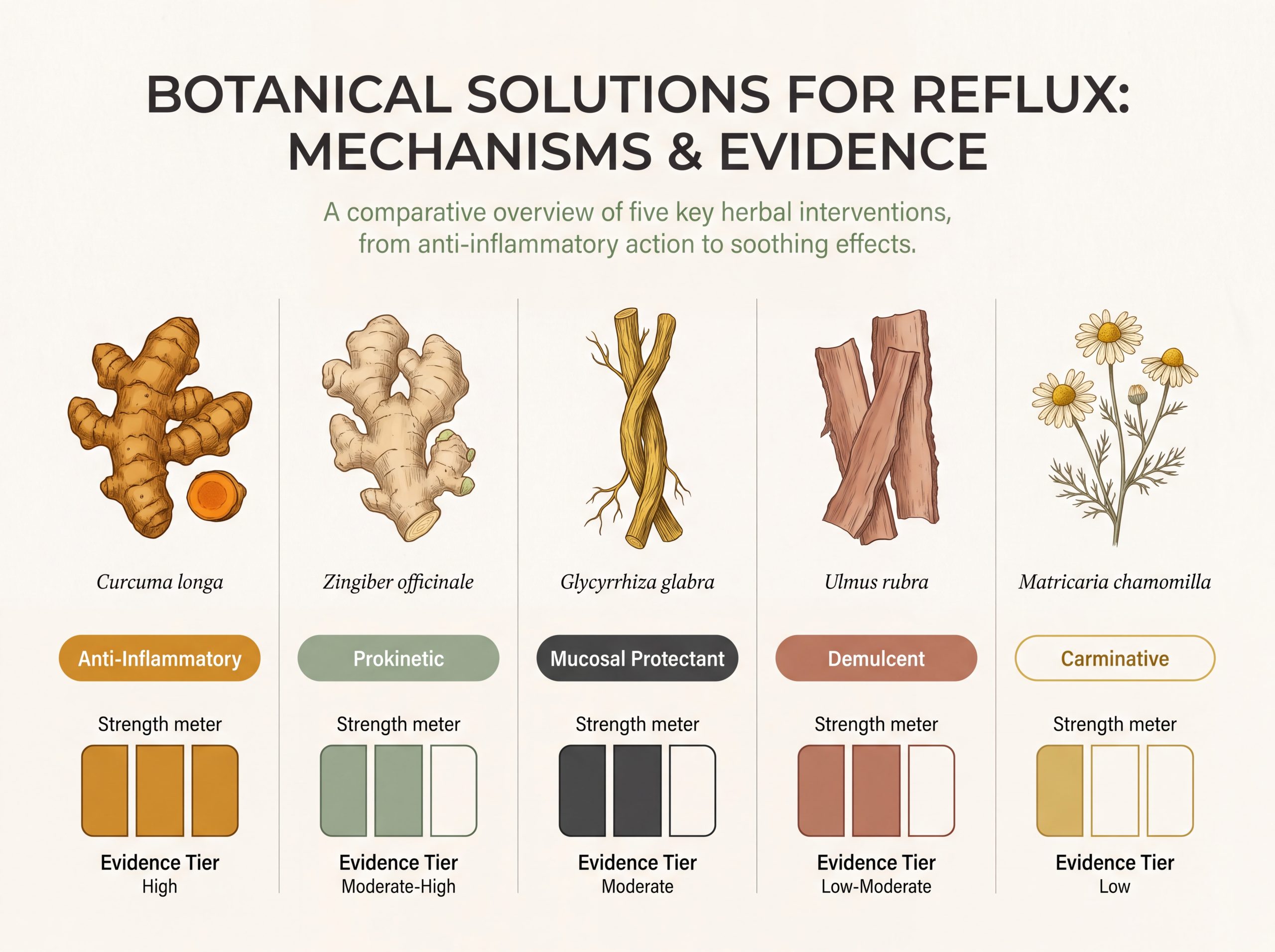
Ginger, chamomile, slippery elm and deglycyrrhizinated licorice (DGL) are the botanicals most often reached for alongside or instead of turmeric. Each is compared directly against curcumin in the table further down this page, by mechanism, evidence tier, and the amounts actually used in research.
The Ayurvedic Context: Avipattikar Churna and Amlapitta
Turmeric did not arrive in the reflux conversation by way of a clinical trial. It arrived through Ayurveda, where Curcuma longa (haridra) has been used for centuries inside compound formulations rather than on its own. That context explains something the trials cannot, which is why turmeric is almost never given alone in the tradition that made it famous.
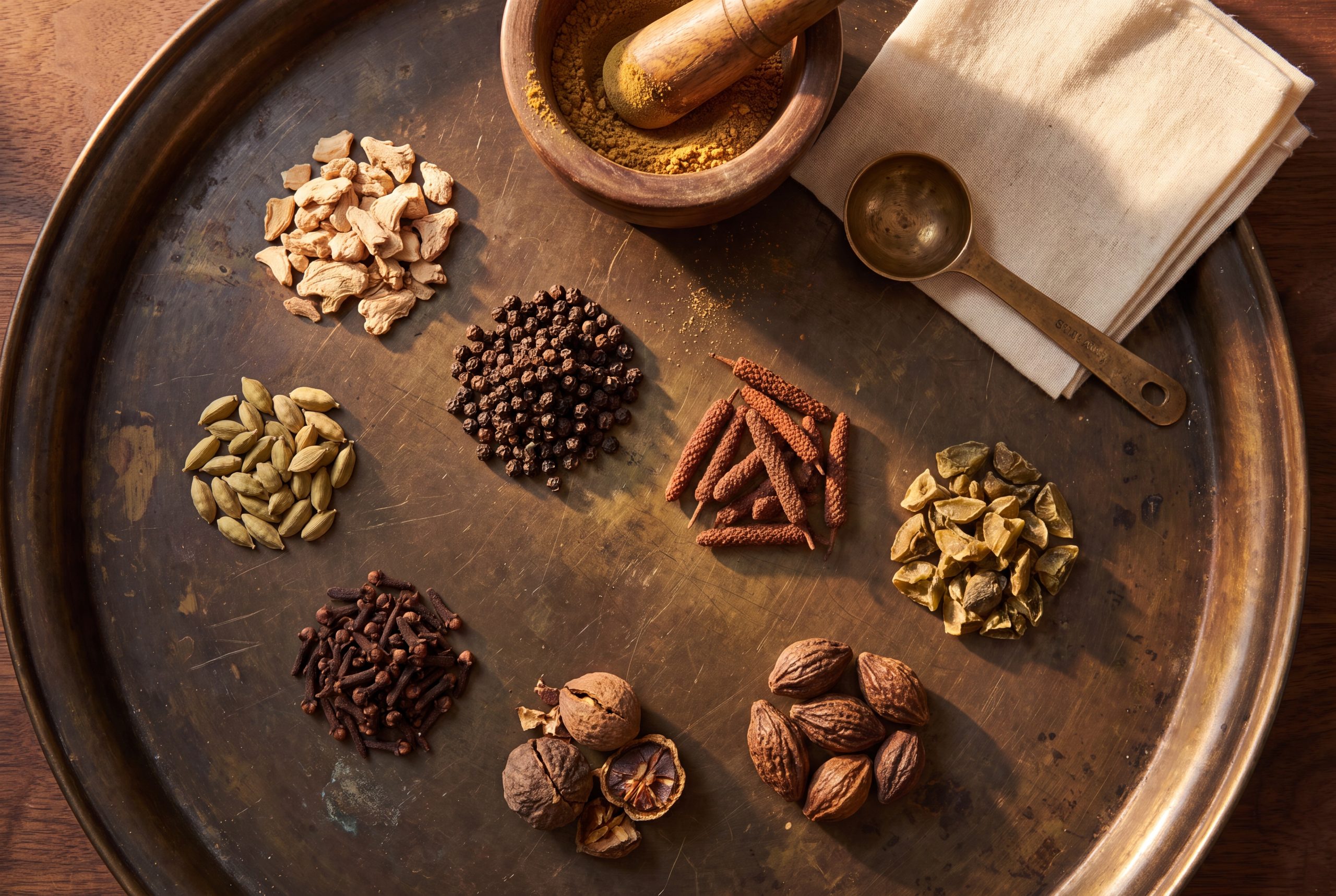
Ayurveda classifies the reflux and hyperacidity pattern as amlapitta, and the classical formulation aimed at it is Avipattikar churna, a polyherbal powder combining ginger, black pepper, long pepper, amla, haritaki, bibhitaki, clove, cardamom and trivrit. Note what that ingredient list contains: black pepper and long pepper, both rich in piperine. The tradition paired turmeric with piperine-bearing herbs long before anyone measured curcumin bioavailability in a laboratory, and modern pharmacokinetics later showed exactly why that pairing works.
The modern research on the formulation itself is preliminary and preclinical. Gyawali et al. (2013) tested Avipattikar churna in a pyloric-ligation rat model and found it reduced gastric secretion volume, ulcer score, and gastric irritancy index, with effects the authors described as comparable to ranitidine (PMID: 23905120). That is a rat study, and we will not dress it up as more. It is here because the traditional context is the part of this topic that almost every article on the internet skips, and because it is the reason turmeric ended up in this conversation at all.
If you take one idea from this section, make it this: the tradition treated reflux as a pattern to be addressed with a combination, not a single compound to be isolated and dosed. The clinical trials, which test curcumin alone, are answering a question Ayurveda never asked.
How Turmeric Compares to Other Botanicals for Reflux
Turmeric is not the only plant people reach for when reflux flares, and it is not always the right one. These botanicals work through genuinely different mechanisms, which means they suit different symptom patterns. A demulcent coats. An anti-inflammatory modulates. A prokinetic moves things along. Matching the mechanism to the complaint matters more than picking whichever herb is trending.
| Botanical | Latin binomial | Mechanism | Evidence tier | Amounts used in research |
|---|---|---|---|---|
| Turmeric/curcumin | Curcuma longa | Anti-inflammatory via NF-kB inhibition, antioxidant | Two human RCTs in functional dyspepsia. Reflux-specific data is preclinical. | 2,000 mg curcumin daily, split into 4 doses (PMID: 37696679) |
| Ginger | Zingiber officinale | Prokinetic. Accelerates gastric emptying. | Small human RCT. Emptying improved, symptoms did not. | 1.2 g, single dose (PMID: 21218090) |
| Deglycyrrhizinated licorice (DGL) | Glycyrrhiza glabra | Mucosal protectant. Supports the gastric mucus barrier. | Preclinical (rat). Long traditional use. | Not established in modern human trials (PMID: 6588541) |
| Slippery elm | Ulmus rubra | Demulcent. Mucilage forms a physical coating. | Traditional use. Human reflux trials are lacking. | Not established |
| Chamomile | Matricaria chamomilla | Carminative and mild anti-inflammatory | Traditional use. Reflux-specific evidence is limited. | Not established |
| Sources: Kongkam et al. 2023 (PMID: 37696679), Hu et al. 2011 (PMID: 21218090), Russell et al. 1984 (PMID: 6588541), Patcharatrakul and Gonlachanvit 2016 (PMID: 26973345). “Not established” means no controlled human trial supports a specific amount for reflux. | ||||
Two things in that table deserve to be said plainly. The ginger result is a caution, not a recommendation. Hu et al. (2011) found ginger measurably accelerated gastric emptying in patients with functional dyspepsia, cutting median half-emptying time from 16.1 to 12.3 minutes, and yet those same patients reported no improvement in symptoms (PMID: 21218090). A mechanism can be real and still not make anyone feel better. That gap is the whole reason mechanism-only claims deserve suspicion, including the ones made about turmeric.
The second thing: three of the five rows carry no human reflux evidence at all. They are on this table because tradition and plausibility put them there, and we would rather show you an honest empty cell than invent a number. For a wider look at this category, see our guide to natural remedies for acid reflux.
Final Thoughts
Turmeric, particularly its active compound curcumin, shows potential as a complementary therapy for managing GERD. The research, while still evolving, suggests that it may help alleviate symptoms through its anti-inflammatory and antioxidant properties. The recent study comparing curcumin to omeprazole is particularly noteworthy.
However, it’s crucial to approach turmeric use for GERD with realistic expectations and caution. It is not a cure-all, and it may not be effective for everyone. Some individuals may even experience a worsening of symptoms. It’s essential to consult a healthcare professional for proper diagnosis and treatment of GERD. They can help determine if turmeric is a safe and appropriate option for you, advise on the correct dosage, and monitor for any potential interactions with other medications or underlying health conditions. Managing reflux disease gerd requires a comprehensive approach that includes lifestyle and dietary modifications, and in many cases, medical treatment. Curcumin can be a valuable addition to your overall management plan, but it should be used responsibly and under medical supervision.
Frequently Asked Questions
What is the difference between turmeric and curcumin?
Turmeric is the whole rhizome of Curcuma longa. Curcumin is a single compound within it, and it makes up only about 2 to 5 percent of turmeric powder by weight. Standardized curcumin extract concentrates that to roughly 95 percent. This is why the amounts used in clinical studies are impossible to reach through cooking. Reaching 2,000 mg of curcumin from whole powder would take several tablespoons of turmeric daily.
Are turmeric capsules safe for daily use?
A 2024 systematic review of 26 studies across digestive disorders found turmeric to be safe, though it found the efficacy evidence unclear (PMID: 38503513). The trials supporting this ran for weeks rather than years, so long-term daily use at supplement doses has not been formally studied. Turmeric can affect platelet function and iron absorption, so anyone on blood thinners or managing anemia should speak with their healthcare provider first.
What are the long-term effects of using turmeric for acid reflux?
They are not established. The clinical trials on curcumin for dyspepsia ran 28 to 56 days, and no controlled study has followed daily curcumin supplementation over years. Culinary turmeric has a long history of daily use in South Asian diets, but a spice in food and 2,000 mg of standardized extract are different exposures, and the safety record of one does not automatically transfer to the other.
Can turmeric be safely combined with other supplements for GERD?
Piperine from black pepper is the best-supported pairing, increasing curcumin bioavailability by around 2000 percent in human volunteers (PMID: 9619120). Fat-based carriers such as ghee or coconut milk also improve absorption. Caution is warranted when combining turmeric with blood-thinning supplements such as fish oil or ginkgo, with prescribed anticoagulants, or with iron supplements, since curcumin can chelate iron.
How does turmeric compare to other anti-inflammatory supplements for GERD?
Turmeric has the strongest human evidence of the commonly used botanicals, with two randomized trials showing curcumin performing comparably to omeprazole in functional dyspepsia. Ginger works by a different mechanism, accelerating gastric emptying, though the one human trial found the mechanism improved without symptoms improving alongside it. Slippery elm, DGL and chamomile are traditional demulcents and carminatives with little controlled human evidence for reflux specifically.
What are the best natural remedies for GERD?
The evidence favors lifestyle changes over any supplement. Weight management, smaller meals, avoiding food within 2 to 3 hours of lying down, and elevating the head of the bed all have stronger support than any botanical. Among herbs, curcumin has the most human data, though its reflux-specific evidence remains preclinical and the trials were conducted in functional dyspepsia rather than GERD.
Does turmeric work as well as omeprazole?
In functional dyspepsia, two independent randomized controlled trials found no significant difference between curcumin and omeprazole on symptom scores (PMID: 37696679, PMID: 34652861). Functional dyspepsia is not GERD, though the symptoms overlap, and no trial has made this comparison in GERD patients specifically. Do not stop a prescribed PPI without speaking to your doctor, as abruptly discontinuing these medications can cause acid rebound.
Related Reading
Continue with these related articles from our team:
- Turmeric and ulcerative colitis
- Natural remedies for acid reflux
- Best herbs for digestive health
Disclaimer
These statements have not been evaluated by the Food and Drug Administration. This product is not intended to diagnose, treat, cure, or prevent any disease. Consult your healthcare provider before use.
GERD is a medical condition that can lead to serious complications, including esophagitis, Barrett’s esophagus, and esophageal stricture when left unmanaged. Nothing on this page is a substitute for diagnosis and care from a qualified healthcare provider. Do not discontinue a prescribed medication without speaking to the clinician who prescribed it.