Fadogia Agrestis is a shrub native to Africa, known for its potential health-enhancing properties. Traditionally used in various African cultures, this plant has been associated with promoting vitality and overall wellness. In this article, we will explore the advantages linked to this remarkable herb, as well as considerations for its use.
What is Fadogia Agrestis?
Fadogia agrestis, a member of the Rubiaceae family (which also includes coffee and gardenia), is a flowering plant with a long history of use in traditional African medicine. This section details the plant’s taxonomic classification, physical characteristics (morphology), native habitat, and ideal growing conditions.
Taxonomy and Classification
- Kingdom: Plantae
- Phylum: Tracheophyta
- Class: Magnoliopsida
- Order: Gentianales
- Family: Rubiaceae
- Genus: Fadogia
- Species: agrestis
Morphology
This African shrub is typically short and low-growing, usually reaching a height of 1-3 feet. It exhibits the following physical characteristics:
- Growth Habit: A shrub with a relatively short stature.
- Leaves: The leaves are typically arranged in whorls of three or four around the stem. They are characterized as being large, with a generally smooth texture, and an ovate shape.
- Stems: The stems are often woody, especially near the base, and exhibit a branching pattern. The color can vary from green to a reddish-brown.
- Flowers: The flowers are small, and yellow, and are typically arranged in clusters.
- Root System: The root system is utilized in traditional medicine. Further research is needed to confirm whether it’s a taproot or fibrous system.
Native Habitat and Geographic Distribution
This species is native to several African countries, including Nigeria, Ghana, Sudan, and other regions of West and Central Africa. It thrives in savanna and woodland ecosystems. The plant has gained attention for its potential health benefits.
Traditional Uses
F. agrestis boasts a long history of use in traditional African medicine, particularly in Nigeria. Various ethnic groups have employed it for a range of purposes, including:
- Aphrodisiac: It is most well-known for its traditional use as an aphrodisiac, believed to enhance libido and sexual performance.
- Treatment of Erectile Dysfunction: Related to its aphrodisiac properties, it has been used to address erectile dysfunction.
- Febrifuge: The plant has been used to reduce fever.
- Anti-malarial: Some traditional uses suggest anti-malarial properties.
- Pain Relief: It has been used as an analgesic to relieve pain.
- Anti-inflammatory: Traditional healers have used it to address inflammation.
- Kidney Pain: It has been used in the management of kidney pain.
- General Fatigue: Used to combat general feelings of fatigue.
Traditional preparation methods often involve making decoctions or infusions (teas) from the roots or stems. The specific dosages and preparation methods vary among different cultures and healers.
Pharmacology and Bioactive Compounds of Fadogia Agrestis
Fadogia agrestis (family Rubiaceae) has been studied less than many popular botanicals, but its phytochemistry is better defined than its reputation suggests. Analytical work using UHPLC-PDA-MS has quantified a range of phenolic compounds in both raw plant material and commercial dietary supplements, which helps explain the variability shoppers see between brands (Planta Medica, 2019, PMID: 30170324). Phytochemical investigations have also isolated monoterpene glycosides from the stem, along with ursane-type triterpenoid, benzophenone, and iridoid glycosides from the aerial parts (PMID: 17988698 and PMID: 30325205). The saponin fraction is the constituent group most often associated with the plant’s traditional use for male vitality. We include this detail because the compound profile, not the marketing label, is what determines whether a given Fadogia product resembles the material used in the published research.
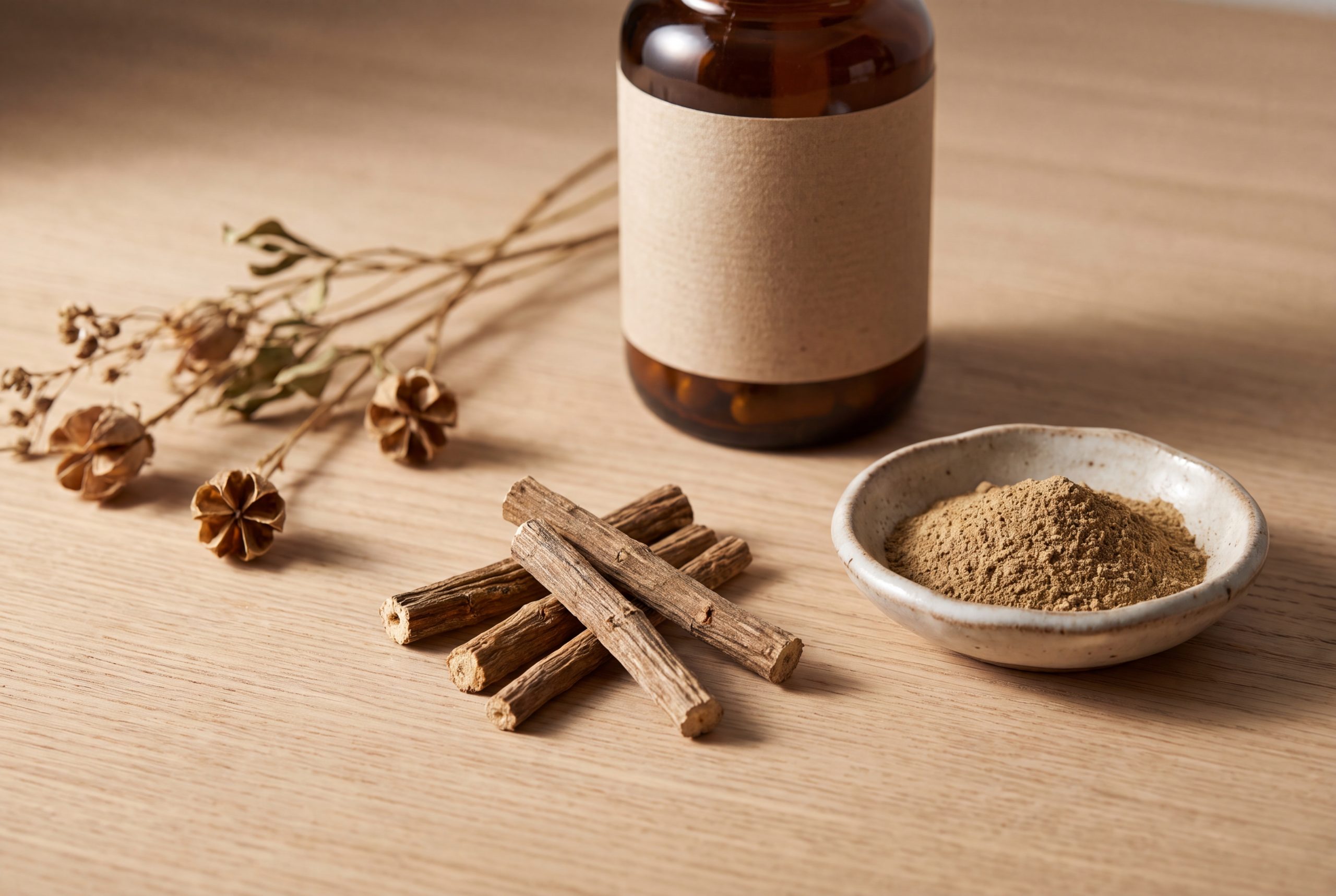
Top 4 Potential Benefits of Fadogia Agrestis
While scientific research is still developing, anecdotal evidence and preliminary studies suggest that Fadogia agrestis may contribute positively to physical performance and sexual health. Here are four potential benefits:
1. Testosterone Support
F. agrestis has gained attention for its potential to influence testosterone levels. The plant contains compounds called saponins, which are believed to stimulate the production of luteinizing hormone (LH) in the pituitary gland. LH, in turn, signals the testicular region to produce more testosterone.
A study on rats showed that F. agrestis extract significantly increased serum testosterone levels, with effects observed at doses of 18 mg/kg and 50 mg/kg body weight. While human studies are limited, this research provides a basis for understanding how F. agrestis might influence testosterone production. The human equivalent dose of 607mg of this African shrub has been shown to be toxic.
It’s important to note that the effects on testosterone may vary among individuals, and more research is needed to fully understand the long-term impact and optimal dosage for humans. There is no scientifically established safe or effective dose for humans. Commonly used doses in supplements range from 300-600 mg per day, but this is not a recommendation.
The evidence most often cited for this use comes from animal research. In a frequently referenced study, male rats given an aqueous Fadogia agrestis stem extract showed a dose-dependent increase in serum testosterone over a five-day period (Yakubu et al., 2005, Asian Journal of Andrology, PMID: 16281088). A follow-up paper examining testicular function indices in rats reported changes consistent with that hormonal activity (Journal of Ethnopharmacology, 2008, PMID: 18023305). We want to be direct about the limits here. As of our last review, controlled human trials measuring testosterone after Fadogia supplementation have not been published, so this remains a traditionally held use supported by preclinical data rather than a demonstrated human outcome.
2. Enhanced Libido and Sexual Function
In traditional African medicine, F. agrestis has been used to enhance sexual function and libido. The potential testosterone-boosting effects of the herb may contribute to these benefits, as testosterone plays a role in sexual desire and performance.
Some reported sexual health benefits include:
- Increased libido
- Improved erectile function
- Enhanced sexual stamina
While these effects are promising, more research is needed to fully understand the mechanisms and efficacy of F. agrestis for sexual health and reproductive function.
In the same body of animal research, the Fadogia stem extract was associated with increases in several measures of male sexual behavior, which is the basis for the plant’s traditional aphrodisiac reputation in parts of West Africa (Yakubu et al., 2005, PMID: 16281088). More recent rodent work reported that the stem extract helped restore selected biomolecules linked to erectile function in testicular tissue under experimental conditions (Reproductive Sciences, 2023, PMID: 35969364). From our hands-on review of customer questions, this is the area where expectations most often outrun the evidence, so we frame these findings as supportive of traditional use and structure-and-function context, not as a treatment for any sexual-health condition.
3. Improved Athletic Performance and Muscle Growth
The potential testosterone-boosting effects of Fadogia agrestis have made it popular among athletes and fitness enthusiasts. Enhanced testosterone levels may contribute to:
- Increased muscle mass and strength
- Improved recovery after intense workouts
- Enhanced endurance and stamina
- Reduced body fat percentage
Anecdotal evidence from athletes suggests that F. agrestis may help improve overall physical performance. However, it’s important to remember that these effects can vary, and F. agrestis should not be considered a substitute for proper training and nutrition.
4. Potential Anti-Inflammatory and Antioxidant Effects
F. agrestis may possess antioxidant properties, helping to combat oxidative stress and promote overall health. Preliminary research also indicates this plant may have anti-inflammatory properties. Further investigation is required to confirm these effects and their significance.
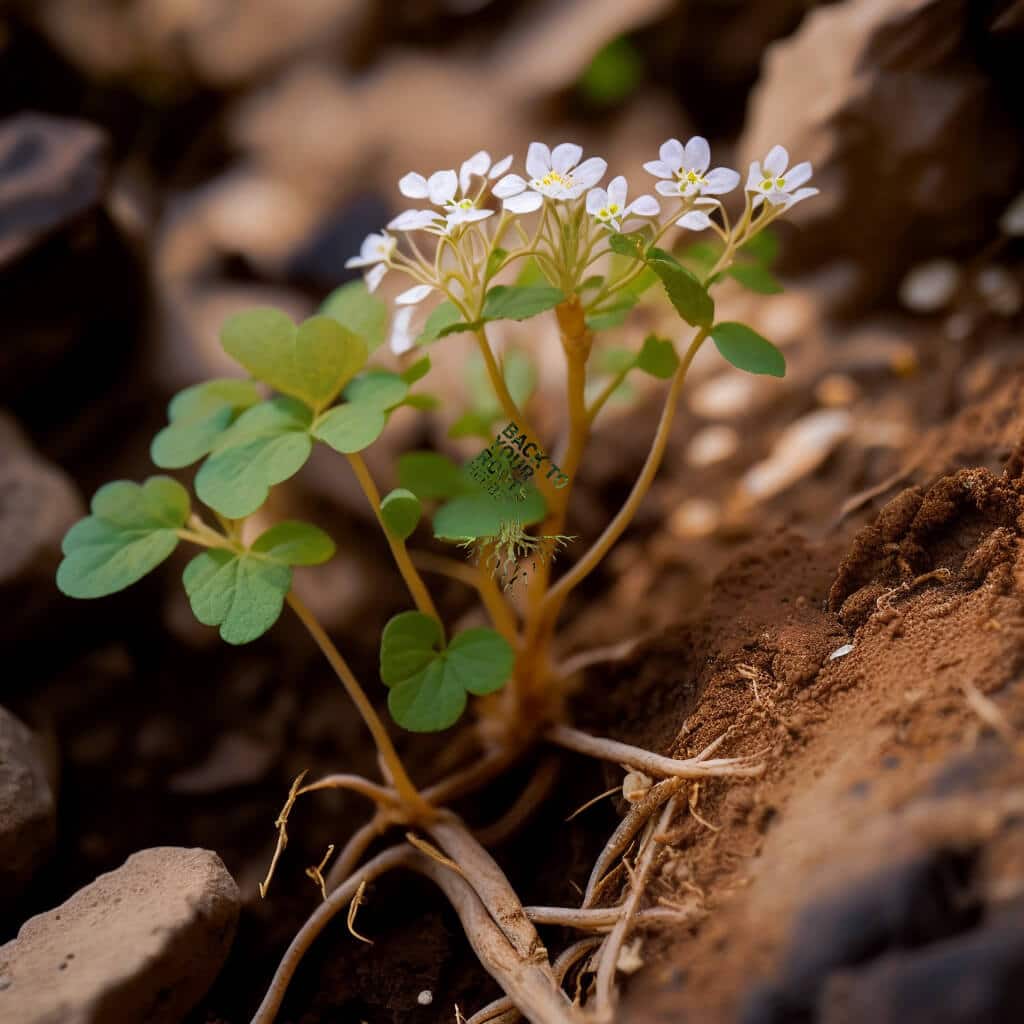
Mechanism of Action: How Fadogia Agrestis May Work
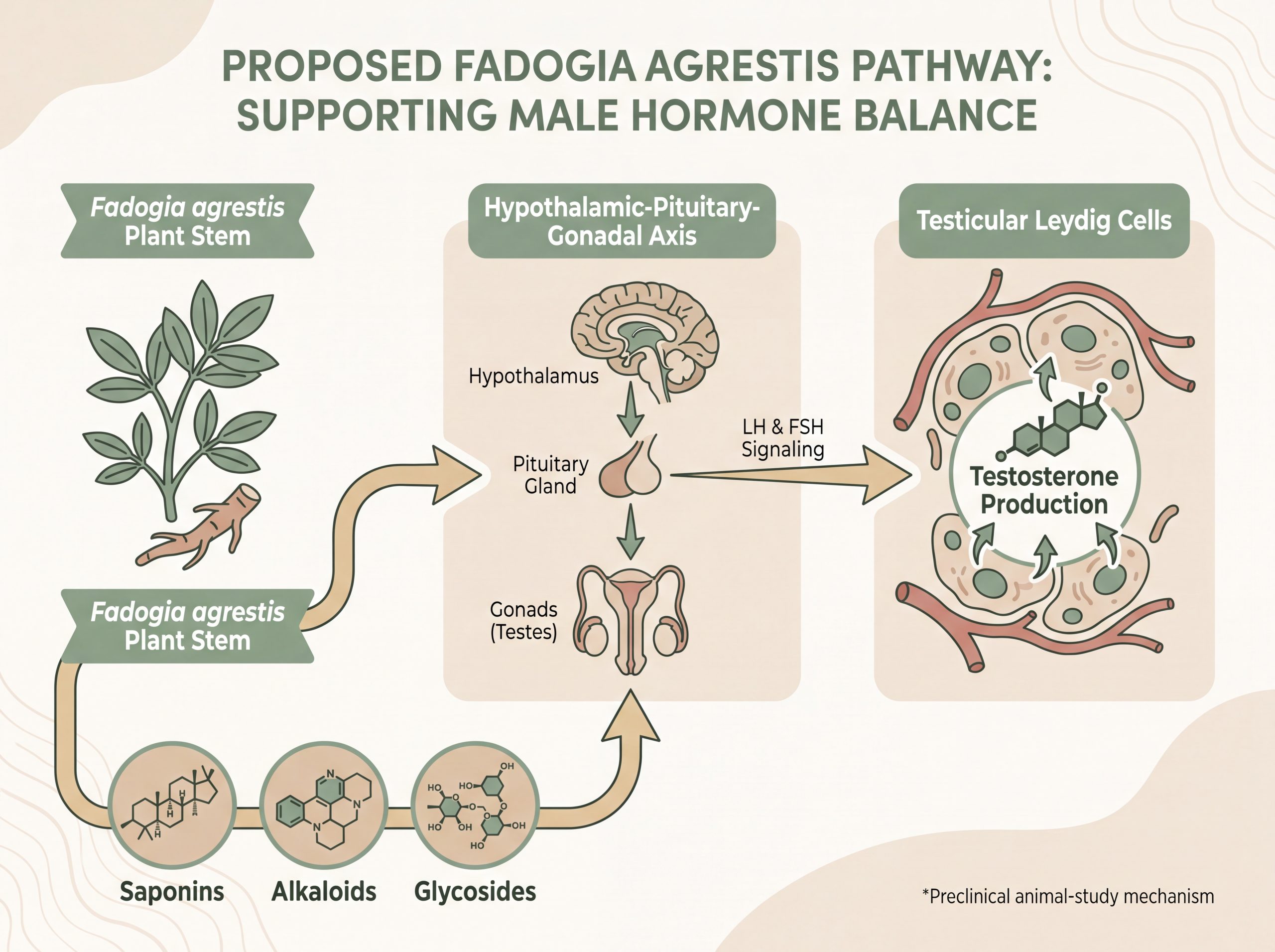
The primary theory behind how F. agrestis might affect hormone levels is by stimulating the release of luteinizing hormone (LH). LH, a hormone produced by the pituitary gland, signals the Leydig cells in the testes to produce testosterone. Some researchers suggest a possible direct effect on the testes, enhancing their responsiveness to LH, but this remains less certain and needs more research.
The plant contains various phytochemicals—naturally occurring compounds—that might contribute to its biological activity. These include:
- Saponins: These substances are thought to play a significant role in the plant’s potential hormonal effects.
- Alkaloids: The plant contains various alkaloids, including quinoline and isoquinoline alkaloids.
- Flavonoids: These compounds are known for their antioxidant properties.
- Tannins: Tannins are known for their astringent properties.
- Glycosides: These are compounds containing a sugar molecule attached to a non-sugar molecule.
The precise ways these compounds work are still being studied.
From our reading of the available literature, the proposed mechanism behind Fadogia agrestis centers on the hypothalamic-pituitary-gonadal axis. In the foundational animal work, an aqueous extract of the stem was associated with a rise in serum testosterone in male rats, which researchers attributed to a luteinizing-hormone-like stimulation of testicular Leydig cells rather than to any hormone the plant itself contains (Yakubu et al., 2005, Asian Journal of Andrology, PMID: 16281088). The plant’s reported activity is generally linked to its saponin and alkaloid fraction, alongside monoterpene and triterpenoid glycosides that have been isolated and characterized from the stem and aerial parts (Phytochemistry, 2008, PMID: 17988698, and Natural Product Research, 2020, PMID: 30325205). In our editorial view, the key point for readers is that this pathway has been mapped in rodent models, not in human trials, so it describes a plausible biological route rather than a proven human effect.
Important Considerations and Potential Side Effects
While F. agrestis offers several potential benefits, it is essential to approach its use with caution.
Potential Side Effects
Some individuals may experience side effects, including:
- Gastrointestinal discomfort
- Headaches
- Changes in mood or energy levels
Safety Concerns and Interactions
While F. agrestis is generally considered safe when used as directed, there are some important safety considerations:
- Drug interactions: F. agrestis may interact with medications that affect hormone levels, such as testosterone replacement therapy or certain prostate medications. It’s important to consult with a healthcare provider if you’re taking any medications.
- Hormonal conditions: Individuals with hormone-sensitive conditions, such as prostate cancer or breast cancer, should avoid using F. agrestis without medical supervision.
- Liver function: Some animal studies suggest that high doses of F. agrestis may affect liver enzymes. Regular monitoring of liver function may be advisable for long-term users. Specifically, animal studies have raised concerns about the potential liver and kidney toxicity of F. agrestis, particularly at high doses and with long-term use. This is a critical consideration.
- Elevated Liver Enzymes: Studies have shown elevated levels of ALT and AST, indicating liver damage.
- Increased Uric Acid and Creatinine: These indicate potential kidney dysfunction.
- Histopathological Changes: Some studies reported microscopic changes in liver and kidney tissues.
- Electrolyte Imbalance: Increased levels of sodium, potassium, and calcium.
- Decreased Urea and Bicarbonate: Reduced kidney detoxification ability.
- The plant contains quinoline and isoquinoline alkaloids, which can cause liver and kidney damage.
- Pregnancy and breastfeeding: Due to limited research, pregnant or breastfeeding women should avoid using F. agrestis.
The long-term effects of F. agrestis’ use are not well-documented, emphasizing the need for caution and regular health check-ups when using this supplement.
The same dosing that drives the plant’s reputation also defines its main caution. In a rat study examining higher and longer-duration dosing, the aqueous stem extract produced signs of cellular toxicity in liver and kidney tissue, which indicates that more is not better with this herb (Human and Experimental Toxicology, 2009, PMID: 19755438). The testicular-function research noted earlier likewise observed unfavorable changes at higher doses, a reminder that the window between a traditional serving and an excessive one may be narrow (PMID: 18023305). Human safety data are limited, and Fadogia has not been evaluated for long-term use in people. In our editorial view, conservative serving sizes, time-limited cycling, and a conversation with a qualified healthcare provider are the sensible defaults, particularly for anyone with liver or kidney concerns or anyone taking other medications.
How to Use Fadogia Agrestis
This herb is available in various forms, including capsules, powders, and extracts. When considering its use, it is important to follow recommended dosages and choose high-quality products from reputable sources. This helps ensure that you receive the full benefits without unnecessary additives or contaminants.
Dosage Recommendations
When considering the use of F. agrestis, it’s essential to adhere to recommended dosages to maximize benefits while minimizing potential side effects. Here are some general guidelines:
| Form | Recommended Dosage | Notes |
|---|---|---|
| Capsules | 300-600 mg per day | Start with a lower dose to assess tolerance. |
| Powder | 1-2 teaspoons per day | Mix with water or smoothies. |
| Extract | 1-2 ml per day | Follow product-specific instructions. |
Cycling
Some recommend “cycling” F. agrestis (taking it for a period, then taking a break) to potentially minimize risks and maintain sensitivity. However, there’s no scientific evidence supporting the effectiveness or necessity of cycling. It’s a precaution based on anecdotal reports, not definitive research.
For readers who want a Fadogia product that matches the compound profile discussed above, our team carries Fadogia Agrestis capsules and a concentrated Fadogia Agrestis extract, each batch tested for identity and quality.
Fadogia Agrestis vs. Other Supplements
To provide context, it’s helpful to compare F. agrestis with other popular testosterone-boosting supplements:
| Supplement | Primary Benefits | Side Effects | Research Support |
|---|---|---|---|
| Fadogia Agrestis | Potential testosterone boost, improved libido, athletic performance | Gastrointestinal discomfort, headaches | Limited, mostly animal studies |
| Tongkat Ali | Testosterone support, stress reduction, improved libido | Insomnia, restlessness, anxiety | More extensive human studies |
| Ashwagandha | Stress reduction, potential testosterone support, improved sleep | Generally well-tolerated, rare allergic reactions | Numerous human studies |
| Fenugreek | Potential testosterone support, blood sugar regulation | Digestive issues, maple syrup odor in urine | Moderate human research |
Tongkat Ali, also known as Eurycoma longifolia, is often compared to F. agrestis due to similar reported benefits. While both herbs are associated with testosterone support and improved libido, Tongkat Ali has been more extensively studied in humans. Some users report that F. agrestis may have more noticeable effects on libido, while Tongkat Ali may offer better overall stress reduction benefits. Tongkat Ali’s primary mechanisms involve aromatase inhibition and SHBG reduction, unlike F. agrestis’ proposed LH stimulation. Tongkat Ali has a better-established safety profile.
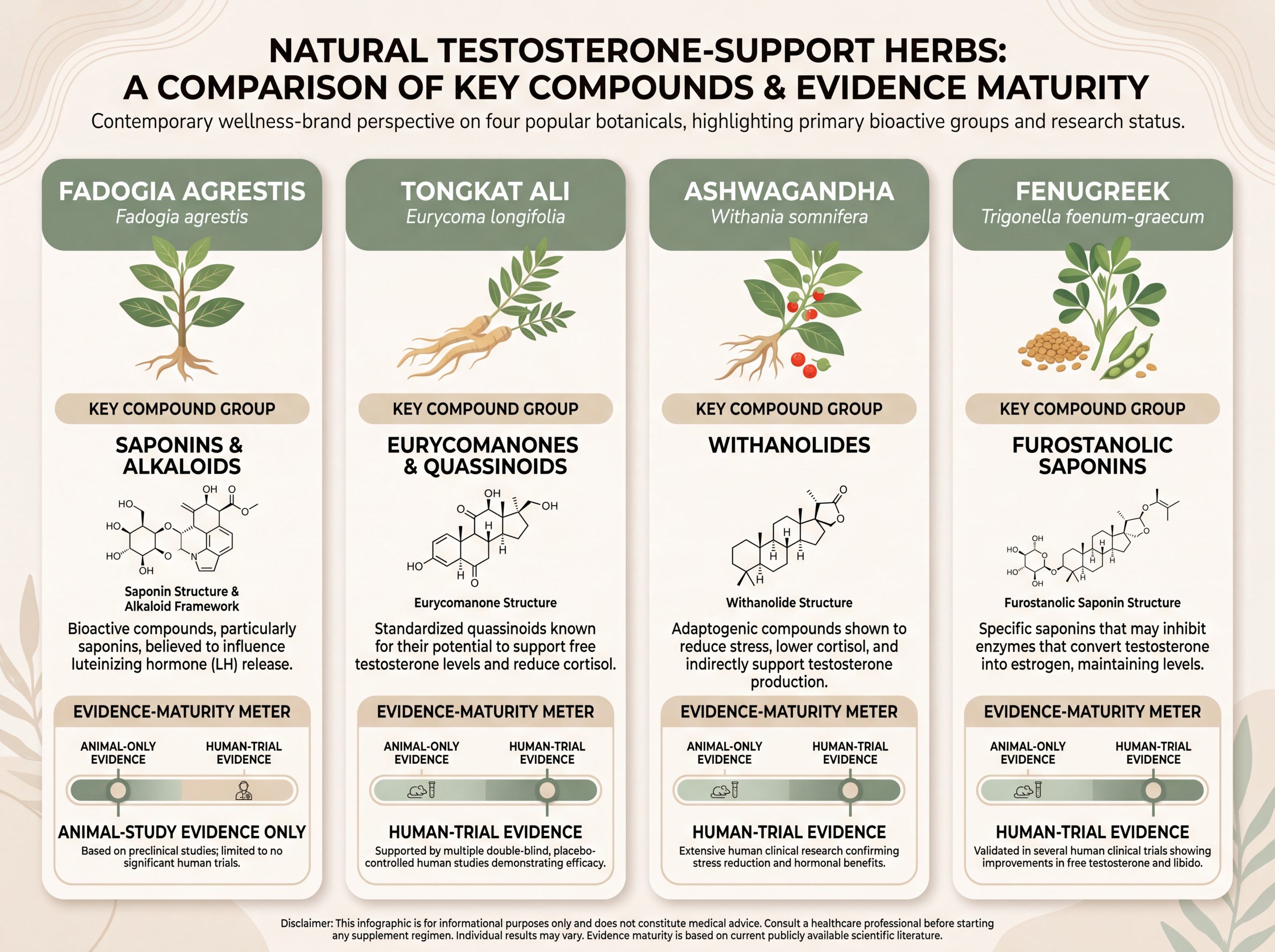
One of the most useful ways to place Fadogia agrestis is by the maturity of its evidence rather than by marketing claims. The table below compares Fadogia with three other botanicals commonly discussed for male vitality, focusing on where each one currently stands in the research.
| Herb | Key compound group | Strongest human evidence to date |
|---|---|---|
| Fadogia agrestis | Saponins, alkaloids, glycosides | Animal studies only. No published controlled human trials (PMID: 16281088). |
| Tongkat Ali (Eurycoma longifolia) | Quassinoids (eurycomanone) | Systematic review and meta-analysis of human trials reporting improved serum total testosterone (PMID: 36013514). |
| Ashwagandha (Withania somnifera) | Withanolides | Randomized controlled trial in resistance-training men (PMID: 26609282). |
| Fenugreek (Trigonella foenum-graecum) | Furostanol saponins | Randomized controlled trial on male libido and vitality (PMID: 21312304). |
| Comparison reflects the maturity of published research, not relative strength or a treatment recommendation. | ||
Legal Status and Availability
The legal status of Fadogia agrestis varies by country:
- United States: F. agrestis is currently legal and classified as a dietary supplement. However, it’s not FDA-approved for any specific medical use.
- European Union: Regulations vary by country, with some allowing its sale as a supplement and others restricting it.
- Canada: F. agrestis is not approved as a Natural Health Product by Health Canada.
- Australia: It’s not included in the Australian Register of Therapeutic Goods, limiting its availability.
When purchasing F. agrestis, consider the following:
- Buy from reputable suppliers who provide third-party testing results.
- Look for standardized extracts to ensure consistent potency.
- Be cautious of products making exaggerated claims or offering unusually low prices.
Frequently Asked Questions
- Is F. agrestis safe for women to use? While primarily studied in men, some women use F. agrestis for its potential energy-boosting and libido-enhancing effects. However, due to its influence on hormones, women should consult with a healthcare provider before use.
- How long does it take to see results from F. agrestis? Individual responses vary, but some users report noticing effects within 1-2 weeks of consistent use. For optimal results, it’s generally recommended to use the supplement for at least 4-6 weeks.
- Can F. agrestis be stacked with other supplements? Yes, some users combine F. agrestis with other supplements like Tongkat Ali or Ashwagandha. However, it’s important to consult with a healthcare professional before combining supplements to avoid potential interactions.
- Are there any age restrictions for using F. agrestis? While there are no strict age restrictions, it’s generally not recommended for individuals under 18. Older adults should consult with a healthcare provider before use, especially if they have any pre-existing health conditions.
- Can F. agrestis affect hormone tests? Yes, F. agrestis may influence hormone levels, potentially affecting the results of testosterone or other hormone tests. It’s important to inform your healthcare provider if you’re using this supplement before undergoing any hormone testing.
- What other benefits are there? F. agrestis has also been traditionally used for fever reduction, anti-malarial properties (supported by in vitro studies), pain relief, kidney pain management, and combating fatigue.
Key Points to Consider
- F. agrestis is not a substitute for a balanced diet and healthy lifestyle.
- Consult with a healthcare provider before starting any new supplement, especially if you have underlying health conditions.
- Monitor your body’s response when starting F. agrestis and adjust the dosage as needed.
- Look for high-quality products from reputable manufacturers to ensure safety and efficacy.
- The top benefits are related to testosterone, libido, athletic performance, and anti-inflammatory properties.
If you are considering using F. agrestis, it is highly recommended that you speak with a healthcare professional to discuss potential benefits and risks, especially if you have pre-existing health conditions or are taking other medications.
Evidence and References
The statements about Fadogia agrestis on this page are grounded in the following peer-reviewed sources. Most current research is preclinical, which means it comes from laboratory and animal studies rather than controlled human trials. We cite it transparently so readers can weigh the evidence themselves.
- Yakubu MT, Akanji MA, Oladiji AT. Aphrodisiac potentials of the aqueous extract of Fadogia agrestis stem in male albino rats. Asian Journal of Andrology, 2005. PMID: 16281088
- Effects of oral administration of aqueous extract of Fadogia agrestis stem on some testicular function indices of male rats. Journal of Ethnopharmacology, 2008. PMID: 18023305
- Mode of cellular toxicity of aqueous extract of Fadogia agrestis stem in male rat liver and kidney. Human and Experimental Toxicology, 2009. PMID: 19755438
- Fadogia agrestis stem extract restores selected biomolecules of erectile dysfunction in testicular tissue. Reproductive Sciences, 2023. PMID: 35969364
- Quantification of phenolic compounds from Fadogia agrestis and dietary supplements using UHPLC-PDA-MS. Planta Medica, 2019. PMID: 30170324
- Monoterpene glycosides isolated from Fadogia agrestis. Phytochemistry, 2008. PMID: 17988698
- Eurycoma longifolia improves serum total testosterone in men: a systematic review and meta-analysis. Medicina, 2022. PMID: 36013514
Further authoritative reading: the NIH Office of Dietary Supplements, the NIH National Center for Complementary and Integrative Health, and the Memorial Sloan Kettering About Herbs database.
Disclaimer
These statements have not been evaluated by the Food and Drug Administration. This product is not intended to diagnose, treat, cure, or prevent any disease. Consult your healthcare provider before use, especially if you are pregnant, nursing, taking medication, or have a medical condition.
Related Reading
Continue exploring this topic with these resources from our team:
- How Fadogia Agrestis and Tongkat Ali compare for testosterone support
- Tongkat Ali for fitness and performance
- Shilajit for libido and male vitality
- Tribulus for sex drive