Botanical Description and Classification of Rauwolfia serpentina
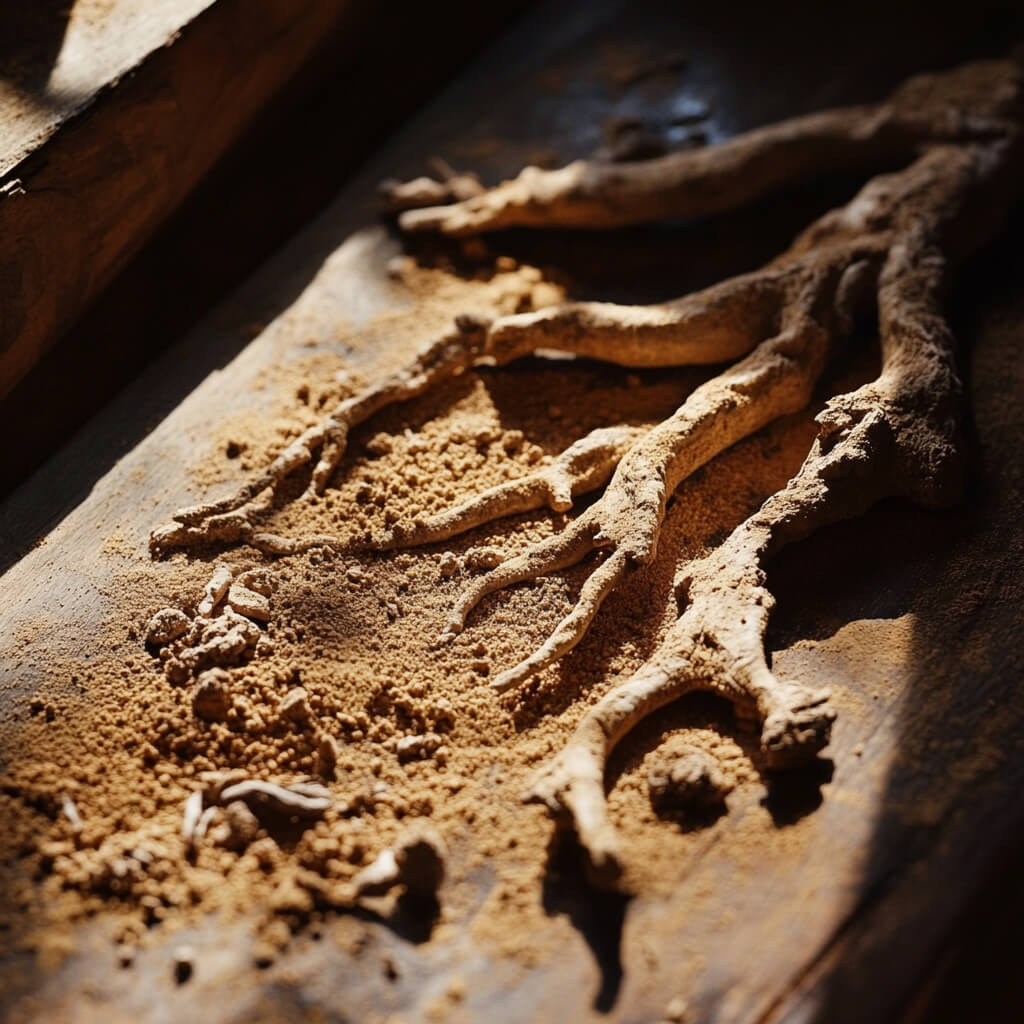
Rauwolfia serpentina is a small, erect shrub, typically reaching a height of 15-75 cm. Its leaves are simple, elliptic-lanceolate, and arranged in whorls of 3-5. The plant displays small, tubular, white, or pink flowers that bloom in dense clusters. The root system, the primary source of the plant’s medicinal compounds, is tuberous and branched.
The plant belongs to the Apocynaceae family, a diverse group of flowering plants. Its botanical classification is as follows:
- Kingdom: Plantae
- Division: Magnoliophyta
- Class: Magnoliopsida
- Order: Gentianales
- Family: Apocynaceae
- Genus: Rauwolfia
- Species: Rauwolfia serpentina
Understanding its taxonomy provides insights into the plant’s characteristics and potential uses, highlighting its botanical importance and the relationships within its family. Rauwolfia serpentina is also known as Sarpagandha.
Habitat, Cultivation, and Conservation of Indian Snakeroot
Native to the Indian subcontinent and Southeast Asia, Rauwolfia serpentina thrives in tropical and subtropical climates. It prefers well-drained, fertile soils with a pH between 4.0 and 6.0 and partial shade. This plant is often found growing wild in forests and is also cultivated in gardens for medicinal purposes. Propagation is typically achieved through seeds or root cuttings. The roots require approximately 18 months to develop a sufficient alkaloid content for harvesting.
Harvesting involves carefully uprooting the entire plant. The roots are then washed, dried, and processed for use. Due to overharvesting and habitat loss, Rauwolfia serpentina is considered endangered in some regions. Conservation efforts include sustainable cultivation practices, tissue culture propagation, and the establishment of protected areas.
Historical Significance and Traditional Uses
Rauwolfia serpentina holds a prominent place in various traditional medicine systems, particularly Ayurveda. In India, it has been used for centuries to address a wide range of ailments, from fevers to snake bites. Its significance extends beyond traditional uses; it has also been a subject of scientific scrutiny, particularly in the mid-20th century when its antihypertensive properties were recognized.
In Ayurvedic medicine, Sarpagandha is classified as a medhya rasayana, or mind rejuvenator. Traditional uses include:
- Mental disorders: Used to manage various mental health conditions.
- Insomnia: Employed to promote sleep.
- Epilepsy: Traditionally used as a treatment.
- Hypertension: Used to lower blood pressure.
- Gastrointestinal disorders: Applied to address various digestive problems.
Traditional preparations often involve powdering the dried roots and mixing them with honey or ghee. Typical dosages in Ayurvedic practice range from 1-2 grams of powdered root per day, but it’s essential to consult with a qualified Ayurvedic practitioner for personalized guidance. Other traditional preparations include decoctions (boiling the root in water) and infusions (steeping the root in hot water). There’s also a record of the juice of the leaves, and being used externally for wound healing.
While less prominent in Traditional Chinese Medicine (TCM), it’s sometimes used, although different Rauwolfia species might be more common. It has also been used in other Southeast Asian traditional medicine systems, like Indonesian Jamu.
It is important to differentiate Rauwolfia serpentina (Indian Snakeroot) from Rauwolfia vomitoria (African Snakeroot). While both share similar traditional uses, R. vomitoria is more prevalent in African traditional medicine.
Phytochemistry and Pharmacological Actions
The roots of Rauwolfia serpentina contain a complex array of indole alkaloids, which are responsible for its pharmacological effects. Over 50 alkaloids have been identified, with reserpine being the most well-known. However, other alkaloids contribute significantly to the plant’s overall therapeutic profile. The pharmacognosy of Rauwolfia serpentina is intricate.
Key Alkaloids and Their Actions:
| Alkaloid | Potential Actions |
|---|---|
| Reserpine | Irreversibly binds to vesicular monoamine transporters (VMATs), depleting neurotransmitters (norepinephrine, dopamine, serotonin). Lowers blood pressure, has sedative effects. |
| Ajmaline | Antiarrhythmic (sodium channel blocker). Used to treat irregular heartbeats. |
| Ajmalicine | May improve cerebral blood flow (vasodilator). |
| Yohimbine | Alpha-2 adrenergic blocker. Potential (but controversial) use in treating erectile dysfunction and as a fat-burning supplement (note: low content in R. serpentina). |
| Serpentine/Serpentinine | Potential antibacterial, anti-inflammatory, and antioxidant properties. |
| Other Alkaloids | Includes deserpidine, rescinnamine, and others which may all contribute synergistically. |
Note: Research supporting all of these potential actions is not of the highest quality, and effects may vary depending on dose, preparation, and the individual.
Reserpine’s mechanism of action involves inhibiting both VMAT1 and VMAT2. VMAT2 inhibition is primarily responsible for its antihypertensive and antipsychotic effects. The depletion of neurotransmitters leads to reduced sympathetic nervous system activity. It should be understood that some individuals may be more sensitive to reserpine.
Modern Medicinal Applications and Research
The discovery of reserpine led to the development of several pharmaceutical drugs. Reserpine was one of the first effective treatments for hypertension and was widely used in the 1950s and 1960s. While it’s less commonly prescribed today due to side effects, it’s still found in some combination medications for high blood pressure.
The items below are isolated, prescription pharmaceutical drugs refined from the plant’s alkaloids such as reserpine. They are not the same thing as the whole-root botanical, which is sold as a dietary supplement and is not an FDA-approved medication. Prescription drugs derived from the plant’s alkaloids include:
- Reserpine (Serpasil)
- Deserpidine (Harmonyl)
- Rescinnamine (Moderil)
Beyond its established use in managing hypertension, research is Rauwolfia serpentina in other areas:
- Anxiety and Mental Health: While reserpine was used as an antipsychotic, it’s rarely used for that purpose now. However, whole root preparations are sometimes used in alternative medicine for anxiety and stress. It’s crucial to distinguish between isolated reserpine and whole-root preparations.
- Sleep Disorders: Rauwolfia serpentina may be used for insomnia due to its sedative effects (linked to neurotransmitter depletion).
- Gastrointestinal Issues: Traditionally used for conditions like diarrhea and dysentery. More research is needed to confirm these uses.
- Anticancer Potential: Studies performed in vitro and animal models show a potential for anti-cancer effects. It is critical to remember, that this does not mean it is a proven cancer treatment.
- Antimicrobial and Antifungal Properties: Some studies suggest potential activity against certain bacteria and fungi.
- Antioxidant Properties
- Antidiuretic Properties
- Anticholinergic
Recent studies (post-2010) have continued to investigate Rauwolfia serpentina:
- A 2016 study in the Journal of Ethnopharmacology examined the effects of a Rauwolfia serpentina extract on stress-induced behavioral changes in rats.
- A 2019 review in Planta Medica summarized the phytochemistry, pharmacology, and clinical trials of Rauwolfia serpentina.
- Research in Pharmacognosy Reviews, (2013), looked at several pharmacological properties.
Future research directions include investigating the plant’s neuroprotective properties, further exploring its anticancer potential, and developing new drug formulations with reduced side effects. Many existing studies have limitations, such as small sample sizes and a focus on reserpine rather than the whole plant.
Potential Benefits and Uses of Indian Snakeroot
Based on traditional use and emerging research, Rauwolfia serpentina may offer several potential benefits:
| Condition | Potential Benefits | Active Compounds | Supporting Evidence (Traditional/Modern) |
|---|---|---|---|
| High Blood Pressure | May help lower blood pressure. | Reserpine, other alkaloids | Traditional use, clinical trials (primarily with reserpine) |
| Anxiety | May reduce symptoms of anxiety and promote relaxation. | Reserpine, other alkaloids | Traditional use, some preliminary research |
| Sleep Disorders | May promote better sleep quality (sedative effects). | Reserpine, other alkaloids | Traditional use, some preliminary research |
| Digestive Issues | Traditionally used for various gastrointestinal problems. | Alkaloids and other compounds | Traditional use, limited modern research |
| Irregular Heartbeat | Ajmaline (derived from the plant) is used as an antiarrhythmic. | Ajmaline | Clinical use (ajmaline as a pharmaceutical) |
This is not a substitute for medical advice.
Rauwolfia Serpentina in Homeopathy: Mother Tincture and Common Potencies
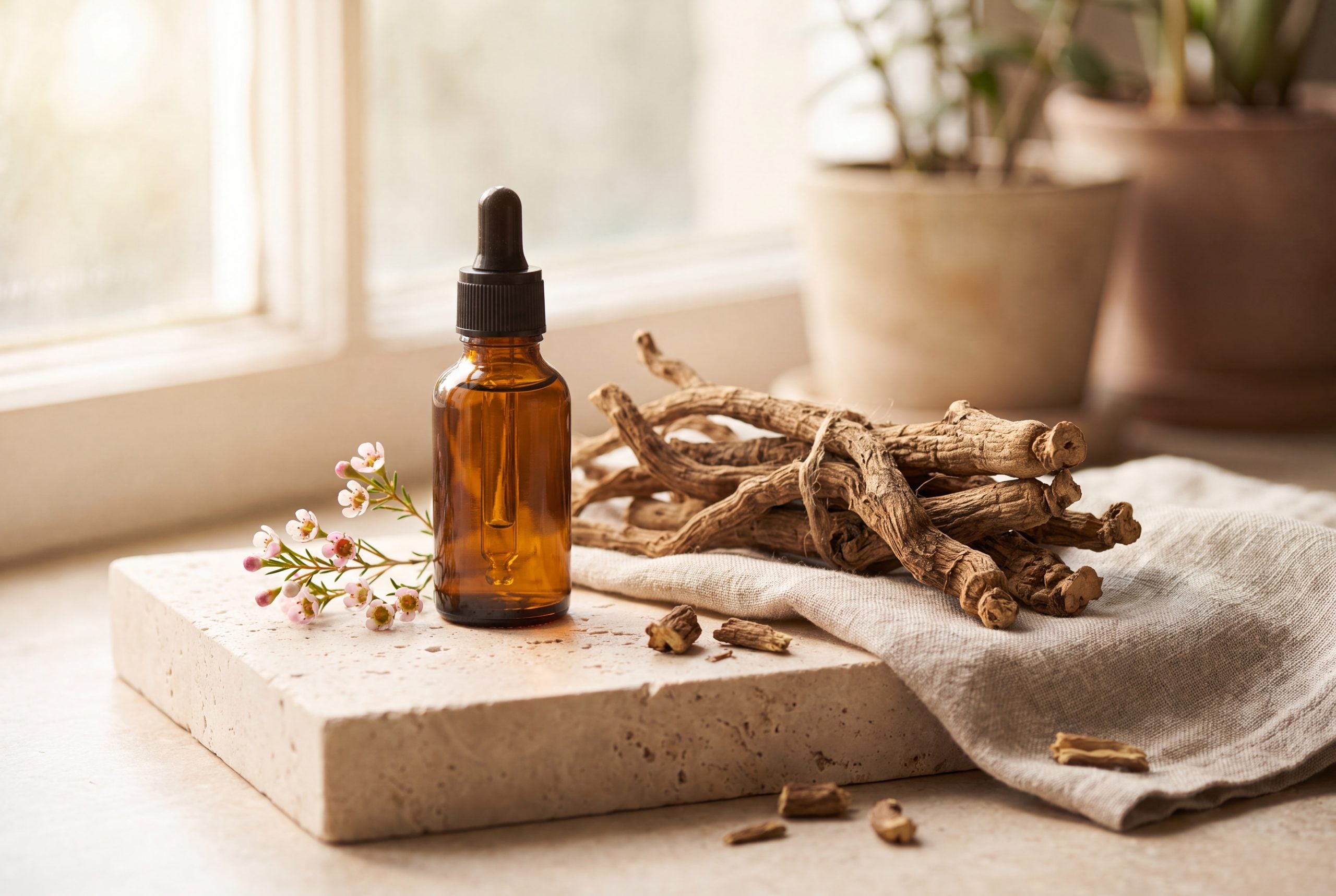
Beyond its Ayurvedic and modern pharmacological history, Rauwolfia serpentina also appears in homeopathic practice, where it is prepared quite differently from crude root powder. In our review of traditional preparation methods, the starting material is the mother tincture (marked with the symbol Ø), an alcohol-based extract of the dried root. Practitioners then dilute and succuss that mother tincture into potencies such as 6C or 30C, and the measurable concentration of the root’s alkaloids falls with every step.
This distinction matters for anyone comparing products. The mother tincture is the least diluted preparation, so it retains the highest measurable level of the root’s monoterpene indole alkaloids, including reserpine and ajmaline, documented in the genus review by Kumar et al. (2022), Journal of Ethnopharmacology (PMID: 35504505). Higher potencies contain far less. Anyone weighing a homeopathic Rauwolfia product against our Rauwolfia serpentina root preparation or Rauwolfia serpentina capsules should read the label to see whether it is a tincture, a potency, or a whole-root supplement, because these forms behave very differently.
Side Effects of Rauwolfia Mother Tincture
Because the mother tincture concentrates the root’s alkaloids, it is the form most likely to carry the cautions linked to those compounds. In our reading of the literature, the effects people report most often track the known pharmacology of the alkaloids, such as lowered blood pressure, nasal stuffiness, daytime drowsiness, and shifts in mood. A systematic review of reserpine and mood by Strawbridge et al. (2022), Journal of Psychopharmacology (PMID: 36000248) found the mood picture to be complex rather than uniform, which is one more reason to involve a qualified practitioner. This information is educational and does not replace professional guidance.
Side Effects, Precautions, and Drug Interactions
Rauwolfia serpentina can cause a range of side effects and has significant drug interactions. It is not suitable for everyone.
Potential Side Effects:
- Nasal congestion: A very common side effect.
- Drowsiness/Sedation: Use caution when driving or operating machinery.
- Dizziness: Can occur due to lowered blood pressure.
- Gastrointestinal upset: Nausea, vomiting, diarrhea, loss of appetite.
- Mental depression: Crucially important to discontinue use and consult a doctor if mood changes occur.
- Bradycardia (slow heart rate): A significant concern, especially for those with heart conditions.
- Hypotension (low blood pressure): Can be dangerous, especially if taking antihypertensive medications.
- Parkinsonism-like symptoms: Tremors, rigidity (with high doses or long-term use).
- Increased gastric acid secretion: Contraindicated in people with peptic ulcers.
- Sexual dysfunction: Impotence or decreased libido.
- Vivid dreams or nightmares.
Drug Interactions:
Rauwolfia serpentina interacts with Indian snakeroot and many medications, potentially causing serious adverse effects. This list is not exhaustive:
- Antihypertensive medications: Can cause excessively low blood pressure.
- MAOIs (Monoamine Oxidase Inhibitors): Can cause a hypertensive crisis (dangerously high blood pressure).
- CNS Depressants (alcohol, barbiturates, benzodiazepines): Can increase sedative effects.
- Digoxin: Can increase the risk of digoxin toxicity.
- Levodopa: Rauwolfia can reduce the effectiveness of levodopa.
- Antipsychotics: Can increase the risk of side effects.
- Beta-blockers: Can increase the risk of bradycardia.
- Antiarrhythmics: Potential for additive effects or interactions.
- Antidepressants (SSRIs, tricyclics): Potential interactions; consult a doctor.
- Adenosyl l methionine: Consult a doctor, if taking Indian snakeroot.
Contraindications:
Rauwolfia serpentina should not be used by individuals with the following conditions:
- Depression (or a history of depression): This is a critical contraindication.
- Peptic Ulcer Disease/Ulcerative Colitis: Due to increased gastric acid secretion.
- Pheochromocytoma: Can cause a hypertensive crisis.
- Pregnancy and Breastfeeding: Generally contraindicated due to potential risks.
- Kidney problems: Use with extreme caution and only under medical supervision.
- Gallstones/Biliary Colic
- Electroconvulsive Therapy (ECT):
- Heart Disease
- Peripheral Edema
Is Rauwolfia Serpentina Safe If You Have High Blood Pressure or Take Blood-Pressure Medication?
This is one of the most common questions we see, and the honest answer is that it depends on your full medication list. The root’s alkaloids can lower blood pressure on their own. Combined with a prescription antihypertensive, the two can stack and pull blood pressure lower than intended. The Cochrane review by Shamon and Perez (2016), Cochrane Database of Systematic Reviews (PMID: 27997978) quantified the blood-pressure-lowering effect of isolated reserpine, and that same additive potential is why caution is warranted with the whole herb. The same care applies to the MAOIs, digoxin, and central nervous system depressants already noted above. If you have high blood pressure or take any cardiovascular medication, talk with your healthcare provider before using Rauwolfia serpentina in any form.
Dosage and Administration
There is no universally safe or effective dose of Rauwolfia serpentina for self-treatment. The dosage depends on numerous factors, including the individual’s health status, the specific condition being addressed, the form of the herb used (powder, capsule, tincture, standardized extract), and other medications being taken.
- Traditional Dosages: As mentioned earlier, traditional Ayurvedic dosages often range from 1-2 grams of powdered root per day. However, these are historical practices and do not constitute a safe recommendation for modern use without professional guidance.
- Modern Use: Any use of Rauwolfia serpentina for medicinal purposes should be strictly under the supervision of a qualified healthcare professional, such as a licensed naturopathic doctor, a clinical herbalist, or a physician experienced in botanical medicine.
- Forms: Dosage will vary depending on the form. Standardized extracts (standardized to a specific reserpine content) will have different dosing guidelines than crude root powder.
- Do not use without consulting a healthcare provider.
Conclusion
Rauwolfia serpentina is a plant with a rich history and potential therapeutic benefits, particularly related to blood pressure and anxiety. However, its potent pharmacological actions and potential for serious side effects and drug interactions necessitate extreme caution. While traditional medicine provides valuable insights, self-treating with Rauwolfia serpentina is strongly discouraged. Always consult with a qualified healthcare professional before using this or any other herbal remedy. Ongoing research continues in the treatment of various conditions, which may further refine our understanding of its uses and safety profile.
Frequently Asked Questions About Rauwolfia Serpentina
Is Rauwolfia serpentina safe if you already have high blood pressure?
The root’s alkaloids can lower blood pressure, so combining it with prescription blood-pressure medicine may lower your reading more than intended. Anyone with high blood pressure or on cardiovascular medication should speak with a healthcare provider before use.
What are the side effects of rauwolfia mother tincture?
As the least diluted homeopathic form, the mother tincture carries the alkaloid-related cautions most strongly. Commonly reported effects include lowered blood pressure, nasal congestion, drowsiness, and mood changes. Use it only under qualified guidance.
How is Rauwolfia serpentina used in homeopathy?
Homeopathy starts with a mother tincture of the dried root, then dilutes and succusses it into potencies such as 6C or 30C. Higher potencies contain progressively less of the root’s alkaloids than the mother tincture does.
What are the active compounds in Rauwolfia serpentina?
The root contains monoterpene indole alkaloids, most notably reserpine, ajmaline, ajmalicine, serpentine, and yohimbine, as catalogued in a 2022 Journal of Ethnopharmacology review of the genus Rauvolfia.
Where does Rauwolfia serpentina grow naturally?
Indian snakeroot is native to the Indian subcontinent and Southeast Asia, where it grows in humid lowland and foothill forests. Because of overharvesting, it is now cultivated and is a conservation concern in parts of its range.
Important Safety and Regulatory Note
These statements have not been evaluated by the Food and Drug Administration. This product is not intended to diagnose, treat, cure, or prevent any disease. Consult your healthcare provider before use, especially if you are pregnant, nursing, taking medication, or have a medical condition.
Last Reviewed: July 2026