Muscle spasms, particularly those that strike the legs at night (nocturnal leg cramps), can be incredibly painful and disruptive to sleep. I know firsthand how painful those cramps can be. While various treatments exist, Cinchona officinalis, commonly referred to as quinine, has historically been a common option. However, its use is now highly controversial due to safety concerns. This article provides a thorough, unbiased examination of quinine for leg cramps, covering its effectiveness, risks, and a wide range of alternative treatments. It’s important to understand that this information is for educational purposes and not a substitute for professional medical advice.
Understanding Muscle Spasms
Muscle cramps are sudden, involuntary contractions of a muscle or group of muscles. While they can occur anywhere, the calf muscles are most commonly affected. These spasms can range from a mild twitch to intense pain, sometimes leaving the muscle sore for hours afterward. Several factors can trigger cramping:
- Dehydration: Insufficient fluid intake can disrupt electrolyte balance.
- Electrolyte Imbalances: Low levels of potassium, magnesium, or calcium can impair muscle function.
- Overexertion: Strenuous exercise, especially without proper warm-up and cool-down, can lead to cramps.
- Prolonged Inactivity: Sitting or standing for extended periods can restrict blood flow and contribute to cramps.
- Certain Medical Conditions: Conditions like diabetes, peripheral neuropathy, thyroid disorders, and kidney disease can increase the risk of cramps.
- Medications: Some medications, such as diuretics (water pills), statins (for cholesterol), and certain asthma medications, can cause leg cramps in certain individuals as a side effect.
Leg Cramps or Restless Legs Syndrome? Knowing the Difference
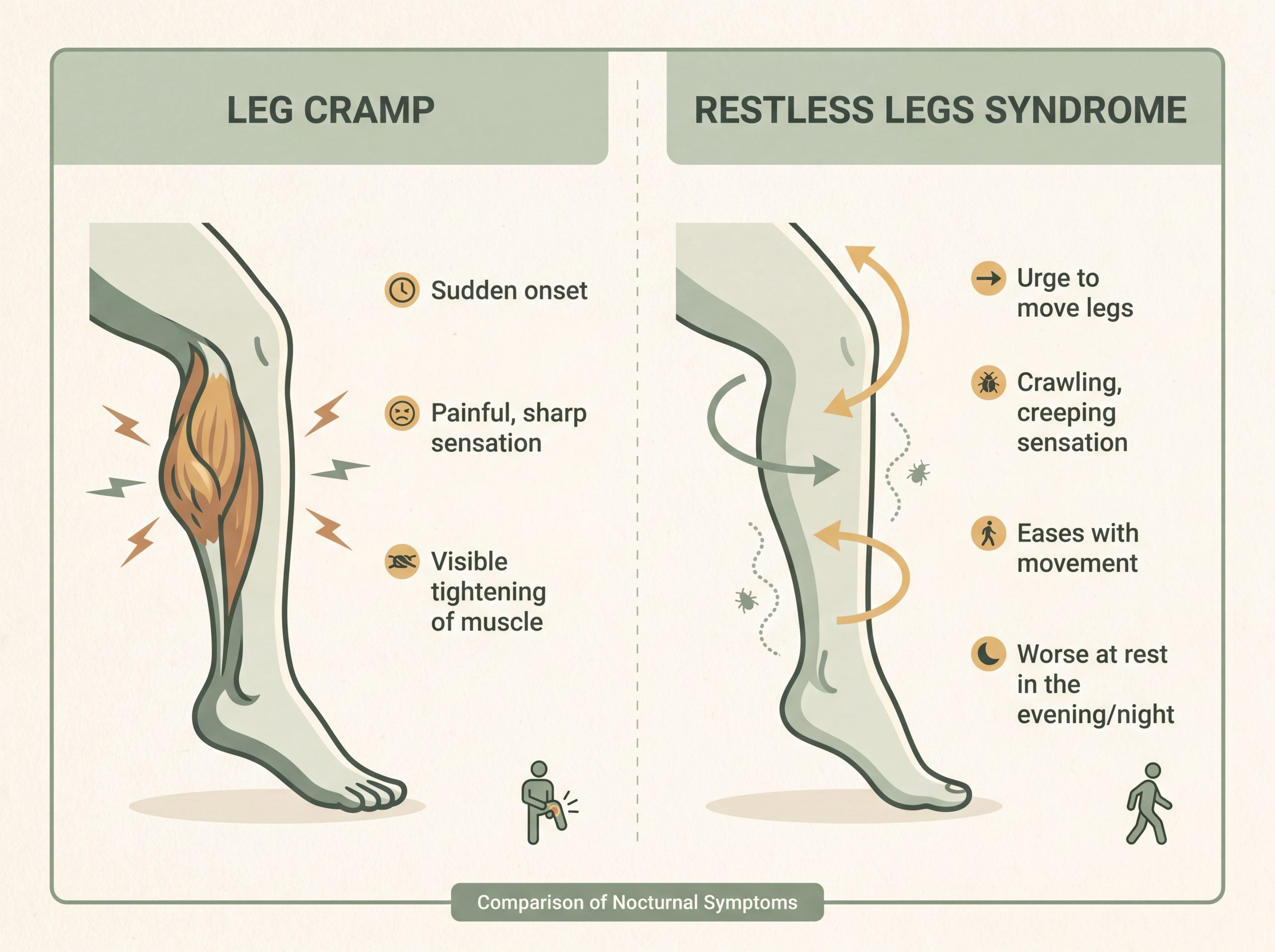
Before considering any measure for cramps, it helps to confirm that cramps are the actual problem. In our review of the literature, the two conditions most often confused are nocturnal leg cramps and restless legs syndrome, and they call for different evaluation.
A leg cramp is a sudden, involuntary, painful contraction of a muscle, most often the calf. The muscle becomes visibly hard and knotted, and the pain can linger as soreness afterward. Restless legs syndrome is not a painful contraction at all. It is an uncomfortable urge to move the legs, often described as a crawling or pulling sensation, that eases with movement and worsens at rest in the evening. Cramp measures such as stretching and hydration do little for restless legs syndrome, which is why distinguishing the two before acting is worthwhile (Katzberg et al., 2010, Neurology, PMID: 20177124). If symptoms sound more like an urge to move than a hard, painful knot, that is a conversation to have with a qualified healthcare provider rather than a cramp question.
What is Quinine?
Quinine is a naturally occurring compound extracted from the bark of the cinchona tree, native to South America. It has a long history of use, primarily for treating malaria. Its mechanism of action against malaria involves interfering with the parasite’s ability to process hemoglobin. A fun idea: quinine is also found in tonic water, giving it its characteristic bitter taste.
Quinine’s Mechanism of Action for Leg Cramps
While the exact mechanism isn’t fully understood, the drug quinine is believed to work for leg cramps by affecting the neuromuscular junction – the point where nerve signals are transmitted to muscle fibers. Specifically, quinine:
- Decreases Motor End-Plate Excitability: The mixture reduces the sensitivity of the motor end-plate (the part of the muscle fiber that receives nerve signals) to nerve stimulation. This means a stronger signal is needed to trigger a muscle contraction, potentially reducing the likelihood of spasms.
- Increases the Refractory Period: Quinine lengthens the refractory period of muscle fibers. This is the brief period after a muscle contraction during which it cannot be stimulated again. By extending this period, quinine may prevent rapid, repetitive contractions that characterize cramps.
- Effects on Ion Channels: The compound has direct effects on muscle membrane and sodium channels.
It’s important to note that these effects are primarily peripheral – meaning they occur outside the brain and spinal cord (SNC). This is why it is considered a peripherally-acting muscle relaxant.
Effectiveness of Quinine for Nocturnal Leg Cramps: A Mixed Picture
The effectiveness of quinine for night leg cramps is a subject of debate.
- Evidence Supporting Effectiveness:
- Some older studies and meta-analyses (analyses of multiple studies) have shown that quinine can reduce the frequency and, to a lesser extent, the intensity of nocturnal leg cramps.
- A 2015 Cochrane review (considered a high-quality source of evidence) found low-quality evidence that quinine (200 mg to 500 mg daily) significantly reduces cramp number and days and moderate-quality evidence that it reduces cramp intensity.
- However, the review also acknowledges the potential for publication bias (studies with positive results being more likely to be published). A meta-analysis including unpublished data found a smaller effect size than analyses based solely on published data.
- Many patients report subjective improvement with quinine, although this is difficult to measure objectively.
- Evidence Questioning Effectiveness:
- Other studies have shown less significant or no benefit from quinine compared to placebo.
- The FDA, in the 1990s, banned over-the-counter quinine for leg cramps due to safety concerns and a perception of limited effectiveness.
- Key Takeaway: Quinine may offer some benefit in reducing the frequency of night leg cramps for some individuals. However, the evidence is not overwhelmingly strong, and the potential benefits must be carefully weighed against the significant risks.
It helps to put a number on that mixed picture. The 2015 Cochrane systematic review pooled 23 trials covering 1,586 participants and found that, compared with placebo over two weeks, quinine reduced the number of cramps by roughly 28 percent, reduced cramp days by about 20 percent, and reduced cramp intensity by about 10 percent (El-Tawil et al., 2015, Cochrane Database of Systematic Reviews, PMID: 25842375). In plain terms, that is a few fewer cramps per month on average, and quinine does not stop a cramp once it has already started. The American Academy of Neurology graded quinine derivatives as likely effective (Level A) yet still advised against routine use because the modest benefit does not outweigh the documented risks (Katzberg et al., 2010, Neurology, PMID: 20177124).
Dosage and Administration (with Warnings)
- Standard Dosage (Historical): Historically, doses of 200-300 mg of quinine sulfate taken at bedtime were commonly used for nocturnal leg cramps.
- Current Status: In the United States, the FDA has banned over-the-counter quinine sulfate for leg cramps. It is only available by prescription for the treatment of malaria.
- WARNING: Never self-treat leg cramps with quinine. The information above is for historical context only. Due to the serious risks, the medication should only be used under the direct supervision of a physician, and typically only if other treatments have failed. A doctor must determine the appropriate dosage (if any) based on individual factors. Exceeding the recommended dosage can be extremely dangerous.
People often ask how quickly quinine works. It was never an on-the-spot remedy. When quinine was still prescribed for cramps, guidance described a monitored trial of about four weeks, with benefit assessed before continuing. Treatment was then interrupted periodically so a clinician could judge whether it was still needed, because cramps often improve on their own and continued exposure carries ongoing risk (Garrison et al., 2015, CMAJ, PMID: 25623650). That slow, supervised, repeatedly-reassessed pattern is one more reason current guidance steers away from routine use.
Safety and Side Effects
This is the most critical section regarding quinine and leg cramps.
- Common Side Effects (Cinchonism): Even at therapeutic doses, quinine can cause a cluster of symptoms known as cinchonism:
- Tinnitus (ringing in the ears)
- Headache
- Nausea
- Vomiting
- Dizziness
- Blurred vision
- Disturbed color perception
- Sweating
- Flushing
- Serious Side Effects (Rare but Potentially Fatal):
- Thrombocytopenia: A dangerous drop in blood platelet count, leading to increased risk of bleeding. This can manifest as easy bruising, severe nosebleeds, blood in the urine or stool, bleeding gums, or unusual purple/red spots on the skin.
- Hemolytic-Uremic Syndrome (HUS) / Thrombotic Thrombocytopenic Purpura (TTP): These are life-threatening blood disorders that can cause kidney damage and failure.
- Cardiac Arrhythmias: Quinine can prolong the QT interval on an electrocardiogram (ECG), increasing the risk of dangerous heart rhythm disturbances, including torsades de pointes, which can be fatal.
- Hypersensitivity Reactions: Severe allergic reactions, including anaphylaxis, can occur.
- Hypoglycemia: Quinine can lower blood sugar levels, which can be dangerous for people with diabetes.
- Other: Additional serious side effects include liver damage, vision loss, and hearing loss.
- Long-Term Use Concerns: Long-term use of quinine is generally discouraged due to the increased risk of cumulative side effects.
Contraindications: Who Should NOT Take Quinine
Certain individuals should absolutely never take quinine for leg cramps:
- People with a known hypersensitivity to quinine: This includes anyone who has had a bad reaction to quinine in the past, even from tonic water.
- People with a history of quinine-associated thrombocytopenia, HUS, or TTP.
- People with G6PD deficiency: This is a genetic enzyme deficiency that can lead to red blood cell breakdown (hemolysis) when exposed to certain drugs, including quinine.
- People with myasthenia gravis: This is a condition causing muscle weakness, which quinine can worsen.
- People with optic neuritis: This is inflammation of the optic nerve.
- People with tinnitus: The med can worsen existing tinnitus.
- People with certain heart conditions: Especially those with a prolonged QT interval or a history of arrhythmias.
- Pregnant women: Quinine is classified as FDA pregnancy category X, meaning it is contraindicated in pregnancy due to the risk of harm to the fetus.
- People with severe liver disease
Drug Interactions
The drug has a significant number of potential drug interactions. It’s important to inform your doctor about all medications, supplements, and herbal remedies you are taking before considering quinine (if prescribed for malaria). Some key interactions include:
- Antacids containing aluminum or magnesium: These can reduce the absorption of quinine.
- Blood thinners (e.g., warfarin): Quinine can increase the risk of bleeding.
- Digoxin: Quinine can increase digoxin levels, leading to toxicity.
- Certain heart medications (e.g., amiodarone, dofetilide, procainamide, quinidine, sotalol): Increased risk of QT prolongation and arrhythmias.
- Certain antibiotics (e.g., erythromycin): Can affect quinine levels.
- Antifungal medications (e.g., ketoconazole): Can affect quinine levels.
- HIV protease inhibitors (e.g., ritonavir): Can affect quinine levels.
- Other medications that prolong the QT interval: Many meds can have this effect, increasing the risk of dangerous arrhythmias when combined with quinine.
- Cimetidine
- Phenytoin
- Rifampin
This is not an exhaustive list. Always provide a complete medication list to your doctor and pharmacist.
Alternative Approaches to Muscle Cramps
Given the risks associated with quinine, exploring alternative treatments is essential. These can be broadly categorized into lifestyle modifications, supplements, and other medical treatments.
Lifestyle Modifications (First-Line Approach)
- Hydration: Drink plenty of fluids throughout the day, especially before, during, and after exercise.
- Electrolyte Balance: Consume foods rich in potassium (bananas, sweet potatoes, spinach), magnesium (leafy greens, nuts, seeds, dark chocolate), and calcium (dairy products, leafy greens, fortified foods). Consider following one of the best diets that are rich in vitamins.
- Stretching: Regular stretching, particularly of the calf and hamstring muscles, can help prevent cramps. Perform stretches before and after exercise, and before bed if you experience nocturnal leg cramps. Specific stretches include:
- Calf Stretch: Stand facing a wall, place your hands on the wall, and step one foot back, keeping your heel on the ground. Lean forward until you feel a stretch in your calf.
- Hamstring Stretch: Sit on the floor with your legs extended. Reach towards your toes, keeping your back straight.
- Towel Stretch: Sit on the floor with your legs extended. Loop a towel around your toes and hold the ends of the towel. Gently pull back on the towel, keeping your knees straight.
- Proper Warm-up and Cool-down: Always warm up before exercise and cool down afterward to prepare your muscles and prevent cramps.
- Massage Therapy: Regular massage can help improve circulation and reduce muscle tension.
- Proper Footwear: Wear shoes that provide adequate support and cushioning.
- Avoid Prolonged Inactivity: Take breaks to move around if you sit or stand for long periods.
- Topical Treatments: Creams that contain menthol or capsaicin may provide relief.
Supplements (with Caution)
- Magnesium: Magnesium is involved in muscle function, and deficiency may contribute to cramps. While some studies have shown mixed results, magnesium supplementation is generally considered safe for most people (within recommended limits).
- Dosage: The Recommended Dietary Allowance (RDA) for magnesium is 310-320 mg for adult women and 400-420 mg for adult men. The Tolerable Upper Intake Level (UL) for supplemental magnesium is 350 mg. Always consult a doctor before starting any supplement, especially if you have kidney problems.
- Types: Magnesium citrate is often recommended for better absorption.
- Vitamin B Complex: Some evidence suggests that Vitamin B complex may help with nerve function and muscle health, potentially reducing cramps. Finding the best diets for vitamin intake is ideal.
- Vitamin E: Some older studies suggested a possible benefit of Vitamin E for dialysis-related cramps, but more research is needed.
- Other Supplements: There is limited evidence for other supplements like calcium.
Other Medical Treatments (for Severe, Persistent Cramps)
- Muscle Relaxants: In rare cases of severe, persistent cramps that don’t respond to other treatments, a doctor might consider prescription muscle relaxants (e.g., carisoprodol, orphenadrine). However, these medications have their own risks and side effects and are not a first-line treatment for leg cramps.
- Calcium Channel Blockers: Diltiazem and Verapamil.
- Gabapentin: This medication is primarily used for nerve pain, but some studies have suggested it might be helpful for leg cramps.
The Quinine Controversy
- FDA’s Stance: The FDA has taken a strong stance against the use of quinine for leg cramps, banning over-the-counter sales and restricting prescription use to malaria treatment. This is due to the serious risks and the availability of safer alternatives.
- Conflicting Evidence: While some studies show a benefit, others do not, and the overall quality of evidence is not high.
- Risk-Benefit Ratio: The FDA and many medical professionals believe the risks of quinine for leg cramps outweigh any potential benefits, especially given the availability of safer alternatives.
- Other Countries Regulations:
- European Union: Quinine is available by prescription for nocturnal leg cramps in some EU countries, but its use is restricted.
- Australia: Quinine is available by prescription for muscle cramps, but its use is discouraged due to safety concerns.
- Limited Use (UK Guidance): Some guidelines (e.g., from the UK’s Medicines and Healthcare products Regulatory Agency) suggest that a short trial (e.g., 4 weeks) of quinine might be considered in very specific cases:
- When cramps are frequent and severe, disrupting sleep.
- After treatable causes have been ruled out.
- When non-pharmacological measures have failed.
- When the patient is fully informed of the risks.
- With close monitoring during the trial.
How Much Quinine Is Actually in Tonic Water?
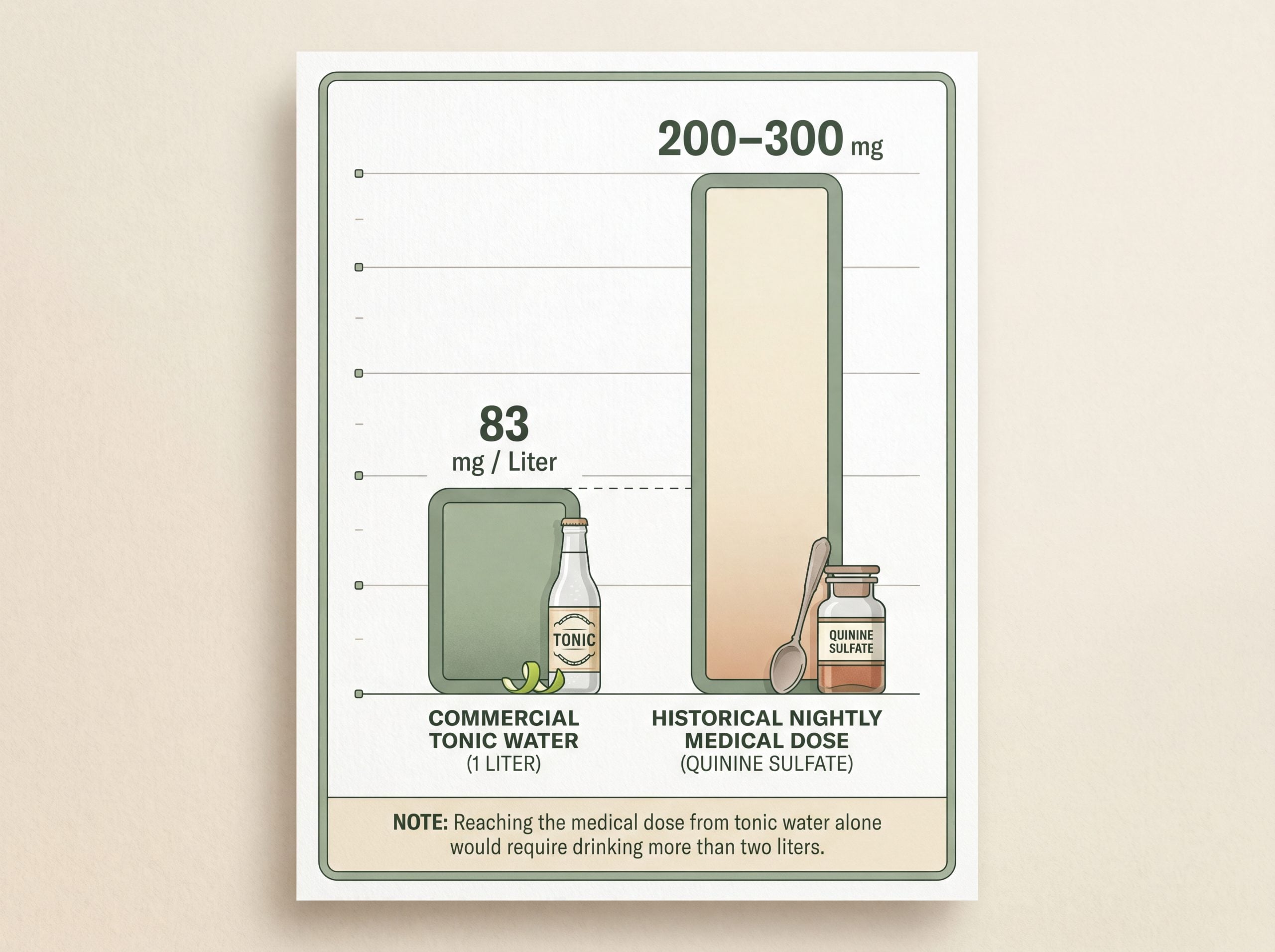
One of the most common questions our editorial team sees on this topic is whether drinking tonic water delivers the same quinine people once took as a prescription. The short answer from the evidence is no. In the United States, the Food and Drug Administration limits the quinine content of tonic water to no more than 83 milligrams per liter. A historical medical dose of quinine sulfate for nocturnal leg cramps ran 200 to 300 milligrams in a single nightly dose (Hogan, 2015, CMAJ 187:237, and El-Tawil et al., 2015, Cochrane Database of Systematic Reviews, PMID: 25842375).
That gap matters. To approach even the low end of a historical medical dose from tonic water alone, a person would need to drink well over two liters in one sitting, far beyond the popular suggestion of two to three ounces before bed. A formal review of the question found the evidence for tonic water as a cramp measure weak and the quinine exposure trivial at normal serving sizes (PMID: 10335049).
There is a second issue our team thinks readers deserve to know. Quinine sensitivity is idiosyncratic, meaning a serious reaction can occur at a very small exposure in a susceptible person. The same hypersensitivity reactions documented with prescription quinine, including a sudden drop in blood platelets, have been described after tonic water and other quinine-containing beverages. A small glass is generally well tolerated by most people, but tonic water is not a reliable way to address recurring cramps, and it is not risk-free for everyone.
Pros and Cons of Using Quinine
| Pros | Cons |
|---|---|
| It may reduce the frequency of nocturnal leg cramps in some individuals. | Significant risk of serious side effects, including potentially fatal blood disorders and cardiac arrhythmias. |
| It may improve sleep quality for those whose sleep is disrupted by cramps. | FDA restricts its use to malaria treatment in the US. |
| Historically used, with some research supporting its effectiveness. | Requires a prescription (for malaria) and close medical supervision. |
| Many potential drug interactions. | |
| It is not suitable for many individuals due to contraindications. |
Important: This article is for educational and informational purposes. The statements have not been evaluated by the Food and Drug Administration. The herbs and herbal products discussed are not intended to diagnose, treat, cure, or prevent any disease, including nocturnal leg cramps. Quinine is a prescription medication, and decisions about it belong with a licensed prescriber. Information presented here is not a substitute for professional medical advice, diagnosis, or treatment. Always consult a qualified healthcare provider for guidance specific to your circumstances, and do not delay seeking medical care because of information you have read on this site.
Regulatory and supplement industry information is subject to change. The most current FDA guidance on quinine and leg cramps is available at fda.gov. Information in this article reflects research and regulatory status as of the article’s “Last Reviewed” date.