In a world where mental clarity and quick thinking are invaluable, understanding how to nurture and optimize brain health is essential. This article offers strategies and dietary choices that can significantly contribute to enhanced cognitive abilities while maintaining a natural flow of information.
The Foundations of Cognitive Enhancement: Nutrition’s Impact
A well-rounded diet is fundamental for sustaining optimal performance of the brain. Certain nutrients are particularly beneficial for sharpening memory, improving focus, and supporting mental wellness. The food we eat directly affects the structure and function of our brains, influencing both short-term and long-term cognitive health.
Key Nutrients and Brain-Boosting Foods
Different foods provide unique benefits. Here’s a breakdown of some top choices:
| Food | Key Nutrients | Benefits |
|---|---|---|
| Fatty Fish | Omega-3 Fatty Acids (EPA, DHA) | Supports cerebral structure and function. EPA and DHA are integral to neuronal membrane fluidity, influencing neurotransmitter release and receptor function. They also have anti-inflammatory properties, protecting against neurodegeneration. |
| Berries | Antioxidants (Anthocyanins, Flavonoids) | May slow cognitive decline and improve communication between brain cells. These antioxidants combat oxidative stress, a major contributor to age-related cognitive decline. Anthocyanins, specifically, have been shown to improve neuronal signaling. |
| Nuts and Seeds | Vitamin E, Healthy Fats, Antioxidants | Linked to reduced cognitive decline and better memory function. Vitamin E acts as an antioxidant, protecting cell membranes from damage. Walnuts, in particular, are rich in ALA, a plant-based Omega-3 fatty acid that supports cerebral health. |
| Leafy Greens | Vitamins K, Lutein, Folate | Important for maintaining brain health and performance over time. Vitamin K plays a role in sphingolipid metabolism, crucial for brain cell structure. Lutein accumulates in the brain and may enhance cognitive function. Folate is essential for neurotransmitter synthesis. |
| Eggs | Choline, Protein | Choline is a precursor to acetylcholine, a neurotransmitter vital for memory and muscle control. Adequate protein intake is necessary for the production of neurotransmitters and enzymes essential for cognitive processes. |
| Broccoli | Glucosinolates, Vitamin K | Glucosinolates break down into isothiocyanates, which may reduce oxidative stress and neuroinflammation. |
| Oranges | Vitamin C | Vitamin C is a potent antioxidant that may help protect against mental decline. It helps protect against free radicals, which can harm brain cells. |
| Dark Chocolate | Flavonoids, Caffeine, Antioxidants | May support mood and enhance memory and attention. Flavonoids improve blood flow to the brain. The caffeine provides a mild stimulant effect, boosting alertness. Ensure a high cocoa content (70% or higher) for maximum benefit and reduced sugar. |
| Whole Grains | Fiber, B Vitamins | Provides a steady supply of energy (glucose) to the brain, crucial for sustained focus and concentration. Fiber helps regulate glucose release, preventing energy spikes and crashes. B vitamins are essential for energy metabolism in brain cells. |
| Turmeric | Curcumin | Curcumin is a powerful antioxidant and anti-inflammatory compound that may cross the blood-brain barrier and exert neuroprotective effects. It could assist with memory and encourage the growth of new brain cells. |
| Soy Products | Polyphenols (Isoflavones) | Isoflavones act as antioxidants, potentially protecting brain cells from damage and improving cognitive function. |
| Avocados | Monosaturated, Vitamin K | May aid blood flow and help maintain healthy blood pressure in the brain. |
Researchers have consistently demonstrated the positive correlation between a diet rich in these nutrients and improved cognitive function. For example, a study published in Nutrients (2018) indicates that regularly eating foods rich in Omega-3 fatty acids and antioxidants can contribute to stronger neural connections and healthier aging.
Lifestyle Strategies for Enhanced Mental Acuity
Beyond diet, lifestyle factors significantly influence cognitive function. These aren’t just about avoiding negative habits; they’re about actively cultivating brainpower.
The Power of Physical Activity
Exercise isn’t just good for the body; it’s crucial for the mind. Regular physical activity, particularly aerobic exercise, increases blood flow to the brain, delivering more oxygen and nutrients.
- Aerobic Exercise: Activities like brisk walking, jogging, swimming, and cycling elevate heart rate and promote neurogenesis (the creation of new brain cells) in the hippocampus, a brain region critical for memory and learning. This is partly mediated by increased levels of Brain-Derived Neurotrophic Factor (BDNF), a protein that acts as a “fertilizer” for the brain, promoting neuronal growth, survival, and synaptic plasticity. Aim for at least 150 minutes of moderate-intensity or 75 minutes of vigorous-intensity aerobic activity per week.
- Resistance Training: Weightlifting and other forms of resistance training also benefit cognitive function. Studies suggest it improves executive functions (planning, decision-making, multitasking) and may protect against cognitive decline. Aim for two or more sessions per week, working all major muscle groups.
A study in the British Journal of Sports Medicine (2017) found that individuals who exercised at least three times a week performed better on tests of executive function over a 12-week period, showcasing the tangible cognitive benefits of consistent physical activity.
The mechanism is well studied. Aerobic exercise raises levels of brain-derived neurotrophic factor (BDNF), a protein that supports the growth and survival of neurons and is closely tied to learning and memory. This is one reason a brisk daily walk does more for the brain than its effect on the waistline.
The Importance of Quality Sleep
Restorative sleep is not a luxury; it’s a neurological necessity. During sleep, the brain consolidates memories, clears out metabolic waste products, and regulates neurotransmitter levels.
- Memory Consolidation: Sleep spindles (bursts of brain activity during stage 2 sleep) and slow-wave sleep (deep sleep) are crucial for transferring information from short-term to long-term memory.
- Glymphatic System: This waste clearance system is most active during sleep, removing toxins like beta-amyloid, a protein implicated in Alzheimer’s disease.
- Neurotransmitter Regulation: Sleep deprivation disrupts the balance of neurotransmitters like dopamine, serotonin, and cortisol, affecting mood, focus, and cognitive performance.
Aim for 7-9 hours of quality sleep per night. Establish a regular sleep schedule, create a relaxing bedtime routine (avoiding screens for at least 30 minutes before bed), and ensure your bedroom is dark, quiet, and cool.
During deep sleep, the brain’s glymphatic system clears metabolic waste that builds up during waking hours, including proteins associated with cognitive decline. In other words, sleep is when the brain takes out the trash. We cover this drainage network in more detail in our article on the brain’s lymphatic system discovery.
Mental Stimulation: Keeping the Brain Active
Just like physical muscles, the brain benefits from regular “workouts.” Engaging in mentally stimulating activities challenges the brain, promoting neuroplasticity (the brain’s ability to reorganize itself by forming new neural connections) and cognitive reserve (the brain’s ability to resist age-related changes and damage).
- Lifelong Learning: Continuously learning new things forces the brain to adapt and form new connections. This could involve:
- Taking a course (online or in person).
- Reading books and articles on diverse topics.
- Learning a new language.
- Picking up a new musical instrument.
- Learning a new hobby, like photography.
- Puzzles and Games: These activities challenge different cognitive domains:
- Crossword Puzzles: Enhance vocabulary and verbal fluency.
- Sudoku: Improve logical reasoning and number skills.
- Chess/Strategy Games: Develop strategic thinking, planning, and problem-solving abilities.
- Creative Activities: Engaging in creative pursuits, such as writing, painting, drawing, or playing music, stimulates the brain in unique ways, fostering imagination, innovation, and emotional expression.
- Playing card games.
- Dancing.
Stress Management and Mindfulness: Protecting Cognitive Function
Chronic stress is detrimental to brain health. Elevated cortisol levels, a stress hormone, can impair memory, shrink the hippocampus, and disrupt neuronal communication. Implementing effective stress management techniques is crucial for maintaining cognitive function.
Practical Strategies for Stress Reduction
- Meditation and Deep Breathing: Even short periods of daily mindfulness meditation or deep breathing exercises can significantly reduce stress and improve focus. These practices activate the parasympathetic nervous system (the “rest and digest” response), counteracting the effects of the sympathetic nervous system (the “fight or flight” response). Researchers from JAMA Internal Medicine (2014) observed that regular mindfulness practice can improve mental clarity in adults of all ages. This may also include mindful breathing meditation.
- Yoga and Tai Chi: These mind-body practices combine physical movement, controlled breathing, and mindfulness, promoting relaxation and stress reduction.
- Journaling: Writing down thoughts and feelings can help process emotions and reduce stress.
- Gratitude Practice: Focusing on positive aspects of life can shift perspective and improve mood.
Technology and Screen Time: Managing the Digital Age
While technology offers many benefits, excessive screen time can negatively impact sleep, attention, and cognitive function.
Strategies for Healthy Technology Use
- Limit Blue Light Exposure: Blue light emitted from screens suppresses melatonin production, interfering with sleep. Use blue light filters or glasses, especially in the evening, and avoid screens for at least 30 minutes before bed.
- Take Regular Breaks: If you work on a computer for extended periods, take short breaks every hour to rest your eyes and mind. The Pomodoro Technique (25 minutes of work followed by a 5-minute break) can be helpful.
- Practice Digital Mindfulness: Be intentional about your technology use. Avoid mindless scrolling and prioritize meaningful interactions.
Habit Formation: Making Cognitive Health a Lifestyle
Creating lasting change requires building healthy habits. Here are some strategies:
- Implementation Intentions: Create “if-then” plans to link new habits to existing routines. For example, “If I finish breakfast, then I will do a 10-minute brain training exercise.”
- Habit Stacking: Pair a new healthy habit with an existing one.
- Environment Design: Modify your surroundings to support your goals. For example, keep healthy snacks readily available, place a puzzle book on your coffee table, or set up a dedicated workspace free from distractions.
- Start Small: Don’t try to change everything at once. Focus on one or two small changes at a time and gradually build from there.
- Track Progress: Monitor your progress to stay motivated and identify areas for improvement.
- Be Patient and Persistent: Building new habits takes time and effort. Don’t get discouraged by setbacks. Learn from them and keep moving forward.
- Set Clear Goals: Having specific, measurable, achievable, relevant, and time-bound (SMART) goals.
Intermittent Fasting / Meal Timing for Cognitive Health
Some researchers show that meal patterns can influence cognitive performance. Intermittent fasting has been studied for its potential to encourage healthy brain aging by increasing levels of brain-derived neurotrophic factor (BDNF).
- Seek Medical Advice First: While it might be safe for many adults, it may not be suitable for those with certain health concerns or dietary restrictions.
- Start Gradually: Some individuals begin with a simple 12-hour overnight fast (for example, 8:00 p.m. to 8:00 a.m.) before considering more extended fasting periods.
Micronutrients & Supplements
In some cases, dietary supplements can be helpful, but professional guidance is recommended before adding them:
- B Vitamins (B6, B9/Folate, B12): These can help with energy metabolism in the brain.
- Vitamin D: Individuals living in areas with limited sunlight should keep an eye on their levels to support overall well-being.
- Magnesium and Zinc: Commonly associated with balanced nerve function and normal cognitive processes.
- Ginseng: May improve cerebral performance; more research is needed to study the topic.
- Omega-3 Fatty Acids (EPA and DHA): If dietary intake is insufficient. Discuss dosage and potential interactions.
Important: Excess supplementation may lead to side effects or interactions with medications. Always consult a qualified healthcare professional regarding new supplements, especially if you have existing medical issues.

Herbal Nootropics: Botanical Allies for Cognitive Function
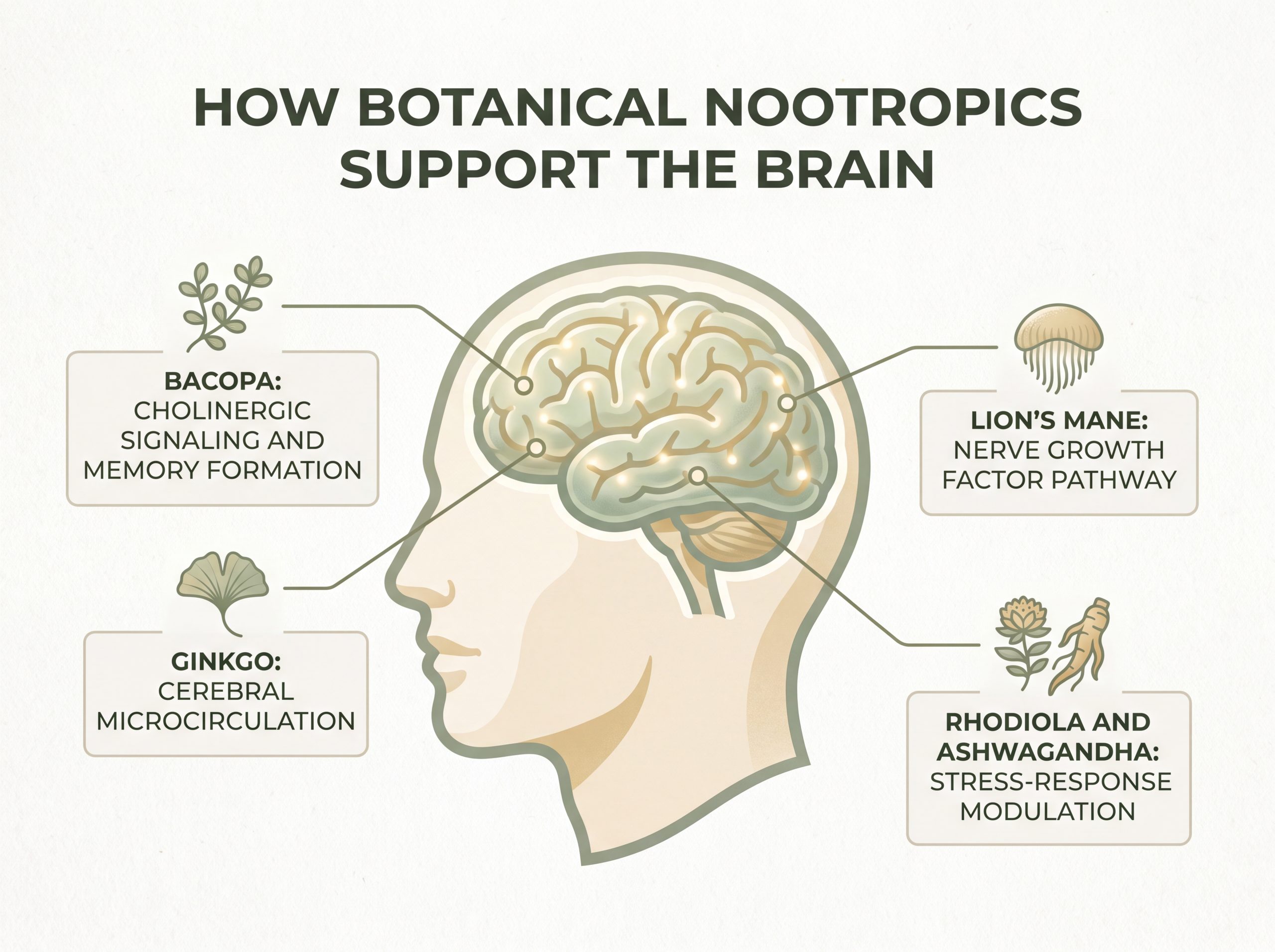
Beyond food and isolated micronutrients, several traditional botanicals have a long history of use for memory, focus, and mental clarity. These herbs are often called nootropics, a term for plants and compounds traditionally used to support cognitive function. In our sourcing experience, the quality gap between a generic powder and a properly standardized extract is wide, and it shows up directly in the active-compound content. The botanicals below are the ones with the most human research behind them, each tied to a specific group of active compounds and a studied biological pathway.
| Botanical (Latin binomial) | Key active compounds | Traditionally used to support | Studied mechanism |
|---|---|---|---|
| Bacopa monnieri (Brahmi) | Bacosides (triterpenoid saponins) | Memory, speed of attention | Cholinergic signaling, dendritic support |
| Ginkgo biloba | Flavonoid glycosides, terpene lactones | Cerebral blood flow, mental sharpness | Microcirculation, antioxidant activity |
| Hericium erinaceus (Lion’s Mane) | Hericenones, erinacines | Memory, long-term neural health | Nerve growth factor pathway |
| Centella asiatica (Gotu Kola) | Asiaticoside, madecassoside | Working memory, calm focus | Microcirculation, antioxidant defense |
| Rhodiola rosea | Rosavins, salidroside | Focus under pressure, stamina | Stress-response (adaptogen) modulation |
| Withania somnifera (Ashwagandha) | Withanolides | Mental clarity, balanced stress response | Cortisol modulation |
Bacopa monnieri (Brahmi)
Bacopa monnieri, known as Brahmi in the Ayurvedic tradition, is one of the most researched botanicals for memory support. Its active compounds are a group of triterpenoid saponins called bacosides, which are studied for supporting cholinergic signaling and dendritic branching in the hippocampus, the brain region central to forming new memories. A 2014 meta-analysis of nine randomized controlled trials covering 437 participants found that standardized Bacopa extract taken for at least 12 weeks was associated with improved speed of attention (Kongkeaw et al., 2014, Journal of Ethnopharmacology, PMID: 24252493). In our sourcing experience, bacoside content varies widely between suppliers, which is why standardized extract ratios matter more than raw powder weight. You can read our full profile on Brahmi and its traditional use for brain health. Bacopa is traditionally used to support memory, focus, and the body’s response to mental fatigue.
Ginkgo biloba
Ginkgo biloba is among the oldest surviving tree species on Earth, and its leaf extract is one of the most widely used botanicals for circulatory and cognitive support. The standardized extract is defined by two compound families, flavonoid glycosides such as quercetin and kaempferol, and terpene lactones including ginkgolides A, B, and C plus bilobalide. These constituents are studied for their role in supporting cerebral microcirculation and antioxidant activity in neural tissue. Human evidence on memory is genuinely mixed, and the National Center for Complementary and Integrative Health notes that results vary by population and extract type. Our editorial team has reviewed both the positive and the null trials rather than citing only the favorable ones. Ginkgo is traditionally used to support healthy blood flow to the brain and everyday mental sharpness.
Lion’s Mane (Hericium erinaceus)
Lion’s Mane (Hericium erinaceus) is a culinary and medicinal mushroom whose fruiting body contains two compound groups of interest to cognitive researchers, hericenones and erinacines. These molecules are studied for their association with nerve growth factor, a protein involved in the maintenance and regeneration of neurons. In a 2009 double-blind, placebo-controlled trial, older adults with mild cognitive impairment who took Hericium erinaceus for 16 weeks scored higher on a cognitive function scale than the placebo group, and the advantage faded after they stopped (Mori et al., 2009, Phytotherapy Research, PMID: 18844328). From our hands-on assessment, the fruiting body and the mycelium differ in compound profile, so the part of the mushroom used genuinely matters. Lion’s Mane is traditionally used to support memory, focus, and long-term neural health.

Gotu Kola (Centella asiatica)
Gotu Kola (Centella asiatica) holds a long place in both Ayurvedic and Traditional Chinese Medicine as a herb for mental clarity and calm focus. Its triterpenoid compounds, principally asiaticoside and madecassoside, are studied for supporting microcirculation and antioxidant defense in brain tissue. A 2008 randomized, placebo-controlled study in healthy older adults found that a higher dose of Centella asiatica extract taken once daily for two months was associated with improved working memory and self-rated mood (Wattanathorn et al., 2008, Journal of Ethnopharmacology, PMID: 18191355). Gotu Kola is traditionally used to support working memory, mental calm, and sustained concentration.
Rhodiola rosea
Rhodiola rosea is an adaptogen native to the cold, high-altitude regions of the Arctic and the mountains of Central Asia. Its standardized root extract is defined by two marker compounds, rosavins and salidroside, studied for supporting the body’s response to stress and mental fatigue. A 2009 randomized, double-blind, placebo-controlled trial of the SHR-5 extract in people with stress-related fatigue reported improvements in attention and burnout-related measures (Olsson et al., 2009, Planta Medica, PMID: 19016404). An earlier crossover trial in physicians working night duty found reduced mental-fatigue scores during demanding cognitive work (Darbinyan et al., 2000, Phytomedicine, PMID: 11081987). Rhodiola is traditionally used to support stamina, focus under pressure, and resistance to fatigue.
Ashwagandha (Withania somnifera)
Ashwagandha (Withania somnifera) is a cornerstone adaptogen of Ayurvedic practice, where its root is classed as a rasayana, or rejuvenating herb. Its active withanolides are studied for their role in modulating cortisol, the primary stress hormone, which is in turn linked to mental clarity and focus. In a 2017 randomized, double-blind, placebo-controlled study, adults with mild cognitive impairment who took ashwagandha root extract for eight weeks showed significant improvement in memory and cognitive measures compared with placebo (Choudhary et al., 2017, Journal of Dietary Supplements, PMID: 28471731). Ashwagandha is traditionally used to support mental clarity, a balanced stress response, and restful sleep.
For readers who want a ready-made starting point, our team formulates a brain cells formula that combines several of these traditional botanicals in standardized ratios. Whichever route you take, single herb or blend, look for the Latin binomial and a stated extract standardization on the label.

Herbal Teas and Adaptogen Infusions for Brain Health
Not everyone wants a capsule. A warm infusion is one of the gentlest ways to bring these botanicals into a daily routine, and the ritual itself supports the kind of calm focus the herbs are known for. A few teas stand out for cognitive support. Brahmi (Bacopa monnieri) tea carries the same bacosides covered above in a milder, water-based form. Gotu Kola tea has been used for centuries across South Asia as a daily clarity tonic. A light Ginkgo biloba leaf infusion is traditionally used to support circulation, though the fat-soluble terpene lactones are more concentrated in a standardized extract than in water. Green tea deserves a mention of its own, because it pairs the amino acid L-theanine with a modest dose of caffeine, a combination traditionally associated with calm, alert focus rather than jittery stimulation. In our testing, steeping Gotu Kola or Brahmi for a full eight to ten minutes pulls noticeably more of the active compounds into the cup. These infusions are traditionally used to support focus and mental calm, and they work best as one part of the broader nutrition and lifestyle pattern described earlier in this guide.
Pros and Cons of Dietary Changes for Cognitive Health
When considering dietary changes to support cognitive function, it is important to look at the advantages alongside possible challenges.
| Pros | Cons |
|---|---|
| Improved memory and focus | The initial adjustment period may be demanding |
| Better mood and emotional well-being | Potential for increased food costs |
| Long-term health benefits, including reduced risk of cognitive decline | Requires commitment and consistency |
| Higher energy levels and overall vitality | This may involve learning new cooking skills or meal planning |
Key Takeaways for Boosting Cognitive Abilities
Consider the following points to refine cognitive abilities:
- Include Various Nutrient-Dense Foods: Aim for a balanced diet with fruits, vegetables, whole grains, healthy fats, and lean proteins.
- Stay Hydrated: Adequate water intake is vital for attention and mental function. Eight glasses a day is a common guideline.
- Limit Processed Foods: Minimize sugary snacks and heavily processed items, which may affect long-term cognitive wellness.
- Practice Mindfulness: Activities such as meditation, deep breathing, or yoga can help reduce stress and maintain focus.
- Stay Socially Active: Social ties can enrich mental and emotional well-being.
FAQ: Common Questions About Mental Performance
Q1: Do brain-training apps actually work?
They often include brief exercises targeting memory, problem-solving, and attention. While these can be beneficial, they should be combined with other tactics like physical activity and balanced eating. For example, apps like Lumosity and Elevate.
Q2: Is there an ideal age to begin focusing on cognitive health?
There is no limit on when to start. Young adults can establish patterns that benefit long-term mental resilience, while older individuals may still experience improvements by adopting fresh routines.
Q3: How does alcohol affect cognitive abilities?
Too much alcohol can impair short-term memory and lead to nutrient deficiencies. Reducing or moderating intake tends to favor consistent mental health.
Q4: Can I drink coffee or tea to improve alertness?
Caffeine can provide a brief boost in attention. However, excessive amounts may disrupt sleep or increase anxiety. Balance is generally the key.
Q5: Do social connections really matter?
Yes. Regular social interaction with friends, family members, or community groups can stimulate the brain and support emotional stability.
Boosting cognitive abilities is a multifaceted process that involves dietary care, consistent physical exercise, restful sleep, and techniques to keep the mind active and engaged. By incorporating nutrient-dense foods, engaging in active learning, managing stress, and nurturing social connections, individuals can support cerebral function and clarity. Small, consistent changes can lead to significant, long-term benefits. Always seek professional medical advice when considering significant changes to lifestyle or diet.
Q6: Which herbs are traditionally used to support focus and mental clarity?
The botanicals with the most human research behind them are Bacopa monnieri (Brahmi), Ginkgo biloba, Lion’s Mane (Hericium erinaceus), Gotu Kola (Centella asiatica), Rhodiola rosea, and Ashwagandha (Withania somnifera). Each is tied to a specific group of active compounds and is traditionally used to support memory, focus, or the body’s response to mental fatigue. They are best viewed as one part of a broader nutrition and lifestyle pattern, not a replacement for it.
Q7: Can I take Bacopa and Lion’s Mane together?
Many people use them as a pair because they work along different pathways: Bacopa on cholinergic signaling and Lion’s Mane on the nerve growth factor pathway. Traditional use and the available research suggest they are generally well tolerated together, but everyone responds differently. Consult your healthcare provider before combining supplements, especially if you take medication.
Q8: How long do herbal nootropics take to show effects?
Most of the human studies on herbs like Bacopa and Lion’s Mane measured results after 8 to 16 weeks of daily use, not days. These botanicals are traditionally used as a sustained daily practice rather than an on-demand stimulant, so consistency over several weeks matters more than any single dose.
Disclaimer: These statements have not been evaluated by the Food and Drug Administration. This product is not intended to diagnose, treat, cure, or prevent any disease. Consult your healthcare provider before use, especially if you are pregnant, nursing, taking medication, or managing a health condition.
Chronic stress keeps cortisol elevated, and sustained high cortisol is associated with changes in the hippocampus, the memory center of the brain. This is the biological reason that managing stress is not a soft recommendation but a direct lever on cognitive function, and it is also why adaptogenic herbs that help modulate the stress response have drawn research interest.
Social Interaction: The Cognitive Benefits of Connection
Humans are social beings, and social interaction is vital for brain health. Engaging in meaningful social connections stimulates the brain, reduces stress, and provides emotional support, all of which contribute to cognitive well-being.
Ways to Enhance Social Engagement