As more individuals seek natural alternatives to enhance their health, the interest in plant-based remedies has surged. These herbal solutions, derived from various botanicals, offer a wealth of potential benefits, ranging from immune support to stress relief. This article discusses some of the most effective natural products, their uses, and the scientific backing that supports their efficacy.
Top Natural Herbal Supplements at a Glance (2026)
In our editorial team’s review of the herbs people ask about most this year, a handful come up again and again across energy, sleep, immune, cognitive, and metabolic goals. The table below is a quick orientation. Each herb is covered in more depth, with its Latin binomial and primary active compounds, in the sections that follow.
| Herb (Latin binomial) | Traditional role | Key active compounds |
|---|---|---|
| Ashwagandha (Withania somnifera) | Traditionally used to help the body adapt to stress | Withanolides |
| Rhodiola (Rhodiola rosea) | Traditionally used for energy and stamina | Rosavins, salidroside |
| Panax ginseng (Panax ginseng) | Traditionally used to support vitality | Ginsenosides |
| Valerian (Valeriana officinalis) | Traditionally used to support restful sleep | Valerenic acid |
| Elderberry (Sambucus nigra) | Traditionally used to support immune function | Anthocyanins |
| Ginkgo (Ginkgo biloba) | Traditionally used to support memory and focus | Flavonoid glycosides, terpene lactones |
| Green tea (Camellia sinensis) | Traditionally used to support metabolism | Catechins (EGCG) |
| Milk thistle (Silybum marianum) | Traditionally used to support liver health | Silymarin |
Understanding Herbal Solutions
Herbal solutions encompass a variety of products made from plants, including leaves, roots, flowers, and seeds. Unlike conventional medications, which often rely on synthetic compounds, these naturally derived alternatives utilize the inherent properties of plants to promote health. Common forms of these products include capsules, powders, teas, and tinctures, each providing unique benefits tailored to specific health needs. Complementary and alternative medicines are becoming popular.
Key Considerations When Using Herbal Products
Before incorporating herbal solutions into your health regimen, keep the following points in mind:
- Consult a Healthcare Provider: Always discuss with a healthcare professional, especially if you are pregnant, nursing, taking other medications, or have pre-existing health conditions.
- Start Slowly: Introduce one herbal product at a time to monitor how your body reacts before adding more.
- Research Brands: Choose reputable brands that provide transparency about their sourcing and manufacturing processes.
- Be Aware of Allergies: Some individuals may have allergies to specific herbs; always check ingredient lists carefully.
Safety and Potential Risks of Herbal Supplements
While herbal supplements are generally considered safe, they can pose risks, especially when misused or taken in combination with certain medications. Some potential risks include:
- Liver Toxicity: Certain herbs like green tea extract and kava have been associated with liver damage in some cases.
- Allergic Reactions: Some individuals may experience allergic reactions to specific herbs.
- Interactions with Medications: Many herbs can interact with prescription medications, potentially altering their effectiveness or causing adverse effects.
It’s vital to consult with a healthcare provider before starting any new herbal supplement regimen.
Interactions of Herbal Supplements with Medications
Some herbal supplements can interact with prescription medications, potentially altering their effectiveness or causing adverse effects. For example:
- St. John’s Wort can reduce the effectiveness of birth control pills and certain antidepressants.
- Ginkgo Biloba may increase the risk of bleeding when taken with blood thinners like warfarin.
- Garlic supplements can interact with HIV medications and blood thinners.
- Ginseng can interact with MAOIs.
Always inform your healthcare provider about any herbal supplements you’re taking to avoid potential interactions.
Regulatory Information Regarding Herbal Supplements
In the United States, herbal supplements are regulated under the Dietary Supplement Health and Education Act (DSHEA) of 1994. Key points of this regulation include:
- Herbal supplements are classified as foods, not drugs.
- Manufacturers are responsible for ensuring the safety of their products before marketing.
- The FDA does not review these products for safety and effectiveness before they are marketed.
- Manufacturers cannot make specific health claims without FDA approval.
This regulatory framework emphasizes the importance of consumers being well-informed and cautious when choosing and using herbal supplements.
Certifications and Quality Assurance for Herbal Supplements
When choosing herbal supplements, look for products with third-party certifications that indicate quality and purity. Some important certifications include:
- USP (United States Pharmacopeia): Verifies ingredient quality, purity, and potency.
- NSF International: Certifies that products meet strict standards for public health protection.
- Informed Choice: Focuses on testing for banned substances in sports nutrition products.
- ConsumerLab.com: Independently tests health and nutrition products.
These certifications can provide additional assurance of a product’s quality and safety. Look for organic certifications as well.
Dosage and Administration of Herbal Supplements
Proper dosage and administration are essential for the safe and effective use of herbal supplements. Here are some general guidelines:
- Follow the recommended dosage on the product label or as advised by a healthcare professional.
- Some herbs are best taken with food to improve absorption and reduce the risk of stomach upset.
- Certain herbs may be more effective when taken at specific times of day (e.g., valerian root for sleep is often taken before bedtime).
- Consider cycling on and off certain herbs, especially adaptogens (e.g., 6 weeks on, 2 weeks off), to maintain effectiveness and prevent potential side effects.
Remember that “more” is not always better. Stick to recommended dosages unless otherwise advised by a healthcare provider.

Notable Herbs and Their Benefits: A Detailed Look
This section provides a more in-depth look at specific herbs, their mechanisms of action, and supporting scientific evidence.Adaptogens for Stress and Vitality
Adaptogens are a class of herbs that help the body adapt to stress, whether physical, chemical, or biological. They work by modulating the stress response system.- Ashwagandha (Withania somnifera): Ashwagandha is a prominent herb in Ayurvedic medicine. It’s known for reducing stress and anxiety by regulating cortisol levels. Studies have shown it can improve sleep quality, enhance athletic performance, and support cognitive function.
- Mechanism: Thought to work on the hypothalamic-pituitary-adrenal (HPA) axis and reduce cortisol.
- Evidence: A study published in the Indian Journal of Psychological Medicine (2012) found that ashwagandha root extract significantly reduced stress and anxiety in adults.
- Rhodiola Rosea: Rhodiola grows in cold, mountainous regions. It’s used to combat fatigue, improve mental performance, and enhance resilience to stress.
- Mechanism: May influence levels of neurotransmitters like serotonin and dopamine.
- Evidence: A study in Phytomedicine (2016) showed that Rhodiola extract improved symptoms of burnout.
- Holy Basil (Tulsi) (Ocimum tenuiflorum): Holy Basil is revered in Ayurveda for its adaptogenic and anti-inflammatory properties. It’s used for stress, immune support, and respiratory health.
- Mechanism: May act as a COX-2 inhibitor, reducing inflammation.
- Evidence: Research indicates it can help normalize blood sugar, blood pressure, and lipid levels, and improve memory and cognitive function.
- Panax Ginseng: Used in traditional medicine. Ginseng is known for energy and focus.
- Mechanism: Contains ginsenosides.
- Evidence: Multiple studies.
Herbs for Energy and Daily Vitality
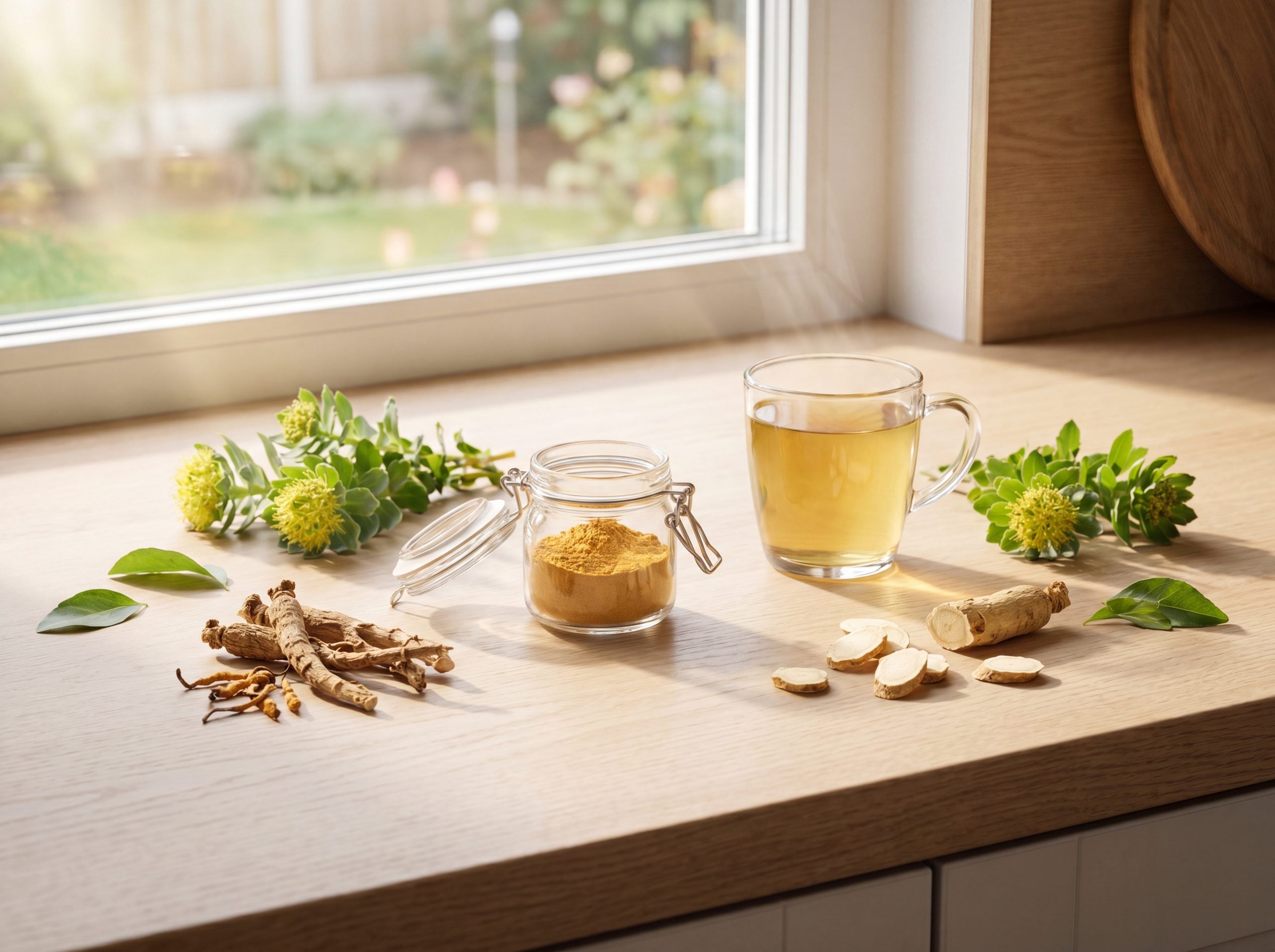
When clients ask us about natural ways to support steady daily energy, we point them toward adaptogenic and tonic herbs rather than stimulants. From our hands-on assessment of this category, three come up most often.- Rhodiola (Rhodiola rosea): Traditionally used in Scandinavia and Russia for endurance and work performance. Its active rosavins and salidroside are studied for their role in mental and physical fatigue. A systematic review of randomized trials examined rhodiola for physical and mental fatigue and found encouraging, if mixed, results (Hung et al., 2011, Phytomedicine, PMID: 22643043). You can read more about this adaptogen on our Rhodiola Rosea capsules page. The U.S. National Center for Complementary and Integrative Health maintains a balanced overview of rhodiola usefulness and safety.
- Panax ginseng (Panax ginseng): A cornerstone tonic in Traditional Chinese Medicine, rich in ginsenosides. A randomized, double-blind, placebo-controlled trial reported antifatigue signals in adults with idiopathic chronic fatigue (Kim et al., 2013, PLoS One, PMID: 23613825).
- Cordyceps (Cordyceps militaris): A medicinal fungus traditionally used to support stamina and oxygen utilization. Explore it on our Cordyceps capsules page.
Immune-Supporting Herbs
These herbs help bolster the body’s natural defenses.- Echinacea (Echinacea purpurea, Echinacea angustifolia, Echinacea pallida): Echinacea is widely used to support immune function and reduce the duration and severity of colds.
- Mechanism: Stimulates immune cells, such as macrophages and natural killer cells.
- Evidence: A meta-analysis published in the Lancet Infectious Diseases found that echinacea decreased the odds of developing the common cold by 58% and reduced the duration of colds by 1.4 days.
- Elderberry (Sambucus nigra): Elderberry is rich in antioxidants and is known for its antiviral properties, particularly against influenza viruses.
- Mechanism: Laboratory studies suggest its anthocyanins may interact with viral entry pathways. Elderberry is traditionally used to support normal immune function.
- Evidence: A study published in the Journal of International Medical Research (2004) showed that elderberry extract reduced the duration of flu symptoms by an average of four days.
- Astragalus (Astragalus membranaceus): Used in Traditional Chinese Medicine (TCM).
- Mechanism: Polysaccharides.
- Evidence: May help with the prevention of colds.
Herbs for Digestive Health
These herbs can help alleviate common digestive complaints.- Ginger (Zingiber officinale): Ginger is well-known for its anti-nausea and digestive-soothing properties. It can help with nausea related to pregnancy, chemotherapy, and motion sickness. It also aids digestion.
- Mechanism: Contains gingerols and shogaols, which have anti-inflammatory and antiemetic effects.
- Evidence: Numerous studies support ginger’s effectiveness in reducing nausea and vomiting.
- Peppermint (Mentha x piperita): Peppermint is often used to relieve symptoms of Irritable Bowel Syndrome (IBS), such as bloating, gas, and abdominal pain.
- Mechanism: Relaxes the smooth muscles of the digestive tract.
- Evidence: A meta-analysis in the Journal of Clinical Gastroenterology (2014) concluded that peppermint oil was a safe and effective short-term treatment for IBS.
- Licorice (Glycyrrhiza glabra) (DGL form): Deglycyrrhizinated licorice (DGL) is a form of licorice with the glycyrrhizin removed (which can raise blood pressure). DGL soothes the digestive tract and may help with ulcers.
- Mechanism: Protects the stomach lining.
- Evidence: Studies suggest it can be as effective as some medications for ulcer healing. Important Note: Regular licorice (not DGL) should be used with caution due to potential side effects.
Herbs for Cognitive Function
These herbs are used to support memory, focus, and overall brain health.- Ginkgo Biloba (Ginkgo biloba): Ginkgo Biloba is known for its potential to enhance cognitive function and improve blood circulation, particularly to the brain.
- Mechanism: Contains flavonoids and terpenoids, which have antioxidant and vasodilating effects.
- Evidence: A study in the Journal of Alzheimer’s Disease showed that ginkgo biloba extract improved cognitive function and neuropsychiatric symptoms in patients with mild cognitive impairment.
- Bacopa Monnieri: Used for memory enhancement.
- Mechanism: Bacosides.
- Evidence: Multiple studies.
Herbs for Sleep and Relaxation
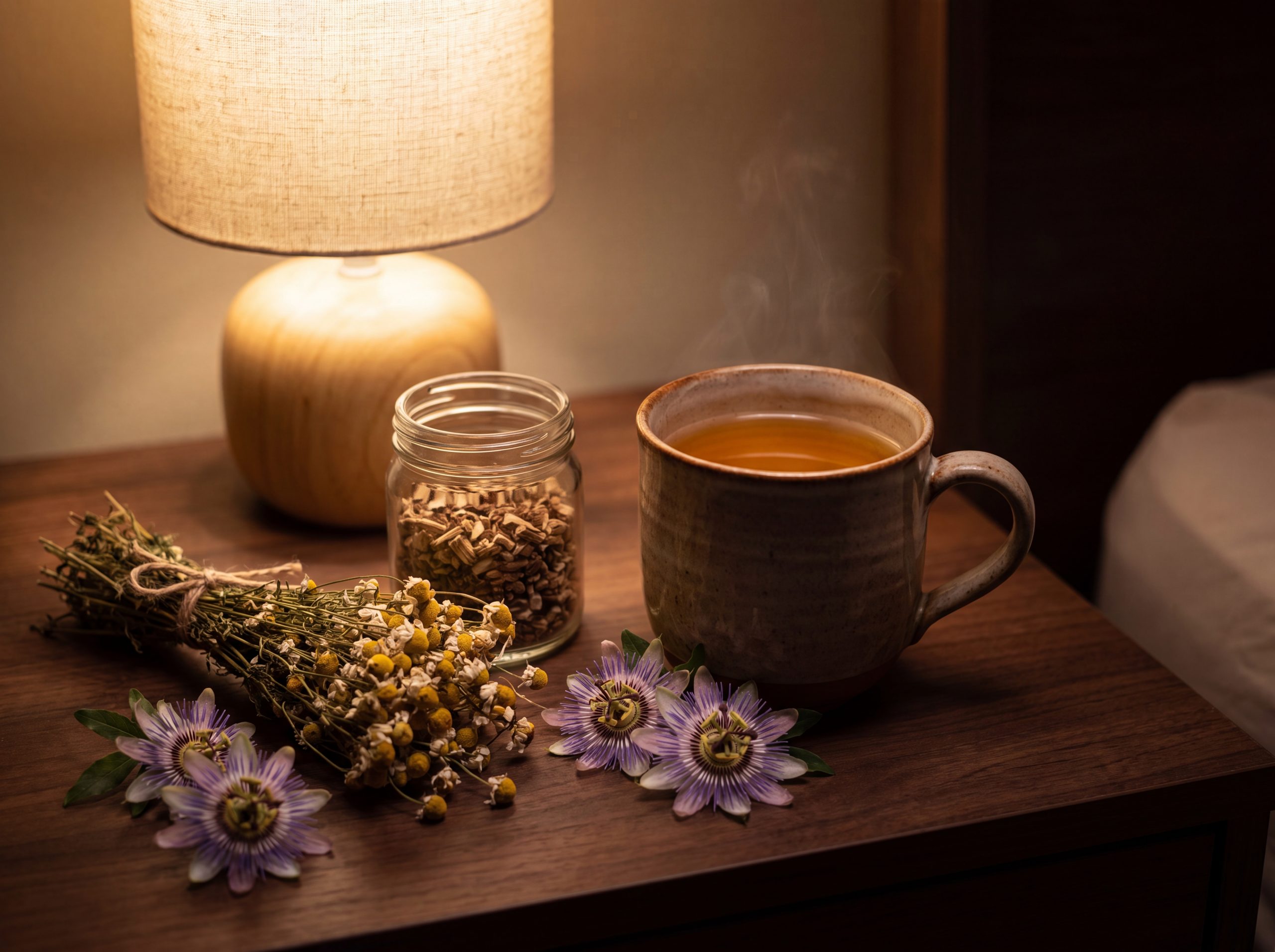
Sleep support is one of the most common reasons people first try herbal supplements. We have reviewed the literature on the calming botanicals below, and we always remind readers that good sleep hygiene comes first.- Valerian (Valeriana officinalis): The roots and rhizomes have been used since early Greece and Rome to support rest. Valerenic acid is the compound of interest. An early placebo-controlled study found that an aqueous valerian root extract improved subjective sleep quality, especially among self-described poor sleepers (Leathwood et al., 1982, Pharmacology Biochemistry and Behavior, PMID: 7122669). NCCIH notes the evidence is mixed and offers a useful valerian safety overview. Our natural sleep support capsules feature this traditional botanical.
- Ashwagandha (Withania somnifera): Beyond its adaptogenic reputation, withanolide-standardized root extract has been studied for sleep. A double-blind, randomized, placebo-controlled study reported improvements in sleep parameters over ten weeks (Langade et al., 2019, Cureus, PMID: 31728244).
- Passionflower (Passiflora incarnata): Traditionally used in Western herbalism to quiet a busy mind before bed. See our Passion Flower capsules for a single-herb option.
Herbs Studied for Weight Management and Metabolism
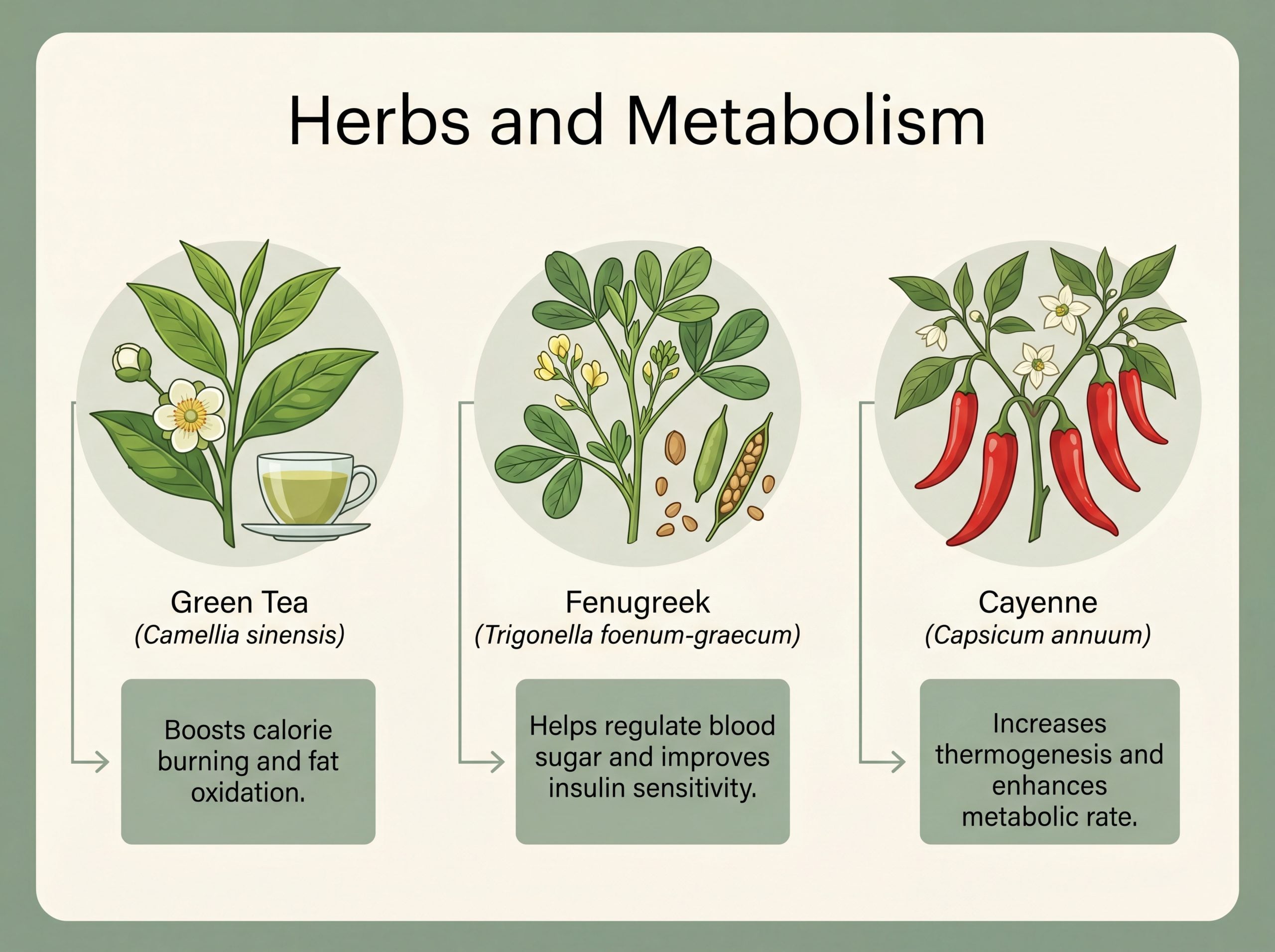
This is one of the most searched and most over-promised categories in the supplement world, so we approach it carefully. No herb replaces a balanced diet and regular physical activity. A few botanicals have been studied for their role in supporting normal metabolism as part of an overall healthy lifestyle.
- Green tea (Camellia sinensis): Its catechins, especially epigallocatechin gallate (EGCG), are studied for their role in energy expenditure and fat metabolism. A meta-analysis found that green tea catechins, often paired with caffeine, were associated with a small effect on body weight and on maintaining weight after a period of weight loss (Hursel et al., 2009, International Journal of Obesity, PMID: 19597519). The authors noted the effect size was modest and influenced by caffeine intake and ethnicity.
- Fenugreek (Trigonella foenum-graecum): Its galactomannan soluble fiber is traditionally used to support a feeling of fullness and to support healthy blood sugar already in the normal range, which can be part of a sensible eating pattern.
- Cayenne (Capsicum annuum): Capsaicin is traditionally associated with supporting thermogenesis, the body’s normal heat production during digestion.
In our editorial team’s view, these herbs may support a metabolism-friendly routine, but they work best as a small part of a larger picture of nutrition, movement, and sleep. For general guidance on choosing supplements wisely, the NIH Office of Dietary Supplements publishes a plain-language consumer fact sheet, Dietary Supplements: What You Need to Know.
Herbs for Specific Health Concerns
- Turmeric (Curcuma longa): Turmeric contains curcuminoids, potent anti-inflammatory compounds. It’s used for joint health (osteoarthritis and rheumatoid arthritis), and has shown potential benefits for various other conditions.
- Mechanism: Inhibits inflammatory pathways, including NF-kB.
- Evidence: Numerous studies support turmeric’s anti-inflammatory effects. Bioavailability is low; combining with black pepper (piperine) significantly improves absorption.
- Valerian Root (Valeriana officinalis): Valerian Root promotes relaxation and may improve sleep quality. It’s often taken as a tea or in capsule form before bedtime.
- Mechanism: May increase levels of GABA, a neurotransmitter that promotes relaxation.
- Evidence: Studies suggest it can help reduce the time it takes to fall asleep and improve sleep quality.
- Chamomile (Matricaria recutita or Chamaemelum nobile): Chamomile is used for relaxation, digestive issues, and mild anxiety.
- Mechanism: Contains apigenin, an antioxidant that may have calming effects.
- Evidence: Studies suggest chamomile may help with sleep and anxiety.
- Milk Thistle (Silybum marianum): Milk Thistle supports liver health and detoxification.
- Mechanism: Contains silymarin, which protects liver cells from damage.
- Evidence: Research indicates it may protect liver cells from damage.
- St. John’s Wort (Hypericum perforatum): Commonly used for mild to moderate depression.
- Mechanism: May affect neurotransmitters like serotonin.
- Evidence: Several studies support its effectiveness in treating depression. Important Note: Interacts with many medications.
- Garlic (Allium sativum): May help lower blood pressure and cholesterol levels.
- Mechanism: Contains allicin, a compound with cardiovascular benefits.
- Evidence: Research shows garlic can have cardiovascular benefits.
- Black Cohosh (Actaea racemosa): Traditionally used by herbalists to support comfort during menopause, including occasional hot flashes.
- Mechanism: Unclear
- Evidence: Some studies show a reduction.
- Feverfew (Tanacetum parthenium): Traditionally used for migraine prevention.
- Mechanism: May involve serotonin.
- Evidence: Mixed results.
- Aloe Vera: Aloe gel.
- Mechanism: Healing properties.
- Evidence: Helpful for burns.
Herbs for Overall Well-being
- Vitamins and Minerals: Often taken with herbs.
- Nootropics: Enhancing cognitive function.
Choosing the Right Herbal Product
When selecting a natural remedy, consider the following factors to ensure you make an informed decision:
- Quality and Purity: Look for products that have been tested by third-party organizations to ensure they are free from contaminants and accurately labeled.
- Dosage Guidelines: Follow the recommended dosage on the product label or consult a healthcare professional for personalized advice.
- Sourcing Practices: Opt for brands that prioritize sustainable and ethical sourcing of their ingredients to support environmental health.
Expert Perspectives on Herbal Solutions
Experts in herbal medicine stress the importance of understanding the individual effects of each plant. While many people may seek out the “best” options, it is important to recognize that the effectiveness of these natural solutions can vary based on personal health conditions and lifestyle factors. Consulting with a knowledgeable healthcare provider can help tailor recommendations to meet your specific health goals.
Pros and Cons of Using Herbal Solutions
As with any health approach, herbal remedies come with their own set of advantages and disadvantages.
| Pros | Cons |
|---|---|
| Natural Ingredients: Most are derived from plants. | Variable Quality: Quality can vary significantly between brands. |
| Wide Range of Benefits: Many herbs offer multiple health benefits. | Potential Side Effects: Some can cause side effects or interact with medications. |
| Holistic Approach: Herbal solutions often consider the whole person. | Lack of Regulation: Less regulated than pharmaceuticals. |
| Accessibility: Many are readily available over-the-counter. | Limited Research: While many herbs have traditional uses, scientific research on their efficacy may be limited. |
Emerging Trends in Herbal Supplements
The herbal supplement market is continually evolving. Some trending herbs include:
- Mushroom Supplements: Varieties like Reishi, Lion’s Mane, and Chaga are gaining popularity for their immune-modulating and cognitive-enhancing properties.
- CBD (Cannabidiol): While not a traditional herb, CBD derived from hemp has become a popular supplement. Important Note: Legal status varies.
Consumer Guide: Being a Savvy Herbal Supplement User
To make informed decisions about herbal supplements, consider the following tips:
- Read Labels Carefully: Look for clear information about ingredients, dosage, and potential allergens.
- Understand Claims: Be wary of products making exaggerated or “miracle cure” claims.
- Check for Quality Indicators: Look for products that have been third-party tested or certified.
- Research the Company: Choose brands with a good reputation and transparent practices.
- Consult Reliable Sources: Use reputable websites and consult healthcare professionals for information.
Consult with healthcare professionals and choose high-quality products; you can make informed decisions that align with your health goals. Stay informed, listen to your body.
Disclaimer: These statements have not been evaluated by the Food and Drug Administration. These products are not intended to diagnose, treat, cure, or prevent any disease. Consult your healthcare provider before use, especially if you are pregnant, nursing, taking medication, or managing a health condition.