Understanding Herpes and Its Symptoms
Herpes manifests in two primary forms: oral herpes (typically caused by HSV-1) and genital herpes (usually caused by HSV-2). The herpesvirus can cause symptoms including itching, burning sensations, and painful sores. Recognizing these signs is essential for effective management and treatment.
Many people will experience prodromal symptoms—early signs such as tingling or itching around the site—before an outbreak occurs. Identifying these warning signals can help you take preventive measures, including the use of targeted topical or oral remedies (herbal or otherwise). For individuals prone to frequent outbreaks, maintaining a record of triggers (such as stress, poor diet, or illness) can also be beneficial in managing the disease.
Conventional and Complementary Approaches to Herpes Management
The standard medical treatment for herpes typically involves antiviral medicines like acyclovir, valacyclovir, and famciclovir. These medications can help reduce the frequency, duration, and severity of outbreaks. However, they do not eliminate the virus from the body, and some individuals may experience side effects. Because of this, interest in complementary and alternative therapies, including naturopathic and herbal remedies, has grown.
Herbal Remedies vs Antiviral Medication: An Honest Comparison
We will be direct, because this is a health topic and accuracy matters more than optimism. No herb cures herpes. Nothing currently available, herbal or pharmaceutical, clears the virus from the body, because it lives in nerve cells and can reactivate. Prescription antivirals such as aciclovir, valaciclovir, and famciclovir are the standard of care, and randomized trials underpin their use for shortening outbreaks and reducing transmission risk (CDC, Sexually Transmitted Infections Treatment Guidelines, cdc.gov/std/treatment-guidelines/herpes.htm). Herbs sit in a different role. They are complementary comfort and skin-support measures, not replacements for medical treatment.
| Factor | Prescription antivirals | Herbal and natural topicals |
|---|---|---|
| Primary role | Suppress viral replication, shorten and space out outbreaks | Soothe symptoms, support the skin during a sore |
| Evidence strength | Strong, from randomized controlled trials | Mixed, from small trials and laboratory studies |
| Effect on the virus itself | Directly inhibits replication | No herb removes or reliably suppresses the virus |
| Source context: CDC STI Treatment Guidelines; Anheyer et al., 2025, J Integr Complement Med, doi:10.1089/jicm.2025.0131. | ||
So is there a strongest natural antiviral for herpes? Laboratory studies most often point to lemon balm and propolis among the better-studied topicals, but laboratory potency is not the same as a clinical cure. The most sensible approach for most people is to use prescribed antivirals as directed and add well-tolerated herbal measures for comfort, with your provider in the loop.
Herbal Remedies for Herpes: Mechanisms and Evidence
Before the individual profiles, a word on evidence strength, because not every herb on this page carries the same weight of proof. The most useful way to read what follows is as a spectrum. A 2025 systematic review of herbal medicine for herpes labialis found that topical interventions including lemon balm, olive leaf extract, propolis, and sage-rhubarb formulations showed the most consistent benefit for cold sore lesions (Anheyer et al., 2025, Journal of Integrative and Complementary Medicine, doi:10.1089/jicm.2025.0131). A separate 2023 narrative review reached a similar conclusion, placing lemon balm and propolis among the better-supported options while flagging that much of the wider evidence base is laboratory or small-trial work (Chang et al., 2023, Viruses, PMC10301284). Where an herb below rests mainly on in vitro data, we say so.
Lemon Balm (Melissa officinalis)
Mechanism of Action: Lemon balm contains several compounds, including rosmarinic acid, caffeic acid, and flavonoids. These compounds are believed to interfere with the virus’s ability to attach to and enter host cells, thus inhibiting viral replication.
Scientific Evidence:
- A 2017 study published in Phytotherapy Research found that topical application of lemon balm extract significantly reduced the healing time and pain associated with herpes labialis (cold sores) compared to a placebo.
- Another study in 2004, also in Phytotherapy Research, indicated that lemon balm oils exhibited high virucidal activity against HSV-1 in vitro.
Usage:
- Topical: Apply a cream or ointment containing lemon balm extract to the affected area 3-4 times daily.
- Tea: Steep 1.5-4.5 grams of dried lemon balm leaves in hot water for 10-15 minutes. Drink up to four times daily.
- Compress: Soak a clean cloth in cooled lemon balm tea and apply to the affected area for 15-20 minutes.
Safety: Generally considered safe, but some individuals may experience mild skin irritation.
Tea Tree Oil (Melaleuca alternifolia)
Mechanism of Action: Tea tree oil’s antiviral activity is primarily attributed to its terpinen-4-ol content. This compound is thought to disrupt the viral envelope, making the virus less infectious.
Scientific Evidence:
- A 2001 study in the journal Die Pharmazie demonstrated that tea tree oil had significant antiviral activity against both HSV-1 and HSV-2 in vitro.
- A study in the Journal of Antimicrobial Chemotherapy found that tea tree oil and eucalyptus oil were effective in treating herpes simplex virus.
Usage:
- Topical: Always dilute tea tree oil with a carrier oil (such as coconut oil, jojoba oil, or almond oil) before applying to the skin. A typical dilution is 1-3% tea tree oil (1-3 drops per teaspoon of carrier oil). Apply to the affected area 2-3 times daily.
Safety: Tea tree oil can cause skin irritation or allergic reactions in some individuals. Never ingest tea tree oil, as it is toxic when swallowed.
Peppermint Oil and Witch Hazel
Two additional topicals appear often in natural-care discussions for cold sores. Peppermint oil (Mentha x piperita), whose primary active constituent is menthol, has shown direct virucidal activity against herpes simplex virus in laboratory (in vitro) studies, including work that found activity against an aciclovir-resistant strain in cell culture. Laboratory findings do not automatically translate to skin, so peppermint oil is best understood as a traditional topical rather than a proven therapy.
Witch hazel (Hamamelis virginiana) is a natural astringent rich in tannins. Herbalists have long dabbed it on weeping or oozing lesions to help dry the area and ease local irritation. Used this way it is a comfort measure, not an antiviral.
Both are potent. Never apply an undiluted essential oil directly to skin. Mix peppermint oil into a carrier such as coconut or jojoba oil at roughly one to two drops per teaspoon of carrier, and patch-test any new topical on healthy skin before using it near a lesion. Avoid the eye area entirely.
Licorice Root (Glycyrrhiza glabra)
Mechanism of Action: Licorice root contains glycyrrhizin and glycyrrhetinic acid, which have demonstrated antiviral and anti-inflammatory properties. These compounds may interfere with viral replication and reduce inflammation associated with herpes outbreaks.
Scientific Evidence:
- A 2005 study published in Antiviral Research found that glycyrrhizin inhibited the growth and spread of HSV-1 in cell cultures.
Usage:
- Tea: Steep 2-5 grams of dried licorice root in hot water for 10-15 minutes. Drink up to three times daily.
- Topical: Creams are available for direct application to the sore.
- Supplement: Available in capsule or tablet form. Follow the manufacturer’s dosage instructions.
Safety: Long-term or excessive use of licorice root can lead to high blood pressure, low potassium levels, and other side effects. Individuals with hypertension, heart disease, or kidney problems should avoid licorice root.
Aloe Vera (Aloe barbadensis miller)
Mechanism of Action: Aloe vera contains numerous active compounds, including polysaccharides, anthraquinones, and vitamins, that contribute to its wound-healing, anti-inflammatory, and potential antiviral properties. It is believed to promote skin repair and reduce inflammation associated with herpes lesions.
Scientific Evidence:
- A 1996 study shows that the cream containing 0.5% aloe vera was effective in treating men with the first episode of genital herpes.
Usage:
- Topical: gel is commonly used to get relief from a sore.
Safety: Aloe vera is generally considered safe for topical use.
Echinacea (Echinacea purpurea)
Mechanism of Action: Echinacea is primarily known for its immune-stimulating effects. It is believed to enhance the activity of white blood cells, which can help the body fight off viral infections.
Scientific Evidence:
- While direct evidence of echinacea’s effectiveness against herpes is limited, several studies have shown its ability to boost immune function. The results of a 2007 meta-analysis published in The Lancet Infectious Diseases* show that echinacea can help support the immune system.
Usage:
- Tea: Steep 1-2 teaspoons of dried echinacea root or leaves in hot water for 10-15 minutes. Drink up to three times daily.
- Supplement: Available in capsules, tablets, and tinctures. Follow the manufacturer’s dosage instructions. It is often recommended to take echinacea for short periods (e.g., 8 weeks on, 1 week off) to avoid overstimulation of the immune system.
Safety: Echinacea can cause allergic reactions, particularly in individuals allergic to ragweed or other plants in the Asteraceae family. Consult a healthcare professional if you have an autoimmune disorder.
St. John’s Wort (Hypericum perforatum)
Mechanism of Action: While primarily known as an antidepressant, St. John’s Wort contains hypericin and pseudohypericin, which have shown antiviral activity in laboratory studies. These compounds may interfere with viral replication.
Scientific Evidence:
- Research on St. John’s Wort’s direct effect on herpes is limited, but some studies suggest antiviral properties of its components.
Usage:
- Tea: Steep 1-2 teaspoons of dried St. John’s Wort in hot water for 10-15 minutes. Drink up to three times daily.
- Supplement: Available in capsules, tablets, and tinctures. Standardized extracts (e.g., 0.3% hypericin) are often recommended. Follow the manufacturer’s dosage instructions.
Safety: St. John’s Wort interacts with many medications, including antidepressants, birth control pills, blood thinners, and certain antiviral drugs. Consult a healthcare professional before using St. John’s Wort, especially if you are taking any other medications.
Olive Leaf Extract (Olea europaea)
Mechanism of Action: Olive leaf extract contains oleuropein, a compound with potent antiviral, anti-inflammatory, and antioxidant properties. Oleuropein is believed to interfere with viral replication and reduce inflammation.
Scientific Evidence:
- A 2015 study published in the Journal of Medicinal Plants Research found that olive leaf extract showed antiviral activity against HSV-1 in vitro. More human-based clinical trials are needed.
Usage:
- Supplement: Available in capsules, tablets, and liquid extracts. Follow the manufacturer’s dosage instructions.
- Topical: oils are available, but more research is needed.
Safety: Olive leaf extract is generally considered safe, but it may lower blood pressure. Individuals taking medication for hypertension should monitor their blood pressure closely and consult a healthcare professional.
Propolis
Mechanism of Action: Propolis, a resinous substance produced by bees, is rich in flavonoids and other compounds that exhibit antiviral, anti-inflammatory, and wound-healing properties. It’s thought to interfere with viral entry into cells and promote tissue repair.
Scientific Evidence:
- A 2000 study published in Phytomedicine found that propolis extract significantly reduced the duration and severity of herpes labialis (cold sores) in a clinical trial.
Usage:
- Topical: Apply a propolis ointment or cream to the affected area 3-4 times daily.
- Supplement: Available in capsules, tablets, and tinctures. Follow the manufacturer’s dosage instructions.
Safety: Propolis can cause allergic reactions, especially in individuals allergic to bee products.
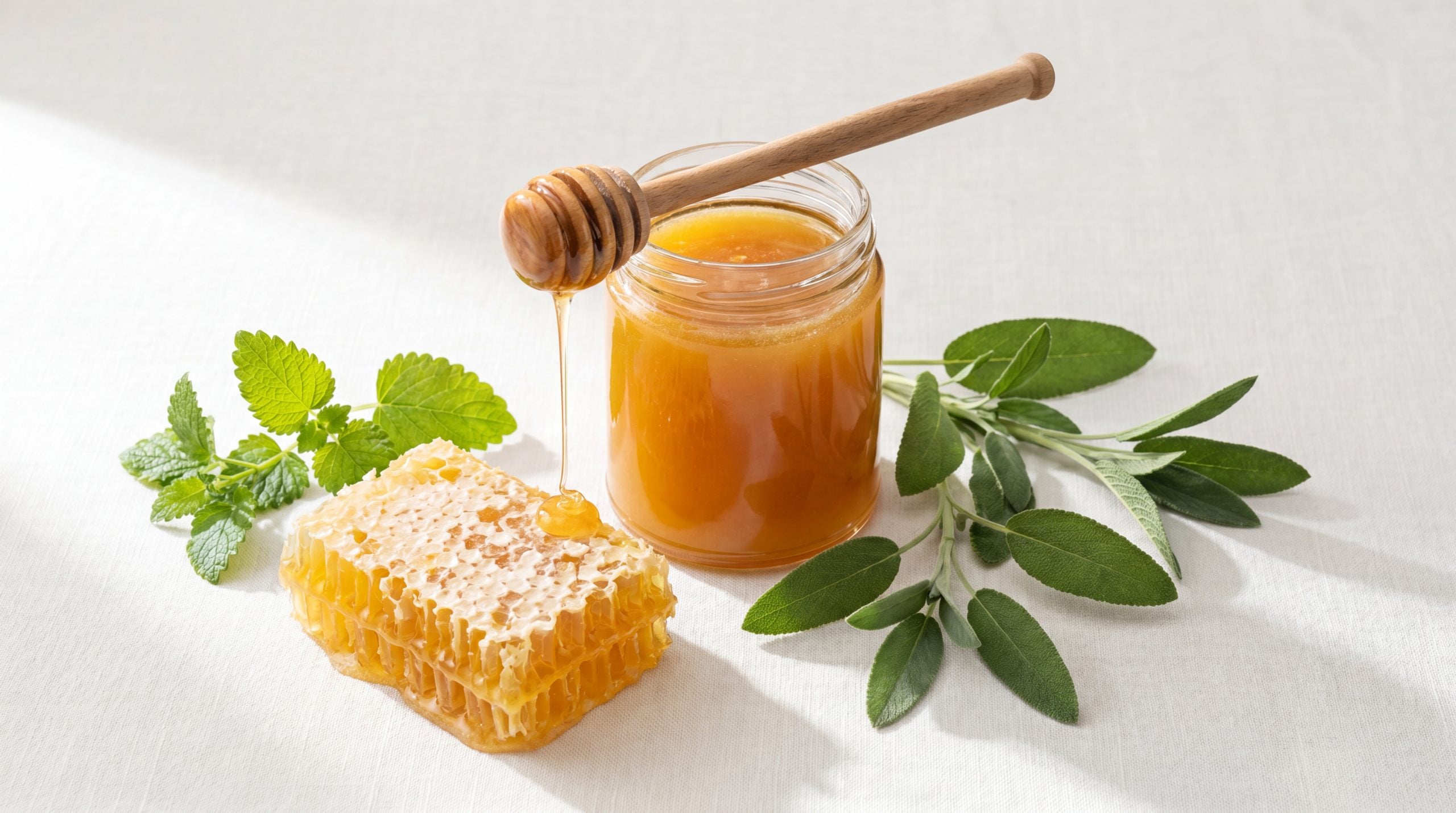
Medical-Grade and Manuka Honey (Leptospermum scoparium)
Manuka honey, produced by bees foraging on the New Zealand manuka tree (Leptospermum scoparium), is rich in methylglyoxal (MGO), the compound behind much of its laboratory-studied antimicrobial activity. From our review of the literature, honey is one of the more practical kitchen-cupboard options people reach for when a sore has already formed.
In a 2019 randomized controlled trial published in BMJ Open, a standardized medical-grade kanuka honey product was compared against topical aciclovir for cold sore lesions, with researchers reporting comparable lesion-healing times between the two. Topically, medical-grade or manuka honey is traditionally applied in a thin layer to soothe irritated skin and support the skin’s own natural repair process during an outbreak. A 2021 review of whole-plant and natural topical agents catalogued honey among the natural products studied for symptomatic relief of HSV lesions (Garber et al., 2021, Journal of Evidence-Based Integrative Medicine, PMC7894602).
Choose a genuine medical-grade or certified UMF/MGO manuka product rather than ordinary table honey, apply with a clean cotton swab to avoid double-dipping, and patch-test on healthy skin first. Honey is not suitable for infants under one year of age.
Red Marine Algae (Gigartina, Dumontiaceae)
Mechanism of Action: Certain species of red marine algae contain sulfated polysaccharides, which have shown antiviral activity against HSV in laboratory studies. These compounds are believed to block the virus from attaching to host cells.
Scientific Evidence:
- Several in vitro studies have demonstrated the antiviral activity of sulfated polysaccharides from red marine algae against HSV. Human clinical trials are limited.
Usage:
- Supplement: Available in capsules or tablets. Follow the manufacturer’s dosage instructions.
- Topical: Some creams and ointments contain red marine algae extracts.
Safety: Generally considered safe, but some individuals may experience gastrointestinal upset.
Astragalus (Astragalus membranaceus)
Mechanism of action: Astragalus is an adaptogen used to support the immune system.
Scientific Evidence:
- Several in vitro studies have demonstrated the antiviral activity of astragalus.
Usage:
- Supplement: Available in capsules, tablets, and tinctures. Follow the manufacturer’s dosage instructions.
Safety: Generally considered safe, but some individuals may experience gastrointestinal upset.
Additional Herbal and Natural Remedies
- Chamomile (Matricaria chamomilla or Chamaemelum nobile): Can be used to help with the care and management of symptoms.
- Goldenseal (Hydrastis canadensis): Can be used topically.
- Garlic (Allium sativum): Garlic has allicin, which contains antiviral properties.
Herbal Remedies: Pros and Cons
| Herbal Remedy | Pros | Cons |
|---|---|---|
| Aloe Vera | Soothes skin irritation and promotes healing, widely available. | May cause allergic reactions in some individuals. |
| Lemon Balm | Antiviral properties, easy to use as a tea or topical application. | Effectiveness may vary; not a substitute for medical treatment. |
| Tea Tree Oil | Strong antiseptic and antiviral properties, effective for topical use. | Can be irritating to sensitive skin; must be diluted. Toxic if ingested. |
| Licorice Root | May reduce outbreak severity, available in various forms. | Excessive use can lead to high blood pressure and other side effects. |
| Echinacea | Immune-stimulating effects. | Can cause allergic reactions; not recommended for long-term use without breaks. |
| St. John’s Wort | Contains compounds with antiviral activity. | Interacts with many medications; requires consultation with a healthcare professional. |
| Olive Leaf Extract | Contains oleuropein, with antiviral and anti-inflammatory properties. | May lower blood pressure; requires monitoring if taking hypertension medication. |
| Propolis | Antiviral, anti-inflammatory, and wound-healing properties. | Can cause allergic reactions, especially in individuals allergic to bee products. |
| Red Marine Algae | Contains sulfated polysaccharides with antiviral activity. | Limited human clinical trials; some individuals may experience gastrointestinal upset. |
| Astragalus | Supports the immune system. | Limited human clinical trials. |
| Chamomile | It may help with care and management. | Effectiveness may vary. |
| Goldenseal | Can be used topically. | Effectiveness may vary. |
| Garlic | Contains allicin with antiviral properties. | Can cause allergic reactions. |
Potential Side Effects and Precautions
- Drug Interactions: Many herbs can interact with medications. For instance, St. John’s Wort is notorious for interacting with antidepressants, birth control pills, blood thinners, and certain antiviral drugs. Always consult a healthcare provider before combining herbal remedies with prescription medications.
- Allergies: Even natural substances can cause allergic reactions. Perform a patch test before applying any topical remedy to a large area.
- Pregnancy and Breastfeeding: The safety of many herbal remedies during pregnancy and lactation is not well-established. Consult a healthcare provider before using any herbal remedies if you are pregnant or breastfeeding.
- Specific Conditions: Individuals with certain health conditions, such as high blood pressure (licorice root) or autoimmune disorders (echinacea), should exercise caution and consult a healthcare provider before using certain herbs.
- Dosage: Follow recommended dosages carefully. More is not always better, and excessive doses of some herbs can be harmful.
- Quality Control: Source herbs from reputable suppliers to ensure quality and avoid contamination. Look for products that have been tested for purity and potency.
Incorporating Herbal Solutions into Your Daily Life
- Consult a Healthcare Provider: Always discuss with a healthcare professional before starting any new treatment. This is crucial to avoid negative interactions.
- Introduce Gradually: Start with one remedy at a time to observe its effects.
- Maintain a Balanced Lifestyle: A nutritious diet, regular physical activity, and effective stress management can enhance the benefits of herbal treatments. Prioritize adequate sleep.
Lifestyle Approaches for Managing Herpes
- Stress Management:
- Deep Breathing Exercises: Practice diaphragmatic breathing (belly breathing) for 5-10 minutes several times a day. Inhale deeply through your nose, allowing your abdomen to expand, and exhale slowly through your mouth.
- Progressive Muscle Relaxation: Tense and release different muscle groups in your body, starting with your toes and working your way up to your head.
- Mindfulness Practices: Engage in mindfulness meditation or simply focus on your breath and present moment awareness.
- Social Support: Connect with friends, family, or support groups.
- Sleep: Aim for 7-9 hours of quality sleep per night. Establish a regular sleep schedule, create a relaxing bedtime routine, and make sure your bedroom is dark, quiet, and cool.
- Exercise: Regular physical activity, such as brisk walking, jogging, swimming, or cycling, can boost immune function and reduce stress. Aim for at least 30 minutes of moderate-intensity exercise most days of the week.
Reducing Outbreak Frequency and Supporting Dormancy Naturally
Easing an active sore is only half the picture. Many people care more about a quieter question, which is how to make outbreaks less frequent in the first place. The herpes virus stays dormant in nerve tissue between flare-ups, and several everyday levers are associated with how often it reactivates.
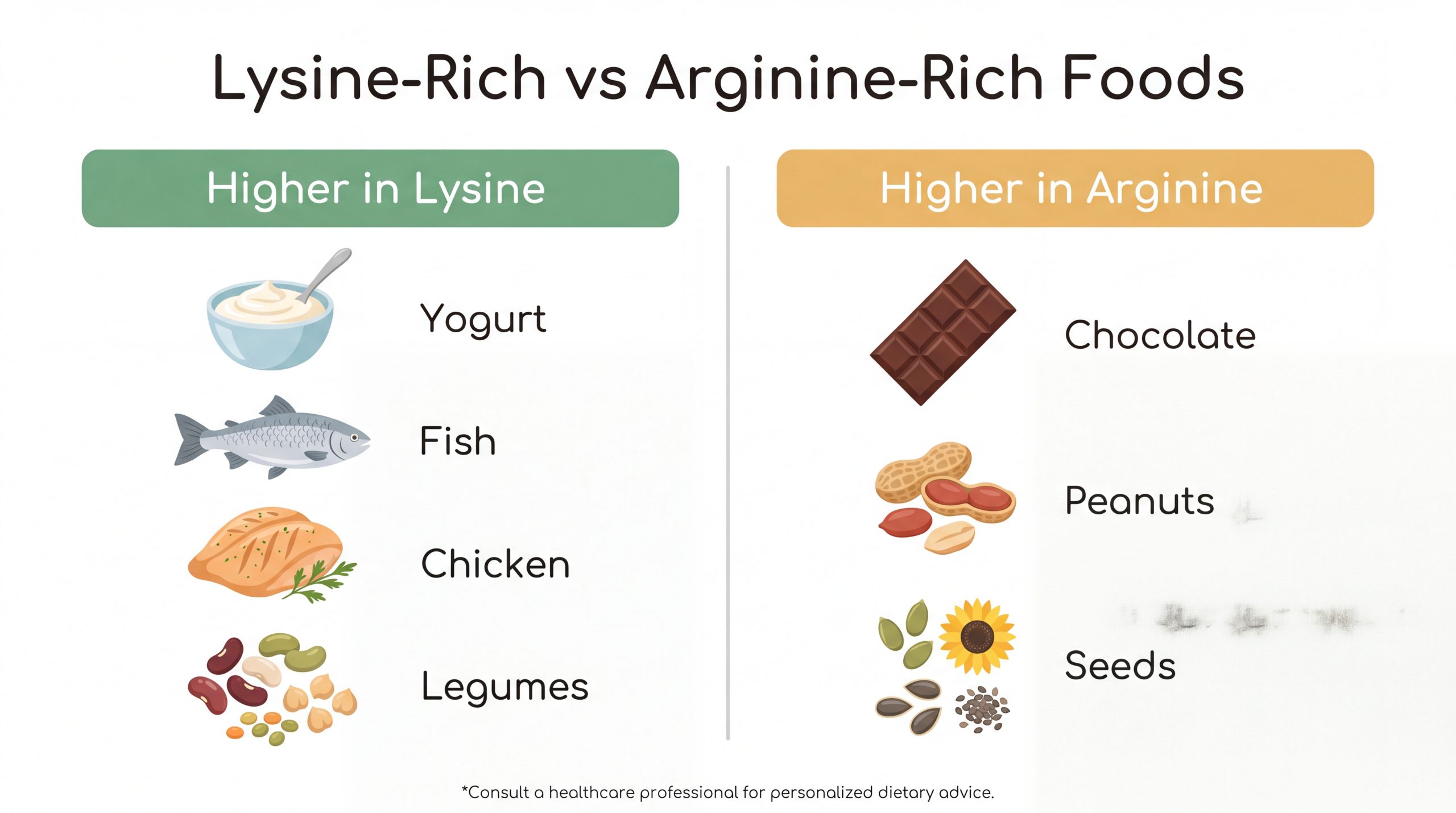
The Lysine and Arginine Balance
HSV uses the amino acid arginine to replicate. Lysine, a competing amino acid, may interfere with that process, which is the rationale behind the long-standing dietary approach of favoring lysine-rich foods over arginine-rich ones during vulnerable periods. Evidence here is mixed rather than settled. A 2023 narrative review of alternative symptomatic treatments for HSV examined the lysine and arginine literature and found the data supportive for some people but not conclusive across the board (Chang et al., 2023, Viruses, PMC10301284, doi:10.3390/v15061314).
| Higher in lysine (often favored) | Higher in arginine (often limited during flares) |
|---|---|
| Yogurt and dairy | Chocolate and cocoa |
| Fish and poultry | Peanuts and most nuts |
| Legumes | Seeds |
| Dietary context only. Not medical advice. Source context: Chang et al., 2023, Viruses, PMC10301284. | |
Vitamins and Minerals That Support Immune Resilience
When people ask which vitamin keeps herpes away, the honest answer is that no vitamin removes the virus. What nutrients can do is support normal immune function, which is the body’s own first line against reactivation. Zinc, vitamin C, and vitamin E are the three most often discussed together for this purpose. Zinc supports skin repair and normal immune defense. Vitamins C and E act as antioxidants that help the body respond to the oxidative stress of an outbreak. A balanced diet covers most of this for most people, with targeted supplementation a conversation for your healthcare provider.
Stress, Sleep, and Triggers
In our editorial review of the lifestyle literature, the most consistent thread is that physical and emotional stress, poor sleep, and run-down immunity track with more frequent reactivation. Keeping a simple trigger log, protecting sleep, and managing stress with whatever works for you are low-risk habits traditionally associated with longer, calmer gaps between outbreaks.
Additional Home Remedies
- Warm or Cold Compresses: Applying a warm compress can increase blood flow and relieve pain, while a cold compress can reduce swelling and numb discomfort. Use a clean washcloth soaked in warm or cold water and apply gently to the affected area for 5-10 minutes.
- Baking Soda or Cornstarch Baths: Add about ¼ to ½ cup of baking soda or cornstarch to a lukewarm bath and soak for 15 minutes to help keep sores dry and reduce itching.
Key Considerations Before Using Herbal Remedies
- Consultation: Always consult with healthcare professionals.
- Quality: Choose high-quality products.
- Monitor: Keep track of changes.
- Combination: Use as complementary options.
Top Tips for Managing Herpes Symptoms
- Maintain Good Hygiene: Keep affected areas clean and dry.
- Stay Hydrated: Drink plenty of water.
- Manage Stress: Practice stress-reduction techniques.
- Healthy Diet: Eat a balanced diet.
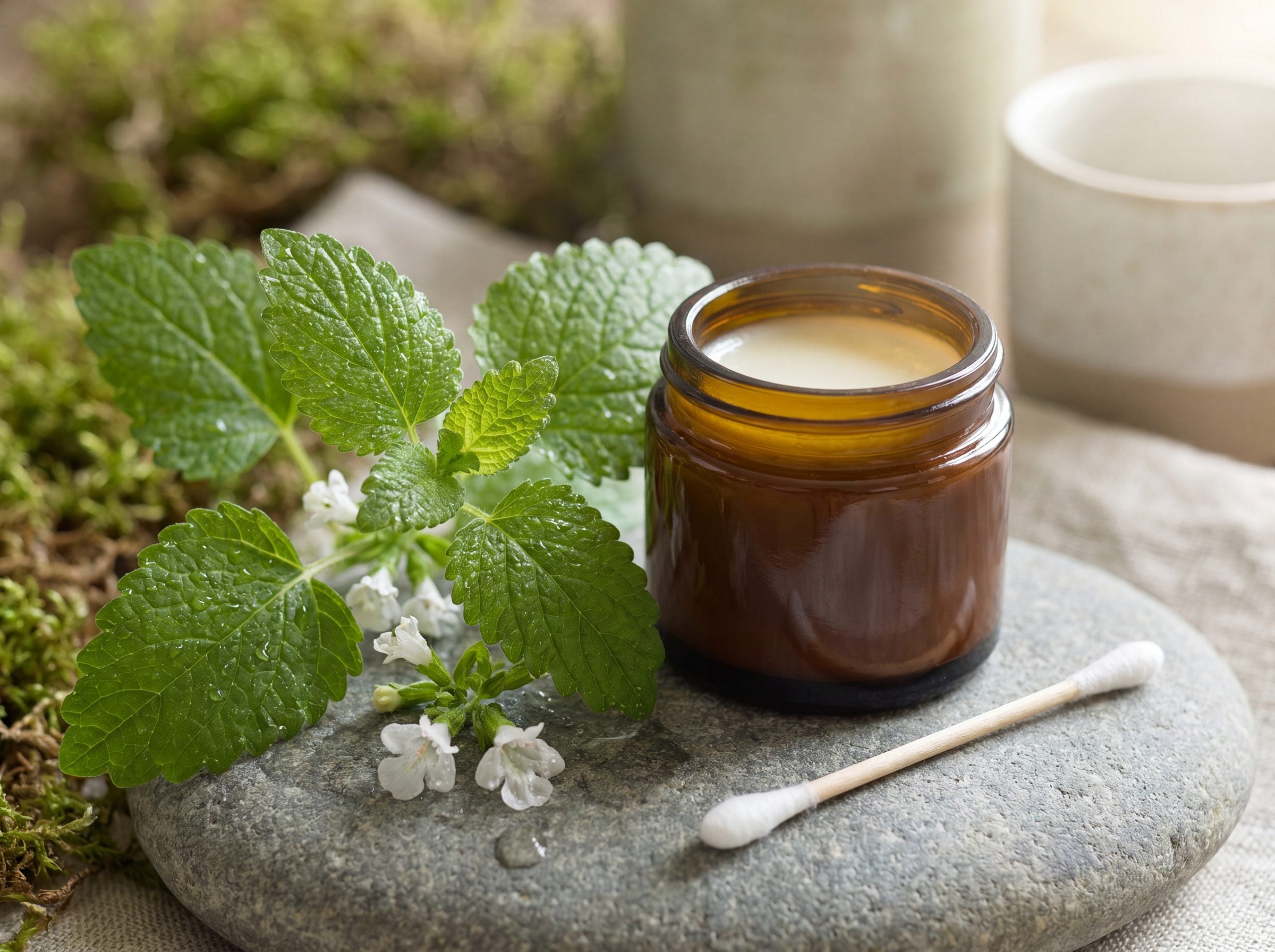
Acting at the First Tingle
Timing changes results. Many people feel a prodrome, that tingling, itching, or tightness, a few hours to a day before a sore appears. That window is when topical measures tend to help most. From our review of the topical literature, the practical move is to have your chosen option ready in advance so you can apply it the moment you notice the warning signs rather than after a blister forms.
- Apply a 1% lemon balm cream or your prepared topical at the first tingle, then several times daily as directed on the product.
- Keep the area clean and dry, and avoid touching or picking, which spreads irritation.
- If you have been prescribed an antiviral for episodic use, take it at the prodrome stage as your provider directed, since early dosing is when it works best.
Frequently Asked Questions (FAQ)
- Can herbal remedies cure herpes? No. Currently, there is no cure for herpes.
- How long does it take for these herbs to work? Response times vary. Consistency and proper dosage are crucial.
- Can I use multiple herbal remedies at once? Yes, but introduce them gradually and under the guidance of a healthcare professional.
- Do I still need prescription antivirals if I’m using herbal treatments? In most cases, yes. Prescription antivirals are considered the gold standard. Herbal treatments can serve as complementary supports.
- What if I experience an adverse reaction to an herbal remedy? Discontinue use immediately and seek medical advice.
- What vitamin keeps herpes away? No vitamin removes or prevents the herpes virus. Zinc, vitamin C, and vitamin E are the nutrients most often discussed for HSV because they support normal immune function and skin repair, which is the body’s own defense against reactivation. A balanced diet supplies these for most people. Talk to your provider before adding supplements.
- How can I help herpes sores heal faster? Acting at the first tingle helps most. Keep the area clean and dry, avoid touching or picking, and apply a well-tolerated topical such as a 1% lemon balm cream early and consistently. If you have been prescribed an antiviral, taking it at the prodrome stage as directed is the most evidence-backed way to shorten an outbreak.
- Can herbal remedies reduce how often I get outbreaks? Possibly for some people, though the evidence is mixed. A lysine-forward diet, good sleep, and stress management are low-risk habits traditionally associated with longer gaps between outbreaks. They support the body rather than acting on the virus directly, and they work best alongside, not instead of, any prescribed antiviral.
- Are herbal remedies safe to use during pregnancy? Not without medical guidance. Several herbs and essential oils are not recommended in pregnancy, and herpes during pregnancy carries specific considerations for delivery. If you are pregnant or breastfeeding, speak with your healthcare provider before using any herbal product on or near a lesion.
References and Further Reading
- CDC: Genital Herpes, STI Treatment Guidelines
- Anheyer et al. (2025), Herbal Medicine for Treating Herpes Labialis: A Systematic Review, Journal of Integrative and Complementary Medicine
- Chang et al. (2023), A Narrative Review of Alternative Symptomatic Treatments for HSV, Viruses
- Garber et al. (2021), Review of Whole Plant Extracts With Activity Against HSV, Journal of Evidence-Based Integrative Medicine
Disclaimer: These statements have not been evaluated by the Food and Drug Administration. This product is not intended to diagnose, treat, cure, or prevent any disease. This article is for educational purposes only and is not a substitute for professional medical advice, diagnosis, or treatment. Always consult your healthcare provider before using herbal remedies, especially if you are pregnant, breastfeeding, immunocompromised, or taking prescription medication.
Last Reviewed: June 2026