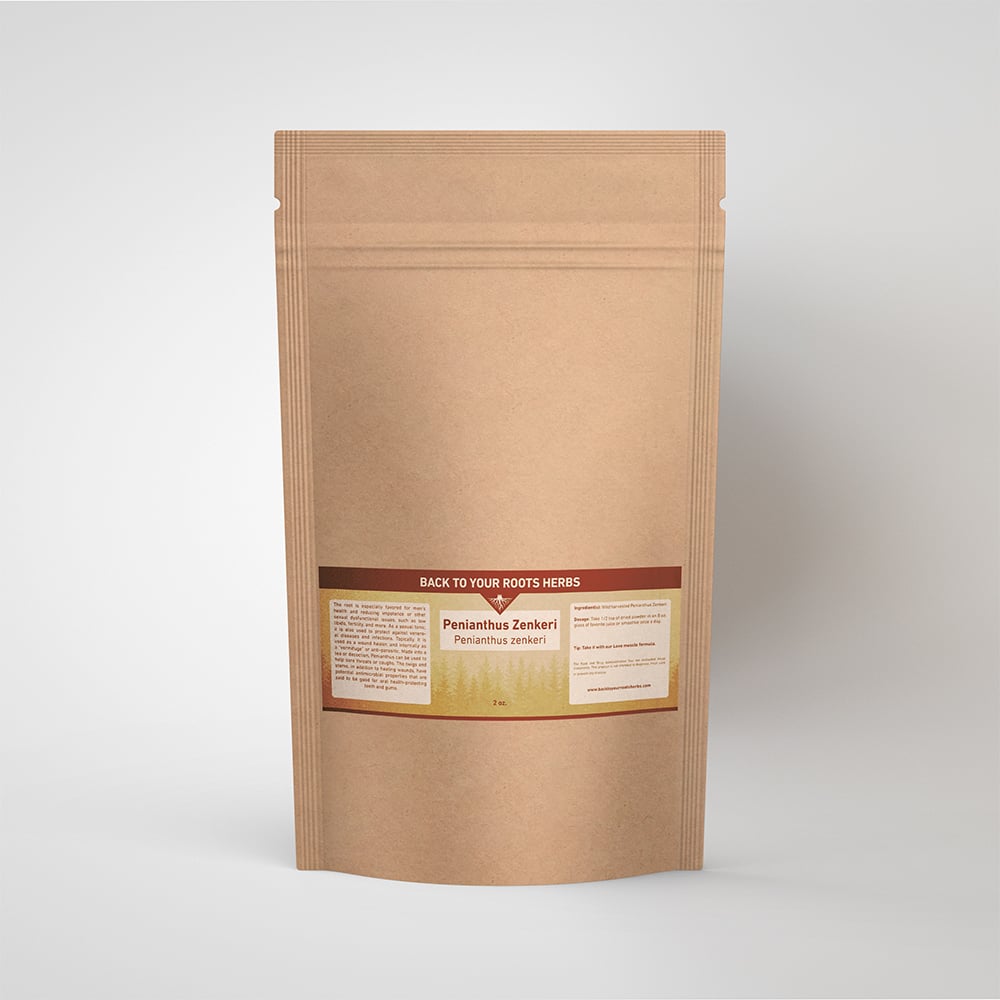
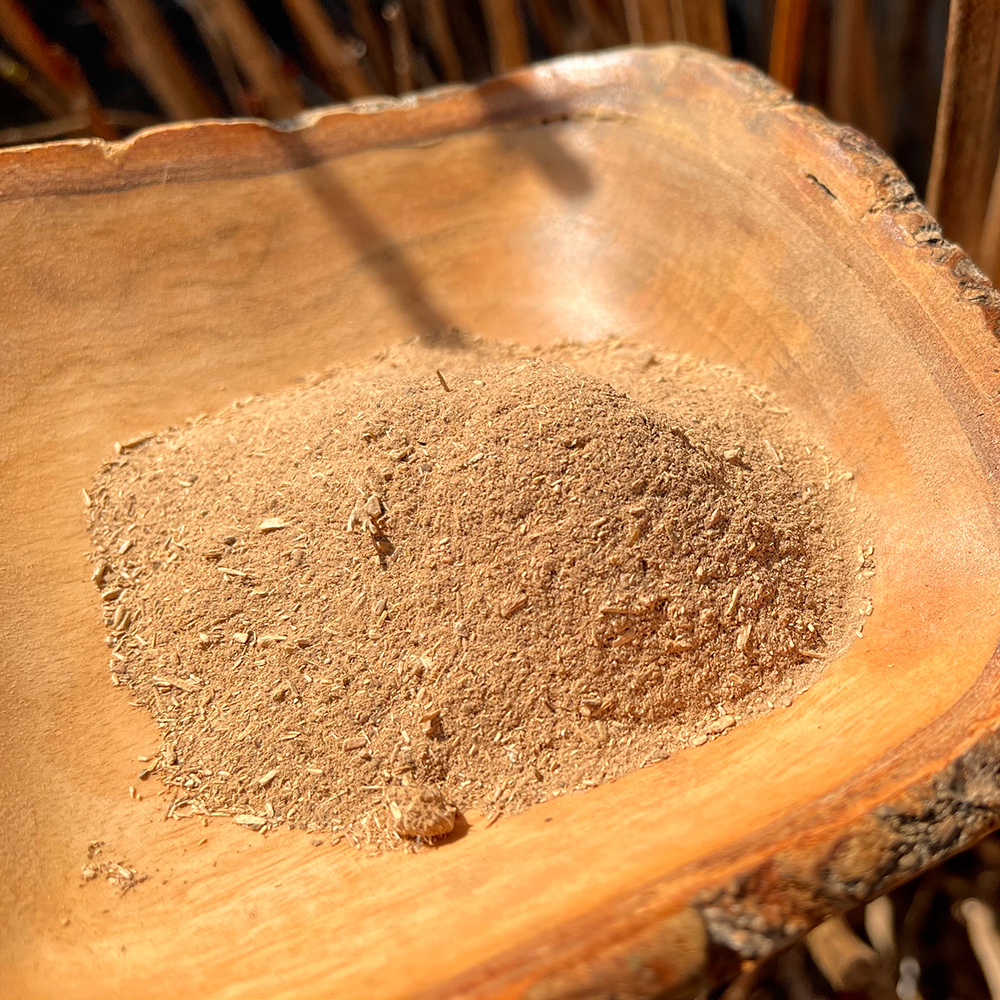
This is a guide to Penianthus zenkeri powder, a supplement from a potent African medicinal plant. It is traditionally used to support male vitality, energy levels, and overall wellness. The information here explains its origins, how it works, and how it can be incorporated into a health routine. The chemistry of the West and Central African plant has been a subject of interest for its historical applications.
| Primary Use: Traditionally valued for supporting male vitality and libido. |
| Origin: A climbing liana of the family Menispermaceae, native to the tropical rainforests of West and Central Africa. |
| Active Compounds: Contains protoberberine alkaloids like palmatine and jatrorrhizine. |
| Form: A finely milled whole root and stem powder for easy integration into your daily regimen. |
What is Penianthus Zenkeri? The ‘Root of Power’ Explained
Penianthus zenkeri, also known by its scientific synonym Heptacyclum zenkeri, is a flowering plant in the family Menispermaceae. It grows as a large climbing vine in the moist, shaded understory of African rainforests. For generations, traditional medicine systems, particularly in regions like Cameroon and Ghana, have held this plant in high regard. Ethnobotanical knowledge points to the root and stem as the parts containing the highest concentration of beneficial phytochemical compounds. Herbalists sometimes call it a “yellow root” because the root bark carries a bright yellow pigment. That color is the visible signature of its protoberberine alkaloids. Back To Your Roots Herbs provides a pure powder derived directly from these valued parts of the plant, ensuring a connection to its long history of traditional use.
The Functional Benefits of Penianthus Zenkeri Powder
The historical application of this botanical centers on its role in supporting men’s health. The compounds within the plant work together to offer a range of functional support.
Support for Male Vitality and Libido
The most well-documented traditional use of Penianthus zenkeri is as an aphrodisiac and a general tonic for male reproductive health. It is often sought after by individuals looking for a natural way to maintain a healthy libido and sexual function.
A Natural Addition for Energy and Stamina
As a general wellness tonic, this powdered plant is associated with supporting physical energy and stamina. Its properties are thought to help the body maintain performance, making it a point of interest for those with active lifestyles.
Rich in Protective Bioactive Compounds
Modern analysis of this West and Central African plant reveals a profile rich in specific alkaloids of the protoberberine class. These bitter, yellow-pigmented compounds are the primary markers responsible for the plant’s character.
| Compound | Function |
|---|---|
| Palmatine | A protoberberine alkaloid and one of the principal bitter, yellow-pigmented markers reported in large amounts from the root. |
| Jatrorrhizine | A protoberberine alkaloid also reported in large amounts from the roots of this plant. |
| Magnoflorine | An aporphine alkaloid that adds to the plant’s overall phytochemical signature. |
Phytochemical analysis of Penianthus zenkeri roots and stems has catalogued more than twenty compounds, with palmatine and jatrorrhizine obtained in large amounts (Phytochemistry Letters, 2020). A 2019 pharmacology review documents the palmatine protoberberine class and its bitter, yellow-pigmented chemistry (palmatine review, PMID 31051209). This whole root and stem profile is what distinguishes a full powder from an isolated single-alkaloid extract.
Traditional Uses of Penianthus Zenkeri in West and Central African Herbalism
Across its native range, Penianthus zenkeri sits within the West and Central African tradition of bitter root tonics. In regions such as Cameroon, Ghana, and Nigeria, the root and stem were chewed or prepared as bitter decoctions. Herbalists reached for this bitter “yellow root” as a grounding tonic for men, associating it with physical stamina, endurance, and male vitality. We present this history for context. It reflects traditional use, not a medical claim.
Why Choose This Penianthus Zenkeri?
Quality and purity determine the effectiveness of any herbal supplement. The sourcing and processing methods are designed to preserve the natural integrity of the plant.
- Wild-Harvested Potency: Sourced directly from its native habitat for a profile of compounds that is true to its traditional form.
- Pure and Unadulterated: This is a single-ingredient product. It contains only Penianthus zenkeri root and stem powder with no fillers, binders, or artificial additives.
- Whole Powder, Not an Extract: The root and stem are carefully dried and milled into a whole powder rather than a standardized extract. This retains the full native spectrum of alkaloids instead of isolating a single compound.
- Optimized for Use: The material is milled to a fine powder, making it simple to measure and mix.
| Feature | BTYRH Penianthus Zenkeri Powder | Generic Wild-Crafted Powder |
|---|---|---|
| Origin | Specified West and Central African forest source | Unspecified |
| Plant Part | Root and stem, stated | Often unstated |
| Preparation | Whole powder, no extract | Variable |
| Profile | Full native protoberberine spectrum | Unknown |
How to Use Penianthus Zenkeri Powder
Incorporating this herbal supplement into your daily routine is straightforward. Due to its potent nature, it is advisable to start with a smaller dose to assess individual tolerance.
Recommended Dosage:
A common starting dosage is 1/4 to 1/2 teaspoon (approximately 1-2 grams) mixed into a liquid, taken once or twice daily.
Simple Ways to Add it to Your Diet:
- Smoothies: Blends easily into fruit or vegetable smoothies.
- Teas: Stir into warm water or herbal tea until dissolved.
- Juice or Water: Mix thoroughly with a glass of water or your favorite juice.
Frequently Asked Questions
- What does Penianthus zenkeri powder taste like?
- It has a distinctly bitter and earthy taste, which is characteristic of its potent alkaloid content. Mixing it with flavored beverages can make it more palatable.
- How long does it take to see effects?
- The timeframe for noticing effects can vary based on the individual’s body chemistry, dosage, and consistency of use. It is generally used as a long-term tonic.
- What does the research say about Penianthus zenkeri?
- Penianthus zenkeri has a long history of traditional use. Modern scientific interest centers on its chemical composition, with analyses confirming protoberberine alkaloids such as palmatine and jatrorrhizine in the roots and stems. Large-scale human clinical trials remain limited, as is the case with many traditional herbs.
- Are there any side effects?
- The powder is intensely bitter, and high amounts may cause stomach discomfort in sensitive individuals. Starting at the low end of the dosage range helps you assess your own tolerance.
- Where does this plant come from?
- It is native to the tropical rainforests of West and Central Africa, including countries like Cameroon, Nigeria, and Ghana, where it has been used by indigenous populations for centuries.
Safety and Considerations
Before adding any new supplement to your regimen, it is best to consult with a qualified healthcare professional.
- This powder is intensely bitter. Taking a high amount on an empty stomach may cause stomach upset. Start with a smaller dose and take it with liquid or food.
- Do not use if you are pregnant or nursing.
- If you have a pre-existing medical condition or are taking prescription medications, seek medical advice before use.
- Keep out of reach of children.
Reviewed by the Back To Your Roots Herbs Editorial Team. Last Reviewed: June 2026.
Legal Information: These statements have not been evaluated by the Food and Drug Administration. This product is not intended to diagnose, treat, cure, or prevent any disease. Consult your healthcare provider before use, especially if you are pregnant, nursing, taking medication, or have a medical condition.
Reviews
There are no reviews yet.