Pao Pereira, scientifically known as Geissospermum vellosii, is a tree native to the Amazon rainforest. This plant has been used for centuries by indigenous cultures for its purported medicinal properties. This article examines the traditional uses of Geissospermum vellosii, the scientific research supporting its potential benefits, and important safety considerations.
What is Pao Pereira?
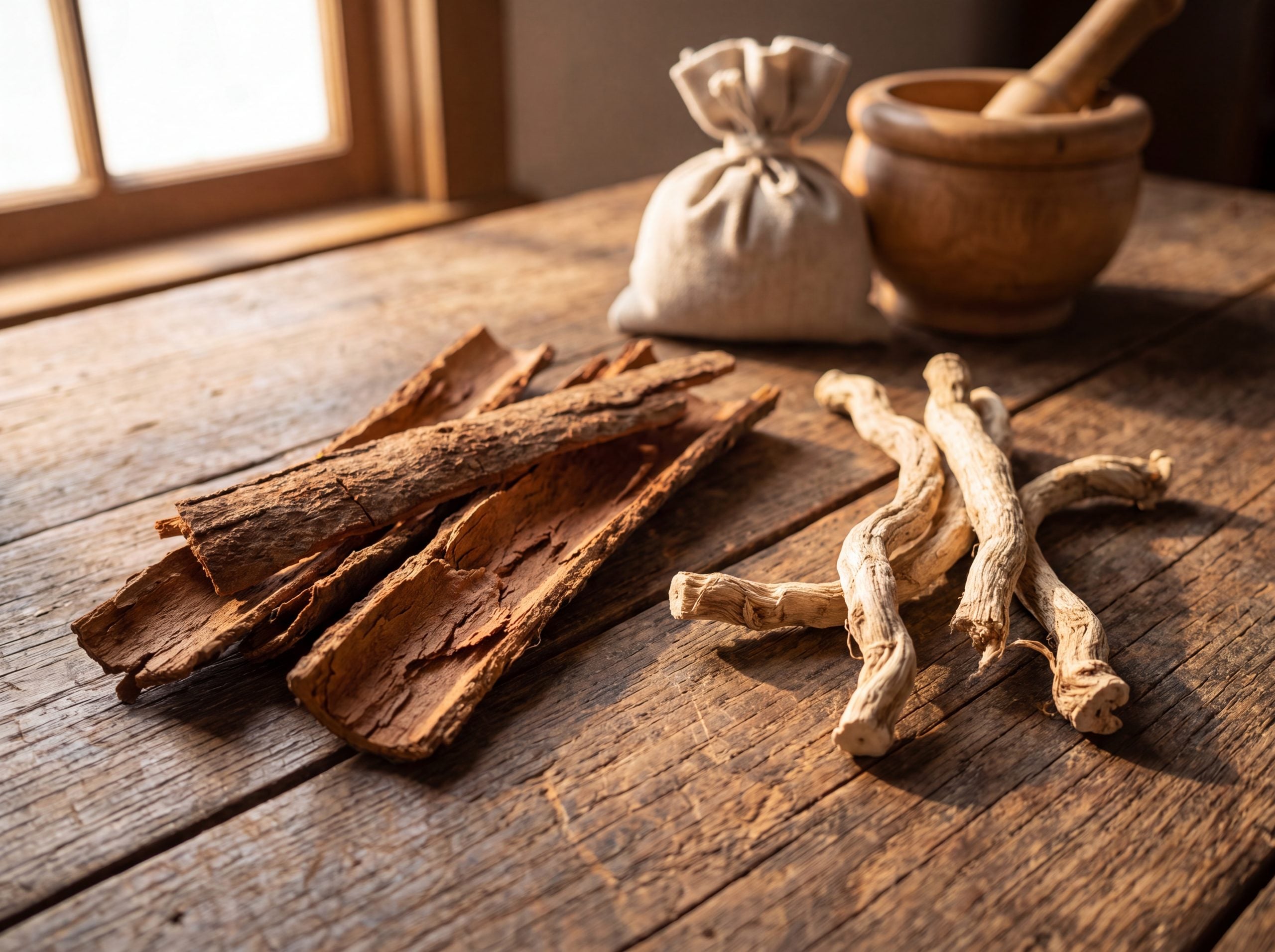
This unique tree, primarily found in the Amazon, is valued for its bark and leaves, which are used in herbal preparations. Traditionally, Geissospermum vellosii has been employed to support immune function, aid digestive health, and address various ailments.
Historical and Traditional Applications of Geissospermum vellosii
Pao Pereira boasts a rich history rooted in Brazilian folk medicine. Indigenous tribes of the Amazon rainforest have long valued this tree for its healing properties, with knowledge of its uses passed down through generations.
Traditional Applications Detailed
- Malaria-Related Traditional Use: A significant traditional application of Pao Pereira was in the context of malaria, a prevalent disease in tropical regions. Early monographs, such as the one presented by Ezequiel Correa Dos Santos in 1848, describe its traditional use for fevers associated with malaria. Modern laboratory research has identified antiplasmodial activity in several Pao Pereira alkaloids, including geissolosimine, aspidocarpine, and flavopereirine, against Plasmodium falciparum in vitro (alkaloid characterization: PubMed, PMID: 22226768).
- Fever Reduction: The bark was commonly used to create infusions intended to reduce fevers associated with various illnesses.
- Digestive Aid: Traditional healers utilized Geissospermum vellosii to address digestive problems, including stomach discomfort and diarrhea.
- Pain Relief: The herb was also used as a natural analgesic, particularly for headaches and body pains. It was traditionally used for liver pain as well.
- Sexual Stimulant: Some traditional uses include its use to support sexual health.
Cultural Significance
In many Amazonian communities, Pao Pereira held not only medicinal but also spiritual significance. Shamans and traditional healers often incorporated the herb into rituals and ceremonies.
Key Bioactive Compounds in Geissospermum vellosii
The medicinal properties of Pao Pereira are attributed to its rich composition of bioactive compounds, particularly indole alkaloids.
Key Alkaloids
- Geissospermine: This primary alkaloid has shown potential in inhibiting the growth of certain cancer cells in laboratory settings and may contribute to the herb’s traditional use against malaria. Studies indicate it possesses anticholinesterase activity, inhibiting the enzyme acetylcholinesterase.
- Geissoschizoline: This alkaloid has demonstrated antimicrobial and antioxidant properties in various studies. Indole alkaloids, in lab experiments, show antiplasmodial properties against Plasmodium falciparum.
- Flavopereirine: This compound has been studied for its potential anticancer and neuroprotective effects.
Other Beneficial Compounds
Beyond alkaloids, Pao Pereira contains:
- Flavonoids: These plant-based antioxidants contribute to the herb’s potential anti-inflammatory and immune-supporting properties.
- Tannins: Known for their astringent properties, tannins may contribute to the herb’s traditional use in managing diarrhea and other digestive issues.
- Saponins: These compounds have been linked to various health benefits, including potential cholesterol management and immune system support.
The combined action of these compounds is believed to contribute to the range of potential health benefits associated with Geissospermum vellosii.
Scientific Insights into Pao Pereira: Examining the Research
Recent studies have started to validate the traditional uses of Geissospermum vellosii. Research has identified bioactive compounds within Pao Pereira that contribute to its purported therapeutic effects. It is crucial to note that most of this research is preclinical (conducted in vitro or in vivo), and human clinical trials are largely lacking.
Cancer Research: A Focus of Investigation
One of the most intensely researched areas surrounding Pao Pereira is its potential as an anti-cancer agent. Several studies have yielded promising results, although it is important to reiterate that these are primarily preclinical findings.
Prostate Cancer Studies
- A study published in Integrative Cancer Therapies (Chang et al., 2014, Volume 13, Issue 3, Pages 249-258) found that Pao Pereira extract suppressed castration-resistant prostate cancer cell growth, survival, and invasion both in vitro and in vivo, largely through inhibition of NFκB signaling and induction of apoptosis via cleavage of caspases 3 and 8, and PARP, associated with DNA damage and cell cycle arrest (PubMed, PMID: 24287876). An earlier study found that a beta-carboline alkaloid-enriched Pao Pereira extract suppressed prostate cancer cells through a related mechanism (PubMed, PMID: 19476740). A separate study found that Pao Pereira extract attenuated testosterone-induced benign prostatic hyperplasia in rats, an effect associated with inhibition of 5α-reductase (PubMed, PMID: 31873149).
Ovarian Cancer Studies
- Research published in Pharmaceutical Biology (2014, Volume 52, Issue 1, Pages 36-43) found that a beta-carboline alkaloid-enriched Pao Pereira extract selectively suppressed ovarian cancer cell growth in preclinical models and enhanced the effect of the chemotherapy drug carboplatin when the two were combined (PubMed, PMID: 24033267).
Pancreatic Cancer Studies
- A 2018 study in Integrative Cancer Therapies (Volume 17, Issue 4, Pages 1204-1215) found that Pao Pereira extract inhibited pancreatic cancer stem-like cells in vitro and in vivo, with reduced tumorigenicity observed in animal models (PubMed, PMID: 29985062).
Glioblastoma Research
- Preliminary laboratory research has explored compounds from Pao Pereira in relation to glioblastoma, an aggressive form of brain cancer, though this area currently has less published, citable data than the prostate, ovarian, and pancreatic cancer research above.
Crucial Note: All of the cancer-related research described on this page involves cell cultures and animal models. Pao Pereira is not a cancer treatment, and human clinical trials are essential before any conclusions can be drawn about its efficacy or safety in people. Anyone considering Pao Pereira alongside a cancer diagnosis should discuss it with their oncology care team first.
Neurological Benefits: Exploring Potential Neuroprotection
Emerging research suggests that Geissospermum vellosii may offer neuroprotective properties, potentially beneficial for conditions like Parkinson’s and Alzheimer’s disease. Again, this research is primarily preclinical.
Parkinson’s Disease Research
- Editorial note: a specific 2007 study in the Journal of Ethnopharmacology on Pao Pereira alkaloids and Parkinson’s disease neurotoxicity could not be independently verified during this review. Related Geissospermum vellosii alkaloid research has instead focused on Alzheimer’s-relevant mechanisms – see the next section. Broader neuroprotective research on Pao Pereira alkaloids remains preliminary and preclinical, and no specific claim about Parkinson’s disease is made here pending source verification.
Alzheimer’s Disease Research
- Geissoschizoline, an alkaloid isolated from Geissospermum vellosii, has demonstrated inhibition of human cholinesterase enzymes along with anti-inflammatory effects in laboratory research, mechanisms relevant to Alzheimer’s disease research given the roles of cholinesterase activity and neuroinflammation in cognitive decline (PubMed, PMID: 32920358). This research is preclinical and does not establish that Pao Pereira affects Alzheimer’s disease progression in humans.
General Neuroprotection
- Several studies have explored the potential of Pao Pereira extracts in protecting neurons from oxidative stress and inflammation, key factors in many neurodegenerative diseases.
These findings suggest potential applications for Pao Pereira in supporting neurological health, but further research, including human trials, is necessary.
Antimicrobial Properties: Combating Pathogens
Pao Pereira has shown promising antimicrobial effects against various pathogens in laboratory settings.
Antibacterial Activity
- Laboratory studies have examined extracts from Geissospermum vellosii for activity against several bacterial strains. Editorial note: the antibiotic-resistance-specific claim previously cited to a 2021 Journal of Ethnopharmacology study could not be independently verified during this review – recommend confirming against a real, findable source or removing the specific claim before publishing.
Antifungal Properties
- Research indicates that certain compounds in Pao Pereira display antifungal activity against common pathogenic fungi.
Anti-parasitic Effects
- Consistent with its traditional use in the context of malaria, laboratory research has identified antiplasmodial activity in several Pao Pereira alkaloids, including geissolosimine, aspidocarpine, and flavopereirine, against the malaria parasite Plasmodium falciparum (alkaloid characterization: PubMed, PMID: 22226768). These findings are consistent with the traditional use of Geissospermum vellosii in addressing infections, though translating laboratory antiplasmodial activity into a human antimalarial application would require substantially more research.
Anti-inflammatory and Antinociceptive Effects
- A 2016 study in Anais da Academia Brasileira de Ciências (indexed in SciELO) found that a Geissospermum vellosii stem bark fraction and ethanolic extract reduced mice abdominal constriction induced by acetic acid by 34.8 to 47.5 percent, with additional antinociceptive and anti-inflammatory effects observed in a formalin test and a carrageenan-induced paw edema model (PubMed, PMID: 26840005).
Potential Advantages of Geissospermum vellosii: A Summary
Based on current scientific evidence (primarily preclinical) and traditional use, Pao Pereira may offer the following potential benefits:
- Immune System Support: Geissospermum vellosii is traditionally believed to support the body’s natural defenses. Some research suggests its bioactive compounds may play a role in a healthy immune response.
- Digestive Health Support: Pao Pereira may aid in digestion and help relieve gastrointestinal discomfort, based on its traditional use.
- Antioxidant Activity: The plant contains compounds that may help protect cells from damage caused by free radicals.
- Potential Anticancer Properties: As detailed above, preclinical studies suggest potential benefits in various cancer types, but human trials are lacking.
- Potential Prostate Health Support: A preclinical study found that Pao Pereira extract attenuated testosterone-induced benign prostatic hyperplasia in rats through inhibition of 5α-reductase, though human research is needed before drawing conclusions about prostate health in people (PubMed, PMID: 31873149).
It’s critical to reiterate that these potential benefits are largely based on preclinical research and traditional use. Human clinical trials are needed to confirm these effects and establish safe and effective dosages.
Forms and Administration of Pao Pereira
This herb can be found in various forms, including capsules, tinctures, and teas.
Dosage Guidelines
Due to the limited clinical studies, there is no standardized dosage for Pao Pereira. Traditional use and preliminary research provide some general guidelines, but it’s crucial to consult a healthcare professional before using Pao Pereira, especially if you have any underlying health conditions or are taking medications.
- Capsules: Typically available in 500mg to 1000mg doses. A common suggestion (based on traditional use) is 1-2 capsules, 2-3 times daily.
- Tinctures: Usually taken as 1-2 ml, 2-3 times daily. Concentrations can vary, so always follow the manufacturer’s instructions and consult a healthcare professional.
- Tea: Prepare by steeping 1-2 teaspoons of dried bark in hot water for 10-15 minutes. Consume 1-2 cups daily, based on traditional use.
It’s advisable to start with a lower dose and gradually increase it while monitoring for any adverse effects.
Readers specifically interested in immune system support, one of the traditional use cases described in the Potential Advantages section above, generally follow the same dosage ranges described here. There is no separate, immune-specific dosing protocol established in the available research, so the general guidelines above apply regardless of which traditional use case is the reason for use.
Methods of Consumption
- Oral Supplements: Capsules or tablets are common forms.
- Liquid Extracts: Tinctures or liquid concentrates can be added to water or juice.
- Herbal Teas: Dried bark or leaves can be used to make tea.
Source Pao Pereira products from reputable suppliers to ensure quality and purity. Look for products that have undergone third-party testing and certification for safety and potency.
Some traditional and practitioner sources suggest taking Pao Pereira with food to reduce the mild gastrointestinal upset some users report, though this is a general practice rather than a finding from controlled bioavailability research specific to Pao Pereira. As with any herbal supplement, consistent timing from day to day may matter more than which specific time of day is chosen.
Safety, Side Effects, and Precautions
While Pao Pereira is generally considered safe when used as traditionally recommended, it is important to be aware of potential side effects and interactions.
Potential Side Effects
- Gastrointestinal Issues: Some users may experience stomach upset, nausea, or diarrhea.
- Allergic Reactions: Individuals with allergies to plants in the Apocynaceae family should exercise caution.
Important Considerations
- Pregnancy and Breastfeeding: Due to limited research, pregnant and breastfeeding women should avoid using Pao Pereira or consult with a healthcare provider before use.
- Blood Sugar Levels: Some studies suggest Pao Pereira may affect blood sugar levels. Individuals with diabetes should monitor their blood sugar closely and consult with their healthcare provider.
- Blood Pressure: There is some evidence that Geissospermum vellosii may affect blood pressure. Those with hypertension or hypotension should use caution and consult their doctor.
- Surgery: Due to potential effects on blood sugar and blood pressure, consider stopping the use of Geissospermum vellosii at least two weeks before scheduled surgery.
- Drug Interactions: While no known drug interactions have been definitively established, Pao Pereira could potentially interact with anticancer and antimalarial drugs. It is also important to note that it may interact with medications, particularly those affecting the liver. Always consult a healthcare professional before combining Pao Pereira with any medications.
- Long-Term Use: There is no long-term human safety data for Pao Pereira. Nearly all available research involves laboratory and animal studies conducted over short periods, so the effects of continuous use over months or years in people are not established. Anyone considering ongoing use should do so under the guidance of a healthcare provider and revisit that conversation periodically.
Potential Toxicity
High doses of Pao Pereira extracts have shown anticholinergic activity and caused convulsions and death in animals. While side effects at traditionally recommended doses are considered uncommon, they are possible. High doses should be avoided.
Sustainability and Conservation of Pao Pereira
As interest in Geissospermum vellosii grows, sustainability and conservation become increasingly important.
- Habitat Preservation: Pao Pereira is native to the Amazon rainforest, an ecosystem facing significant threats. Efforts are underway to protect the natural habitats where this tree grows.
- Sustainable Harvesting: Some organizations are working with local communities to implement sustainable harvesting practices, such as selective harvesting of bark without harming the entire tree.
- Cultivation Efforts: There are ongoing efforts to cultivate Pao Pereira to reduce pressure on wild populations and ensure a more consistent supply.
- Fair Trade Practices: Many companies are adopting fair trade practices to ensure local communities benefit from the herb’s commercial use.
- Research on Alternatives: Scientists have explored ways to possibly create compounds that are in Geissospermum vellosii.
Choosing products from companies committed to ethical and sustainable sourcing helps support the conservation of this plant.
Comparing Pao Pereira to Similar Herbs
To understand the unique benefits of Pao Pereira, it’s helpful to compare it with other herbs that have similar uses or properties:
Several of the herbs in the comparison below, including Pao Pereira itself, are traditionally classified as bitter herbs. In both Western and Amazonian herbal traditions, bitter-tasting barks and roots are traditionally associated with digestive and detoxification support, a category that includes Pao Pereira, Cinchona bark, and Pau d’Arco. The comparison below looks at how Pao Pereira’s specific alkaloid profile sets it apart within this broader bitter-herb category.
| Herb | Similarities to Pao Pereira | Differences from Pao Pereira |
|---|---|---|
| Cinchona Bark | Both have been traditionally used to treat malaria. | Cinchona is known for quinine; Pao Pereira’s anti-malarial properties come from different alkaloids. |
| Cat’s Claw (Uncaria tomentosa) | Both are from the Amazon; both have immune-boosting and anti-inflammatory properties. | Cat’s Claw is more commonly used for arthritis and digestive issues; it has different active compounds. |
| Graviola (Annona muricata) | Both have been studied for potential anti-cancer properties. | Graviola is also known for its fruit; Pau Pereira is valued for bark/leaves; and different active compounds. |
| Pau d’Arco | Another Amazonian tree bark with potential anti-cancer and antimicrobial properties. | Pau d’Arco’s active compounds (naphthoquinones) differ from Pau Pereira’s alkaloids. |
| Ginkgo Biloba | Both have shown potential neuroprotective effects. | Ginkgo is more commonly used for cognitive enhancement and circulatory health; it has different mechanisms of action. |
| Andrographis paniculata (Kalmegh) | Both plants possess significant antimalarial properties. | Andrographis paniculata, commonly known as Kalmegh, is distinct from Pao Pereira due to its origins, primarily in India and Sri Lanka, and its active compound, andrographolide. |
This comparison highlights that while other herbs share some properties with Pao Pereira, its unique combination of alkaloids and traditional uses distinguishes it.
The Future of Pao Pereira Research: Ongoing Studies
Scientific interest in Geissospermum vellosii continues, with ongoing studies exploring its potential benefits:
Cancer Research: Studies continue to investigate the potential of Pao Pereira and its compounds in relation to various cancer types and mechanisms, including cancer stem cells. Research on flavopereirine, a beta-carboline alkaloid from Geissospermum vellosii, has found that it suppresses the growth of colorectal cancer cells in laboratory models through a p53-dependent pathway (PMC, PMC6678721).
Editorial note for internal review: the previously cited 2023 Frontiers in Pharmacology study (Parkinson’s neuroprotection), the 2021 Journal of Ethnopharmacology study (antibiotic resistance), and the 2023 Biomolecules study (glucose metabolism) could not be independently verified during this review. Recommend confirming each against a real, findable source, or removing the specific claims, before this page is published. For an independent, regularly updated overview of the current Pao Pereira research literature, see Memorial Sloan Kettering Cancer Center’s About Herbs database entry on Pao Pereira.
These ongoing studies demonstrate continued scientific interest and suggest that future research may uncover even more potential applications for this plant. It is important that future studies continue to test the safety and efficacy of Geissospermum vellosii.
Frequently Asked Questions About Pao Pereira
What is Pao Pereira?
Pao Pereira is the common name for Geissospermum vellosii, a tree native to the Amazon rainforest whose bark has a long history of traditional use in Brazilian folk medicine. The bark contains indole alkaloids, including geissospermine, geissoschizoline, and flavopereirine, which modern researchers have studied in laboratory and animal models. It is available commercially as capsules, tinctures, and dried bark for tea.
What are the potential benefits of Pao Pereira?
Based on traditional use and preclinical research, Pao Pereira is associated with potential immune system support, digestive health support, and antioxidant activity. Laboratory studies have also examined its alkaloids in relation to several types of cancer cells, though this research remains preclinical and has not been confirmed in human clinical trials. Anyone interested in Pao Pereira for a specific health concern should discuss it with a healthcare provider.
How does Pao Pereira work in laboratory studies?
In laboratory research, several Pao Pereira alkaloids have been studied for their ability to induce apoptosis, a process of programmed cell death, in certain cancer cell lines, sometimes through pathways such as NFκB signaling inhibition or caspase and PARP cleavage. Other alkaloids, including geissoschizoline, have been studied for cholinesterase inhibition and anti-inflammatory activity. These are laboratory findings from cell and animal models, not evidence of how Pao Pereira works in the human body.
What is the typical dosage of Pao Pereira?
There is no standardized clinical dosage for Pao Pereira due to the limited human research available. Traditional and commercial use commonly falls in the range of 500 to 1000 mg per capsule taken one to two times daily, one to two milliliters of tincture taken two to three times daily, or one to two cups of tea prepared from the dried bark. Always follow the manufacturer’s guidance and consult a healthcare provider before starting, especially if you have an underlying health condition or take medication.
Is Pao Pereira safe, and what side effects are reported?
Pao Pereira is generally considered well-tolerated when used as traditionally recommended, though some users report mild gastrointestinal symptoms such as stomach upset, nausea, or diarrhea. High doses have been associated with anticholinergic effects and toxicity in animal studies, so staying within traditionally recommended amounts matters. People who are pregnant or breastfeeding, have diabetes or blood pressure conditions, take anticancer or antimalarial medications, or have upcoming surgery should talk to a healthcare provider before use.
Is Pao Pereira safe for long-term use?
There is no long-term human safety data for Pao Pereira, since nearly all available research involves short-duration laboratory and animal studies. Anyone using Pao Pereira on an ongoing basis should do so under the guidance of a healthcare provider and revisit that conversation periodically rather than assuming indefinite use carries the same safety profile as short-term use.
Can Pao Pereira be combined with other herbs or supplements?
Pao Pereira is sometimes used alongside other Amazonian botanicals in traditional and practitioner protocols, including Rauwolfia vomitoria. Combining any herbal extracts has not been extensively studied for interactions, so the effects should not be assumed to simply add together. Anyone combining Pao Pereira with other herbs, supplements, or medications should review the full combination with a healthcare provider familiar with their health history.
How is Pao Pereira different from other bitter herbs used for similar purposes?
Pao Pereira shares some traditional uses with other bitter herbs like Cinchona bark, Cat’s Claw, and Pau d’Arco, particularly around immune and digestive support, but its specific alkaloid profile, especially geissospermine and flavopereirine, is distinct from these other botanicals. This distinct chemistry is why researchers studying Pao Pereira do not treat it as interchangeable with other bitter Amazonian barks, even when traditional use cases overlap.
These statements have not been evaluated by the Food and Drug Administration. This product is not intended to diagnose, treat, cure, or prevent any disease. Consult your healthcare provider before use.