This extraordinary leafy green, commonly known as “tree spinach,” has gained recognition for its remarkable health benefits and culinary versatility. Originating from Central America, this perennial shrub is not only easy to cultivate but also offers a wealth of nutrients that can enhance your diet. In this article, we will go over the various advantages of incorporating this plant into your meals, along with essential tips for its successful growth and maintenance.
Nutritional Highlights of Chaya
Cnidoscolus aconitifolius, often called Mexican tree spinach, is rich in essential vitamins and minerals, making this green powerhouse a fantastic addition to any health-conscious diet. Here’s a closer look at its nutritional profile, based on a 100g serving of cooked chaya leaves:
| Nutrient | Amount per 100g (Cooked) | % Daily Value |
|---|---|---|
| Protein | 5.7g | 11% |
| Vitamin A (as Beta-Carotene) | ~1,130 IU | 23% |
| Vitamin C | 164.7mg | 275% |
| Calcium | 199.4mg | 20% |
| Iron | 11.4mg | 63% |
| Potassium | 217mg | 5% |
| Fiber | 9.9g | 36% |
This impressive nutrient content shows that Cnidoscolus aconitifolius supports various aspects of health, including immune function, bone strength, and overall vitality. Chaya often contains higher levels of certain nutrients, like iron and calcium, compared to spinach. It also contains antioxidants and phytochemicals, such as flavonoids, saponins, phenols, and alkaloids.
Important: Safe Preparation of Chaya Leaves
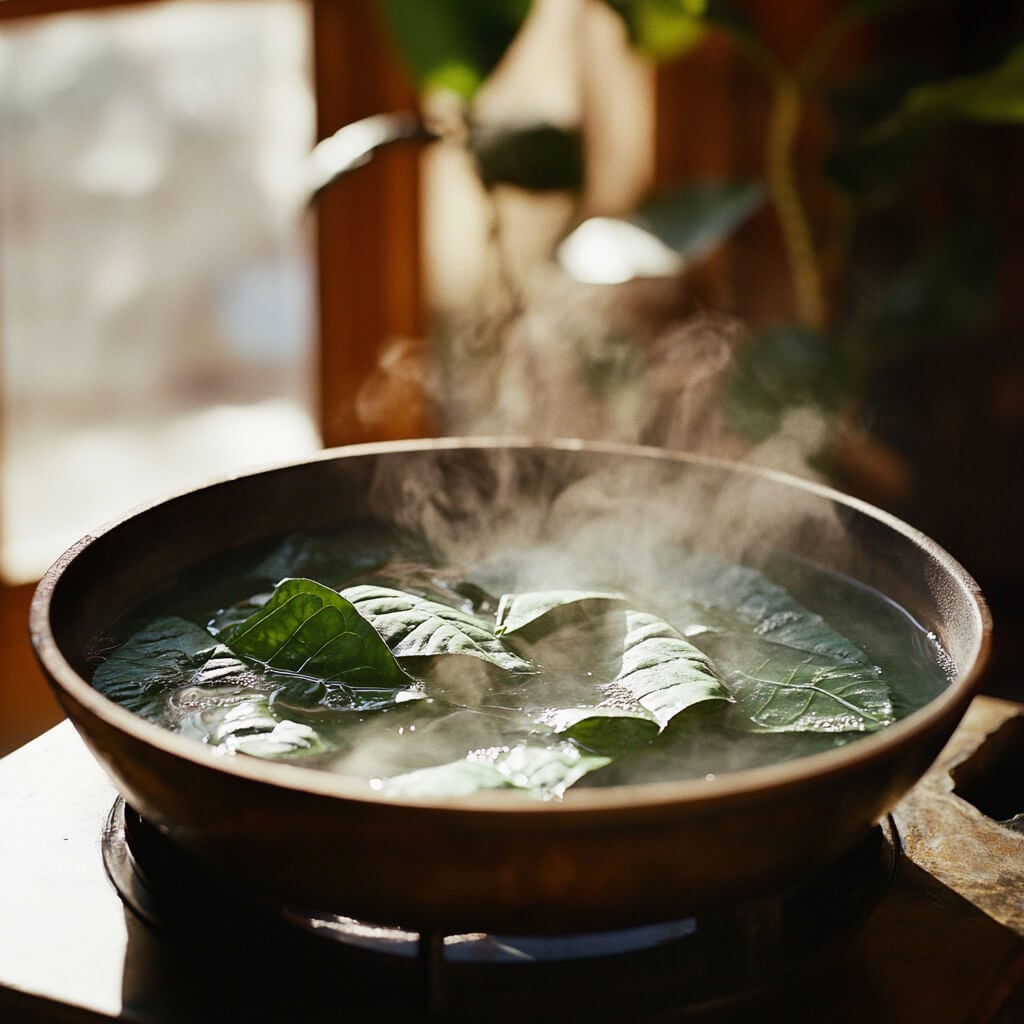
It is crucial to understand that raw chaya leaves are toxic. They contain hydrocyanic glycosides (also known as cyanogenic glycosides), which can release cyanide when the plant cells are damaged. Never consume chaya leaves raw.
To make chaya leaves safe for consumption, they must be cooked thoroughly. Follow these guidelines:
- Boiling: Boil chaya leaves in water for a minimum of 15-20 minutes. Some sources recommend even longer boiling times (up to 60 minutes) for maximum safety. Simmering is not sufficient.
- Steaming: Steaming chaya for at least 3 minutes is also an option.
- Cookware: Do not use aluminum cookware. The plant’s compounds can react with aluminum, potentially causing digestive upset. Use stainless steel, glass, or ceramic cookware.
- Steam Inhalation: Avoid inhaling the steam during the initial cooking process, as it may contain volatile cyanide compounds. Cook in a well-ventilated area.
- Discard Water: It is best practice to discard the water used from boiling.
Health Advantages of Cooked Chaya
Incorporating this nutritious, cooked shrub into your meals can lead to numerous health benefits:
- Rich in Antioxidants: Cooked Cnidoscolus aconitifolius is packed with antioxidants, including flavonoids and other phytochemicals, that help combat oxidative stress and reduce inflammation.
- Supports Digestive Health: The fiber content promotes healthy digestion and aids in maintaining gut health.
- Weight Management: Low in calories yet high in nutrients, cooked chaya can be a valuable component of a weight loss strategy.
- Blood Sugar Regulation: Preliminary studies suggest that this vegetable may assist in stabilizing blood sugar levels, making it beneficial for those managing diabetes.
- Supports Immune Function: The high Vitamin C content contributes to a healthy immune system.
- Promotes Bone Health: The calcium content contributes to strong bones.
- May Help with Anemia: The significant iron content can be beneficial for individuals at risk of iron deficiency.
- Good for Eye Health: Vitamin A and lutein contribute to eye health.
- Traditional Uses: Chaya has a long history of use in Maya medicinal practices.

How to Cultivate Chaya: A Practical Guide
Growing this nutritious shrub is relatively straightforward, making it suitable for both novice and experienced gardeners.
Selecting the Right Location
Chaya thrives in warm, tropical climates, specifically USDA Hardiness Zones 8-11. It is frost-sensitive. In cooler regions, consider growing it in pots that can be moved indoors during the winter. It can also be grown as an annual. If you live in a borderline zone, heavy mulching around the base of the plant can help protect it during mild frosts. Chaya prefers full sun to partial shade and warm temperatures (60-100°F / 15-38°C).
Soil Requirements
Well-draining soil is essential for chaya. While it can tolerate poor soils, it thrives in nutrient-rich soil with a pH range of 5.5-6.5 (though it tolerates a wider range). Adding compost or organic matter before planting improves soil quality.
Propagation Techniques
Chaya is easily propagated through stem cuttings.
- Select Cuttings: Choose healthy, woody stem sections from a mature plant.
- Cutting Length: Cuttings should be 6-12 inches (15-30 cm) long, although some sources recommend up to 100cm.
- Callusing: Allow the cut ends of the stems to dry and callus for 2-7 days in a shaded, dry location. This prevents rot when planted.
- Planting: Cuttings can be planted directly in the ground or started in pots. Plant 2-3 nodes deep.
Planting Instructions
Plant the callused cuttings in the prepared soil, burying them about 2-3 inches deep. Water them thoroughly and maintain consistent moisture until they establish roots. Initial growth may be slow, as the plant focuses on root development.
Care and Maintenance
- Watering: Regular watering is crucial, especially during establishment and dry periods. Chaya is drought-tolerant once established, but consistent moisture promotes better growth.
- Fertilizing: Apply a balanced fertilizer or compost once or twice during the growing season to encourage healthy growth.
- Pruning: Regular pruning encourages bushier growth and higher leaf production. Remove dead or damaged leaves. Plants can be pruned back hard to manage size. Do not harvest more than 60% of the foliage.
- Pests and Diseases: Chaya is relatively pest and disease-resistant. Potential pests include aphids, whiteflies, and leaf miners; these can often be controlled with insecticidal soap or neem oil. Cassava common mosaic virus is a potential disease.
Companion Planting with Chaya
Chaya is a good companion plant for various species, including fruit trees (as an understory plant), other leafy greens (with sufficient space), tomatoes, peppers, chilies, blackberries, rhubarb, tamarillo, lemons, and guava.
Other Uses for Chaya
Besides being an edible and medicinal plant, chaya has other uses:
- Mulch: Chaya can be used as chop-and-drop mulch in permaculture systems.
- Animal Fodder: Dried or fresh Chaya leaves and branches make good fodder for chickens and can help increase egg production.
Culinary Uses of Cooked Chaya
This versatile Cnidoscolus aconitifolius plant can be used in a variety of dishes, adding both nutrition and flavor. It has a taste similar to spinach but with a sturdier texture and a slightly sweet flavor. Always remember to cook chaya thoroughly before consumption.
- Chaya in Salads: Young, cooked leaves can be added to salads. Combine with other greens, nuts, and a light vinaigrette.
- Chaya Smoothies: Add cooked chaya leaves to smoothies. Pair with fruits like bananas and mangoes.
- Chaya Stir-Fry: Incorporate cooked chaya into stir-fries. Sauté with garlic, onions, and your choice of protein.
- Chaya Soup: Chaya can be used in soups, adding depth and nutrition. Combine with vegetables and broth.
- Traditional Dishes: Chaya is used in traditional Maya and Mexican dishes, such as soups, stews, egg dishes, and tamales.
Simple Sauteed Chaya Recipe:
- Ingredients:
- 1 pound fresh chaya leaves, thoroughly washed
- 2 tablespoons olive oil
- 2 cloves garlic, minced
- 1 small onion, chopped
- Salt and pepper to taste
- Instructions:
- Boil the chaya leaves in water for 15-20 minutes. Drain and discard the water.
- Chop the cooked chaya leaves.
- Heat olive oil in a pan over medium heat.
- Add garlic and onion, and sauté until softened.
- Add the cooked chaya leaves. Sauté for 5-7 minutes.
- Season with salt and pepper.
Pros and Cons of Growing Chaya
| Pros | Cons |
|---|---|
| High nutritional value | Requires warm climate for optimal growth |
| Easy to propagate and grow | Leaves must be cooked before consumption to remove toxins |
| Versatile in culinary uses | Can become invasive if not managed properly |
| Low maintenance once established | Limited availability in some regions |
| Relatively pest and disease-resistant |
Frequently Asked Questions (FAQs)
- Is Chaya safe to eat raw?
No, Chaya leaves should always be cooked before consumption to remove toxic compounds that can cause cyanide poisoning.
- How do I store Chaya’s leaves?
Fresh leaves can be stored in the refrigerator for up to a week. For longer storage, blanch the leaves (boil for 3 minutes), then freeze them.
- Can I grow Chaya in pots?
Yes, Chaya can be grown in pots, making it suitable for those with limited garden space or those in colder climates. Ensure the pot has good drainage.
- What are the best companion plants for Chaya?
Chaya grows well alongside other leafy greens, tomatoes, peppers, and various fruit trees.
If you live in a suitable climate, consider adding chaya to your garden. It’s a rewarding plant to grow, providing a nutritious and versatile ingredient for your kitchen. Remember to always cook chaya leaves thoroughly before enjoying their many benefits.